Key takeaways
Interactive financial literacy courses address critical educational gaps in American classrooms today.
EdTech growth accelerates when learning design and production quality align strategically.
Curriculum-aligned storytelling improves engagement, retention, and measurable student outcomes significantly.
Scalable video production enables multi-state adoption and broader institutional partnerships.
Data-driven optimization strengthens course performance and long-term educational impact.
Growing demand for practical life skills in K–8 education and the rapid expansion of digital learning in USA classrooms have made financial literacy videos for kids a pivotal tool for educators and curriculum developers. Data from the 2025 P-Fin Index shows that overall financial literacy remains low in the United States, with adults correctly answering just 49 percent of basic personal finance questions, highlighting the ongoing need for solid financial education foundations.
As instructional budgets shift toward measurable outcomes and hybrid learning, interactive, curriculum-aligned financial literacy video courses are driving EdTech growth by improving engagement, mastery, and real-world skill application. Strategic production partnerships that blend pedagogical rigour with engaging storytelling and interactive design are now essential for EdTech teams and districts aiming to scale financial learning across the USA.
Why Interactive Financial Literacy Is Powering EdTech Growth in the USA
Interactive financial literacy has become a strategic priority in K–12 education as policy shifts increase formal instruction requirements. According to the Council for Economic Education’s 2024 Survey of the States, 35 U.S. states now require students to take a personal finance course to graduate, signaling a nationwide push toward structured financial education in schools.
This expanding mandate is directly fueling EdTech growth, as districts seek scalable, engaging solutions to meet curriculum standards efficiently. Interactive video-based financial literacy programs provide measurable learning outcomes, classroom flexibility, and digital accessibility. By combining curriculum alignment with immersive storytelling and assessments, these programs help schools satisfy graduation requirements while strengthening student engagement and long-term skill retention.
Read more: How EdTech Platforms Can Use Video to Improve Course Completion Rates
What Makes an Interactive Children’s Financial Literacy Course Effective
An effective program goes beyond basic explainer videos. High-impact interactive eLearning for children combines pedagogy, storytelling, and measurable engagement tools to ensure real understanding of financial concepts. For young learners, effectiveness depends on how well the course connects money lessons to real-life experiences, keeps attention spans in mind, and aligns with academic standards. The most successful financial literacy courses blend age-appropriate learning design with immersive interactivity, helping children move from passive viewing to active decision-making.
Age-Appropriate Pedagogical Design
Children process financial concepts differently at each developmental stage, making intentional design essential. Structured learning pathways, relatable examples, and visual clarity help simplify abstract topics like saving, budgeting, and digital payments.
Story-Led Learning
Characters facing real-world money scenarios.
Emotion-driven decision points.
Story-driven narratives allow children to see consequences unfold in safe, guided environments, strengthening comprehension and empathy.
Microlearning Modules
3–7 minute segments.
Concept-based progression.
Short, focused lessons match classroom time constraints and attention spans while building knowledge step by step.
Formative Assessments
In-video quizzes.
Branching decisions.
Immediate feedback loops.
Built-in assessments reinforce understanding and help students correct misconceptions instantly.
Interactivity That Drives Retention
Interactive learning elements deepen engagement and improve memory retention.
Scenario-based simulations.
Choice-based budgeting exercises.
Gamified saving challenges.
Interactive dashboards for teachers.
By allowing children to practice financial decisions in dynamic formats, interactive modules transform abstract lessons into practical skill-building experiences.
Curriculum Alignment and Compliance
Effective financial literacy courses must align with state education standards and evolving personal finance graduation mandates to ensure institutional adoption. Clear standards mapping helps districts integrate content seamlessly into existing curricula. Equally critical are COPPA and FERPA safeguards to protect student data and privacy in digital environments. A school & edtech video production agency ensures regulatory compliance while designing secure, curriculum-aligned interactive learning experiences.
Production Framework for Scaling Financial Literacy Courses in the US
Scaling kids' finance education in the USA requires more than creative storytelling. It demands a structured production framework that aligns curriculum expertise with engaging visuals, interactive architecture, and measurable outcomes. From concept development to post-production delivery, every phase must support classroom adoption, compliance, and long-term scalability across districts and EdTech platforms.
Curriculum to Script Translation
Strong financial literacy content begins with instructional clarity.
SME Collaboration: Subject matter experts validate financial concepts, ensuring age-appropriate accuracy and alignment with evolving education standards.
Standards Mapping Before Scripting: Mapping objectives to state requirements guarantees compliance and simplifies district-level curriculum integration.
Learning Objective Validation: Clearly defined outcomes guide script development and enable measurable assessment of student comprehension.
This structured approach ensures scripts are both engaging and academically sound.
Creative Development for Young Audiences
Effective children’s content balances imagination with clarity.
Live Action vs Animation Decisions
Use animated characters to simplify abstract or sensitive topics and enhance relatability.
Use real-life classroom settings when demonstrating practical scenarios and peer interactions.
Visual Simplicity for Complex Concepts
Explaining interest, budgeting, and digital money safely through clear visual breakdowns.
Visual metaphors to simplify abstract finance topics for young learners.
Thoughtful, creative choices ensure comprehension without overwhelming students.
Interactive Design Integration
Interactive design transforms financial literacy lessons into active learning experiences. Branching pathways allow students to explore real-world money decisions and understand consequences safely within guided scenarios. Embedded quizzes reinforce concepts immediately after introduction, strengthening retention and comprehension. LMS compatibility through SCORM and xAPI ensures seamless deployment across school platforms, while integrated analytics tracking provides educators with measurable insights into engagement, progress, and overall learning effectiveness.
Read more: Interactive Learning Videos: Tools and Techniques
Post-Production for Educational Impact
Post-production plays a critical role in transforming raw educational content into a classroom-ready learning experience. Child-friendly pacing ensures concepts are delivered clearly without overwhelming young viewers, while smooth transitions maintain engagement. Clear sound design, including balanced narration and ambient audio, enhances comprehension and minimizes distractions in both classroom and at-home learning environments.
Accessibility features such as subtitles and multilingual versions expand reach across diverse student populations. Teacher guide integration further strengthens impact by providing structured lesson plans, discussion prompts, and assessment support aligned with learning objectives.
Ready to produce an interactive financial literacy course for USA schools? Book a consultation with House Sparrow Films.
Sample Content Architecture for a Children’s Financial Literacy Course
A well-structured course architecture ensures concepts are built progressively while maintaining engagement across age groups. Incorporating gamified learning videos strengthens motivation by blending storytelling, interactivity, and measurable learning checkpoints. A modular design allows educators to integrate financial literacy seamlessly into existing schedules while supporting different grade-level comprehension abilities. Below is a scalable structure designed for classroom and hybrid adoption.
Recommended Module Structure:
Grade Band | Topic | Format | Interactive Feature | Outcome |
K–2 | Needs vs Wants | Animated Story | Decision Hotspots | Identify basic choices |
3–5 | Saving Basics | Hybrid Video | Mini-game | Understand saving goals |
5–8 | Budget Planning | Scenario-Based | Branching Path | Create simple budgets |
6–8 | Digital Money & Safety | Explainer | Checklist Interaction | Recognize online risks |
Runtime Strategy for Classroom Adoption
A well-planned runtime structure ensures financial literacy lessons fit naturally into school schedules while maintaining engagement. Short, modular formats make it easier for teachers to integrate content without overwhelming students or disrupting core academic subjects.
Modular Duration: Total 25–30 minutes strategically divided into short, focused learning segments.
Classroom Slotting: Designed to fit standard class periods or supplementary skill-building sessions.
Hybrid Compatibility: Structured for seamless use in both in-person classrooms and remote learning environments.
Distribution and Monetization Strategy for the USA Market Growth
Scaling a children’s financial literacy course requires a clear distribution and revenue strategy aligned with how USA schools and families adopt EdTech. A multi-channel approach ensures sustainable growth while maintaining measurable educational impact. As education strategist Dr. Linda Garcia notes, “Digital curriculum only succeeds when it aligns with both classroom priorities and long-term district goals.” Blending institutional partnerships with direct-to-parent accessibility strengthens both reach and revenue potential.
School District Adoption Strategy
A successful district adoption strategy prioritizes evidence, alignment, and classroom practicality. Before scaling across multiple schools, decision-makers look for validated engagement, measurable learning impact, and teacher-ready implementation. A phased rollout approach reduces risk while building institutional confidence and long-term procurement approval.
Pilot Programs: Launch controlled pilots in select classrooms to test engagement, usability, and curriculum alignment.
Measurable Learning Gains: Present pre- and post-assessment data to demonstrate clear knowledge improvement.
Teacher Feedback Loops: Gather structured educator feedback to refine modules and increase district-wide adoption readiness.
Direct-to-Parent EdTech Model
The direct-to-parent model supports growth beyond institutional sales. Subscription-based modules provide families with structured access to interactive lessons, while reinforcement activities extend financial literacy learning into the home environment. Supplemental worksheets and guided exercises help parents support skill development, increasing course retention and lifetime user value.
Partnerships and Institutional Scaling
Strategic partnerships accelerate market expansion. Financial institutions often sponsor youth financial education initiatives, creating funding opportunities for large-scale deployment. Nonprofits focused on youth empowerment can expand access in underserved communities. Alignment with state education boards adopting digital personal finance curriculum modules further strengthens institutional credibility and long-term scalability.
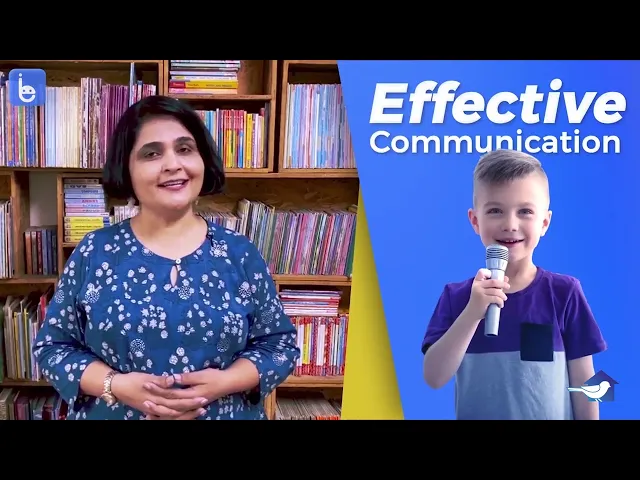
See how HSF helped Bambinos build a compelling learning experience designed for student engagement and parent appeal. Watch the video:
Measuring Growth and Educational Impact
Measuring growth and educational impact ensures children’s financial literacy programs deliver real value within the USA EdTech landscape. Key indicators include pre- and post-assessment score improvements, engagement rates, and module completion data. Interactive analytics from quizzes and simulations reveal concept mastery and learning gaps. Beyond academics, district renewals, subscription retention, and expansion into additional grade levels reflect sustainable growth. Data-driven insights enable continuous content refinement while demonstrating measurable educational outcomes and long-term scalability.
Read more: Social-Emotional Learning (SEL) Videos: Why Schools Need Them
Why Production Quality Directly Impacts EdTech Growth
Strong children’s online course production is a key driver of sustained EdTech expansion. Production quality influences engagement, institutional trust, and scalability, directly affecting adoption rates and long-term growth potential in the USA education market.
Engagement Determines Completion: Poorly produced content lowers watch time and retention, while interactive storytelling and polished visuals increase completion rates and active participation.
Credibility Builds Institutional Trust: District buyers evaluate professionalism carefully; clear audio, structured pacing, and visual consistency strengthen procurement confidence.
Scalable Production Enables Multi-State Rollout: Adaptable scripts, modular design, and localized versions support expansion across diverse state standards and communities.
How House Sparrow Films Supports Scalable Financial Literacy Course Production
House Sparrow Films specializes in producing interactive financial literacy courses tailored for USA K–8 learners. From curriculum-aligned scripting to animation, live action, and branching video design, the team builds structured learning journeys that meet state mandates and classroom expectations. Each module is designed for LMS compatibility, measurable assessments, and age-appropriate storytelling that simplifies complex money concepts.
With experience in educational video strategy and post-production precision, House Sparrow Films ensures seamless scalability across districts. The studio integrates analytics tracking, accessibility features, and teacher-ready guides, enabling EdTech companies and institutions to expand financial literacy programs confidently across multiple states.
Conclusion
Interactive children’s financial literacy courses are no longer optional add-ons but strategic drivers of EdTech growth in the USA. As schools, districts, and parents prioritize real-world money skills, the demand for curriculum-aligned, interactive video learning continues to accelerate. Institutions that invest in high-quality production, measurable engagement, and scalable design position themselves for long-term adoption and expansion. House Sparrow Films partners with EdTech innovators and educators to craft impactful, standards-aligned financial literacy experiences for young learners. If you are ready to build a course that drives measurable growth and classroom impact, connect with our team today.
FAQs
1. Why is financial literacy important for children in K–8 education?
Financial literacy builds early money management skills, helping children understand saving, budgeting, and responsible spending before adulthood.
2. How do interactive courses improve financial learning outcomes?
Interactive modules use simulations, quizzes, and storytelling to increase engagement, retention, and practical skill application.
3. What makes a financial literacy course scalable across USA states?
Curriculum alignment, modular design, and compliance with state standards enable multi-state adoption and district integration.
4. How long should a children’s financial literacy course be?
An ideal structure includes 25–30 minutes of modular content divided into short, focused lessons.
5. What role does video production quality play in EdTech success?
High-quality production enhances engagement, builds institutional trust, and supports measurable educational impact.
Key takeaways
Interactive financial literacy courses address critical educational gaps in American classrooms today.
EdTech growth accelerates when learning design and production quality align strategically.
Curriculum-aligned storytelling improves engagement, retention, and measurable student outcomes significantly.
Scalable video production enables multi-state adoption and broader institutional partnerships.
Data-driven optimization strengthens course performance and long-term educational impact.
Growing demand for practical life skills in K–8 education and the rapid expansion of digital learning in USA classrooms have made financial literacy videos for kids a pivotal tool for educators and curriculum developers. Data from the 2025 P-Fin Index shows that overall financial literacy remains low in the United States, with adults correctly answering just 49 percent of basic personal finance questions, highlighting the ongoing need for solid financial education foundations.
As instructional budgets shift toward measurable outcomes and hybrid learning, interactive, curriculum-aligned financial literacy video courses are driving EdTech growth by improving engagement, mastery, and real-world skill application. Strategic production partnerships that blend pedagogical rigour with engaging storytelling and interactive design are now essential for EdTech teams and districts aiming to scale financial learning across the USA.
Why Interactive Financial Literacy Is Powering EdTech Growth in the USA
Interactive financial literacy has become a strategic priority in K–12 education as policy shifts increase formal instruction requirements. According to the Council for Economic Education’s 2024 Survey of the States, 35 U.S. states now require students to take a personal finance course to graduate, signaling a nationwide push toward structured financial education in schools.
This expanding mandate is directly fueling EdTech growth, as districts seek scalable, engaging solutions to meet curriculum standards efficiently. Interactive video-based financial literacy programs provide measurable learning outcomes, classroom flexibility, and digital accessibility. By combining curriculum alignment with immersive storytelling and assessments, these programs help schools satisfy graduation requirements while strengthening student engagement and long-term skill retention.
Read more: How EdTech Platforms Can Use Video to Improve Course Completion Rates
What Makes an Interactive Children’s Financial Literacy Course Effective
An effective program goes beyond basic explainer videos. High-impact interactive eLearning for children combines pedagogy, storytelling, and measurable engagement tools to ensure real understanding of financial concepts. For young learners, effectiveness depends on how well the course connects money lessons to real-life experiences, keeps attention spans in mind, and aligns with academic standards. The most successful financial literacy courses blend age-appropriate learning design with immersive interactivity, helping children move from passive viewing to active decision-making.
Age-Appropriate Pedagogical Design
Children process financial concepts differently at each developmental stage, making intentional design essential. Structured learning pathways, relatable examples, and visual clarity help simplify abstract topics like saving, budgeting, and digital payments.
Story-Led Learning
Characters facing real-world money scenarios.
Emotion-driven decision points.
Story-driven narratives allow children to see consequences unfold in safe, guided environments, strengthening comprehension and empathy.
Microlearning Modules
3–7 minute segments.
Concept-based progression.
Short, focused lessons match classroom time constraints and attention spans while building knowledge step by step.
Formative Assessments
In-video quizzes.
Branching decisions.
Immediate feedback loops.
Built-in assessments reinforce understanding and help students correct misconceptions instantly.
Interactivity That Drives Retention
Interactive learning elements deepen engagement and improve memory retention.
Scenario-based simulations.
Choice-based budgeting exercises.
Gamified saving challenges.
Interactive dashboards for teachers.
By allowing children to practice financial decisions in dynamic formats, interactive modules transform abstract lessons into practical skill-building experiences.
Curriculum Alignment and Compliance
Effective financial literacy courses must align with state education standards and evolving personal finance graduation mandates to ensure institutional adoption. Clear standards mapping helps districts integrate content seamlessly into existing curricula. Equally critical are COPPA and FERPA safeguards to protect student data and privacy in digital environments. A school & edtech video production agency ensures regulatory compliance while designing secure, curriculum-aligned interactive learning experiences.
Production Framework for Scaling Financial Literacy Courses in the US
Scaling kids' finance education in the USA requires more than creative storytelling. It demands a structured production framework that aligns curriculum expertise with engaging visuals, interactive architecture, and measurable outcomes. From concept development to post-production delivery, every phase must support classroom adoption, compliance, and long-term scalability across districts and EdTech platforms.
Curriculum to Script Translation
Strong financial literacy content begins with instructional clarity.
SME Collaboration: Subject matter experts validate financial concepts, ensuring age-appropriate accuracy and alignment with evolving education standards.
Standards Mapping Before Scripting: Mapping objectives to state requirements guarantees compliance and simplifies district-level curriculum integration.
Learning Objective Validation: Clearly defined outcomes guide script development and enable measurable assessment of student comprehension.
This structured approach ensures scripts are both engaging and academically sound.
Creative Development for Young Audiences
Effective children’s content balances imagination with clarity.
Live Action vs Animation Decisions
Use animated characters to simplify abstract or sensitive topics and enhance relatability.
Use real-life classroom settings when demonstrating practical scenarios and peer interactions.
Visual Simplicity for Complex Concepts
Explaining interest, budgeting, and digital money safely through clear visual breakdowns.
Visual metaphors to simplify abstract finance topics for young learners.
Thoughtful, creative choices ensure comprehension without overwhelming students.
Interactive Design Integration
Interactive design transforms financial literacy lessons into active learning experiences. Branching pathways allow students to explore real-world money decisions and understand consequences safely within guided scenarios. Embedded quizzes reinforce concepts immediately after introduction, strengthening retention and comprehension. LMS compatibility through SCORM and xAPI ensures seamless deployment across school platforms, while integrated analytics tracking provides educators with measurable insights into engagement, progress, and overall learning effectiveness.
Read more: Interactive Learning Videos: Tools and Techniques
Post-Production for Educational Impact
Post-production plays a critical role in transforming raw educational content into a classroom-ready learning experience. Child-friendly pacing ensures concepts are delivered clearly without overwhelming young viewers, while smooth transitions maintain engagement. Clear sound design, including balanced narration and ambient audio, enhances comprehension and minimizes distractions in both classroom and at-home learning environments.
Accessibility features such as subtitles and multilingual versions expand reach across diverse student populations. Teacher guide integration further strengthens impact by providing structured lesson plans, discussion prompts, and assessment support aligned with learning objectives.
Ready to produce an interactive financial literacy course for USA schools? Book a consultation with House Sparrow Films.
Sample Content Architecture for a Children’s Financial Literacy Course
A well-structured course architecture ensures concepts are built progressively while maintaining engagement across age groups. Incorporating gamified learning videos strengthens motivation by blending storytelling, interactivity, and measurable learning checkpoints. A modular design allows educators to integrate financial literacy seamlessly into existing schedules while supporting different grade-level comprehension abilities. Below is a scalable structure designed for classroom and hybrid adoption.
Recommended Module Structure:
Grade Band | Topic | Format | Interactive Feature | Outcome |
K–2 | Needs vs Wants | Animated Story | Decision Hotspots | Identify basic choices |
3–5 | Saving Basics | Hybrid Video | Mini-game | Understand saving goals |
5–8 | Budget Planning | Scenario-Based | Branching Path | Create simple budgets |
6–8 | Digital Money & Safety | Explainer | Checklist Interaction | Recognize online risks |
Runtime Strategy for Classroom Adoption
A well-planned runtime structure ensures financial literacy lessons fit naturally into school schedules while maintaining engagement. Short, modular formats make it easier for teachers to integrate content without overwhelming students or disrupting core academic subjects.
Modular Duration: Total 25–30 minutes strategically divided into short, focused learning segments.
Classroom Slotting: Designed to fit standard class periods or supplementary skill-building sessions.
Hybrid Compatibility: Structured for seamless use in both in-person classrooms and remote learning environments.
Distribution and Monetization Strategy for the USA Market Growth
Scaling a children’s financial literacy course requires a clear distribution and revenue strategy aligned with how USA schools and families adopt EdTech. A multi-channel approach ensures sustainable growth while maintaining measurable educational impact. As education strategist Dr. Linda Garcia notes, “Digital curriculum only succeeds when it aligns with both classroom priorities and long-term district goals.” Blending institutional partnerships with direct-to-parent accessibility strengthens both reach and revenue potential.
School District Adoption Strategy
A successful district adoption strategy prioritizes evidence, alignment, and classroom practicality. Before scaling across multiple schools, decision-makers look for validated engagement, measurable learning impact, and teacher-ready implementation. A phased rollout approach reduces risk while building institutional confidence and long-term procurement approval.
Pilot Programs: Launch controlled pilots in select classrooms to test engagement, usability, and curriculum alignment.
Measurable Learning Gains: Present pre- and post-assessment data to demonstrate clear knowledge improvement.
Teacher Feedback Loops: Gather structured educator feedback to refine modules and increase district-wide adoption readiness.
Direct-to-Parent EdTech Model
The direct-to-parent model supports growth beyond institutional sales. Subscription-based modules provide families with structured access to interactive lessons, while reinforcement activities extend financial literacy learning into the home environment. Supplemental worksheets and guided exercises help parents support skill development, increasing course retention and lifetime user value.
Partnerships and Institutional Scaling
Strategic partnerships accelerate market expansion. Financial institutions often sponsor youth financial education initiatives, creating funding opportunities for large-scale deployment. Nonprofits focused on youth empowerment can expand access in underserved communities. Alignment with state education boards adopting digital personal finance curriculum modules further strengthens institutional credibility and long-term scalability.
See how HSF helped Bambinos build a compelling learning experience designed for student engagement and parent appeal. Watch the video:
Measuring Growth and Educational Impact
Measuring growth and educational impact ensures children’s financial literacy programs deliver real value within the USA EdTech landscape. Key indicators include pre- and post-assessment score improvements, engagement rates, and module completion data. Interactive analytics from quizzes and simulations reveal concept mastery and learning gaps. Beyond academics, district renewals, subscription retention, and expansion into additional grade levels reflect sustainable growth. Data-driven insights enable continuous content refinement while demonstrating measurable educational outcomes and long-term scalability.
Read more: Social-Emotional Learning (SEL) Videos: Why Schools Need Them
Why Production Quality Directly Impacts EdTech Growth
Strong children’s online course production is a key driver of sustained EdTech expansion. Production quality influences engagement, institutional trust, and scalability, directly affecting adoption rates and long-term growth potential in the USA education market.
Engagement Determines Completion: Poorly produced content lowers watch time and retention, while interactive storytelling and polished visuals increase completion rates and active participation.
Credibility Builds Institutional Trust: District buyers evaluate professionalism carefully; clear audio, structured pacing, and visual consistency strengthen procurement confidence.
Scalable Production Enables Multi-State Rollout: Adaptable scripts, modular design, and localized versions support expansion across diverse state standards and communities.
How House Sparrow Films Supports Scalable Financial Literacy Course Production
House Sparrow Films specializes in producing interactive financial literacy courses tailored for USA K–8 learners. From curriculum-aligned scripting to animation, live action, and branching video design, the team builds structured learning journeys that meet state mandates and classroom expectations. Each module is designed for LMS compatibility, measurable assessments, and age-appropriate storytelling that simplifies complex money concepts.
With experience in educational video strategy and post-production precision, House Sparrow Films ensures seamless scalability across districts. The studio integrates analytics tracking, accessibility features, and teacher-ready guides, enabling EdTech companies and institutions to expand financial literacy programs confidently across multiple states.
Conclusion
Interactive children’s financial literacy courses are no longer optional add-ons but strategic drivers of EdTech growth in the USA. As schools, districts, and parents prioritize real-world money skills, the demand for curriculum-aligned, interactive video learning continues to accelerate. Institutions that invest in high-quality production, measurable engagement, and scalable design position themselves for long-term adoption and expansion. House Sparrow Films partners with EdTech innovators and educators to craft impactful, standards-aligned financial literacy experiences for young learners. If you are ready to build a course that drives measurable growth and classroom impact, connect with our team today.
FAQs
1. Why is financial literacy important for children in K–8 education?
Financial literacy builds early money management skills, helping children understand saving, budgeting, and responsible spending before adulthood.
2. How do interactive courses improve financial learning outcomes?
Interactive modules use simulations, quizzes, and storytelling to increase engagement, retention, and practical skill application.
3. What makes a financial literacy course scalable across USA states?
Curriculum alignment, modular design, and compliance with state standards enable multi-state adoption and district integration.
4. How long should a children’s financial literacy course be?
An ideal structure includes 25–30 minutes of modular content divided into short, focused lessons.
5. What role does video production quality play in EdTech success?
High-quality production enhances engagement, builds institutional trust, and supports measurable educational impact.