Key takeaways
Short videos improve focus, retention, and completion rates across modern professional learning environments.
Each micro lesson should deliver one clear objective for stronger learner comprehension.
Visual storytelling simplifies complex topics through animation, demonstrations, and structured narration techniques.
Consistent branding builds credibility, reinforces identity, and strengthens long-term learner trust.
Tracking engagement metrics enables continuous improvement and measurable learning performance growth.
Microlearning has rapidly transformed how education and corporate training are delivered in the United States, with bite-sized, engaging formats replacing lengthy lectures and static documents. According to Matsh, organisations that use short, focused learning modules report significantly higher retention and completion rates compared to traditional training approaches, with video-based content driving much of this success. This shift highlights the effectiveness of microlearning video production in meeting the needs of modern learners across both education and professional sectors.
For organisations like NuScienta in the USA, embracing targeted video strategies aligns with its mission to deliver impactful, learner-centric experiences. By leveraging short, expertly crafted video content designed around specific learning goals, NuScienta can boost engagement, enhance knowledge retention, and support continuous skill development for diverse audiences.
Why Micro-Course Videos Matter for Learning Engagement
Short attention spans, digital-first habits, and performance-driven learning environments have reshaped how knowledge is consumed across academic and corporate settings. This is where short-course video creation plays a crucial role. Micro-course videos break complex subjects into focused, structured segments that are easier to process and apply. By delivering concise, visually engaging lessons, organisations can significantly improve learner participation, comprehension, and overall engagement outcomes.
The Shift to Bite-Sized Learning
Micro-courses are structured learning modules designed to deliver one clear objective within a short duration, typically ranging from two to seven minutes. Micro-learning video formats include animated explainers, expert-led tutorials, screen demonstrations, scenario-based simulations, and interactive visual lessons.
The cognitive benefits of shorter video segments are strongly supported by learning science. Brief, focused lessons reduce cognitive overload, making it easier for learners to absorb and retain information. Short videos also encourage repetition, reinforcement, and on-demand access, which strengthens memory recall and improves long-term knowledge retention. Learners are more likely to complete concise modules, increasing both engagement and measurable learning outcomes.
Trends in the USA Market
Across the United States, both professionals and students increasingly prefer concise digital learning experiences that fit busy schedules. Institutions and enterprises are partnering with the best university video production company providers to develop scalable micro-course libraries that improve completion rates and knowledge retention. Short video learning supports flexible access, mobile consumption, and skill-based development, making it a preferred format in modern education and corporate training ecosystems.
Read more: Microlearning vs. Traditional Learning: Which is Better?
Core Principles of Effective Micro-Course Video Production
Creating impactful micro-courses requires more than shortening content. Effective bite-sized learning videos are built around strategic structure, clarity, and visual precision. When executed correctly, they simplify complex subjects while maintaining depth and engagement.
Clarity and Focused Learning Objectives
Each micro-course must deliver one clearly defined outcome. Overloading short videos with multiple objectives reduces effectiveness and weakens learner retention. Precision ensures clarity, focus, and measurable impact.
Single Learning Outcome: Each video should address one measurable objective to maintain clarity, focus, and stronger learner retention outcomes.
Defined Duration Control: Keeping videos within two to five minutes maintains attention spans and increases module completion consistency.
Strategic Visual Cues: On-screen highlights, captions, and motion graphics reinforce core points while reducing cognitive overload significantly.
Story-Driven Visuals
Narrative-driven visuals transform passive viewing into active learning experiences. Instead of presenting isolated facts, structured storytelling connects concepts with relatable scenarios and practical application.
Scenario-Based Introductions: Begin with relatable real-world challenges to immediately anchor attention and contextualise learning objectives effectively.
Guided Demonstrations: Combine voiceover explanations with animated or live demonstrations to enhance clarity and practical understanding.
Memorable Summaries: Close with concise visual recaps reinforcing the main takeaway for stronger knowledge retention.
Consistency in Branding and Style
Consistency in visual identity, tone, and messaging builds trust and credibility. For NuScienta, maintaining uniform colours, typography, intro sequences, and instructional style across all micro-course videos reinforces its authority and professionalism.
When learners repeatedly engage with consistent branded content, it strengthens recognition and confidence in the learning experience. A cohesive style also ensures scalability, allowing NuScienta to expand its video library while preserving quality and brand integrity.
Partner with House Sparrow Films to create impactful, high-performing micro-course videos tailored to your audience. Request a Quote and start building engaging learning experiences today.
Step-by-Step Video Production Process for NuScienta Micro-Courses
“Effective learning videos are not created by chance; they are engineered through strategy, structure, and storytelling,” says Rajesh Menon, Creative Director at House Sparrow Films. For NuScienta’s micro-courses, a structured production workflow ensures each module delivers clarity, engagement, and measurable learning outcomes while aligning with organisational goals.
Pre-Production: Strategy and Script
Pre-production sets the foundation for impactful micro-course development. This stage focuses on aligning educational goals with audience needs and defining measurable outcomes before any filming begins.
A detailed needs assessment with key stakeholders helps identify learner profiles, knowledge gaps, and expected performance improvements. This ensures each micro-module solves a specific learning challenge.
To maximise engagement, structured script frameworks are used:
Clear hook within the first 15 seconds
One defined learning objective per video
Logical flow: problem, explanation, example, summary
Conversational tone with concise messaging
Production: Filming Techniques That Educate
Production transforms strategy into visual learning experiences. The filming approach should prioritise clarity, visual engagement, and instructional precision.
On-screen talent plays a critical role in knowledge delivery. Effective techniques include:
Direct eye contact to build learner connection
Natural pacing for better comprehension
Emphasising key terms through vocal variation
Visual aids and animation elements further enhance understanding. Simple motion graphics, on-screen diagrams, and illustrative overlays help break down complex ideas into digestible segments. Strategic framing, lighting, and clean backgrounds maintain professional quality while minimising distractions.
Post-Production: Edit for Learning Efficiency
Editing shapes the final learning experience by refining clarity and maintaining viewer attention. Micro-course videos must remain concise and purposeful.
Key editing priorities include:
Cutting unnecessary pauses or repetitive explanations
Maintaining strong pacing to prevent cognitive fatigue
Structuring content into logical visual segments
Text overlays, annotations, and chapter markers reinforce key concepts and guide learners through the material. Segmentation improves knowledge absorption, while subtle visual cues strengthen recall. Thoughtful post-production ensures every second of the video contributes to measurable learning impact.
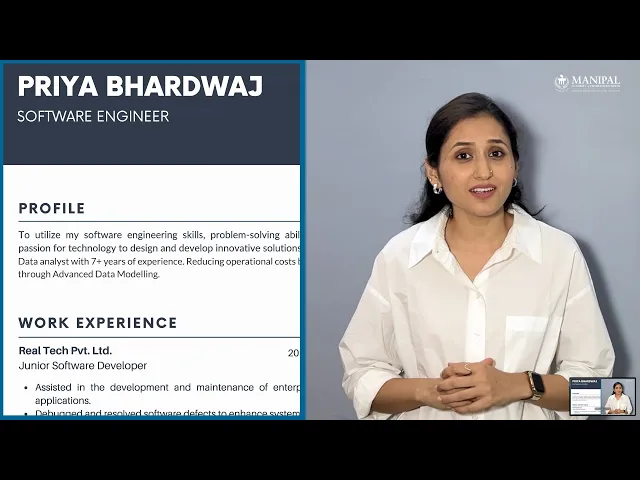
See how HSF helped UNext/Manipal transform career-focused education into a structured, engaging micro-learning experience that delivers clear, practical outcomes… Watch the video:
Visual & Interactive Elements That Drive Learning
Engaging learners through micro-courses requires more than talking heads. Research shows that animation and interactive features significantly enhance engagement and retention by activating multiple cognitive pathways and encouraging active participation, turning passive viewers into active learners. These elements help learners better understand complex ideas while improving recall and satisfaction.
Animation and Motion Graphics
Animation and motion graphics simplify complex ideas by translating abstract concepts into dynamic visual representations. Animated explanations break down multi-step processes, data-heavy topics, and technical systems into structured sequences that are easier to follow. By pairing narration with visual movement, animation supports dual-channel learning, reducing cognitive overload and strengthening recall.
In micro-courses, animation works particularly well for demonstrating workflows, illustrating invisible processes such as scientific mechanisms, visualising data trends, or reinforcing key takeaways through kinetic typography. Strategic use of motion graphics ensures clarity without overwhelming the viewer.
Interactive Video Features
Interactive features transform a standard learning video into a participatory experience. Elements such as clickable hotspots, branching choices, and embedded quizzes encourage learners to pause, reflect, and apply knowledge in real time.
Hotspots allow learners to explore deeper explanations within the same video environment, while choice-based triggers personalise the learning path according to user preference. Embedded quizzes reinforce comprehension immediately after key concepts are introduced, strengthening memory retention. By prompting active decision-making and self-assessment, interactive video elements significantly enhance long-term learning effectiveness.
Read more: How Micro-Interactive L&D Videos Improve Knowledge Retention
SEO and Accessibility for Micro-Course Videos
Strategic optimisation ensures micro-course content remains visible, discoverable, and inclusive. For organisations investing in EdTech video production USA, combining accessibility compliance with search engine optimisation strengthens both reach and learner experience. A well-optimised video does not just educate; it performs effectively across digital platforms.
Transcripts and Captions
Accessibility is a foundational requirement for educational content in the United States. Compliance with ADA and Section 508 ensures equal access for learners with hearing impairments and diverse learning needs. Beyond compliance, transcripts and captions significantly improve discoverability and viewer engagement.
Legal Accessibility Compliance: Captions ensure adherence to ADA and Section 508 standards for inclusive educational delivery.
Search Engine Visibility: Indexed transcript text helps videos rank higher on Google and YouTube search results.
Improved Viewer Retention: Captions support mobile and silent viewing, increasing average watch time.
Enhanced Comprehension: Text reinforcement strengthens understanding for multilingual and diverse audiences.
Metadata and Thumbnails That Convert
Optimised metadata influences how videos appear in search results and whether users choose to click. Titles, descriptions, and tags must align with learner intent while clearly communicating value. Thumbnails and platform CTAs further drive engagement.
Title Optimisation: Clear, outcome-focused titles aligned with learner search behaviour improve discoverability.
Structured Descriptions: Detailed summaries with timestamps and keywords enhance relevance and platform indexing.
Strategic Tagging: Accurate tags categorise content effectively within search and recommendation algorithms.
Compelling Thumbnails: Clean visuals with readable overlays increase click-through rates significantly.
Platform Call-to-Action: Clear prompts such as enrol now or explore next module encourage immediate learner action.
When accessibility and SEO are strategically integrated, micro-course videos achieve stronger reach, engagement, and long-term educational impact.
Measuring Success: Engagement Metrics that Matter
The effectiveness of interactive microlearning videos depends on measurable engagement outcomes. Tracking the right performance indicators allows NuScienta to understand learner behaviour, refine content delivery, and improve long-term educational impact.
Key Performance Indicators (KPIs)
Clear metrics provide insight into how learners respond to micro-course content and whether learning objectives are being achieved.
Percentage of learners who complete each micro-course module
Click frequency on interactive elements and embedded features
Average watch time and drop-off points
Quiz scores and assessment performance levels
Learner feedback ratings and qualitative responses
These metrics collectively reveal how well the content captures attention and supports knowledge retention.
Tools for Tracking Video Engagement
Modern analytics tools provide detailed insights into how learners interact with course content. Reviewing this data regularly supports continuous optimisation and improved outcomes.
LMS dashboards tracking learner progress and module completion
Video analytics platforms monitor watch time and replay behaviour
Heatmaps identifying engagement peaks and drop-off sections
Quiz reporting tools highlighting comprehension gaps
Performance reports segmented by learner groups
Regular data review helps refine pacing, visuals, and interactivity for continuous improvement in engagement and learning outcomes.
Read more: How to Use Video to Support Blended Learning Models
NuScienta in the USA: How Micro-Course Videos Elevate Learner Experience
Micro-course videos support NuScienta’s mission to deliver structured, learner-focused education with measurable outcomes. As discussed earlier, concise modules improve retention by breaking complex scientific and technical topics into focused, manageable segments. This format ensures clarity, consistency, and stronger engagement while maintaining high instructional standards across programs in the USA.
NuScienta’s learners include professionals, researchers, and students seeking flexible, skill-driven education. Micro-course videos provide on-demand access, visual explanations, and interactive reinforcement suited to busy schedules. The scalable format also allows NuScienta to expand its course library efficiently, update content quickly, and sustain long-term learner engagement.
How House Sparrow Films Supports NuScienta’s Micro-Course Vision
House Sparrow Films brings strategic expertise in producing structured, outcome-driven micro-course videos tailored for education and professional training sectors. For NuScienta in the USA, HSF focuses on translating complex scientific and technical content into engaging visual modules that are concise, interactive, and scalable. From curriculum-aligned scripting and animation design to platform-ready optimisation and accessibility compliance, every stage is aligned with learner engagement goals. By combining instructional design insight with high-quality production standards, House Sparrow Films ensures NuScienta’s micro-courses deliver measurable retention, stronger completion rates, and a consistent, branded learning experience across expanding digital programs.
Conclusion
Micro-course video production enables NuScienta to deliver focused, engaging, and measurable learning experiences for professionals and students across the USA. Through concise modules, visual storytelling, and interactive elements, complex scientific concepts become easier to understand and retain. This scalable approach strengthens consistency, improves completion rates, and supports long-term educational impact.
House Sparrow Films brings the creative and technical expertise needed to execute this vision with precision. From strategy to final delivery, we ensure every module drives meaningful engagement. Connect with us today to build impactful micro-course videos that elevate learner experiences and future-proof your training programs.
FAQs
1. What is a micro-course video?
A micro-course video is a short, focused learning module designed to deliver one clear objective within a few minutes, improving retention and engagement.
2. Why are micro-course videos effective for professional training?
They fit busy schedules, reduce cognitive overload, and improve completion rates through concise, structured content delivery.
3. How long should a micro-course video be?
Most effective micro-course videos range between two to five minutes to maintain attention and maximise knowledge retention.
4. Can micro-course videos include interactive elements?
Yes, features like quizzes, hotspots, and branching scenarios enhance learner participation and improve long-term retention.
5. How do micro-course videos improve learner retention?
By delivering focused content in short segments supported by visuals and interactive reinforcement, micro-course videos strengthen memory recall and comprehension.
Key takeaways
Short videos improve focus, retention, and completion rates across modern professional learning environments.
Each micro lesson should deliver one clear objective for stronger learner comprehension.
Visual storytelling simplifies complex topics through animation, demonstrations, and structured narration techniques.
Consistent branding builds credibility, reinforces identity, and strengthens long-term learner trust.
Tracking engagement metrics enables continuous improvement and measurable learning performance growth.
Microlearning has rapidly transformed how education and corporate training are delivered in the United States, with bite-sized, engaging formats replacing lengthy lectures and static documents. According to Matsh, organisations that use short, focused learning modules report significantly higher retention and completion rates compared to traditional training approaches, with video-based content driving much of this success. This shift highlights the effectiveness of microlearning video production in meeting the needs of modern learners across both education and professional sectors.
For organisations like NuScienta in the USA, embracing targeted video strategies aligns with its mission to deliver impactful, learner-centric experiences. By leveraging short, expertly crafted video content designed around specific learning goals, NuScienta can boost engagement, enhance knowledge retention, and support continuous skill development for diverse audiences.
Why Micro-Course Videos Matter for Learning Engagement
Short attention spans, digital-first habits, and performance-driven learning environments have reshaped how knowledge is consumed across academic and corporate settings. This is where short-course video creation plays a crucial role. Micro-course videos break complex subjects into focused, structured segments that are easier to process and apply. By delivering concise, visually engaging lessons, organisations can significantly improve learner participation, comprehension, and overall engagement outcomes.
The Shift to Bite-Sized Learning
Micro-courses are structured learning modules designed to deliver one clear objective within a short duration, typically ranging from two to seven minutes. Micro-learning video formats include animated explainers, expert-led tutorials, screen demonstrations, scenario-based simulations, and interactive visual lessons.
The cognitive benefits of shorter video segments are strongly supported by learning science. Brief, focused lessons reduce cognitive overload, making it easier for learners to absorb and retain information. Short videos also encourage repetition, reinforcement, and on-demand access, which strengthens memory recall and improves long-term knowledge retention. Learners are more likely to complete concise modules, increasing both engagement and measurable learning outcomes.
Trends in the USA Market
Across the United States, both professionals and students increasingly prefer concise digital learning experiences that fit busy schedules. Institutions and enterprises are partnering with the best university video production company providers to develop scalable micro-course libraries that improve completion rates and knowledge retention. Short video learning supports flexible access, mobile consumption, and skill-based development, making it a preferred format in modern education and corporate training ecosystems.
Read more: Microlearning vs. Traditional Learning: Which is Better?
Core Principles of Effective Micro-Course Video Production
Creating impactful micro-courses requires more than shortening content. Effective bite-sized learning videos are built around strategic structure, clarity, and visual precision. When executed correctly, they simplify complex subjects while maintaining depth and engagement.
Clarity and Focused Learning Objectives
Each micro-course must deliver one clearly defined outcome. Overloading short videos with multiple objectives reduces effectiveness and weakens learner retention. Precision ensures clarity, focus, and measurable impact.
Single Learning Outcome: Each video should address one measurable objective to maintain clarity, focus, and stronger learner retention outcomes.
Defined Duration Control: Keeping videos within two to five minutes maintains attention spans and increases module completion consistency.
Strategic Visual Cues: On-screen highlights, captions, and motion graphics reinforce core points while reducing cognitive overload significantly.
Story-Driven Visuals
Narrative-driven visuals transform passive viewing into active learning experiences. Instead of presenting isolated facts, structured storytelling connects concepts with relatable scenarios and practical application.
Scenario-Based Introductions: Begin with relatable real-world challenges to immediately anchor attention and contextualise learning objectives effectively.
Guided Demonstrations: Combine voiceover explanations with animated or live demonstrations to enhance clarity and practical understanding.
Memorable Summaries: Close with concise visual recaps reinforcing the main takeaway for stronger knowledge retention.
Consistency in Branding and Style
Consistency in visual identity, tone, and messaging builds trust and credibility. For NuScienta, maintaining uniform colours, typography, intro sequences, and instructional style across all micro-course videos reinforces its authority and professionalism.
When learners repeatedly engage with consistent branded content, it strengthens recognition and confidence in the learning experience. A cohesive style also ensures scalability, allowing NuScienta to expand its video library while preserving quality and brand integrity.
Partner with House Sparrow Films to create impactful, high-performing micro-course videos tailored to your audience. Request a Quote and start building engaging learning experiences today.
Step-by-Step Video Production Process for NuScienta Micro-Courses
“Effective learning videos are not created by chance; they are engineered through strategy, structure, and storytelling,” says Rajesh Menon, Creative Director at House Sparrow Films. For NuScienta’s micro-courses, a structured production workflow ensures each module delivers clarity, engagement, and measurable learning outcomes while aligning with organisational goals.
Pre-Production: Strategy and Script
Pre-production sets the foundation for impactful micro-course development. This stage focuses on aligning educational goals with audience needs and defining measurable outcomes before any filming begins.
A detailed needs assessment with key stakeholders helps identify learner profiles, knowledge gaps, and expected performance improvements. This ensures each micro-module solves a specific learning challenge.
To maximise engagement, structured script frameworks are used:
Clear hook within the first 15 seconds
One defined learning objective per video
Logical flow: problem, explanation, example, summary
Conversational tone with concise messaging
Production: Filming Techniques That Educate
Production transforms strategy into visual learning experiences. The filming approach should prioritise clarity, visual engagement, and instructional precision.
On-screen talent plays a critical role in knowledge delivery. Effective techniques include:
Direct eye contact to build learner connection
Natural pacing for better comprehension
Emphasising key terms through vocal variation
Visual aids and animation elements further enhance understanding. Simple motion graphics, on-screen diagrams, and illustrative overlays help break down complex ideas into digestible segments. Strategic framing, lighting, and clean backgrounds maintain professional quality while minimising distractions.
Post-Production: Edit for Learning Efficiency
Editing shapes the final learning experience by refining clarity and maintaining viewer attention. Micro-course videos must remain concise and purposeful.
Key editing priorities include:
Cutting unnecessary pauses or repetitive explanations
Maintaining strong pacing to prevent cognitive fatigue
Structuring content into logical visual segments
Text overlays, annotations, and chapter markers reinforce key concepts and guide learners through the material. Segmentation improves knowledge absorption, while subtle visual cues strengthen recall. Thoughtful post-production ensures every second of the video contributes to measurable learning impact.
See how HSF helped UNext/Manipal transform career-focused education into a structured, engaging micro-learning experience that delivers clear, practical outcomes… Watch the video:
Visual & Interactive Elements That Drive Learning
Engaging learners through micro-courses requires more than talking heads. Research shows that animation and interactive features significantly enhance engagement and retention by activating multiple cognitive pathways and encouraging active participation, turning passive viewers into active learners. These elements help learners better understand complex ideas while improving recall and satisfaction.
Animation and Motion Graphics
Animation and motion graphics simplify complex ideas by translating abstract concepts into dynamic visual representations. Animated explanations break down multi-step processes, data-heavy topics, and technical systems into structured sequences that are easier to follow. By pairing narration with visual movement, animation supports dual-channel learning, reducing cognitive overload and strengthening recall.
In micro-courses, animation works particularly well for demonstrating workflows, illustrating invisible processes such as scientific mechanisms, visualising data trends, or reinforcing key takeaways through kinetic typography. Strategic use of motion graphics ensures clarity without overwhelming the viewer.
Interactive Video Features
Interactive features transform a standard learning video into a participatory experience. Elements such as clickable hotspots, branching choices, and embedded quizzes encourage learners to pause, reflect, and apply knowledge in real time.
Hotspots allow learners to explore deeper explanations within the same video environment, while choice-based triggers personalise the learning path according to user preference. Embedded quizzes reinforce comprehension immediately after key concepts are introduced, strengthening memory retention. By prompting active decision-making and self-assessment, interactive video elements significantly enhance long-term learning effectiveness.
Read more: How Micro-Interactive L&D Videos Improve Knowledge Retention
SEO and Accessibility for Micro-Course Videos
Strategic optimisation ensures micro-course content remains visible, discoverable, and inclusive. For organisations investing in EdTech video production USA, combining accessibility compliance with search engine optimisation strengthens both reach and learner experience. A well-optimised video does not just educate; it performs effectively across digital platforms.
Transcripts and Captions
Accessibility is a foundational requirement for educational content in the United States. Compliance with ADA and Section 508 ensures equal access for learners with hearing impairments and diverse learning needs. Beyond compliance, transcripts and captions significantly improve discoverability and viewer engagement.
Legal Accessibility Compliance: Captions ensure adherence to ADA and Section 508 standards for inclusive educational delivery.
Search Engine Visibility: Indexed transcript text helps videos rank higher on Google and YouTube search results.
Improved Viewer Retention: Captions support mobile and silent viewing, increasing average watch time.
Enhanced Comprehension: Text reinforcement strengthens understanding for multilingual and diverse audiences.
Metadata and Thumbnails That Convert
Optimised metadata influences how videos appear in search results and whether users choose to click. Titles, descriptions, and tags must align with learner intent while clearly communicating value. Thumbnails and platform CTAs further drive engagement.
Title Optimisation: Clear, outcome-focused titles aligned with learner search behaviour improve discoverability.
Structured Descriptions: Detailed summaries with timestamps and keywords enhance relevance and platform indexing.
Strategic Tagging: Accurate tags categorise content effectively within search and recommendation algorithms.
Compelling Thumbnails: Clean visuals with readable overlays increase click-through rates significantly.
Platform Call-to-Action: Clear prompts such as enrol now or explore next module encourage immediate learner action.
When accessibility and SEO are strategically integrated, micro-course videos achieve stronger reach, engagement, and long-term educational impact.
Measuring Success: Engagement Metrics that Matter
The effectiveness of interactive microlearning videos depends on measurable engagement outcomes. Tracking the right performance indicators allows NuScienta to understand learner behaviour, refine content delivery, and improve long-term educational impact.
Key Performance Indicators (KPIs)
Clear metrics provide insight into how learners respond to micro-course content and whether learning objectives are being achieved.
Percentage of learners who complete each micro-course module
Click frequency on interactive elements and embedded features
Average watch time and drop-off points
Quiz scores and assessment performance levels
Learner feedback ratings and qualitative responses
These metrics collectively reveal how well the content captures attention and supports knowledge retention.
Tools for Tracking Video Engagement
Modern analytics tools provide detailed insights into how learners interact with course content. Reviewing this data regularly supports continuous optimisation and improved outcomes.
LMS dashboards tracking learner progress and module completion
Video analytics platforms monitor watch time and replay behaviour
Heatmaps identifying engagement peaks and drop-off sections
Quiz reporting tools highlighting comprehension gaps
Performance reports segmented by learner groups
Regular data review helps refine pacing, visuals, and interactivity for continuous improvement in engagement and learning outcomes.
Read more: How to Use Video to Support Blended Learning Models
NuScienta in the USA: How Micro-Course Videos Elevate Learner Experience
Micro-course videos support NuScienta’s mission to deliver structured, learner-focused education with measurable outcomes. As discussed earlier, concise modules improve retention by breaking complex scientific and technical topics into focused, manageable segments. This format ensures clarity, consistency, and stronger engagement while maintaining high instructional standards across programs in the USA.
NuScienta’s learners include professionals, researchers, and students seeking flexible, skill-driven education. Micro-course videos provide on-demand access, visual explanations, and interactive reinforcement suited to busy schedules. The scalable format also allows NuScienta to expand its course library efficiently, update content quickly, and sustain long-term learner engagement.
How House Sparrow Films Supports NuScienta’s Micro-Course Vision
House Sparrow Films brings strategic expertise in producing structured, outcome-driven micro-course videos tailored for education and professional training sectors. For NuScienta in the USA, HSF focuses on translating complex scientific and technical content into engaging visual modules that are concise, interactive, and scalable. From curriculum-aligned scripting and animation design to platform-ready optimisation and accessibility compliance, every stage is aligned with learner engagement goals. By combining instructional design insight with high-quality production standards, House Sparrow Films ensures NuScienta’s micro-courses deliver measurable retention, stronger completion rates, and a consistent, branded learning experience across expanding digital programs.
Conclusion
Micro-course video production enables NuScienta to deliver focused, engaging, and measurable learning experiences for professionals and students across the USA. Through concise modules, visual storytelling, and interactive elements, complex scientific concepts become easier to understand and retain. This scalable approach strengthens consistency, improves completion rates, and supports long-term educational impact.
House Sparrow Films brings the creative and technical expertise needed to execute this vision with precision. From strategy to final delivery, we ensure every module drives meaningful engagement. Connect with us today to build impactful micro-course videos that elevate learner experiences and future-proof your training programs.
FAQs
1. What is a micro-course video?
A micro-course video is a short, focused learning module designed to deliver one clear objective within a few minutes, improving retention and engagement.
2. Why are micro-course videos effective for professional training?
They fit busy schedules, reduce cognitive overload, and improve completion rates through concise, structured content delivery.
3. How long should a micro-course video be?
Most effective micro-course videos range between two to five minutes to maintain attention and maximise knowledge retention.
4. Can micro-course videos include interactive elements?
Yes, features like quizzes, hotspots, and branching scenarios enhance learner participation and improve long-term retention.
5. How do micro-course videos improve learner retention?
By delivering focused content in short segments supported by visuals and interactive reinforcement, micro-course videos strengthen memory recall and comprehension.