Key Takeaways
Completion rates are directly influenced by video structure, pacing, and clarity, not just course content quality.
Short, segmented modules outperform long lecture-style recordings in engagement and progression.
Strategic editing reduces cognitive overload by removing distractions and reinforcing key concepts visually.
Accessibility features such as captions, transcripts, and clear audio improve retention and support diverse USA learners.
Measuring watch time, drop-off points, and module progression after editing helps quantify ROI and optimize future content.
Online learning in the United States has grown rapidly across universities, EdTech platforms, and corporate training programs. Yet one persistent challenge remains low course completion rates. Many learners enroll with enthusiasm but disengage before finishing. One of the most overlooked drivers of this issue is video quality. Poor pacing, long unedited lectures, and a lack of visual reinforcement reduce attention and motivation. Professionally edited, engaging course videos help structure content clearly, maintain energy, and support better learning experiences.
Research supports this. A widely cited study by researchers at MIT analyzing 6.9 million video sessions on edX found that shorter, well-produced educational videos significantly increased student engagement and viewing time. Strategic video editing directly impacts how long learners stay, progress, and ultimately complete a course.
Read more: Interactive Learning Videos: Tools and Techniques
Why Video Production Quality Directly Influences Learning Outcomes
High-quality production is not simply about aesthetics. A skilled university video production company understands how structure, pacing, clarity, and visual reinforcement shape comprehension, retention, and measurable learning outcomes across online programs.
Engagement Science Behind Educational Video
Educational video performance is grounded in behavioral science and learning psychology. Production and editing decisions directly influence attention, retention, motivation, and course completion outcomes.
Attention Span Research: Shorter, visually dynamic videos sustain focus longer, reduce early drop-offs, and increase the likelihood that learners progress through complete modules.
Cognitive Load Theory: Clear visuals, concise explanations, and structured edits prevent mental overload, helping learners process information efficiently and retain concepts longer.
Micro-Learning Effectiveness: Segmented lessons delivered in focused bursts encourage consistent progress, reduce fatigue, and improve overall completion rates across structured online programs.
What the USA Course Teams Often Overlook
Many course creators prioritize content accuracy but underestimate how editing strategy affects learner behavior, engagement depth, and long-term completion performance.
Treating Editing as Cosmetic Instead of Strategic: Editing is often viewed as visual polish, rather than a tool that structures learning flow and reinforces instructional clarity.
Over-Reliance on Raw Lecture Recordings: Unedited lectures lack engagement triggers, leading to reduced watch time, early exits, and lower module completion.
Lack of Pacing and Visual Reinforcement: Without intentional pacing and on-screen highlights, learners struggle to identify key concepts and maintain sustained attention.
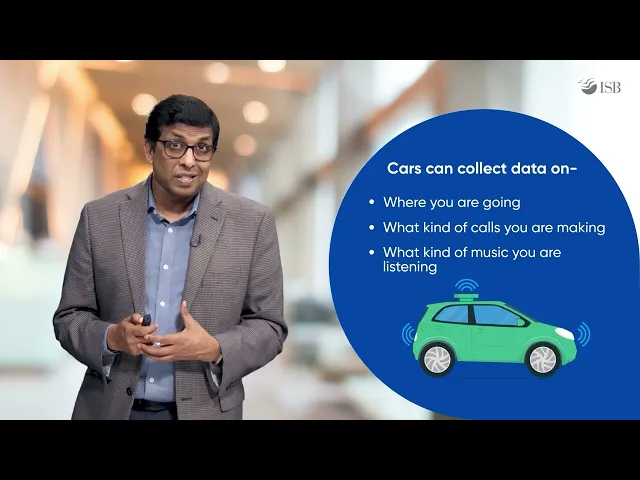
See how HSF helped ISB deliver high-quality academic video content designed for clarity, engagement, and structured learning progression:
How Professional Editing Transforms Online Course Completion Outcomes
Professional editing transforms raw instructional footage into structured, engaging learning experiences that drive measurable progression. When guided by strategy and supported by microlearning editing services, online courses become easier to follow, less mentally exhausting, and more motivating to complete.
1. Strategic Video Segmentation
Strategic segmentation is one of the strongest drivers of learner progression. Breaking long lectures into focused modules helps maintain attention and encourages structured advancement. As Philip J. Guo, researcher at MIT, observed, “Shorter videos are much more engaging than longer ones.” When courses are divided into intentional segments, learners are more likely to complete each lesson and continue forward.
Why Micro-Modules Improve Completion
Dividing content into concise, clearly defined units makes learning feel achievable and organized. Micro-modules reduce overwhelm and promote steady progress across the entire course journey.
5–9 minute segments outperform long-form lectures: Shorter lessons align with attention patterns and significantly reduce early drop-off rates.
Creates psychological progress milestones: Completing small sections builds momentum and strengthens motivation to continue.
Encourages “just one more lesson” behavior: Bite-sized modules lower resistance and increase consecutive lesson consumption.
Editing Techniques That Enable Segmentation
Effective segmentation depends on deliberate editing decisions that create clarity and structure throughout the course.
Clean cuts between concepts: Precise transitions separate ideas clearly and prevent cognitive overlap.
Chapter markers: Structured navigation allows learners to revisit or resume specific topics easily.
Visual section breaks: Graphic dividers or title cards signal topic shifts and reset learner focus.
2. Cognitive Load Reduction Through Editing
Cognitive overload is one of the primary reasons learners abandon online courses. When videos feel dense, repetitive, or unstructured, viewers experience mental fatigue and disengage. Strategic editing simplifies delivery, sharpens explanations, and ensures each minute adds instructional value.
Removing Friction Points
Dead air, filler words, and unnecessary pauses disrupt pacing and weaken perceived professionalism. Tight editing maintains rhythm and keeps learners mentally engaged without distraction.
Tangents and repetitive explanations increase cognitive strain by forcing learners to process redundant information. Streamlining content ensures clarity, improves comprehension speed, and reduces fatigue across longer modules.
Visual Reinforcement Strategies
Visual reinforcement supports faster processing and stronger retention by pairing spoken instruction with structured visual cues.
On-screen summaries
Highlight overlays
Motion graphics for key frameworks
3. Attention Retention Through Dynamic Editing
Sustained attention is critical for course completion. When videos feel visually static or monotonous, learners disengage quickly. Dynamic editing introduces subtle variation that refreshes focus, reinforces key points, and maintains consistent viewer interest throughout each lesson.
Visual Variety Techniques
Intentional visual shifts prevent fatigue and create rhythm without overwhelming the learner.
Camera angle shifts: Subtle perspective changes refresh visual interest, maintain engagement, and prevent the static lecture effect common in unedited recordings.
Cutaways to slides or animations: Supporting visuals reinforce spoken explanations, improve clarity, and help learners process complex concepts more efficiently.
Screen zoom emphasis: Strategic zoom-ins highlight critical information, guiding viewer attention toward essential details at key instructional moments.
Audio Optimization
Clear and consistent audio significantly influences perceived quality and comprehension. Noise removal eliminates background distractions that interrupt focus. Balanced audio levels prevent listener strain and ensure smooth delivery across modules. Maintaining a consistent sound profile across all lessons creates a professional experience that builds trust and reduces fatigue.
Why it works: Professional polish increases perceived value and keeps learners engaged.
4. Accessibility and Inclusive Design
Strong accessibility practices are not optional in modern eLearning. They are essential video retention strategies that expand reach, improve comprehension, and support higher completion rates across diverse learner groups in the United States.
Captioning and Subtitles
Captions significantly improve comprehension by reinforcing spoken content with readable text. Learners process information through both visual and auditory channels, which strengthens understanding and recall. This dual reinforcement is especially valuable in technical, compliance, or data-heavy lessons where clarity directly affects retention.
Subtitles also support ESL learners in the USA who may need additional language reinforcement. They enable silent consumption in workplaces, public environments, or mobile viewing situations, making course access more flexible and increasing the likelihood that learners continue watching through full modules.
Transcript Integration
Providing downloadable or searchable transcripts reinforces memory by allowing learners to review key explanations in written form. Transcripts also enhance SEO discoverability by making course content indexable, improving organic visibility, and attracting more qualified learners to structured programs.
5. Behavioral Momentum Engineering
Completion rates improve when courses are designed to maintain forward movement. Behavioral momentum engineering uses editing structure, visual cues, and subtle prompts to reduce friction between lessons and encourage consistent progression until the final module.
Editing for Forward Motion
Strategic editing ensures learners always know what comes next and feel motivated to continue. Instead of abrupt endings, modules should naturally guide viewers into the next step of their learning journey.
End-of-video preview hooks: Brief previews create anticipation and strengthen curiosity about upcoming lessons.
Visual progress indicators: Progress bars or completion markers reinforce advancement and reduce abandonment.
Smooth lesson transitions: Seamless continuity between modules prevents disengagement and maintains learning rhythm.
CTA Integration Inside Course Modules
Well-placed calls to action inside course videos guide learners toward productive next steps. Prompts for the next lesson reduce decision fatigue and keep momentum strong. Encouraging quiz attempts immediately after instruction reinforces retention through active recall. Recognizing achievement milestones builds confidence and motivation to continue.
If you want to integrate structured progression strategies into your online courses, book a call with HSF and discover how optimized editing can improve learner completion outcomes.
Measurable Impact: How Editing Changes Completion Metrics
Completion rates remain one of the biggest challenges in online education. According to research published in the International Review of Research in Open and Distributed Learning, MOOC completion rates typically range between 5% and 15%, highlighting a significant engagement gap in online programs. Strategic video editing directly addresses this gap by improving engagement signals that influence progression and course completion.
Core Metrics to Track
Measuring the effectiveness of editing improvements requires tracking learner behavior at multiple engagement points across the course journey.
Average watch duration
Percentage watched
Module completion rate
Drop-off timestamps
Certification issuance rate
Monitoring these indicators before and after optimization helps quantify improvements and validate return on investment.
Performance Comparison: Before and After Editing Optimization
Structured performance comparisons clearly demonstrate how professional editing influences engagement patterns and completion outcomes.
Metric | Before Optimization | After Professional Editing | Expected Impact |
Avg Watch Time | 40% | 65–80% | Higher lesson progression |
Drop-off in First 3 Minutes | High | Reduced | Stronger retention |
Module Completion | Moderate | Improved | Higher course completion rate |
Assessment Attempts | Low | Increased | Better learning outcomes |
Read more: Trends Shaping the Future of MOOCs Video Production in 2025
Implementation Blueprint for USA Course Creators
Improving completion rates requires a structured execution plan that combines analytics, instructional clarity, and production refinement. By transforming standard recordings into interactive eLearning videos, course creators can strengthen engagement, reduce drop-offs, and create a measurable improvement in module progression.
Step 1 – Audit Existing Content
Begin by reviewing existing course analytics to understand learner behavior patterns. Analyze drop-off heatmaps and engagement data to identify where attention declines. Pinpoint friction areas such as long pauses, unclear explanations, or repetitive sections that may be weakening progression.
Step 2 – Define Learning Objectives per Module
Every module should have a clearly defined learning objective that guides editing decisions. Align visuals, pacing, and trims with intended outcomes so that each segment delivers focused value and supports measurable competency development.
Step 3 – Re-Structure Long Lectures into Micro-Units
Break lengthy recordings into concise micro-units that follow a logical concept flow. Trim unnecessary transitions, remove redundancies, and reorganize content into shorter segments that maintain attention and encourage consistent lesson completion.
Step 4 – Apply Visual & Audio Enhancements
Enhance clarity and professionalism by incorporating motion graphics, highlight overlays, and clean transitions. Apply audio mastering to remove noise and balance levels, ensuring a consistent listening experience that sustains engagement across modules.
Step 5 – Deploy and Measure
After publishing optimized content, monitor key performance indicators for 30 to 60 days. Compare module progression, watch duration, and completion rates against previous benchmarks to validate improvements and guide further refinements.
Read more: How Universities Use Video to Strengthen Global Partnerships
Financial Perspective: Editing Investment vs Completion Gains
Investing in Online Course Video Editing is not merely a production expense; it is a strategic decision tied directly to revenue and learner retention. Higher completion rates lead to increased certification uptake, stronger brand credibility, improved renewals, and greater lifetime learner value. When viewed through an ROI lens, optimized editing often pays for itself by improving progression metrics and reducing content churn.
Investment Level | Editing Scope | Potential Completion Lift | Revenue Impact |
Basic | Trim + captions | 10–15% | Increased module progression |
Standard | Full restructure + graphics | 20–30% | Higher certification revenue |
Advanced | Multi-format optimization | 30%+ | Long-term retention boost |
Note: Actual results depend on content quality, learner demographics, and implementation strategy.
When Should You Re-Edit an Existing Online Course?
Re-editing becomes necessary when performance metrics show declining watch time, high early drop-offs, low assessment attempts, or weak certification rates. If learner feedback mentions unclear explanations, slow pacing, or monotonous delivery, the course likely needs restructuring. Updating older content into structured, high-impact student engagement videos can revitalize attention, improve progression, and extend the lifecycle of your program without requiring a full reshoot.
Why House Sparrow Films Is the Right Partner for Course Completion Optimization
House Sparrow Films specializes in transforming standard lecture recordings into completion-focused learning experiences. Our team understands how pacing, segmentation, motion graphics, and audio refinement influence learner progression. We approach every project with a strategy-first mindset, aligning editing decisions with measurable KPIs such as watch duration, module progression, and certification rates.
As a production partner working with universities, EdTech platforms, and corporate training teams, HSF delivers structured post-production workflows designed to improve engagement outcomes. From micro-module restructuring to accessibility enhancements and analytics-driven refinements, our process ensures your online course videos are built to maximize completion rates, not just visual polish.
Conclusion
Improving course completion rates requires more than strong content alone. Structure, pacing, clarity, and engagement determine whether learners stay committed or drop off midway. Strategic Online Course Video Editing simplifies complex lessons, removes distractions, reinforces key ideas, and keeps viewers attentive throughout each module. When content is concise and professionally refined, learners progress with confidence and are more likely to finish the program.
For universities, EdTech platforms, and corporate training teams, investing in expert editing strengthens retention and revenue outcomes. House Sparrow Films transforms raw course footage into completion-focused learning experiences. Ready to boost results? Partner with HSF today.
FAQs
1. How does video editing improve online course completion rates?
Strategic editing enhances pacing, clarity, and structure, reducing drop-offs and increasing engagement, which directly contributes to higher module progression and overall course completion rates.
2. What is the ideal length for online course videos?
Most data suggests 5–9 minute modules maintain attention better than long lectures, encouraging learners to continue watching and complete structured lessons.
3. Can editing improve completion without reshooting videos?
Yes, restructuring content, removing redundancies, adding captions, and improving audio quality can significantly boost engagement without requiring new production shoots.
4. How do I measure the impact of editing changes?
Track watch duration, percentage viewed, drop-off timestamps, module completion rates, and certification issuance to evaluate improvements after editing optimization.
5. Is professional editing worth the investment for smaller creators?
Even modest increases in completion rates improve learner satisfaction, credibility, and revenue potential, making professional editing a strategic long-term investment.
Key Takeaways
Completion rates are directly influenced by video structure, pacing, and clarity, not just course content quality.
Short, segmented modules outperform long lecture-style recordings in engagement and progression.
Strategic editing reduces cognitive overload by removing distractions and reinforcing key concepts visually.
Accessibility features such as captions, transcripts, and clear audio improve retention and support diverse USA learners.
Measuring watch time, drop-off points, and module progression after editing helps quantify ROI and optimize future content.
Online learning in the United States has grown rapidly across universities, EdTech platforms, and corporate training programs. Yet one persistent challenge remains low course completion rates. Many learners enroll with enthusiasm but disengage before finishing. One of the most overlooked drivers of this issue is video quality. Poor pacing, long unedited lectures, and a lack of visual reinforcement reduce attention and motivation. Professionally edited, engaging course videos help structure content clearly, maintain energy, and support better learning experiences.
Research supports this. A widely cited study by researchers at MIT analyzing 6.9 million video sessions on edX found that shorter, well-produced educational videos significantly increased student engagement and viewing time. Strategic video editing directly impacts how long learners stay, progress, and ultimately complete a course.
Read more: Interactive Learning Videos: Tools and Techniques
Why Video Production Quality Directly Influences Learning Outcomes
High-quality production is not simply about aesthetics. A skilled university video production company understands how structure, pacing, clarity, and visual reinforcement shape comprehension, retention, and measurable learning outcomes across online programs.
Engagement Science Behind Educational Video
Educational video performance is grounded in behavioral science and learning psychology. Production and editing decisions directly influence attention, retention, motivation, and course completion outcomes.
Attention Span Research: Shorter, visually dynamic videos sustain focus longer, reduce early drop-offs, and increase the likelihood that learners progress through complete modules.
Cognitive Load Theory: Clear visuals, concise explanations, and structured edits prevent mental overload, helping learners process information efficiently and retain concepts longer.
Micro-Learning Effectiveness: Segmented lessons delivered in focused bursts encourage consistent progress, reduce fatigue, and improve overall completion rates across structured online programs.
What the USA Course Teams Often Overlook
Many course creators prioritize content accuracy but underestimate how editing strategy affects learner behavior, engagement depth, and long-term completion performance.
Treating Editing as Cosmetic Instead of Strategic: Editing is often viewed as visual polish, rather than a tool that structures learning flow and reinforces instructional clarity.
Over-Reliance on Raw Lecture Recordings: Unedited lectures lack engagement triggers, leading to reduced watch time, early exits, and lower module completion.
Lack of Pacing and Visual Reinforcement: Without intentional pacing and on-screen highlights, learners struggle to identify key concepts and maintain sustained attention.
See how HSF helped ISB deliver high-quality academic video content designed for clarity, engagement, and structured learning progression:
How Professional Editing Transforms Online Course Completion Outcomes
Professional editing transforms raw instructional footage into structured, engaging learning experiences that drive measurable progression. When guided by strategy and supported by microlearning editing services, online courses become easier to follow, less mentally exhausting, and more motivating to complete.
1. Strategic Video Segmentation
Strategic segmentation is one of the strongest drivers of learner progression. Breaking long lectures into focused modules helps maintain attention and encourages structured advancement. As Philip J. Guo, researcher at MIT, observed, “Shorter videos are much more engaging than longer ones.” When courses are divided into intentional segments, learners are more likely to complete each lesson and continue forward.
Why Micro-Modules Improve Completion
Dividing content into concise, clearly defined units makes learning feel achievable and organized. Micro-modules reduce overwhelm and promote steady progress across the entire course journey.
5–9 minute segments outperform long-form lectures: Shorter lessons align with attention patterns and significantly reduce early drop-off rates.
Creates psychological progress milestones: Completing small sections builds momentum and strengthens motivation to continue.
Encourages “just one more lesson” behavior: Bite-sized modules lower resistance and increase consecutive lesson consumption.
Editing Techniques That Enable Segmentation
Effective segmentation depends on deliberate editing decisions that create clarity and structure throughout the course.
Clean cuts between concepts: Precise transitions separate ideas clearly and prevent cognitive overlap.
Chapter markers: Structured navigation allows learners to revisit or resume specific topics easily.
Visual section breaks: Graphic dividers or title cards signal topic shifts and reset learner focus.
2. Cognitive Load Reduction Through Editing
Cognitive overload is one of the primary reasons learners abandon online courses. When videos feel dense, repetitive, or unstructured, viewers experience mental fatigue and disengage. Strategic editing simplifies delivery, sharpens explanations, and ensures each minute adds instructional value.
Removing Friction Points
Dead air, filler words, and unnecessary pauses disrupt pacing and weaken perceived professionalism. Tight editing maintains rhythm and keeps learners mentally engaged without distraction.
Tangents and repetitive explanations increase cognitive strain by forcing learners to process redundant information. Streamlining content ensures clarity, improves comprehension speed, and reduces fatigue across longer modules.
Visual Reinforcement Strategies
Visual reinforcement supports faster processing and stronger retention by pairing spoken instruction with structured visual cues.
On-screen summaries
Highlight overlays
Motion graphics for key frameworks
3. Attention Retention Through Dynamic Editing
Sustained attention is critical for course completion. When videos feel visually static or monotonous, learners disengage quickly. Dynamic editing introduces subtle variation that refreshes focus, reinforces key points, and maintains consistent viewer interest throughout each lesson.
Visual Variety Techniques
Intentional visual shifts prevent fatigue and create rhythm without overwhelming the learner.
Camera angle shifts: Subtle perspective changes refresh visual interest, maintain engagement, and prevent the static lecture effect common in unedited recordings.
Cutaways to slides or animations: Supporting visuals reinforce spoken explanations, improve clarity, and help learners process complex concepts more efficiently.
Screen zoom emphasis: Strategic zoom-ins highlight critical information, guiding viewer attention toward essential details at key instructional moments.
Audio Optimization
Clear and consistent audio significantly influences perceived quality and comprehension. Noise removal eliminates background distractions that interrupt focus. Balanced audio levels prevent listener strain and ensure smooth delivery across modules. Maintaining a consistent sound profile across all lessons creates a professional experience that builds trust and reduces fatigue.
Why it works: Professional polish increases perceived value and keeps learners engaged.
4. Accessibility and Inclusive Design
Strong accessibility practices are not optional in modern eLearning. They are essential video retention strategies that expand reach, improve comprehension, and support higher completion rates across diverse learner groups in the United States.
Captioning and Subtitles
Captions significantly improve comprehension by reinforcing spoken content with readable text. Learners process information through both visual and auditory channels, which strengthens understanding and recall. This dual reinforcement is especially valuable in technical, compliance, or data-heavy lessons where clarity directly affects retention.
Subtitles also support ESL learners in the USA who may need additional language reinforcement. They enable silent consumption in workplaces, public environments, or mobile viewing situations, making course access more flexible and increasing the likelihood that learners continue watching through full modules.
Transcript Integration
Providing downloadable or searchable transcripts reinforces memory by allowing learners to review key explanations in written form. Transcripts also enhance SEO discoverability by making course content indexable, improving organic visibility, and attracting more qualified learners to structured programs.
5. Behavioral Momentum Engineering
Completion rates improve when courses are designed to maintain forward movement. Behavioral momentum engineering uses editing structure, visual cues, and subtle prompts to reduce friction between lessons and encourage consistent progression until the final module.
Editing for Forward Motion
Strategic editing ensures learners always know what comes next and feel motivated to continue. Instead of abrupt endings, modules should naturally guide viewers into the next step of their learning journey.
End-of-video preview hooks: Brief previews create anticipation and strengthen curiosity about upcoming lessons.
Visual progress indicators: Progress bars or completion markers reinforce advancement and reduce abandonment.
Smooth lesson transitions: Seamless continuity between modules prevents disengagement and maintains learning rhythm.
CTA Integration Inside Course Modules
Well-placed calls to action inside course videos guide learners toward productive next steps. Prompts for the next lesson reduce decision fatigue and keep momentum strong. Encouraging quiz attempts immediately after instruction reinforces retention through active recall. Recognizing achievement milestones builds confidence and motivation to continue.
If you want to integrate structured progression strategies into your online courses, book a call with HSF and discover how optimized editing can improve learner completion outcomes.
Measurable Impact: How Editing Changes Completion Metrics
Completion rates remain one of the biggest challenges in online education. According to research published in the International Review of Research in Open and Distributed Learning, MOOC completion rates typically range between 5% and 15%, highlighting a significant engagement gap in online programs. Strategic video editing directly addresses this gap by improving engagement signals that influence progression and course completion.
Core Metrics to Track
Measuring the effectiveness of editing improvements requires tracking learner behavior at multiple engagement points across the course journey.
Average watch duration
Percentage watched
Module completion rate
Drop-off timestamps
Certification issuance rate
Monitoring these indicators before and after optimization helps quantify improvements and validate return on investment.
Performance Comparison: Before and After Editing Optimization
Structured performance comparisons clearly demonstrate how professional editing influences engagement patterns and completion outcomes.
Metric | Before Optimization | After Professional Editing | Expected Impact |
Avg Watch Time | 40% | 65–80% | Higher lesson progression |
Drop-off in First 3 Minutes | High | Reduced | Stronger retention |
Module Completion | Moderate | Improved | Higher course completion rate |
Assessment Attempts | Low | Increased | Better learning outcomes |
Read more: Trends Shaping the Future of MOOCs Video Production in 2025
Implementation Blueprint for USA Course Creators
Improving completion rates requires a structured execution plan that combines analytics, instructional clarity, and production refinement. By transforming standard recordings into interactive eLearning videos, course creators can strengthen engagement, reduce drop-offs, and create a measurable improvement in module progression.
Step 1 – Audit Existing Content
Begin by reviewing existing course analytics to understand learner behavior patterns. Analyze drop-off heatmaps and engagement data to identify where attention declines. Pinpoint friction areas such as long pauses, unclear explanations, or repetitive sections that may be weakening progression.
Step 2 – Define Learning Objectives per Module
Every module should have a clearly defined learning objective that guides editing decisions. Align visuals, pacing, and trims with intended outcomes so that each segment delivers focused value and supports measurable competency development.
Step 3 – Re-Structure Long Lectures into Micro-Units
Break lengthy recordings into concise micro-units that follow a logical concept flow. Trim unnecessary transitions, remove redundancies, and reorganize content into shorter segments that maintain attention and encourage consistent lesson completion.
Step 4 – Apply Visual & Audio Enhancements
Enhance clarity and professionalism by incorporating motion graphics, highlight overlays, and clean transitions. Apply audio mastering to remove noise and balance levels, ensuring a consistent listening experience that sustains engagement across modules.
Step 5 – Deploy and Measure
After publishing optimized content, monitor key performance indicators for 30 to 60 days. Compare module progression, watch duration, and completion rates against previous benchmarks to validate improvements and guide further refinements.
Read more: How Universities Use Video to Strengthen Global Partnerships
Financial Perspective: Editing Investment vs Completion Gains
Investing in Online Course Video Editing is not merely a production expense; it is a strategic decision tied directly to revenue and learner retention. Higher completion rates lead to increased certification uptake, stronger brand credibility, improved renewals, and greater lifetime learner value. When viewed through an ROI lens, optimized editing often pays for itself by improving progression metrics and reducing content churn.
Investment Level | Editing Scope | Potential Completion Lift | Revenue Impact |
Basic | Trim + captions | 10–15% | Increased module progression |
Standard | Full restructure + graphics | 20–30% | Higher certification revenue |
Advanced | Multi-format optimization | 30%+ | Long-term retention boost |
Note: Actual results depend on content quality, learner demographics, and implementation strategy.
When Should You Re-Edit an Existing Online Course?
Re-editing becomes necessary when performance metrics show declining watch time, high early drop-offs, low assessment attempts, or weak certification rates. If learner feedback mentions unclear explanations, slow pacing, or monotonous delivery, the course likely needs restructuring. Updating older content into structured, high-impact student engagement videos can revitalize attention, improve progression, and extend the lifecycle of your program without requiring a full reshoot.
Why House Sparrow Films Is the Right Partner for Course Completion Optimization
House Sparrow Films specializes in transforming standard lecture recordings into completion-focused learning experiences. Our team understands how pacing, segmentation, motion graphics, and audio refinement influence learner progression. We approach every project with a strategy-first mindset, aligning editing decisions with measurable KPIs such as watch duration, module progression, and certification rates.
As a production partner working with universities, EdTech platforms, and corporate training teams, HSF delivers structured post-production workflows designed to improve engagement outcomes. From micro-module restructuring to accessibility enhancements and analytics-driven refinements, our process ensures your online course videos are built to maximize completion rates, not just visual polish.
Conclusion
Improving course completion rates requires more than strong content alone. Structure, pacing, clarity, and engagement determine whether learners stay committed or drop off midway. Strategic Online Course Video Editing simplifies complex lessons, removes distractions, reinforces key ideas, and keeps viewers attentive throughout each module. When content is concise and professionally refined, learners progress with confidence and are more likely to finish the program.
For universities, EdTech platforms, and corporate training teams, investing in expert editing strengthens retention and revenue outcomes. House Sparrow Films transforms raw course footage into completion-focused learning experiences. Ready to boost results? Partner with HSF today.
FAQs
1. How does video editing improve online course completion rates?
Strategic editing enhances pacing, clarity, and structure, reducing drop-offs and increasing engagement, which directly contributes to higher module progression and overall course completion rates.
2. What is the ideal length for online course videos?
Most data suggests 5–9 minute modules maintain attention better than long lectures, encouraging learners to continue watching and complete structured lessons.
3. Can editing improve completion without reshooting videos?
Yes, restructuring content, removing redundancies, adding captions, and improving audio quality can significantly boost engagement without requiring new production shoots.
4. How do I measure the impact of editing changes?
Track watch duration, percentage viewed, drop-off timestamps, module completion rates, and certification issuance to evaluate improvements after editing optimization.
5. Is professional editing worth the investment for smaller creators?
Even modest increases in completion rates improve learner satisfaction, credibility, and revenue potential, making professional editing a strategic long-term investment.