Key takeaways
High-quality video content has become essential for standing out in the increasingly competitive USA EdTech market.
Video editing plays a direct role in improving learner engagement, retention, and course completion rates.
Standardized editing workflows and templates help scale course production efficiently.
Outsourcing video editing enables faster turnaround, cost efficiency, and access to specialized expertise.
Strategic video editing supports multi-platform distribution and long-term content scalability.
The online learning industry in the United States is growing rapidly, but competition is rising just as fast. According to a report by iSpring, the USA eLearning market is projected to reach nearly $99 billion, highlighting how crowded and opportunity-rich this space has become.
In this environment, content quality has become the real differentiator, not just course topics. This is where online course video editing plays a crucial role. It goes beyond basic production and acts as a scaling lever by improving engagement, retention, and brand credibility, helping EdTech platforms grow efficiently and stand out.
What is Online Course Video Editing in the EdTech Context
EdTech video production goes far beyond trimming clips or adding transitions. It focuses on shaping learning experiences through structured, engaging, and visually guided content that supports how learners absorb information in digital environments.
Beyond Basic Editing
Online course video editing combines instructional design with technical editing to create effective learning journeys. It includes organizing content into clear modules, enhancing visuals to improve understanding, and structuring lessons so learners can follow concepts without confusion or overload.
Core Components:
Motion graphics for explaining concepts visually
Subtitles and captions for accessibility and clarity
Screen recordings cleanup for smooth, distraction-free viewing
Visual cues and highlights to guide learner attention
Multi-format exports for LMS, mobile, and social platforms
Why Scaling EdTech in the USA Requires High-Quality Video Editing
Scaling an EdTech business in the United States demands more than just creating more courses, as it requires delivering consistently engaging and high-quality learning experiences. With increasing competition and shorter attention spans, professionally edited videos help improve retention, build credibility, and ensure learners stay engaged throughout the course. High-quality video editing also enables content standardization and faster production, both of which are critical for scaling. As Salman Khan noted, “A great teacher doesn’t just share information, they make it engaging and accessible,” and in today’s digital learning landscape, video editing plays a key role in making that possible at scale.
How Video Editing Directly Impacts EdTech Scalability
Partnering with the best school & edtech video production company ensures consistent quality, faster content output, improved learner engagement, and scalable systems that support long-term growth in competitive digital learning markets.
Impact Area | How Video Editing Helps | Result for EdTech |
Content Consistency | Standardized templates and formats | Stronger brand identity |
Production Speed | Batch editing and workflows | Faster course launches |
Engagement | Visual cues, graphics, and pacing | Higher learner retention |
Scalability | Replicable editing systems | Easy expansion of the course library |
Multi-Platform Reach | Format optimization | Wider audience distribution |
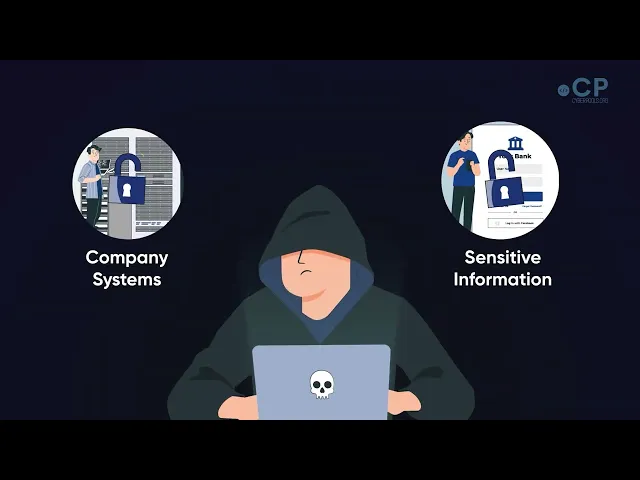
See how HSF helped Cyberpools simplify complex cybersecurity concepts into engaging, easy-to-understand learning content that improves retention. Watch the video:
Key Video Editing Strategies to Scale EdTech in the USA
Scaling in the USA EdTech market depends on how efficiently content can be produced, maintained, and delivered without compromising quality. Using online course editing services allows platforms to build repeatable systems, improve learner engagement, and expand content libraries with consistency and speed.
1. Standardize Editing Templates
A structured editing framework helps maintain uniformity across hundreds of lessons while reducing production time. Instead of starting from scratch for every video, teams can rely on predefined templates that streamline workflows and ensure brand consistency.
Consistent intros, outros, and transitions across all courses
Predefined typography, color schemes, and layouts
Reusable lower thirds and visual elements
Faster turnaround due to reduced manual decisions
Over time, this consistency builds a recognizable brand identity, which is essential for trust and credibility in the USA market.
2. Use Microlearning Video Formats
Short-form content aligns with modern learning behavior and improves both engagement and retention. Structuring courses into smaller modules also makes updates and distribution more efficient.
Short modules: Create 2 to 5-minute lessons that are easier to consume, revisit, and understand clearly.
Flexible learning: Allow learners to progress at their own pace without feeling overwhelmed by lengthy content.
Quick updates: Modify or replace individual modules without re-editing entire courses, saving time and resources.
Higher completion rates: Reduce cognitive load, helping learners stay engaged and complete courses more consistently.
3. Add Interactive Elements
Interactive elements transform video content into an engaging learning experience by encouraging active participation. Features like on-screen prompts, visual highlights, and embedded questions guide learners through the material, helping them focus on key concepts and retain information more effectively.
These enhancements also improve course completion rates by keeping learners involved throughout the lesson. Instead of passively watching, users interact with the content, which increases attention and understanding. This makes interactive editing a critical factor in scaling successful EdTech platforms.
4. Optimize for Multi-Platform Distribution
EdTech content must perform seamlessly across multiple platforms, requiring editing strategies that support different formats, devices, and viewing behaviors.
Multiple formats: Adapt videos for LMS platforms, mobile apps, and social media using suitable aspect ratios.
Device optimization: Ensure smooth playback across smartphones, tablets, and desktops without compromising quality or experience.
Content repurposing: Edit once and distribute across platforms to maximize reach and return on content investment.
Performance optimization: Compress files efficiently to reduce loading time while maintaining high visual clarity.
5. Localize Content for USA Audience
Localization plays a key role in making content relatable and effective for a specific audience. Editing adjustments tailored to the USA market can significantly improve learner engagement.
Language tone aligned with USA learners
Culturally relevant examples and references
Accurate captions and subtitles for accessibility compliance
Clear audio and pacing suited to regional expectations
Well-localized videos create a more comfortable learning experience, which leads to better engagement, stronger retention, and improved outcomes.
Ready to Scale Your EdTech Content Efficiently? Book a call with House Sparrow Films to create a streamlined editing workflow that supports consistent, high-quality growth.
Challenges EdTech Companies Face Without Professional Video Editing
Without professional editing, digital learning videos often fail to deliver engaging and structured experiences, leading to poor learner outcomes and limited scalability. These gaps directly impact growth, retention, and brand perception. These are the key challenges:
Poor engagement metrics: Unpolished videos fail to capture attention, resulting in low interaction rates and reduced learner participation overall.
High drop-off rates: Lengthy or poorly structured videos cause learners to lose interest and exit courses midway frequently.
Inconsistent course quality: Lack of standardized editing leads to uneven quality, affecting learner trust and overall brand credibility.
Slow production timelines: Inefficient editing workflows delay course launches, limiting the ability to scale content quickly and effectively.
Lack of scalability infrastructure: Absence of systems and templates makes it difficult to produce large volumes of content consistently.
Why Outsourcing Video Editing is Key for Scaling EdTech Globally
Outsourcing video editing enables EdTech companies to scale efficiently while maintaining quality and speed. According to a survey, 80% of executives plan to maintain or increase investment in outsourcing, highlighting its importance for growth and flexibility.
Cost Efficiency vs In-house Teams
Outsourcing reduces operational burden while enabling scalable production, making it more efficient than maintaining large in-house editing teams for growing EdTech platforms.
Factor | In-house | Outsourced |
Cost | High | Optimized |
Scalability | Limited | High |
Expertise | Variable | Specialized |
Turnaround | Slower | Faster |
Access to Specialized Expertise
Outsourcing provides access to professionals who understand both editing and learning design. Instructional editors ensure content is structured for clarity and engagement, while motion designers enhance videos with visuals that simplify complex concepts. This combination improves overall learning effectiveness and elevates content quality.
Faster Time-to-Market
Speed is critical in the competitive USA EdTech space, where launching courses quickly can determine market success. Outsourced teams follow streamlined workflows and parallel production processes, allowing faster turnaround times and enabling platforms to release content consistently without delays.
Read more: Scaling Online Recovery Programs with Alcohol Addiction Course Recording in the USA
Trends Shaping Online Course Video Editing in 2026
The future of EdTech growth is closely tied to smarter editing approaches and course content optimization strategies that improve engagement, personalization, and scalability. As learner expectations evolve, video editing trends are shifting toward more adaptive, data-driven, and platform-focused content experiences.
AI-assisted editing for faster production workflows
Personalized video content based on learner behavior
Interactive video layers improving engagement rates
Vertical video formats for mobile-first learning experiences
Data-driven editing decisions using learner analytics
Automated captions enhancing accessibility and compliance
Modular video structures supporting scalable content updates
Read more: Top Trends in Corporate Training Video Production for 2025
Step-by-Step Approach to Scaling EdTech with Video Editing
Scaling EdTech effectively requires a structured, repeatable process that ensures consistent quality while enabling faster production. A step-by-step approach helps streamline workflows, reduce inefficiencies, and build a scalable content ecosystem that supports long-term growth.
Step 1: Audit Existing Course Content
Start by reviewing current video content to identify gaps in quality, structure, and engagement. Analyze learner behavior, drop-off points, and feedback to understand what needs improvement. This step helps set a clear foundation for scaling with better-performing content.
Step 2: Define Scalable Video Templates
Create standardized templates for visuals, layouts, and editing styles to ensure consistency across all courses. This reduces production time and allows multiple teams to work simultaneously while maintaining a unified brand identity.
Step 3: Batch Produce and Edit Content
Organize production into batches to improve efficiency and reduce turnaround time. Recording and editing multiple modules together helps maintain consistency and accelerates the overall content creation process.
Step 4: Optimize for Platforms and Audience
Edit videos for different platforms such as LMS, mobile, and social media while tailoring content to audience preferences. This ensures better accessibility, improved user experience, and wider distribution.
Step 5: Continuously Improve Using Analytics
Use performance data such as engagement rates, completion metrics, and learner feedback to refine content. Continuous optimization ensures that video quality and effectiveness improve over time, supporting scalable growth.
Read more: How EdTech Platforms Can Use Video to Improve Course Completion Rates
How House Sparrow Films Helps Scale EdTech with Video Editing
At House Sparrow Films, we support EdTech brands by building structured, scalable workflows tailored for high-volume content production. With expertise in video editing for educators, we focus on creating engaging, learner-friendly videos that improve retention and maintain consistency across entire course libraries. From template-based editing to platform-specific optimization, our processes are designed to help EdTech companies grow without compromising quality.
By combining creative expertise with efficient production systems, we enable faster turnaround and seamless scalability. Our approach includes content structuring, visual enhancement, and multi-platform delivery, ensuring courses perform effectively across LMS, mobile, and social channels. This allows educators and EdTech businesses to focus on content strategy while we handle scaling their video content efficiently.
Conclusion
EdTech in the USA continues to grow rapidly, but increasing competition makes differentiation more challenging than ever. High-quality video editing has emerged as a true scaling engine, helping platforms improve engagement, retention, and overall course effectiveness. Success today depends on building structured workflows that support consistent, high-volume content production rather than relying only on creating more content. Scaling requires systems, not just content, and that is where the right partner makes a difference. Partner with House Sparrow Films to streamline your video processes and confidently expand your EdTech presence on a global scale.
FAQs
1. What role does video editing play in learner engagement?
Well-edited videos improve pacing, clarity, and visual appeal, helping learners stay focused and absorb information more effectively throughout the course.
2. How can EdTech platforms maintain consistency across multiple courses?
Using standardized editing templates and workflows ensures every video follows the same structure, maintaining quality and brand identity at scale.
3. What is the ideal video length for online courses?
Shorter videos, typically between 2 to 5 minutes, perform better as they match learner attention spans and improve completion rates.
4. Can one course be used across multiple platforms?
Yes, with proper editing and formatting, the same content can be adapted for LMS platforms, mobile apps, and social media channels.
5. What challenges arise without professional video editing support?
Common issues include inconsistent quality, slower production, poor engagement, and difficulty scaling content efficiently across platforms.
Key takeaways
High-quality video content has become essential for standing out in the increasingly competitive USA EdTech market.
Video editing plays a direct role in improving learner engagement, retention, and course completion rates.
Standardized editing workflows and templates help scale course production efficiently.
Outsourcing video editing enables faster turnaround, cost efficiency, and access to specialized expertise.
Strategic video editing supports multi-platform distribution and long-term content scalability.
The online learning industry in the United States is growing rapidly, but competition is rising just as fast. According to a report by iSpring, the USA eLearning market is projected to reach nearly $99 billion, highlighting how crowded and opportunity-rich this space has become.
In this environment, content quality has become the real differentiator, not just course topics. This is where online course video editing plays a crucial role. It goes beyond basic production and acts as a scaling lever by improving engagement, retention, and brand credibility, helping EdTech platforms grow efficiently and stand out.
What is Online Course Video Editing in the EdTech Context
EdTech video production goes far beyond trimming clips or adding transitions. It focuses on shaping learning experiences through structured, engaging, and visually guided content that supports how learners absorb information in digital environments.
Beyond Basic Editing
Online course video editing combines instructional design with technical editing to create effective learning journeys. It includes organizing content into clear modules, enhancing visuals to improve understanding, and structuring lessons so learners can follow concepts without confusion or overload.
Core Components:
Motion graphics for explaining concepts visually
Subtitles and captions for accessibility and clarity
Screen recordings cleanup for smooth, distraction-free viewing
Visual cues and highlights to guide learner attention
Multi-format exports for LMS, mobile, and social platforms
Why Scaling EdTech in the USA Requires High-Quality Video Editing
Scaling an EdTech business in the United States demands more than just creating more courses, as it requires delivering consistently engaging and high-quality learning experiences. With increasing competition and shorter attention spans, professionally edited videos help improve retention, build credibility, and ensure learners stay engaged throughout the course. High-quality video editing also enables content standardization and faster production, both of which are critical for scaling. As Salman Khan noted, “A great teacher doesn’t just share information, they make it engaging and accessible,” and in today’s digital learning landscape, video editing plays a key role in making that possible at scale.
How Video Editing Directly Impacts EdTech Scalability
Partnering with the best school & edtech video production company ensures consistent quality, faster content output, improved learner engagement, and scalable systems that support long-term growth in competitive digital learning markets.
Impact Area | How Video Editing Helps | Result for EdTech |
Content Consistency | Standardized templates and formats | Stronger brand identity |
Production Speed | Batch editing and workflows | Faster course launches |
Engagement | Visual cues, graphics, and pacing | Higher learner retention |
Scalability | Replicable editing systems | Easy expansion of the course library |
Multi-Platform Reach | Format optimization | Wider audience distribution |
See how HSF helped Cyberpools simplify complex cybersecurity concepts into engaging, easy-to-understand learning content that improves retention. Watch the video:
Key Video Editing Strategies to Scale EdTech in the USA
Scaling in the USA EdTech market depends on how efficiently content can be produced, maintained, and delivered without compromising quality. Using online course editing services allows platforms to build repeatable systems, improve learner engagement, and expand content libraries with consistency and speed.
1. Standardize Editing Templates
A structured editing framework helps maintain uniformity across hundreds of lessons while reducing production time. Instead of starting from scratch for every video, teams can rely on predefined templates that streamline workflows and ensure brand consistency.
Consistent intros, outros, and transitions across all courses
Predefined typography, color schemes, and layouts
Reusable lower thirds and visual elements
Faster turnaround due to reduced manual decisions
Over time, this consistency builds a recognizable brand identity, which is essential for trust and credibility in the USA market.
2. Use Microlearning Video Formats
Short-form content aligns with modern learning behavior and improves both engagement and retention. Structuring courses into smaller modules also makes updates and distribution more efficient.
Short modules: Create 2 to 5-minute lessons that are easier to consume, revisit, and understand clearly.
Flexible learning: Allow learners to progress at their own pace without feeling overwhelmed by lengthy content.
Quick updates: Modify or replace individual modules without re-editing entire courses, saving time and resources.
Higher completion rates: Reduce cognitive load, helping learners stay engaged and complete courses more consistently.
3. Add Interactive Elements
Interactive elements transform video content into an engaging learning experience by encouraging active participation. Features like on-screen prompts, visual highlights, and embedded questions guide learners through the material, helping them focus on key concepts and retain information more effectively.
These enhancements also improve course completion rates by keeping learners involved throughout the lesson. Instead of passively watching, users interact with the content, which increases attention and understanding. This makes interactive editing a critical factor in scaling successful EdTech platforms.
4. Optimize for Multi-Platform Distribution
EdTech content must perform seamlessly across multiple platforms, requiring editing strategies that support different formats, devices, and viewing behaviors.
Multiple formats: Adapt videos for LMS platforms, mobile apps, and social media using suitable aspect ratios.
Device optimization: Ensure smooth playback across smartphones, tablets, and desktops without compromising quality or experience.
Content repurposing: Edit once and distribute across platforms to maximize reach and return on content investment.
Performance optimization: Compress files efficiently to reduce loading time while maintaining high visual clarity.
5. Localize Content for USA Audience
Localization plays a key role in making content relatable and effective for a specific audience. Editing adjustments tailored to the USA market can significantly improve learner engagement.
Language tone aligned with USA learners
Culturally relevant examples and references
Accurate captions and subtitles for accessibility compliance
Clear audio and pacing suited to regional expectations
Well-localized videos create a more comfortable learning experience, which leads to better engagement, stronger retention, and improved outcomes.
Ready to Scale Your EdTech Content Efficiently? Book a call with House Sparrow Films to create a streamlined editing workflow that supports consistent, high-quality growth.
Challenges EdTech Companies Face Without Professional Video Editing
Without professional editing, digital learning videos often fail to deliver engaging and structured experiences, leading to poor learner outcomes and limited scalability. These gaps directly impact growth, retention, and brand perception. These are the key challenges:
Poor engagement metrics: Unpolished videos fail to capture attention, resulting in low interaction rates and reduced learner participation overall.
High drop-off rates: Lengthy or poorly structured videos cause learners to lose interest and exit courses midway frequently.
Inconsistent course quality: Lack of standardized editing leads to uneven quality, affecting learner trust and overall brand credibility.
Slow production timelines: Inefficient editing workflows delay course launches, limiting the ability to scale content quickly and effectively.
Lack of scalability infrastructure: Absence of systems and templates makes it difficult to produce large volumes of content consistently.
Why Outsourcing Video Editing is Key for Scaling EdTech Globally
Outsourcing video editing enables EdTech companies to scale efficiently while maintaining quality and speed. According to a survey, 80% of executives plan to maintain or increase investment in outsourcing, highlighting its importance for growth and flexibility.
Cost Efficiency vs In-house Teams
Outsourcing reduces operational burden while enabling scalable production, making it more efficient than maintaining large in-house editing teams for growing EdTech platforms.
Factor | In-house | Outsourced |
Cost | High | Optimized |
Scalability | Limited | High |
Expertise | Variable | Specialized |
Turnaround | Slower | Faster |
Access to Specialized Expertise
Outsourcing provides access to professionals who understand both editing and learning design. Instructional editors ensure content is structured for clarity and engagement, while motion designers enhance videos with visuals that simplify complex concepts. This combination improves overall learning effectiveness and elevates content quality.
Faster Time-to-Market
Speed is critical in the competitive USA EdTech space, where launching courses quickly can determine market success. Outsourced teams follow streamlined workflows and parallel production processes, allowing faster turnaround times and enabling platforms to release content consistently without delays.
Read more: Scaling Online Recovery Programs with Alcohol Addiction Course Recording in the USA
Trends Shaping Online Course Video Editing in 2026
The future of EdTech growth is closely tied to smarter editing approaches and course content optimization strategies that improve engagement, personalization, and scalability. As learner expectations evolve, video editing trends are shifting toward more adaptive, data-driven, and platform-focused content experiences.
AI-assisted editing for faster production workflows
Personalized video content based on learner behavior
Interactive video layers improving engagement rates
Vertical video formats for mobile-first learning experiences
Data-driven editing decisions using learner analytics
Automated captions enhancing accessibility and compliance
Modular video structures supporting scalable content updates
Read more: Top Trends in Corporate Training Video Production for 2025
Step-by-Step Approach to Scaling EdTech with Video Editing
Scaling EdTech effectively requires a structured, repeatable process that ensures consistent quality while enabling faster production. A step-by-step approach helps streamline workflows, reduce inefficiencies, and build a scalable content ecosystem that supports long-term growth.
Step 1: Audit Existing Course Content
Start by reviewing current video content to identify gaps in quality, structure, and engagement. Analyze learner behavior, drop-off points, and feedback to understand what needs improvement. This step helps set a clear foundation for scaling with better-performing content.
Step 2: Define Scalable Video Templates
Create standardized templates for visuals, layouts, and editing styles to ensure consistency across all courses. This reduces production time and allows multiple teams to work simultaneously while maintaining a unified brand identity.
Step 3: Batch Produce and Edit Content
Organize production into batches to improve efficiency and reduce turnaround time. Recording and editing multiple modules together helps maintain consistency and accelerates the overall content creation process.
Step 4: Optimize for Platforms and Audience
Edit videos for different platforms such as LMS, mobile, and social media while tailoring content to audience preferences. This ensures better accessibility, improved user experience, and wider distribution.
Step 5: Continuously Improve Using Analytics
Use performance data such as engagement rates, completion metrics, and learner feedback to refine content. Continuous optimization ensures that video quality and effectiveness improve over time, supporting scalable growth.
Read more: How EdTech Platforms Can Use Video to Improve Course Completion Rates
How House Sparrow Films Helps Scale EdTech with Video Editing
At House Sparrow Films, we support EdTech brands by building structured, scalable workflows tailored for high-volume content production. With expertise in video editing for educators, we focus on creating engaging, learner-friendly videos that improve retention and maintain consistency across entire course libraries. From template-based editing to platform-specific optimization, our processes are designed to help EdTech companies grow without compromising quality.
By combining creative expertise with efficient production systems, we enable faster turnaround and seamless scalability. Our approach includes content structuring, visual enhancement, and multi-platform delivery, ensuring courses perform effectively across LMS, mobile, and social channels. This allows educators and EdTech businesses to focus on content strategy while we handle scaling their video content efficiently.
Conclusion
EdTech in the USA continues to grow rapidly, but increasing competition makes differentiation more challenging than ever. High-quality video editing has emerged as a true scaling engine, helping platforms improve engagement, retention, and overall course effectiveness. Success today depends on building structured workflows that support consistent, high-volume content production rather than relying only on creating more content. Scaling requires systems, not just content, and that is where the right partner makes a difference. Partner with House Sparrow Films to streamline your video processes and confidently expand your EdTech presence on a global scale.
FAQs
1. What role does video editing play in learner engagement?
Well-edited videos improve pacing, clarity, and visual appeal, helping learners stay focused and absorb information more effectively throughout the course.
2. How can EdTech platforms maintain consistency across multiple courses?
Using standardized editing templates and workflows ensures every video follows the same structure, maintaining quality and brand identity at scale.
3. What is the ideal video length for online courses?
Shorter videos, typically between 2 to 5 minutes, perform better as they match learner attention spans and improve completion rates.
4. Can one course be used across multiple platforms?
Yes, with proper editing and formatting, the same content can be adapted for LMS platforms, mobile apps, and social media channels.
5. What challenges arise without professional video editing support?
Common issues include inconsistent quality, slower production, poor engagement, and difficulty scaling content efficiently across platforms.