Key takeaways
Diverse video tutorials are essential to address the varied cultural, linguistic, and learning needs of modern USA learners.
Inclusive design, including captions, representation, and accessible formats, significantly improves reach and learning outcomes.
Different video formats, such as explainer, animated, and microlearning modules, help cater to multiple learning styles effectively.
A structured creation process, from audience research to performance analysis, ensures videos remain relevant and impactful.
High-quality production and thoughtful storytelling play a crucial role in building trust, engagement, and long-term educational value.
The demand for tutorial video production in the USA is rising rapidly as education shifts toward video-based learning and microlearning formats that match modern attention spans and digital habits. According to a report by Wyzowl, 91% of businesses use video as a marketing tool, reflecting its growing role in communication and learning. Across the US, increasingly diverse learner groups bring varied cultural, linguistic, and accessibility needs, making inclusive content more important than ever. Businesses, edtech brands, and institutions must adapt by creating flexible, engaging, and accessible video tutorials that cater to multiple learning styles while maintaining clarity, relevance, and scalability in a competitive digital education landscape.
Why Diverse Video Tutorials Are Essential for Learners in the USA
The growing reliance on online learning videos across schools, universities, and professional training platforms has transformed how learners consume information in the United States. With classrooms becoming more diverse than ever, a single approach to content delivery no longer meets the needs of all learners. Students today come from varied cultural backgrounds, have different language proficiencies, and follow distinct learning styles, making inclusive video tutorials a necessity rather than an option. Diverse video content ensures better engagement, improved comprehension, and equal access to knowledge, helping educators and organizations create meaningful and scalable learning experiences.
Key Insights on Diverse Learning Needs in the USA
Understanding diverse learner needs helps create inclusive, engaging, and effective video-based educational experiences.
Factor | Why It Matters | Impact on Video Tutorials |
Cultural Diversity | Learners come from varied backgrounds | Requires inclusive examples and representation |
Language Variations | Rise in ESL learners | Need for subtitles and simplified language |
Learning Styles | Visual, auditory, kinesthetic preferences | Use of mixed formats like animation and live action |
Accessibility Needs | Presence of disabilities | Captions, transcripts, and audio descriptions required |
Digital Consumption Trends | Increased screen-based learning | Demand for short, engaging, mobile-friendly videos |
Read more: Content Creators' Guide to Viral Educational YouTube Videos
Key Benefits of Creating Diverse Educational Video Content
Creating educational tutorial videos that address diverse learner needs improves engagement, accessibility, and knowledge retention across audiences. These are the key benefits businesses and educators can expect:
Enhanced Engagement: Diverse content formats capture attention and keep learners actively involved throughout the entire learning journey.
Improved Accessibility: Inclusive features ensure learners with different abilities can easily access and understand video content.
Better Learning Outcomes: Tailored visuals and examples help learners grasp concepts faster and retain information longer.
Wider Audience Reach: Content designed for diversity connects with broader demographics across regions, cultures, and learning levels.
Stronger Brand Credibility: Inclusive educational content builds trust and positions organizations as responsible and learner-focused authorities.
Get a quote with House Sparrow Films to create impactful and inclusive educational videos.
Types of Video Tutorials That Work Best for USA Learners
Creating effective how-to video content requires selecting formats that align with diverse learning preferences, attention spans, and real-world application needs across USA audiences.
Explainer Videos
Short, concept-based learning formats that simplify complex ideas into clear, engaging visuals and narratives. These videos focus on one topic at a time, making them ideal for beginners and quick understanding. They work well across platforms and help learners grasp essential concepts without overwhelming information or cognitive overload.
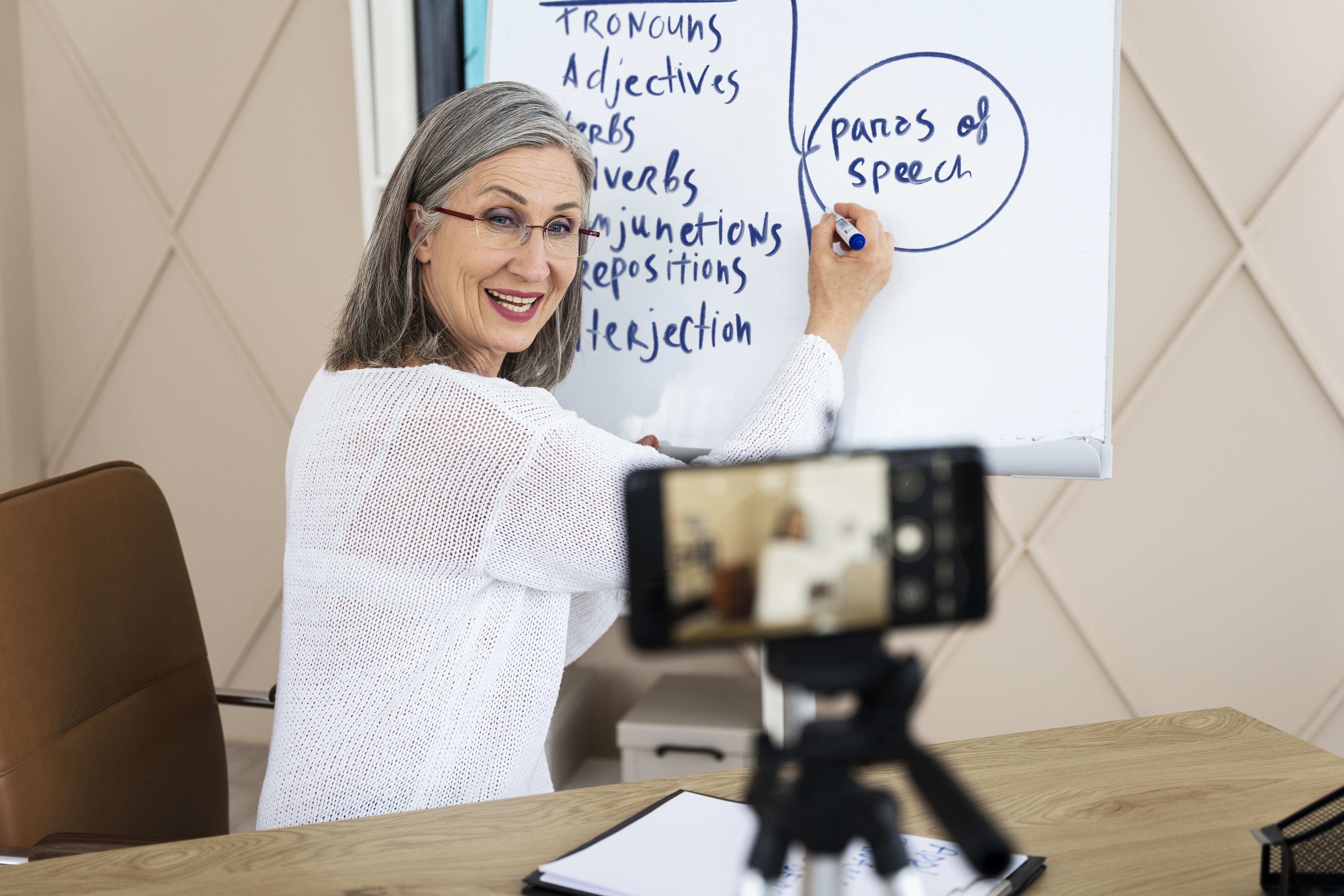
Instructor-led Tutorials
Human connection and trust are built through expert-led sessions where instructors guide learners step by step. These tutorials replicate classroom experiences and provide clarity through explanations, tone, and body language. They are especially effective for detailed subjects that require structured guidance and a more personal learning approach.
Animated Educational Videos
Simplifying complex topics through engaging visuals, motion graphics, and storytelling techniques makes learning more accessible. Animated videos remove real-world limitations and allow creative representation of abstract ideas. They are particularly useful for technical, scientific, or conceptual subjects where visualisation significantly enhances understanding and learner retention across different audiences.
Interactive and Scenario-Based Videos
Real-world application learning is achieved by placing learners in practical scenarios where they make decisions and see outcomes. These videos encourage active participation instead of passive viewing. They are effective for skill-based training, corporate learning, and problem-solving situations that require critical thinking and real-time engagement from learners.
Microlearning Video Modules
Bite-sized content designed for mobile-first learners who prefer quick and focused learning sessions. These modules deliver one key concept at a time, making them easy to consume and revisit. They are ideal for busy learners, improving retention, and supporting continuous learning through short, structured, and highly accessible video formats.
See how HSF helped Dr. Melodica simplify a musical concept through engaging educational storytelling. Watch the video:

How to Create Diverse Video Tutorials on Key Topics for Learners
Creating inclusive and impactful videos requires a structured approach backed by insights and expertise. Partnering with the best content creators video production agency ensures your tutorials are not only engaging but also aligned with diverse learner needs and evolving USA education standards.
Step 1: Identify Your Target Audience Segments
Understanding your audience is the foundation of effective video tutorials. Different learners require different approaches, and clarity at this stage improves overall content relevance.
Age groups and educational levels
Cultural background and context
Language proficiency and comprehension levels
Learning goals, challenges, and expectations
A clear audience profile helps tailor both content and delivery style effectively.
Step 2: Choose Relevant and Inclusive Topics
Topic selection must reflect real learner needs while staying aligned with educational trends in the US.
STEM subjects and emerging technologies
Financial literacy and life skills
Soft skills like communication and critical thinking
Career readiness and practical knowledge
Ensuring relevance increases engagement and long-term learning value.
Step 3: Script with Inclusivity in Mind
A strong script sets the tone for inclusivity and clarity. Using neutral language, relatable examples, and culturally balanced references helps make content accessible to a wider audience. Avoiding bias ensures that learners from different backgrounds can connect with the material without confusion or discomfort.
Step 4: Use Diverse Representation in Visuals
Visual storytelling plays a key role in engagement. Featuring diverse actors, voices, and real-life scenarios helps learners see themselves reflected in the content. Authentic representation strengthens relatability and creates a more inclusive learning experience for all viewers.
Step 5: Incorporate Accessibility Features
Accessibility ensures that no learner is excluded from the experience.
Add subtitles and closed captions
Provide transcripts for reference
Include sign language or audio descriptions when needed
These features improve usability and expand audience reach.
Step 6: Optimize for Multiple Platforms
Modern learners consume content across devices, making platform optimization essential.
Design mobile-first video formats
Create both short-form and long-form versions
Ensure compatibility with LMS platforms and social media
Optimized content improves visibility and engagement.
Step 7: Test, Measure, and Improve
Continuous evaluation helps maintain content effectiveness over time. Analyzing performance metrics and gathering learner feedback provides valuable insights. Refining videos based on data ensures they remain relevant, engaging, and aligned with evolving learner needs.
Read more: How to Create a Video Series That Builds Loyal Viewers?
Best Practices for Making Video Tutorials Inclusive and Effective
Creating inclusive video tutorials requires thoughtful planning, clarity, and empathy toward diverse learners. As Maya Angelou once said, “People will never forget how you made them feel,” which applies strongly to learning experiences. These are the best practices to follow:
Clarity in Communication: Use clear and simple language to ensure easy understanding across diverse learner groups globally.
Accessibility Features: Include captions and multilingual support to make content accessible for non-native and diverse learners.
Cultural Sensitivity: Maintain cultural sensitivity by avoiding stereotypes and using inclusive, respectful examples throughout video content.
Structured Content Flow: Keep videos short and structured to improve engagement and prevent cognitive overload for learners.
Visual Learning Support: Add visual aids and examples to simplify complex concepts and enhance overall learner comprehension.
Consistent Branding: Ensure consistent branding to build trust, recognition, and a professional learning experience across all videos.
Read more: Best Practices for Professional Mortgage Instructional Videos in the USA
Why Strategic Planning Is Critical for Successful Educational Videos
Creating effective educational videos requires more than just good visuals or clear narration, as success depends heavily on thoughtful planning that aligns content with learner needs, platform requirements, and learning objectives. Without a structured approach, even high-quality videos can fail to engage diverse audiences or deliver measurable outcomes, especially in a market like the USA, where learners expect relevance, accessibility, and personalization. A well-planned strategy ensures that every element, from topic selection and scripting to format and distribution, works cohesively to create impactful, inclusive, and scalable video tutorials that truly support modern learning experiences.
Future Trends in Educational Video Content for USA Learners: 2026 and Beyond
The future of educational video content in the USA is being shaped by rapid technological innovation and evolving learner expectations. According to a recent report, the online learning market is projected to grow at a 9.1% annual rate through 2026, reflecting increasing demand for scalable and engaging video-based learning solutions. These are the key trends shaping the future:
AI-powered personalization: Video content adapts to individual learning pace, preferences, and performance using intelligent systems.
Interactive learning formats: Videos incorporate quizzes, branching scenarios, and simulations to enhance active participation and engagement.
Rise of microlearning: Short, focused videos support flexible, mobile-first learning and improve knowledge retention among busy learners.
Accessibility-first approach: Greater emphasis on captions, multilingual content, and inclusive design for wider reach and compliance.
Data-driven improvements: Analytics and learner feedback guide continuous optimization of video content for better outcomes and engagement.
How House Sparrow Films Helps Create High-Impact Educational Videos
House Sparrow Films specializes in creating high-quality digital learning resources that are engaging, inclusive, and tailored for diverse audiences in the USA and beyond. With a strong focus on storytelling, the team combines strategic scripting, professional production, and audience-centric design to deliver impactful educational videos. From concept development to final delivery, every stage is optimized for clarity, accessibility, and engagement. By understanding learner behavior and industry trends, House Sparrow Films ensures each video aligns with modern learning needs while maintaining high production standards that build trust and drive measurable results.
Conclusion
Creating diverse video tutorials on key topics is no longer optional for brands aiming to connect with modern learners in the USA. Inclusive, well-structured video content ensures better engagement, improved understanding, and equal access to knowledge across diverse audiences with varying learning needs and preferences.
Brands that adopt this approach gain a clear competitive advantage by building trust, expanding reach, and delivering meaningful learning experiences. House Sparrow Films stands as a trusted partner in this journey. Connect with us to create impactful, high-quality educational videos that truly resonate with your audience.
FAQs
1. What makes a video tutorial effective for diverse learners in the USA?
An effective tutorial combines clear structure, inclusive language, accessible features, and engaging visuals to support different learning styles and backgrounds.
2. How long should educational video tutorials ideally be?
Most effective tutorials are concise, typically between two and ten minutes, depending on topic complexity and learner attention span.
3. What accessibility features should be included in video tutorials?
Essential features include subtitles, transcripts, audio clarity, and visual cues to ensure content is usable for all learners.
4. How do businesses benefit from creating educational video content?
They improve audience engagement, build credibility, expand reach, and provide value-driven learning experiences that strengthen brand trust.
5. Can video tutorials be used across multiple platforms?
Yes, well-produced tutorials can be adapted for websites, learning platforms, social media, and mobile devices to maximize visibility and impact.
Key takeaways
Diverse video tutorials are essential to address the varied cultural, linguistic, and learning needs of modern USA learners.
Inclusive design, including captions, representation, and accessible formats, significantly improves reach and learning outcomes.
Different video formats, such as explainer, animated, and microlearning modules, help cater to multiple learning styles effectively.
A structured creation process, from audience research to performance analysis, ensures videos remain relevant and impactful.
High-quality production and thoughtful storytelling play a crucial role in building trust, engagement, and long-term educational value.
The demand for tutorial video production in the USA is rising rapidly as education shifts toward video-based learning and microlearning formats that match modern attention spans and digital habits. According to a report by Wyzowl, 91% of businesses use video as a marketing tool, reflecting its growing role in communication and learning. Across the US, increasingly diverse learner groups bring varied cultural, linguistic, and accessibility needs, making inclusive content more important than ever. Businesses, edtech brands, and institutions must adapt by creating flexible, engaging, and accessible video tutorials that cater to multiple learning styles while maintaining clarity, relevance, and scalability in a competitive digital education landscape.
Why Diverse Video Tutorials Are Essential for Learners in the USA
The growing reliance on online learning videos across schools, universities, and professional training platforms has transformed how learners consume information in the United States. With classrooms becoming more diverse than ever, a single approach to content delivery no longer meets the needs of all learners. Students today come from varied cultural backgrounds, have different language proficiencies, and follow distinct learning styles, making inclusive video tutorials a necessity rather than an option. Diverse video content ensures better engagement, improved comprehension, and equal access to knowledge, helping educators and organizations create meaningful and scalable learning experiences.
Key Insights on Diverse Learning Needs in the USA
Understanding diverse learner needs helps create inclusive, engaging, and effective video-based educational experiences.
Factor | Why It Matters | Impact on Video Tutorials |
Cultural Diversity | Learners come from varied backgrounds | Requires inclusive examples and representation |
Language Variations | Rise in ESL learners | Need for subtitles and simplified language |
Learning Styles | Visual, auditory, kinesthetic preferences | Use of mixed formats like animation and live action |
Accessibility Needs | Presence of disabilities | Captions, transcripts, and audio descriptions required |
Digital Consumption Trends | Increased screen-based learning | Demand for short, engaging, mobile-friendly videos |
Read more: Content Creators' Guide to Viral Educational YouTube Videos
Key Benefits of Creating Diverse Educational Video Content
Creating educational tutorial videos that address diverse learner needs improves engagement, accessibility, and knowledge retention across audiences. These are the key benefits businesses and educators can expect:
Enhanced Engagement: Diverse content formats capture attention and keep learners actively involved throughout the entire learning journey.
Improved Accessibility: Inclusive features ensure learners with different abilities can easily access and understand video content.
Better Learning Outcomes: Tailored visuals and examples help learners grasp concepts faster and retain information longer.
Wider Audience Reach: Content designed for diversity connects with broader demographics across regions, cultures, and learning levels.
Stronger Brand Credibility: Inclusive educational content builds trust and positions organizations as responsible and learner-focused authorities.
Get a quote with House Sparrow Films to create impactful and inclusive educational videos.
Types of Video Tutorials That Work Best for USA Learners
Creating effective how-to video content requires selecting formats that align with diverse learning preferences, attention spans, and real-world application needs across USA audiences.
Explainer Videos
Short, concept-based learning formats that simplify complex ideas into clear, engaging visuals and narratives. These videos focus on one topic at a time, making them ideal for beginners and quick understanding. They work well across platforms and help learners grasp essential concepts without overwhelming information or cognitive overload.
Instructor-led Tutorials
Human connection and trust are built through expert-led sessions where instructors guide learners step by step. These tutorials replicate classroom experiences and provide clarity through explanations, tone, and body language. They are especially effective for detailed subjects that require structured guidance and a more personal learning approach.
Animated Educational Videos
Simplifying complex topics through engaging visuals, motion graphics, and storytelling techniques makes learning more accessible. Animated videos remove real-world limitations and allow creative representation of abstract ideas. They are particularly useful for technical, scientific, or conceptual subjects where visualisation significantly enhances understanding and learner retention across different audiences.
Interactive and Scenario-Based Videos
Real-world application learning is achieved by placing learners in practical scenarios where they make decisions and see outcomes. These videos encourage active participation instead of passive viewing. They are effective for skill-based training, corporate learning, and problem-solving situations that require critical thinking and real-time engagement from learners.
Microlearning Video Modules
Bite-sized content designed for mobile-first learners who prefer quick and focused learning sessions. These modules deliver one key concept at a time, making them easy to consume and revisit. They are ideal for busy learners, improving retention, and supporting continuous learning through short, structured, and highly accessible video formats.
See how HSF helped Dr. Melodica simplify a musical concept through engaging educational storytelling. Watch the video:
How to Create Diverse Video Tutorials on Key Topics for Learners
Creating inclusive and impactful videos requires a structured approach backed by insights and expertise. Partnering with the best content creators video production agency ensures your tutorials are not only engaging but also aligned with diverse learner needs and evolving USA education standards.
Step 1: Identify Your Target Audience Segments
Understanding your audience is the foundation of effective video tutorials. Different learners require different approaches, and clarity at this stage improves overall content relevance.
Age groups and educational levels
Cultural background and context
Language proficiency and comprehension levels
Learning goals, challenges, and expectations
A clear audience profile helps tailor both content and delivery style effectively.
Step 2: Choose Relevant and Inclusive Topics
Topic selection must reflect real learner needs while staying aligned with educational trends in the US.
STEM subjects and emerging technologies
Financial literacy and life skills
Soft skills like communication and critical thinking
Career readiness and practical knowledge
Ensuring relevance increases engagement and long-term learning value.
Step 3: Script with Inclusivity in Mind
A strong script sets the tone for inclusivity and clarity. Using neutral language, relatable examples, and culturally balanced references helps make content accessible to a wider audience. Avoiding bias ensures that learners from different backgrounds can connect with the material without confusion or discomfort.
Step 4: Use Diverse Representation in Visuals
Visual storytelling plays a key role in engagement. Featuring diverse actors, voices, and real-life scenarios helps learners see themselves reflected in the content. Authentic representation strengthens relatability and creates a more inclusive learning experience for all viewers.
Step 5: Incorporate Accessibility Features
Accessibility ensures that no learner is excluded from the experience.
Add subtitles and closed captions
Provide transcripts for reference
Include sign language or audio descriptions when needed
These features improve usability and expand audience reach.
Step 6: Optimize for Multiple Platforms
Modern learners consume content across devices, making platform optimization essential.
Design mobile-first video formats
Create both short-form and long-form versions
Ensure compatibility with LMS platforms and social media
Optimized content improves visibility and engagement.
Step 7: Test, Measure, and Improve
Continuous evaluation helps maintain content effectiveness over time. Analyzing performance metrics and gathering learner feedback provides valuable insights. Refining videos based on data ensures they remain relevant, engaging, and aligned with evolving learner needs.
Read more: How to Create a Video Series That Builds Loyal Viewers?
Best Practices for Making Video Tutorials Inclusive and Effective
Creating inclusive video tutorials requires thoughtful planning, clarity, and empathy toward diverse learners. As Maya Angelou once said, “People will never forget how you made them feel,” which applies strongly to learning experiences. These are the best practices to follow:
Clarity in Communication: Use clear and simple language to ensure easy understanding across diverse learner groups globally.
Accessibility Features: Include captions and multilingual support to make content accessible for non-native and diverse learners.
Cultural Sensitivity: Maintain cultural sensitivity by avoiding stereotypes and using inclusive, respectful examples throughout video content.
Structured Content Flow: Keep videos short and structured to improve engagement and prevent cognitive overload for learners.
Visual Learning Support: Add visual aids and examples to simplify complex concepts and enhance overall learner comprehension.
Consistent Branding: Ensure consistent branding to build trust, recognition, and a professional learning experience across all videos.
Read more: Best Practices for Professional Mortgage Instructional Videos in the USA
Why Strategic Planning Is Critical for Successful Educational Videos
Creating effective educational videos requires more than just good visuals or clear narration, as success depends heavily on thoughtful planning that aligns content with learner needs, platform requirements, and learning objectives. Without a structured approach, even high-quality videos can fail to engage diverse audiences or deliver measurable outcomes, especially in a market like the USA, where learners expect relevance, accessibility, and personalization. A well-planned strategy ensures that every element, from topic selection and scripting to format and distribution, works cohesively to create impactful, inclusive, and scalable video tutorials that truly support modern learning experiences.
Future Trends in Educational Video Content for USA Learners: 2026 and Beyond
The future of educational video content in the USA is being shaped by rapid technological innovation and evolving learner expectations. According to a recent report, the online learning market is projected to grow at a 9.1% annual rate through 2026, reflecting increasing demand for scalable and engaging video-based learning solutions. These are the key trends shaping the future:
AI-powered personalization: Video content adapts to individual learning pace, preferences, and performance using intelligent systems.
Interactive learning formats: Videos incorporate quizzes, branching scenarios, and simulations to enhance active participation and engagement.
Rise of microlearning: Short, focused videos support flexible, mobile-first learning and improve knowledge retention among busy learners.
Accessibility-first approach: Greater emphasis on captions, multilingual content, and inclusive design for wider reach and compliance.
Data-driven improvements: Analytics and learner feedback guide continuous optimization of video content for better outcomes and engagement.
How House Sparrow Films Helps Create High-Impact Educational Videos
House Sparrow Films specializes in creating high-quality digital learning resources that are engaging, inclusive, and tailored for diverse audiences in the USA and beyond. With a strong focus on storytelling, the team combines strategic scripting, professional production, and audience-centric design to deliver impactful educational videos. From concept development to final delivery, every stage is optimized for clarity, accessibility, and engagement. By understanding learner behavior and industry trends, House Sparrow Films ensures each video aligns with modern learning needs while maintaining high production standards that build trust and drive measurable results.
Conclusion
Creating diverse video tutorials on key topics is no longer optional for brands aiming to connect with modern learners in the USA. Inclusive, well-structured video content ensures better engagement, improved understanding, and equal access to knowledge across diverse audiences with varying learning needs and preferences.
Brands that adopt this approach gain a clear competitive advantage by building trust, expanding reach, and delivering meaningful learning experiences. House Sparrow Films stands as a trusted partner in this journey. Connect with us to create impactful, high-quality educational videos that truly resonate with your audience.
FAQs
1. What makes a video tutorial effective for diverse learners in the USA?
An effective tutorial combines clear structure, inclusive language, accessible features, and engaging visuals to support different learning styles and backgrounds.
2. How long should educational video tutorials ideally be?
Most effective tutorials are concise, typically between two and ten minutes, depending on topic complexity and learner attention span.
3. What accessibility features should be included in video tutorials?
Essential features include subtitles, transcripts, audio clarity, and visual cues to ensure content is usable for all learners.
4. How do businesses benefit from creating educational video content?
They improve audience engagement, build credibility, expand reach, and provide value-driven learning experiences that strengthen brand trust.
5. Can video tutorials be used across multiple platforms?
Yes, well-produced tutorials can be adapted for websites, learning platforms, social media, and mobile devices to maximize visibility and impact.