Key takeaways
Visual SOP videos simplify complex processes and make employee training faster and more engaging.
Combining SOP videos with structured playbooks helps organizations standardize workflows and maintain operational consistency.
Video-based process documentation improves knowledge retention and reduces training errors across teams.
Digital SOP systems allow businesses to scale operations while keeping procedures accessible and easy to update.
Modern companies are adopting visual process documentation to support remote teams and long-term operational efficiency.
Modern organizations are rapidly embracing digital transformation to streamline workflows, train employees efficiently, and scale operations. However, traditional SOP manuals and text-heavy training guides often fail to communicate complex processes clearly, especially for distributed teams. As companies shift toward digital operations training, visual learning formats like SOP videos and digital playbooks are becoming essential tools for modern workforce development.
Research shows that training content supported by visuals can improve knowledge retention to around 65% compared to text-only materials, making video-based learning significantly more effective for operational training. For this reason, many USA organizations are adopting video-driven SOP systems and structured playbooks to standardize processes, accelerate onboarding, and improve operational efficiency across teams. By combining visual instructions with centralized documentation, businesses can create scalable knowledge systems that support long-term digital transformation.
Why SOP Video Editing & Playbook Creation Are Critical for Digital Transformation
Digital transformation requires organizations to standardize processes, improve training systems, and ensure knowledge is easily accessible across teams. Traditional SOP manuals are often lengthy, difficult to follow, and quickly become outdated. By contrast, professionally edited SOP videos provide clear visual instructions that help employees understand workflows faster. When paired with structured operational playbooks, businesses can create a centralized system that documents procedures, training resources, and best practices in a consistent and scalable format.
These systems are especially valuable in training-focused sectors such as education and technology. A schools & edtech video production agency can help institutions and organizations convert complex operational procedures into engaging visual training content. This approach improves onboarding efficiency, reduces training errors, and ensures teams can follow standardized processes while adapting to evolving digital workflows.
How SOP Video Editing and Operational Playbooks Are Driving Digital Transformation in USA Businesses
Digital transformation requires organizations to document workflows, train teams efficiently, and maintain consistent operational standards. Many companies are turning to enterprise video documentation to transform complex procedures into visual training resources that are easier to understand and replicate. By combining professionally edited SOP videos with structured operational playbooks, businesses can centralize knowledge, improve training efficiency, and ensure teams across departments follow standardized processes. This integrated approach helps organizations scale operations while maintaining clarity and consistency in everyday workflows.
Why Traditional SOP Documentation Is No Longer Effective for Modern Teams
Traditional documentation methods struggle to keep up with the speed and complexity of modern business operations. Many organizations are now moving toward visual documentation systems because text-based manuals often fail to communicate detailed processes clearly.
Static manuals are difficult to follow: Long documents often discourage employees from reviewing procedures, especially when workflows involve multiple steps or technical instructions.
Complex workflows require visual explanation: Demonstrating processes through video helps employees understand tools, systems, and procedures more effectively.
Documentation updates become inconsistent: Updating multiple written documents across teams can lead to outdated instructions and operational confusion.
How SOP Video Editing Improves Process Standardization and Knowledge Transfer
SOP video editing helps organizations standardize workflows by converting complex procedures into structured visual training resources. Through step-by-step visual demonstrations, employees can clearly understand each stage of a process without relying only on written manuals. Screen recordings make digital workflows and software tasks easier to follow, while visual annotations and highlights direct viewers to critical actions within the procedure. Professional voiceover explanations add context and reinforce instructions, ensuring consistent training across teams. Studies show that video-based training can increase knowledge retention by 25–60% compared to traditional text-based learning, highlighting the effectiveness of visual learning in corporate training environments.
The Role of Digital Playbooks in Building Scalable Operational Systems
Digital playbooks organize operational knowledge into structured frameworks, helping organizations document workflows, standardize training resources, and ensure teams follow consistent procedures across departments and locations.
Typical playbook components:
structured workflow documentation
embedded SOP training videos
step-by-step process checklists
clearly defined team responsibilities
best practices and operational guidelines
Why USA Companies Are Investing in Video-Based SOP Systems
Many USA organizations are adopting video-based SOP systems to support hybrid workforce training needs and simplify operational learning. Visual SOP documentation allows employees working remotely or across multiple locations to access standardized training resources anytime.
These systems also support scalable onboarding as businesses grow. Video SOPs help maintain process consistency across departments while reducing training errors. By providing clear visual instructions and repeatable workflows, organizations can improve productivity and ensure employees follow the same operational standards.
Read more: How to Hire a Freelance Video Editor for Educational Projects in the USA
What Is an SOP Video and How Does It Works
An SOP video is a visual training format that explains operational procedures through recorded demonstrations, screen captures, narration, and graphics. Instead of relying on lengthy manuals, organizations use SOP videos to show employees exactly how tasks should be performed. These videos help simplify complex workflows, improve training clarity, and ensure processes are followed consistently across teams.
Companies use SOP videos as part of their operational training systems to make onboarding faster and knowledge transfer more effective. If your organization is planning to convert written procedures into structured training videos, schedule a consultation with House Sparrow Films to create professional SOP video content tailored to your workflows.
Core Elements of an Effective SOP Video
Effective SOP videos combine structured visuals, narration, and clear demonstrations to help employees follow processes accurately and understand operational workflows faster.
Element | Purpose |
Process breakdown | Step-by-step instructions |
Screen recordings | Demonstrate digital workflows |
Motion graphics | Highlight key actions |
Voiceover | Explain the steps clearly |
Visual annotations | Improve understanding |
Types of SOP Videos Organizations Create
Organizations create different SOP video formats to document workflows, train employees, and ensure operational processes are consistently followed across teams.
Training SOP videos: Demonstrate step-by-step operational tasks, helping employees quickly learn procedures and follow standardized workflows during onboarding and internal training.
Software tutorials: Explain digital tools and platforms through screen recordings, guiding employees through system processes, features, and task completion steps.
Manufacturing procedures: Show equipment handling, safety instructions, and production workflows to ensure workers follow standardized operational and compliance procedures.
Customer service workflows: Demonstrate service protocols, communication steps, and problem-resolution processes to maintain a consistent customer experience across support teams.
HR onboarding processes: Introduce company policies, internal tools, and employee procedures to help new hires integrate smoothly into organizational workflows.
What Is a Business Playbook in Digital Operations
A business playbook is a structured resource that documents organizational knowledge, workflows, and operational guidelines in one centralized system. In digital operations, playbooks help companies organize procedures, policies, and training resources so teams can follow consistent processes across departments. When integrated with knowledge management videos, playbooks become more effective because employees can quickly access visual explanations alongside written instructions. This combination makes operational knowledge easier to understand, update, and scale as businesses grow.
Core Components of a Modern Operational Playbook
Modern operational playbooks typically include several structured components that guide employees through daily processes and responsibilities.
Company policies: Clearly documented organizational rules, standards, and compliance requirements that employees must follow across departments.
Operational SOPs: Step-by-step process documentation that explains how tasks should be completed within specific teams or workflows.
Team roles and responsibilities: Defined duties for each role to ensure accountability and clarity across departments.
Process frameworks: Structured workflow models that guide teams through operational procedures and decision-making steps.
Training resources: Learning materials such as guides, documents, and knowledge management videos that support employee development and onboarding.
How Playbooks Improve Organizational Efficiency
Operational playbooks improve efficiency by creating centralized knowledge systems that store processes, policies, and management videos in one place. This helps teams follow standardized workflows, reduce errors, and access training resources easily. As a result, departments collaborate more effectively while maintaining consistent operational practices across the organization.
How SOP Videos and Playbooks Work Together in Modern Organizations
Modern organizations combine SOP videos with structured playbooks to create a unified system for documenting processes, training employees, and managing operational knowledge. While SOP videos visually demonstrate how tasks should be performed, playbooks organize these resources into structured frameworks that teams can easily access and follow. Together, they help companies maintain consistent workflows, simplify onboarding, and ensure operational knowledge is preserved and scalable across departments.
Workflow Integration Model:
Stage | SOP Videos | Playbooks |
Documentation | visual training | structured documentation |
Training | video-based learning | reference materials |
Knowledge transfer | process demonstrations | centralized guidelines |
scaling operations | repeatable workflows | organizational blueprint |
Creating a Single Source of Operational Truth
When SOP videos are integrated within operational playbooks, organizations create a single source of truth for workflows and training resources. Employees can access clear visual instructions alongside structured documentation, ensuring processes are followed consistently. This integrated system improves operational efficiency, reduces training confusion, and helps businesses scale teams while maintaining standardized procedures across departments.
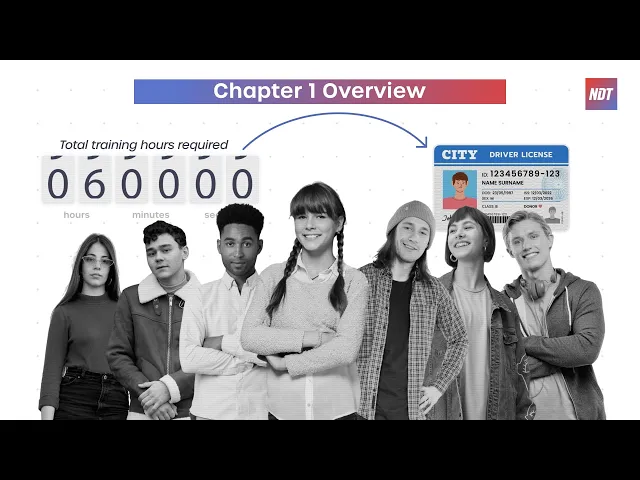
See how HSF helped NDT streamline operational training through structured video learning. Watch the video:
Key Business Benefits of SOP Video Editing
SOP video editing helps organizations convert complex operational procedures into structured visual training resources. Instead of relying on lengthy manuals, companies can use clear video demonstrations to simplify workflows and improve employee learning. This approach supports faster training, ensures process consistency, and allows organizations to scale operational knowledge across teams and locations.
Faster Employee Onboarding
Visual SOP training improves comprehension because employees can see processes demonstrated step by step instead of interpreting written instructions. This makes learning faster and reduces confusion during onboarding. As a result, new hires can understand workflows quickly and begin performing tasks with greater confidence and accuracy.
Reduced Operational Errors
SOP videos provide standardized instructions that guide employees through each stage of a process. When procedures are explained visually with clear demonstrations, teams can follow workflows more accurately. This improved clarity reduces misunderstandings and helps organizations maintain consistent operational standards.
Improved Knowledge Retention
Video-based learning strengthens knowledge retention in digital operations training because employees can observe and repeat procedures more effectively. Visual explanations, demonstrations, and narration help reinforce key steps, making it easier for employees to remember processes and apply them consistently during daily operations.
Scalable Training for Growing Teams
SOP videos allow organizations to create reusable training resources that can be accessed by employees anytime. As businesses expand, these video modules help maintain consistent processes across locations while reducing the need for repetitive manual training sessions.
Best Practices for Creating Effective SOP Videos
Creating effective SOP videos requires a structured approach that makes operational procedures easy to follow and repeat. When designed strategically, these videos become valuable corporate learning content that supports employee training, improves process clarity, and ensures teams understand workflows consistently across departments.
Keep SOP videos short and focused: Break workflows into 2–5 minute process segments so employees can understand specific tasks without being overwhelmed by lengthy instructions.
Use clear visual instructions: Techniques such as annotations, zoom highlights, and step numbering guide viewers through each step and ensure critical actions are clearly visible.
Maintain structured editing formats: Using a consistent style across videos and a clear narrative flow helps employees quickly recognize training patterns and follow procedures easily.
Include professional voiceovers and graphics: High-quality narration and supporting visuals improve clarity, reinforce instructions, and make SOP training more engaging for viewers.
Read more: How Schools Can Showcase Student Achievements Through Video
Steps to Implement SOP Video Transformation in Organizations
Organizations can successfully implement SOP video systems by following a structured approach that converts traditional documentation into scalable visual training resources while maintaining clear operational standards.
Step-by-Step Implementation:
Step 1: Audit existing processes: Review current workflows, procedures, and documentation to identify critical processes that require standardization and clear training materials.
Step 2: Document workflows: Organize operational procedures into structured step-by-step documentation so tasks, responsibilities, and workflow sequences are clearly defined.
Step 3: Convert SOPs into video modules: Transform written procedures into visual SOP training videos using demonstrations, screen recordings, and clear narration.
Step 4: Build a centralized playbook: Store SOP videos, documentation, and training resources in a centralized operational playbook accessible to all teams.
Step 5: Train teams and optimize documentation: Introduce employees to the new video-based SOP system and continuously improve documentation based on feedback and operational updates.
Future of SOP Video Systems and Digital Playbooks
As organizations continue to digitize operations, SOP video systems and digital playbooks will play a larger role in managing operational knowledge and workforce training. Companies are increasingly using visual documentation to streamline onboarding, support remote teams, and maintain consistent workflows across departments. Emerging technologies such as AI-driven knowledge systems and interactive training platforms will further enhance these tools. As management expert Peter Drucker once said, “The most important thing in communication is hearing what isn’t said.” Clear visual processes help organizations communicate complex procedures effectively.
Read more: How to Use Video to Support Blended Learning Models
How House Sparrow Films Supports SOP Video Transformation
House Sparrow Films helps organizations convert complex operational procedures into structured visual training systems through professionally produced SOP videos and digital playbook content. By combining clear visual demonstrations, screen recordings, and guided narration, HSF enables companies to build scalable training resources that simplify workflows and improve operational consistency. Their production approach ensures SOP videos remain easy to understand, reusable, and adaptable as business processes evolve.
HSF also supports training video automation, allowing businesses to streamline the creation and management of large training libraries. This approach helps organizations produce standardized SOP video modules efficiently while maintaining consistent quality across departments, making it easier to onboard teams and document operational knowledge.
Conclusion
SOP video editing and digital playbooks are becoming essential tools for organizations pursuing digital transformation. By turning complex procedures into clear visual training resources, businesses can improve employee onboarding, maintain process consistency, and scale operations more efficiently. When supported by professionally produced SOP videos, companies gain reliable training systems that make workflows easier to follow and update over time. If your organization is planning to implement structured SOP video systems, contact House Sparrow Films to create professional training videos and scalable operational content.
FAQs
1. What is an SOP video in business operations?
An SOP video visually explains step-by-step procedures, helping employees clearly understand workflows and perform tasks consistently.
2. How do SOP videos improve employee training?
SOP videos simplify complex processes, making employee training faster, clearer, and easier to repeat across teams.
3. What is a digital business playbook?
A digital playbook organizes company processes, guidelines, and training resources into one structured operational knowledge system.
4. Why are companies replacing written SOPs with video SOPs?
Video SOPs are easier to understand, improve knowledge retention, and provide consistent training across departments.
5. How can SOP videos support digital transformation?
SOP videos document workflows visually, helping organizations scale training, improve efficiency, and maintain operational consistency.
Key takeaways
Visual SOP videos simplify complex processes and make employee training faster and more engaging.
Combining SOP videos with structured playbooks helps organizations standardize workflows and maintain operational consistency.
Video-based process documentation improves knowledge retention and reduces training errors across teams.
Digital SOP systems allow businesses to scale operations while keeping procedures accessible and easy to update.
Modern companies are adopting visual process documentation to support remote teams and long-term operational efficiency.
Modern organizations are rapidly embracing digital transformation to streamline workflows, train employees efficiently, and scale operations. However, traditional SOP manuals and text-heavy training guides often fail to communicate complex processes clearly, especially for distributed teams. As companies shift toward digital operations training, visual learning formats like SOP videos and digital playbooks are becoming essential tools for modern workforce development.
Research shows that training content supported by visuals can improve knowledge retention to around 65% compared to text-only materials, making video-based learning significantly more effective for operational training. For this reason, many USA organizations are adopting video-driven SOP systems and structured playbooks to standardize processes, accelerate onboarding, and improve operational efficiency across teams. By combining visual instructions with centralized documentation, businesses can create scalable knowledge systems that support long-term digital transformation.
Why SOP Video Editing & Playbook Creation Are Critical for Digital Transformation
Digital transformation requires organizations to standardize processes, improve training systems, and ensure knowledge is easily accessible across teams. Traditional SOP manuals are often lengthy, difficult to follow, and quickly become outdated. By contrast, professionally edited SOP videos provide clear visual instructions that help employees understand workflows faster. When paired with structured operational playbooks, businesses can create a centralized system that documents procedures, training resources, and best practices in a consistent and scalable format.
These systems are especially valuable in training-focused sectors such as education and technology. A schools & edtech video production agency can help institutions and organizations convert complex operational procedures into engaging visual training content. This approach improves onboarding efficiency, reduces training errors, and ensures teams can follow standardized processes while adapting to evolving digital workflows.
How SOP Video Editing and Operational Playbooks Are Driving Digital Transformation in USA Businesses
Digital transformation requires organizations to document workflows, train teams efficiently, and maintain consistent operational standards. Many companies are turning to enterprise video documentation to transform complex procedures into visual training resources that are easier to understand and replicate. By combining professionally edited SOP videos with structured operational playbooks, businesses can centralize knowledge, improve training efficiency, and ensure teams across departments follow standardized processes. This integrated approach helps organizations scale operations while maintaining clarity and consistency in everyday workflows.
Why Traditional SOP Documentation Is No Longer Effective for Modern Teams
Traditional documentation methods struggle to keep up with the speed and complexity of modern business operations. Many organizations are now moving toward visual documentation systems because text-based manuals often fail to communicate detailed processes clearly.
Static manuals are difficult to follow: Long documents often discourage employees from reviewing procedures, especially when workflows involve multiple steps or technical instructions.
Complex workflows require visual explanation: Demonstrating processes through video helps employees understand tools, systems, and procedures more effectively.
Documentation updates become inconsistent: Updating multiple written documents across teams can lead to outdated instructions and operational confusion.
How SOP Video Editing Improves Process Standardization and Knowledge Transfer
SOP video editing helps organizations standardize workflows by converting complex procedures into structured visual training resources. Through step-by-step visual demonstrations, employees can clearly understand each stage of a process without relying only on written manuals. Screen recordings make digital workflows and software tasks easier to follow, while visual annotations and highlights direct viewers to critical actions within the procedure. Professional voiceover explanations add context and reinforce instructions, ensuring consistent training across teams. Studies show that video-based training can increase knowledge retention by 25–60% compared to traditional text-based learning, highlighting the effectiveness of visual learning in corporate training environments.
The Role of Digital Playbooks in Building Scalable Operational Systems
Digital playbooks organize operational knowledge into structured frameworks, helping organizations document workflows, standardize training resources, and ensure teams follow consistent procedures across departments and locations.
Typical playbook components:
structured workflow documentation
embedded SOP training videos
step-by-step process checklists
clearly defined team responsibilities
best practices and operational guidelines
Why USA Companies Are Investing in Video-Based SOP Systems
Many USA organizations are adopting video-based SOP systems to support hybrid workforce training needs and simplify operational learning. Visual SOP documentation allows employees working remotely or across multiple locations to access standardized training resources anytime.
These systems also support scalable onboarding as businesses grow. Video SOPs help maintain process consistency across departments while reducing training errors. By providing clear visual instructions and repeatable workflows, organizations can improve productivity and ensure employees follow the same operational standards.
Read more: How to Hire a Freelance Video Editor for Educational Projects in the USA
What Is an SOP Video and How Does It Works
An SOP video is a visual training format that explains operational procedures through recorded demonstrations, screen captures, narration, and graphics. Instead of relying on lengthy manuals, organizations use SOP videos to show employees exactly how tasks should be performed. These videos help simplify complex workflows, improve training clarity, and ensure processes are followed consistently across teams.
Companies use SOP videos as part of their operational training systems to make onboarding faster and knowledge transfer more effective. If your organization is planning to convert written procedures into structured training videos, schedule a consultation with House Sparrow Films to create professional SOP video content tailored to your workflows.
Core Elements of an Effective SOP Video
Effective SOP videos combine structured visuals, narration, and clear demonstrations to help employees follow processes accurately and understand operational workflows faster.
Element | Purpose |
Process breakdown | Step-by-step instructions |
Screen recordings | Demonstrate digital workflows |
Motion graphics | Highlight key actions |
Voiceover | Explain the steps clearly |
Visual annotations | Improve understanding |
Types of SOP Videos Organizations Create
Organizations create different SOP video formats to document workflows, train employees, and ensure operational processes are consistently followed across teams.
Training SOP videos: Demonstrate step-by-step operational tasks, helping employees quickly learn procedures and follow standardized workflows during onboarding and internal training.
Software tutorials: Explain digital tools and platforms through screen recordings, guiding employees through system processes, features, and task completion steps.
Manufacturing procedures: Show equipment handling, safety instructions, and production workflows to ensure workers follow standardized operational and compliance procedures.
Customer service workflows: Demonstrate service protocols, communication steps, and problem-resolution processes to maintain a consistent customer experience across support teams.
HR onboarding processes: Introduce company policies, internal tools, and employee procedures to help new hires integrate smoothly into organizational workflows.
What Is a Business Playbook in Digital Operations
A business playbook is a structured resource that documents organizational knowledge, workflows, and operational guidelines in one centralized system. In digital operations, playbooks help companies organize procedures, policies, and training resources so teams can follow consistent processes across departments. When integrated with knowledge management videos, playbooks become more effective because employees can quickly access visual explanations alongside written instructions. This combination makes operational knowledge easier to understand, update, and scale as businesses grow.
Core Components of a Modern Operational Playbook
Modern operational playbooks typically include several structured components that guide employees through daily processes and responsibilities.
Company policies: Clearly documented organizational rules, standards, and compliance requirements that employees must follow across departments.
Operational SOPs: Step-by-step process documentation that explains how tasks should be completed within specific teams or workflows.
Team roles and responsibilities: Defined duties for each role to ensure accountability and clarity across departments.
Process frameworks: Structured workflow models that guide teams through operational procedures and decision-making steps.
Training resources: Learning materials such as guides, documents, and knowledge management videos that support employee development and onboarding.
How Playbooks Improve Organizational Efficiency
Operational playbooks improve efficiency by creating centralized knowledge systems that store processes, policies, and management videos in one place. This helps teams follow standardized workflows, reduce errors, and access training resources easily. As a result, departments collaborate more effectively while maintaining consistent operational practices across the organization.
How SOP Videos and Playbooks Work Together in Modern Organizations
Modern organizations combine SOP videos with structured playbooks to create a unified system for documenting processes, training employees, and managing operational knowledge. While SOP videos visually demonstrate how tasks should be performed, playbooks organize these resources into structured frameworks that teams can easily access and follow. Together, they help companies maintain consistent workflows, simplify onboarding, and ensure operational knowledge is preserved and scalable across departments.
Workflow Integration Model:
Stage | SOP Videos | Playbooks |
Documentation | visual training | structured documentation |
Training | video-based learning | reference materials |
Knowledge transfer | process demonstrations | centralized guidelines |
scaling operations | repeatable workflows | organizational blueprint |
Creating a Single Source of Operational Truth
When SOP videos are integrated within operational playbooks, organizations create a single source of truth for workflows and training resources. Employees can access clear visual instructions alongside structured documentation, ensuring processes are followed consistently. This integrated system improves operational efficiency, reduces training confusion, and helps businesses scale teams while maintaining standardized procedures across departments.
See how HSF helped NDT streamline operational training through structured video learning. Watch the video:
Key Business Benefits of SOP Video Editing
SOP video editing helps organizations convert complex operational procedures into structured visual training resources. Instead of relying on lengthy manuals, companies can use clear video demonstrations to simplify workflows and improve employee learning. This approach supports faster training, ensures process consistency, and allows organizations to scale operational knowledge across teams and locations.
Faster Employee Onboarding
Visual SOP training improves comprehension because employees can see processes demonstrated step by step instead of interpreting written instructions. This makes learning faster and reduces confusion during onboarding. As a result, new hires can understand workflows quickly and begin performing tasks with greater confidence and accuracy.
Reduced Operational Errors
SOP videos provide standardized instructions that guide employees through each stage of a process. When procedures are explained visually with clear demonstrations, teams can follow workflows more accurately. This improved clarity reduces misunderstandings and helps organizations maintain consistent operational standards.
Improved Knowledge Retention
Video-based learning strengthens knowledge retention in digital operations training because employees can observe and repeat procedures more effectively. Visual explanations, demonstrations, and narration help reinforce key steps, making it easier for employees to remember processes and apply them consistently during daily operations.
Scalable Training for Growing Teams
SOP videos allow organizations to create reusable training resources that can be accessed by employees anytime. As businesses expand, these video modules help maintain consistent processes across locations while reducing the need for repetitive manual training sessions.
Best Practices for Creating Effective SOP Videos
Creating effective SOP videos requires a structured approach that makes operational procedures easy to follow and repeat. When designed strategically, these videos become valuable corporate learning content that supports employee training, improves process clarity, and ensures teams understand workflows consistently across departments.
Keep SOP videos short and focused: Break workflows into 2–5 minute process segments so employees can understand specific tasks without being overwhelmed by lengthy instructions.
Use clear visual instructions: Techniques such as annotations, zoom highlights, and step numbering guide viewers through each step and ensure critical actions are clearly visible.
Maintain structured editing formats: Using a consistent style across videos and a clear narrative flow helps employees quickly recognize training patterns and follow procedures easily.
Include professional voiceovers and graphics: High-quality narration and supporting visuals improve clarity, reinforce instructions, and make SOP training more engaging for viewers.
Read more: How Schools Can Showcase Student Achievements Through Video
Steps to Implement SOP Video Transformation in Organizations
Organizations can successfully implement SOP video systems by following a structured approach that converts traditional documentation into scalable visual training resources while maintaining clear operational standards.
Step-by-Step Implementation:
Step 1: Audit existing processes: Review current workflows, procedures, and documentation to identify critical processes that require standardization and clear training materials.
Step 2: Document workflows: Organize operational procedures into structured step-by-step documentation so tasks, responsibilities, and workflow sequences are clearly defined.
Step 3: Convert SOPs into video modules: Transform written procedures into visual SOP training videos using demonstrations, screen recordings, and clear narration.
Step 4: Build a centralized playbook: Store SOP videos, documentation, and training resources in a centralized operational playbook accessible to all teams.
Step 5: Train teams and optimize documentation: Introduce employees to the new video-based SOP system and continuously improve documentation based on feedback and operational updates.
Future of SOP Video Systems and Digital Playbooks
As organizations continue to digitize operations, SOP video systems and digital playbooks will play a larger role in managing operational knowledge and workforce training. Companies are increasingly using visual documentation to streamline onboarding, support remote teams, and maintain consistent workflows across departments. Emerging technologies such as AI-driven knowledge systems and interactive training platforms will further enhance these tools. As management expert Peter Drucker once said, “The most important thing in communication is hearing what isn’t said.” Clear visual processes help organizations communicate complex procedures effectively.
Read more: How to Use Video to Support Blended Learning Models
How House Sparrow Films Supports SOP Video Transformation
House Sparrow Films helps organizations convert complex operational procedures into structured visual training systems through professionally produced SOP videos and digital playbook content. By combining clear visual demonstrations, screen recordings, and guided narration, HSF enables companies to build scalable training resources that simplify workflows and improve operational consistency. Their production approach ensures SOP videos remain easy to understand, reusable, and adaptable as business processes evolve.
HSF also supports training video automation, allowing businesses to streamline the creation and management of large training libraries. This approach helps organizations produce standardized SOP video modules efficiently while maintaining consistent quality across departments, making it easier to onboard teams and document operational knowledge.
Conclusion
SOP video editing and digital playbooks are becoming essential tools for organizations pursuing digital transformation. By turning complex procedures into clear visual training resources, businesses can improve employee onboarding, maintain process consistency, and scale operations more efficiently. When supported by professionally produced SOP videos, companies gain reliable training systems that make workflows easier to follow and update over time. If your organization is planning to implement structured SOP video systems, contact House Sparrow Films to create professional training videos and scalable operational content.
FAQs
1. What is an SOP video in business operations?
An SOP video visually explains step-by-step procedures, helping employees clearly understand workflows and perform tasks consistently.
2. How do SOP videos improve employee training?
SOP videos simplify complex processes, making employee training faster, clearer, and easier to repeat across teams.
3. What is a digital business playbook?
A digital playbook organizes company processes, guidelines, and training resources into one structured operational knowledge system.
4. Why are companies replacing written SOPs with video SOPs?
Video SOPs are easier to understand, improve knowledge retention, and provide consistent training across departments.
5. How can SOP videos support digital transformation?
SOP videos document workflows visually, helping organizations scale training, improve efficiency, and maintain operational consistency.