Key takeaways
Define clear learning goals, target audience, video format, and deliverables before hiring to avoid scope creep and unnecessary revisions.
Prioritize editors who understand educational pacing, clarity, accessibility, and learner engagement, not just technical software skills.
Carefully review portfolios for structured storytelling, clean audio, captions, logical flow, and experience with instructional content.
Establish contracts with clear ownership rights, revision limits, timelines, and payment milestones to prevent disputes.
Choose based on project scale; freelancers suit short-term tasks, while a production team offers better consistency and scalability for larger programs.
Online learning in the United States continues to expand rapidly, with millions of students enrolled in at least one distance education course each year. According to the National Center for Education Statistics, over 10 million U.S. students take distance education courses annually, underscoring the critical role of high-quality video content in education. As digital classrooms grow, institutions increasingly look to hire freelance video editor USA professionals who understand both storytelling and instructional design.
However, many schools and course creators make the mistake of choosing editors based solely on price or software skills. Poor pacing, unclear audio, and weak visual structure reduce learner engagement and completion rates. Strategic hiring ensures educational clarity, improves retention, and prevents costly re-edits later in production.
Read more: How to Create a Welcome Video for New Coaching Clients
Step-by-Step Process to Hire a Freelance Video Editor for Educational Projects
Finding the right professional requires more than browsing portfolios. A structured hiring process ensures quality, efficiency, and alignment with your learning goals. Whether you are outsourcing a single module or ongoing education video editing services, the steps below help you make a confident, strategic decision.
Step 1: Define Your Educational Project Goals
Before reaching out to editors, clarify your expectations.
Identify target learners: Are you creating content for K-12 students, university learners, or corporate trainees? The audience determines tone and pacing.
Define learning outcomes: What should learners know or achieve after watching? Clear objectives guide editing structure.
Decide course format: Lecture-style, animated explainer, interview-based, or blended format.
Clarify video length and modules: Break content into digestible modules to improve retention and reduce rework.
Well-defined goals reduce confusion, revision cycles, and production delays.
Step 2: Set a Realistic Budget Based on Project Scope
When you contract video editor USA professionals, pricing varies based on complexity, length, graphics, and revision rounds. Establishing a clear budget early prevents scope creep and ensures smoother negotiations.
Project Type | Avg USA Cost | Ideal For |
Short explainer | $300–$800 | Micro lessons |
Course module | $800–$2,000 | Structured programs |
Animated lesson | $1,500+ | Visual-heavy content |
Hourly vs Per-Project Pricing
Hourly: Best for ongoing edits or undefined scope. Typical rates range from $30–$80 per hour.
Per-project: Ideal when deliverables and timelines are clearly defined. Offers better budget control.
Choose the model that aligns with your production structure.
Step 3: Identify Required Technical & Educational Skills
Educational editing demands both software expertise and instructional understanding.
Technical Skills:
Adobe Premiere Pro
After Effects
Audio cleanup
Educational Skills:
Pacing for retention
Curriculum logic understanding
Caption integration
An editor who understands learning psychology adds far more value than one focused only on visuals.
Step 4: Shortlist Freelancers from the Right Platforms
Once your goals and budget are clear, the next step is identifying where to find qualified talent. The right platform can connect you with editors who specialize in academic content, eLearning modules, and even trainers & coaches' video production, ensuring they understand instructional pacing and clarity.
Platforms to explore:
Upwork
Fiverr
LinkedIn
Behance
Platform | Best For | Vetting Tip |
Upwork | Long-term hires | Check reviews |
Fiverr | Quick edits | Ask for a sample |
Pro network | Ask referrals | |
Behance | Portfolio depth | Check consistency |
Each platform serves a different purpose. Freelance marketplaces are ideal for quick comparisons, while professional networks and portfolio sites help you assess credibility, consistency, and educational experience more thoroughly.
Step 5: Review Portfolios Strategically
Before making a final decision, carefully analyze past work samples. A strong portfolio should clearly demonstrate instructional clarity, not just visual appeal.
Checklist:
Clear audio
Engaging pacing
Educational graphics
Captions
Logical flow
Poor portfolios often lack structured storytelling, consistent sound levels, and learner-focused visuals. You may notice abrupt cuts, cluttered graphics, missing subtitles, or no clear progression of ideas. These gaps signal limited experience with instructional content. Focus on editors who showcase organized modules, smooth transitions, and content that supports comprehension rather than distracting from it.
Step 6: Conduct Structured Interviews
After shortlisting candidates, schedule structured interviews to assess communication, workflow clarity, and educational understanding. A short conversation can reveal whether the editor thinks strategically about learning outcomes or focuses only on technical execution.
Sample interview script:
“Describe an education project you edited. What was the objective and how did you structure the content?”
“How do you handle revisions and feedback from instructors or stakeholders?”
“Can I see a comparison between the raw footage and the final edited version?”
Pay attention to how clearly they explain their decision-making process. Strong candidates will discuss pacing, learner engagement, and collaboration methods, not just software tools.
Step 7: Finalize Contract and Set Clear Deliverables
Once you have selected the right candidate, formalize the agreement with a detailed contract that protects both parties and ensures production clarity. Clearly define IP ownership so there is no confusion about who holds the rights to the final edited videos. Include a signed NDA if the project involves proprietary curriculum, research, or internal training material. Establish timeline milestones tied to draft submissions and final delivery to maintain accountability. Specify revision limits to prevent endless edit cycles, and outline a transparent payment schedule, whether milestone-based or percentage upfront. A well-structured contract minimizes disputes, safeguards intellectual property, and keeps your educational project on schedule.
Step 8: Onboard with a Clear Workflow
A structured onboarding process ensures your freelance editor understands expectations from day one. Start by sharing detailed brand guidelines, including tone, typography, color usage, and any institutional standards. Provide finalized scripts, raw footage, presentation slides, graphics, and reference examples so the editor has complete context before beginning. Clear documentation reduces back-and-forth communication and accelerates turnaround time.
Establish defined review cycles to avoid confusion during revisions. Set milestone check-ins for rough cuts, fine cuts, and final delivery. Use collaboration tools such as shared drives, project management platforms, or frame-accurate review software to centralize feedback. A transparent workflow not only improves efficiency but also ensures consistency across all educational modules.
Read more: Step-by-Step Guide to Creating High-Impact Coaching Videos
Why Educational Video Editing Is Different from Regular Editing
Educational videos are not just visually appealing clips; they are carefully constructed learning tools designed to improve comprehension and retention. Research shows that using well-designed video content in learning environments can significantly boost engagement and exam performance; one study found that short educational videos improved student engagement by nearly 25% and increased exam scores by around 9% when compared to traditional formats.
Unlike entertainment or marketing edits, educational video editing must consider cognitive load, instructional sequencing, accessibility features like captions, and clear pedagogy so viewers can absorb and apply complex information. This emphasis on learner outcomes makes the editing process more strategic and tailored to instructional goals, not just aesthetics.
If you want structured support, clear contracts, and scalable production for educational content, book a call with HSF to discuss your project requirements and timeline.
Budget Benchmarks for Hiring in the USA: 2026 Data
When planning to hire a freelance video editor for educational content, understanding current budget expectations helps you allocate resources wisely. According to the Freelance Forward 2026 report, an estimated 73.3 million Americans are now working as freelancers, making up roughly 44% of the U.S. workforce, a strong indicator of the widespread availability and competitiveness of freelance talent.
In terms of compensation, freelance rates for video editors vary based on experience, complexity, and niche specialization. On platforms like Upwork, typical hourly rates range from approximately $15 to $60 or more, with median rates around $35 per hour. Freelancers usually offer more flexible and competitive pricing compared with traditional agencies, which often have higher base costs due to overhead and team coordination.
For larger or ongoing educational programs, an agency may be preferred for structured support, while freelancers are often ideal for short-term or single-project work.
Read more: How Personal Branding Videos Can Elevate Your Coaching Career
When to Hire a Freelance Editor vs a Video Production Company
Choosing between a freelancer and a full production company depends on the scale, complexity, and long-term goals of your educational project. While both options can deliver quality results, the right choice depends on workflow requirements and production depth.
Hire a freelancer when:
You need edits for a short course or a single module
The scope is clearly defined
You have limited budget flexibility
You can manage scripting, feedback, and revisions internally
You need a specialized online course video editor for a focused task
Freelancers work well for smaller deliverables where agility and cost-efficiency matter most.
Hire a video production company when:
You are building a full curriculum or multiple course series
You require motion graphics, animations, and structured storytelling
You need project management and quality control
You want long-term consistency across modules
You need scalability for future content expansion
Production companies offer structured workflows, dedicated teams, and quality assurance systems, making them ideal for institutions or brands planning large-scale educational programs.
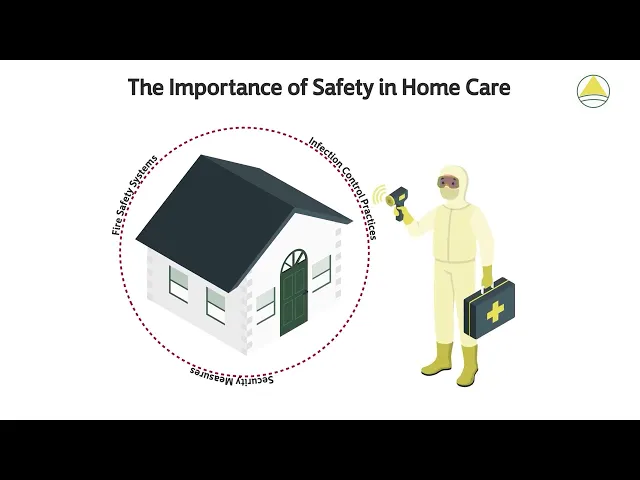
See how HSF helped Chesterfield Health transform a complex Home Care Worker Safety Training Manual into a structured, engaging training video designed for clarity and compliance. Watch the video:
Why Hire House Sparrow Films for Educational Video Editing in the USA
When hiring a freelance video editor for educational projects in the USA, many institutions struggle with inconsistent quality, missed deadlines, or editors unfamiliar with instructional design. House Sparrow Films specializes in educational video editing that aligns with U.S. eLearning standards, accessibility guidelines, and learner engagement benchmarks. Our team understands pacing for retention, curriculum structure, closed caption compliance, and cognitive load management, ensuring your lessons are not just polished but pedagogically effective.
Unlike individual freelancers, House Sparrow Films provides structured workflows, dedicated project managers, revision tracking, and scalable editing support for full course production. While a freelance eLearning editor may handle isolated tasks, our team delivers end-to-end coordination and quality control. Whether you are producing university lecture modules, online certification programs, or K–12 digital content, we ensure professional editing, motion graphics integration, audio clarity, and consistent branding across every module, making your hiring process seamless and results-driven.
Conclusion
Hiring the right editing partner can directly influence learner engagement, course completion rates, and overall content credibility. When you hire freelance video editor USA professionals, it is essential to follow a structured approach that prioritizes educational expertise, clear contracts, and defined workflows. For institutions and course creators seeking consistent quality, House Sparrow Films brings deep experience in educational editing, motion graphics, and structured course production designed for scalable learning programs. Our team understands instructional pacing, clarity, and visual storytelling that support real outcomes. If you are planning your next educational project, connect with us to discuss how we can support your goals.
FAQs
1. How much does it cost to hire a freelance video editor in the USA for educational projects?
Costs typically range from $30 to $80 per hour, depending on experience, complexity, and revisions. Project-based pricing for course modules can range from $300 to $2,000 or more.
2. How long does it take to edit an educational video?
A 10–15 minute lesson may take 5–15 hours to edit, depending on graphics, captions, and revision rounds. Full course modules require additional time.
3. What skills should an educational video editor have?
Beyond technical software skills, they should understand instructional pacing, curriculum flow, caption integration, and learner engagement strategies.
4. Do I own the final edited video?
Ownership depends on the contract. Always clarify intellectual property rights before starting the project to avoid disputes.
5. Should I hire a freelancer or a production company?
Freelancers are ideal for smaller, clearly defined projects. Production companies are better suited for large-scale course creation and long-term content strategies.
Key takeaways
Define clear learning goals, target audience, video format, and deliverables before hiring to avoid scope creep and unnecessary revisions.
Prioritize editors who understand educational pacing, clarity, accessibility, and learner engagement, not just technical software skills.
Carefully review portfolios for structured storytelling, clean audio, captions, logical flow, and experience with instructional content.
Establish contracts with clear ownership rights, revision limits, timelines, and payment milestones to prevent disputes.
Choose based on project scale; freelancers suit short-term tasks, while a production team offers better consistency and scalability for larger programs.
Online learning in the United States continues to expand rapidly, with millions of students enrolled in at least one distance education course each year. According to the National Center for Education Statistics, over 10 million U.S. students take distance education courses annually, underscoring the critical role of high-quality video content in education. As digital classrooms grow, institutions increasingly look to hire freelance video editor USA professionals who understand both storytelling and instructional design.
However, many schools and course creators make the mistake of choosing editors based solely on price or software skills. Poor pacing, unclear audio, and weak visual structure reduce learner engagement and completion rates. Strategic hiring ensures educational clarity, improves retention, and prevents costly re-edits later in production.
Read more: How to Create a Welcome Video for New Coaching Clients
Step-by-Step Process to Hire a Freelance Video Editor for Educational Projects
Finding the right professional requires more than browsing portfolios. A structured hiring process ensures quality, efficiency, and alignment with your learning goals. Whether you are outsourcing a single module or ongoing education video editing services, the steps below help you make a confident, strategic decision.
Step 1: Define Your Educational Project Goals
Before reaching out to editors, clarify your expectations.
Identify target learners: Are you creating content for K-12 students, university learners, or corporate trainees? The audience determines tone and pacing.
Define learning outcomes: What should learners know or achieve after watching? Clear objectives guide editing structure.
Decide course format: Lecture-style, animated explainer, interview-based, or blended format.
Clarify video length and modules: Break content into digestible modules to improve retention and reduce rework.
Well-defined goals reduce confusion, revision cycles, and production delays.
Step 2: Set a Realistic Budget Based on Project Scope
When you contract video editor USA professionals, pricing varies based on complexity, length, graphics, and revision rounds. Establishing a clear budget early prevents scope creep and ensures smoother negotiations.
Project Type | Avg USA Cost | Ideal For |
Short explainer | $300–$800 | Micro lessons |
Course module | $800–$2,000 | Structured programs |
Animated lesson | $1,500+ | Visual-heavy content |
Hourly vs Per-Project Pricing
Hourly: Best for ongoing edits or undefined scope. Typical rates range from $30–$80 per hour.
Per-project: Ideal when deliverables and timelines are clearly defined. Offers better budget control.
Choose the model that aligns with your production structure.
Step 3: Identify Required Technical & Educational Skills
Educational editing demands both software expertise and instructional understanding.
Technical Skills:
Adobe Premiere Pro
After Effects
Audio cleanup
Educational Skills:
Pacing for retention
Curriculum logic understanding
Caption integration
An editor who understands learning psychology adds far more value than one focused only on visuals.
Step 4: Shortlist Freelancers from the Right Platforms
Once your goals and budget are clear, the next step is identifying where to find qualified talent. The right platform can connect you with editors who specialize in academic content, eLearning modules, and even trainers & coaches' video production, ensuring they understand instructional pacing and clarity.
Platforms to explore:
Upwork
Fiverr
LinkedIn
Behance
Platform | Best For | Vetting Tip |
Upwork | Long-term hires | Check reviews |
Fiverr | Quick edits | Ask for a sample |
Pro network | Ask referrals | |
Behance | Portfolio depth | Check consistency |
Each platform serves a different purpose. Freelance marketplaces are ideal for quick comparisons, while professional networks and portfolio sites help you assess credibility, consistency, and educational experience more thoroughly.
Step 5: Review Portfolios Strategically
Before making a final decision, carefully analyze past work samples. A strong portfolio should clearly demonstrate instructional clarity, not just visual appeal.
Checklist:
Clear audio
Engaging pacing
Educational graphics
Captions
Logical flow
Poor portfolios often lack structured storytelling, consistent sound levels, and learner-focused visuals. You may notice abrupt cuts, cluttered graphics, missing subtitles, or no clear progression of ideas. These gaps signal limited experience with instructional content. Focus on editors who showcase organized modules, smooth transitions, and content that supports comprehension rather than distracting from it.
Step 6: Conduct Structured Interviews
After shortlisting candidates, schedule structured interviews to assess communication, workflow clarity, and educational understanding. A short conversation can reveal whether the editor thinks strategically about learning outcomes or focuses only on technical execution.
Sample interview script:
“Describe an education project you edited. What was the objective and how did you structure the content?”
“How do you handle revisions and feedback from instructors or stakeholders?”
“Can I see a comparison between the raw footage and the final edited version?”
Pay attention to how clearly they explain their decision-making process. Strong candidates will discuss pacing, learner engagement, and collaboration methods, not just software tools.
Step 7: Finalize Contract and Set Clear Deliverables
Once you have selected the right candidate, formalize the agreement with a detailed contract that protects both parties and ensures production clarity. Clearly define IP ownership so there is no confusion about who holds the rights to the final edited videos. Include a signed NDA if the project involves proprietary curriculum, research, or internal training material. Establish timeline milestones tied to draft submissions and final delivery to maintain accountability. Specify revision limits to prevent endless edit cycles, and outline a transparent payment schedule, whether milestone-based or percentage upfront. A well-structured contract minimizes disputes, safeguards intellectual property, and keeps your educational project on schedule.
Step 8: Onboard with a Clear Workflow
A structured onboarding process ensures your freelance editor understands expectations from day one. Start by sharing detailed brand guidelines, including tone, typography, color usage, and any institutional standards. Provide finalized scripts, raw footage, presentation slides, graphics, and reference examples so the editor has complete context before beginning. Clear documentation reduces back-and-forth communication and accelerates turnaround time.
Establish defined review cycles to avoid confusion during revisions. Set milestone check-ins for rough cuts, fine cuts, and final delivery. Use collaboration tools such as shared drives, project management platforms, or frame-accurate review software to centralize feedback. A transparent workflow not only improves efficiency but also ensures consistency across all educational modules.
Read more: Step-by-Step Guide to Creating High-Impact Coaching Videos
Why Educational Video Editing Is Different from Regular Editing
Educational videos are not just visually appealing clips; they are carefully constructed learning tools designed to improve comprehension and retention. Research shows that using well-designed video content in learning environments can significantly boost engagement and exam performance; one study found that short educational videos improved student engagement by nearly 25% and increased exam scores by around 9% when compared to traditional formats.
Unlike entertainment or marketing edits, educational video editing must consider cognitive load, instructional sequencing, accessibility features like captions, and clear pedagogy so viewers can absorb and apply complex information. This emphasis on learner outcomes makes the editing process more strategic and tailored to instructional goals, not just aesthetics.
If you want structured support, clear contracts, and scalable production for educational content, book a call with HSF to discuss your project requirements and timeline.
Budget Benchmarks for Hiring in the USA: 2026 Data
When planning to hire a freelance video editor for educational content, understanding current budget expectations helps you allocate resources wisely. According to the Freelance Forward 2026 report, an estimated 73.3 million Americans are now working as freelancers, making up roughly 44% of the U.S. workforce, a strong indicator of the widespread availability and competitiveness of freelance talent.
In terms of compensation, freelance rates for video editors vary based on experience, complexity, and niche specialization. On platforms like Upwork, typical hourly rates range from approximately $15 to $60 or more, with median rates around $35 per hour. Freelancers usually offer more flexible and competitive pricing compared with traditional agencies, which often have higher base costs due to overhead and team coordination.
For larger or ongoing educational programs, an agency may be preferred for structured support, while freelancers are often ideal for short-term or single-project work.
Read more: How Personal Branding Videos Can Elevate Your Coaching Career
When to Hire a Freelance Editor vs a Video Production Company
Choosing between a freelancer and a full production company depends on the scale, complexity, and long-term goals of your educational project. While both options can deliver quality results, the right choice depends on workflow requirements and production depth.
Hire a freelancer when:
You need edits for a short course or a single module
The scope is clearly defined
You have limited budget flexibility
You can manage scripting, feedback, and revisions internally
You need a specialized online course video editor for a focused task
Freelancers work well for smaller deliverables where agility and cost-efficiency matter most.
Hire a video production company when:
You are building a full curriculum or multiple course series
You require motion graphics, animations, and structured storytelling
You need project management and quality control
You want long-term consistency across modules
You need scalability for future content expansion
Production companies offer structured workflows, dedicated teams, and quality assurance systems, making them ideal for institutions or brands planning large-scale educational programs.
See how HSF helped Chesterfield Health transform a complex Home Care Worker Safety Training Manual into a structured, engaging training video designed for clarity and compliance. Watch the video:
Why Hire House Sparrow Films for Educational Video Editing in the USA
When hiring a freelance video editor for educational projects in the USA, many institutions struggle with inconsistent quality, missed deadlines, or editors unfamiliar with instructional design. House Sparrow Films specializes in educational video editing that aligns with U.S. eLearning standards, accessibility guidelines, and learner engagement benchmarks. Our team understands pacing for retention, curriculum structure, closed caption compliance, and cognitive load management, ensuring your lessons are not just polished but pedagogically effective.
Unlike individual freelancers, House Sparrow Films provides structured workflows, dedicated project managers, revision tracking, and scalable editing support for full course production. While a freelance eLearning editor may handle isolated tasks, our team delivers end-to-end coordination and quality control. Whether you are producing university lecture modules, online certification programs, or K–12 digital content, we ensure professional editing, motion graphics integration, audio clarity, and consistent branding across every module, making your hiring process seamless and results-driven.
Conclusion
Hiring the right editing partner can directly influence learner engagement, course completion rates, and overall content credibility. When you hire freelance video editor USA professionals, it is essential to follow a structured approach that prioritizes educational expertise, clear contracts, and defined workflows. For institutions and course creators seeking consistent quality, House Sparrow Films brings deep experience in educational editing, motion graphics, and structured course production designed for scalable learning programs. Our team understands instructional pacing, clarity, and visual storytelling that support real outcomes. If you are planning your next educational project, connect with us to discuss how we can support your goals.
FAQs
1. How much does it cost to hire a freelance video editor in the USA for educational projects?
Costs typically range from $30 to $80 per hour, depending on experience, complexity, and revisions. Project-based pricing for course modules can range from $300 to $2,000 or more.
2. How long does it take to edit an educational video?
A 10–15 minute lesson may take 5–15 hours to edit, depending on graphics, captions, and revision rounds. Full course modules require additional time.
3. What skills should an educational video editor have?
Beyond technical software skills, they should understand instructional pacing, curriculum flow, caption integration, and learner engagement strategies.
4. Do I own the final edited video?
Ownership depends on the contract. Always clarify intellectual property rights before starting the project to avoid disputes.
5. Should I hire a freelancer or a production company?
Freelancers are ideal for smaller, clearly defined projects. Production companies are better suited for large-scale course creation and long-term content strategies.