Key takeaways
Online education and digital training are expanding rapidly across the United States.
Video has become the most effective format for delivering engaging learning experiences.
Corporations, universities, and EdTech platforms increasingly rely on structured video courses.
Professional production quality improves learner engagement, retention, and course completion rates.
Advances in technology, such as AI, microlearning, and interactive videos, are accelerating digital education growth.
Digital learning has transformed how people gain knowledge and skills across the United States. From universities to corporate training programs, online education has become a core learning model. As this shift continues, eLearning video production in the USA has emerged as a critical component for delivering engaging and effective digital courses. The growing demand for visual learning content is closely tied to the rapid expansion of the online education market worldwide.
According to industry reports, the global e-learning market is expected to surpass $370 billion by 2026, reflecting the massive adoption of digital learning platforms across the education and corporate sectors. As more organizations move their training and educational programs online, professionally produced videos are becoming essential for improving learner engagement, simplifying complex topics, and increasing knowledge retention in modern digital classrooms.
The Explosive Growth of the E-Learning Industry in the USA
The e-learning industry in the United States has experienced rapid expansion as digital education becomes essential for schools, universities, and corporate training programs. Organizations are increasingly shifting toward online platforms to deliver flexible and scalable learning experiences. This transformation has significantly increased the demand for online course video production, as video content helps simplify complex topics and improve learner engagement. With more institutions adopting virtual learning models, professionally produced course videos are becoming a core component of modern education systems.
Read more: Importance of Comprehensive eLearning Video Editing in the USA
Why Video Has Become the Core Format of Modern E-Learning
Video has become the foundation of modern digital education because it combines visuals, storytelling, and structured explanations in one format. Compared to traditional text-based lessons, videos make complex topics easier to understand and help learners stay engaged longer. Educational institutions, EdTech companies, and corporate training programs increasingly rely on professional video content to deliver scalable and effective learning experiences.
Higher Engagement Compared to Text
Video learning captures attention quickly and keeps learners engaged throughout lessons. Visual elements, voice narration, and demonstrations create a more immersive experience than reading large blocks of text.
Faster Attention Capture: Videos immediately attract learners using motion, visuals, and audio, reducing distractions common in text learning.
Improved Cognitive Processing: Combining visuals, narration, and graphics helps learners process information faster and understand complex concepts.
Interactive Participation: Interactive elements such as quizzes, clickable chapters, and prompts encourage active learner participation.
Research also highlights the effectiveness of video learning. A study found that short learning videos significantly improve student engagement, with over 71% of learners reporting increased participation in lectures.
Visual Learning Improves Knowledge Retention
Video-based learning is particularly effective because it combines visuals, audio explanations, and demonstrations. This approach helps learners understand and remember information more effectively than text-only materials.
Key advantages include:
Learners retain up to 65% of visual information compared to about 10% from text
Video simplifies complex or technical concepts through visual explanation
Demonstrations, animations, and examples make lessons easier to understand
For subjects that require step-by-step explanation or real-world demonstrations, video lessons significantly improve comprehension and retention.
Flexibility for Modern Learners
Modern learners prefer flexible learning formats that fit into busy schedules. Video-based learning allows people to access course content anytime and from any device.
Major benefits include:
Self-paced learning that allows students to watch lessons at their own speed
Mobile-friendly content that supports learning on smartphones and tablets
Microlearning videos that deliver short, focused lessons
These advantages make video the preferred format for both academic learning and corporate training programs.
Ready to create engaging e-learning videos for your course or training program? Professional production can dramatically improve course quality and learner engagement. Book a call with HSF to discuss your project and explore how House Sparrow Films can help produce high-impact educational videos for global audiences.
Industries Driving the Demand for E-Learning Video Production in the USA
The growing adoption of digital learning across industries has significantly increased the demand for professional educational video content. Organizations are using structured video lessons to deliver scalable, engaging, and consistent training experiences. As online learning platforms expand and remote training becomes more common, corporate training videos and educational course videos are playing a crucial role in helping institutions and businesses deliver effective learning programs.
Corporate Training & Employee Upskilling
Businesses across the United States increasingly rely on video-based learning to train employees efficiently across locations and departments.
Compliance training
Employee onboarding
Leadership programs
Universities and Online Education Platforms
Higher education institutions and digital learning platforms widely use video lectures to deliver courses to large global audiences.
EdTech companies
MOOCs
Hybrid universities
Professional Certification and Skill Platforms
Online learning platforms use structured video courses to help learners gain technical skills and career advancement opportunities.
Software training
Technical certifications
Career development
Read more: How to Use Video to Support Blended Learning Models
Types of E-Learning Videos Businesses Are Producing Today
Businesses, universities, and institutions increasingly collaborate with a school & edtech video production company to create structured digital learning content that improves engagement, simplifies complex topics, and delivers scalable educational experiences.
Video Type | Purpose |
Course videos | Structured educational content |
Training videos | Corporate employee training |
Explainer videos | Simplifying complex topics |
Microlearning videos | Short skill lessons |
Interactive learning videos | Engagement through quizzes |
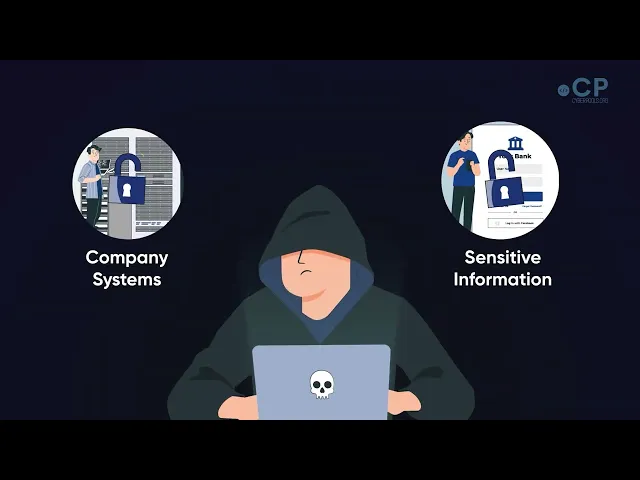
See how HSF helped Cyberpools explain cybersecurity concepts through an engaging explainer video that simplifies phishing awareness for learners. Watch the video:
Why Professional Video Production Matters for E-Learning Success
Not all educational videos deliver effective learning outcomes. Poor audio quality, unclear visuals, and unstructured content can reduce learner engagement and make complex topics harder to understand. Professional production ensures that lessons are well-organized, visually clear, and designed to support learning objectives. From scripting and instructional design to filming and editing, each stage of production plays a critical role in making e-learning content engaging and easy to follow.
High-quality video production also improves viewer retention and learning effectiveness. Studies show that interactive video learning can increase engagement by up to 45% and extend viewing time by around 30%, demonstrating the value of professionally produced educational content.
Technology Trends Accelerating E-Learning Video Production
Rapid advancements in digital learning technology are transforming how educational content is created and delivered. Organizations are adopting smarter tools and platforms to improve learner engagement, accessibility, and course completion. As online education platforms evolve, LMS video content creation has become increasingly sophisticated, enabling institutions and businesses to produce structured learning modules that integrate seamlessly with learning management systems and digital training platforms.
AI-Powered Learning Platforms
Artificial intelligence is playing a growing role in modern e-learning ecosystems. AI tools help automate course development, personalize learning paths, and generate interactive learning experiences.
Examples include:
Automated course generation
AI avatars for lessons
Smart learning analytics
Interactive Video Learning
Interactive video formats are becoming increasingly popular because they encourage active participation and improve learner engagement.
Common features include:
Clickable chapters
Real-time quizzes
Scenario-based training
Microlearning Video Content
Microlearning focuses on delivering short and focused lessons that learners can complete quickly without overwhelming information.
Key characteristics include:
Short educational videos
Mobile-first learning
High completion rates
Read more: Video Production Trends in Training Content for the ERM Platform in the USA
Why the USA Leads the Global E-Learning Video Market
The United States leads the global e-learning video market due to its strong EdTech ecosystem, high digital adoption, and continuous investment in online education platforms. Universities, corporations, and technology companies actively invest in digital learning infrastructure to support large-scale training and education programs. This environment has significantly increased demand for edTech video services, as organizations require professional video content for courses, certifications, and corporate training. With advanced technology platforms, widespread internet access, and a culture focused on continuous skill development, the USA continues to drive innovation and growth in the global e-learning industry.
How House Sparrow Films Helps Companies Produce High-Impact E-Learning Videos
At House Sparrow Films, we help organizations create engaging, effective e-learning videos for modern digital learning platforms. We work closely with clients to understand course goals, target learners, and platform requirements before developing a structured production approach. From concept development and scripting to filming and editing, we focus on producing clear, engaging learning content that enhances audience engagement and knowledge retention.
Our production process includes studio and on-location filming with professional lighting and sound, along with animation and motion graphics to simplify complex topics. We also deliver LMS-ready video formats that integrate smoothly with learning platforms. In addition, we support multilingual production, helping global companies, universities, and EdTech platforms scale educational content for diverse audiences worldwide.
Conclusion
The rapid growth of digital education and corporate training has made e-learning video production a vital part of modern learning strategies. High-quality educational videos help organizations deliver engaging lessons, simplify complex topics, and improve knowledge retention for learners worldwide. As online education continues expanding across industries, professional production plays a key role in creating impactful learning experiences. If you are planning to develop e-learning content for your platform or training program, connect with us at House Sparrow Films to produce high-impact educational videos tailored for global audiences.
FAQs
1. What is e-learning video production?
E-learning video production involves creating educational videos designed for online courses, training programs, and digital learning platforms to deliver structured and engaging learning content.
2. Why are videos important for online learning?
Videos help simplify complex topics, improve learner engagement, and increase knowledge retention compared to traditional text-based learning materials.
3. What types of videos are used in e-learning courses?
Common formats include course lectures, training videos, explainer videos, microlearning videos, and interactive learning modules with quizzes.
4. How long should an e-learning video be?
Most effective e-learning videos range from 3 to 10 minutes to maintain learner attention and improve completion rates.
5. Do e-learning videos work for corporate training?
Yes, companies widely use e-learning videos for employee onboarding, compliance training, skill development, and leadership training programs.
Key takeaways
Online education and digital training are expanding rapidly across the United States.
Video has become the most effective format for delivering engaging learning experiences.
Corporations, universities, and EdTech platforms increasingly rely on structured video courses.
Professional production quality improves learner engagement, retention, and course completion rates.
Advances in technology, such as AI, microlearning, and interactive videos, are accelerating digital education growth.
Digital learning has transformed how people gain knowledge and skills across the United States. From universities to corporate training programs, online education has become a core learning model. As this shift continues, eLearning video production in the USA has emerged as a critical component for delivering engaging and effective digital courses. The growing demand for visual learning content is closely tied to the rapid expansion of the online education market worldwide.
According to industry reports, the global e-learning market is expected to surpass $370 billion by 2026, reflecting the massive adoption of digital learning platforms across the education and corporate sectors. As more organizations move their training and educational programs online, professionally produced videos are becoming essential for improving learner engagement, simplifying complex topics, and increasing knowledge retention in modern digital classrooms.
The Explosive Growth of the E-Learning Industry in the USA
The e-learning industry in the United States has experienced rapid expansion as digital education becomes essential for schools, universities, and corporate training programs. Organizations are increasingly shifting toward online platforms to deliver flexible and scalable learning experiences. This transformation has significantly increased the demand for online course video production, as video content helps simplify complex topics and improve learner engagement. With more institutions adopting virtual learning models, professionally produced course videos are becoming a core component of modern education systems.
Read more: Importance of Comprehensive eLearning Video Editing in the USA
Why Video Has Become the Core Format of Modern E-Learning
Video has become the foundation of modern digital education because it combines visuals, storytelling, and structured explanations in one format. Compared to traditional text-based lessons, videos make complex topics easier to understand and help learners stay engaged longer. Educational institutions, EdTech companies, and corporate training programs increasingly rely on professional video content to deliver scalable and effective learning experiences.
Higher Engagement Compared to Text
Video learning captures attention quickly and keeps learners engaged throughout lessons. Visual elements, voice narration, and demonstrations create a more immersive experience than reading large blocks of text.
Faster Attention Capture: Videos immediately attract learners using motion, visuals, and audio, reducing distractions common in text learning.
Improved Cognitive Processing: Combining visuals, narration, and graphics helps learners process information faster and understand complex concepts.
Interactive Participation: Interactive elements such as quizzes, clickable chapters, and prompts encourage active learner participation.
Research also highlights the effectiveness of video learning. A study found that short learning videos significantly improve student engagement, with over 71% of learners reporting increased participation in lectures.
Visual Learning Improves Knowledge Retention
Video-based learning is particularly effective because it combines visuals, audio explanations, and demonstrations. This approach helps learners understand and remember information more effectively than text-only materials.
Key advantages include:
Learners retain up to 65% of visual information compared to about 10% from text
Video simplifies complex or technical concepts through visual explanation
Demonstrations, animations, and examples make lessons easier to understand
For subjects that require step-by-step explanation or real-world demonstrations, video lessons significantly improve comprehension and retention.
Flexibility for Modern Learners
Modern learners prefer flexible learning formats that fit into busy schedules. Video-based learning allows people to access course content anytime and from any device.
Major benefits include:
Self-paced learning that allows students to watch lessons at their own speed
Mobile-friendly content that supports learning on smartphones and tablets
Microlearning videos that deliver short, focused lessons
These advantages make video the preferred format for both academic learning and corporate training programs.
Ready to create engaging e-learning videos for your course or training program? Professional production can dramatically improve course quality and learner engagement. Book a call with HSF to discuss your project and explore how House Sparrow Films can help produce high-impact educational videos for global audiences.
Industries Driving the Demand for E-Learning Video Production in the USA
The growing adoption of digital learning across industries has significantly increased the demand for professional educational video content. Organizations are using structured video lessons to deliver scalable, engaging, and consistent training experiences. As online learning platforms expand and remote training becomes more common, corporate training videos and educational course videos are playing a crucial role in helping institutions and businesses deliver effective learning programs.
Corporate Training & Employee Upskilling
Businesses across the United States increasingly rely on video-based learning to train employees efficiently across locations and departments.
Compliance training
Employee onboarding
Leadership programs
Universities and Online Education Platforms
Higher education institutions and digital learning platforms widely use video lectures to deliver courses to large global audiences.
EdTech companies
MOOCs
Hybrid universities
Professional Certification and Skill Platforms
Online learning platforms use structured video courses to help learners gain technical skills and career advancement opportunities.
Software training
Technical certifications
Career development
Read more: How to Use Video to Support Blended Learning Models
Types of E-Learning Videos Businesses Are Producing Today
Businesses, universities, and institutions increasingly collaborate with a school & edtech video production company to create structured digital learning content that improves engagement, simplifies complex topics, and delivers scalable educational experiences.
Video Type | Purpose |
Course videos | Structured educational content |
Training videos | Corporate employee training |
Explainer videos | Simplifying complex topics |
Microlearning videos | Short skill lessons |
Interactive learning videos | Engagement through quizzes |
See how HSF helped Cyberpools explain cybersecurity concepts through an engaging explainer video that simplifies phishing awareness for learners. Watch the video:
Why Professional Video Production Matters for E-Learning Success
Not all educational videos deliver effective learning outcomes. Poor audio quality, unclear visuals, and unstructured content can reduce learner engagement and make complex topics harder to understand. Professional production ensures that lessons are well-organized, visually clear, and designed to support learning objectives. From scripting and instructional design to filming and editing, each stage of production plays a critical role in making e-learning content engaging and easy to follow.
High-quality video production also improves viewer retention and learning effectiveness. Studies show that interactive video learning can increase engagement by up to 45% and extend viewing time by around 30%, demonstrating the value of professionally produced educational content.
Technology Trends Accelerating E-Learning Video Production
Rapid advancements in digital learning technology are transforming how educational content is created and delivered. Organizations are adopting smarter tools and platforms to improve learner engagement, accessibility, and course completion. As online education platforms evolve, LMS video content creation has become increasingly sophisticated, enabling institutions and businesses to produce structured learning modules that integrate seamlessly with learning management systems and digital training platforms.
AI-Powered Learning Platforms
Artificial intelligence is playing a growing role in modern e-learning ecosystems. AI tools help automate course development, personalize learning paths, and generate interactive learning experiences.
Examples include:
Automated course generation
AI avatars for lessons
Smart learning analytics
Interactive Video Learning
Interactive video formats are becoming increasingly popular because they encourage active participation and improve learner engagement.
Common features include:
Clickable chapters
Real-time quizzes
Scenario-based training
Microlearning Video Content
Microlearning focuses on delivering short and focused lessons that learners can complete quickly without overwhelming information.
Key characteristics include:
Short educational videos
Mobile-first learning
High completion rates
Read more: Video Production Trends in Training Content for the ERM Platform in the USA
Why the USA Leads the Global E-Learning Video Market
The United States leads the global e-learning video market due to its strong EdTech ecosystem, high digital adoption, and continuous investment in online education platforms. Universities, corporations, and technology companies actively invest in digital learning infrastructure to support large-scale training and education programs. This environment has significantly increased demand for edTech video services, as organizations require professional video content for courses, certifications, and corporate training. With advanced technology platforms, widespread internet access, and a culture focused on continuous skill development, the USA continues to drive innovation and growth in the global e-learning industry.
How House Sparrow Films Helps Companies Produce High-Impact E-Learning Videos
At House Sparrow Films, we help organizations create engaging, effective e-learning videos for modern digital learning platforms. We work closely with clients to understand course goals, target learners, and platform requirements before developing a structured production approach. From concept development and scripting to filming and editing, we focus on producing clear, engaging learning content that enhances audience engagement and knowledge retention.
Our production process includes studio and on-location filming with professional lighting and sound, along with animation and motion graphics to simplify complex topics. We also deliver LMS-ready video formats that integrate smoothly with learning platforms. In addition, we support multilingual production, helping global companies, universities, and EdTech platforms scale educational content for diverse audiences worldwide.
Conclusion
The rapid growth of digital education and corporate training has made e-learning video production a vital part of modern learning strategies. High-quality educational videos help organizations deliver engaging lessons, simplify complex topics, and improve knowledge retention for learners worldwide. As online education continues expanding across industries, professional production plays a key role in creating impactful learning experiences. If you are planning to develop e-learning content for your platform or training program, connect with us at House Sparrow Films to produce high-impact educational videos tailored for global audiences.
FAQs
1. What is e-learning video production?
E-learning video production involves creating educational videos designed for online courses, training programs, and digital learning platforms to deliver structured and engaging learning content.
2. Why are videos important for online learning?
Videos help simplify complex topics, improve learner engagement, and increase knowledge retention compared to traditional text-based learning materials.
3. What types of videos are used in e-learning courses?
Common formats include course lectures, training videos, explainer videos, microlearning videos, and interactive learning modules with quizzes.
4. How long should an e-learning video be?
Most effective e-learning videos range from 3 to 10 minutes to maintain learner attention and improve completion rates.
5. Do e-learning videos work for corporate training?
Yes, companies widely use e-learning videos for employee onboarding, compliance training, skill development, and leadership training programs.