Key takeaways
Video is becoming the primary format for delivering scalable, measurable ERM training across USA enterprises.
Microlearning and interactive video formats significantly improve engagement, retention, and compliance accountability.
Personalization powered by AI enables role-based learning pathways tailored to specific risk exposure and responsibilities.
Analytics-driven training allows organizations to track completion rates, knowledge retention, and overall compliance effectiveness.
Strategic video production that combines accuracy, storytelling, and immersive elements strengthens long-term enterprise risk awareness.
Enterprise Risk Management platforms help organizations identify, assess, and mitigate risks while ensuring compliance and operational continuity. As regulatory demands and digital transformation increase across the USA industries, training content has become a strategic priority to ensure teams are skilled, compliant, and prepared for evolving risk landscapes. Well-designed ERM training videos simplify complex ERM concepts, drive consistent understanding, and support ongoing learning in distributed workforces.
Modern organizations in the USA are rapidly adopting video because it boosts learning effectiveness. Research shows that video-based training can improve retention rates by up to 60% compared to traditional text-based methods, making it a compelling choice for corporate learning strategies. As ERM programs become more sophisticated, video content is now a core element in delivering engaging, measurable, and scalable training.
Understanding ERM Training Needs
ERM training content refers to structured learning materials designed to help employees understand how an organization identifies, evaluates, manages, and reports risks. In simple terms, it teaches teams what risks exist, how they impact the business, and what actions are required to stay compliant and resilient. Effective enterprise risk management training covers areas such as regulatory compliance, internal controls, incident reporting, cybersecurity awareness, and risk assessment workflows.
Because ERM platforms often involve complex dashboards, reporting structures, and policy frameworks, training must be clear, consistent, and easy to scale. Video-based modules allow organizations to standardize knowledge across departments and locations. Businesses looking to develop structured visual learning programs often partner with experts in corporate training video production services to ensure content accuracy, engagement, and measurable outcomes.
The Role of Video in Enterprise Learning
Video has become central to enterprise learning strategies because it supports both comprehension and retention. Key benefits include:
Higher knowledge retention: Visual and audio elements improve memory recall compared to text-only materials.
Visual clarity for complex processes: Screen recordings, motion graphics, and demonstrations simplify dashboards, workflows, and compliance steps.
Scalable learning: Video modules can be deployed across distributed teams, remote employees, and multi-location enterprises without compromising consistency.
Interactive elements such as quizzes and scenario-based simulations further strengthen learner engagement, making training measurable and actionable.
Why the USA Market is Unique
The USA market places strong emphasis on compliance, governance, and risk accountability. Industries such as finance, healthcare, and technology operate under strict regulatory frameworks, making structured ERM training essential. At the same time, USA organizations actively invest in digital upskilling to support hybrid and remote work environments.
Video adoption reflects this shift. According to Wyzowl’s Video Marketing Statistics, 91% of businesses use video as a communication tool, indicating its widespread integration into corporate communication and training strategies. This growing reliance on video continues to shape how ERM training content is developed and delivered across USA enterprises.
Top Video Trends for ERM Training in 2026
As enterprise risk strategies become more data-driven and compliance-focused, video production approaches are evolving to match modern workforce expectations. In 2026, ERM training content in the USA is shifting from static, policy-heavy modules to dynamic, measurable, and personalized video ecosystems. Below are the key trends shaping this transformation.
1. Microlearning Through Short Videos
Microlearning is dominating ERM training strategies. Instead of lengthy 30 to 60-minute sessions, organizations now prefer short-format lessons that focus on one concept at a time. These concise modules reduce cognitive overload and make it easier for employees to retain critical information.
Typical ERM microlearning videos range between 2 and 7 minutes, covering topics such as incident reporting steps, internal audit workflows, or compliance checklists. Learners prefer short formats because they:
Fit easily into busy schedules
Allow just-in-time learning
Improve retention through focused messaging
Encourage higher completion rates
Short, structured videos also make updates easier when regulations change, ensuring compliance content stays current without reworking entire courses.
2. Personalized Learning Paths
Modern ERM platforms increasingly integrate AI and user data to customize training journeys. Instead of one-size-fits-all modules, employees receive tailored content based on role, department, and risk exposure.
Key personalization elements include:
AI-powered content recommendation: Systems suggest videos based on user performance and risk categories.
User-based video pathways: Finance teams may receive SOX-focused modules, while IT teams access cybersecurity risk training.
Interactive assessments: Quizzes and adaptive branching determine the next learning step.
Personalized video learning improves engagement and ensures employees only receive relevant training aligned with their responsibilities.
3. Interactive Videos
Interactive video is redefining how ERM training is delivered. Rather than passively watching content, employees engage with decision-based scenarios, quizzes, and clickable workflows.
Feature | Interactive Video | Linear Video |
Quizzes | Yes | No |
Branching Paths | Yes | No |
User Engagement | High | Medium |
Interactive ERM modules simulate real-world risk scenarios. For example, employees may choose how to respond to a compliance breach, with the video adapting based on their decision. This format strengthens practical understanding and accountability.
4. VR & AR Enhanced Training
Immersive technologies are gaining momentum in high-risk industries. Virtual Reality and Augmented Reality tools enable employees to experience simulated environments before facing real-world risk situations.
Common use cases include:
Risk scenario simulations in manufacturing or healthcare environments
Crisis response walkthroughs
Cybersecurity breach simulations
Compliance inspection rehearsals
These immersive formats create experiential learning opportunities that improve preparedness and decision-making under pressure.
5. Analytics Driven Content
Data-backed training is becoming essential for demonstrating compliance effectiveness. Organizations no longer rely solely on content delivery; they measure performance and behavioral impact.
Key metrics to track include:
Completion rates
Quiz success percentages
Engagement time
Drop-off points
Knowledge retention over time
Professional video teams specializing in corporate compliance video production design content with measurable touchpoints embedded from the start. By integrating LMS compatibility, interactive tracking, and reporting dashboards, producers help enterprises align training outcomes with compliance requirements. Analytics not only validate training effectiveness but also identify content gaps, ensuring ERM programs continuously evolve to meet regulatory and operational demands.
Read more: Trends Shaping the Future of MOOCs Video Production in 2025
Video Formats Gaining Traction in ERM Training
As organizations modernize their risk management eLearning strategies, choosing the right video format has become just as important as the content itself. ERM platforms involve policies, workflows, dashboards, and behavioral guidelines that require different visual approaches to maximize clarity and engagement. In 2026, USA enterprises are adopting a mix of creative and instructional formats to improve knowledge retention and compliance effectiveness.
Top Performing Training Formats:
Explainer animation
Motion graphics and animated visuals simplify complex ERM concepts such as risk scoring models, compliance hierarchies, and audit processes. Animation is especially useful when explaining abstract frameworks or regulatory structures that are difficult to demonstrate in real life.
Scenario-based live action
Realistic workplace simulations help employees understand behavioral expectations during compliance incidents. These videos recreate situations such as whistleblower reporting, internal investigations, or cybersecurity breaches, allowing learners to connect theory with real-world actions.
Demo walkthroughs
Screen-recorded tutorials guide users through ERM dashboards, reporting tools, and workflow automation features. These step-by-step demonstrations ensure employees know how to log risks, submit reports, or analyze data within the platform.
Expert interviews
Featuring compliance officers, risk managers, or subject matter experts builds credibility and reinforces trust. Interview-style videos provide insights into policy intent, regulatory expectations, and strategic risk thinking.
Format vs Purpose Matrix
Selecting the right format depends on training objectives. The matrix below outlines how different formats align with ERM learning goals:
Format | Best Used For |
Animation | Process explanation |
Live action | Behavioral skills |
Screen capture | Software tutorials |
By strategically combining these formats, organizations can create layered ERM training programs that address both technical platform usage and behavioral compliance requirements, ensuring a well-rounded and measurable learning experience.
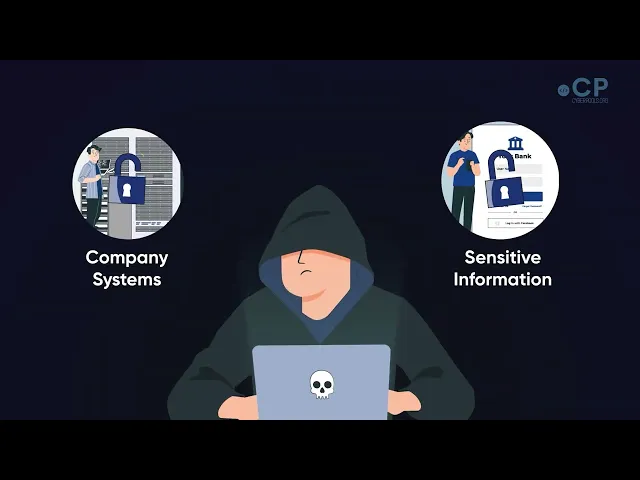
See how HSF helped Cyberpools strengthen cybersecurity awareness through engaging, scenario-based risk training that improves employee vigilance and compliance readiness:
How to Produce Effective ERM Training Videos
Producing effective ERM training videos begins with a clear understanding of compliance objectives, target roles, and platform workflows. Start with a structured training needs analysis to identify knowledge gaps and regulatory priorities. Collaborate closely with risk managers and subject matter experts to ensure accuracy, then translate complex policies into concise scripts supported by storyboards. Combining screen recordings, motion graphics, and real-world scenarios helps simplify dashboards, reporting structures, and escalation procedures while keeping learners engaged.
Equally important is designing videos for measurement and scalability. Incorporate quizzes, scenario-based checkpoints, and LMS integration to track completion rates and knowledge retention. Ensure accessibility with subtitles and mobile-friendly formatting to support distributed teams across the USA.
Ready to elevate your ERM training strategy? Schedule a consultation with House Sparrow Films to develop engaging, compliance-driven video solutions tailored to your organization’s risk framework.
Why USA Companies Are Investing in Video-Based ERM Training
USA companies are prioritizing video-based ERM training to strengthen compliance, improve workforce readiness, and standardize risk education across expanding and distributed operations.
Market Drivers
Organizations are accelerating enterprise training content development initiatives to keep pace with evolving regulations and digital transformation. Several factors are driving this investment:
Regulatory pressure: Industries such as finance and healthcare face strict federal and state compliance mandates that require documented, measurable training.
Distributed workforce: Hybrid and remote teams need consistent, accessible learning formats that ensure uniform policy understanding across locations.
Skills gap: Rapid technology adoption demands continuous upskilling in risk assessment, cybersecurity, and governance processes.
As compliance strategist Michael Rasmussen notes, “Effective risk training must be continuous, measurable, and aligned with regulatory expectations, not treated as a one-time event.”
Industry Examples
Finance: Risk reporting, fraud prevention, and SOX compliance training.
Healthcare: Data privacy, HIPAA compliance, and operational risk protocols.
Tech: Cybersecurity awareness and enterprise governance frameworks.
Read more: How to Build a Scalable Corporate Video Training Program
Challenges in Creating Training Videos for ERM
Producing ERM training videos requires balancing regulatory precision with engaging storytelling. Organizations often face several practical and strategic challenges:
Keeping compliance accurate: Training must align with evolving laws, internal controls, and industry regulations to avoid legal exposure or misinformation risks.
Maintaining learner attention: Technical compliance topics can feel overwhelming, requiring structured storytelling and visuals to sustain engagement and retention.
Balancing cost and quality: Enterprises must manage budgets carefully while delivering professional production standards that ensure clarity and credibility.
Solutions Video Producers Bring
Professional video teams help bridge these gaps by combining subject matter collaboration with creative execution. They bring expertise to simplify complex risk frameworks into clear visual narratives, use engaging formats such as animation or scenario-based storytelling, and ensure consistent, on-brand execution. The result is compliant, measurable, and visually compelling ERM training content that aligns with organizational goals.
Future Outlook for ERM Training Videos
The future of ERM training videos will be shaped by predictive AI and deeper personalization. AI-driven systems will analyze learner performance and automatically recommend tailored modules, creating adaptive video pathways based on risk exposure and job roles. Voice-assisted guides embedded within training platforms will further enhance usability, allowing employees to navigate compliance content through conversational prompts and real-time support.
Greater immersive learning will also redefine risk education. Continued VR expansion will enable employees to experience simulated compliance audits, cybersecurity breaches, and crisis response drills in controlled environments. Real-time simulations powered by interactive video engines will help organizations test decision-making under pressure, strengthening preparedness while generating measurable insights into workforce risk competency.
Read more: The Future of Explainer Videos: AI Avatars and Synthetic Narration
How House Sparrow Films Supports ERM Training Video Production
House Sparrow Films specializes in producing compliance-driven ERM training videos tailored for USA enterprises. From script development aligned with regulatory frameworks to interactive video design and LMS-ready delivery, HSF ensures accuracy, engagement, and measurable outcomes. The team collaborates closely with risk managers and compliance leaders to simplify complex ERM dashboards, reporting workflows, and governance policies into clear visual narratives. With expertise in animation, scenario-based storytelling, and scalable enterprise production, HSF helps organizations modernize ERM training while maintaining brand consistency and compliance integrity.
Conclusion
The evolution of ERM strategies in the USA demands smarter, measurable, and engaging learning solutions. From microlearning and interactive modules to AI-driven personalization and immersive simulations, ERM training videos are redefining how enterprises deliver compliance education. Organizations that invest in strategic video production gain stronger knowledge retention, improved accountability, and scalable risk awareness across distributed teams.
Transform Your ERM Training with Video. Video is no longer optional in modern risk education; it is a strategic tool for clarity, consistency, and measurable compliance outcomes. Ready to elevate your ERM training approach? Get in touch with House Sparrow Films to build high-impact, compliance-focused video solutions tailored to your enterprise needs.
FAQs
1. What are ERM training videos?
ERM training videos are structured visual modules that explain risk processes, compliance requirements, reporting workflows, and governance responsibilities clearly.
2. Why invest in video-based ERM training?
Video improves retention, standardizes compliance education, supports distributed teams, and enables measurable learning outcomes through analytics tracking.
3. Which formats work best for ERM training?
Animation, live action scenarios, interactive videos, and software walkthroughs effectively address behavioral skills and platform-based learning.
4. How long should ERM training videos be?
Effective ERM training videos typically range between two and seven minutes to maximize focus and completion rates.
5. How does video improve compliance outcomes?
Professional video integrates quizzes, analytics tracking, and structured storytelling to strengthen understanding, accountability, and regulatory adherence.
Key takeaways
Video is becoming the primary format for delivering scalable, measurable ERM training across USA enterprises.
Microlearning and interactive video formats significantly improve engagement, retention, and compliance accountability.
Personalization powered by AI enables role-based learning pathways tailored to specific risk exposure and responsibilities.
Analytics-driven training allows organizations to track completion rates, knowledge retention, and overall compliance effectiveness.
Strategic video production that combines accuracy, storytelling, and immersive elements strengthens long-term enterprise risk awareness.
Enterprise Risk Management platforms help organizations identify, assess, and mitigate risks while ensuring compliance and operational continuity. As regulatory demands and digital transformation increase across the USA industries, training content has become a strategic priority to ensure teams are skilled, compliant, and prepared for evolving risk landscapes. Well-designed ERM training videos simplify complex ERM concepts, drive consistent understanding, and support ongoing learning in distributed workforces.
Modern organizations in the USA are rapidly adopting video because it boosts learning effectiveness. Research shows that video-based training can improve retention rates by up to 60% compared to traditional text-based methods, making it a compelling choice for corporate learning strategies. As ERM programs become more sophisticated, video content is now a core element in delivering engaging, measurable, and scalable training.
Understanding ERM Training Needs
ERM training content refers to structured learning materials designed to help employees understand how an organization identifies, evaluates, manages, and reports risks. In simple terms, it teaches teams what risks exist, how they impact the business, and what actions are required to stay compliant and resilient. Effective enterprise risk management training covers areas such as regulatory compliance, internal controls, incident reporting, cybersecurity awareness, and risk assessment workflows.
Because ERM platforms often involve complex dashboards, reporting structures, and policy frameworks, training must be clear, consistent, and easy to scale. Video-based modules allow organizations to standardize knowledge across departments and locations. Businesses looking to develop structured visual learning programs often partner with experts in corporate training video production services to ensure content accuracy, engagement, and measurable outcomes.
The Role of Video in Enterprise Learning
Video has become central to enterprise learning strategies because it supports both comprehension and retention. Key benefits include:
Higher knowledge retention: Visual and audio elements improve memory recall compared to text-only materials.
Visual clarity for complex processes: Screen recordings, motion graphics, and demonstrations simplify dashboards, workflows, and compliance steps.
Scalable learning: Video modules can be deployed across distributed teams, remote employees, and multi-location enterprises without compromising consistency.
Interactive elements such as quizzes and scenario-based simulations further strengthen learner engagement, making training measurable and actionable.
Why the USA Market is Unique
The USA market places strong emphasis on compliance, governance, and risk accountability. Industries such as finance, healthcare, and technology operate under strict regulatory frameworks, making structured ERM training essential. At the same time, USA organizations actively invest in digital upskilling to support hybrid and remote work environments.
Video adoption reflects this shift. According to Wyzowl’s Video Marketing Statistics, 91% of businesses use video as a communication tool, indicating its widespread integration into corporate communication and training strategies. This growing reliance on video continues to shape how ERM training content is developed and delivered across USA enterprises.
Top Video Trends for ERM Training in 2026
As enterprise risk strategies become more data-driven and compliance-focused, video production approaches are evolving to match modern workforce expectations. In 2026, ERM training content in the USA is shifting from static, policy-heavy modules to dynamic, measurable, and personalized video ecosystems. Below are the key trends shaping this transformation.
1. Microlearning Through Short Videos
Microlearning is dominating ERM training strategies. Instead of lengthy 30 to 60-minute sessions, organizations now prefer short-format lessons that focus on one concept at a time. These concise modules reduce cognitive overload and make it easier for employees to retain critical information.
Typical ERM microlearning videos range between 2 and 7 minutes, covering topics such as incident reporting steps, internal audit workflows, or compliance checklists. Learners prefer short formats because they:
Fit easily into busy schedules
Allow just-in-time learning
Improve retention through focused messaging
Encourage higher completion rates
Short, structured videos also make updates easier when regulations change, ensuring compliance content stays current without reworking entire courses.
2. Personalized Learning Paths
Modern ERM platforms increasingly integrate AI and user data to customize training journeys. Instead of one-size-fits-all modules, employees receive tailored content based on role, department, and risk exposure.
Key personalization elements include:
AI-powered content recommendation: Systems suggest videos based on user performance and risk categories.
User-based video pathways: Finance teams may receive SOX-focused modules, while IT teams access cybersecurity risk training.
Interactive assessments: Quizzes and adaptive branching determine the next learning step.
Personalized video learning improves engagement and ensures employees only receive relevant training aligned with their responsibilities.
3. Interactive Videos
Interactive video is redefining how ERM training is delivered. Rather than passively watching content, employees engage with decision-based scenarios, quizzes, and clickable workflows.
Feature | Interactive Video | Linear Video |
Quizzes | Yes | No |
Branching Paths | Yes | No |
User Engagement | High | Medium |
Interactive ERM modules simulate real-world risk scenarios. For example, employees may choose how to respond to a compliance breach, with the video adapting based on their decision. This format strengthens practical understanding and accountability.
4. VR & AR Enhanced Training
Immersive technologies are gaining momentum in high-risk industries. Virtual Reality and Augmented Reality tools enable employees to experience simulated environments before facing real-world risk situations.
Common use cases include:
Risk scenario simulations in manufacturing or healthcare environments
Crisis response walkthroughs
Cybersecurity breach simulations
Compliance inspection rehearsals
These immersive formats create experiential learning opportunities that improve preparedness and decision-making under pressure.
5. Analytics Driven Content
Data-backed training is becoming essential for demonstrating compliance effectiveness. Organizations no longer rely solely on content delivery; they measure performance and behavioral impact.
Key metrics to track include:
Completion rates
Quiz success percentages
Engagement time
Drop-off points
Knowledge retention over time
Professional video teams specializing in corporate compliance video production design content with measurable touchpoints embedded from the start. By integrating LMS compatibility, interactive tracking, and reporting dashboards, producers help enterprises align training outcomes with compliance requirements. Analytics not only validate training effectiveness but also identify content gaps, ensuring ERM programs continuously evolve to meet regulatory and operational demands.
Read more: Trends Shaping the Future of MOOCs Video Production in 2025
Video Formats Gaining Traction in ERM Training
As organizations modernize their risk management eLearning strategies, choosing the right video format has become just as important as the content itself. ERM platforms involve policies, workflows, dashboards, and behavioral guidelines that require different visual approaches to maximize clarity and engagement. In 2026, USA enterprises are adopting a mix of creative and instructional formats to improve knowledge retention and compliance effectiveness.
Top Performing Training Formats:
Explainer animation
Motion graphics and animated visuals simplify complex ERM concepts such as risk scoring models, compliance hierarchies, and audit processes. Animation is especially useful when explaining abstract frameworks or regulatory structures that are difficult to demonstrate in real life.
Scenario-based live action
Realistic workplace simulations help employees understand behavioral expectations during compliance incidents. These videos recreate situations such as whistleblower reporting, internal investigations, or cybersecurity breaches, allowing learners to connect theory with real-world actions.
Demo walkthroughs
Screen-recorded tutorials guide users through ERM dashboards, reporting tools, and workflow automation features. These step-by-step demonstrations ensure employees know how to log risks, submit reports, or analyze data within the platform.
Expert interviews
Featuring compliance officers, risk managers, or subject matter experts builds credibility and reinforces trust. Interview-style videos provide insights into policy intent, regulatory expectations, and strategic risk thinking.
Format vs Purpose Matrix
Selecting the right format depends on training objectives. The matrix below outlines how different formats align with ERM learning goals:
Format | Best Used For |
Animation | Process explanation |
Live action | Behavioral skills |
Screen capture | Software tutorials |
By strategically combining these formats, organizations can create layered ERM training programs that address both technical platform usage and behavioral compliance requirements, ensuring a well-rounded and measurable learning experience.
See how HSF helped Cyberpools strengthen cybersecurity awareness through engaging, scenario-based risk training that improves employee vigilance and compliance readiness:
How to Produce Effective ERM Training Videos
Producing effective ERM training videos begins with a clear understanding of compliance objectives, target roles, and platform workflows. Start with a structured training needs analysis to identify knowledge gaps and regulatory priorities. Collaborate closely with risk managers and subject matter experts to ensure accuracy, then translate complex policies into concise scripts supported by storyboards. Combining screen recordings, motion graphics, and real-world scenarios helps simplify dashboards, reporting structures, and escalation procedures while keeping learners engaged.
Equally important is designing videos for measurement and scalability. Incorporate quizzes, scenario-based checkpoints, and LMS integration to track completion rates and knowledge retention. Ensure accessibility with subtitles and mobile-friendly formatting to support distributed teams across the USA.
Ready to elevate your ERM training strategy? Schedule a consultation with House Sparrow Films to develop engaging, compliance-driven video solutions tailored to your organization’s risk framework.
Why USA Companies Are Investing in Video-Based ERM Training
USA companies are prioritizing video-based ERM training to strengthen compliance, improve workforce readiness, and standardize risk education across expanding and distributed operations.
Market Drivers
Organizations are accelerating enterprise training content development initiatives to keep pace with evolving regulations and digital transformation. Several factors are driving this investment:
Regulatory pressure: Industries such as finance and healthcare face strict federal and state compliance mandates that require documented, measurable training.
Distributed workforce: Hybrid and remote teams need consistent, accessible learning formats that ensure uniform policy understanding across locations.
Skills gap: Rapid technology adoption demands continuous upskilling in risk assessment, cybersecurity, and governance processes.
As compliance strategist Michael Rasmussen notes, “Effective risk training must be continuous, measurable, and aligned with regulatory expectations, not treated as a one-time event.”
Industry Examples
Finance: Risk reporting, fraud prevention, and SOX compliance training.
Healthcare: Data privacy, HIPAA compliance, and operational risk protocols.
Tech: Cybersecurity awareness and enterprise governance frameworks.
Read more: How to Build a Scalable Corporate Video Training Program
Challenges in Creating Training Videos for ERM
Producing ERM training videos requires balancing regulatory precision with engaging storytelling. Organizations often face several practical and strategic challenges:
Keeping compliance accurate: Training must align with evolving laws, internal controls, and industry regulations to avoid legal exposure or misinformation risks.
Maintaining learner attention: Technical compliance topics can feel overwhelming, requiring structured storytelling and visuals to sustain engagement and retention.
Balancing cost and quality: Enterprises must manage budgets carefully while delivering professional production standards that ensure clarity and credibility.
Solutions Video Producers Bring
Professional video teams help bridge these gaps by combining subject matter collaboration with creative execution. They bring expertise to simplify complex risk frameworks into clear visual narratives, use engaging formats such as animation or scenario-based storytelling, and ensure consistent, on-brand execution. The result is compliant, measurable, and visually compelling ERM training content that aligns with organizational goals.
Future Outlook for ERM Training Videos
The future of ERM training videos will be shaped by predictive AI and deeper personalization. AI-driven systems will analyze learner performance and automatically recommend tailored modules, creating adaptive video pathways based on risk exposure and job roles. Voice-assisted guides embedded within training platforms will further enhance usability, allowing employees to navigate compliance content through conversational prompts and real-time support.
Greater immersive learning will also redefine risk education. Continued VR expansion will enable employees to experience simulated compliance audits, cybersecurity breaches, and crisis response drills in controlled environments. Real-time simulations powered by interactive video engines will help organizations test decision-making under pressure, strengthening preparedness while generating measurable insights into workforce risk competency.
Read more: The Future of Explainer Videos: AI Avatars and Synthetic Narration
How House Sparrow Films Supports ERM Training Video Production
House Sparrow Films specializes in producing compliance-driven ERM training videos tailored for USA enterprises. From script development aligned with regulatory frameworks to interactive video design and LMS-ready delivery, HSF ensures accuracy, engagement, and measurable outcomes. The team collaborates closely with risk managers and compliance leaders to simplify complex ERM dashboards, reporting workflows, and governance policies into clear visual narratives. With expertise in animation, scenario-based storytelling, and scalable enterprise production, HSF helps organizations modernize ERM training while maintaining brand consistency and compliance integrity.
Conclusion
The evolution of ERM strategies in the USA demands smarter, measurable, and engaging learning solutions. From microlearning and interactive modules to AI-driven personalization and immersive simulations, ERM training videos are redefining how enterprises deliver compliance education. Organizations that invest in strategic video production gain stronger knowledge retention, improved accountability, and scalable risk awareness across distributed teams.
Transform Your ERM Training with Video. Video is no longer optional in modern risk education; it is a strategic tool for clarity, consistency, and measurable compliance outcomes. Ready to elevate your ERM training approach? Get in touch with House Sparrow Films to build high-impact, compliance-focused video solutions tailored to your enterprise needs.
FAQs
1. What are ERM training videos?
ERM training videos are structured visual modules that explain risk processes, compliance requirements, reporting workflows, and governance responsibilities clearly.
2. Why invest in video-based ERM training?
Video improves retention, standardizes compliance education, supports distributed teams, and enables measurable learning outcomes through analytics tracking.
3. Which formats work best for ERM training?
Animation, live action scenarios, interactive videos, and software walkthroughs effectively address behavioral skills and platform-based learning.
4. How long should ERM training videos be?
Effective ERM training videos typically range between two and seven minutes to maximize focus and completion rates.
5. How does video improve compliance outcomes?
Professional video integrates quizzes, analytics tracking, and structured storytelling to strengthen understanding, accountability, and regulatory adherence.