Key takeaways
Professional postproduction improves clarity, pacing, and visuals, increasing student focus and retention.
Expert editing strengthens school branding, communication, and overall institutional credibility.
Accessible videos with captions and transcripts ensure compliance and inclusive learning experiences.
Outsourcing editing saves teachers time while maintaining consistent, professional video quality.
High-quality videos become reusable assets supporting long-term engagement and growth.
Classrooms across the United States have rapidly shifted from traditional in-person instruction to hybrid and digital learning environments where multimedia content plays a central role. Video is now a core educational tool used in lessons, flipped classrooms, virtual orientations, and student engagement initiatives. Research shows that 91 percent of teachers use video to help motivate and engage students in class, demonstrating how deeply video has permeated modern instruction.
As schools invest more in recorded lectures, promotional films, announcements, and online classes, quality becomes a strategic priority. Simply recording content is not sufficient. High-performing institutions increasingly rely on video postproduction services in the USA to refine visuals, enhance audio clarity, add graphics, and ensure accessibility. High-quality educational videos require expert postproduction skills to be effective, professional, and truly engaging for students and stakeholders alike.
The Current Video Landscape in USA Schools
Video content has become an essential part of teaching and learning in the United States, with online educational videos now among the most common digital learning tools used by K-12 teachers. A recent survey found that 67 percent of K-12 teachers use online educational videos in their classrooms, making video one of the top resources for delivering lessons and reinforcing concepts. This trend highlights how schools are blending traditional instruction with digital formats to meet diverse student needs and learning styles.
At the same time, higher education continues to expand its reliance on video content, with a growing share of students enrolled in online or hybrid courses driving demand for richer multimedia experiences. These shifts underscore why partnering with an educational video editing company is increasingly important, enabling schools to turn raw footage into polished, accessible, and engaging educational assets that work across platforms and learning environments.
What Is Video Postproduction and Why Does It Matter for Schools
Recording a lesson or school event captures content, but it does not automatically create an effective learning resource. Cameras document information, while professional video postproduction transforms that raw footage into structured, engaging, and accessible educational material. For schools, this distinction is critical. Poor audio, uneven lighting, long pauses, and distracting visuals can reduce student attention and weaken message clarity. Postproduction refines these elements to ensure the final video supports learning objectives, strengthens communication, and reflects institutional quality standards.
Core Postproduction Functions:
Editing: Clean cuts, improved pacing, and structured storytelling that keep students focused.
Color Correction: Balanced tones and consistent visuals that create a professional look.
Sound Design: Clear, noise-free audio that enhances comprehension during lessons.
Graphics and Titles: On-screen text, lower thirds, and branding elements for clarity and identity.
Animation and Motion Graphics: Visual aids that simplify complex topics and improve retention.
Skill Sets of a Postproduction Expert
A trained postproduction specialist brings more than basic editing knowledge. Unlike general editing, which focuses on trimming clips, expert-level work aligns visuals, audio, and graphics with educational goals. The process involves strategic decisions about pacing, structure, accessibility, and platform optimization to ensure content resonates with students and stakeholders.
Mastery of tools like Adobe Premiere Pro and DaVinci Resolve
Understanding of student attention and learning flow
Ability to optimize for YouTube, LMS, and school websites
Read more: How EdTech Platforms Can Use Video to Improve Course Completion Rates
How Postproduction Improves Learning Outcomes
Educational videos are most effective when they are structured with student comprehension in mind. Postproduction refines raw recordings into focused learning tools that reduce distractions and reinforce key concepts. By improving clarity, pacing, and presentation, schools can significantly enhance how students absorb and retain information.
Direct Benefits Comparison:
Before Postproduction | After Postproduction |
Distracting audio | Balanced and clear audio |
Long unedited takes | Focused concise segments |
No visual aids | Integrated graphics and text |
Inconsistent pacing | Smooth learning flow |
Well-edited videos improve attention retention by removing unnecessary pauses and distractions. Clear visuals and structured storytelling support stronger information recall, while captions and refined audio enhance accessibility for diverse learners. When content is polished and purposeful, students stay engaged longer and understand lessons more effectively.
Ready to elevate your school’s video content? Book a call with HSF to explore how professional postproduction can improve learning impact and engagement.
Benefits for School Communications and Branding
While classroom instruction remains a priority, schools today operate in a highly visible and competitive environment. Beyond academics, institutions must communicate clearly with staff, parents, and the wider community. Partnering with providers of school video production services ensures that every message, whether internal or public-facing, reflects professionalism and credibility. Postproduction plays a vital role in shaping how a school is perceived, both within its community and beyond.
Internal Communications
Effective internal communication builds trust, alignment, and transparency across the institution. Professionally edited videos ensure messages are clear, concise, and engaging for all stakeholders.
Principal announcements
Staff trainings
Parent outreach videos
External Branding
High-quality videos significantly influence how prospective families perceive a school. From website welcome messages to social media highlights and campus showcases, polished visuals communicate excellence, organization, and attention to detail. Professionally refined content positions the school as forward-thinking and student-focused, strengthening reputation and enrollment appeal in an increasingly digital landscape.
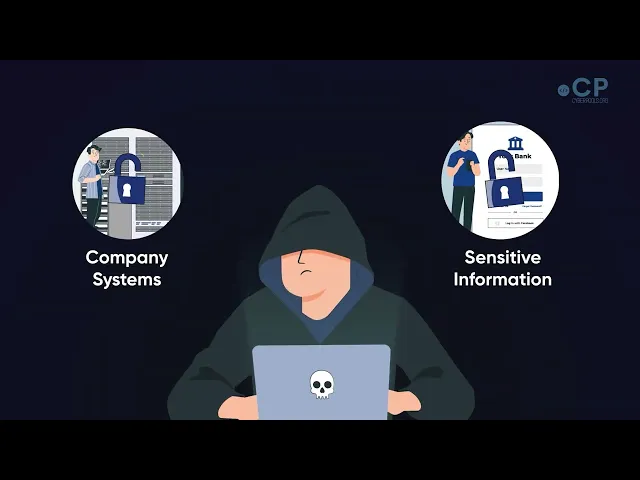
See how HSF helped Cyberpools transform a complex cybersecurity topic into a clear, engaging educational explainer that strengthens digital communication impact. Watch the video:
Technical Advantages: Accessibility and Compliance
For schools, accessibility and compliance are critical components of responsible digital education. Schools must ensure video content supports diverse learners, meets regulatory standards, and functions seamlessly across platforms. Partnering with an experienced schools & edTech video production company helps implement structured postproduction workflows that meet these technical requirements without compromising clarity or engagement. From captions to optimized exports, every detail strengthens inclusive and compliant communication. These are the key technical advantages schools gain:
Closed Captioning: Accurate captions support IEP compliance, assist hearing-impaired students, and improve comprehension for multilingual and diverse learners.
Alt Text Integration: Descriptive text for graphics and visuals ensures screen reader compatibility and improves accessibility for visually impaired students.
LMS Optimized Formatting: Proper file compression, resolution settings, and platform-specific exports ensure seamless playback across school learning management systems.
Audio Enhancement: Noise reduction and balanced sound levels improve clarity, ensuring students clearly understand lectures without distractions.
Read more: The Benefits of Using Explainer Videos in School Classrooms
Postproduction and Teacher Efficiency
Administrators often underestimate how much time teachers spend editing recorded lessons, trimming footage, correcting audio, and formatting files. While in-house editing may seem economical, it often reduces instructional productivity and creates inconsistent results. Outsourcing to a specialist ensures professional quality while freeing educators to focus on teaching and student support.
“Teachers are most effective when their energy is directed toward instruction, not technical production tasks,” says Dr. Melissa Carter, Education Technology Consultant.
Partnering with postproduction experts helps schools streamline workflows, improve efficiency, and maintain consistent quality standards.
Teachers focus on teaching, not editing.
Faster delivery of lessons and updates.
Consistent, professional video quality.
Read more: How to Use Video to Teach Life Skills to Students
Cost Considerations and Value Justification
Budget discussions often focus on immediate expenses, but schools must also evaluate long-term impact. While in-house editing may appear cost-effective at first glance, it often leads to hidden time costs, inconsistent quality, and repeated revisions. Investing in professional video postproduction ensures structured workflows, polished outcomes, and reusable video assets that continue delivering value over time. The right expertise transforms video from a one-time expense into a strategic educational investment.
Expense Type | Short Term | Long Term Value |
In-house editing | Lower direct cost | High time cost, inconsistent quality |
Expert postproduction | Higher upfront cost | Professional quality, reusable assets |
Criteria for Choosing a Postproduction Expert
Since schools are investing in high-quality video content for learning and communication, choosing the right postproduction partner becomes essential. A qualified expert should understand both technical production standards and the unique demands of educational environments. The following criteria help schools make an informed hiring decision:
Portfolio of Educational Content:
Review past projects to confirm experience creating structured, curriculum-aligned videos tailored specifically for schools, ensuring clarity, engagement, age appropriateness, and measurable educational impact across diverse learning environments.
Client Testimonials and Proven Results:
Verified testimonials from educational institutions demonstrate consistent quality, timely delivery, strong communication, and measurable outcomes, providing schools with confidence in the expert’s reliability and long term partnership value.
Knowledge of Education Standards and Compliance:
The expert should understand accessibility guidelines, IEP requirements, captioning standards, and digital platform regulations to ensure videos meet compliance expectations while supporting inclusive learning for students.
Fast Turnaround Capabilities:
Efficient workflows, organized production systems, and responsive communication enable timely project delivery, helping schools meet academic schedules, event deadlines, and evolving instructional needs without compromising quality.
Emerging Trends in Educational Video Postproduction
As digital learning continues to evolve, schools must stay aligned with emerging technologies that enhance engagement and instructional effectiveness. Modern postproduction is no longer limited to trimming footage and improving sound. It now integrates intelligent tools and interactive formats that transform passive viewing into active learning experiences. By adopting innovative editing techniques and advanced delivery formats, schools can create dynamic content that supports diverse learners and future-ready classrooms.
AI-assisted editing tools: Automate captions, audio cleanup, and scene detection to improve efficiency and production accuracy.
Interactive video formats: Integrate quizzes, clickable chapters, and prompts to increase student participation and retention.
Personalized learning paths through adaptive video: Tailor content delivery based on grade level, pace, and individual student needs.
360° and immersive video experiences: Create engaging virtual environments that enhance experiential learning and subject understanding.
Why Choose House Sparrow Films for Educational Postproduction
House Sparrow Films specializes in refining educational content through structured, outcome-driven postproduction. Our team works closely with schools to transform raw classroom recordings, virtual lectures, and institutional videos into polished learning assets. From precise editing and audio enhancement to caption integration and branded motion graphics, every step is aligned with instructional clarity and accessibility standards. We understand academic timelines and ensure seamless delivery across LMS platforms, websites, and digital channels.
With global experience supporting schools and institutions, HSF combines creative storytelling with technical precision. Our workflows prioritize compliance, engagement, and measurable impact, ensuring every video supports learning objectives while strengthening institutional credibility and communication.
Conclusion
Video now plays a central role in instruction, communication, and institutional branding across American schools. Yet raw recordings alone cannot deliver meaningful educational impact. Investing in advanced video editing USA ensures clarity, accessibility, structured pacing, and professional presentation that directly supports student learning and engagement. Expert postproduction strengthens academic communication, enhances compliance, and transforms everyday recordings into high-value digital assets. For schools seeking long term growth and credibility, professional editing should be a strategic priority rather than an afterthought. Start enhancing your school’s video quality today with House Sparrow Films. Contact us now to elevate your educational content with expert postproduction support.
FAQs
1. Why can’t schools rely on basic in-house editing tools?
Basic tools may handle simple trimming, but they often lack the precision, accessibility features, and structured workflow needed to create engaging, compliant educational videos.
2. How does professional postproduction improve student engagement?
Professional editing improves pacing, audio clarity, and visual structure, helping students stay focused, understand key concepts clearly, and retain information longer.
3. Are captions and accessibility features really necessary?
Yes, captions and accessibility elements support inclusive learning, assist students with hearing or language challenges, and help schools meet compliance standards.
4. How long does professional postproduction usually take?
Timelines vary depending on project length and complexity, but experienced teams follow efficient workflows to meet academic schedules and deadlines.
5. Can postproduction help with school branding and marketing?
Absolutely. Professionally edited videos enhance institutional image, improve communication with parents, and attract prospective families through a polished digital presence.
Key takeaways
Professional postproduction improves clarity, pacing, and visuals, increasing student focus and retention.
Expert editing strengthens school branding, communication, and overall institutional credibility.
Accessible videos with captions and transcripts ensure compliance and inclusive learning experiences.
Outsourcing editing saves teachers time while maintaining consistent, professional video quality.
High-quality videos become reusable assets supporting long-term engagement and growth.
Classrooms across the United States have rapidly shifted from traditional in-person instruction to hybrid and digital learning environments where multimedia content plays a central role. Video is now a core educational tool used in lessons, flipped classrooms, virtual orientations, and student engagement initiatives. Research shows that 91 percent of teachers use video to help motivate and engage students in class, demonstrating how deeply video has permeated modern instruction.
As schools invest more in recorded lectures, promotional films, announcements, and online classes, quality becomes a strategic priority. Simply recording content is not sufficient. High-performing institutions increasingly rely on video postproduction services in the USA to refine visuals, enhance audio clarity, add graphics, and ensure accessibility. High-quality educational videos require expert postproduction skills to be effective, professional, and truly engaging for students and stakeholders alike.
The Current Video Landscape in USA Schools
Video content has become an essential part of teaching and learning in the United States, with online educational videos now among the most common digital learning tools used by K-12 teachers. A recent survey found that 67 percent of K-12 teachers use online educational videos in their classrooms, making video one of the top resources for delivering lessons and reinforcing concepts. This trend highlights how schools are blending traditional instruction with digital formats to meet diverse student needs and learning styles.
At the same time, higher education continues to expand its reliance on video content, with a growing share of students enrolled in online or hybrid courses driving demand for richer multimedia experiences. These shifts underscore why partnering with an educational video editing company is increasingly important, enabling schools to turn raw footage into polished, accessible, and engaging educational assets that work across platforms and learning environments.
What Is Video Postproduction and Why Does It Matter for Schools
Recording a lesson or school event captures content, but it does not automatically create an effective learning resource. Cameras document information, while professional video postproduction transforms that raw footage into structured, engaging, and accessible educational material. For schools, this distinction is critical. Poor audio, uneven lighting, long pauses, and distracting visuals can reduce student attention and weaken message clarity. Postproduction refines these elements to ensure the final video supports learning objectives, strengthens communication, and reflects institutional quality standards.
Core Postproduction Functions:
Editing: Clean cuts, improved pacing, and structured storytelling that keep students focused.
Color Correction: Balanced tones and consistent visuals that create a professional look.
Sound Design: Clear, noise-free audio that enhances comprehension during lessons.
Graphics and Titles: On-screen text, lower thirds, and branding elements for clarity and identity.
Animation and Motion Graphics: Visual aids that simplify complex topics and improve retention.
Skill Sets of a Postproduction Expert
A trained postproduction specialist brings more than basic editing knowledge. Unlike general editing, which focuses on trimming clips, expert-level work aligns visuals, audio, and graphics with educational goals. The process involves strategic decisions about pacing, structure, accessibility, and platform optimization to ensure content resonates with students and stakeholders.
Mastery of tools like Adobe Premiere Pro and DaVinci Resolve
Understanding of student attention and learning flow
Ability to optimize for YouTube, LMS, and school websites
Read more: How EdTech Platforms Can Use Video to Improve Course Completion Rates
How Postproduction Improves Learning Outcomes
Educational videos are most effective when they are structured with student comprehension in mind. Postproduction refines raw recordings into focused learning tools that reduce distractions and reinforce key concepts. By improving clarity, pacing, and presentation, schools can significantly enhance how students absorb and retain information.
Direct Benefits Comparison:
Before Postproduction | After Postproduction |
Distracting audio | Balanced and clear audio |
Long unedited takes | Focused concise segments |
No visual aids | Integrated graphics and text |
Inconsistent pacing | Smooth learning flow |
Well-edited videos improve attention retention by removing unnecessary pauses and distractions. Clear visuals and structured storytelling support stronger information recall, while captions and refined audio enhance accessibility for diverse learners. When content is polished and purposeful, students stay engaged longer and understand lessons more effectively.
Ready to elevate your school’s video content? Book a call with HSF to explore how professional postproduction can improve learning impact and engagement.
Benefits for School Communications and Branding
While classroom instruction remains a priority, schools today operate in a highly visible and competitive environment. Beyond academics, institutions must communicate clearly with staff, parents, and the wider community. Partnering with providers of school video production services ensures that every message, whether internal or public-facing, reflects professionalism and credibility. Postproduction plays a vital role in shaping how a school is perceived, both within its community and beyond.
Internal Communications
Effective internal communication builds trust, alignment, and transparency across the institution. Professionally edited videos ensure messages are clear, concise, and engaging for all stakeholders.
Principal announcements
Staff trainings
Parent outreach videos
External Branding
High-quality videos significantly influence how prospective families perceive a school. From website welcome messages to social media highlights and campus showcases, polished visuals communicate excellence, organization, and attention to detail. Professionally refined content positions the school as forward-thinking and student-focused, strengthening reputation and enrollment appeal in an increasingly digital landscape.
See how HSF helped Cyberpools transform a complex cybersecurity topic into a clear, engaging educational explainer that strengthens digital communication impact. Watch the video:
Technical Advantages: Accessibility and Compliance
For schools, accessibility and compliance are critical components of responsible digital education. Schools must ensure video content supports diverse learners, meets regulatory standards, and functions seamlessly across platforms. Partnering with an experienced schools & edTech video production company helps implement structured postproduction workflows that meet these technical requirements without compromising clarity or engagement. From captions to optimized exports, every detail strengthens inclusive and compliant communication. These are the key technical advantages schools gain:
Closed Captioning: Accurate captions support IEP compliance, assist hearing-impaired students, and improve comprehension for multilingual and diverse learners.
Alt Text Integration: Descriptive text for graphics and visuals ensures screen reader compatibility and improves accessibility for visually impaired students.
LMS Optimized Formatting: Proper file compression, resolution settings, and platform-specific exports ensure seamless playback across school learning management systems.
Audio Enhancement: Noise reduction and balanced sound levels improve clarity, ensuring students clearly understand lectures without distractions.
Read more: The Benefits of Using Explainer Videos in School Classrooms
Postproduction and Teacher Efficiency
Administrators often underestimate how much time teachers spend editing recorded lessons, trimming footage, correcting audio, and formatting files. While in-house editing may seem economical, it often reduces instructional productivity and creates inconsistent results. Outsourcing to a specialist ensures professional quality while freeing educators to focus on teaching and student support.
“Teachers are most effective when their energy is directed toward instruction, not technical production tasks,” says Dr. Melissa Carter, Education Technology Consultant.
Partnering with postproduction experts helps schools streamline workflows, improve efficiency, and maintain consistent quality standards.
Teachers focus on teaching, not editing.
Faster delivery of lessons and updates.
Consistent, professional video quality.
Read more: How to Use Video to Teach Life Skills to Students
Cost Considerations and Value Justification
Budget discussions often focus on immediate expenses, but schools must also evaluate long-term impact. While in-house editing may appear cost-effective at first glance, it often leads to hidden time costs, inconsistent quality, and repeated revisions. Investing in professional video postproduction ensures structured workflows, polished outcomes, and reusable video assets that continue delivering value over time. The right expertise transforms video from a one-time expense into a strategic educational investment.
Expense Type | Short Term | Long Term Value |
In-house editing | Lower direct cost | High time cost, inconsistent quality |
Expert postproduction | Higher upfront cost | Professional quality, reusable assets |
Criteria for Choosing a Postproduction Expert
Since schools are investing in high-quality video content for learning and communication, choosing the right postproduction partner becomes essential. A qualified expert should understand both technical production standards and the unique demands of educational environments. The following criteria help schools make an informed hiring decision:
Portfolio of Educational Content:
Review past projects to confirm experience creating structured, curriculum-aligned videos tailored specifically for schools, ensuring clarity, engagement, age appropriateness, and measurable educational impact across diverse learning environments.
Client Testimonials and Proven Results:
Verified testimonials from educational institutions demonstrate consistent quality, timely delivery, strong communication, and measurable outcomes, providing schools with confidence in the expert’s reliability and long term partnership value.
Knowledge of Education Standards and Compliance:
The expert should understand accessibility guidelines, IEP requirements, captioning standards, and digital platform regulations to ensure videos meet compliance expectations while supporting inclusive learning for students.
Fast Turnaround Capabilities:
Efficient workflows, organized production systems, and responsive communication enable timely project delivery, helping schools meet academic schedules, event deadlines, and evolving instructional needs without compromising quality.
Emerging Trends in Educational Video Postproduction
As digital learning continues to evolve, schools must stay aligned with emerging technologies that enhance engagement and instructional effectiveness. Modern postproduction is no longer limited to trimming footage and improving sound. It now integrates intelligent tools and interactive formats that transform passive viewing into active learning experiences. By adopting innovative editing techniques and advanced delivery formats, schools can create dynamic content that supports diverse learners and future-ready classrooms.
AI-assisted editing tools: Automate captions, audio cleanup, and scene detection to improve efficiency and production accuracy.
Interactive video formats: Integrate quizzes, clickable chapters, and prompts to increase student participation and retention.
Personalized learning paths through adaptive video: Tailor content delivery based on grade level, pace, and individual student needs.
360° and immersive video experiences: Create engaging virtual environments that enhance experiential learning and subject understanding.
Why Choose House Sparrow Films for Educational Postproduction
House Sparrow Films specializes in refining educational content through structured, outcome-driven postproduction. Our team works closely with schools to transform raw classroom recordings, virtual lectures, and institutional videos into polished learning assets. From precise editing and audio enhancement to caption integration and branded motion graphics, every step is aligned with instructional clarity and accessibility standards. We understand academic timelines and ensure seamless delivery across LMS platforms, websites, and digital channels.
With global experience supporting schools and institutions, HSF combines creative storytelling with technical precision. Our workflows prioritize compliance, engagement, and measurable impact, ensuring every video supports learning objectives while strengthening institutional credibility and communication.
Conclusion
Video now plays a central role in instruction, communication, and institutional branding across American schools. Yet raw recordings alone cannot deliver meaningful educational impact. Investing in advanced video editing USA ensures clarity, accessibility, structured pacing, and professional presentation that directly supports student learning and engagement. Expert postproduction strengthens academic communication, enhances compliance, and transforms everyday recordings into high-value digital assets. For schools seeking long term growth and credibility, professional editing should be a strategic priority rather than an afterthought. Start enhancing your school’s video quality today with House Sparrow Films. Contact us now to elevate your educational content with expert postproduction support.
FAQs
1. Why can’t schools rely on basic in-house editing tools?
Basic tools may handle simple trimming, but they often lack the precision, accessibility features, and structured workflow needed to create engaging, compliant educational videos.
2. How does professional postproduction improve student engagement?
Professional editing improves pacing, audio clarity, and visual structure, helping students stay focused, understand key concepts clearly, and retain information longer.
3. Are captions and accessibility features really necessary?
Yes, captions and accessibility elements support inclusive learning, assist students with hearing or language challenges, and help schools meet compliance standards.
4. How long does professional postproduction usually take?
Timelines vary depending on project length and complexity, but experienced teams follow efficient workflows to meet academic schedules and deadlines.
5. Can postproduction help with school branding and marketing?
Absolutely. Professionally edited videos enhance institutional image, improve communication with parents, and attract prospective families through a polished digital presence.