Key takeaways
Professional editing enhances clarity, making complex knife techniques easier for students to master.
Close-up shots and slow motion improve precision, safety, and learner comprehension.
Structured storytelling increases engagement and reduces drop-offs in online culinary courses.
Optimized video formats expand course reach across platforms and learning management systems.
Expert editors ensure branding consistency, accessibility compliance, and measurable training outcomes.
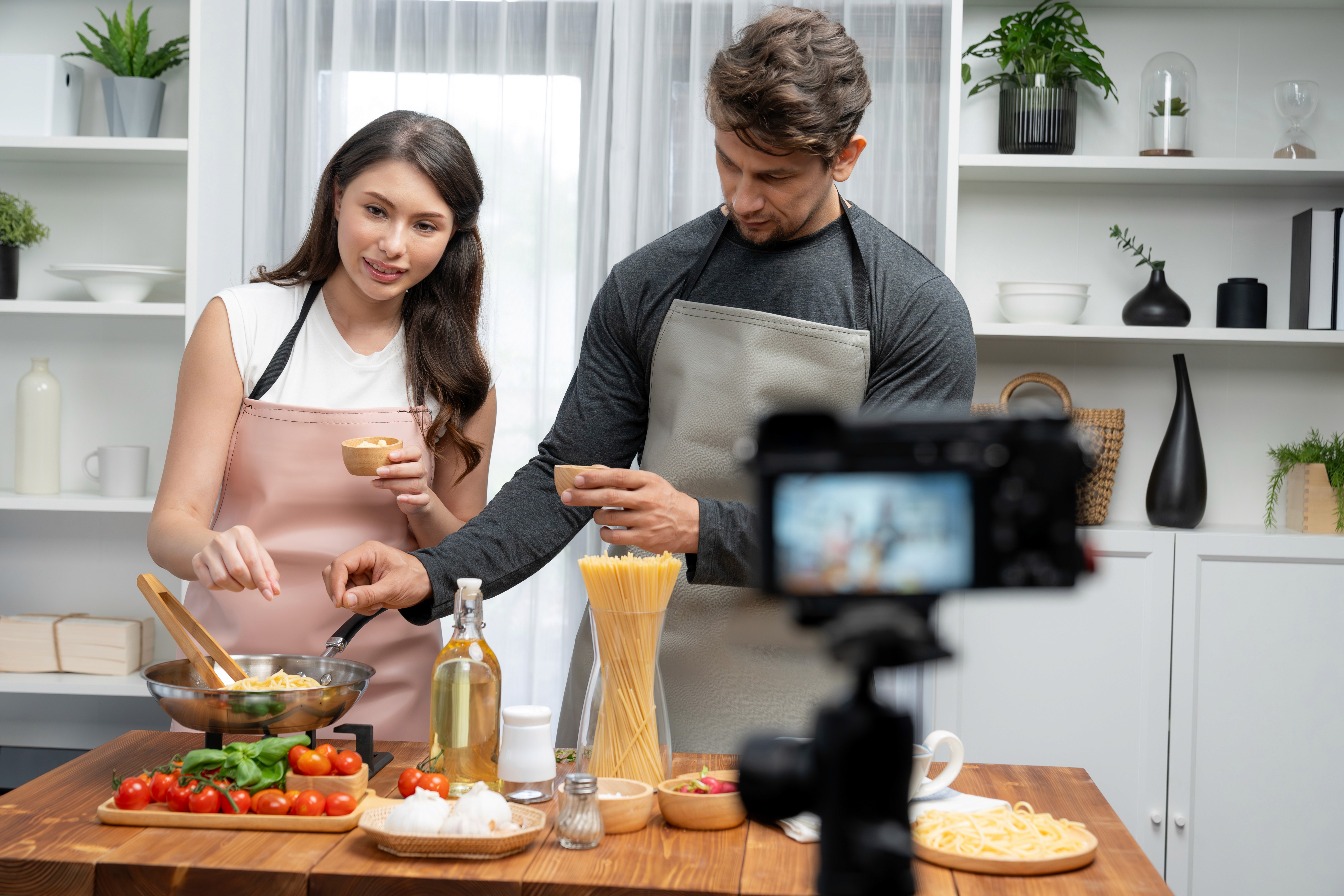
The demand for culinary training videos in the USA has surged as online culinary education continues to expand rapidly. More students and working professionals now prefer flexible, video-based instruction to sharpen practical kitchen skills from anywhere. According to a recent market report, the global online cooking class market is projected to see steady growth in the coming years, reflecting rising digital adoption in culinary learning. High quality video content has become central to how aspiring chefs build foundational techniques.
Expert video editing plays a critical role in delivering impactful knife skills courses that are clear, precise, and engaging. Culinary institutions and chefs in the USA need professional Knife Skills Course Video Editors to ensure accurate demonstrations, strong visual clarity, and consistent module quality that improves learning outcomes and student confidence.
Why Knife Skills Matter in Culinary Education
Knife skills are the foundation of professional culinary training. Precision cutting improves consistency, speed, safety, and presentation in every kitchen setting. That is why institutions investing in cooking course video production must ensure techniques are demonstrated clearly and accurately. When students see proper grip, blade angle, and hand positioning in detail, they develop confidence and stronger technical control.
Strong knife fundamentals also improve safety awareness and long-term career readiness. Poor technique can lead to injuries, uneven cooking, and compromised dish quality. Through high-quality cooking course video production, educators can capture close-up movements, proper posture, and step-by-step corrections that reinforce best practices. This ensures learners not only watch the process but truly understand and replicate it effectively in real kitchen environments.
Read more: How to Script, Shoot, and Edit YouTube Educational Content Like a Pro
How High-Quality Video Editing Transforms Knife Skills Courses
Video has become one of the most powerful tools in modern education. According to a report by Wyzowl, 91 percent of businesses use video as a marketing tool, reflecting how strongly audiences prefer visual learning formats. In culinary education, this preference translates into greater engagement and retention when techniques are demonstrated visually rather than explained through text alone. However, simply recording a chef is not enough. High-quality video editing transforms raw footage into structured, clear, and instructionally effective knife skills lessons that truly support learner success.
What Professional Video Editing Adds to Training Content
A professional video editor does far more than trim clips. In culinary skills training, the editor ensures that each knife movement is presented with precision, clarity, and instructional flow. They refine camera angles, highlight critical hand positions, and remove distractions that could confuse learners.
Visual clarity improvements allow students to clearly observe blade angles, finger placement, and cutting motion. Motion graphics that reinforce technique cues, such as arrows or highlighted areas, direct attention to critical steps. Sound design that enhances instruction ensures voiceovers are crisp, background noise is minimized, and cutting sounds do not overpower explanations. Together, these elements create a focused, immersive learning experience.
Key Elements Editors Focus On
When producing chef training videos, editors concentrate on technical precision and instructional clarity. Their goal is to ensure every knife movement is easy to follow, repeat, and understand without confusion. By carefully refining visuals, timing, and audio alignment, editors transform raw culinary footage into structured learning modules that support skill mastery. Attention to detail in pacing, framing, and emphasis directly influences how effectively students grasp and replicate professional techniques.
Video Editing Deliverable | Educational Impact |
Slow-motion technique cuts | Better learner comprehension |
Close-up knife grips | Enhanced skill replication |
Motion callouts & arrows | Visual focus on critical steps |
Synchronized voiceovers | Clear verbal guidance |
Read more: How to Hire a Freelance Video Editor for Educational Projects in the USA
What Culinary Educators in the USA Should Look for in a Knife Skills Video Editor
Culinary institutions across the United States are elevating digital learning standards to meet modern student expectations. From accredited culinary schools to professional training institutes, programs require video content that combines instructional depth with technical precision. Partnering with a top school & edtech production company ensures knife skills lessons align with curriculum frameworks, safety standards, and online delivery platforms. A qualified editor understands both the culinary environment and educational objectives, transforming raw kitchen demonstrations into structured, engaging, and performance-driven training modules.
Culinary Course Familiarity: Demonstrates understanding of kitchen workflows, terminology, and instructional sequencing for accurate skill representation.
Precision Editing for Safety Cues: Highlights proper finger positioning, blade control, and risk areas to reinforce safe knife handling practices.
Multi-Camera Sync Editing: Seamlessly integrates overhead, side, and close-up angles for comprehensive and immersive learning experiences.
Captioning and Accessibility Standards: Ensures ADA-compliant subtitles and clear on-screen text for inclusive, learner-friendly content delivery.
Branding Consistency: Maintains institutional identity through consistent visuals, tone, graphics, and structured course formatting.
Technical Specs That Matter:
4K Resolution Support: Provides sharp visuals that capture detailed knife movements and ingredient textures clearly.
Slow-Motion and Frame-by-Frame Capability: Breaks down complex cutting techniques for improved comprehension and skill replication.
Audio Leveling and Noise Reduction: Balances voiceovers while minimizing kitchen background noise for clear instructional delivery.
Video Formats That Work Best for Knife Skills Courses
Selecting the right format is essential for maximizing engagement and learning outcomes in chef training videos. Culinary educators must balance attention spans, platform requirements, and instructional depth when structuring knife skills content. A well-planned mix of short and long formats ensures students stay engaged while still receiving comprehensive technical training.
Short Form vs. Long Form Content
Short clips are ideal for social media, promotional campaigns, and quick technique demonstrations. These videos highlight specific knife cuts, safety tips, or chef insights in under two minutes, making them effective for attracting new learners and reinforcing key concepts through repetition.
Long-form modules work best for structured, step-by-step training lessons. These detailed sessions break down grip techniques, slicing methods, and safety corrections in sequence. Longer videos allow instructors to provide context, explanations, and practical examples that help learners fully understand and apply knife skills in real kitchen environments.
Platform Optimization
Optimizing knife skills videos ensures better reach, compliance, accessibility, and performance across diverse educational and digital platforms.
Use keyword-optimized titles, descriptions, and timestamps for better YouTube visibility.
Ensure SCORM-ready formats for smooth LMS integration and tracking.
Include accurate captions and clear text for accessibility compliance.
Read more: Why Hiring an Educational Video Editor & Motion Designer Matters in the USA
Storytelling in Culinary Education Videos
Storytelling plays a powerful role in transforming knife skills instruction into an engaging learning experience. Clear narration helps students understand not just what to do, but why each movement matters. Logical sequencing ensures lessons progress smoothly from grip basics to advanced cutting techniques, reinforcing confidence at every stage. This approach is especially valuable in hospitality education videos, where structured visual learning directly impacts skill development and professional readiness.
Professional editors enhance this structure using creative visual elements that strengthen clarity and retention. Visual cues with smooth transitions highlight critical blade angles and hand positioning. Text overlays reinforce key culinary terms and safety reminders at the right moments. Strategic B-roll footage of the chef’s workspace and finished cuts adds realism and instructional context. To elevate your culinary training content with purposeful storytelling and professional precision, schedule a consultation with HSF and transform your video learning experience.
Measuring Video Effectiveness in Culinary Programs
Creating high-quality knife skills content is only part of the strategy. Culinary institutions must also measure how effectively their videos support learning outcomes and enrollment goals. Tracking performance data helps educators refine content, improve engagement, and strengthen program impact over time. By analyzing learner behavior and instructional clarity, schools can make informed decisions that enhance both student success and institutional growth.
Metrics Culinary Schools Should Track
Understanding performance indicators allows schools to evaluate how well their training videos are performing. Key metrics include:
Engagement Time: Measures how long students actively watch modules and indicates overall content interest.
Drop-Off Rates: Identifies specific moments where learners disengage or struggle with comprehension.
User Comprehension Scores: Evaluates how effectively students understand and apply demonstrated knife techniques.
Click-Through from Promotional Content: Tracks how video marketing drives inquiries and enrollment interest.
Linking Videos to Enrollment Growth
High-quality culinary training videos do more than educate; they influence enrollment decisions. Prospective students often evaluate program credibility through digital content before applying. As marketing expert Seth Godin says, “Marketing is no longer about the stuff you make, but the stories you tell.” Engaging knife skills videos showcase teaching quality, build institutional trust, and highlight real learning value. When programs consistently present professional, well-edited content, they strengthen brand perception and convert interested viewers into enrolled culinary students.
See how HSF helped NDT create a structured and visually engaging training summary that improved clarity and learner retention. Watch the video:

Why Choose HSF for Knife Skills Course Video Editing
House Sparrow Films specializes in producing precision-driven educational content tailored for culinary institutions and professional chefs. Our team understands the technical nuances of knife skills training, from capturing accurate blade angles to enhancing close-up demonstrations with motion graphics and structured sequencing. We focus on clarity, instructional flow, and visual detail to ensure every technique is easy to follow and replicate.
As an experienced school and edtech production partner, HSF delivers multi-camera editing, accessibility-ready captions, and platform-optimized outputs for LMS and digital distribution. We transform raw kitchen footage into polished, performance-focused training modules that elevate culinary education standards.
Conclusion
Investing in professional food tutorial video production is no longer optional for culinary institutions aiming to deliver impactful knife skills training in the USA. High-quality editing enhances clarity, improves learner engagement, and ensures students can confidently replicate essential techniques with precision and safety. From multi-camera synchronization to slow-motion breakdowns and branded course modules, expert video editing transforms ordinary footage into immersive educational experiences. If you are ready to elevate your culinary training content and create visually compelling knife skills courses, connect with House Sparrow Films today and let our team craft video solutions that sharpen both skills and results.
FAQs
1. Why are professional knife skills videos important for culinary education?
They ensure precise demonstrations, clear safety guidance, and structured learning that improves skill replication and student confidence.
2. How does video editing improve knife skills training quality?
Editing enhances clarity through close-ups, slow motion, clean audio, and visual cues that reinforce correct techniques.
3. What video format works best for culinary knife skills courses?
A mix of short promotional clips and long-form instructional modules delivers both engagement and comprehensive training.
4. Do culinary training videos need accessibility features?
Yes, captions, clear text overlays, and structured navigation ensure inclusive learning and compliance standards.
5. How can high-quality training videos impact enrollment?
Professional videos build credibility, showcase teaching quality, and encourage prospective students to apply confidently.
Key takeaways
Professional editing enhances clarity, making complex knife techniques easier for students to master.
Close-up shots and slow motion improve precision, safety, and learner comprehension.
Structured storytelling increases engagement and reduces drop-offs in online culinary courses.
Optimized video formats expand course reach across platforms and learning management systems.
Expert editors ensure branding consistency, accessibility compliance, and measurable training outcomes.
The demand for culinary training videos in the USA has surged as online culinary education continues to expand rapidly. More students and working professionals now prefer flexible, video-based instruction to sharpen practical kitchen skills from anywhere. According to a recent market report, the global online cooking class market is projected to see steady growth in the coming years, reflecting rising digital adoption in culinary learning. High quality video content has become central to how aspiring chefs build foundational techniques.
Expert video editing plays a critical role in delivering impactful knife skills courses that are clear, precise, and engaging. Culinary institutions and chefs in the USA need professional Knife Skills Course Video Editors to ensure accurate demonstrations, strong visual clarity, and consistent module quality that improves learning outcomes and student confidence.
Why Knife Skills Matter in Culinary Education
Knife skills are the foundation of professional culinary training. Precision cutting improves consistency, speed, safety, and presentation in every kitchen setting. That is why institutions investing in cooking course video production must ensure techniques are demonstrated clearly and accurately. When students see proper grip, blade angle, and hand positioning in detail, they develop confidence and stronger technical control.
Strong knife fundamentals also improve safety awareness and long-term career readiness. Poor technique can lead to injuries, uneven cooking, and compromised dish quality. Through high-quality cooking course video production, educators can capture close-up movements, proper posture, and step-by-step corrections that reinforce best practices. This ensures learners not only watch the process but truly understand and replicate it effectively in real kitchen environments.
Read more: How to Script, Shoot, and Edit YouTube Educational Content Like a Pro
How High-Quality Video Editing Transforms Knife Skills Courses
Video has become one of the most powerful tools in modern education. According to a report by Wyzowl, 91 percent of businesses use video as a marketing tool, reflecting how strongly audiences prefer visual learning formats. In culinary education, this preference translates into greater engagement and retention when techniques are demonstrated visually rather than explained through text alone. However, simply recording a chef is not enough. High-quality video editing transforms raw footage into structured, clear, and instructionally effective knife skills lessons that truly support learner success.
What Professional Video Editing Adds to Training Content
A professional video editor does far more than trim clips. In culinary skills training, the editor ensures that each knife movement is presented with precision, clarity, and instructional flow. They refine camera angles, highlight critical hand positions, and remove distractions that could confuse learners.
Visual clarity improvements allow students to clearly observe blade angles, finger placement, and cutting motion. Motion graphics that reinforce technique cues, such as arrows or highlighted areas, direct attention to critical steps. Sound design that enhances instruction ensures voiceovers are crisp, background noise is minimized, and cutting sounds do not overpower explanations. Together, these elements create a focused, immersive learning experience.
Key Elements Editors Focus On
When producing chef training videos, editors concentrate on technical precision and instructional clarity. Their goal is to ensure every knife movement is easy to follow, repeat, and understand without confusion. By carefully refining visuals, timing, and audio alignment, editors transform raw culinary footage into structured learning modules that support skill mastery. Attention to detail in pacing, framing, and emphasis directly influences how effectively students grasp and replicate professional techniques.
Video Editing Deliverable | Educational Impact |
Slow-motion technique cuts | Better learner comprehension |
Close-up knife grips | Enhanced skill replication |
Motion callouts & arrows | Visual focus on critical steps |
Synchronized voiceovers | Clear verbal guidance |
Read more: How to Hire a Freelance Video Editor for Educational Projects in the USA
What Culinary Educators in the USA Should Look for in a Knife Skills Video Editor
Culinary institutions across the United States are elevating digital learning standards to meet modern student expectations. From accredited culinary schools to professional training institutes, programs require video content that combines instructional depth with technical precision. Partnering with a top school & edtech production company ensures knife skills lessons align with curriculum frameworks, safety standards, and online delivery platforms. A qualified editor understands both the culinary environment and educational objectives, transforming raw kitchen demonstrations into structured, engaging, and performance-driven training modules.
Culinary Course Familiarity: Demonstrates understanding of kitchen workflows, terminology, and instructional sequencing for accurate skill representation.
Precision Editing for Safety Cues: Highlights proper finger positioning, blade control, and risk areas to reinforce safe knife handling practices.
Multi-Camera Sync Editing: Seamlessly integrates overhead, side, and close-up angles for comprehensive and immersive learning experiences.
Captioning and Accessibility Standards: Ensures ADA-compliant subtitles and clear on-screen text for inclusive, learner-friendly content delivery.
Branding Consistency: Maintains institutional identity through consistent visuals, tone, graphics, and structured course formatting.
Technical Specs That Matter:
4K Resolution Support: Provides sharp visuals that capture detailed knife movements and ingredient textures clearly.
Slow-Motion and Frame-by-Frame Capability: Breaks down complex cutting techniques for improved comprehension and skill replication.
Audio Leveling and Noise Reduction: Balances voiceovers while minimizing kitchen background noise for clear instructional delivery.
Video Formats That Work Best for Knife Skills Courses
Selecting the right format is essential for maximizing engagement and learning outcomes in chef training videos. Culinary educators must balance attention spans, platform requirements, and instructional depth when structuring knife skills content. A well-planned mix of short and long formats ensures students stay engaged while still receiving comprehensive technical training.
Short Form vs. Long Form Content
Short clips are ideal for social media, promotional campaigns, and quick technique demonstrations. These videos highlight specific knife cuts, safety tips, or chef insights in under two minutes, making them effective for attracting new learners and reinforcing key concepts through repetition.
Long-form modules work best for structured, step-by-step training lessons. These detailed sessions break down grip techniques, slicing methods, and safety corrections in sequence. Longer videos allow instructors to provide context, explanations, and practical examples that help learners fully understand and apply knife skills in real kitchen environments.
Platform Optimization
Optimizing knife skills videos ensures better reach, compliance, accessibility, and performance across diverse educational and digital platforms.
Use keyword-optimized titles, descriptions, and timestamps for better YouTube visibility.
Ensure SCORM-ready formats for smooth LMS integration and tracking.
Include accurate captions and clear text for accessibility compliance.
Read more: Why Hiring an Educational Video Editor & Motion Designer Matters in the USA
Storytelling in Culinary Education Videos
Storytelling plays a powerful role in transforming knife skills instruction into an engaging learning experience. Clear narration helps students understand not just what to do, but why each movement matters. Logical sequencing ensures lessons progress smoothly from grip basics to advanced cutting techniques, reinforcing confidence at every stage. This approach is especially valuable in hospitality education videos, where structured visual learning directly impacts skill development and professional readiness.
Professional editors enhance this structure using creative visual elements that strengthen clarity and retention. Visual cues with smooth transitions highlight critical blade angles and hand positioning. Text overlays reinforce key culinary terms and safety reminders at the right moments. Strategic B-roll footage of the chef’s workspace and finished cuts adds realism and instructional context. To elevate your culinary training content with purposeful storytelling and professional precision, schedule a consultation with HSF and transform your video learning experience.
Measuring Video Effectiveness in Culinary Programs
Creating high-quality knife skills content is only part of the strategy. Culinary institutions must also measure how effectively their videos support learning outcomes and enrollment goals. Tracking performance data helps educators refine content, improve engagement, and strengthen program impact over time. By analyzing learner behavior and instructional clarity, schools can make informed decisions that enhance both student success and institutional growth.
Metrics Culinary Schools Should Track
Understanding performance indicators allows schools to evaluate how well their training videos are performing. Key metrics include:
Engagement Time: Measures how long students actively watch modules and indicates overall content interest.
Drop-Off Rates: Identifies specific moments where learners disengage or struggle with comprehension.
User Comprehension Scores: Evaluates how effectively students understand and apply demonstrated knife techniques.
Click-Through from Promotional Content: Tracks how video marketing drives inquiries and enrollment interest.
Linking Videos to Enrollment Growth
High-quality culinary training videos do more than educate; they influence enrollment decisions. Prospective students often evaluate program credibility through digital content before applying. As marketing expert Seth Godin says, “Marketing is no longer about the stuff you make, but the stories you tell.” Engaging knife skills videos showcase teaching quality, build institutional trust, and highlight real learning value. When programs consistently present professional, well-edited content, they strengthen brand perception and convert interested viewers into enrolled culinary students.
See how HSF helped NDT create a structured and visually engaging training summary that improved clarity and learner retention. Watch the video:
Why Choose HSF for Knife Skills Course Video Editing
House Sparrow Films specializes in producing precision-driven educational content tailored for culinary institutions and professional chefs. Our team understands the technical nuances of knife skills training, from capturing accurate blade angles to enhancing close-up demonstrations with motion graphics and structured sequencing. We focus on clarity, instructional flow, and visual detail to ensure every technique is easy to follow and replicate.
As an experienced school and edtech production partner, HSF delivers multi-camera editing, accessibility-ready captions, and platform-optimized outputs for LMS and digital distribution. We transform raw kitchen footage into polished, performance-focused training modules that elevate culinary education standards.
Conclusion
Investing in professional food tutorial video production is no longer optional for culinary institutions aiming to deliver impactful knife skills training in the USA. High-quality editing enhances clarity, improves learner engagement, and ensures students can confidently replicate essential techniques with precision and safety. From multi-camera synchronization to slow-motion breakdowns and branded course modules, expert video editing transforms ordinary footage into immersive educational experiences. If you are ready to elevate your culinary training content and create visually compelling knife skills courses, connect with House Sparrow Films today and let our team craft video solutions that sharpen both skills and results.
FAQs
1. Why are professional knife skills videos important for culinary education?
They ensure precise demonstrations, clear safety guidance, and structured learning that improves skill replication and student confidence.
2. How does video editing improve knife skills training quality?
Editing enhances clarity through close-ups, slow motion, clean audio, and visual cues that reinforce correct techniques.
3. What video format works best for culinary knife skills courses?
A mix of short promotional clips and long-form instructional modules delivers both engagement and comprehensive training.
4. Do culinary training videos need accessibility features?
Yes, captions, clear text overlays, and structured navigation ensure inclusive learning and compliance standards.
5. How can high-quality training videos impact enrollment?
Professional videos build credibility, showcase teaching quality, and encourage prospective students to apply confidently.