Key takeaways
High-quality educational video production directly impacts learner engagement, retention, and course completion rates.
Specialized editing and motion design apply instructional principles that improve clarity and prevent cognitive overload.
Professionally produced training content enhances institutional credibility and strengthens brand authority in the U.S. market.
Strategic investment in expert editing leads to measurable ROI through improved performance, reduced retraining, and operational efficiency.
Choosing an experienced video production partner ensures structured workflows, scalable collaboration, and consistently impactful learning outcomes.
The demand for educational video editing services in the USA has accelerated as online learning and corporate training programs become essential across industries. Universities, EdTech platforms, healthcare institutions, and enterprise organizations are investing heavily in scalable digital learning systems. According to Research and Markets, the U.S. eLearning market surpassed $128 billion in 2024 and is projected to grow steadily through 2033, highlighting the rapid expansion of video-based instruction. Video content now powers onboarding programs, compliance training, certification courses, and professional development initiatives nationwide.
Despite this momentum, many organizations still underestimate the importance of specialized editing and motion design. Basic video assembly may organize footage, but it rarely enhances engagement, pacing, or learning retention. Hiring experienced professionals ensures instructional clarity, stronger audience connection, and measurable impact, making expert involvement a strategic necessity rather than an optional upgrade.
The Real Business Case for Expert Educational Video Production in the USA
Organizations investing in training and digital courses need structured storytelling, instructional pacing, and motion graphics for eLearning that make complex concepts easier to grasp. According to Wyzowl’s Video Marketing Statistics Report, 94% of viewers say video helps them understand concepts better than text alone, underscoring the value of professionally edited learning content. In the competitive U.S. training and education landscape, production quality directly influences learner engagement and outcomes.
The Strategic Impact on Learning Outcomes
Professional editing and motion design are not surface-level enhancements. They apply principles of instructional design, cognitive psychology, and visual communication to ensure learners stay focused and process information effectively. Expert editors optimize pacing, remove redundancies, enhance clarity, and design visual cues that guide attention.
Key Reasons It Matters:
1. Improves Knowledge Retention
Effective educational videos are built around how the brain processes information. Studies consistently show that learners retain significantly more when visual and audio elements are combined rather than presented in isolation. Professionally designed motion elements help translate abstract or technical concepts into clear, digestible visuals, making complex information easier to understand and recall. In addition, structured pacing ensures that content flows logically without overwhelming the viewer. By carefully sequencing information and eliminating unnecessary distractions, expert editing prevents cognitive overload and allows learners to absorb, process, and retain key takeaways more effectively.
2. Increases Course Completion Rates
Drop-off rates in online courses often result from monotony, poor pacing, or lack of engagement. Professional editors address this by:
Maintaining narrative flow
Adding dynamic transitions
Designing visual consistency
Eliminating unnecessary repetition
Engaging visuals reduce cognitive fatigue and encourage learners to progress through modules, improving overall completion rates for both academic institutions and corporate training programs.
3. Strengthens Institutional Credibility
Production quality directly influences perception. In the U.S. market, where learners compare platforms and training providers instantly, poorly edited videos can damage brand authority. Professional editing ensures:
Clean audio balance
Consistent color grading
Branded motion elements
Professional typography and graphics
High production standards communicate expertise, trustworthiness, and commitment to quality learning experiences.
4. Drives ROI for USA Businesses
For organizations investing in digital learning, hiring a skilled video editor for online courses directly influences measurable returns. Higher engagement levels lead to improved training efficiency, as employees grasp concepts faster and require fewer repetitions to understand key material. Well-structured, professionally edited videos reduce misunderstandings and errors, which in turn lowers retraining costs and saves valuable operational time. When learning content is clear, visually supported, and strategically paced, employees apply knowledge more confidently in real-world scenarios. The result is stronger performance outcomes, improved productivity, and a tangible return on training investments across U.S. businesses.
Supporting Data Overview: Impact of Professional Educational Video Editing
The difference between standard video assembly and expert educational editing becomes evident when evaluating performance indicators that directly influence learning success and business outcomes. Professionally edited content is designed to maximize clarity, engagement, and instructional effectiveness, leading to measurable improvements across key metrics.
Learning Factor | Without Professional Editing | With Expert Editing |
Engagement | Moderate | High |
Retention | Lower | Significantly Improved |
Completion Rate | Inconsistent | Higher |
Brand Perception | Basic | Premium |
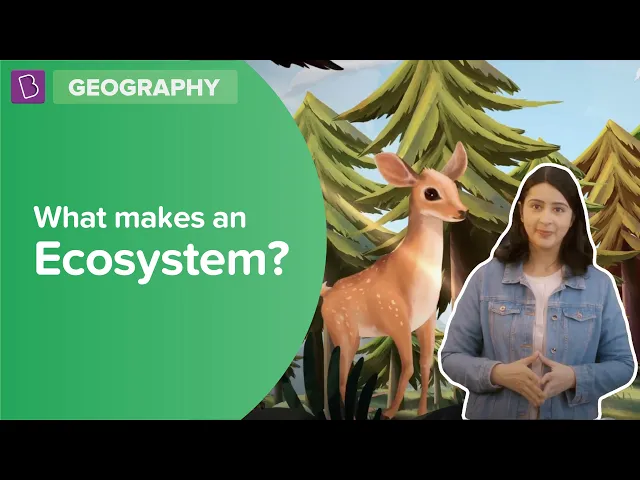
See how HSF helped Byjus simplify complex scientific concepts through engaging motion design and structured storytelling:
Market Trends and Industry Adoption in the USA
The expansion of digital learning across the United States reflects long-term structural shifts in education and workforce development. Organizations are not only producing more video content but are strategically investing in higher-quality formats such as animated education videos to improve clarity and learner engagement.
Rise of Online Universities: Accredited institutions and EdTech platforms continue expanding fully online degree and certification programs, increasing demand for professionally produced instructional video content.
Corporate Upskilling Initiatives: U.S. companies are prioritizing continuous learning to remain competitive, investing in scalable video-based training modules for leadership development, technical skills, and digital transformation.
Compliance and Microlearning Adoption: Short, focused training videos are increasingly used for compliance and policy education, allowing employees to absorb key information quickly and efficiently.
Hybrid Learning Models Post-Pandemic: Blended classroom and remote learning environments remain standard practice, making high-quality digital content essential rather than supplementary.
As education futurist Michael B. Horn has noted, “Technology does not replace teachers; it amplifies great teaching.” This insight reflects why professionally designed video content, supported by motion design and structured editing, has become central to effective learning strategies in the U.S. market.
What an Educational Video Editor & Motion Designer Actually Does
Now that we understand the strategic importance of high-quality educational content, it is essential to look deeper into the specific responsibilities handled by an educational video editor and motion designer. Their work goes beyond assembling clips. They structure learning journeys, refine instructional clarity, and ensure that every visual and audio element supports measurable outcomes.
Educational Video Editor:
An educational video editor is responsible for shaping raw footage into a structured and engaging learning experience. Story sequencing ensures that concepts are presented in a logical order, helping learners build understanding step by step. Audio balancing improves voice clarity and removes distractions, making content easier to follow. Visual pacing is carefully adjusted to maintain attention without overwhelming the viewer. Editors also manage captioning and accessibility compliance to ensure content meets inclusive learning standards and reaches a wider audience.
Motion Designer:
A motion designer enhances comprehension through purposeful visual storytelling. Explainer animations break down complex processes into simple visual steps. Infographics transform dense data into digestible visual formats. Kinetic typography emphasizes key definitions and concepts, reinforcing retention through movement. Visual metaphors help simplify abstract or technical topics, allowing learners to grasp ideas more quickly and apply them effectively.
Ready to Elevate Your Educational Content? Get a quote with House Sparrow Films and discover how expert educational video editing and motion design can transform your training and eLearning initiatives into impactful learning experiences.
Why Generic Editors Are Not Enough
Not all video editing delivers the same results, especially when the objective is education and training. While general editors may focus on visual appeal and smooth transitions, educational specialists approach projects with instructional strategy, cognitive principles, and learner engagement at the forefront. The difference lies not just in technical skills, but in understanding how people learn and retain information, something a professional motion designer in the USA brings into every stage of production.
Criteria | General Video Editor | Educational Specialist |
Learning Psychology Understanding | Limited | Strong |
Instructional Flow | Linear | Structured for retention |
Motion Graphics Use | Decorative | Instructional |
Engagement Design | Minimal | Intentional |
A specialized educational editor integrates storytelling with instructional design to ensure clarity, logical sequencing, and measurable outcomes. Instead of adding motion elements for aesthetic purposes, they use visuals strategically to reinforce concepts, simplify complex topics, and reduce cognitive overload. This level of expertise directly impacts engagement, knowledge retention, and course completion rates, making specialized educational editing essential rather than optional for U.S. training and eLearning initiatives.
Where Professional Editing Makes the Biggest Difference
Professional educational editing and motion design create measurable impact across multiple sectors in the United States. From corporate training departments to academic institutions investing in school & edtech video production, specialized editing ensures that content is not only visually engaging but instructionally effective.
Online Certification Courses: Certification programs demand clarity, structured progression, and strong concept reinforcement. Expert editing improves comprehension and increases the likelihood of learners successfully completing exams.
Corporate Onboarding Programs: Professionally edited onboarding videos help new employees understand company processes, culture, and expectations more efficiently, reducing ramp-up time.
Technical Product Training: Software demonstrations and complex system walkthroughs benefit from visual enhancements and motion graphics that simplify multi-step procedures.
Healthcare Compliance Modules: Regulatory and medical training requires precision. Structured editing ensures accuracy, clarity, and easy navigation through critical compliance material.
Educational YouTube Channels: High production quality strengthens credibility, improves watch time, and supports long-term audience growth for educational creators and institutions.
Cost vs Value: Understanding ROI
Investing in professional educational video editing and motion design should be evaluated from a value perspective rather than just upfront cost. Pricing varies depending on several project-specific factors. Longer videos require additional editing hours, tighter structural refinement, and more detailed quality control. The complexity of motion graphics also impacts cost, as advanced animations and custom visual elements demand specialized skills and production time. Script depth plays a role when content needs restructuring to improve clarity and instructional flow. Turnaround time can further influence pricing, especially when projects require accelerated delivery schedules.
Video Length
Motion Graphics Complexity
Script Depth
Turnaround Time
Although professional services may involve a higher initial investment compared to basic editing, the long-term returns are measurable. Well-structured educational content improves knowledge absorption, reduces retraining needs, shortens onboarding cycles, and enhances overall performance metrics. When learners understand and apply information more efficiently, organizations benefit from increased productivity and operational efficiency, making the investment strategically justified.
How to Choose the Right Educational Video Editor in the USA
Selecting the right educational video editor requires evaluating expertise, instructional understanding, and proven performance outcomes.
Evaluation Checklist
Proven Educational Portfolio: Demonstrates structured learning videos, clear storytelling, and measurable educational outcomes across industries.
Experience with USA Audiences: Understands cultural context, compliance standards, tone preferences, and learner expectations nationwide.
Motion Graphics Expertise: Applies purposeful animation techniques that enhance clarity, retention, and instructional effectiveness.
Clear Communication Process: Follows transparent workflows with defined timelines, revision cycles, and structured collaboration.
Case Studies and Testimonials: Provides verified results, documented success metrics, and positive client feedback consistently.
Why Global Expertise from House Sparrow Films Benefits USA Clients
House Sparrow Films brings international production experience combined with a deep understanding of U.S. market expectations, making it a strategic partner for educational and corporate video projects. With a globally experienced creative team, the company delivers content aligned with American learning standards, brand tone, and compliance requirements. Efficient remote collaboration workflows ensure seamless communication across time zones, supported by structured review systems that maintain clarity, accountability, and timely revisions. Clients benefit from transparent processes, milestone-based approvals, and consistent quality control at every stage. This global operational advantage also enables cost efficiency without compromising production standards, ensuring premium educational video outcomes with optimized budgets.
Conclusion
Educational video quality has a direct, measurable impact on learning outcomes, engagement, and knowledge retention. Whether for universities, corporate training departments, or EdTech platforms, well-structured editing and purposeful motion design determine how effectively information is understood and applied. In the U.S. market, where learners expect clarity and professionalism, production standards influence credibility and long-term success.
Professional editing is no longer optional for organizations aiming to deliver impactful training experiences. A strategic investment in expert educational video production yields higher completion rates, improved performance metrics, and tangible ROI. If you are ready to elevate your learning content, get in touch with House Sparrow Films and transform your educational videos into results-driven assets.
FAQs
1. What does an educational video editor do?
An educational video editor structures footage for clarity, improves audio and pacing, and aligns visuals with instructional goals to enhance learner engagement and retention.
2. Why is motion design important in eLearning videos?
Motion design simplifies complex topics using animations and visual cues, increasing comprehension, reinforcing key points, and maintaining learner attention throughout modules.
3. How much do educational video editing services cost in the USA?
Costs depend on video length, animation complexity, script refinement needs, and turnaround time. Pricing typically reflects customization and production scope.
4. Can a global production company effectively serve USA clients?
Yes, with structured workflows, clear communication, and understanding of U.S. standards, global teams deliver consistent, high-quality educational content efficiently.
5. How does professional editing improve course completion rates?
Professional editing enhances engagement through structured flow and visual reinforcement, reducing drop-offs and encouraging learners to complete training programs.
Key takeaways
High-quality educational video production directly impacts learner engagement, retention, and course completion rates.
Specialized editing and motion design apply instructional principles that improve clarity and prevent cognitive overload.
Professionally produced training content enhances institutional credibility and strengthens brand authority in the U.S. market.
Strategic investment in expert editing leads to measurable ROI through improved performance, reduced retraining, and operational efficiency.
Choosing an experienced video production partner ensures structured workflows, scalable collaboration, and consistently impactful learning outcomes.
The demand for educational video editing services in the USA has accelerated as online learning and corporate training programs become essential across industries. Universities, EdTech platforms, healthcare institutions, and enterprise organizations are investing heavily in scalable digital learning systems. According to Research and Markets, the U.S. eLearning market surpassed $128 billion in 2024 and is projected to grow steadily through 2033, highlighting the rapid expansion of video-based instruction. Video content now powers onboarding programs, compliance training, certification courses, and professional development initiatives nationwide.
Despite this momentum, many organizations still underestimate the importance of specialized editing and motion design. Basic video assembly may organize footage, but it rarely enhances engagement, pacing, or learning retention. Hiring experienced professionals ensures instructional clarity, stronger audience connection, and measurable impact, making expert involvement a strategic necessity rather than an optional upgrade.
The Real Business Case for Expert Educational Video Production in the USA
Organizations investing in training and digital courses need structured storytelling, instructional pacing, and motion graphics for eLearning that make complex concepts easier to grasp. According to Wyzowl’s Video Marketing Statistics Report, 94% of viewers say video helps them understand concepts better than text alone, underscoring the value of professionally edited learning content. In the competitive U.S. training and education landscape, production quality directly influences learner engagement and outcomes.
The Strategic Impact on Learning Outcomes
Professional editing and motion design are not surface-level enhancements. They apply principles of instructional design, cognitive psychology, and visual communication to ensure learners stay focused and process information effectively. Expert editors optimize pacing, remove redundancies, enhance clarity, and design visual cues that guide attention.
Key Reasons It Matters:
1. Improves Knowledge Retention
Effective educational videos are built around how the brain processes information. Studies consistently show that learners retain significantly more when visual and audio elements are combined rather than presented in isolation. Professionally designed motion elements help translate abstract or technical concepts into clear, digestible visuals, making complex information easier to understand and recall. In addition, structured pacing ensures that content flows logically without overwhelming the viewer. By carefully sequencing information and eliminating unnecessary distractions, expert editing prevents cognitive overload and allows learners to absorb, process, and retain key takeaways more effectively.
2. Increases Course Completion Rates
Drop-off rates in online courses often result from monotony, poor pacing, or lack of engagement. Professional editors address this by:
Maintaining narrative flow
Adding dynamic transitions
Designing visual consistency
Eliminating unnecessary repetition
Engaging visuals reduce cognitive fatigue and encourage learners to progress through modules, improving overall completion rates for both academic institutions and corporate training programs.
3. Strengthens Institutional Credibility
Production quality directly influences perception. In the U.S. market, where learners compare platforms and training providers instantly, poorly edited videos can damage brand authority. Professional editing ensures:
Clean audio balance
Consistent color grading
Branded motion elements
Professional typography and graphics
High production standards communicate expertise, trustworthiness, and commitment to quality learning experiences.
4. Drives ROI for USA Businesses
For organizations investing in digital learning, hiring a skilled video editor for online courses directly influences measurable returns. Higher engagement levels lead to improved training efficiency, as employees grasp concepts faster and require fewer repetitions to understand key material. Well-structured, professionally edited videos reduce misunderstandings and errors, which in turn lowers retraining costs and saves valuable operational time. When learning content is clear, visually supported, and strategically paced, employees apply knowledge more confidently in real-world scenarios. The result is stronger performance outcomes, improved productivity, and a tangible return on training investments across U.S. businesses.
Supporting Data Overview: Impact of Professional Educational Video Editing
The difference between standard video assembly and expert educational editing becomes evident when evaluating performance indicators that directly influence learning success and business outcomes. Professionally edited content is designed to maximize clarity, engagement, and instructional effectiveness, leading to measurable improvements across key metrics.
Learning Factor | Without Professional Editing | With Expert Editing |
Engagement | Moderate | High |
Retention | Lower | Significantly Improved |
Completion Rate | Inconsistent | Higher |
Brand Perception | Basic | Premium |
See how HSF helped Byjus simplify complex scientific concepts through engaging motion design and structured storytelling:
Market Trends and Industry Adoption in the USA
The expansion of digital learning across the United States reflects long-term structural shifts in education and workforce development. Organizations are not only producing more video content but are strategically investing in higher-quality formats such as animated education videos to improve clarity and learner engagement.
Rise of Online Universities: Accredited institutions and EdTech platforms continue expanding fully online degree and certification programs, increasing demand for professionally produced instructional video content.
Corporate Upskilling Initiatives: U.S. companies are prioritizing continuous learning to remain competitive, investing in scalable video-based training modules for leadership development, technical skills, and digital transformation.
Compliance and Microlearning Adoption: Short, focused training videos are increasingly used for compliance and policy education, allowing employees to absorb key information quickly and efficiently.
Hybrid Learning Models Post-Pandemic: Blended classroom and remote learning environments remain standard practice, making high-quality digital content essential rather than supplementary.
As education futurist Michael B. Horn has noted, “Technology does not replace teachers; it amplifies great teaching.” This insight reflects why professionally designed video content, supported by motion design and structured editing, has become central to effective learning strategies in the U.S. market.
What an Educational Video Editor & Motion Designer Actually Does
Now that we understand the strategic importance of high-quality educational content, it is essential to look deeper into the specific responsibilities handled by an educational video editor and motion designer. Their work goes beyond assembling clips. They structure learning journeys, refine instructional clarity, and ensure that every visual and audio element supports measurable outcomes.
Educational Video Editor:
An educational video editor is responsible for shaping raw footage into a structured and engaging learning experience. Story sequencing ensures that concepts are presented in a logical order, helping learners build understanding step by step. Audio balancing improves voice clarity and removes distractions, making content easier to follow. Visual pacing is carefully adjusted to maintain attention without overwhelming the viewer. Editors also manage captioning and accessibility compliance to ensure content meets inclusive learning standards and reaches a wider audience.
Motion Designer:
A motion designer enhances comprehension through purposeful visual storytelling. Explainer animations break down complex processes into simple visual steps. Infographics transform dense data into digestible visual formats. Kinetic typography emphasizes key definitions and concepts, reinforcing retention through movement. Visual metaphors help simplify abstract or technical topics, allowing learners to grasp ideas more quickly and apply them effectively.
Ready to Elevate Your Educational Content? Get a quote with House Sparrow Films and discover how expert educational video editing and motion design can transform your training and eLearning initiatives into impactful learning experiences.
Why Generic Editors Are Not Enough
Not all video editing delivers the same results, especially when the objective is education and training. While general editors may focus on visual appeal and smooth transitions, educational specialists approach projects with instructional strategy, cognitive principles, and learner engagement at the forefront. The difference lies not just in technical skills, but in understanding how people learn and retain information, something a professional motion designer in the USA brings into every stage of production.
Criteria | General Video Editor | Educational Specialist |
Learning Psychology Understanding | Limited | Strong |
Instructional Flow | Linear | Structured for retention |
Motion Graphics Use | Decorative | Instructional |
Engagement Design | Minimal | Intentional |
A specialized educational editor integrates storytelling with instructional design to ensure clarity, logical sequencing, and measurable outcomes. Instead of adding motion elements for aesthetic purposes, they use visuals strategically to reinforce concepts, simplify complex topics, and reduce cognitive overload. This level of expertise directly impacts engagement, knowledge retention, and course completion rates, making specialized educational editing essential rather than optional for U.S. training and eLearning initiatives.
Where Professional Editing Makes the Biggest Difference
Professional educational editing and motion design create measurable impact across multiple sectors in the United States. From corporate training departments to academic institutions investing in school & edtech video production, specialized editing ensures that content is not only visually engaging but instructionally effective.
Online Certification Courses: Certification programs demand clarity, structured progression, and strong concept reinforcement. Expert editing improves comprehension and increases the likelihood of learners successfully completing exams.
Corporate Onboarding Programs: Professionally edited onboarding videos help new employees understand company processes, culture, and expectations more efficiently, reducing ramp-up time.
Technical Product Training: Software demonstrations and complex system walkthroughs benefit from visual enhancements and motion graphics that simplify multi-step procedures.
Healthcare Compliance Modules: Regulatory and medical training requires precision. Structured editing ensures accuracy, clarity, and easy navigation through critical compliance material.
Educational YouTube Channels: High production quality strengthens credibility, improves watch time, and supports long-term audience growth for educational creators and institutions.
Cost vs Value: Understanding ROI
Investing in professional educational video editing and motion design should be evaluated from a value perspective rather than just upfront cost. Pricing varies depending on several project-specific factors. Longer videos require additional editing hours, tighter structural refinement, and more detailed quality control. The complexity of motion graphics also impacts cost, as advanced animations and custom visual elements demand specialized skills and production time. Script depth plays a role when content needs restructuring to improve clarity and instructional flow. Turnaround time can further influence pricing, especially when projects require accelerated delivery schedules.
Video Length
Motion Graphics Complexity
Script Depth
Turnaround Time
Although professional services may involve a higher initial investment compared to basic editing, the long-term returns are measurable. Well-structured educational content improves knowledge absorption, reduces retraining needs, shortens onboarding cycles, and enhances overall performance metrics. When learners understand and apply information more efficiently, organizations benefit from increased productivity and operational efficiency, making the investment strategically justified.
How to Choose the Right Educational Video Editor in the USA
Selecting the right educational video editor requires evaluating expertise, instructional understanding, and proven performance outcomes.
Evaluation Checklist
Proven Educational Portfolio: Demonstrates structured learning videos, clear storytelling, and measurable educational outcomes across industries.
Experience with USA Audiences: Understands cultural context, compliance standards, tone preferences, and learner expectations nationwide.
Motion Graphics Expertise: Applies purposeful animation techniques that enhance clarity, retention, and instructional effectiveness.
Clear Communication Process: Follows transparent workflows with defined timelines, revision cycles, and structured collaboration.
Case Studies and Testimonials: Provides verified results, documented success metrics, and positive client feedback consistently.
Why Global Expertise from House Sparrow Films Benefits USA Clients
House Sparrow Films brings international production experience combined with a deep understanding of U.S. market expectations, making it a strategic partner for educational and corporate video projects. With a globally experienced creative team, the company delivers content aligned with American learning standards, brand tone, and compliance requirements. Efficient remote collaboration workflows ensure seamless communication across time zones, supported by structured review systems that maintain clarity, accountability, and timely revisions. Clients benefit from transparent processes, milestone-based approvals, and consistent quality control at every stage. This global operational advantage also enables cost efficiency without compromising production standards, ensuring premium educational video outcomes with optimized budgets.
Conclusion
Educational video quality has a direct, measurable impact on learning outcomes, engagement, and knowledge retention. Whether for universities, corporate training departments, or EdTech platforms, well-structured editing and purposeful motion design determine how effectively information is understood and applied. In the U.S. market, where learners expect clarity and professionalism, production standards influence credibility and long-term success.
Professional editing is no longer optional for organizations aiming to deliver impactful training experiences. A strategic investment in expert educational video production yields higher completion rates, improved performance metrics, and tangible ROI. If you are ready to elevate your learning content, get in touch with House Sparrow Films and transform your educational videos into results-driven assets.
FAQs
1. What does an educational video editor do?
An educational video editor structures footage for clarity, improves audio and pacing, and aligns visuals with instructional goals to enhance learner engagement and retention.
2. Why is motion design important in eLearning videos?
Motion design simplifies complex topics using animations and visual cues, increasing comprehension, reinforcing key points, and maintaining learner attention throughout modules.
3. How much do educational video editing services cost in the USA?
Costs depend on video length, animation complexity, script refinement needs, and turnaround time. Pricing typically reflects customization and production scope.
4. Can a global production company effectively serve USA clients?
Yes, with structured workflows, clear communication, and understanding of U.S. standards, global teams deliver consistent, high-quality educational content efficiently.
5. How does professional editing improve course completion rates?
Professional editing enhances engagement through structured flow and visual reinforcement, reducing drop-offs and encouraging learners to complete training programs.