Key Takeaways
Case management complexity demands standardized, structured training solutions across healthcare systems nationwide.
Training videos ensure consistent instruction across departments, locations, and diverse clinical teams.
Scenario-based modules improve knowledge retention and strengthen critical decision-making skills.
Video training supports compliance tracking and audit-ready documentation reporting processes.
Scalable video libraries reduce costs and accelerate onboarding for new case managers.
The healthcare landscape in the USA is becoming more complex every year. Rising patient volumes, expanding regulatory requirements, and the growing expectations for coordinated, high-quality care place enormous strain on case managers and healthcare organizations. With workforce shortages and increased administrative burdens placing additional pressure on clinical teams, traditional classroom training and on-the-job shadowing are no longer sufficient to ensure consistent performance and compliance. According to a 2025 workforce report, the healthcare workforce management market in North America is rapidly expanding, reflecting demands for more effective training and operational solutions.
Healthcare training videos in the USA have emerged as a scalable and measurable solution. Video-based training enables healthcare organizations to deliver standardized instruction across multiple teams and locations, reinforce critical skills, and reduce variability in care coordination. By providing on-demand access to best practices and compliance guidelines, training videos help bridge knowledge gaps and improve outcomes in today’s fast-paced healthcare systems.
The Growing Complexity of Case Management in the U.S. Healthcare System
Case managers in the United States operate within an increasingly demanding healthcare ecosystem. As responsibilities expand and regulatory oversight intensifies, structured case management training becomes essential to ensure consistent care coordination, compliance accuracy, and measurable performance across healthcare organizations.
Expanding Responsibilities of Case Managers
Modern case managers serve as the coordination backbone of healthcare delivery. Their roles now extend far beyond discharge paperwork and referrals.
Care coordination across departments: Aligning physicians, nurses, social workers, and external providers to ensure seamless patient transitions.
Insurance documentation and payer communication: Managing prior authorizations, reimbursement documentation, and utilization reviews accurately.
Discharge planning and follow-ups: Reducing readmission risks through structured transition-of-care protocols.
Social determinants of health integration: Addressing housing, transportation, and access barriers impacting patient recovery.
Compliance and Regulatory Pressures
Healthcare regulations in the U.S. continue to evolve, increasing accountability for documentation and reporting.
HIPAA documentation accuracy: Ensuring patient privacy and secure information handling.
CMS quality reporting standards: Meeting performance benchmarks tied to reimbursement.
Value-based care models: Demonstrating measurable patient outcomes rather than service volume.
Workforce Turnover and Skill Gaps
Staff turnover across U.S. healthcare systems continues to strain case management teams. As experienced professionals leave and new hires enter demanding roles, organizations must balance speed with accuracy. Without structured learning frameworks, skill gaps widen, and performance consistency declines.
Increased onboarding demand requires faster competency development
Inconsistent training methods leading to uneven knowledge transfer
Burnout is affecting documentation quality and care coordination outcomes
Why Traditional Case Management Training Falls Short
Traditional case management training often relies on in-person workshops, informal shadowing, and inconsistent documentation practices, which struggle to keep pace with complex healthcare demands. These methods can be time-intensive, lack standardization, and fail to provide measurable outcomes across teams. A survey found that nearly 60% of U.S. healthcare organizations lack well-developed methods to evaluate training effectiveness, highlighting gaps in structured learning and performance measurement.
As a result, care variability persists, and organizations face compliance and coordination challenges that outdated training formats fail to address in today’s fast-moving healthcare environment.
Read more: Microlearning vs. Traditional Learning: Which is Better?
What is a Training Video for Case Management?
A training video for case management is a structured, purpose-driven learning tool designed to standardize care coordination, documentation practices, and compliance protocols across healthcare teams. Unlike informal shadowing, these videos deliver consistent instruction aligned with clinical objectives and regulatory requirements. When strategically produced, they become scalable assets that improve onboarding, reinforce best practices, and enable measurable outcomes. If your organization is planning to modernize learning systems, you can book a call with House Sparrow Films to design structured healthcare training video solutions tailored to case management teams.
Definition and Format
Training videos for case management are structured learning tools that standardize care coordination, documentation, and compliance practices across healthcare teams. They replace inconsistent shadowing methods with clearly defined, policy-aligned instruction delivered uniformly to all staff members.
These videos may include scenario-based simulations, short microlearning modules, interactive decision-making exercises, or animated process explainers. Each format is designed to improve clarity, reinforce accountability, and support measurable performance outcomes.
Integration with Hospital LMS and Compliance Systems
To ensure operational efficiency, training videos integrate directly with hospital learning management systems. SCORM compatibility allows standardized deployment across departments and locations. Completion tracking supports audit readiness and regulatory reporting. Assessment integration enables organizations to measure competency levels, identify knowledge gaps, and maintain consistent performance standards across case management teams.
Read more: The Science of Retention: Why Video Works for L&D
Evidence-Based Benefits of Training Videos in Healthcare Education
Investing in medical compliance video production and structured learning content delivers measurable educational and operational gains for healthcare organizations. Research shows that video-based instruction enhances knowledge retention, strengthens clinical reasoning, and increases learner engagement compared with traditional learning formats. According to a 2024 systematic review on video learning effectiveness, learners exposed to video content demonstrated improved understanding and recall across multiple health disciplines, particularly when videos incorporated real-world scenarios and interactive elements (Nature, 2024).
Improved Knowledge Retention
Video learning combines visual cues, narration, and contextual storytelling, which strengthens cognitive reinforcement and long-term memory retention.
Engages multiple sensory channels simultaneously
Reinforces complex workflows through repetition
Simplifies abstract regulatory concepts
Improves recall of discharge and documentation protocols
Enhanced Clinical Decision-Making
Interactive case-based video modules simulate real hospital scenarios, helping case managers practice judgment and coordination skills safely.
Encourages critical thinking through scenario branching
Builds confidence in escalation procedures
Strengthens interdisciplinary communication skills
Higher Learner Satisfaction and Completion Rates
Healthcare professionals consistently report higher satisfaction and completion rates with video training compared with traditional classroom methods due to the flexibility and relevance of content delivery.
Benefit | Impact on Case Management |
Standardized instruction | Reduces process errors |
Scenario simulation | Improves patient coordination |
On-demand access | Supports shift-based teams |
Assessment tracking | Ensures audit readiness |
Read more: How to Use Storytelling to Make Your Learning Videos Unforgettable
Core Benefits of Training Videos for Case Management in the USA
Strategically developed hospital staff training videos deliver measurable operational and clinical value for healthcare organizations. For case management teams, video-based learning creates consistency in care delivery, strengthens compliance alignment, and reduces performance variability across departments and facilities. As healthcare systems expand and regulatory expectations intensify, standardized digital training becomes essential for maintaining quality benchmarks.
Standardized Care Coordination Across Facilities
Consistency in discharge planning and documentation is critical for patient safety and reimbursement accuracy. Training videos ensure that every case manager follows the same structured workflow across locations.
Key outcomes:
Ensures uniform discharge planning protocols
Reduces communication gaps between departments
Aligns interdisciplinary coordination standards
Reduced Hospital Readmissions
Hospital readmissions often stem from gaps in discharge communication, incomplete follow-up coordination, or unclear patient instructions. Structured video training equips case managers with standardized transition protocols, improving continuity of care and reducing preventable readmission risks across healthcare systems.
Follow-Up Protocol Training: Reinforces timely post-discharge communication, appointment scheduling, and documentation accuracy to prevent missed care transitions.
Patient Education Standardization: Ensures consistent discharge instructions, medication guidance, and warning sign communication across departments.
Interdisciplinary Coordination: Strengthens collaboration between physicians, nurses, and social workers during patient transitions.
Documentation Accuracy: Improves completeness of discharge records, reducing clinical misunderstandings and reimbursement complications.
Stronger Compliance and Audit Preparedness
Healthcare organizations operate under strict regulatory oversight, making accurate documentation and standardized training essential. Video-based instruction ensures that every case manager understands current policies, reporting standards, and privacy requirements. This structured approach minimizes compliance gaps and strengthens institutional readiness during internal reviews or external audits.
Documented Training Records: Automatically tracks completion data, creating verifiable proof of regulatory education during audits.
Policy Update Alignment: Enables rapid updates to reflect new CMS or organizational compliance requirements.
HIPAA Reinforcement: Standardizes patient privacy and documentation practices across departments and facilities.
Reduced Risk Exposure: Minimizes errors that could trigger penalties, reimbursement issues, or legal scrutiny.
Faster Onboarding of New Case Managers
Healthcare organizations frequently face high onboarding demands due to workforce turnover and expanding service lines. Structured video-based training provides a clearly defined learning pathway for new case managers, covering documentation standards, discharge planning protocols, payer communication, and compliance procedures in a consistent format. This approach reduces confusion during early-stage training and accelerates time-to-competency without compromising quality.
By centralizing institutional knowledge into standardized modules, hospitals reduce dependency on senior staff for repetitive training sessions. Experienced case managers can focus on complex coordination tasks instead of onboarding responsibilities, improving overall productivity while maintaining consistent performance standards across the team.
Measurable ROI for Healthcare Systems
Beyond clinical impact, video training delivers financial advantages. Reusable modules lower recurring training costs while minimizing compliance risks.
Financial value:
Lower repeat training expenses
Reduced documentation errors
Decreased liability and compliance risks
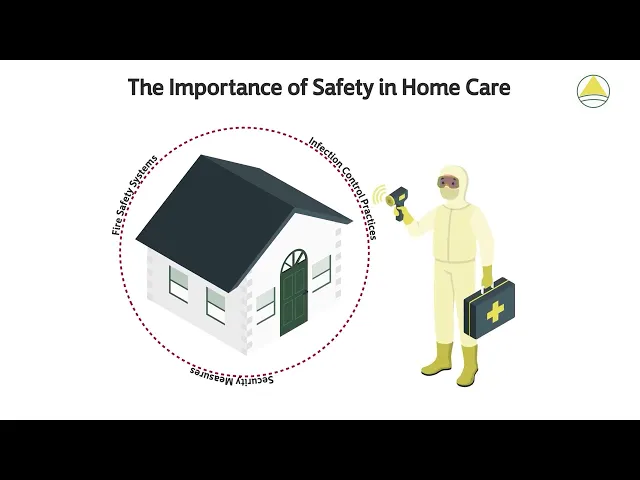
See how HSF helped Chesterfield Health strengthen workforce safety training through structured healthcare learning content. Watch the video:
Types of Training Videos That Deliver Maximum Impact in Case Management
Choosing the right format ensures training remains practical and measurable. A skilled L & D video production company aligns each video type with compliance needs, workflow complexity, and learning objectives to maximize impact across healthcare teams.
Microlearning Policy Updates
Short, focused videos covering documentation changes, payer rules, or regulatory updates. Ideal for quick refreshers without disrupting daily operations.
Real-Life Scenario Simulations
Live-action simulations recreate discharge planning and coordination scenarios. They help case managers apply policies in realistic clinical situations.
Interactive Decision-Based Modules
Branching videos allow learners to choose actions and view outcomes. This strengthens clinical reasoning and escalation decision-making skills.
Animated Process Walkthroughs
Visual breakdowns of workflows and reporting standards. Animation simplifies complex procedures and improves clarity across teams.
Implementation Roadmap for Healthcare Organizations
Successful case management training requires a structured rollout strategy to ensure alignment with compliance standards and operational goals. The first step is identifying training gaps by reviewing audit findings, documentation errors, discharge delays, and onboarding challenges. This assessment helps define clear learning priorities and measurable objectives.
Next, organizations should establish specific performance metrics such as improved documentation accuracy, reduced readmission risks, and higher assessment scores. Script development must involve clinical subject matter experts to ensure accuracy and practical relevance. Once produced, SCORM-compatible modules should be integrated into the hospital’s learning management system for structured deployment and tracking. Continuous monitoring of completion rates, competency scores, and operational indicators ensures ongoing improvement and regulatory alignment.
Why Healthcare Organizations Partner with Specialized Video Production Experts
Healthcare institutions require structured, compliant, and scalable healthcare eLearning solutions that align with regulatory standards while delivering measurable training outcomes across departments.
Clinical Accuracy: Collaborate with subject matter experts to ensure scripts reflect real-world workflows and regulatory requirements.
Compliance Alignment: Develop content that supports HIPAA standards, CMS guidelines, and audit-ready documentation practices.
Instructional Design Expertise: Structure modules using adult learning principles to improve retention and engagement.
Scalable Production: Create reusable training libraries adaptable across multiple facilities and departments.
Technical Integration: Ensure seamless LMS compatibility, tracking systems, and assessment analytics for performance measurement.
How House Sparrow Films Supports Case Management Training
House Sparrow Films develops structured video solutions tailored specifically for hospital case management teams. From discharge workflow simulations to compliance-focused documentation modules, each project is built around real clinical scenarios and measurable learning objectives. The team collaborates closely with healthcare subject matter experts to ensure accuracy, regulatory alignment, and operational relevance across the USA healthcare systems.
With expertise in healthcare-focused production and instructional design, House Sparrow Films creates scalable training libraries that integrate seamlessly with hospital LMS platforms. Whether producing microlearning compliance updates or interactive decision-based modules, the focus remains on improving care coordination, reducing documentation errors, and strengthening audit preparedness for healthcare organizations.
Conclusion
Modern healthcare systems demand structured and consistent case management practices across departments and facilities. Training videos enable true standardization by delivering uniform instruction aligned with clinical workflows and regulatory requirements. They also provide measurable outcomes through assessment tracking, performance analytics, and documented completion records. This data-driven approach strengthens compliance readiness while supporting audit transparency and operational accountability.
Beyond clinical benefits, video-based training improves cost efficiency by reducing repetitive live sessions, minimizing documentation errors, and accelerating onboarding. Healthcare organizations seeking scalable, compliant, and results-driven training solutions should consult House Sparrow Films to develop customized healthcare training video production strategies tailored to case management excellence.
FAQs
1. How do training videos improve case management performance?
Training videos standardize discharge planning, documentation practices, and care coordination workflows, reducing variability and improving measurable performance outcomes.
2. Are training videos suitable for compliance-focused healthcare environments?
Yes, structured video modules can align with HIPAA, CMS guidelines, and internal policies while providing documented completion records for audits.
3. How long should a case management training video be?
Most effective modules range from 3 to 12 minutes, depending on complexity and whether the format is microlearning or scenario-based.
4. Can training videos integrate with hospital LMS systems?
Yes, SCORM-compatible videos integrate seamlessly with LMS platforms, enabling tracking, assessments, and reporting.
5. Are training videos cost-effective for large healthcare systems?
They reduce repeated live training expenses, accelerate onboarding, and minimize costly documentation errors over time.
Key Takeaways
Case management complexity demands standardized, structured training solutions across healthcare systems nationwide.
Training videos ensure consistent instruction across departments, locations, and diverse clinical teams.
Scenario-based modules improve knowledge retention and strengthen critical decision-making skills.
Video training supports compliance tracking and audit-ready documentation reporting processes.
Scalable video libraries reduce costs and accelerate onboarding for new case managers.
The healthcare landscape in the USA is becoming more complex every year. Rising patient volumes, expanding regulatory requirements, and the growing expectations for coordinated, high-quality care place enormous strain on case managers and healthcare organizations. With workforce shortages and increased administrative burdens placing additional pressure on clinical teams, traditional classroom training and on-the-job shadowing are no longer sufficient to ensure consistent performance and compliance. According to a 2025 workforce report, the healthcare workforce management market in North America is rapidly expanding, reflecting demands for more effective training and operational solutions.
Healthcare training videos in the USA have emerged as a scalable and measurable solution. Video-based training enables healthcare organizations to deliver standardized instruction across multiple teams and locations, reinforce critical skills, and reduce variability in care coordination. By providing on-demand access to best practices and compliance guidelines, training videos help bridge knowledge gaps and improve outcomes in today’s fast-paced healthcare systems.
The Growing Complexity of Case Management in the U.S. Healthcare System
Case managers in the United States operate within an increasingly demanding healthcare ecosystem. As responsibilities expand and regulatory oversight intensifies, structured case management training becomes essential to ensure consistent care coordination, compliance accuracy, and measurable performance across healthcare organizations.
Expanding Responsibilities of Case Managers
Modern case managers serve as the coordination backbone of healthcare delivery. Their roles now extend far beyond discharge paperwork and referrals.
Care coordination across departments: Aligning physicians, nurses, social workers, and external providers to ensure seamless patient transitions.
Insurance documentation and payer communication: Managing prior authorizations, reimbursement documentation, and utilization reviews accurately.
Discharge planning and follow-ups: Reducing readmission risks through structured transition-of-care protocols.
Social determinants of health integration: Addressing housing, transportation, and access barriers impacting patient recovery.
Compliance and Regulatory Pressures
Healthcare regulations in the U.S. continue to evolve, increasing accountability for documentation and reporting.
HIPAA documentation accuracy: Ensuring patient privacy and secure information handling.
CMS quality reporting standards: Meeting performance benchmarks tied to reimbursement.
Value-based care models: Demonstrating measurable patient outcomes rather than service volume.
Workforce Turnover and Skill Gaps
Staff turnover across U.S. healthcare systems continues to strain case management teams. As experienced professionals leave and new hires enter demanding roles, organizations must balance speed with accuracy. Without structured learning frameworks, skill gaps widen, and performance consistency declines.
Increased onboarding demand requires faster competency development
Inconsistent training methods leading to uneven knowledge transfer
Burnout is affecting documentation quality and care coordination outcomes
Why Traditional Case Management Training Falls Short
Traditional case management training often relies on in-person workshops, informal shadowing, and inconsistent documentation practices, which struggle to keep pace with complex healthcare demands. These methods can be time-intensive, lack standardization, and fail to provide measurable outcomes across teams. A survey found that nearly 60% of U.S. healthcare organizations lack well-developed methods to evaluate training effectiveness, highlighting gaps in structured learning and performance measurement.
As a result, care variability persists, and organizations face compliance and coordination challenges that outdated training formats fail to address in today’s fast-moving healthcare environment.
Read more: Microlearning vs. Traditional Learning: Which is Better?
What is a Training Video for Case Management?
A training video for case management is a structured, purpose-driven learning tool designed to standardize care coordination, documentation practices, and compliance protocols across healthcare teams. Unlike informal shadowing, these videos deliver consistent instruction aligned with clinical objectives and regulatory requirements. When strategically produced, they become scalable assets that improve onboarding, reinforce best practices, and enable measurable outcomes. If your organization is planning to modernize learning systems, you can book a call with House Sparrow Films to design structured healthcare training video solutions tailored to case management teams.
Definition and Format
Training videos for case management are structured learning tools that standardize care coordination, documentation, and compliance practices across healthcare teams. They replace inconsistent shadowing methods with clearly defined, policy-aligned instruction delivered uniformly to all staff members.
These videos may include scenario-based simulations, short microlearning modules, interactive decision-making exercises, or animated process explainers. Each format is designed to improve clarity, reinforce accountability, and support measurable performance outcomes.
Integration with Hospital LMS and Compliance Systems
To ensure operational efficiency, training videos integrate directly with hospital learning management systems. SCORM compatibility allows standardized deployment across departments and locations. Completion tracking supports audit readiness and regulatory reporting. Assessment integration enables organizations to measure competency levels, identify knowledge gaps, and maintain consistent performance standards across case management teams.
Read more: The Science of Retention: Why Video Works for L&D
Evidence-Based Benefits of Training Videos in Healthcare Education
Investing in medical compliance video production and structured learning content delivers measurable educational and operational gains for healthcare organizations. Research shows that video-based instruction enhances knowledge retention, strengthens clinical reasoning, and increases learner engagement compared with traditional learning formats. According to a 2024 systematic review on video learning effectiveness, learners exposed to video content demonstrated improved understanding and recall across multiple health disciplines, particularly when videos incorporated real-world scenarios and interactive elements (Nature, 2024).
Improved Knowledge Retention
Video learning combines visual cues, narration, and contextual storytelling, which strengthens cognitive reinforcement and long-term memory retention.
Engages multiple sensory channels simultaneously
Reinforces complex workflows through repetition
Simplifies abstract regulatory concepts
Improves recall of discharge and documentation protocols
Enhanced Clinical Decision-Making
Interactive case-based video modules simulate real hospital scenarios, helping case managers practice judgment and coordination skills safely.
Encourages critical thinking through scenario branching
Builds confidence in escalation procedures
Strengthens interdisciplinary communication skills
Higher Learner Satisfaction and Completion Rates
Healthcare professionals consistently report higher satisfaction and completion rates with video training compared with traditional classroom methods due to the flexibility and relevance of content delivery.
Benefit | Impact on Case Management |
Standardized instruction | Reduces process errors |
Scenario simulation | Improves patient coordination |
On-demand access | Supports shift-based teams |
Assessment tracking | Ensures audit readiness |
Read more: How to Use Storytelling to Make Your Learning Videos Unforgettable
Core Benefits of Training Videos for Case Management in the USA
Strategically developed hospital staff training videos deliver measurable operational and clinical value for healthcare organizations. For case management teams, video-based learning creates consistency in care delivery, strengthens compliance alignment, and reduces performance variability across departments and facilities. As healthcare systems expand and regulatory expectations intensify, standardized digital training becomes essential for maintaining quality benchmarks.
Standardized Care Coordination Across Facilities
Consistency in discharge planning and documentation is critical for patient safety and reimbursement accuracy. Training videos ensure that every case manager follows the same structured workflow across locations.
Key outcomes:
Ensures uniform discharge planning protocols
Reduces communication gaps between departments
Aligns interdisciplinary coordination standards
Reduced Hospital Readmissions
Hospital readmissions often stem from gaps in discharge communication, incomplete follow-up coordination, or unclear patient instructions. Structured video training equips case managers with standardized transition protocols, improving continuity of care and reducing preventable readmission risks across healthcare systems.
Follow-Up Protocol Training: Reinforces timely post-discharge communication, appointment scheduling, and documentation accuracy to prevent missed care transitions.
Patient Education Standardization: Ensures consistent discharge instructions, medication guidance, and warning sign communication across departments.
Interdisciplinary Coordination: Strengthens collaboration between physicians, nurses, and social workers during patient transitions.
Documentation Accuracy: Improves completeness of discharge records, reducing clinical misunderstandings and reimbursement complications.
Stronger Compliance and Audit Preparedness
Healthcare organizations operate under strict regulatory oversight, making accurate documentation and standardized training essential. Video-based instruction ensures that every case manager understands current policies, reporting standards, and privacy requirements. This structured approach minimizes compliance gaps and strengthens institutional readiness during internal reviews or external audits.
Documented Training Records: Automatically tracks completion data, creating verifiable proof of regulatory education during audits.
Policy Update Alignment: Enables rapid updates to reflect new CMS or organizational compliance requirements.
HIPAA Reinforcement: Standardizes patient privacy and documentation practices across departments and facilities.
Reduced Risk Exposure: Minimizes errors that could trigger penalties, reimbursement issues, or legal scrutiny.
Faster Onboarding of New Case Managers
Healthcare organizations frequently face high onboarding demands due to workforce turnover and expanding service lines. Structured video-based training provides a clearly defined learning pathway for new case managers, covering documentation standards, discharge planning protocols, payer communication, and compliance procedures in a consistent format. This approach reduces confusion during early-stage training and accelerates time-to-competency without compromising quality.
By centralizing institutional knowledge into standardized modules, hospitals reduce dependency on senior staff for repetitive training sessions. Experienced case managers can focus on complex coordination tasks instead of onboarding responsibilities, improving overall productivity while maintaining consistent performance standards across the team.
Measurable ROI for Healthcare Systems
Beyond clinical impact, video training delivers financial advantages. Reusable modules lower recurring training costs while minimizing compliance risks.
Financial value:
Lower repeat training expenses
Reduced documentation errors
Decreased liability and compliance risks
See how HSF helped Chesterfield Health strengthen workforce safety training through structured healthcare learning content. Watch the video:
Types of Training Videos That Deliver Maximum Impact in Case Management
Choosing the right format ensures training remains practical and measurable. A skilled L & D video production company aligns each video type with compliance needs, workflow complexity, and learning objectives to maximize impact across healthcare teams.
Microlearning Policy Updates
Short, focused videos covering documentation changes, payer rules, or regulatory updates. Ideal for quick refreshers without disrupting daily operations.
Real-Life Scenario Simulations
Live-action simulations recreate discharge planning and coordination scenarios. They help case managers apply policies in realistic clinical situations.
Interactive Decision-Based Modules
Branching videos allow learners to choose actions and view outcomes. This strengthens clinical reasoning and escalation decision-making skills.
Animated Process Walkthroughs
Visual breakdowns of workflows and reporting standards. Animation simplifies complex procedures and improves clarity across teams.
Implementation Roadmap for Healthcare Organizations
Successful case management training requires a structured rollout strategy to ensure alignment with compliance standards and operational goals. The first step is identifying training gaps by reviewing audit findings, documentation errors, discharge delays, and onboarding challenges. This assessment helps define clear learning priorities and measurable objectives.
Next, organizations should establish specific performance metrics such as improved documentation accuracy, reduced readmission risks, and higher assessment scores. Script development must involve clinical subject matter experts to ensure accuracy and practical relevance. Once produced, SCORM-compatible modules should be integrated into the hospital’s learning management system for structured deployment and tracking. Continuous monitoring of completion rates, competency scores, and operational indicators ensures ongoing improvement and regulatory alignment.
Why Healthcare Organizations Partner with Specialized Video Production Experts
Healthcare institutions require structured, compliant, and scalable healthcare eLearning solutions that align with regulatory standards while delivering measurable training outcomes across departments.
Clinical Accuracy: Collaborate with subject matter experts to ensure scripts reflect real-world workflows and regulatory requirements.
Compliance Alignment: Develop content that supports HIPAA standards, CMS guidelines, and audit-ready documentation practices.
Instructional Design Expertise: Structure modules using adult learning principles to improve retention and engagement.
Scalable Production: Create reusable training libraries adaptable across multiple facilities and departments.
Technical Integration: Ensure seamless LMS compatibility, tracking systems, and assessment analytics for performance measurement.
How House Sparrow Films Supports Case Management Training
House Sparrow Films develops structured video solutions tailored specifically for hospital case management teams. From discharge workflow simulations to compliance-focused documentation modules, each project is built around real clinical scenarios and measurable learning objectives. The team collaborates closely with healthcare subject matter experts to ensure accuracy, regulatory alignment, and operational relevance across the USA healthcare systems.
With expertise in healthcare-focused production and instructional design, House Sparrow Films creates scalable training libraries that integrate seamlessly with hospital LMS platforms. Whether producing microlearning compliance updates or interactive decision-based modules, the focus remains on improving care coordination, reducing documentation errors, and strengthening audit preparedness for healthcare organizations.
Conclusion
Modern healthcare systems demand structured and consistent case management practices across departments and facilities. Training videos enable true standardization by delivering uniform instruction aligned with clinical workflows and regulatory requirements. They also provide measurable outcomes through assessment tracking, performance analytics, and documented completion records. This data-driven approach strengthens compliance readiness while supporting audit transparency and operational accountability.
Beyond clinical benefits, video-based training improves cost efficiency by reducing repetitive live sessions, minimizing documentation errors, and accelerating onboarding. Healthcare organizations seeking scalable, compliant, and results-driven training solutions should consult House Sparrow Films to develop customized healthcare training video production strategies tailored to case management excellence.
FAQs
1. How do training videos improve case management performance?
Training videos standardize discharge planning, documentation practices, and care coordination workflows, reducing variability and improving measurable performance outcomes.
2. Are training videos suitable for compliance-focused healthcare environments?
Yes, structured video modules can align with HIPAA, CMS guidelines, and internal policies while providing documented completion records for audits.
3. How long should a case management training video be?
Most effective modules range from 3 to 12 minutes, depending on complexity and whether the format is microlearning or scenario-based.
4. Can training videos integrate with hospital LMS systems?
Yes, SCORM-compatible videos integrate seamlessly with LMS platforms, enabling tracking, assessments, and reporting.
5. Are training videos cost-effective for large healthcare systems?
They reduce repeated live training expenses, accelerate onboarding, and minimize costly documentation errors over time.