Key takeaways
Hospitals in the USA are shifting to video playlists to make staff training more consistent, scalable, and accessible across departments.
Structured video learning helps reduce onboarding time while improving knowledge retention and real-world application.
Playlists allow hospitals to organize training by roles, skills, and compliance needs, making learning more targeted and efficient.
Video-based training lowers operational costs by minimizing repeated in-person sessions and trainer dependency.
Professional video production plays a critical role in ensuring clarity, engagement, and accuracy in medical training content.
The USA healthcare systems are becoming increasingly complex, with hospitals managing large, diverse teams that require consistent and up-to-date training. Traditional methods struggle to keep pace with this demand, creating a need for scalable and standardized solutions. This is where hospital training videos are emerging as a practical approach, enabling organizations to deliver structured learning across departments while maintaining quality and compliance.
Research shows that video-based learning significantly improves knowledge acquisition and skill development in healthcare education. As a result, hospitals are building video-driven learning ecosystems that support on-demand access, faster onboarding, and continuous staff development through organized, easy-to-access training content.
Why Hospitals in the USA Are Adopting Educational Video Playlists for Staff Training
Hospitals across the USA are adopting educational video playlists to meet rising training demands while ensuring consistency and compliance. With large teams and multiple departments, traditional methods often create gaps in learning. Video playlists offer a structured and repeatable format, helping staff access standardized training anytime, which improves efficiency and reduces reliance on in-person sessions.
Another major driver is the need for engaging and accurate content that enhances retention and practical application. Working with the best L&D video production agency enables hospitals to develop high-quality training materials tailored to real clinical environments, supporting continuous learning and keeping staff aligned with evolving healthcare protocols.
How USA Hospitals Use Video Playlists for Staff Training
Hospitals in the USA are using video playlists to build structured, scalable training systems that support both new and experienced staff. Instead of relying on one-time sessions, playlists allow healthcare teams to access consistent, role-specific content anytime, improving learning continuity and reducing gaps. This approach ensures standardized training delivery across departments while adapting to varying schedules and workloads in clinical environments.
Want to create impactful training content for healthcare teams? Book a call with HSF and see how professionally produced video playlists can streamline your staff training programs.
Structured Onboarding for New Medical Staff
Video playlists help hospitals streamline onboarding by delivering organized, easy-to-follow training tailored to specific roles.
Role-based playlists: Tailored onboarding content designed for nurses, doctors, and administrative staff across departments.
Standardized workflows: Step-by-step guidance ensures consistent understanding of hospital systems, protocols, and responsibilities.
Faster onboarding: Reduces training time while helping new hires become productive quickly and confidently.
Department-Specific Skill Training
Hospitals design playlists focused on department needs, ensuring practical and relevant skill development.
Specialized playlists: ICU, ER, and nursing teams receive targeted training aligned with their daily responsibilities.
Procedure-based learning: Visual demonstrations help staff understand complex medical procedures with greater clarity.
Error reduction: Repeated access to accurate training content minimizes mistakes in high-pressure environments.
Compliance and Regulatory Training
Hospitals rely on video playlists to deliver essential compliance training in a structured and accessible format. Topics such as HIPAA, infection control, and patient safety are covered through regularly updated content, ensuring staff remain aligned with the latest regulations. This consistent delivery reduces compliance risks and helps maintain uniform standards across all departments and facilities.
Continuous Learning and Upskilling
Healthcare professionals require ongoing education to keep up with evolving medical practices, and video playlists support this need effectively. With on-demand access, staff can revisit training materials at their convenience, allowing for flexible and self-paced learning. This continuous approach not only strengthens existing skills but also supports long-term professional development without interrupting daily responsibilities.
Emergency Preparedness and Simulation Training
Preparedness is essential in healthcare, and video-based simulations help staff respond effectively in critical situations.
Scenario-based learning for real-life emergency situations
Visual training for faster understanding and recall
Improved crisis response readiness across teams
LMS Integration and Progress Tracking
Modern hospitals integrate video playlists with learning management systems to track performance and ensure accountability.
Monitoring training completion and engagement levels
Tracking certifications and compliance status
Data-driven insights to improve training effectiveness
Read more: How to Measure the Effectiveness of L&D Videos
Key Benefits of Using Video Playlists for Hospital Staff Training
Video playlists are transforming healthcare compliance training by making learning structured, scalable, and consistent across hospital teams while improving efficiency, retention, and accessibility. Here are the key benefits:
Standardized learning: Ensures uniform training delivery across departments, reducing inconsistencies and maintaining high-quality knowledge sharing among all healthcare staff.
Improved retention: Visual and audio content enhances understanding, helping staff remember procedures and apply knowledge effectively in real clinical situations.
Time efficiency: Reduces repetitive in-person sessions, allowing staff to learn faster without disrupting daily hospital operations and responsibilities.
Cost savings: Minimizes training costs by reducing dependency on trainers, travel, and repeated sessions across multiple hospital locations.
Flexible access: Enables on-demand learning, allowing healthcare professionals to access training anytime based on their schedules and workload demands.
Faster onboarding: Accelerates new staff training with structured playlists, helping them become productive quickly with clear and consistent guidance.
Compliance support: Simplifies healthcare compliance training by delivering updated regulatory content consistently across all teams and departments.
Read more: How to Use Storytelling to Make Your Learning Videos Unforgettable
Types of Educational Medical Videos Used in Hospital Playlists
Hospitals use different formats of video content to support structured learning, improve retention, and deliver consistent medical staff education videos across departments.
Instructional & Procedure-Based Videos
These videos focus on step-by-step demonstrations of clinical procedures, equipment usage, and patient care techniques. They simplify complex tasks visually, helping staff understand workflows clearly and reduce errors in high-pressure environments while enabling repeat learning.
Compliance & Regulatory Training Videos
Compliance videos cover essential topics such as HIPAA, infection control, and patient safety protocols. They are regularly updated to reflect changing regulations, ensuring consistent knowledge across teams while reducing risks and maintaining standardized healthcare practices.
Simulation & Scenario-Based Videos
Simulation videos recreate real-life medical situations, allowing staff to practice decision-making and responses safely. Research shows video-based learning improves knowledge and skill development in healthcare training environments , making these formats highly effective.
Microlearning Videos
Microlearning videos are short, focused modules designed for quick understanding and retention. They allow healthcare professionals to learn specific concepts in minutes, making training more flexible, accessible, and easier to integrate into busy clinical schedules.
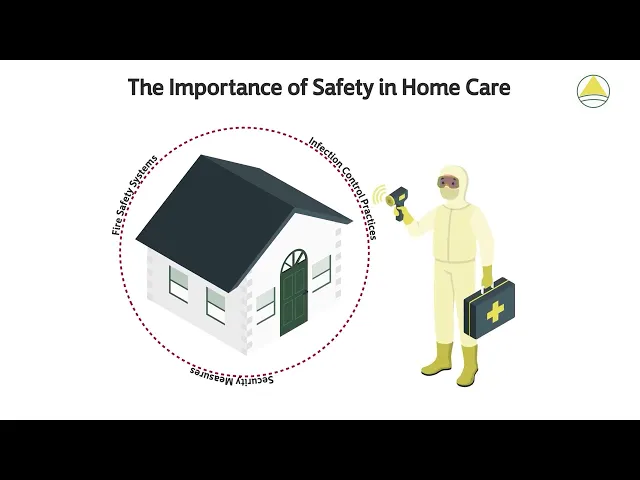
See how HSF helped Chesterfield Health deliver effective safety training for healthcare staff through structured video content. Watch the video:
How USA Hospitals Structure Video Training Playlists for Maximum Impact
USA hospitals structure video training playlists using a modular approach that breaks complex topics into short, focused segments. These modules are grouped logically, allowing staff to progress step by step without feeling overwhelmed. By organizing content into clear sequences, hospitals ensure better understanding, retention, and consistent learning outcomes across departments.
Role-based customization is another key strategy. Hospitals design separate playlists for nurses, physicians, and administrative staff, aligning content with their daily responsibilities. Integration with learning management systems helps track progress, completion rates, and certifications, making training measurable and accountable while supporting compliance requirements.
“Structured video learning improves retention and consistency when content is clear, concise, and role-specific,” says Dr. Emily Carter, Healthcare Training Specialist. This approach also supports blended learning, combining video with assessments and practical sessions for maximum effectiveness.
Challenges Hospitals Face Without Video-Based Training Systems
Without structured video systems, hospitals struggle to deliver consistent clinical learning content, leading to inefficiencies, knowledge gaps, and difficulty maintaining standardized training across teams.
Inconsistent training quality
Repetitive manual sessions
High training costs
Limited scalability issues
Knowledge retention gaps
Delayed onboarding process
Best Practices for Creating Effective Medical Training Video Playlists
Creating impactful playlists requires strategic planning, clear objectives, and high-quality healthcare video production to ensure accuracy, engagement, and consistent learning outcomes across hospital teams. Here are the best practices:
Keep videos concise: Short, focused videos improve attention, retention, and allow busy healthcare staff to learn quickly and efficiently.
Use real scenarios: Filming actual clinical situations increases relevance, helping staff relate training to real-world responsibilities and challenges.
Ensure accuracy: Content must align with latest medical guidelines, ensuring safe practices and reducing risks in clinical environments.
Add assessments: Integrating quizzes and evaluations helps measure understanding and reinforces key learning outcomes effectively across teams.
Optimize accessibility: Mobile-friendly videos enable staff to access training anytime, improving flexibility and continuous learning opportunities.
Maintain consistency: Standardized formats and messaging ensure uniform training delivery across departments, locations, and varying staff roles.
Read more: Best Online Platforms for Hosting Training Videos
Role of Professional Video Production in Hospital Training Success
Professional video production plays a crucial role in the effectiveness of hospital training by ensuring clarity, accuracy, and engagement in complex medical content. High-quality visuals, clear audio, and well-structured storytelling make it easier for healthcare staff to understand procedures, follow protocols, and retain critical information. Unlike basic recordings, professionally produced videos are designed with instructional intent, aligning content with real clinical environments and compliance standards. This not only improves learning outcomes but also builds trust in the training material, making it more likely to be followed consistently across departments and teams.
How House Sparrow Films Supports Hospital Training with Video Playlists
At House Sparrow Films, we create high-quality Educational Medical Video Playlists tailored for hospital staff training across departments. From scripting to final production, we focus on accuracy, clarity, and real clinical relevance. Each video is designed to simplify complex procedures, support compliance training, and ensure consistent learning for roles such as nurses, doctors, and administrative staff, helping hospitals build scalable and efficient training systems.
With global production capabilities, we deliver content that aligns with healthcare standards while maintaining strong visual storytelling. We work closely with hospitals to develop role-based playlists, simulation videos, and microlearning modules that improve retention and engagement. By combining industry expertise with professional production, we help healthcare organizations implement effective, future-ready training solutions.
Conclusion
Video playlists are becoming essential in USA hospital training, offering a scalable and efficient way to deliver consistent learning across departments. They help standardize knowledge, improve compliance, and support faster onboarding while reducing operational challenges. By enabling on-demand access and structured learning paths, hospitals can ensure staff stay updated and prepared for evolving healthcare demands. Partner with HSF to create impactful training video playlists that enhance learning outcomes, improve efficiency, and build a future-ready healthcare workforce through professionally produced, high-quality content tailored to your needs.
FAQs
1. Why are hospitals using video playlists for staff training?
Hospitals use video playlists to deliver consistent, scalable training that improves learning outcomes, reduces onboarding time, and ensures compliance across departments.
2. How do video playlists improve hospital staff training?
They provide structured, on-demand learning that enhances knowledge retention, allows repeat access, and ensures standardized training for all staff members.
3. What types of videos are included in hospital training playlists?
Common types include procedural videos, compliance training, simulation-based scenarios, and microlearning modules designed for quick and effective learning.
4. Are video playlists effective for healthcare compliance training?
Yes, they help deliver updated regulatory content consistently, ensuring staff follow protocols like HIPAA and patient safety guidelines accurately.
5. Can video playlists replace traditional hospital training methods?
They often complement or partially replace traditional methods by offering flexible, cost-effective, and scalable learning while maintaining training quality.
Key takeaways
Hospitals in the USA are shifting to video playlists to make staff training more consistent, scalable, and accessible across departments.
Structured video learning helps reduce onboarding time while improving knowledge retention and real-world application.
Playlists allow hospitals to organize training by roles, skills, and compliance needs, making learning more targeted and efficient.
Video-based training lowers operational costs by minimizing repeated in-person sessions and trainer dependency.
Professional video production plays a critical role in ensuring clarity, engagement, and accuracy in medical training content.
The USA healthcare systems are becoming increasingly complex, with hospitals managing large, diverse teams that require consistent and up-to-date training. Traditional methods struggle to keep pace with this demand, creating a need for scalable and standardized solutions. This is where hospital training videos are emerging as a practical approach, enabling organizations to deliver structured learning across departments while maintaining quality and compliance.
Research shows that video-based learning significantly improves knowledge acquisition and skill development in healthcare education. As a result, hospitals are building video-driven learning ecosystems that support on-demand access, faster onboarding, and continuous staff development through organized, easy-to-access training content.
Why Hospitals in the USA Are Adopting Educational Video Playlists for Staff Training
Hospitals across the USA are adopting educational video playlists to meet rising training demands while ensuring consistency and compliance. With large teams and multiple departments, traditional methods often create gaps in learning. Video playlists offer a structured and repeatable format, helping staff access standardized training anytime, which improves efficiency and reduces reliance on in-person sessions.
Another major driver is the need for engaging and accurate content that enhances retention and practical application. Working with the best L&D video production agency enables hospitals to develop high-quality training materials tailored to real clinical environments, supporting continuous learning and keeping staff aligned with evolving healthcare protocols.
How USA Hospitals Use Video Playlists for Staff Training
Hospitals in the USA are using video playlists to build structured, scalable training systems that support both new and experienced staff. Instead of relying on one-time sessions, playlists allow healthcare teams to access consistent, role-specific content anytime, improving learning continuity and reducing gaps. This approach ensures standardized training delivery across departments while adapting to varying schedules and workloads in clinical environments.
Want to create impactful training content for healthcare teams? Book a call with HSF and see how professionally produced video playlists can streamline your staff training programs.
Structured Onboarding for New Medical Staff
Video playlists help hospitals streamline onboarding by delivering organized, easy-to-follow training tailored to specific roles.
Role-based playlists: Tailored onboarding content designed for nurses, doctors, and administrative staff across departments.
Standardized workflows: Step-by-step guidance ensures consistent understanding of hospital systems, protocols, and responsibilities.
Faster onboarding: Reduces training time while helping new hires become productive quickly and confidently.
Department-Specific Skill Training
Hospitals design playlists focused on department needs, ensuring practical and relevant skill development.
Specialized playlists: ICU, ER, and nursing teams receive targeted training aligned with their daily responsibilities.
Procedure-based learning: Visual demonstrations help staff understand complex medical procedures with greater clarity.
Error reduction: Repeated access to accurate training content minimizes mistakes in high-pressure environments.
Compliance and Regulatory Training
Hospitals rely on video playlists to deliver essential compliance training in a structured and accessible format. Topics such as HIPAA, infection control, and patient safety are covered through regularly updated content, ensuring staff remain aligned with the latest regulations. This consistent delivery reduces compliance risks and helps maintain uniform standards across all departments and facilities.
Continuous Learning and Upskilling
Healthcare professionals require ongoing education to keep up with evolving medical practices, and video playlists support this need effectively. With on-demand access, staff can revisit training materials at their convenience, allowing for flexible and self-paced learning. This continuous approach not only strengthens existing skills but also supports long-term professional development without interrupting daily responsibilities.
Emergency Preparedness and Simulation Training
Preparedness is essential in healthcare, and video-based simulations help staff respond effectively in critical situations.
Scenario-based learning for real-life emergency situations
Visual training for faster understanding and recall
Improved crisis response readiness across teams
LMS Integration and Progress Tracking
Modern hospitals integrate video playlists with learning management systems to track performance and ensure accountability.
Monitoring training completion and engagement levels
Tracking certifications and compliance status
Data-driven insights to improve training effectiveness
Read more: How to Measure the Effectiveness of L&D Videos
Key Benefits of Using Video Playlists for Hospital Staff Training
Video playlists are transforming healthcare compliance training by making learning structured, scalable, and consistent across hospital teams while improving efficiency, retention, and accessibility. Here are the key benefits:
Standardized learning: Ensures uniform training delivery across departments, reducing inconsistencies and maintaining high-quality knowledge sharing among all healthcare staff.
Improved retention: Visual and audio content enhances understanding, helping staff remember procedures and apply knowledge effectively in real clinical situations.
Time efficiency: Reduces repetitive in-person sessions, allowing staff to learn faster without disrupting daily hospital operations and responsibilities.
Cost savings: Minimizes training costs by reducing dependency on trainers, travel, and repeated sessions across multiple hospital locations.
Flexible access: Enables on-demand learning, allowing healthcare professionals to access training anytime based on their schedules and workload demands.
Faster onboarding: Accelerates new staff training with structured playlists, helping them become productive quickly with clear and consistent guidance.
Compliance support: Simplifies healthcare compliance training by delivering updated regulatory content consistently across all teams and departments.
Read more: How to Use Storytelling to Make Your Learning Videos Unforgettable
Types of Educational Medical Videos Used in Hospital Playlists
Hospitals use different formats of video content to support structured learning, improve retention, and deliver consistent medical staff education videos across departments.
Instructional & Procedure-Based Videos
These videos focus on step-by-step demonstrations of clinical procedures, equipment usage, and patient care techniques. They simplify complex tasks visually, helping staff understand workflows clearly and reduce errors in high-pressure environments while enabling repeat learning.
Compliance & Regulatory Training Videos
Compliance videos cover essential topics such as HIPAA, infection control, and patient safety protocols. They are regularly updated to reflect changing regulations, ensuring consistent knowledge across teams while reducing risks and maintaining standardized healthcare practices.
Simulation & Scenario-Based Videos
Simulation videos recreate real-life medical situations, allowing staff to practice decision-making and responses safely. Research shows video-based learning improves knowledge and skill development in healthcare training environments , making these formats highly effective.
Microlearning Videos
Microlearning videos are short, focused modules designed for quick understanding and retention. They allow healthcare professionals to learn specific concepts in minutes, making training more flexible, accessible, and easier to integrate into busy clinical schedules.
See how HSF helped Chesterfield Health deliver effective safety training for healthcare staff through structured video content. Watch the video:
How USA Hospitals Structure Video Training Playlists for Maximum Impact
USA hospitals structure video training playlists using a modular approach that breaks complex topics into short, focused segments. These modules are grouped logically, allowing staff to progress step by step without feeling overwhelmed. By organizing content into clear sequences, hospitals ensure better understanding, retention, and consistent learning outcomes across departments.
Role-based customization is another key strategy. Hospitals design separate playlists for nurses, physicians, and administrative staff, aligning content with their daily responsibilities. Integration with learning management systems helps track progress, completion rates, and certifications, making training measurable and accountable while supporting compliance requirements.
“Structured video learning improves retention and consistency when content is clear, concise, and role-specific,” says Dr. Emily Carter, Healthcare Training Specialist. This approach also supports blended learning, combining video with assessments and practical sessions for maximum effectiveness.
Challenges Hospitals Face Without Video-Based Training Systems
Without structured video systems, hospitals struggle to deliver consistent clinical learning content, leading to inefficiencies, knowledge gaps, and difficulty maintaining standardized training across teams.
Inconsistent training quality
Repetitive manual sessions
High training costs
Limited scalability issues
Knowledge retention gaps
Delayed onboarding process
Best Practices for Creating Effective Medical Training Video Playlists
Creating impactful playlists requires strategic planning, clear objectives, and high-quality healthcare video production to ensure accuracy, engagement, and consistent learning outcomes across hospital teams. Here are the best practices:
Keep videos concise: Short, focused videos improve attention, retention, and allow busy healthcare staff to learn quickly and efficiently.
Use real scenarios: Filming actual clinical situations increases relevance, helping staff relate training to real-world responsibilities and challenges.
Ensure accuracy: Content must align with latest medical guidelines, ensuring safe practices and reducing risks in clinical environments.
Add assessments: Integrating quizzes and evaluations helps measure understanding and reinforces key learning outcomes effectively across teams.
Optimize accessibility: Mobile-friendly videos enable staff to access training anytime, improving flexibility and continuous learning opportunities.
Maintain consistency: Standardized formats and messaging ensure uniform training delivery across departments, locations, and varying staff roles.
Read more: Best Online Platforms for Hosting Training Videos
Role of Professional Video Production in Hospital Training Success
Professional video production plays a crucial role in the effectiveness of hospital training by ensuring clarity, accuracy, and engagement in complex medical content. High-quality visuals, clear audio, and well-structured storytelling make it easier for healthcare staff to understand procedures, follow protocols, and retain critical information. Unlike basic recordings, professionally produced videos are designed with instructional intent, aligning content with real clinical environments and compliance standards. This not only improves learning outcomes but also builds trust in the training material, making it more likely to be followed consistently across departments and teams.
How House Sparrow Films Supports Hospital Training with Video Playlists
At House Sparrow Films, we create high-quality Educational Medical Video Playlists tailored for hospital staff training across departments. From scripting to final production, we focus on accuracy, clarity, and real clinical relevance. Each video is designed to simplify complex procedures, support compliance training, and ensure consistent learning for roles such as nurses, doctors, and administrative staff, helping hospitals build scalable and efficient training systems.
With global production capabilities, we deliver content that aligns with healthcare standards while maintaining strong visual storytelling. We work closely with hospitals to develop role-based playlists, simulation videos, and microlearning modules that improve retention and engagement. By combining industry expertise with professional production, we help healthcare organizations implement effective, future-ready training solutions.
Conclusion
Video playlists are becoming essential in USA hospital training, offering a scalable and efficient way to deliver consistent learning across departments. They help standardize knowledge, improve compliance, and support faster onboarding while reducing operational challenges. By enabling on-demand access and structured learning paths, hospitals can ensure staff stay updated and prepared for evolving healthcare demands. Partner with HSF to create impactful training video playlists that enhance learning outcomes, improve efficiency, and build a future-ready healthcare workforce through professionally produced, high-quality content tailored to your needs.
FAQs
1. Why are hospitals using video playlists for staff training?
Hospitals use video playlists to deliver consistent, scalable training that improves learning outcomes, reduces onboarding time, and ensures compliance across departments.
2. How do video playlists improve hospital staff training?
They provide structured, on-demand learning that enhances knowledge retention, allows repeat access, and ensures standardized training for all staff members.
3. What types of videos are included in hospital training playlists?
Common types include procedural videos, compliance training, simulation-based scenarios, and microlearning modules designed for quick and effective learning.
4. Are video playlists effective for healthcare compliance training?
Yes, they help deliver updated regulatory content consistently, ensuring staff follow protocols like HIPAA and patient safety guidelines accurately.
5. Can video playlists replace traditional hospital training methods?
They often complement or partially replace traditional methods by offering flexible, cost-effective, and scalable learning while maintaining training quality.