Key takeaways
Engaging video editing significantly improves learning retention and course completion rates for PMP training
Professionals prefer concise, visually structured content that fits into busy schedules
Complex project management concepts become easier to understand through motion graphics and storytelling
High-quality edited videos enhance credibility and overall learning experience
Investing in professional video editing leads to better exam outcomes and stronger ROI for training programs
The demand for project management courses in the USA has surged as professionals aim to gain PMP certification and advance their careers. With industries prioritising structured project execution and agile methodologies, certified project managers are becoming essential across sectors. According to a report by PMI, employers will need nearly 25 million new project professionals by 2030, highlighting the growing importance of PMP training.
At the same time, learning preferences are evolving. Professionals are moving away from static materials toward high-impact, video-based training that simplifies complex concepts. Professionally edited videos break down topics like risk management, scheduling, and agile frameworks into clear, engaging formats, making it easier for learners to retain information and apply it in real-world scenarios.
Why Engaging Video Editing is Crucial for PMP Training Success
Engaging video editing plays a critical role in making PMP training more effective by transforming complex project management concepts into clear, digestible content. Through structured visuals, motion graphics, and concise modules, learners can better understand topics like risk management, scheduling, and agile workflows. This approach aligns with how modern professionals consume information, helping them retain knowledge faster and apply it practically.
As learning expert Richard Mayer states, “People learn more deeply from words and pictures than from words alone.” Professionally edited videos follow this principle by combining visuals, narration, and pacing to create a more engaging learning experience, ultimately improving comprehension and course completion rates for PMP aspirants.
Read more: How to Create Engaging Corporate Training Videos: A Step-by-Step Guide
Key Reasons PMP Learners in the USA Choose High-Quality Edited Video Content
Professionals in the USA increasingly prefer PMP certification training videos that are professionally edited to match their fast-paced work environments and high learning expectations. With demanding schedules and performance-driven roles, learners seek content that is not only informative but also concise, engaging, and easy to consume. Edited videos deliver structured knowledge in a streamlined format, making it easier to grasp complex project management concepts without overwhelming the learner.
Fast-Paced Work Culture Demands Efficiency
In the USA, professionals often balance tight deadlines, multiple projects, and continuous upskilling. This creates a need for learning formats that save time without compromising depth.
Concise, edited videos remove unnecessary pauses, repetitions, and filler content
Bite-sized modules (5–10 minutes) allow quick learning during breaks or between tasks
Structured segmentation helps learners focus on one concept at a time
Faster consumption leads to better revision and exam preparation
Preference for High-Quality Learning Experiences
USA professionals expect a premium standard when it comes to training content, especially for certifications like PMP. Poorly edited or unstructured videos can reduce trust and engagement.
Clean Transitions: Smooth transitions between topics maintain flow and prevent cognitive overload during complex PMP concept explanations.
Clear Voiceovers: Professional audio enhances understanding, ensuring learners grasp critical concepts without confusion or distraction easily.
Structured Storytelling: Logical sequencing of topics helps learners connect ideas and build strong conceptual understanding progressively.
Visual Enhancements: Graphics, highlights, and annotations simplify difficult topics, making learning more intuitive and engaging overall.
Corporate Training Standards in the USA
Organizations across the USA invest heavily in learning and development to stay competitive and future-ready. This drives demand for high-quality, scalable training formats.
L&D Investment: Companies invest heavily in training programs to upskill employees and improve overall organisational performance.
Scalable Learning: Video-based training allows consistent learning experiences across large teams and multiple geographic locations efficiently.
Standardised Content: Edited videos ensure uniform quality, helping organisations maintain consistent training standards across departments globally.
Measurable Outcomes: High-quality video training improves completion rates, engagement levels, and overall knowledge retention among professionals.
Traditional vs Edited PMP Training Videos
Understanding the difference between traditional learning methods and professionally edited video content highlights why modern professionals prefer video-based PMP training. Edited videos offer a structured, engaging, and flexible learning experience that aligns with today’s fast-paced work environment, making them significantly more effective than conventional formats.
Factor | Traditional Learning | Edited PMP Video Content |
Engagement | Low | High |
Retention | 10–20% | 60–90% |
Flexibility | Limited | On-demand |
Clarity | Text-heavy | Visual storytelling |
Read more: Microlearning vs. Traditional Learning: Which is Better?
Key Elements That Make PMP Course Video Editing Effective
Effective editing transforms an online project management course into engaging, structured learning experiences that improve comprehension, retention, and practical application outcomes.
Motion Graphics for Complex Concepts
Motion graphics play a crucial role in simplifying complex PMP topics such as process groups, workflows, and task dependencies. By visually representing these elements, learners can better understand how different components of project management interact, making abstract concepts more tangible and easier to retain.
Microlearning Structure
A microlearning approach ensures that content is delivered in short, focused modules of 5–10 minutes. This format helps professionals learn efficiently without feeling overwhelmed. Topic-based segmentation further enhances clarity by allowing learners to focus on one concept at a time and progress systematically.
Interactive & Scenario-Based Editing
Interactive editing techniques bring PMP concepts to life through real-world simulations and decision-making scenarios. This approach enables learners to apply theoretical knowledge in practical situations, strengthening their understanding and improving problem-solving skills.
Clean Visual Hierarchy
A well-defined visual hierarchy ensures that learners can easily follow the content. Text overlays, highlights, and annotations emphasise key points, guide attention, and make complex information more accessible, resulting in a smoother and more effective learning experience.
Professional Audio & Subtitles
High-quality audio and clear voiceovers are essential for maintaining learner engagement and ensuring accurate understanding. Subtitles enhance accessibility, allowing learners to follow along in different environments and reinforcing comprehension through both visual and auditory inputs.
Looking to elevate your PMP training content with engaging, high-quality video editing? Get a quote with House Sparrow Films and transform your learning experience today.
How Engaging Video Editing Improves PMP Exam Success Rates
Engaging video editing directly impacts PMP exam success by improving how learners understand and retain complex concepts. Well-structured videos use visuals, pacing, and storytelling to simplify topics like risk management, scheduling, and agile frameworks, making them easier to recall during exams. Unlike traditional learning, edited videos reduce cognitive overload and present information in a logical flow, helping professionals build strong conceptual clarity over time.
Research shows that adding video to learning content can significantly boost retention, with studies indicating that visual-based training improves memory recall and comprehension compared to text-only formats. This enhanced retention translates into better exam performance, as learners can quickly recall frameworks, formulas, and real-world applications. Additionally, engaging videos increase completion rates and consistency in study habits, both of which are critical factors in successfully clearing the PMP certification exam.
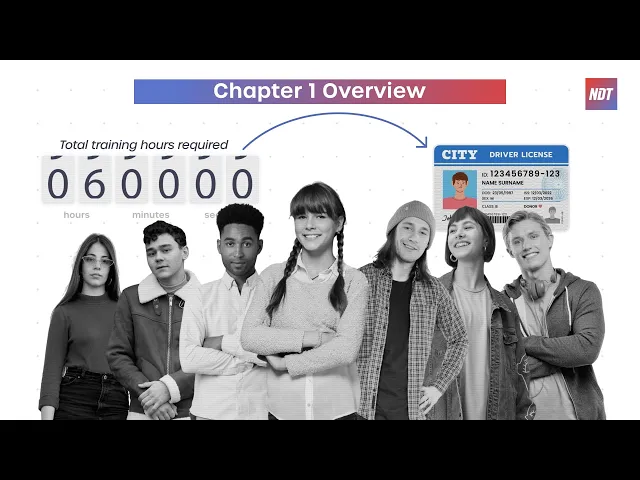
See how HSF helped NDT simplify complex training into concise, engaging video modules that improved learner retention and clarity. Watch the video:
Trends Driving Demand for PMP Video Editing in the USA in 2026
Evolving learning preferences and technology are driving demand for business training videos, making PMP content more engaging, accessible, and outcome-focused.
Microlearning Dominance: Short 5–7 minute modules are increasingly preferred, enabling faster learning, better retention, and seamless integration into busy schedules.
AI-Personalised Learning: Adaptive video content tailors learning paths based on user behaviour, improving engagement and overall knowledge retention outcomes.
Mobile-First Consumption: Professionals prefer accessing training on mobile devices, allowing flexible, on-the-go learning without disrupting daily work responsibilities.
Hybrid Learning Models: Combining instructor-led sessions with edited videos creates balanced, scalable learning experiences that improve understanding and consistency.
Read more: Top Trends in Corporate Training Video Production for 2025
Why Professional Video Editing Matters More Than Raw Content
Raw training content often lacks structure, clarity, and engagement, making it difficult for learners to stay focused and retain information. In contrast, professionally edited videos transform basic recordings into structured, engaging learning experiences that align with modern expectations. A reliable L&D training video production company ensures that content is streamlined, visually appealing, and aligned with learning objectives, helping professionals grasp complex PMP concepts more effectively while maintaining consistency and quality across modules.
Better content flow
Clear visual structure
Higher engagement levels
Improved knowledge retention
Professional brand credibility
Consistent learning experience
Why Choose House Sparrow Films for PMP Course Video Editing
At House Sparrow Films, we specialise in creating high-quality professional certification videos that are designed to engage, educate, and deliver measurable results. We focus on storytelling, visual clarity, and structured learning to transform complex PMP concepts into easy-to-understand video content. Our expertise in motion graphics, pacing, and instructional design ensures that every video not only looks professional but also enhances learner comprehension and retention.
From concept development to final delivery, we provide end-to-end video production solutions tailored for global audiences, including professionals in the USA. Our approach combines creative excellence with learning effectiveness, ensuring that each video aligns with industry standards and modern learning preferences. By prioritising engagement and outcomes, we help organisations create impactful training content that drives better course completion rates and exam success.
Conclusion
Professionals increasingly prefer engaging PMP course video editing in the USA because it delivers measurable improvements in retention, engagement, and exam success. In today’s fast-paced learning environment, video is no longer optional but essential for simplifying complex concepts and ensuring consistent understanding. Professionally edited content enhances learning efficiency, boosts completion rates, and provides a stronger return on investment for organisations and learners alike. By transforming traditional training into structured, visually compelling experiences, it drives better outcomes at every stage. Looking to upgrade your PMP training content? Contact House Sparrow Films today to create impactful, results-driven video solutions.
FAQs
1. Why is video editing important for PMP training courses?
Video editing enhances clarity, engagement, and structure, making complex PMP concepts easier to understand and retain for exam preparation.
2. How do edited PMP course videos improve learning outcomes?
Edited videos use visuals, pacing, and storytelling to simplify topics, improve retention, and help learners apply concepts effectively.
3. What features make PMP training videos more engaging?
Key features include motion graphics, clear voiceovers, structured modules, visual highlights, and scenario-based learning elements.
4. Do professionals prefer video-based PMP learning over traditional methods?
Yes, most professionals prefer video-based learning due to flexibility, better engagement, and the ability to learn at their own pace.
5. How does professional video editing impact PMP exam success?
It improves concept clarity, reduces cognitive overload, and increases retention, leading to better preparation and higher chances of passing the exam.
Key takeaways
Engaging video editing significantly improves learning retention and course completion rates for PMP training
Professionals prefer concise, visually structured content that fits into busy schedules
Complex project management concepts become easier to understand through motion graphics and storytelling
High-quality edited videos enhance credibility and overall learning experience
Investing in professional video editing leads to better exam outcomes and stronger ROI for training programs
The demand for project management courses in the USA has surged as professionals aim to gain PMP certification and advance their careers. With industries prioritising structured project execution and agile methodologies, certified project managers are becoming essential across sectors. According to a report by PMI, employers will need nearly 25 million new project professionals by 2030, highlighting the growing importance of PMP training.
At the same time, learning preferences are evolving. Professionals are moving away from static materials toward high-impact, video-based training that simplifies complex concepts. Professionally edited videos break down topics like risk management, scheduling, and agile frameworks into clear, engaging formats, making it easier for learners to retain information and apply it in real-world scenarios.
Why Engaging Video Editing is Crucial for PMP Training Success
Engaging video editing plays a critical role in making PMP training more effective by transforming complex project management concepts into clear, digestible content. Through structured visuals, motion graphics, and concise modules, learners can better understand topics like risk management, scheduling, and agile workflows. This approach aligns with how modern professionals consume information, helping them retain knowledge faster and apply it practically.
As learning expert Richard Mayer states, “People learn more deeply from words and pictures than from words alone.” Professionally edited videos follow this principle by combining visuals, narration, and pacing to create a more engaging learning experience, ultimately improving comprehension and course completion rates for PMP aspirants.
Read more: How to Create Engaging Corporate Training Videos: A Step-by-Step Guide
Key Reasons PMP Learners in the USA Choose High-Quality Edited Video Content
Professionals in the USA increasingly prefer PMP certification training videos that are professionally edited to match their fast-paced work environments and high learning expectations. With demanding schedules and performance-driven roles, learners seek content that is not only informative but also concise, engaging, and easy to consume. Edited videos deliver structured knowledge in a streamlined format, making it easier to grasp complex project management concepts without overwhelming the learner.
Fast-Paced Work Culture Demands Efficiency
In the USA, professionals often balance tight deadlines, multiple projects, and continuous upskilling. This creates a need for learning formats that save time without compromising depth.
Concise, edited videos remove unnecessary pauses, repetitions, and filler content
Bite-sized modules (5–10 minutes) allow quick learning during breaks or between tasks
Structured segmentation helps learners focus on one concept at a time
Faster consumption leads to better revision and exam preparation
Preference for High-Quality Learning Experiences
USA professionals expect a premium standard when it comes to training content, especially for certifications like PMP. Poorly edited or unstructured videos can reduce trust and engagement.
Clean Transitions: Smooth transitions between topics maintain flow and prevent cognitive overload during complex PMP concept explanations.
Clear Voiceovers: Professional audio enhances understanding, ensuring learners grasp critical concepts without confusion or distraction easily.
Structured Storytelling: Logical sequencing of topics helps learners connect ideas and build strong conceptual understanding progressively.
Visual Enhancements: Graphics, highlights, and annotations simplify difficult topics, making learning more intuitive and engaging overall.
Corporate Training Standards in the USA
Organizations across the USA invest heavily in learning and development to stay competitive and future-ready. This drives demand for high-quality, scalable training formats.
L&D Investment: Companies invest heavily in training programs to upskill employees and improve overall organisational performance.
Scalable Learning: Video-based training allows consistent learning experiences across large teams and multiple geographic locations efficiently.
Standardised Content: Edited videos ensure uniform quality, helping organisations maintain consistent training standards across departments globally.
Measurable Outcomes: High-quality video training improves completion rates, engagement levels, and overall knowledge retention among professionals.
Traditional vs Edited PMP Training Videos
Understanding the difference between traditional learning methods and professionally edited video content highlights why modern professionals prefer video-based PMP training. Edited videos offer a structured, engaging, and flexible learning experience that aligns with today’s fast-paced work environment, making them significantly more effective than conventional formats.
Factor | Traditional Learning | Edited PMP Video Content |
Engagement | Low | High |
Retention | 10–20% | 60–90% |
Flexibility | Limited | On-demand |
Clarity | Text-heavy | Visual storytelling |
Read more: Microlearning vs. Traditional Learning: Which is Better?
Key Elements That Make PMP Course Video Editing Effective
Effective editing transforms an online project management course into engaging, structured learning experiences that improve comprehension, retention, and practical application outcomes.
Motion Graphics for Complex Concepts
Motion graphics play a crucial role in simplifying complex PMP topics such as process groups, workflows, and task dependencies. By visually representing these elements, learners can better understand how different components of project management interact, making abstract concepts more tangible and easier to retain.
Microlearning Structure
A microlearning approach ensures that content is delivered in short, focused modules of 5–10 minutes. This format helps professionals learn efficiently without feeling overwhelmed. Topic-based segmentation further enhances clarity by allowing learners to focus on one concept at a time and progress systematically.
Interactive & Scenario-Based Editing
Interactive editing techniques bring PMP concepts to life through real-world simulations and decision-making scenarios. This approach enables learners to apply theoretical knowledge in practical situations, strengthening their understanding and improving problem-solving skills.
Clean Visual Hierarchy
A well-defined visual hierarchy ensures that learners can easily follow the content. Text overlays, highlights, and annotations emphasise key points, guide attention, and make complex information more accessible, resulting in a smoother and more effective learning experience.
Professional Audio & Subtitles
High-quality audio and clear voiceovers are essential for maintaining learner engagement and ensuring accurate understanding. Subtitles enhance accessibility, allowing learners to follow along in different environments and reinforcing comprehension through both visual and auditory inputs.
Looking to elevate your PMP training content with engaging, high-quality video editing? Get a quote with House Sparrow Films and transform your learning experience today.
How Engaging Video Editing Improves PMP Exam Success Rates
Engaging video editing directly impacts PMP exam success by improving how learners understand and retain complex concepts. Well-structured videos use visuals, pacing, and storytelling to simplify topics like risk management, scheduling, and agile frameworks, making them easier to recall during exams. Unlike traditional learning, edited videos reduce cognitive overload and present information in a logical flow, helping professionals build strong conceptual clarity over time.
Research shows that adding video to learning content can significantly boost retention, with studies indicating that visual-based training improves memory recall and comprehension compared to text-only formats. This enhanced retention translates into better exam performance, as learners can quickly recall frameworks, formulas, and real-world applications. Additionally, engaging videos increase completion rates and consistency in study habits, both of which are critical factors in successfully clearing the PMP certification exam.
See how HSF helped NDT simplify complex training into concise, engaging video modules that improved learner retention and clarity. Watch the video:
Trends Driving Demand for PMP Video Editing in the USA in 2026
Evolving learning preferences and technology are driving demand for business training videos, making PMP content more engaging, accessible, and outcome-focused.
Microlearning Dominance: Short 5–7 minute modules are increasingly preferred, enabling faster learning, better retention, and seamless integration into busy schedules.
AI-Personalised Learning: Adaptive video content tailors learning paths based on user behaviour, improving engagement and overall knowledge retention outcomes.
Mobile-First Consumption: Professionals prefer accessing training on mobile devices, allowing flexible, on-the-go learning without disrupting daily work responsibilities.
Hybrid Learning Models: Combining instructor-led sessions with edited videos creates balanced, scalable learning experiences that improve understanding and consistency.
Read more: Top Trends in Corporate Training Video Production for 2025
Why Professional Video Editing Matters More Than Raw Content
Raw training content often lacks structure, clarity, and engagement, making it difficult for learners to stay focused and retain information. In contrast, professionally edited videos transform basic recordings into structured, engaging learning experiences that align with modern expectations. A reliable L&D training video production company ensures that content is streamlined, visually appealing, and aligned with learning objectives, helping professionals grasp complex PMP concepts more effectively while maintaining consistency and quality across modules.
Better content flow
Clear visual structure
Higher engagement levels
Improved knowledge retention
Professional brand credibility
Consistent learning experience
Why Choose House Sparrow Films for PMP Course Video Editing
At House Sparrow Films, we specialise in creating high-quality professional certification videos that are designed to engage, educate, and deliver measurable results. We focus on storytelling, visual clarity, and structured learning to transform complex PMP concepts into easy-to-understand video content. Our expertise in motion graphics, pacing, and instructional design ensures that every video not only looks professional but also enhances learner comprehension and retention.
From concept development to final delivery, we provide end-to-end video production solutions tailored for global audiences, including professionals in the USA. Our approach combines creative excellence with learning effectiveness, ensuring that each video aligns with industry standards and modern learning preferences. By prioritising engagement and outcomes, we help organisations create impactful training content that drives better course completion rates and exam success.
Conclusion
Professionals increasingly prefer engaging PMP course video editing in the USA because it delivers measurable improvements in retention, engagement, and exam success. In today’s fast-paced learning environment, video is no longer optional but essential for simplifying complex concepts and ensuring consistent understanding. Professionally edited content enhances learning efficiency, boosts completion rates, and provides a stronger return on investment for organisations and learners alike. By transforming traditional training into structured, visually compelling experiences, it drives better outcomes at every stage. Looking to upgrade your PMP training content? Contact House Sparrow Films today to create impactful, results-driven video solutions.
FAQs
1. Why is video editing important for PMP training courses?
Video editing enhances clarity, engagement, and structure, making complex PMP concepts easier to understand and retain for exam preparation.
2. How do edited PMP course videos improve learning outcomes?
Edited videos use visuals, pacing, and storytelling to simplify topics, improve retention, and help learners apply concepts effectively.
3. What features make PMP training videos more engaging?
Key features include motion graphics, clear voiceovers, structured modules, visual highlights, and scenario-based learning elements.
4. Do professionals prefer video-based PMP learning over traditional methods?
Yes, most professionals prefer video-based learning due to flexibility, better engagement, and the ability to learn at their own pace.
5. How does professional video editing impact PMP exam success?
It improves concept clarity, reduces cognitive overload, and increases retention, leading to better preparation and higher chances of passing the exam.