Key takeaways
Video learning demand continues to rise, giving creators a strong chance to turn skills into income.
A well-structured course becomes a reusable digital product that can sell for years with minimal upkeep.
Short, clear lessons improve completion rates and make students more satisfied with the learning journey.
Choosing a focused topic with a clear outcome helps the course attract the right buyers.
Steady marketing through free content, email lists, and small updates keeps passive income growing over time.
More learners now prefer video lessons over long text guides, which is why creators see a steady rise in demand for structured online courses. Short clips on YouTube, Instagram, and TikTok have taught people to learn visually, and this shift has opened the door for creators to turn their skills into lasting digital products. Industry data shows strong momentum. Statista reports that the global online learning market may cross 350 billion dollars by 2025. This growth creates a clear opportunity for creators who want to build assets that earn even while they focus on other work. When planned and recorded well, creator video courses become a long-term source of recurring income.
Why Video Courses Are One Of The Best Passive Income Streams For Creators
Creators choose video courses because they support long-term monetization with very little ongoing work. Once recorded, these lessons keep earning as more students join and learn at their own pace.
Evergreen Digital Products That Sell 24/7
A video course lets creators earn without trading time for money. Once recorded and uploaded, the course continues to sell on its own. Students can buy it at any time and learn at their own pace. Popular platforms handle delivery automatically, so the creator can focus on making more content instead of maintaining the same lessons again and again.
The Global Online Learning Demand
The education market continues to expand very quickly. A recent report on global market growth projects the global eLearning market will reach roughly USD 320.96 billion by 2025, marking a strong growth trend. People are choosing video lessons because they learn faster through demonstrations. Short visual explanations help them complete more modules and stay engaged. External research also shows higher satisfaction when lessons are delivered through clear video formats rather than long text guides.
Creators Already Have An Audience Advantage
Creators who are active on social platforms already have an edge. Their followers trust them, engage with them, and look for deeper knowledge. This loyalty makes it easier to convert viewers into students. When a creator announces a well-designed course, the audience sees it as a natural next step. They already believe in the creator's expertise, and that makes the purchase decision simple.
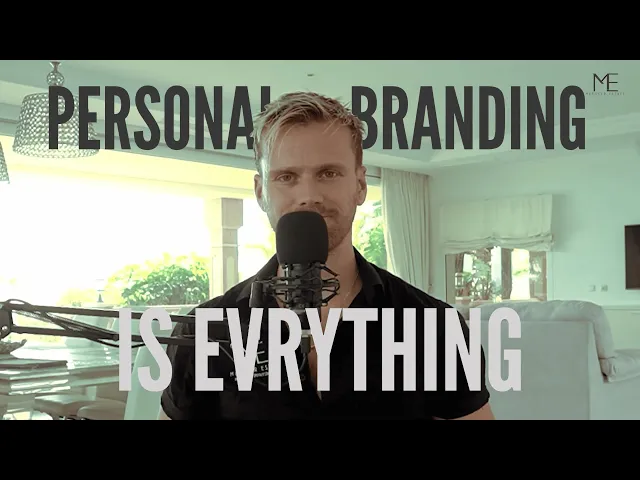
See how HSF helped Meester Estate build stronger personal branding that connects with viewers and increases creator authority. Watch the video:
How Passive Income From Video Courses Actually Works
Video courses follow a simple idea. You create once, and the lessons keep selling on their own. This makes them powerful digital products because students can join anytime while you continue focusing on new work or new content.
One-Time Creation, Repeated Earnings
A creator records the course only once, and that single effort keeps generating sales for a long time. Students access the lessons at any time, which allows the creator to keep earning without needing to repeat the teaching or update every module.
Scalable Revenue With Zero Additional Time Per Student
A creator’s workload stays the same whether ten students or thousands enroll. The platform handles delivery, and the lessons run automatically. This lets creators scale income without increasing their hours, making video courses a stable and efficient long-term asset.
Long Term Monetization Through Updates, Bonuses, Re-launches
Small improvements can refresh an older course. Adding bonus lessons, updating examples, or hosting occasional re-launches helps maintain interest. These light updates attract new learners and often bring back previous buyers who want to see the upgraded content.
Read more: How to Monetize Your Video Content Beyond Ads
Main Revenue Streams Creators Can Earn From Video Courses
Creators can build multiple income layers from one course. Different formats and add-ons give students more value while increasing overall earning potential. These streams grow over time as more students join and engage with related learning experiences.
Course revenue: Earnings from individual course sales continue as new students enroll. Each purchase adds steady income without additional time or effort from the creator.
Course bundles: Multiple related courses are packaged together to increase value. Bundles attract higher ticket buyers and help creators boost overall earnings with a single combined offering.
Membership community upsells: Creators offer ongoing access to private communities or monthly sessions. This builds recurring income while giving learners support, accountability, and deeper guidance beyond the main course.
Corporate licensing opportunities: Companies license the course for employee training. This brings larger, predictable payments and helps creators expand their reach into professional teams with minimal extra work.
Choosing The Right Profitable Video Course Topic
A strong course topic starts with understanding what people already look for. Your audience will often reveal their needs through comments, direct messages, YouTube analytics, and questions that come up during live streams. These signals show the problems learners want solved most.
Before recording, it helps to validate whether the idea has real demand. Creators often test interest through pre-sales, quick surveys, pilot cohorts, or short-form videos. These small experiments confirm what people are willing to pay for and reduce the chance of building a course no one needs.
The best topics focus on a clear transformation. Students want a visible outcome they can achieve. For example, creators teach niche subjects like mobile photography basics, home workout planning, or beginner-friendly coding. These focused ideas perform well in the growing online learning space.
Structuring Your Course For Maximum Engagement And Passive Sales
A well-structured course helps learners stay focused and complete more lessons. Clear modules, mixed formats, and short videos create a smooth experience that supports steady sales and long-term student satisfaction.
Break content into clear transformational modules: Build five to eight modules, each divided into five to ten micro lessons. This structure guides learners step by step and keeps the entire journey simple, organised, and easy to complete without overwhelm.
Mix formats for better learning: Combine talking head clips, screen recordings, over-the-shoulder demos, b-roll, and guided voiceovers. Add worksheets or assignments to help students apply concepts and stay engaged through different visual and interactive formats.
Keep lessons short and video first: Create lessons between three and seven minutes to match 2025 online learning preferences. Short videos help students complete modules faster and understand concepts clearly without feeling tired or overloaded.
Production Quality Matters For Passive Income: Here’s Why
High-quality videos help students trust the content instantly. Clear visuals and good audio make the lessons feel polished, which increases perceived value. This also supports premium pricing, lowers refund rates, and helps learners stay engaged until the final module.
Creators do not always need an advanced setup to start. Basic lighting, clean audio, and a simple background are enough for most beginner courses. These small upgrades make the viewing experience smooth and allow students to focus on learning instead of distractions in the frame.
Professional production becomes important for larger projects. Multi-module programs, long-term evergreen funnels, and courses priced above mid ticket ranges perform better with a refined look. This is especially true for brand-sensitive niches like coaching, photography, design, and business.
Read more: Why Creators Need High-Quality Videos to Succeed on YouTube in 2025
Hosting, Pricing, And Selling Your Video Course
Selling a course becomes easier when the hosting platform, pricing plan, and sales method all work together. A clear setup helps students trust the experience and allows creators to earn consistently without unnecessary complications.
Choosing The Right Platform
Thinkific, Kajabi, and Teachable give creators controlled course hosting with simple tools. Thinkific is clean for students, Kajabi adds built-in marketing, and Teachable is beginner-friendly. Marketplaces like Udemy and Skillshare offer reach but lower revenue. Some creators prefer self-hosted websites for full ownership and custom branding.
Pricing Strategies
Outcome-based pricing works well because students value results. Tiered access, such as basic, advanced, or complete bundles, helps learners choose their comfort level. Bonuses like templates, checklists, or short extra lessons increase conversions, making the overall offer feel stronger and more useful.
Evergreen Funnels vs Launch-Based Sales
Evergreen funnels sell throughout the year and provide steady passive income. Launch-based sales create high bursts of revenue during short windows with focused promotion. Some creators use a hybrid approach that keeps the course always available but adds bigger marketing pushes during planned launch cycles.
Marketing Your Video Course For Recurring Passive Income
Marketing keeps a course visible long after it is launched. Free content funnels built through YouTube tutorials, short reels, or email mini courses attract new learners naturally. These small pieces of value help people understand your teaching style and make them more comfortable with investing in your full course.
Email lists also play a major role. Lead magnets, simple landing pages, and a short three to five email nurture sequence guide interested learners toward enrollment. You can also repurpose course content into free previews, small clips, webinar sessions, or social snippets. Partner creators, companies, and colleges may license your course to reach even more people.
Common Mistakes Creators Make With Video Course Passive Income
Many creators face slow results because of avoidable mistakes. Clear structure, clean audio, and consistent marketing make a major difference. Understanding these common problems helps you build a course that keeps earning over time.
Too much content, too little transformation: Long videos without a clear outcome overwhelm students. A focused transformation keeps learners motivated and improves completion rates, making the course more effective and easier to sell consistently.
Poor audio and visual quality: Weak sound or distracting visuals reduce trust and make students leave early. Simple improvements in lighting and audio help learners stay engaged and feel confident about the material you teach.
Creating only once and never updating: A course needs small updates to stay relevant. Adding fresh examples or bonus lessons keeps interest high and encourages new students to enroll regularly throughout the year.
Not building an email list: Without an email list, creators lose direct access to warm leads. A simple signup process and helpful emails make it easier to convert followers into paying students consistently.
Expecting passive sales without promotion: Even evergreen courses need ongoing visibility. Posting short content, sharing previews, and staying active on social platforms help new audiences discover the course and keep sales steady.
Using only DIY editing when the course is high ticket: High-priced courses require polished visuals. Professional-looking videos build trust, support premium pricing, and align with students' expectations for advanced learning experiences.
Read more: Top Mistakes New YouTube Educators Make (and How to Avoid Them)
How House Sparrow Films Helps Creators Build Successful Video Courses
House Sparrow Films supports creators by transforming raw ideas into clear, structured lessons that students can follow easily. The team helps shape scripts and builds curricula that guide learners from the first module to the final outcome. Professional filming with multi-camera setups, either in studio or on location, gives every course a clean, brand-aligned look. Editing and motion graphics add polish through smooth transitions, strong intros, helpful on-screen visuals, and complete content library delivery. Creators also receive marketing assets like teasers, promo videos, and social cutdowns to promote their course with confidence.
Conclusion
Video courses help creators build a steady income from work recorded once and sold for years. With the right topic, a simple structure, clean production, a reliable hosting platform, and consistent marketing, the entire system becomes a strong long-term asset. Well-planned lessons guide learners clearly, and polished visuals make the course feel trustworthy. This is how creator video courses continue to perform even when you focus on new projects. If you want a team that handles scripting, filming, editing, and packaging with professional clarity, reach House Sparrow Films and start your course journey today.
FAQs
What is the minimum audience size needed to launch a video course?
You do not need a big audience to start. Even creators with a small but engaged following can sell courses successfully. Trust, clarity, and solving a real problem matter more than follower count.How long does it take to create a complete video course?
Most creators take three to six weeks to plan, script, film, and edit a full course. The timeline depends on how many modules you create and whether you use DIY or professional production.How much passive income can creators realistically earn from video courses?
Income varies widely. Some creators earn a few thousand per month, while others build strong recurring revenue. Results depend on topic demand, pricing, platform choice, and consistent marketing.Do I need professional filming to sell a video course?
It is not mandatory, but high-quality video and audio increase perceived value and allow higher pricing. Professional production is especially useful for evergreen or premium courses.How often should I update my video course?
Creators typically update their course every 6 to 12 months to refresh lessons, add new examples, or include bonus content. Updating keeps the course relevant and maintains long-term sales.
Key takeaways
Video learning demand continues to rise, giving creators a strong chance to turn skills into income.
A well-structured course becomes a reusable digital product that can sell for years with minimal upkeep.
Short, clear lessons improve completion rates and make students more satisfied with the learning journey.
Choosing a focused topic with a clear outcome helps the course attract the right buyers.
Steady marketing through free content, email lists, and small updates keeps passive income growing over time.
More learners now prefer video lessons over long text guides, which is why creators see a steady rise in demand for structured online courses. Short clips on YouTube, Instagram, and TikTok have taught people to learn visually, and this shift has opened the door for creators to turn their skills into lasting digital products. Industry data shows strong momentum. Statista reports that the global online learning market may cross 350 billion dollars by 2025. This growth creates a clear opportunity for creators who want to build assets that earn even while they focus on other work. When planned and recorded well, creator video courses become a long-term source of recurring income.
Why Video Courses Are One Of The Best Passive Income Streams For Creators
Creators choose video courses because they support long-term monetization with very little ongoing work. Once recorded, these lessons keep earning as more students join and learn at their own pace.
Evergreen Digital Products That Sell 24/7
A video course lets creators earn without trading time for money. Once recorded and uploaded, the course continues to sell on its own. Students can buy it at any time and learn at their own pace. Popular platforms handle delivery automatically, so the creator can focus on making more content instead of maintaining the same lessons again and again.
The Global Online Learning Demand
The education market continues to expand very quickly. A recent report on global market growth projects the global eLearning market will reach roughly USD 320.96 billion by 2025, marking a strong growth trend. People are choosing video lessons because they learn faster through demonstrations. Short visual explanations help them complete more modules and stay engaged. External research also shows higher satisfaction when lessons are delivered through clear video formats rather than long text guides.
Creators Already Have An Audience Advantage
Creators who are active on social platforms already have an edge. Their followers trust them, engage with them, and look for deeper knowledge. This loyalty makes it easier to convert viewers into students. When a creator announces a well-designed course, the audience sees it as a natural next step. They already believe in the creator's expertise, and that makes the purchase decision simple.
See how HSF helped Meester Estate build stronger personal branding that connects with viewers and increases creator authority. Watch the video:
How Passive Income From Video Courses Actually Works
Video courses follow a simple idea. You create once, and the lessons keep selling on their own. This makes them powerful digital products because students can join anytime while you continue focusing on new work or new content.
One-Time Creation, Repeated Earnings
A creator records the course only once, and that single effort keeps generating sales for a long time. Students access the lessons at any time, which allows the creator to keep earning without needing to repeat the teaching or update every module.
Scalable Revenue With Zero Additional Time Per Student
A creator’s workload stays the same whether ten students or thousands enroll. The platform handles delivery, and the lessons run automatically. This lets creators scale income without increasing their hours, making video courses a stable and efficient long-term asset.
Long Term Monetization Through Updates, Bonuses, Re-launches
Small improvements can refresh an older course. Adding bonus lessons, updating examples, or hosting occasional re-launches helps maintain interest. These light updates attract new learners and often bring back previous buyers who want to see the upgraded content.
Read more: How to Monetize Your Video Content Beyond Ads
Main Revenue Streams Creators Can Earn From Video Courses
Creators can build multiple income layers from one course. Different formats and add-ons give students more value while increasing overall earning potential. These streams grow over time as more students join and engage with related learning experiences.
Course revenue: Earnings from individual course sales continue as new students enroll. Each purchase adds steady income without additional time or effort from the creator.
Course bundles: Multiple related courses are packaged together to increase value. Bundles attract higher ticket buyers and help creators boost overall earnings with a single combined offering.
Membership community upsells: Creators offer ongoing access to private communities or monthly sessions. This builds recurring income while giving learners support, accountability, and deeper guidance beyond the main course.
Corporate licensing opportunities: Companies license the course for employee training. This brings larger, predictable payments and helps creators expand their reach into professional teams with minimal extra work.
Choosing The Right Profitable Video Course Topic
A strong course topic starts with understanding what people already look for. Your audience will often reveal their needs through comments, direct messages, YouTube analytics, and questions that come up during live streams. These signals show the problems learners want solved most.
Before recording, it helps to validate whether the idea has real demand. Creators often test interest through pre-sales, quick surveys, pilot cohorts, or short-form videos. These small experiments confirm what people are willing to pay for and reduce the chance of building a course no one needs.
The best topics focus on a clear transformation. Students want a visible outcome they can achieve. For example, creators teach niche subjects like mobile photography basics, home workout planning, or beginner-friendly coding. These focused ideas perform well in the growing online learning space.
Structuring Your Course For Maximum Engagement And Passive Sales
A well-structured course helps learners stay focused and complete more lessons. Clear modules, mixed formats, and short videos create a smooth experience that supports steady sales and long-term student satisfaction.
Break content into clear transformational modules: Build five to eight modules, each divided into five to ten micro lessons. This structure guides learners step by step and keeps the entire journey simple, organised, and easy to complete without overwhelm.
Mix formats for better learning: Combine talking head clips, screen recordings, over-the-shoulder demos, b-roll, and guided voiceovers. Add worksheets or assignments to help students apply concepts and stay engaged through different visual and interactive formats.
Keep lessons short and video first: Create lessons between three and seven minutes to match 2025 online learning preferences. Short videos help students complete modules faster and understand concepts clearly without feeling tired or overloaded.
Production Quality Matters For Passive Income: Here’s Why
High-quality videos help students trust the content instantly. Clear visuals and good audio make the lessons feel polished, which increases perceived value. This also supports premium pricing, lowers refund rates, and helps learners stay engaged until the final module.
Creators do not always need an advanced setup to start. Basic lighting, clean audio, and a simple background are enough for most beginner courses. These small upgrades make the viewing experience smooth and allow students to focus on learning instead of distractions in the frame.
Professional production becomes important for larger projects. Multi-module programs, long-term evergreen funnels, and courses priced above mid ticket ranges perform better with a refined look. This is especially true for brand-sensitive niches like coaching, photography, design, and business.
Read more: Why Creators Need High-Quality Videos to Succeed on YouTube in 2025
Hosting, Pricing, And Selling Your Video Course
Selling a course becomes easier when the hosting platform, pricing plan, and sales method all work together. A clear setup helps students trust the experience and allows creators to earn consistently without unnecessary complications.
Choosing The Right Platform
Thinkific, Kajabi, and Teachable give creators controlled course hosting with simple tools. Thinkific is clean for students, Kajabi adds built-in marketing, and Teachable is beginner-friendly. Marketplaces like Udemy and Skillshare offer reach but lower revenue. Some creators prefer self-hosted websites for full ownership and custom branding.
Pricing Strategies
Outcome-based pricing works well because students value results. Tiered access, such as basic, advanced, or complete bundles, helps learners choose their comfort level. Bonuses like templates, checklists, or short extra lessons increase conversions, making the overall offer feel stronger and more useful.
Evergreen Funnels vs Launch-Based Sales
Evergreen funnels sell throughout the year and provide steady passive income. Launch-based sales create high bursts of revenue during short windows with focused promotion. Some creators use a hybrid approach that keeps the course always available but adds bigger marketing pushes during planned launch cycles.
Marketing Your Video Course For Recurring Passive Income
Marketing keeps a course visible long after it is launched. Free content funnels built through YouTube tutorials, short reels, or email mini courses attract new learners naturally. These small pieces of value help people understand your teaching style and make them more comfortable with investing in your full course.
Email lists also play a major role. Lead magnets, simple landing pages, and a short three to five email nurture sequence guide interested learners toward enrollment. You can also repurpose course content into free previews, small clips, webinar sessions, or social snippets. Partner creators, companies, and colleges may license your course to reach even more people.
Common Mistakes Creators Make With Video Course Passive Income
Many creators face slow results because of avoidable mistakes. Clear structure, clean audio, and consistent marketing make a major difference. Understanding these common problems helps you build a course that keeps earning over time.
Too much content, too little transformation: Long videos without a clear outcome overwhelm students. A focused transformation keeps learners motivated and improves completion rates, making the course more effective and easier to sell consistently.
Poor audio and visual quality: Weak sound or distracting visuals reduce trust and make students leave early. Simple improvements in lighting and audio help learners stay engaged and feel confident about the material you teach.
Creating only once and never updating: A course needs small updates to stay relevant. Adding fresh examples or bonus lessons keeps interest high and encourages new students to enroll regularly throughout the year.
Not building an email list: Without an email list, creators lose direct access to warm leads. A simple signup process and helpful emails make it easier to convert followers into paying students consistently.
Expecting passive sales without promotion: Even evergreen courses need ongoing visibility. Posting short content, sharing previews, and staying active on social platforms help new audiences discover the course and keep sales steady.
Using only DIY editing when the course is high ticket: High-priced courses require polished visuals. Professional-looking videos build trust, support premium pricing, and align with students' expectations for advanced learning experiences.
Read more: Top Mistakes New YouTube Educators Make (and How to Avoid Them)
How House Sparrow Films Helps Creators Build Successful Video Courses
House Sparrow Films supports creators by transforming raw ideas into clear, structured lessons that students can follow easily. The team helps shape scripts and builds curricula that guide learners from the first module to the final outcome. Professional filming with multi-camera setups, either in studio or on location, gives every course a clean, brand-aligned look. Editing and motion graphics add polish through smooth transitions, strong intros, helpful on-screen visuals, and complete content library delivery. Creators also receive marketing assets like teasers, promo videos, and social cutdowns to promote their course with confidence.
Conclusion
Video courses help creators build a steady income from work recorded once and sold for years. With the right topic, a simple structure, clean production, a reliable hosting platform, and consistent marketing, the entire system becomes a strong long-term asset. Well-planned lessons guide learners clearly, and polished visuals make the course feel trustworthy. This is how creator video courses continue to perform even when you focus on new projects. If you want a team that handles scripting, filming, editing, and packaging with professional clarity, reach House Sparrow Films and start your course journey today.
FAQs
What is the minimum audience size needed to launch a video course?
You do not need a big audience to start. Even creators with a small but engaged following can sell courses successfully. Trust, clarity, and solving a real problem matter more than follower count.How long does it take to create a complete video course?
Most creators take three to six weeks to plan, script, film, and edit a full course. The timeline depends on how many modules you create and whether you use DIY or professional production.How much passive income can creators realistically earn from video courses?
Income varies widely. Some creators earn a few thousand per month, while others build strong recurring revenue. Results depend on topic demand, pricing, platform choice, and consistent marketing.Do I need professional filming to sell a video course?
It is not mandatory, but high-quality video and audio increase perceived value and allow higher pricing. Professional production is especially useful for evergreen or premium courses.How often should I update my video course?
Creators typically update their course every 6 to 12 months to refresh lessons, add new examples, or include bonus content. Updating keeps the course relevant and maintains long-term sales.