Key takeaways
Post-production is what transforms raw instructional footage into structured learning experiences that align with how audiences in the USA consume and retain information.
Editing, pacing, and visual reinforcement directly influence whether learners stay engaged or drop off before completing a course.
Accessibility features such as captions, transcripts, and clear audio are not optional in the US, making post-production essential for compliance and inclusivity.
High-quality post-production builds credibility for institutions and brands, while poor execution can reduce trust even if the content itself is valuable.
Effective post-production ensures e-learning videos are optimised for multiple platforms, from LMS systems to mobile devices, enabling scalability and consistent delivery.
Even the most well-scripted training content can fail when execution falls short, making eLearning video editing essential. In the US, corporate training teams, universities, and EdTech platforms operate in a highly competitive environment where learners expect seamless, high-quality video. Poor editing, uneven audio, or slow pacing can quickly reduce engagement and disrupt understanding.
The expectation is shaped by streaming platforms, where polished visuals and structured delivery are standard. Research shows video-based learning can improve retention by 25% to 60% compared to traditional methods. Without strong post-production, even valuable content struggles to hold attention or drive completion.
The Importance of Post-Production for E-learning Videos in the USA
The impact of postproduction services USA goes far beyond improving how a video looks. It directly shapes how learners interact with content, how much they retain, and whether they complete a course. In the US, where learning systems are structured and expectations are high, post-production becomes essential to delivering effective and scalable e-learning experiences.
1. It Directly Impacts Learning Retention in Structured USA Training Programs
US-based LMS platforms rely on microlearning, where content must be clear, concise, and logically structured. Post-production transforms raw footage into well-organised modules that improve understanding and retention.
Structured segmentation: Breaks long recordings into focused modules that align with microlearning formats used across USA platforms.
Visual reinforcement: Adds on-screen text, highlights, and diagrams to support concepts and improve understanding effectively.
Cognitive load reduction: Removes distractions and improves pacing so learners process information without feeling overwhelmed or confused.
2. It Determines Whether Learners Complete or Drop Off
Learners in the USA expect content that is fast-paced, clear, and purposeful. Poorly edited videos often include dead air, repeated explanations, or uneven audio, which quickly leads to disengagement.
Post-production improves completion rates by:
Eliminating unnecessary pauses and filler content
Maintaining consistent pacing throughout the video
Ensuring smooth transitions between topics
When every second of the video feels intentional, learners are more likely to stay engaged and complete the course.
3. It Ensures Compliance with USA Accessibility Standards (ADA & WCAG)
Accessibility is a mandatory requirement in the US, particularly for educational institutions and corporate training programs. Features such as closed captions, transcripts, and clear audio are not optional but essential for compliance with ADA and WCAG guidelines.
Post-production is where these accessibility layers are implemented. Editors integrate accurate captions, synchronise text with speech, and ensure visual clarity for all learners. Failing to meet these standards can lead to legal risks, limited reach, and damage to brand reputation, making accessibility-focused editing a critical step in the process.
4. It Builds Credibility for USA Corporate and Academic Audiences
In the US, e-learning videos often represent the authority of a brand, institution, or organisation. Corporate training modules are expected to reflect professionalism, while universities and EdTech platforms demand a high level of visual and instructional quality.
Post-production ensures consistency in tone, visuals, and delivery. Clean edits, balanced audio, and well-integrated graphics create a polished experience that builds trust. On the other hand, poorly edited videos can undermine credibility, making even well-researched content appear less reliable or outdated.
5. It Adapts Content for Multi-Platform Delivery in the USA Market
E-learning content must function seamlessly across multiple platforms, devices, and systems used throughout the US.
Format optimisation: Adjusts resolution, aspect ratios, and compression for consistent playback across devices and platforms.
LMS compatibility: Prepares content for systems like SCORM, ensuring seamless integration into learning management environments.
Device adaptability: Ensures videos perform well on mobile, desktop, and enterprise systems without compromising quality.
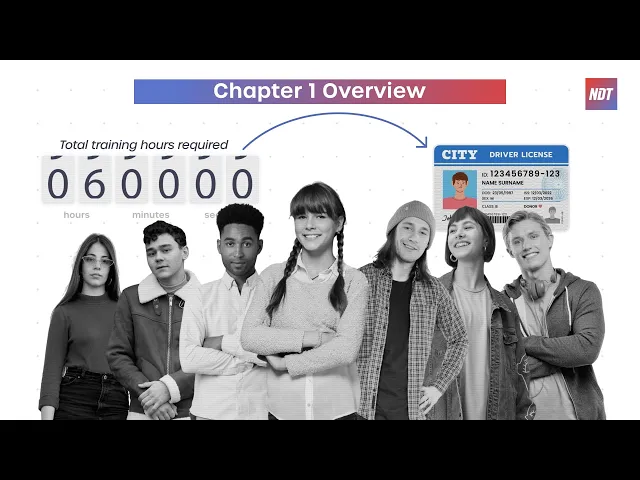
See how HSF helped NDT transform complex training content into a structured, easy-to-follow learning experience with impactful post-production. Watch the video:
What Happens During Post-Production of E-learning Videos in the USA
Post-production is where raw educational footage is shaped into structured, engaging learning content. In the US, this process is closely aligned with instructional design, accessibility standards, and platform requirements. Course video editing focuses not just on refining visuals, but on improving how effectively learners understand and retain information.
Instruction-Led Editing (Not Just Cutting Clips)
Editing is driven by learning objectives, not just visuals. The goal is to create a clear and logical flow that supports understanding.
Align visuals with objectives
Structure content into modules
Remove redundant explanations
Audio Precision for American English Clarity
Audio refinement is a critical part of post-production, especially for diverse USA audiences. Background noise is eliminated, voice levels are balanced, and speech clarity is enhanced to ensure consistency throughout the video. This makes the content accessible and easy to follow, regardless of the learner’s environment or familiarity with different accents.
Visual Reinforcement Through Motion Graphics
Visual elements play a major role in simplifying complex concepts, especially in USA EdTech platforms where learners expect guided, visual learning.
On-screen keywords: Highlights important terms to reinforce learning and help learners quickly identify key concepts.
Diagram integration: Uses charts and visuals to simplify complex ideas and improve conceptual understanding effectively.
Instructional annotations: Adds arrows, callouts, and markers that guide attention and support step-by-step explanations.
Captioning, Subtitles, and Transcripts
Accessibility features are essential in USA e-learning environments and are implemented during post-production to meet compliance standards.
Closed captions: Provides accurate subtitles that support accessibility requirements and improve comprehension for all learners.
Transcript creation: Offers text-based content that enhances accessibility, supports revision, and improves content usability across platforms.
SEO advantage: Improves discoverability by making video content searchable and indexable through text-based elements.
Post-production is what turns recorded lessons into effective learning experiences. Schedule a consultation with House Sparrow Films to enhance your course video editing and deliver high-quality e-learning content for USA audiences.
How Post-Production Shapes Learning Behaviour in USA Audiences
Learning behaviour in the USA is strongly influenced by digital consumption habits, where attention spans are shorter and expectations are higher. This is where instructional video editing plays a key role, shaping how information is presented, paced, and absorbed. Well-edited videos reduce distractions and guide learners through content efficiently, making it easier to stay focused and process information without overload.
USA learners increasingly expect visually guided learning rather than passive lecture-style delivery. Edited videos integrate visuals, motion cues, and structured flow, which align with how modern audiences consume content. Studies show learners can retain up to 95% of information through video compared to 10% from text, highlighting the impact of well-structured visual learning.
There is also a clear preference for short, structured content that fits into busy schedules. Post-production enables this by breaking videos into bite-sized modules with clear transitions and focus points. This approach improves engagement, reduces drop-offs, and encourages consistent learning behaviour across platforms.
Why Post-Production Matters More in the USA E-learning Market
“People do not remember information the way it is presented, they remember how clearly it was delivered.” – John Medina, developmental molecular biologist and author of Brain Rules. This insight is especially relevant in the USA e-learning market, where learners expect clarity, structure, and high production quality. With increasing competition across corporate training and EdTech platforms, post-production plays a defining role in shaping learner outcomes, engagement levels, and overall course effectiveness.
Impact of Post-Production on USA E-learning Metrics:
Metric | Poor Post-Production | Professional Post-Production |
Completion Rate | Low | High |
Engagement Time | Short | Extended |
Retention | Weak | Strong |
Learner Satisfaction | Negative | Positive |
Read more: Top Trends in Corporate Training Video Production for 2025
Post-Production Techniques That Specifically Improve E-learning Outcomes
Effective training video postproduction is not just about refining visuals, it is about shaping how learners interact with content. In the US, where learning formats are structured and outcome-driven, specific post-production techniques play a direct role in improving engagement, clarity, and retention.
Microlearning Editing and Content Chunking
Long lectures are broken into shorter, focused modules that are easier to consume and revisit. This approach aligns with corporate training formats, where learners prefer quick, targeted learning sessions that fit into their schedules without overwhelming them.
Visual Hierarchy and On-Screen Text
Post-production introduces structured visuals that guide attention to what matters most. Key concepts are highlighted through on-screen text and visual cues, helping learners process information efficiently while preventing cognitive overload.
Pacing and Timing Optimization
Careful editing ensures that content flows smoothly without unnecessary pauses or rushed explanations. Strategic timing, including well-placed transitions and pauses, keeps learners engaged and allows them to absorb information at a comfortable pace.
Consistent Branding for Institutional Content
For USA universities and enterprises, consistency in visual identity is essential. Post-production maintains uniform colours, typography, and design elements across modules, reinforcing brand credibility and creating a cohesive learning experience.
Read more: Interactive Learning Videos: Tools and Techniques
Common Post-Production Gaps in USA E-learning Videos
Even organisations working with the best corporate training video production company can encounter gaps when post-production is not aligned with instructional goals and USA standards. These issues often impact engagement, accessibility, and the overall effectiveness of learning content.
Accessibility gaps: Missing captions and transcripts limit inclusivity and risk non-compliance with USA accessibility standards.
Excessive animations: Unnecessary visual effects distract learners instead of supporting clarity and concept understanding.
Audio inconsistencies: Poor mixing creates uneven sound levels, making content difficult to follow across devices.
Unstructured flow: Disorganised sequencing confuses learners and reduces clarity in delivering key concepts effectively.
Formatting inconsistencies: Lack of uniform design across modules weakens professionalism and disrupts the learning experience.
Why US-Based E-learning Companies Outsource Post-Production Globally
US-based e-learning companies often outsource post-production to meet growing content demands without slowing down delivery timelines. The need for scalability and faster turnaround becomes critical as organisations produce large volumes of training and educational content across multiple formats. Outsourcing also provides access to specialised instructional video editors who understand structured learning, accessibility requirements, and platform-specific needs. At the same time, it offers cost efficiency by reducing in-house production overheads while maintaining high-quality output, allowing companies to scale content production without compromising on learning effectiveness or professional standards.
Read more: Choosing a Video Production Partner for Coaches in the USA
Step-by-Step Post-Production Workflow for E-learning Videos
An effective post-production for e-learning videos follows a structured workflow to ensure clarity, engagement, and platform readiness for USA audiences.
Step 1: Content review: Footage is evaluated against learning objectives to ensure alignment, clarity, and instructional accuracy.
Step 2: Modular structuring: Raw content is divided into clear segments that support microlearning and logical content progression.
Step 3: Audio enhancement: Background noise is removed and voice levels are balanced for consistent and clear listening quality.
Step 4: Graphics integration: Motion graphics and visual elements are added to reinforce concepts and guide learner attention.
Step 5: Accessibility layering: Captions, subtitles, and transcripts are integrated to meet USA compliance and improve usability.
Step 6: LMS optimisation: Final videos are formatted for seamless delivery across LMS platforms, devices, and screen sizes.
How House Sparrow Films Delivers Post-Production for USA E-learning Standards
House Sparrow Films brings extensive experience working with global clients, including organisations targeting the e-learning market. This exposure helps the team understand platform expectations, learner behaviour, and the need for structured, scalable content across corporate training and academic environments.
The focus goes beyond visuals, prioritising instructional clarity in every project. Post-production workflows are designed to integrate accessibility features such as captions and transcripts, while ensuring videos are optimised for LMS platforms. This approach ensures content is not only visually refined but also compliant, functional, and effective for diverse USA audiences.
Conclusion
No matter how strong the content is, it fails to deliver results without effective post-production. In the US, where learners expect clarity, speed, and accessibility, eLearning video editing becomes essential to ensure content is structured, engaging, and easy to follow. From improving retention to meeting compliance standards, post-production directly shapes both learning outcomes and how a brand is perceived. Investing in this stage is not optional but necessary for success in a competitive market. Connect with House Sparrow Films to elevate your e-learning videos with expert post-production that delivers real impact.
FAQs
1. Why is post-production important in e-learning videos?
Post-production ensures that content is clear, structured, and engaging, which directly improves learner retention and completion rates.
2. What are the key elements included in post-production for e-learning?
It typically includes editing, audio enhancement, motion graphics, captioning, and optimisation for different learning platforms.
3. How does post-production improve learner engagement?
By removing distractions, improving pacing, and adding visual cues, post-production keeps learners focused and interested throughout the video.
4. Are captions and transcripts necessary for e-learning videos in the US?
Yes, they are essential for accessibility compliance and help make content usable for a wider audience.
5. Should companies outsource post-production for e-learning videos?
Outsourcing provides access to specialised expertise, faster turnaround, and scalable production without compromising on quality.
Key takeaways
Post-production is what transforms raw instructional footage into structured learning experiences that align with how audiences in the USA consume and retain information.
Editing, pacing, and visual reinforcement directly influence whether learners stay engaged or drop off before completing a course.
Accessibility features such as captions, transcripts, and clear audio are not optional in the US, making post-production essential for compliance and inclusivity.
High-quality post-production builds credibility for institutions and brands, while poor execution can reduce trust even if the content itself is valuable.
Effective post-production ensures e-learning videos are optimised for multiple platforms, from LMS systems to mobile devices, enabling scalability and consistent delivery.
Even the most well-scripted training content can fail when execution falls short, making eLearning video editing essential. In the US, corporate training teams, universities, and EdTech platforms operate in a highly competitive environment where learners expect seamless, high-quality video. Poor editing, uneven audio, or slow pacing can quickly reduce engagement and disrupt understanding.
The expectation is shaped by streaming platforms, where polished visuals and structured delivery are standard. Research shows video-based learning can improve retention by 25% to 60% compared to traditional methods. Without strong post-production, even valuable content struggles to hold attention or drive completion.
The Importance of Post-Production for E-learning Videos in the USA
The impact of postproduction services USA goes far beyond improving how a video looks. It directly shapes how learners interact with content, how much they retain, and whether they complete a course. In the US, where learning systems are structured and expectations are high, post-production becomes essential to delivering effective and scalable e-learning experiences.
1. It Directly Impacts Learning Retention in Structured USA Training Programs
US-based LMS platforms rely on microlearning, where content must be clear, concise, and logically structured. Post-production transforms raw footage into well-organised modules that improve understanding and retention.
Structured segmentation: Breaks long recordings into focused modules that align with microlearning formats used across USA platforms.
Visual reinforcement: Adds on-screen text, highlights, and diagrams to support concepts and improve understanding effectively.
Cognitive load reduction: Removes distractions and improves pacing so learners process information without feeling overwhelmed or confused.
2. It Determines Whether Learners Complete or Drop Off
Learners in the USA expect content that is fast-paced, clear, and purposeful. Poorly edited videos often include dead air, repeated explanations, or uneven audio, which quickly leads to disengagement.
Post-production improves completion rates by:
Eliminating unnecessary pauses and filler content
Maintaining consistent pacing throughout the video
Ensuring smooth transitions between topics
When every second of the video feels intentional, learners are more likely to stay engaged and complete the course.
3. It Ensures Compliance with USA Accessibility Standards (ADA & WCAG)
Accessibility is a mandatory requirement in the US, particularly for educational institutions and corporate training programs. Features such as closed captions, transcripts, and clear audio are not optional but essential for compliance with ADA and WCAG guidelines.
Post-production is where these accessibility layers are implemented. Editors integrate accurate captions, synchronise text with speech, and ensure visual clarity for all learners. Failing to meet these standards can lead to legal risks, limited reach, and damage to brand reputation, making accessibility-focused editing a critical step in the process.
4. It Builds Credibility for USA Corporate and Academic Audiences
In the US, e-learning videos often represent the authority of a brand, institution, or organisation. Corporate training modules are expected to reflect professionalism, while universities and EdTech platforms demand a high level of visual and instructional quality.
Post-production ensures consistency in tone, visuals, and delivery. Clean edits, balanced audio, and well-integrated graphics create a polished experience that builds trust. On the other hand, poorly edited videos can undermine credibility, making even well-researched content appear less reliable or outdated.
5. It Adapts Content for Multi-Platform Delivery in the USA Market
E-learning content must function seamlessly across multiple platforms, devices, and systems used throughout the US.
Format optimisation: Adjusts resolution, aspect ratios, and compression for consistent playback across devices and platforms.
LMS compatibility: Prepares content for systems like SCORM, ensuring seamless integration into learning management environments.
Device adaptability: Ensures videos perform well on mobile, desktop, and enterprise systems without compromising quality.
See how HSF helped NDT transform complex training content into a structured, easy-to-follow learning experience with impactful post-production. Watch the video:
What Happens During Post-Production of E-learning Videos in the USA
Post-production is where raw educational footage is shaped into structured, engaging learning content. In the US, this process is closely aligned with instructional design, accessibility standards, and platform requirements. Course video editing focuses not just on refining visuals, but on improving how effectively learners understand and retain information.
Instruction-Led Editing (Not Just Cutting Clips)
Editing is driven by learning objectives, not just visuals. The goal is to create a clear and logical flow that supports understanding.
Align visuals with objectives
Structure content into modules
Remove redundant explanations
Audio Precision for American English Clarity
Audio refinement is a critical part of post-production, especially for diverse USA audiences. Background noise is eliminated, voice levels are balanced, and speech clarity is enhanced to ensure consistency throughout the video. This makes the content accessible and easy to follow, regardless of the learner’s environment or familiarity with different accents.
Visual Reinforcement Through Motion Graphics
Visual elements play a major role in simplifying complex concepts, especially in USA EdTech platforms where learners expect guided, visual learning.
On-screen keywords: Highlights important terms to reinforce learning and help learners quickly identify key concepts.
Diagram integration: Uses charts and visuals to simplify complex ideas and improve conceptual understanding effectively.
Instructional annotations: Adds arrows, callouts, and markers that guide attention and support step-by-step explanations.
Captioning, Subtitles, and Transcripts
Accessibility features are essential in USA e-learning environments and are implemented during post-production to meet compliance standards.
Closed captions: Provides accurate subtitles that support accessibility requirements and improve comprehension for all learners.
Transcript creation: Offers text-based content that enhances accessibility, supports revision, and improves content usability across platforms.
SEO advantage: Improves discoverability by making video content searchable and indexable through text-based elements.
Post-production is what turns recorded lessons into effective learning experiences. Schedule a consultation with House Sparrow Films to enhance your course video editing and deliver high-quality e-learning content for USA audiences.
How Post-Production Shapes Learning Behaviour in USA Audiences
Learning behaviour in the USA is strongly influenced by digital consumption habits, where attention spans are shorter and expectations are higher. This is where instructional video editing plays a key role, shaping how information is presented, paced, and absorbed. Well-edited videos reduce distractions and guide learners through content efficiently, making it easier to stay focused and process information without overload.
USA learners increasingly expect visually guided learning rather than passive lecture-style delivery. Edited videos integrate visuals, motion cues, and structured flow, which align with how modern audiences consume content. Studies show learners can retain up to 95% of information through video compared to 10% from text, highlighting the impact of well-structured visual learning.
There is also a clear preference for short, structured content that fits into busy schedules. Post-production enables this by breaking videos into bite-sized modules with clear transitions and focus points. This approach improves engagement, reduces drop-offs, and encourages consistent learning behaviour across platforms.
Why Post-Production Matters More in the USA E-learning Market
“People do not remember information the way it is presented, they remember how clearly it was delivered.” – John Medina, developmental molecular biologist and author of Brain Rules. This insight is especially relevant in the USA e-learning market, where learners expect clarity, structure, and high production quality. With increasing competition across corporate training and EdTech platforms, post-production plays a defining role in shaping learner outcomes, engagement levels, and overall course effectiveness.
Impact of Post-Production on USA E-learning Metrics:
Metric | Poor Post-Production | Professional Post-Production |
Completion Rate | Low | High |
Engagement Time | Short | Extended |
Retention | Weak | Strong |
Learner Satisfaction | Negative | Positive |
Read more: Top Trends in Corporate Training Video Production for 2025
Post-Production Techniques That Specifically Improve E-learning Outcomes
Effective training video postproduction is not just about refining visuals, it is about shaping how learners interact with content. In the US, where learning formats are structured and outcome-driven, specific post-production techniques play a direct role in improving engagement, clarity, and retention.
Microlearning Editing and Content Chunking
Long lectures are broken into shorter, focused modules that are easier to consume and revisit. This approach aligns with corporate training formats, where learners prefer quick, targeted learning sessions that fit into their schedules without overwhelming them.
Visual Hierarchy and On-Screen Text
Post-production introduces structured visuals that guide attention to what matters most. Key concepts are highlighted through on-screen text and visual cues, helping learners process information efficiently while preventing cognitive overload.
Pacing and Timing Optimization
Careful editing ensures that content flows smoothly without unnecessary pauses or rushed explanations. Strategic timing, including well-placed transitions and pauses, keeps learners engaged and allows them to absorb information at a comfortable pace.
Consistent Branding for Institutional Content
For USA universities and enterprises, consistency in visual identity is essential. Post-production maintains uniform colours, typography, and design elements across modules, reinforcing brand credibility and creating a cohesive learning experience.
Read more: Interactive Learning Videos: Tools and Techniques
Common Post-Production Gaps in USA E-learning Videos
Even organisations working with the best corporate training video production company can encounter gaps when post-production is not aligned with instructional goals and USA standards. These issues often impact engagement, accessibility, and the overall effectiveness of learning content.
Accessibility gaps: Missing captions and transcripts limit inclusivity and risk non-compliance with USA accessibility standards.
Excessive animations: Unnecessary visual effects distract learners instead of supporting clarity and concept understanding.
Audio inconsistencies: Poor mixing creates uneven sound levels, making content difficult to follow across devices.
Unstructured flow: Disorganised sequencing confuses learners and reduces clarity in delivering key concepts effectively.
Formatting inconsistencies: Lack of uniform design across modules weakens professionalism and disrupts the learning experience.
Why US-Based E-learning Companies Outsource Post-Production Globally
US-based e-learning companies often outsource post-production to meet growing content demands without slowing down delivery timelines. The need for scalability and faster turnaround becomes critical as organisations produce large volumes of training and educational content across multiple formats. Outsourcing also provides access to specialised instructional video editors who understand structured learning, accessibility requirements, and platform-specific needs. At the same time, it offers cost efficiency by reducing in-house production overheads while maintaining high-quality output, allowing companies to scale content production without compromising on learning effectiveness or professional standards.
Read more: Choosing a Video Production Partner for Coaches in the USA
Step-by-Step Post-Production Workflow for E-learning Videos
An effective post-production for e-learning videos follows a structured workflow to ensure clarity, engagement, and platform readiness for USA audiences.
Step 1: Content review: Footage is evaluated against learning objectives to ensure alignment, clarity, and instructional accuracy.
Step 2: Modular structuring: Raw content is divided into clear segments that support microlearning and logical content progression.
Step 3: Audio enhancement: Background noise is removed and voice levels are balanced for consistent and clear listening quality.
Step 4: Graphics integration: Motion graphics and visual elements are added to reinforce concepts and guide learner attention.
Step 5: Accessibility layering: Captions, subtitles, and transcripts are integrated to meet USA compliance and improve usability.
Step 6: LMS optimisation: Final videos are formatted for seamless delivery across LMS platforms, devices, and screen sizes.
How House Sparrow Films Delivers Post-Production for USA E-learning Standards
House Sparrow Films brings extensive experience working with global clients, including organisations targeting the e-learning market. This exposure helps the team understand platform expectations, learner behaviour, and the need for structured, scalable content across corporate training and academic environments.
The focus goes beyond visuals, prioritising instructional clarity in every project. Post-production workflows are designed to integrate accessibility features such as captions and transcripts, while ensuring videos are optimised for LMS platforms. This approach ensures content is not only visually refined but also compliant, functional, and effective for diverse USA audiences.
Conclusion
No matter how strong the content is, it fails to deliver results without effective post-production. In the US, where learners expect clarity, speed, and accessibility, eLearning video editing becomes essential to ensure content is structured, engaging, and easy to follow. From improving retention to meeting compliance standards, post-production directly shapes both learning outcomes and how a brand is perceived. Investing in this stage is not optional but necessary for success in a competitive market. Connect with House Sparrow Films to elevate your e-learning videos with expert post-production that delivers real impact.
FAQs
1. Why is post-production important in e-learning videos?
Post-production ensures that content is clear, structured, and engaging, which directly improves learner retention and completion rates.
2. What are the key elements included in post-production for e-learning?
It typically includes editing, audio enhancement, motion graphics, captioning, and optimisation for different learning platforms.
3. How does post-production improve learner engagement?
By removing distractions, improving pacing, and adding visual cues, post-production keeps learners focused and interested throughout the video.
4. Are captions and transcripts necessary for e-learning videos in the US?
Yes, they are essential for accessibility compliance and help make content usable for a wider audience.
5. Should companies outsource post-production for e-learning videos?
Outsourcing provides access to specialised expertise, faster turnaround, and scalable production without compromising on quality.