Key takeaways
Hospitals use educational videos to simplify complex medical information, making it easier for patients to understand procedures and care instructions.
Video-based education helps reduce patient anxiety by clearly showing what to expect before, during, and after treatment.
Standardized video content saves time for healthcare staff by minimizing repetitive explanations and improving communication efficiency.
Patients are more likely to follow treatment plans correctly when information is delivered through engaging and easy-to-understand visuals.
Advanced video technologies like animation and personalization are transforming patient education into a more interactive and accessible experience.
A patient sits in a hospital room, waiting for a procedure, unsure about what will happen next. The doctor explains quickly, but the terms feel complex and hard to remember. This gap between explanation and understanding is common, especially as healthcare communication becomes more technical and time-constrained.
To bridge this, hospitals across the USA are adopting enhanced educational formats like clinical training videos and patient-focused visual content. Research shows that video-based education significantly improves understanding and recall, with most studies reporting better patient knowledge compared to traditional methods . As care becomes more complex, enhanced educational health videos are emerging as a reliable, scalable solution to improve patient experience and communication across modern healthcare systems.
What Are Enhanced Educational Health Videos?
Enhanced educational health videos go beyond basic explainers by combining interactivity, personalization, and advanced visuals. A top corporate training video production agency creates these to improve clarity, engagement, and patient understanding.
Basic explainer videos usually present general information in a one-way format, often using simple visuals and narration. In contrast, enhanced videos are designed for deeper engagement. They include interactive elements, tailored patient journeys, multilingual support, and detailed animations that simplify complex medical concepts while improving retention and accessibility.
Key Features of Modern Healthcare Videos
Modern healthcare videos are designed to improve engagement, clarity, and patient outcomes through advanced features and thoughtful production approaches. These are the key features:
Interactive Elements: Includes quizzes and decision paths, helping patients actively engage and better understand their treatment journey.
2D/3D Medical Animations: Visualise complex medical procedures clearly, making difficult concepts easier to understand for patients.
Multilingual Voiceovers: Offers multiple language options, ensuring accessibility and better understanding for diverse patient populations.
Patient-Specific Personalization: Tailors content based on individual conditions, improving relevance, engagement, and treatment comprehension.
Patient Portal Integration: Seamlessly connects videos with digital portals, allowing easy access anytime during the care journey.
Read more: Engaging Young Audiences with Youth Educational Presenter Video Production in the USA
What Is Driving the Shift Toward Educational Health Videos in USA Hospitals
Hospitals across the United States are prioritising clearer, faster, and more consistent patient communication. Traditional explanations often fall short due to time limits and increasing medical complexity. Educational videos directly address this gap by making information easier to understand, repeat, and retain.
As patient expectations grow and healthcare systems become more outcome-focused, video-based education is becoming a practical solution. It supports better communication, improves efficiency, and enhances overall patient experience across diverse care settings.
Improved Patient Understanding and Recall
Videos help patients grasp complex medical concepts more effectively than written instructions. Visual and auditory learning improves retention, especially during stressful situations. Research shows comprehension can reach 94% with video compared to 69% with text, highlighting a clear advantage in patient education.
Reduced Anxiety Before Procedures
Uncertainty before medical procedures often leads to stress and hesitation among patients. Healthcare compliance videos provide clear, step-by-step visual guidance that explains what to expect, reducing fear of the unknown. When patients see procedures explained in a structured and reassuring way, they feel more prepared, confident, and mentally at ease before treatment.
Higher Patient Satisfaction Scores
Patients who understand their care journey tend to feel more in control and satisfied with their experience. Videos improve clarity, reduce confusion, and create a smoother interaction with healthcare providers. This leads to better feedback scores and stronger trust, which hospitals increasingly prioritise as part of quality care delivery.
Better Treatment Adherence
Clear instructions are essential for successful recovery and long-term health outcomes. Videos reinforce important steps such as medication use, post-care routines, and lifestyle adjustments. When patients understand instructions better, they are more likely to follow them correctly, reducing complications and improving overall treatment adherence.
Time Efficiency for Healthcare Staff
Healthcare professionals often spend significant time repeating the same explanations to different patients. Educational videos standardise communication, allowing staff to focus on more critical tasks. This improves workflow efficiency while ensuring that every patient receives consistent and accurate information without increasing staff workload.
Supports Low Health Literacy Populations
Many patients struggle with medical terminology or lengthy written materials. Videos simplify complex information using visuals, narration, and real-life scenarios. This makes healthcare communication more inclusive and accessible, ensuring that patients from different educational backgrounds can understand their conditions and care instructions more effectively.
Read more: Healthcare Sector Benefits of Training Video for Case Management in the USA
The Science Behind Video-Based Patient Education
Healthcare decisions depend heavily on how well patients understand information. Research across medical communication shows that visual learning improves both comprehension and recall. As hospitals move toward evidence-based communication, video-based education is strongly supported by clinical studies and behavioural science.
Metric | Traditional Methods | Video-Based Education |
Comprehension | Lower | Higher |
Retention | Low (~10%) | High (~95%) |
Anxiety Levels | Higher | Lower |
Engagement | Passive | Active |
Studies show that video-based education significantly improves patient learning outcomes. For instance, around 73% of research studies reported better recall when videos were used instead of traditional methods.
How Educational Health Videos Benefit Hospitals Across Clinical, Operational, and Financial Areas
Educational health videos are helping hospitals improve care quality while optimising internal processes. From better patient outcomes to reduced operational strain, their impact is both immediate and scalable across departments.
Clinical Benefits
Enhanced videos improve how patients understand medical information, especially during critical decision points. This leads to:
Better-informed consent: Patients clearly understand procedures, risks, and expected outcomes before agreeing
Reduced procedural complications: Clear visual instructions help patients follow pre- and post-care steps correctly
Improved patient outcomes: Better understanding leads to safer treatments and smoother recovery journeys
Operational Benefits
Hospitals use video content to streamline communication and reduce inefficiencies in daily workflows. This results in:
Reduced staff workload: Minimises repetitive explanations, allowing doctors and nurses to focus on priority tasks
Standardised communication: Ensures every patient receives consistent and accurate information across departments
Scalable patient education: Easily delivers information to large patient volumes without increasing staff effort
Financial Benefits
Clear and effective communication directly impacts hospital costs and resource utilisation. Key advantages include:
Fewer readmissions: Patients follow instructions correctly, reducing avoidable return visits
Reduced consultation time: Faster understanding shortens patient interactions without compromising quality
Cost-effective training tool: Videos can be reused for staff training, lowering long-term training expenses
If you are planning to create impactful, compliant, and engaging healthcare videos, now is the right time to act. Book a call with House Sparrow Films to explore how high-quality video production can improve patient education, streamline operations, and deliver measurable results for your organisation.
Where Hospitals Use Educational Videos
Hospitals use videos across multiple touchpoints to simplify communication and improve patient outcomes. From pre-surgery instructions to post-discharge care guidance, videos ensure patients clearly understand each stage of their treatment journey. They are also widely used in chronic disease management and medication adherence training, where consistent guidance is critical for long-term care.
Beyond patient education, videos play a key role in medical staff training, helping standardise procedures and improve knowledge sharing. Hospitals also use them in maternity and neonatal care to guide new parents, and in mental health awareness to communicate sensitive information with clarity and empathy.
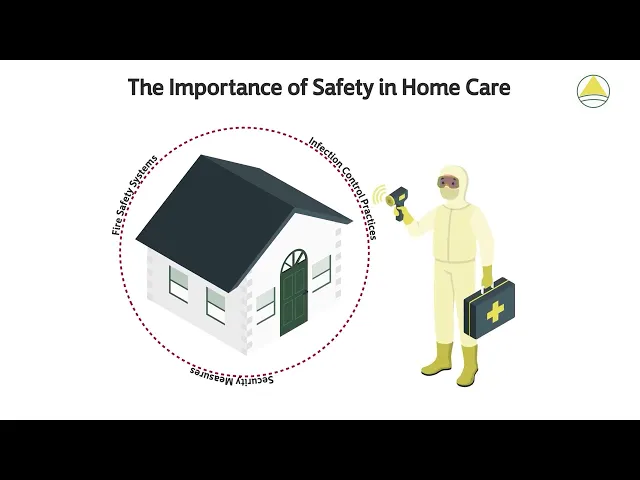
See how HSF helped Chesterfield Health standardise safety training and improve care delivery through structured healthcare videos:
Role of Technology in Enhanced Healthcare Videos
Technology is reshaping how hospitals deliver digital health education, making videos more interactive, personalised, and accessible. Advanced tools enable better engagement, improved understanding, and seamless integration into modern healthcare systems.
AI-driven personalization for tailored patient experiences
Interactive video elements for active learning
AR and VR for immersive medical simulations
Integration with EHR and patient portals
Real-time analytics to track engagement and outcomes
Why Video Outperforms Traditional Patient Education Methods
Traditional patient education methods often rely on text-heavy documents and brief verbal explanations, which can be difficult to understand and remember. In contrast, wellness education videos combine visual and auditory learning, making complex medical information easier to grasp and retain. Patients can revisit videos anytime, reinforcing key instructions without relying solely on memory. This repeatability, along with engaging storytelling and clear demonstrations, helps improve understanding, reduces confusion, and ensures patients feel more confident managing their health, leading to better overall outcomes and a more informed care experience.
Read more: Scaling Online Recovery Programs with Alcohol Addiction Course Recording in the USA
How USA Hospitals Ensure Compliance and Accuracy in Health Videos
Hospitals in the USA follow strict standards to ensure that educational videos are accurate, secure, and accessible. This is essential not only for patient safety but also for maintaining trust and meeting regulatory requirements.
Compliance Factors
To meet legal and ethical standards, hospitals focus on:
HIPAA compliance: Protects patient data and ensures privacy in all video content and distribution.
Medical accuracy validation: Content is verified by qualified healthcare professionals before release.
Accessibility standards (ADA compliance): Videos include captions, audio support, and clear visuals for all users.
Multilingual inclusivity: Multiple language options ensure better understanding across diverse patient groups.
Content Production Best Practices
High-quality healthcare videos follow structured production processes to maintain reliability and clarity:
Script reviewed by medical experts: Ensures information is accurate, relevant, and clinically approved.
Use of evidence-based visuals: Animations and graphics are designed to reflect real medical procedures correctly.
Patient-centric storytelling: Content is created from the patient’s perspective to improve clarity, engagement, and trust.
Challenges Hospitals Face Without Educational Videos
Without structured video-based education, hospitals often struggle to deliver clear and consistent communication across patient touchpoints. This leads to gaps in understanding, increased pressure on staff, and a noticeable impact on overall patient experience.
Higher chances of miscommunication in treatment instructions.
Increased anxiety due to unclear expectations before procedures.
Repetitive explanations add to the staff workload daily.
Lower adherence to medications and recovery plans.
Decline in patient satisfaction and overall care experience.
How Professional Video Production Companies Add Value
Professional video production companies play a critical role in helping hospitals create accurate, engaging, and scalable educational content. They combine medical storytelling, high-quality visuals, and structured production processes to simplify complex healthcare information. From scripting and animation to compliance-ready delivery, these companies ensure videos are both effective and reliable. By aligning creative execution with clinical requirements, they help hospitals improve patient understanding, standardise communication, and deliver consistent education across diverse audiences and care environments.
Why Choose House Sparrow Films for Healthcare Video Production
At House Sparrow Films, we specialise in creating enhanced educational health videos that simplify complex medical information while maintaining accuracy and compliance. We focus on healthcare communication that improves patient understanding, reduces anxiety, and supports better treatment outcomes across diverse hospital environments.
From concept to final delivery, we ensure every video aligns with clinical standards and audience needs. Our expertise in storytelling, animation, and scalable production helps hospitals deliver consistent, engaging, and effective patient education at every stage of the care journey.
Conclusion
Hospitals across the USA are increasingly adopting video-based education to improve how they communicate with patients. As healthcare becomes more complex, videos help simplify information, leading to better outcomes, improved efficiency, and a more positive patient experience. They reduce confusion, support adherence, and allow staff to deliver consistent guidance at scale.
This shift reflects a broader move toward patient-centric communication, where clarity and accessibility are prioritised. Educational videos are no longer optional but essential in modern healthcare systems aiming for quality care and operational efficiency. Ready to transform patient communication with powerful healthcare videos? Partner with House Sparrow Films to create impactful, compliant, and engaging visual experiences.
FAQs
What types of hospital processes benefit most from educational videos?
Pre-surgery preparation, discharge instructions, medication guidance, and chronic care management benefit the most from clear, visual explanations.Do patients actually prefer video over written instructions?
Yes, most patients find videos easier to follow, especially when dealing with complex or unfamiliar medical information.How long should an effective healthcare educational video be?
Ideally, videos should be between one and five minutes, focusing on one clear objective to maintain attention and improve understanding.Are educational health videos accessible to all patient groups?
Yes, when designed properly with subtitles, simple language, and multilingual options, they can reach diverse patient populations.How do hospitals maintain accuracy in educational videos?
Content is reviewed by medical professionals, aligned with clinical guidelines, and regularly updated to ensure reliability and relevance.
Key takeaways
Hospitals use educational videos to simplify complex medical information, making it easier for patients to understand procedures and care instructions.
Video-based education helps reduce patient anxiety by clearly showing what to expect before, during, and after treatment.
Standardized video content saves time for healthcare staff by minimizing repetitive explanations and improving communication efficiency.
Patients are more likely to follow treatment plans correctly when information is delivered through engaging and easy-to-understand visuals.
Advanced video technologies like animation and personalization are transforming patient education into a more interactive and accessible experience.
A patient sits in a hospital room, waiting for a procedure, unsure about what will happen next. The doctor explains quickly, but the terms feel complex and hard to remember. This gap between explanation and understanding is common, especially as healthcare communication becomes more technical and time-constrained.
To bridge this, hospitals across the USA are adopting enhanced educational formats like clinical training videos and patient-focused visual content. Research shows that video-based education significantly improves understanding and recall, with most studies reporting better patient knowledge compared to traditional methods . As care becomes more complex, enhanced educational health videos are emerging as a reliable, scalable solution to improve patient experience and communication across modern healthcare systems.
What Are Enhanced Educational Health Videos?
Enhanced educational health videos go beyond basic explainers by combining interactivity, personalization, and advanced visuals. A top corporate training video production agency creates these to improve clarity, engagement, and patient understanding.
Basic explainer videos usually present general information in a one-way format, often using simple visuals and narration. In contrast, enhanced videos are designed for deeper engagement. They include interactive elements, tailored patient journeys, multilingual support, and detailed animations that simplify complex medical concepts while improving retention and accessibility.
Key Features of Modern Healthcare Videos
Modern healthcare videos are designed to improve engagement, clarity, and patient outcomes through advanced features and thoughtful production approaches. These are the key features:
Interactive Elements: Includes quizzes and decision paths, helping patients actively engage and better understand their treatment journey.
2D/3D Medical Animations: Visualise complex medical procedures clearly, making difficult concepts easier to understand for patients.
Multilingual Voiceovers: Offers multiple language options, ensuring accessibility and better understanding for diverse patient populations.
Patient-Specific Personalization: Tailors content based on individual conditions, improving relevance, engagement, and treatment comprehension.
Patient Portal Integration: Seamlessly connects videos with digital portals, allowing easy access anytime during the care journey.
Read more: Engaging Young Audiences with Youth Educational Presenter Video Production in the USA
What Is Driving the Shift Toward Educational Health Videos in USA Hospitals
Hospitals across the United States are prioritising clearer, faster, and more consistent patient communication. Traditional explanations often fall short due to time limits and increasing medical complexity. Educational videos directly address this gap by making information easier to understand, repeat, and retain.
As patient expectations grow and healthcare systems become more outcome-focused, video-based education is becoming a practical solution. It supports better communication, improves efficiency, and enhances overall patient experience across diverse care settings.
Improved Patient Understanding and Recall
Videos help patients grasp complex medical concepts more effectively than written instructions. Visual and auditory learning improves retention, especially during stressful situations. Research shows comprehension can reach 94% with video compared to 69% with text, highlighting a clear advantage in patient education.
Reduced Anxiety Before Procedures
Uncertainty before medical procedures often leads to stress and hesitation among patients. Healthcare compliance videos provide clear, step-by-step visual guidance that explains what to expect, reducing fear of the unknown. When patients see procedures explained in a structured and reassuring way, they feel more prepared, confident, and mentally at ease before treatment.
Higher Patient Satisfaction Scores
Patients who understand their care journey tend to feel more in control and satisfied with their experience. Videos improve clarity, reduce confusion, and create a smoother interaction with healthcare providers. This leads to better feedback scores and stronger trust, which hospitals increasingly prioritise as part of quality care delivery.
Better Treatment Adherence
Clear instructions are essential for successful recovery and long-term health outcomes. Videos reinforce important steps such as medication use, post-care routines, and lifestyle adjustments. When patients understand instructions better, they are more likely to follow them correctly, reducing complications and improving overall treatment adherence.
Time Efficiency for Healthcare Staff
Healthcare professionals often spend significant time repeating the same explanations to different patients. Educational videos standardise communication, allowing staff to focus on more critical tasks. This improves workflow efficiency while ensuring that every patient receives consistent and accurate information without increasing staff workload.
Supports Low Health Literacy Populations
Many patients struggle with medical terminology or lengthy written materials. Videos simplify complex information using visuals, narration, and real-life scenarios. This makes healthcare communication more inclusive and accessible, ensuring that patients from different educational backgrounds can understand their conditions and care instructions more effectively.
Read more: Healthcare Sector Benefits of Training Video for Case Management in the USA
The Science Behind Video-Based Patient Education
Healthcare decisions depend heavily on how well patients understand information. Research across medical communication shows that visual learning improves both comprehension and recall. As hospitals move toward evidence-based communication, video-based education is strongly supported by clinical studies and behavioural science.
Metric | Traditional Methods | Video-Based Education |
Comprehension | Lower | Higher |
Retention | Low (~10%) | High (~95%) |
Anxiety Levels | Higher | Lower |
Engagement | Passive | Active |
Studies show that video-based education significantly improves patient learning outcomes. For instance, around 73% of research studies reported better recall when videos were used instead of traditional methods.
How Educational Health Videos Benefit Hospitals Across Clinical, Operational, and Financial Areas
Educational health videos are helping hospitals improve care quality while optimising internal processes. From better patient outcomes to reduced operational strain, their impact is both immediate and scalable across departments.
Clinical Benefits
Enhanced videos improve how patients understand medical information, especially during critical decision points. This leads to:
Better-informed consent: Patients clearly understand procedures, risks, and expected outcomes before agreeing
Reduced procedural complications: Clear visual instructions help patients follow pre- and post-care steps correctly
Improved patient outcomes: Better understanding leads to safer treatments and smoother recovery journeys
Operational Benefits
Hospitals use video content to streamline communication and reduce inefficiencies in daily workflows. This results in:
Reduced staff workload: Minimises repetitive explanations, allowing doctors and nurses to focus on priority tasks
Standardised communication: Ensures every patient receives consistent and accurate information across departments
Scalable patient education: Easily delivers information to large patient volumes without increasing staff effort
Financial Benefits
Clear and effective communication directly impacts hospital costs and resource utilisation. Key advantages include:
Fewer readmissions: Patients follow instructions correctly, reducing avoidable return visits
Reduced consultation time: Faster understanding shortens patient interactions without compromising quality
Cost-effective training tool: Videos can be reused for staff training, lowering long-term training expenses
If you are planning to create impactful, compliant, and engaging healthcare videos, now is the right time to act. Book a call with House Sparrow Films to explore how high-quality video production can improve patient education, streamline operations, and deliver measurable results for your organisation.
Where Hospitals Use Educational Videos
Hospitals use videos across multiple touchpoints to simplify communication and improve patient outcomes. From pre-surgery instructions to post-discharge care guidance, videos ensure patients clearly understand each stage of their treatment journey. They are also widely used in chronic disease management and medication adherence training, where consistent guidance is critical for long-term care.
Beyond patient education, videos play a key role in medical staff training, helping standardise procedures and improve knowledge sharing. Hospitals also use them in maternity and neonatal care to guide new parents, and in mental health awareness to communicate sensitive information with clarity and empathy.
See how HSF helped Chesterfield Health standardise safety training and improve care delivery through structured healthcare videos:
Role of Technology in Enhanced Healthcare Videos
Technology is reshaping how hospitals deliver digital health education, making videos more interactive, personalised, and accessible. Advanced tools enable better engagement, improved understanding, and seamless integration into modern healthcare systems.
AI-driven personalization for tailored patient experiences
Interactive video elements for active learning
AR and VR for immersive medical simulations
Integration with EHR and patient portals
Real-time analytics to track engagement and outcomes
Why Video Outperforms Traditional Patient Education Methods
Traditional patient education methods often rely on text-heavy documents and brief verbal explanations, which can be difficult to understand and remember. In contrast, wellness education videos combine visual and auditory learning, making complex medical information easier to grasp and retain. Patients can revisit videos anytime, reinforcing key instructions without relying solely on memory. This repeatability, along with engaging storytelling and clear demonstrations, helps improve understanding, reduces confusion, and ensures patients feel more confident managing their health, leading to better overall outcomes and a more informed care experience.
Read more: Scaling Online Recovery Programs with Alcohol Addiction Course Recording in the USA
How USA Hospitals Ensure Compliance and Accuracy in Health Videos
Hospitals in the USA follow strict standards to ensure that educational videos are accurate, secure, and accessible. This is essential not only for patient safety but also for maintaining trust and meeting regulatory requirements.
Compliance Factors
To meet legal and ethical standards, hospitals focus on:
HIPAA compliance: Protects patient data and ensures privacy in all video content and distribution.
Medical accuracy validation: Content is verified by qualified healthcare professionals before release.
Accessibility standards (ADA compliance): Videos include captions, audio support, and clear visuals for all users.
Multilingual inclusivity: Multiple language options ensure better understanding across diverse patient groups.
Content Production Best Practices
High-quality healthcare videos follow structured production processes to maintain reliability and clarity:
Script reviewed by medical experts: Ensures information is accurate, relevant, and clinically approved.
Use of evidence-based visuals: Animations and graphics are designed to reflect real medical procedures correctly.
Patient-centric storytelling: Content is created from the patient’s perspective to improve clarity, engagement, and trust.
Challenges Hospitals Face Without Educational Videos
Without structured video-based education, hospitals often struggle to deliver clear and consistent communication across patient touchpoints. This leads to gaps in understanding, increased pressure on staff, and a noticeable impact on overall patient experience.
Higher chances of miscommunication in treatment instructions.
Increased anxiety due to unclear expectations before procedures.
Repetitive explanations add to the staff workload daily.
Lower adherence to medications and recovery plans.
Decline in patient satisfaction and overall care experience.
How Professional Video Production Companies Add Value
Professional video production companies play a critical role in helping hospitals create accurate, engaging, and scalable educational content. They combine medical storytelling, high-quality visuals, and structured production processes to simplify complex healthcare information. From scripting and animation to compliance-ready delivery, these companies ensure videos are both effective and reliable. By aligning creative execution with clinical requirements, they help hospitals improve patient understanding, standardise communication, and deliver consistent education across diverse audiences and care environments.
Why Choose House Sparrow Films for Healthcare Video Production
At House Sparrow Films, we specialise in creating enhanced educational health videos that simplify complex medical information while maintaining accuracy and compliance. We focus on healthcare communication that improves patient understanding, reduces anxiety, and supports better treatment outcomes across diverse hospital environments.
From concept to final delivery, we ensure every video aligns with clinical standards and audience needs. Our expertise in storytelling, animation, and scalable production helps hospitals deliver consistent, engaging, and effective patient education at every stage of the care journey.
Conclusion
Hospitals across the USA are increasingly adopting video-based education to improve how they communicate with patients. As healthcare becomes more complex, videos help simplify information, leading to better outcomes, improved efficiency, and a more positive patient experience. They reduce confusion, support adherence, and allow staff to deliver consistent guidance at scale.
This shift reflects a broader move toward patient-centric communication, where clarity and accessibility are prioritised. Educational videos are no longer optional but essential in modern healthcare systems aiming for quality care and operational efficiency. Ready to transform patient communication with powerful healthcare videos? Partner with House Sparrow Films to create impactful, compliant, and engaging visual experiences.
FAQs
What types of hospital processes benefit most from educational videos?
Pre-surgery preparation, discharge instructions, medication guidance, and chronic care management benefit the most from clear, visual explanations.Do patients actually prefer video over written instructions?
Yes, most patients find videos easier to follow, especially when dealing with complex or unfamiliar medical information.How long should an effective healthcare educational video be?
Ideally, videos should be between one and five minutes, focusing on one clear objective to maintain attention and improve understanding.Are educational health videos accessible to all patient groups?
Yes, when designed properly with subtitles, simple language, and multilingual options, they can reach diverse patient populations.How do hospitals maintain accuracy in educational videos?
Content is reviewed by medical professionals, aligned with clinical guidelines, and regularly updated to ensure reliability and relevance.