Key takeaways
Delivery drivers face increasing safety risks due to high delivery volumes, traffic congestion, and tight schedules.
Safety training videos help drivers understand real-world hazards through visual demonstrations and practical scenarios.
Video-based training ensures consistent safety education for large fleets across multiple locations.
Well-designed training videos improve driver confidence, compliance, and overall road safety.
Logistics companies benefit from fewer accidents, faster onboarding, and more efficient driver training programs.
Rapid growth in e-commerce and last-mile logistics across the United States has significantly increased the workload for delivery drivers. With tight delivery timelines, dense urban traffic, and long driving hours, the risk of road accidents and workplace injuries continues to rise. According to the U.S. Bureau of Labor Statistics, light truck and delivery service drivers have one of the highest rates of occupational injuries and illnesses among all professions.
As delivery volumes expand, companies are looking for more effective ways to train drivers and reduce risks on the road. Driver safety training videos help organizations demonstrate real-world scenarios, reinforce defensive driving practices, and standardize safety training across large fleets. These video-based programs are becoming one of the most scalable and engaging methods to train delivery drivers efficiently.
Why Safety Training for Delivery Drivers Is More Important Than Ever
The rapid expansion of e-commerce and last-mile logistics has placed delivery drivers under increasing pressure to complete more stops in shorter timeframes. Drivers often operate in congested urban areas, handle tight delivery schedules, and navigate unfamiliar routes, all of which increase the likelihood of fatigue, distraction, and risky driving behavior. As delivery volumes continue to rise, logistics companies must focus on stronger safety training to protect drivers and reduce operational risks.
Industry data highlights the urgency of the issue. Nationwide statistics show that large trucks were involved in more than 5,375 fatal crashes in the United States in 2023, reflecting the growing safety challenges associated with commercial and delivery vehicles on the road.
With increasing road exposure and delivery demand, structured safety training programs are essential to help drivers recognize hazards, improve decision-making, and operate vehicles safely in high-pressure delivery environments.
Why Training Videos Are the Most Effective Safety Tool for Delivery Drivers
Traditional safety manuals often fail to engage drivers or clearly demonstrate real-world driving risks. In contrast, logistics training videos USA companies use today provide visual, scenario-based learning that helps drivers understand safety procedures more effectively. Video training allows organizations to demonstrate real road situations, vehicle handling techniques, and delivery-specific safety protocols in a way that written documents cannot replicate.
For logistics companies managing large delivery fleets, video-based learning also ensures consistent training across teams and locations. Drivers can access training modules anytime, making it easier for companies to standardize safety practices and improve compliance while reducing the time required for onboarding and retraining.
Higher Retention and Engagement
Video-based training improves how delivery drivers understand and remember safety practices. Instead of relying on lengthy manuals, training videos visually demonstrate road hazards, defensive driving techniques, and common delivery scenarios that drivers face daily. Seeing real-life driving situations helps drivers better recognize risks and respond appropriately on the road. This format also supports faster knowledge retention and makes onboarding easier for new drivers who need to quickly learn company safety procedures and operational guidelines.
Key advantages include:
Drivers can see real situations instead of reading instructions
Micro-learning modules improve retention
Consistent training across fleets and locations
Scalable Training for Large Driver Fleets
Delivery and logistics companies often operate at large scale, managing thousands of drivers across multiple regions and delivery networks. These fleets may include different vehicle types such as vans, trucks, and specialized delivery vehicles, each with its own safety considerations. Ensuring consistent training across such diverse operations can be difficult with traditional in-person sessions or printed manuals.
Training videos make it easier for organizations to deliver uniform safety education to drivers regardless of location or fleet size. Companies can distribute the same training modules across teams, ensuring every driver receives clear and consistent safety guidance.
Training videos allow companies to:
Deliver standardized safety training
Enable remote driver onboarding
Update training quickly when regulations or policies change
Looking to create effective driver safety training for your fleet? Book a call with House Sparrow Films to discuss customized logistics and driver training video solutions.
Key Topics Covered in Safety Training Videos for Delivery Drivers
Effective safety programs for delivery drivers focus on practical situations drivers encounter daily. As part of broader fleet management training, safety training videos help logistics companies educate drivers on driving behavior, delivery procedures, and operational risks. These videos ensure drivers understand both road safety and delivery-specific responsibilities, helping companies maintain consistent safety standards across their fleets.
Defensive Driving Techniques
Defensive driving is a critical skill for delivery drivers who operate in busy cities, residential neighborhoods, and highways. Safety training videos help drivers understand how to anticipate potential risks, maintain vehicle control, and respond to unexpected situations while completing deliveries efficiently.
Maintaining safe following distance: Drivers learn to keep adequate space between vehicles to allow sufficient reaction time and prevent rear-end collisions.
Anticipating road hazards: Training teaches drivers to identify potential dangers such as sudden stops, pedestrians, cyclists, and unpredictable driver behavior.
Navigating urban delivery routes: Drivers are trained to safely maneuver through congested streets, narrow lanes, and frequent stops common in city deliveries.
Handling blind spots and intersections: Videos demonstrate how to check blind spots properly and approach intersections cautiously to reduce collision risks.
Managing Driver Fatigue and Stress
Delivery drivers often work long shifts, follow tight schedules, and spend extended hours on the road. These conditions can lead to fatigue, reduced alertness, and slower reaction times, increasing the risk of accidents. Stress from heavy traffic, delivery deadlines, and navigating unfamiliar routes can also affect a driver’s focus and decision-making while driving.
Safety training videos help drivers understand the warning signs of fatigue and adopt safer work habits during their shifts. Training modules typically include fatigue recognition, proper rest schedules, the importance of hydration and regular breaks, and techniques to maintain mental focus while driving. By educating drivers on these factors, companies can help reduce fatigue-related risks and promote safer driving behavior across their fleets.
Safe Package Handling and Delivery Procedures
Safety for delivery drivers extends beyond driving. Drivers frequently load, carry, and deliver packages in busy residential and commercial areas, which can expose them to physical strain and environmental hazards. Training videos help drivers understand proper handling techniques and delivery procedures to prevent injuries and ensure safe interactions with pedestrians and surrounding traffic.
Key safety practices include:
Lifting safety: Demonstrates correct lifting posture and techniques to prevent back injuries when handling heavy or bulky packages.
Safe parking techniques: Guides drivers on selecting secure parking spots that minimize traffic obstruction and reduce risks during deliveries.
Pedestrian awareness: Emphasizes staying alert to pedestrians, cyclists, and children when exiting vehicles or delivering packages.
Avoiding delivery zone hazards: Helps drivers identify risks such as uneven surfaces, cluttered entrances, or poorly lit delivery areas.
Mobile Device and Navigation Safety
Delivery drivers rely heavily on mobile apps and GPS systems to locate addresses, track deliveries, and communicate with dispatch teams. While these tools improve efficiency, improper usage can increase the risk of distracted driving. Safety training videos teach drivers how to use navigation tools responsibly by setting routes before starting the trip, minimizing screen interaction while driving, and relying on voice navigation whenever possible. These videos also highlight safe moments to check delivery updates or messages, helping drivers stay focused on the road while maintaining delivery efficiency.
Read more: The Power of Scenario-Based L&D Videos for Real-World Application
Types of Safety Training Videos Logistics Companies Use
Logistics companies rely on different formats of training videos to educate drivers about safety procedures, road awareness, and operational protocols. Working with the best L&D training video production company helps organizations create structured learning content that is engaging, easy to understand, and scalable across large driver fleets. Each type of training video serves a specific purpose within driver education and fleet safety programs.
Driver Onboarding Training Videos
Driver onboarding training videos help new drivers understand company safety standards and operational expectations before starting their delivery assignments.
Used for:
New hires
Gig drivers
Third-party contractors
Content includes:
Company safety policies
Vehicle operation basics
Route safety protocols
Why effective: These videos provide consistent safety instructions for every new driver joining the fleet. They also reduce onboarding time by clearly explaining operational procedures and safety expectations.
Scenario-Based Safety Videos
Scenario-based safety videos recreate realistic delivery situations to help drivers learn how to respond safely during unexpected road conditions.
Used for:
Defensive driving training
Hazard awareness education
Risk management training
Content includes:
Sudden braking situations
Urban traffic hazards
Pedestrian crossings
Adverse weather conditions
Why effective: These videos help drivers practice decision-making in realistic driving situations. Visual demonstrations make it easier for drivers to understand how to react during high-risk scenarios.
Animated Safety Explainer Videos
Animated safety explainer videos simplify complex safety procedures and operational guidelines using visual storytelling and clear demonstrations.
Used for:
SOP training
Safety procedure education
Compliance training
Content includes:
Step-by-step operational guidelines
Workplace safety protocols
Company compliance standards
Why effective: Animation simplifies complex instructions and makes safety procedures easier to understand. It also improves engagement and helps drivers remember critical safety guidelines.
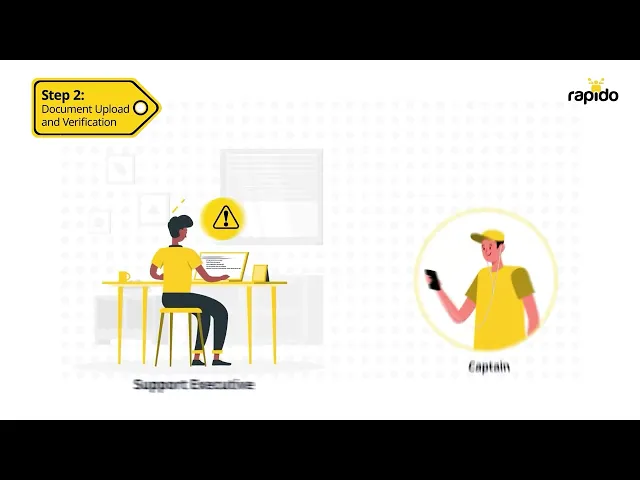
See how HSF helped Rapido create an engaging L&D training video to educate drivers and teams on operational best practices:
Best Practices for Creating Effective Delivery Driver Safety Training Videos
Creating effective safety training videos requires a structured approach that reflects real delivery conditions and operational risks. Well-designed content supports compliance training for drivers, improves learning engagement, and ensures safety procedures are clearly understood across large delivery fleets.
Use Real-World Delivery Scenarios
Training videos should reflect environments drivers encounter daily, including city traffic, suburban deliveries, warehouse loading zones, and nighttime operations. Showing realistic delivery scenarios helps drivers recognize risks, understand safe responses, and apply safety practices during real deliveries.
Keep Training Videos Short and Modular
Short, focused training videos are easier for drivers to complete and understand. Creating 3–6 minute modules that cover one concept at a time improves learning efficiency, simplifies LMS integration, and helps drivers retain important safety instructions.
Include Interactive Learning Elements
Interactive elements make training more engaging and improve knowledge retention. Incorporating quizzes, scenario-based decision points, safety checklists, and driver assessments encourages active participation and helps companies evaluate whether drivers fully understand critical safety procedures.
Read more: How to Use Data to Improve Your L&D Video Strategy
How Safety Training Videos Benefit Logistics and Delivery Companies
Safety training videos deliver measurable business benefits for logistics and delivery companies by improving driver awareness and reducing operational risks. As safety expert David Braun, Fleet Safety Consultant, explains, “Effective driver training is one of the most important investments a logistics company can make to prevent accidents and protect both drivers and operations.” Video-based training allows organizations to standardize safety education while helping drivers better understand real-world risks and delivery procedures.
Reduced Accidents and Liability
When drivers receive clear, visual training on safety practices, they are more likely to recognize hazards and follow proper driving and delivery procedures. This reduces the likelihood of incidents and improves overall fleet safety performance.
Key benefits include:
Fewer workplace injuries
Reduced insurance claims
Lower legal risks
Safer drivers across the fleet
Faster Driver Onboarding
Training videos make it easier for logistics companies to onboard new drivers quickly and efficiently. They allow organizations to onboard drivers faster, maintain consistent safety standards across locations, and train remote teams without relying on in-person sessions.
Improved Driver Confidence and Retention
Drivers perform better when they feel confident in their skills and clearly understand safety expectations. Structured training programs using video help drivers gain practical knowledge and prepare them for real delivery situations.
Drivers feel more confident when they:
Understand safety protocols
Are trained with realistic simulations
Feel supported by their employer through proper training programs
Read more: Leadership Training Videos for US Corporations
Creating Effective Transportation Training Content with House Sparrow Films
House Sparrow Films specializes in producing high-impact transportation training content designed specifically for logistics, delivery, and fleet management companies. Our team develops safety training videos that demonstrate real delivery scenarios, defensive driving practices, and operational procedures to help drivers understand risks and follow standardized safety protocols.
From onboarding modules to scenario-based safety videos, House Sparrow Films creates engaging training content tailored for delivery fleets. By combining clear scripting, realistic visuals, and structured learning formats, we help organizations train drivers efficiently, improve safety awareness, and maintain consistent training standards across large transportation teams.
FAQs
Why are safety training videos important for delivery drivers?
They visually demonstrate real driving risks and procedures, helping drivers understand and follow safety practices consistently.What topics are typically included in delivery driver safety training videos?
Common topics include defensive driving, fatigue management, package handling safety, navigation safety, and delivery zone awareness.How do training videos improve driver onboarding for logistics companies?
Videos provide consistent training, allowing companies to onboard drivers faster while maintaining standardized safety guidelines.Can safety training videos help reduce accidents in delivery fleets?
Yes, visual training improves hazard recognition and safe driving behavior, helping reduce accidents and safety incidents.How often should delivery drivers complete safety training programs?
Many companies update and repeat driver safety training annually or whenever new safety regulations are introduced.
Key takeaways
Delivery drivers face increasing safety risks due to high delivery volumes, traffic congestion, and tight schedules.
Safety training videos help drivers understand real-world hazards through visual demonstrations and practical scenarios.
Video-based training ensures consistent safety education for large fleets across multiple locations.
Well-designed training videos improve driver confidence, compliance, and overall road safety.
Logistics companies benefit from fewer accidents, faster onboarding, and more efficient driver training programs.
Rapid growth in e-commerce and last-mile logistics across the United States has significantly increased the workload for delivery drivers. With tight delivery timelines, dense urban traffic, and long driving hours, the risk of road accidents and workplace injuries continues to rise. According to the U.S. Bureau of Labor Statistics, light truck and delivery service drivers have one of the highest rates of occupational injuries and illnesses among all professions.
As delivery volumes expand, companies are looking for more effective ways to train drivers and reduce risks on the road. Driver safety training videos help organizations demonstrate real-world scenarios, reinforce defensive driving practices, and standardize safety training across large fleets. These video-based programs are becoming one of the most scalable and engaging methods to train delivery drivers efficiently.
Why Safety Training for Delivery Drivers Is More Important Than Ever
The rapid expansion of e-commerce and last-mile logistics has placed delivery drivers under increasing pressure to complete more stops in shorter timeframes. Drivers often operate in congested urban areas, handle tight delivery schedules, and navigate unfamiliar routes, all of which increase the likelihood of fatigue, distraction, and risky driving behavior. As delivery volumes continue to rise, logistics companies must focus on stronger safety training to protect drivers and reduce operational risks.
Industry data highlights the urgency of the issue. Nationwide statistics show that large trucks were involved in more than 5,375 fatal crashes in the United States in 2023, reflecting the growing safety challenges associated with commercial and delivery vehicles on the road.
With increasing road exposure and delivery demand, structured safety training programs are essential to help drivers recognize hazards, improve decision-making, and operate vehicles safely in high-pressure delivery environments.
Why Training Videos Are the Most Effective Safety Tool for Delivery Drivers
Traditional safety manuals often fail to engage drivers or clearly demonstrate real-world driving risks. In contrast, logistics training videos USA companies use today provide visual, scenario-based learning that helps drivers understand safety procedures more effectively. Video training allows organizations to demonstrate real road situations, vehicle handling techniques, and delivery-specific safety protocols in a way that written documents cannot replicate.
For logistics companies managing large delivery fleets, video-based learning also ensures consistent training across teams and locations. Drivers can access training modules anytime, making it easier for companies to standardize safety practices and improve compliance while reducing the time required for onboarding and retraining.
Higher Retention and Engagement
Video-based training improves how delivery drivers understand and remember safety practices. Instead of relying on lengthy manuals, training videos visually demonstrate road hazards, defensive driving techniques, and common delivery scenarios that drivers face daily. Seeing real-life driving situations helps drivers better recognize risks and respond appropriately on the road. This format also supports faster knowledge retention and makes onboarding easier for new drivers who need to quickly learn company safety procedures and operational guidelines.
Key advantages include:
Drivers can see real situations instead of reading instructions
Micro-learning modules improve retention
Consistent training across fleets and locations
Scalable Training for Large Driver Fleets
Delivery and logistics companies often operate at large scale, managing thousands of drivers across multiple regions and delivery networks. These fleets may include different vehicle types such as vans, trucks, and specialized delivery vehicles, each with its own safety considerations. Ensuring consistent training across such diverse operations can be difficult with traditional in-person sessions or printed manuals.
Training videos make it easier for organizations to deliver uniform safety education to drivers regardless of location or fleet size. Companies can distribute the same training modules across teams, ensuring every driver receives clear and consistent safety guidance.
Training videos allow companies to:
Deliver standardized safety training
Enable remote driver onboarding
Update training quickly when regulations or policies change
Looking to create effective driver safety training for your fleet? Book a call with House Sparrow Films to discuss customized logistics and driver training video solutions.
Key Topics Covered in Safety Training Videos for Delivery Drivers
Effective safety programs for delivery drivers focus on practical situations drivers encounter daily. As part of broader fleet management training, safety training videos help logistics companies educate drivers on driving behavior, delivery procedures, and operational risks. These videos ensure drivers understand both road safety and delivery-specific responsibilities, helping companies maintain consistent safety standards across their fleets.
Defensive Driving Techniques
Defensive driving is a critical skill for delivery drivers who operate in busy cities, residential neighborhoods, and highways. Safety training videos help drivers understand how to anticipate potential risks, maintain vehicle control, and respond to unexpected situations while completing deliveries efficiently.
Maintaining safe following distance: Drivers learn to keep adequate space between vehicles to allow sufficient reaction time and prevent rear-end collisions.
Anticipating road hazards: Training teaches drivers to identify potential dangers such as sudden stops, pedestrians, cyclists, and unpredictable driver behavior.
Navigating urban delivery routes: Drivers are trained to safely maneuver through congested streets, narrow lanes, and frequent stops common in city deliveries.
Handling blind spots and intersections: Videos demonstrate how to check blind spots properly and approach intersections cautiously to reduce collision risks.
Managing Driver Fatigue and Stress
Delivery drivers often work long shifts, follow tight schedules, and spend extended hours on the road. These conditions can lead to fatigue, reduced alertness, and slower reaction times, increasing the risk of accidents. Stress from heavy traffic, delivery deadlines, and navigating unfamiliar routes can also affect a driver’s focus and decision-making while driving.
Safety training videos help drivers understand the warning signs of fatigue and adopt safer work habits during their shifts. Training modules typically include fatigue recognition, proper rest schedules, the importance of hydration and regular breaks, and techniques to maintain mental focus while driving. By educating drivers on these factors, companies can help reduce fatigue-related risks and promote safer driving behavior across their fleets.
Safe Package Handling and Delivery Procedures
Safety for delivery drivers extends beyond driving. Drivers frequently load, carry, and deliver packages in busy residential and commercial areas, which can expose them to physical strain and environmental hazards. Training videos help drivers understand proper handling techniques and delivery procedures to prevent injuries and ensure safe interactions with pedestrians and surrounding traffic.
Key safety practices include:
Lifting safety: Demonstrates correct lifting posture and techniques to prevent back injuries when handling heavy or bulky packages.
Safe parking techniques: Guides drivers on selecting secure parking spots that minimize traffic obstruction and reduce risks during deliveries.
Pedestrian awareness: Emphasizes staying alert to pedestrians, cyclists, and children when exiting vehicles or delivering packages.
Avoiding delivery zone hazards: Helps drivers identify risks such as uneven surfaces, cluttered entrances, or poorly lit delivery areas.
Mobile Device and Navigation Safety
Delivery drivers rely heavily on mobile apps and GPS systems to locate addresses, track deliveries, and communicate with dispatch teams. While these tools improve efficiency, improper usage can increase the risk of distracted driving. Safety training videos teach drivers how to use navigation tools responsibly by setting routes before starting the trip, minimizing screen interaction while driving, and relying on voice navigation whenever possible. These videos also highlight safe moments to check delivery updates or messages, helping drivers stay focused on the road while maintaining delivery efficiency.
Read more: The Power of Scenario-Based L&D Videos for Real-World Application
Types of Safety Training Videos Logistics Companies Use
Logistics companies rely on different formats of training videos to educate drivers about safety procedures, road awareness, and operational protocols. Working with the best L&D training video production company helps organizations create structured learning content that is engaging, easy to understand, and scalable across large driver fleets. Each type of training video serves a specific purpose within driver education and fleet safety programs.
Driver Onboarding Training Videos
Driver onboarding training videos help new drivers understand company safety standards and operational expectations before starting their delivery assignments.
Used for:
New hires
Gig drivers
Third-party contractors
Content includes:
Company safety policies
Vehicle operation basics
Route safety protocols
Why effective: These videos provide consistent safety instructions for every new driver joining the fleet. They also reduce onboarding time by clearly explaining operational procedures and safety expectations.
Scenario-Based Safety Videos
Scenario-based safety videos recreate realistic delivery situations to help drivers learn how to respond safely during unexpected road conditions.
Used for:
Defensive driving training
Hazard awareness education
Risk management training
Content includes:
Sudden braking situations
Urban traffic hazards
Pedestrian crossings
Adverse weather conditions
Why effective: These videos help drivers practice decision-making in realistic driving situations. Visual demonstrations make it easier for drivers to understand how to react during high-risk scenarios.
Animated Safety Explainer Videos
Animated safety explainer videos simplify complex safety procedures and operational guidelines using visual storytelling and clear demonstrations.
Used for:
SOP training
Safety procedure education
Compliance training
Content includes:
Step-by-step operational guidelines
Workplace safety protocols
Company compliance standards
Why effective: Animation simplifies complex instructions and makes safety procedures easier to understand. It also improves engagement and helps drivers remember critical safety guidelines.
See how HSF helped Rapido create an engaging L&D training video to educate drivers and teams on operational best practices:
Best Practices for Creating Effective Delivery Driver Safety Training Videos
Creating effective safety training videos requires a structured approach that reflects real delivery conditions and operational risks. Well-designed content supports compliance training for drivers, improves learning engagement, and ensures safety procedures are clearly understood across large delivery fleets.
Use Real-World Delivery Scenarios
Training videos should reflect environments drivers encounter daily, including city traffic, suburban deliveries, warehouse loading zones, and nighttime operations. Showing realistic delivery scenarios helps drivers recognize risks, understand safe responses, and apply safety practices during real deliveries.
Keep Training Videos Short and Modular
Short, focused training videos are easier for drivers to complete and understand. Creating 3–6 minute modules that cover one concept at a time improves learning efficiency, simplifies LMS integration, and helps drivers retain important safety instructions.
Include Interactive Learning Elements
Interactive elements make training more engaging and improve knowledge retention. Incorporating quizzes, scenario-based decision points, safety checklists, and driver assessments encourages active participation and helps companies evaluate whether drivers fully understand critical safety procedures.
Read more: How to Use Data to Improve Your L&D Video Strategy
How Safety Training Videos Benefit Logistics and Delivery Companies
Safety training videos deliver measurable business benefits for logistics and delivery companies by improving driver awareness and reducing operational risks. As safety expert David Braun, Fleet Safety Consultant, explains, “Effective driver training is one of the most important investments a logistics company can make to prevent accidents and protect both drivers and operations.” Video-based training allows organizations to standardize safety education while helping drivers better understand real-world risks and delivery procedures.
Reduced Accidents and Liability
When drivers receive clear, visual training on safety practices, they are more likely to recognize hazards and follow proper driving and delivery procedures. This reduces the likelihood of incidents and improves overall fleet safety performance.
Key benefits include:
Fewer workplace injuries
Reduced insurance claims
Lower legal risks
Safer drivers across the fleet
Faster Driver Onboarding
Training videos make it easier for logistics companies to onboard new drivers quickly and efficiently. They allow organizations to onboard drivers faster, maintain consistent safety standards across locations, and train remote teams without relying on in-person sessions.
Improved Driver Confidence and Retention
Drivers perform better when they feel confident in their skills and clearly understand safety expectations. Structured training programs using video help drivers gain practical knowledge and prepare them for real delivery situations.
Drivers feel more confident when they:
Understand safety protocols
Are trained with realistic simulations
Feel supported by their employer through proper training programs
Read more: Leadership Training Videos for US Corporations
Creating Effective Transportation Training Content with House Sparrow Films
House Sparrow Films specializes in producing high-impact transportation training content designed specifically for logistics, delivery, and fleet management companies. Our team develops safety training videos that demonstrate real delivery scenarios, defensive driving practices, and operational procedures to help drivers understand risks and follow standardized safety protocols.
From onboarding modules to scenario-based safety videos, House Sparrow Films creates engaging training content tailored for delivery fleets. By combining clear scripting, realistic visuals, and structured learning formats, we help organizations train drivers efficiently, improve safety awareness, and maintain consistent training standards across large transportation teams.
FAQs
Why are safety training videos important for delivery drivers?
They visually demonstrate real driving risks and procedures, helping drivers understand and follow safety practices consistently.What topics are typically included in delivery driver safety training videos?
Common topics include defensive driving, fatigue management, package handling safety, navigation safety, and delivery zone awareness.How do training videos improve driver onboarding for logistics companies?
Videos provide consistent training, allowing companies to onboard drivers faster while maintaining standardized safety guidelines.Can safety training videos help reduce accidents in delivery fleets?
Yes, visual training improves hazard recognition and safe driving behavior, helping reduce accidents and safety incidents.How often should delivery drivers complete safety training programs?
Many companies update and repeat driver safety training annually or whenever new safety regulations are introduced.