Key takeaways
Tortilla manufacturing machines involve heat, conveyors, and moving parts, making structured safety training essential for workers.
Safety training helps operators understand hazards, proper machine operation, maintenance precautions, and emergency response procedures.
Instructional videos clearly demonstrate equipment use, hazards, and safety practices, making training easier for workers.
Video-based training provides consistent instructions and helps companies maintain proper documentation for regulatory safety compliance.
Professional safety training videos help standardise procedures and strengthen safety culture across multiple manufacturing facilities.
The tortilla manufacturing industry in the United States produces large volumes daily for restaurants, retailers, and food service companies. Modern factories rely on automated presses, heating plates, and conveyor systems to maintain speed and consistency. As food processing becomes more automated, workers regularly operate around high-temperature equipment and moving machinery that requires clear safety procedures.
Operating tortilla machines carries risks such as burns, pinch points, and injuries during cleaning or maintenance. Structured training helps operators and technicians understand safe machine handling and emergency procedures. According to the U.S. Occupational Safety and Health Administration, thousands of workplace injuries each year involve contact with machinery. Many facilities now use industrial training videos in the USA to deliver consistent safety instructions.
Why Tortilla Machine Safety Training is Critical in the USA
Modern tortilla production involves automated machinery, heated surfaces, and continuous conveyors. A food processing training video helps workers understand operational risks, follow safe procedures, and maintain consistent safety practices.
Workplace hazards in tortilla manufacturing facilities
Tortilla machines operate with heat, pressure, and moving mechanical parts, which creates several potential workplace hazards. Workers must understand where these risks occur and how to avoid them during daily operations.
High-temperature tortilla press plates: Heated plates used to press and cook tortillas can cause serious burns if touched during operation or cleaning.
Conveyor belts and rotating rollers: Moving belts and rollers transport tortillas through production stages and may trap loose clothing or hands.
Pinch points and crushing hazards: Areas where machine parts move close together can trap fingers or hands during operation.
Electrical risks: Industrial food equipment relies on electrical systems that require proper grounding and safe maintenance procedures.
Cleaning and maintenance dangers: Workers performing sanitation or repairs may face risks if machines are not fully shut down before servicing.
Impact of safety training on workplace injury prevention
Safety training helps reduce machine-related injuries by teaching workers how to operate equipment carefully and avoid hazardous areas. Training also improves worker awareness, allowing employees to recognise unsafe conditions early. When training programs are standardised, facilities can ensure consistent safety practices across teams, shifts, and production lines, helping maintain safer working environments.
OSHA safety compliance for food processing machinery
Food manufacturing companies in the United States must follow workplace safety regulations designed to protect employees operating industrial equipment.
Machine guarding requirements: Protective guards must be installed to prevent workers from contacting moving machine parts.
Lockout/Tagout procedures: Power sources must be isolated before maintenance or cleaning to prevent accidental machine startup.
PPE training: Workers must be trained to use protective equipment such as gloves, aprons, and safety eyewear.
Worker safety documentation: Employers must maintain records showing that employees received proper safety training and instructions.
Read more: How to Create Safety and Hygiene Instructional Videos for Schools
Workplace Safety Training for Tortilla Machine Operators in the United States
Operating tortilla machines requires workers to understand both equipment functions and workplace safety procedures. Production lines include heated press plates, conveyor systems, and automated rollers that must be handled carefully during operation and maintenance. Structured training helps workers recognise risks and follow safe practices while performing daily tasks. Many manufacturers also use training videos to standardise instructions across teams. If your organisation is planning structured safety content, you can get a quote from House Sparrow Films to produce professional industrial training videos designed for manufacturing environments.
Core safety training topics for machine operators
Training usually begins with a clear explanation of how tortilla machines work and where potential hazards exist. Workers learn safe operating habits that help prevent injuries and equipment damage.
Understanding machine components: Operators are introduced to parts such as press plates, conveyors, rollers, and heating systems used during production.
Safe machine start-up and shutdown procedures: Workers learn the correct sequence for starting and stopping machines to avoid mechanical faults or accidents.
Identifying operational hazards: Training highlights areas where burns, entanglement, or pinch injuries may occur during production.
PPE usage for food manufacturing environments: Employees are instructed to use protective gloves, aprons, and safety glasses when operating equipment.
Lockout/Tagout safety training
Lockout/tagout training focuses on preventing machines from accidentally starting while they are being cleaned or repaired. Workers learn how to isolate power sources and disconnect equipment safely before performing maintenance tasks. The training explains how to apply locks and safety tags to machinery so that other employees know the equipment is under service. These procedures help reduce the risk of injuries during maintenance activities.
Hygiene and sanitation training for tortilla machines
Hygiene training ensures that tortilla machines remain clean and safe during daily production. Workers are taught proper cleaning procedures for press plates, conveyors, and surrounding surfaces after production cycles. These steps help remove dough residue, oil buildup, and other materials that can affect machine performance or product quality.
Training also focuses on preventing food contamination during operations. Employees learn safe handling of dough and ingredients while working around machinery, along with correct sanitation practices for tools and contact surfaces. Maintaining consistent hygiene procedures supports both food safety standards and smooth equipment operation in tortilla manufacturing facilities.
Emergency response training for factory workers
Even with proper precautions, emergencies can occur in industrial environments. Workers must know how to respond quickly and safely.
Responding to burns from hot plates: Training explains first response actions and emergency reporting procedures.
Conveyor belt accidents: Workers learn how to activate emergency stop controls to halt production lines immediately.
Electrical hazards: Employees are instructed to recognise electrical faults and report them without attempting unsafe repairs.
Fire safety procedures: Training covers alarm systems, evacuation routes, and emergency communication within the facility.
Read more: Leadership Training Videos for US Corporations
Why Instructional Videos Are Effective for Industrial Safety Training
Instructional videos have become a common tool for workplace safety education because they allow workers to see real procedures and equipment in action. In industrial environments, visual demonstrations make it easier for employees to understand machine operation, hazard zones, and correct safety practices. Videos can also be reused across departments and locations, ensuring that every worker receives the same safety guidance during onboarding or refresher training.
Research shows that video-based learning significantly improves information retention compared to text-only methods. Studies indicate that learners can retain up to 95% of information from video content compared to about 10% from text-based training. This higher retention helps workers remember safety procedures more effectively, which is especially important when operating industrial machinery.
What a Tortilla Machine Safety Training Video Should Include
A well-structured safety training video helps workers understand both equipment operation and workplace risks before they begin using the machinery. In tortilla manufacturing plants, training content should clearly demonstrate each stage of machine operation training, from understanding the equipment to safely running and maintaining it. Visual demonstrations help operators recognise hazards, follow correct procedures, and respond properly during routine production or unexpected situations on the factory floor.
Machine overview and component explanation
A safety training video should begin with a clear overview of the tortilla machine and its key components. Visual demonstrations help workers understand how dough feeders guide dough into the system, how tortilla press plates flatten and cook the dough, and how conveyor systems move tortillas through different stages of production.
Heating elements that control cooking temperatures should also be explained so operators understand where heat hazards exist. Many companies work with the best L&D video production company to create clear training visuals that explain machine components and operational flow effectively for factory workers.
Safe operating procedures
Instructional videos should demonstrate the correct sequence for operating tortilla machines safely during production.
Step-by-step training process:
Pre-operation safety checks: Inspecting machine guards, power systems, and work areas before starting equipment.
PPE requirements: Wearing protective gloves, aprons, and safety eyewear when working near machinery.
Starting the tortilla machine safely: Following the correct start-up sequence to avoid sudden mechanical movement.
Monitoring machine operation: Watching for irregular noises, overheating, or conveyor issues during production.
Emergency shutdown procedures: Use emergency stop controls if a hazard or malfunction occurs.
Maintenance and cleaning safety protocols
Maintenance and cleaning tasks require extra caution because workers interact directly with machine components during servicing. Training videos should demonstrate proper shutdown procedures and safe cleaning methods so employees can maintain equipment without risking burns, electrical exposure, or accidental machine movement.
Lockout before maintenance
Cool surfaces before cleaning
Use approved cleaning tools
Clear jams carefully
Check guards before the restart
Follow restart safety checks
Key Safety Risks That Training Videos Must Demonstrate
[Image Suggestion: Industrial machine hazard zones highlighted around moving gears and pinch points in factory equipment]
Clear demonstrations in manufacturing training videos help workers recognise equipment hazards, understand safe behaviour, and prevent injuries during tortilla machine operations.
Hazard | Risk | Safety Demonstration |
Pinch points | Finger injuries | Safe hand placement |
Hot plates | Burns | PPE usage |
Moving gears | Entanglement | Machine guarding |
Cleaning operations | Accidental start | Lockout procedures |
Training videos help workers visualise these hazards before they operate or service machinery. Showing real equipment, hazard zones, and correct safety behaviour allows employees to understand risks more clearly. This visual approach improves awareness and helps workers follow safe procedures consistently while operating tortilla machines or performing maintenance tasks.
How Professional Safety Training Videos Improve OSHA Compliance
Professional safety training videos help companies deliver consistent instructions while supporting OSHA compliance requirements. Visual demonstrations make it easier for workers to understand machine hazards, safe procedures, and emergency actions. Videos also help organisations maintain training records that may be required during inspections. As safety expert John Dony from the National Safety Council states, “Effective safety training ensures workers understand hazards before they encounter them.” Structured video training, therefore, strengthens both workplace safety and compliance practices.
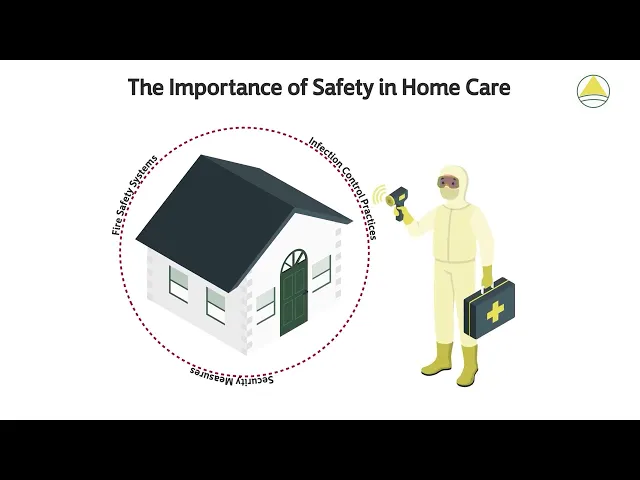
See how HSF helped Chesterfield Health deliver clear safety training guidance for workers through an instructional video:
Elements of a High-Quality Industrial Safety Training Video
Effective safety compliance videos combine clear visuals, simple explanations, and structured demonstrations to help workers understand procedures and recognise risks.
Clear visual demonstrations
Visual clarity is essential in industrial safety training. Videos should show real production environments, and the exact machinery that workers will operate. Demonstrations make procedures easier to follow and reduce confusion during training.
Real factory environment filming
Close-ups of machine components
Step-by-step procedure visuals
Voiceover and multilingual accessibility
Clear narration helps workers understand safety instructions, especially in facilities with diverse teams. Multilingual support ensures training reaches every employee.
English and Spanish narration
Subtitles for clarity
Graphics and safety animations
Visual graphics can highlight risks and explain technical processes that may be difficult to capture during filming.
Hazard indicators
Process diagrams
Motion graphics for explanation
Read more: Why Creators Need High-Quality Videos to Succeed on YouTube in 2025
How House Sparrow Films Produces Industrial Safety Training Videos
House Sparrow Films follows a structured process to create industrial safety training videos that clearly explain procedures and workplace hazards. The process begins with understanding the client’s manufacturing environment, equipment, and safety requirements. The team develops a detailed script that outlines machine operations, hazard zones, and recommended safety practices so the final video aligns with workplace training goals.
Filming is carried out in real factory settings to capture accurate demonstrations of machinery and operational procedures. During post-production, the footage is edited with clear narration, safety graphics, and step-by-step visuals that help workers understand instructions easily. This approach ensures companies receive training videos that support consistent safety communication across teams and facilities.
Conclusion
Structured safety training plays an important role in helping workers operate tortilla machines safely while reducing risks in food manufacturing facilities. Clear instructions on machine operation, maintenance procedures, and emergency response help create a safer production environment for operators and technicians. Instructional videos make these guidelines easier to understand by visually demonstrating real equipment and workplace scenarios. Many companies now rely on industrial training videos in the USA to deliver consistent safety guidance across teams. If your organisation is planning professional safety content, connect with House Sparrow Films to develop training videos designed for industrial environments.
FAQs
1. Why is safety training important for tortilla machine operators?
Safety training helps operators understand machine hazards, follow correct procedures, and reduce risks during tortilla production, maintenance, and daily equipment operation.
2. What topics are usually included in tortilla machine safety training?
Training usually covers machine components, operating procedures, hazard identification, PPE usage, cleaning protocols, maintenance safety, and emergency response guidelines.
3. How do instructional videos improve industrial safety training?
Instructional videos visually demonstrate real equipment, helping workers understand procedures faster and remember safety practices more effectively during daily operations.
4. What safety risks are common in tortilla manufacturing facilities?
Common risks include burns from hot press plates, conveyor belt injuries, pinch points, electrical hazards, and accidents during cleaning.
5. Why do companies use professional video production for safety training?
Professional production ensures clear visuals, accurate demonstrations, structured training content, and consistent safety instructions for employees.
Key takeaways
Tortilla manufacturing machines involve heat, conveyors, and moving parts, making structured safety training essential for workers.
Safety training helps operators understand hazards, proper machine operation, maintenance precautions, and emergency response procedures.
Instructional videos clearly demonstrate equipment use, hazards, and safety practices, making training easier for workers.
Video-based training provides consistent instructions and helps companies maintain proper documentation for regulatory safety compliance.
Professional safety training videos help standardise procedures and strengthen safety culture across multiple manufacturing facilities.
The tortilla manufacturing industry in the United States produces large volumes daily for restaurants, retailers, and food service companies. Modern factories rely on automated presses, heating plates, and conveyor systems to maintain speed and consistency. As food processing becomes more automated, workers regularly operate around high-temperature equipment and moving machinery that requires clear safety procedures.
Operating tortilla machines carries risks such as burns, pinch points, and injuries during cleaning or maintenance. Structured training helps operators and technicians understand safe machine handling and emergency procedures. According to the U.S. Occupational Safety and Health Administration, thousands of workplace injuries each year involve contact with machinery. Many facilities now use industrial training videos in the USA to deliver consistent safety instructions.
Why Tortilla Machine Safety Training is Critical in the USA
Modern tortilla production involves automated machinery, heated surfaces, and continuous conveyors. A food processing training video helps workers understand operational risks, follow safe procedures, and maintain consistent safety practices.
Workplace hazards in tortilla manufacturing facilities
Tortilla machines operate with heat, pressure, and moving mechanical parts, which creates several potential workplace hazards. Workers must understand where these risks occur and how to avoid them during daily operations.
High-temperature tortilla press plates: Heated plates used to press and cook tortillas can cause serious burns if touched during operation or cleaning.
Conveyor belts and rotating rollers: Moving belts and rollers transport tortillas through production stages and may trap loose clothing or hands.
Pinch points and crushing hazards: Areas where machine parts move close together can trap fingers or hands during operation.
Electrical risks: Industrial food equipment relies on electrical systems that require proper grounding and safe maintenance procedures.
Cleaning and maintenance dangers: Workers performing sanitation or repairs may face risks if machines are not fully shut down before servicing.
Impact of safety training on workplace injury prevention
Safety training helps reduce machine-related injuries by teaching workers how to operate equipment carefully and avoid hazardous areas. Training also improves worker awareness, allowing employees to recognise unsafe conditions early. When training programs are standardised, facilities can ensure consistent safety practices across teams, shifts, and production lines, helping maintain safer working environments.
OSHA safety compliance for food processing machinery
Food manufacturing companies in the United States must follow workplace safety regulations designed to protect employees operating industrial equipment.
Machine guarding requirements: Protective guards must be installed to prevent workers from contacting moving machine parts.
Lockout/Tagout procedures: Power sources must be isolated before maintenance or cleaning to prevent accidental machine startup.
PPE training: Workers must be trained to use protective equipment such as gloves, aprons, and safety eyewear.
Worker safety documentation: Employers must maintain records showing that employees received proper safety training and instructions.
Read more: How to Create Safety and Hygiene Instructional Videos for Schools
Workplace Safety Training for Tortilla Machine Operators in the United States
Operating tortilla machines requires workers to understand both equipment functions and workplace safety procedures. Production lines include heated press plates, conveyor systems, and automated rollers that must be handled carefully during operation and maintenance. Structured training helps workers recognise risks and follow safe practices while performing daily tasks. Many manufacturers also use training videos to standardise instructions across teams. If your organisation is planning structured safety content, you can get a quote from House Sparrow Films to produce professional industrial training videos designed for manufacturing environments.
Core safety training topics for machine operators
Training usually begins with a clear explanation of how tortilla machines work and where potential hazards exist. Workers learn safe operating habits that help prevent injuries and equipment damage.
Understanding machine components: Operators are introduced to parts such as press plates, conveyors, rollers, and heating systems used during production.
Safe machine start-up and shutdown procedures: Workers learn the correct sequence for starting and stopping machines to avoid mechanical faults or accidents.
Identifying operational hazards: Training highlights areas where burns, entanglement, or pinch injuries may occur during production.
PPE usage for food manufacturing environments: Employees are instructed to use protective gloves, aprons, and safety glasses when operating equipment.
Lockout/Tagout safety training
Lockout/tagout training focuses on preventing machines from accidentally starting while they are being cleaned or repaired. Workers learn how to isolate power sources and disconnect equipment safely before performing maintenance tasks. The training explains how to apply locks and safety tags to machinery so that other employees know the equipment is under service. These procedures help reduce the risk of injuries during maintenance activities.
Hygiene and sanitation training for tortilla machines
Hygiene training ensures that tortilla machines remain clean and safe during daily production. Workers are taught proper cleaning procedures for press plates, conveyors, and surrounding surfaces after production cycles. These steps help remove dough residue, oil buildup, and other materials that can affect machine performance or product quality.
Training also focuses on preventing food contamination during operations. Employees learn safe handling of dough and ingredients while working around machinery, along with correct sanitation practices for tools and contact surfaces. Maintaining consistent hygiene procedures supports both food safety standards and smooth equipment operation in tortilla manufacturing facilities.
Emergency response training for factory workers
Even with proper precautions, emergencies can occur in industrial environments. Workers must know how to respond quickly and safely.
Responding to burns from hot plates: Training explains first response actions and emergency reporting procedures.
Conveyor belt accidents: Workers learn how to activate emergency stop controls to halt production lines immediately.
Electrical hazards: Employees are instructed to recognise electrical faults and report them without attempting unsafe repairs.
Fire safety procedures: Training covers alarm systems, evacuation routes, and emergency communication within the facility.
Read more: Leadership Training Videos for US Corporations
Why Instructional Videos Are Effective for Industrial Safety Training
Instructional videos have become a common tool for workplace safety education because they allow workers to see real procedures and equipment in action. In industrial environments, visual demonstrations make it easier for employees to understand machine operation, hazard zones, and correct safety practices. Videos can also be reused across departments and locations, ensuring that every worker receives the same safety guidance during onboarding or refresher training.
Research shows that video-based learning significantly improves information retention compared to text-only methods. Studies indicate that learners can retain up to 95% of information from video content compared to about 10% from text-based training. This higher retention helps workers remember safety procedures more effectively, which is especially important when operating industrial machinery.
What a Tortilla Machine Safety Training Video Should Include
A well-structured safety training video helps workers understand both equipment operation and workplace risks before they begin using the machinery. In tortilla manufacturing plants, training content should clearly demonstrate each stage of machine operation training, from understanding the equipment to safely running and maintaining it. Visual demonstrations help operators recognise hazards, follow correct procedures, and respond properly during routine production or unexpected situations on the factory floor.
Machine overview and component explanation
A safety training video should begin with a clear overview of the tortilla machine and its key components. Visual demonstrations help workers understand how dough feeders guide dough into the system, how tortilla press plates flatten and cook the dough, and how conveyor systems move tortillas through different stages of production.
Heating elements that control cooking temperatures should also be explained so operators understand where heat hazards exist. Many companies work with the best L&D video production company to create clear training visuals that explain machine components and operational flow effectively for factory workers.
Safe operating procedures
Instructional videos should demonstrate the correct sequence for operating tortilla machines safely during production.
Step-by-step training process:
Pre-operation safety checks: Inspecting machine guards, power systems, and work areas before starting equipment.
PPE requirements: Wearing protective gloves, aprons, and safety eyewear when working near machinery.
Starting the tortilla machine safely: Following the correct start-up sequence to avoid sudden mechanical movement.
Monitoring machine operation: Watching for irregular noises, overheating, or conveyor issues during production.
Emergency shutdown procedures: Use emergency stop controls if a hazard or malfunction occurs.
Maintenance and cleaning safety protocols
Maintenance and cleaning tasks require extra caution because workers interact directly with machine components during servicing. Training videos should demonstrate proper shutdown procedures and safe cleaning methods so employees can maintain equipment without risking burns, electrical exposure, or accidental machine movement.
Lockout before maintenance
Cool surfaces before cleaning
Use approved cleaning tools
Clear jams carefully
Check guards before the restart
Follow restart safety checks
Key Safety Risks That Training Videos Must Demonstrate
[Image Suggestion: Industrial machine hazard zones highlighted around moving gears and pinch points in factory equipment]
Clear demonstrations in manufacturing training videos help workers recognise equipment hazards, understand safe behaviour, and prevent injuries during tortilla machine operations.
Hazard | Risk | Safety Demonstration |
Pinch points | Finger injuries | Safe hand placement |
Hot plates | Burns | PPE usage |
Moving gears | Entanglement | Machine guarding |
Cleaning operations | Accidental start | Lockout procedures |
Training videos help workers visualise these hazards before they operate or service machinery. Showing real equipment, hazard zones, and correct safety behaviour allows employees to understand risks more clearly. This visual approach improves awareness and helps workers follow safe procedures consistently while operating tortilla machines or performing maintenance tasks.
How Professional Safety Training Videos Improve OSHA Compliance
Professional safety training videos help companies deliver consistent instructions while supporting OSHA compliance requirements. Visual demonstrations make it easier for workers to understand machine hazards, safe procedures, and emergency actions. Videos also help organisations maintain training records that may be required during inspections. As safety expert John Dony from the National Safety Council states, “Effective safety training ensures workers understand hazards before they encounter them.” Structured video training, therefore, strengthens both workplace safety and compliance practices.
See how HSF helped Chesterfield Health deliver clear safety training guidance for workers through an instructional video:
Elements of a High-Quality Industrial Safety Training Video
Effective safety compliance videos combine clear visuals, simple explanations, and structured demonstrations to help workers understand procedures and recognise risks.
Clear visual demonstrations
Visual clarity is essential in industrial safety training. Videos should show real production environments, and the exact machinery that workers will operate. Demonstrations make procedures easier to follow and reduce confusion during training.
Real factory environment filming
Close-ups of machine components
Step-by-step procedure visuals
Voiceover and multilingual accessibility
Clear narration helps workers understand safety instructions, especially in facilities with diverse teams. Multilingual support ensures training reaches every employee.
English and Spanish narration
Subtitles for clarity
Graphics and safety animations
Visual graphics can highlight risks and explain technical processes that may be difficult to capture during filming.
Hazard indicators
Process diagrams
Motion graphics for explanation
Read more: Why Creators Need High-Quality Videos to Succeed on YouTube in 2025
How House Sparrow Films Produces Industrial Safety Training Videos
House Sparrow Films follows a structured process to create industrial safety training videos that clearly explain procedures and workplace hazards. The process begins with understanding the client’s manufacturing environment, equipment, and safety requirements. The team develops a detailed script that outlines machine operations, hazard zones, and recommended safety practices so the final video aligns with workplace training goals.
Filming is carried out in real factory settings to capture accurate demonstrations of machinery and operational procedures. During post-production, the footage is edited with clear narration, safety graphics, and step-by-step visuals that help workers understand instructions easily. This approach ensures companies receive training videos that support consistent safety communication across teams and facilities.
Conclusion
Structured safety training plays an important role in helping workers operate tortilla machines safely while reducing risks in food manufacturing facilities. Clear instructions on machine operation, maintenance procedures, and emergency response help create a safer production environment for operators and technicians. Instructional videos make these guidelines easier to understand by visually demonstrating real equipment and workplace scenarios. Many companies now rely on industrial training videos in the USA to deliver consistent safety guidance across teams. If your organisation is planning professional safety content, connect with House Sparrow Films to develop training videos designed for industrial environments.
FAQs
1. Why is safety training important for tortilla machine operators?
Safety training helps operators understand machine hazards, follow correct procedures, and reduce risks during tortilla production, maintenance, and daily equipment operation.
2. What topics are usually included in tortilla machine safety training?
Training usually covers machine components, operating procedures, hazard identification, PPE usage, cleaning protocols, maintenance safety, and emergency response guidelines.
3. How do instructional videos improve industrial safety training?
Instructional videos visually demonstrate real equipment, helping workers understand procedures faster and remember safety practices more effectively during daily operations.
4. What safety risks are common in tortilla manufacturing facilities?
Common risks include burns from hot press plates, conveyor belt injuries, pinch points, electrical hazards, and accidents during cleaning.
5. Why do companies use professional video production for safety training?
Professional production ensures clear visuals, accurate demonstrations, structured training content, and consistent safety instructions for employees.