Key takeaways
Cyber threats targeting schools are increasing, making early digital safety education essential
Children are highly vulnerable online due to limited awareness and risky behaviors
Animation simplifies complex cybersecurity concepts into engaging, easy-to-understand lessons
Schools are actively integrating animated content into classrooms and awareness programs
Professionally produced videos help improve retention, behavior change, and long-term cyber safety habits
Kids today are online before they fully understand risk, making cyber safety education more important than ever. From online classes to gaming and social media, children in the USA are constantly exposed to digital environments without fully recognizing threats like phishing, scams, or data misuse. At the same time, schools have become prime targets for cybercriminals, increasing the urgency for structured digital awareness from an early age.
According to the Center for Internet Security (CIS) K-12 Cybersecurity Report, 82% of K-12 organizations experienced cyber threat impacts in the past 18 months, highlighting how widespread and serious the issue has become. To address this growing challenge, schools are adopting cybersecurity animation videos for kids, using engaging visuals and storytelling to simplify complex risks and make cyber awareness more accessible, relatable, and effective for young learners.
Why Cybersecurity Awareness in Schools Is No Longer Optional
“Cybersecurity is no longer just an IT issue; it is a fundamental part of student safety,” says Jen Easterly, Director of the Cybersecurity and Infrastructure Security Agency (CISA). As classrooms become more digitally connected, protecting students goes beyond physical safety to include their online environments. With increasing cyberattacks targeting schools, early and structured cyber awareness is now essential, not optional.
The Growing Cyber Threat Landscape in the USA Education
The education sector has become one of the most targeted industries globally, with schools facing a surge in cyberattacks each year. From ransomware to phishing attempts, institutions experience thousands of attempted breaches weekly, making them highly vulnerable. This rise is driven by large volumes of sensitive student data and often limited cybersecurity infrastructure, putting both systems and students at constant risk.
Why Children Are the Weakest Link in Cybersecurity
Children are often the easiest entry point for cyber threats due to their limited awareness and online behavior patterns. Attackers frequently exploit this gap through deceptive tactics designed to appear harmless or familiar.
Phishing, scams, and social engineering are the most common attack methods targeting students
Human error continues to be the leading cause of cybersecurity breaches
Kids often lack the judgment to identify suspicious links, messages, or requests
Over-sharing personal information increases exposure to risks
Government and Institutional Push for Cyber Awareness
Recognizing the urgency, government bodies and educational institutions in the USA are actively promoting cyber awareness initiatives. National cybersecurity programs are being introduced to strengthen digital literacy among students, while events like Cybersecurity Awareness Month help drive nationwide engagement. Schools are also integrating cyber safety into their curriculum, ensuring that students develop responsible online habits from an early age.
The Role of Cybersecurity Animation Videos in Early Education
Schools are increasingly partnering with a school & edtech video production company to deliver engaging cybersecurity lessons, helping young learners understand digital risks through visual storytelling and practical, age-appropriate animated content effectively.
Why Traditional Teaching Methods Fail
Traditional cybersecurity teaching methods often rely on text-heavy materials that fail to capture students’ attention. Younger learners, in particular, struggle to stay engaged with long explanations, leading to low retention and minimal real-world application of cyber safety concepts.
Why Animation Works Better for Kids
Animation transforms learning into an engaging visual experience that aligns with how children naturally consume content. Through storytelling and relatable scenarios, it simplifies complex ideas like phishing and malware, making them easier to grasp. Its dynamic format also holds shorter attention spans, ensuring better focus and understanding.
Proven Learning Benefits of Animation in Cyber Education
Animation not only improves understanding but also drives meaningful learning outcomes by combining visuals, storytelling, and emotional connection.
Higher Recall Rates: Students retain cybersecurity concepts longer when delivered through engaging visual storytelling formats consistently.
Better Behavioral Change: Animated scenarios help children apply safe online practices in real-life digital interactions effectively.
Emotional Engagement: Relatable characters and stories create emotional connections, making cybersecurity lessons memorable for young learners.
Read more: Why Animated Videos are Effective for Learning and Development
How Schools in the USA Are Using Animation for Student Cybersecurity Awareness
Schools across the United States are increasingly using animation to strengthen student cybersecurity awareness through structured, engaging, and scalable learning approaches. By integrating visual storytelling into both classrooms and broader school initiatives, educators are making cyber safety more practical, relatable, and easier for students to retain and apply in real-world digital situations.
Classroom Integration Strategies
Animation is being actively incorporated into daily teaching methods, especially within digital literacy programs, to simplify complex cybersecurity concepts for young learners.
Animated Explainer Videos: Teachers use short animated videos to explain cybersecurity topics in simple, engaging classroom lessons.
Smart Board Learning: Schools display animated content on smart boards to create interactive and visually engaging learning sessions.
E-learning Platforms: Animated modules are integrated into digital platforms, allowing students to revisit cybersecurity lessons anytime, independently.
These strategies help ensure cybersecurity becomes part of everyday learning rather than a one-time lesson.
Gamified Cybersecurity Learning Modules
To further enhance engagement, many schools are adopting gamified learning modules powered by animation. These modules use scenario-based storytelling where students navigate situations such as identifying suspicious emails or avoiding online scams. By placing learners in realistic digital scenarios, animation helps them understand consequences and make better decisions.
Interactive storytelling also encourages participation, allowing students to choose actions and see outcomes in real time. This hands-on approach transforms passive learning into active problem-solving, which is far more effective in building long-term cybersecurity awareness among children.
Awareness Campaigns Using Animated Content
Schools are also using animation beyond classrooms to promote large-scale awareness and build a culture of cyber safety among students.
Cybersecurity Awareness Month Campaigns: Schools use animated videos during campaigns to educate students about safe digital practices consistently.
Assemblies and Workshops: Animated content is presented during school events to simplify cybersecurity topics and capture student attention effectively.
By combining structured learning with awareness initiatives, schools are creating a continuous and engaging cybersecurity education ecosystem.
Read more: How Schools Can Use Video to Communicate with Parents More Effectively
Key Cybersecurity Topics Taught Through Animation
Children today face multiple online risks, making it essential for schools to cover a wide range of cybersecurity topics through engaging formats. Studies show that 72% of children worldwide have experienced at least one cyber threat, highlighting the urgent need for early awareness education. Animation helps simplify these topics by turning abstract risks into relatable, story-driven lessons that students can easily understand and apply.
Topic | How Animation Helps | Example Scenario |
Phishing | Visual fake vs real comparison | Suspicious email story |
Password Safety | Character-driven habits | Creating strong passwords |
Data Privacy | Story-based consequences | Sharing personal info |
Online Scams | Role-play animation | Gaming scams |
Digital Footprint | Long-term impact visuals | Social media misuse |
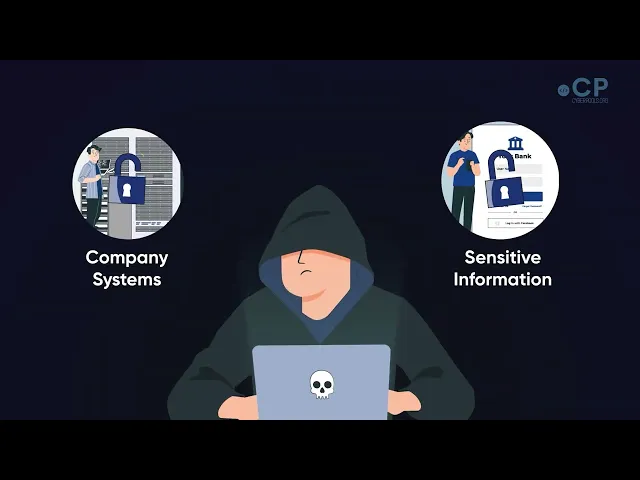
See how HSF helped Cyberpools simplify phishing concepts for learners through engaging visual storytelling. Watch the video:
What Makes a Cybersecurity Animation Effective for Kids
An effective cybersecurity animation for kids combines age-appropriate storytelling, relatable characters, and real-life digital scenarios that children can easily connect with. Instead of overwhelming learners with technical jargon, the content focuses on simple narratives that demonstrate everyday online risks like suspicious messages, unsafe sharing, or weak passwords. Short, engaging formats with clear visual cues help maintain attention and improve understanding, ensuring that children not only watch but also absorb and remember key lessons.
Equally important is the ability to align content with school curricula while keeping it entertaining and interactive. Well-produced animations encourage behavioral change by showing consequences and guiding better decisions in a safe, controlled environment. This is where expert storytelling and production quality make a real difference. If you are looking to create impactful cybersecurity content for young learners, schedule a consultation with House Sparrow Films to develop engaging, curriculum-aligned animation videos tailored for schools and edtech platforms.
Benefits for Schools, Parents, and Students
Implementing school cybersecurity training through animation creates a well-rounded impact across the entire learning ecosystem. It not only helps schools deliver consistent and scalable awareness programs but also ensures that students develop safer digital habits while parents stay involved in reinforcing these lessons at home. By making cybersecurity education engaging and easy to understand, animation bridges the gap between knowledge and real-world application.
For Schools
Schools benefit from structured and scalable cybersecurity education that can be implemented across classrooms without adding teaching complexity. It also helps reduce vulnerabilities by improving overall student awareness and behavior.
Scalable awareness programs
Reduced cyber risks
Consistent learning delivery
For Students
Students gain practical knowledge that helps them navigate online environments safely while also improving their ability to think critically about digital interactions.
Safer online behavior
Better decision-making
Critical thinking skills
For Parents
Parents benefit from extended learning beyond the classroom, as children apply cybersecurity practices at home and in everyday digital usage.
Reinforced home learning
Improved awareness habits
Safer digital usage
Read more: The Benefits of Using Explainer Videos in School Classrooms
Why Video Production Companies Play a Crucial Role in Cyber Awareness
Video production companies play a crucial role in shaping effective cyber awareness by creating engaging digital literacy videos that simplify complex cybersecurity concepts for young audiences. Their expertise in animation, storytelling, and audience engagement allows them to translate technical topics like phishing, data privacy, and online scams into relatable, easy-to-understand content. By ensuring high production quality and age-appropriate messaging, they help schools deliver impactful learning experiences that improve retention, encourage safer online behavior, and make cybersecurity education more accessible and scalable.
Best Practices for Schools Implementing Cybersecurity Animation Content
To maximize the effectiveness of cybersecurity animation, schools need a structured approach that combines engaging content with consistent reinforcement. Simply showing videos is not enough; integrating them into daily learning, encouraging participation, and aligning them with real-life scenarios ensures better understanding and long-term impact. A well-planned implementation helps students not only learn concepts but also apply safe digital behaviors in everyday situations.
Blend with classroom activities: Combine animation with quizzes, discussions, and exercises to reinforce cybersecurity concepts effectively.
Use short, consistent modules: Deliver bite-sized animated lessons regularly to improve retention and avoid overwhelming young learners.
Encourage interactive participation: Allow students to engage with scenarios and make decisions during or after animated lessons.
Align with curriculum goals: Ensure cybersecurity topics match grade-level learning objectives and digital literacy standards in schools.
Involve parents and teachers: Extend learning beyond classrooms by encouraging discussions and practice in home environments.
Track learning outcomes: Assess student understanding through feedback, quizzes, and behavior changes after animation-based training sessions.
Why Choose House Sparrow Films for Cybersecurity Animation Videos
At House Sparrow Films, we bring deep expertise in creating engaging, story-driven animation content designed specifically for education and awareness. With a strong understanding of how children learn, we develop cybersecurity videos that simplify complex topics into relatable narratives, supporting safe internet learning for young audiences. From scriptwriting to final production, we ensure every stage is handled with clarity, creativity, and age-appropriate communication.
As a global video production partner, we deliver customized solutions for schools and edtech platforms, ensuring content aligns with curriculum needs and cultural context. We combine high-quality animation with impactful storytelling to improve student engagement, retention, and real-world application of cyber safety practices, making us a reliable choice for effective cybersecurity education.
Conclusion
The growing scale of cyber threats in schools makes early awareness not just important but essential for every student. Cybersecurity animation and videos for kids have emerged as one of the most effective ways to simplify complex digital risks and build safe online habits through engaging, visual learning. By combining storytelling with practical scenarios, schools can create lasting behavioral change and stronger digital responsibility among young learners. At House Sparrow Films, we partner with schools and edtech platforms to deliver impactful, curriculum-aligned animation solutions that make cybersecurity education accessible and effective. If you are looking to strengthen cyber awareness programs, contact us today to create engaging videos that drive real learning outcomes.
FAQs
1. Why is cybersecurity awareness important for school students?
Cybersecurity awareness helps students understand online risks, avoid scams, and develop safe digital habits from an early age.
2. How do animation videos help in teaching cybersecurity to kids?
Animation simplifies complex concepts through visuals and storytelling, making it easier for children to understand and remember.
3. What topics should be included in cybersecurity education for kids?
Key topics include phishing, password safety, data privacy, online scams, and responsible digital behavior.
4. At what age should children start learning about cybersecurity?
Children can start as early as primary school, with age-appropriate lessons that match their digital exposure.
5. How can schools effectively implement cybersecurity training programs?
Schools can integrate animated videos, interactive activities, and regular reinforcement into their curriculum for better learning outcomes.
Key takeaways
Cyber threats targeting schools are increasing, making early digital safety education essential
Children are highly vulnerable online due to limited awareness and risky behaviors
Animation simplifies complex cybersecurity concepts into engaging, easy-to-understand lessons
Schools are actively integrating animated content into classrooms and awareness programs
Professionally produced videos help improve retention, behavior change, and long-term cyber safety habits
Kids today are online before they fully understand risk, making cyber safety education more important than ever. From online classes to gaming and social media, children in the USA are constantly exposed to digital environments without fully recognizing threats like phishing, scams, or data misuse. At the same time, schools have become prime targets for cybercriminals, increasing the urgency for structured digital awareness from an early age.
According to the Center for Internet Security (CIS) K-12 Cybersecurity Report, 82% of K-12 organizations experienced cyber threat impacts in the past 18 months, highlighting how widespread and serious the issue has become. To address this growing challenge, schools are adopting cybersecurity animation videos for kids, using engaging visuals and storytelling to simplify complex risks and make cyber awareness more accessible, relatable, and effective for young learners.
Why Cybersecurity Awareness in Schools Is No Longer Optional
“Cybersecurity is no longer just an IT issue; it is a fundamental part of student safety,” says Jen Easterly, Director of the Cybersecurity and Infrastructure Security Agency (CISA). As classrooms become more digitally connected, protecting students goes beyond physical safety to include their online environments. With increasing cyberattacks targeting schools, early and structured cyber awareness is now essential, not optional.
The Growing Cyber Threat Landscape in the USA Education
The education sector has become one of the most targeted industries globally, with schools facing a surge in cyberattacks each year. From ransomware to phishing attempts, institutions experience thousands of attempted breaches weekly, making them highly vulnerable. This rise is driven by large volumes of sensitive student data and often limited cybersecurity infrastructure, putting both systems and students at constant risk.
Why Children Are the Weakest Link in Cybersecurity
Children are often the easiest entry point for cyber threats due to their limited awareness and online behavior patterns. Attackers frequently exploit this gap through deceptive tactics designed to appear harmless or familiar.
Phishing, scams, and social engineering are the most common attack methods targeting students
Human error continues to be the leading cause of cybersecurity breaches
Kids often lack the judgment to identify suspicious links, messages, or requests
Over-sharing personal information increases exposure to risks
Government and Institutional Push for Cyber Awareness
Recognizing the urgency, government bodies and educational institutions in the USA are actively promoting cyber awareness initiatives. National cybersecurity programs are being introduced to strengthen digital literacy among students, while events like Cybersecurity Awareness Month help drive nationwide engagement. Schools are also integrating cyber safety into their curriculum, ensuring that students develop responsible online habits from an early age.
The Role of Cybersecurity Animation Videos in Early Education
Schools are increasingly partnering with a school & edtech video production company to deliver engaging cybersecurity lessons, helping young learners understand digital risks through visual storytelling and practical, age-appropriate animated content effectively.
Why Traditional Teaching Methods Fail
Traditional cybersecurity teaching methods often rely on text-heavy materials that fail to capture students’ attention. Younger learners, in particular, struggle to stay engaged with long explanations, leading to low retention and minimal real-world application of cyber safety concepts.
Why Animation Works Better for Kids
Animation transforms learning into an engaging visual experience that aligns with how children naturally consume content. Through storytelling and relatable scenarios, it simplifies complex ideas like phishing and malware, making them easier to grasp. Its dynamic format also holds shorter attention spans, ensuring better focus and understanding.
Proven Learning Benefits of Animation in Cyber Education
Animation not only improves understanding but also drives meaningful learning outcomes by combining visuals, storytelling, and emotional connection.
Higher Recall Rates: Students retain cybersecurity concepts longer when delivered through engaging visual storytelling formats consistently.
Better Behavioral Change: Animated scenarios help children apply safe online practices in real-life digital interactions effectively.
Emotional Engagement: Relatable characters and stories create emotional connections, making cybersecurity lessons memorable for young learners.
Read more: Why Animated Videos are Effective for Learning and Development
How Schools in the USA Are Using Animation for Student Cybersecurity Awareness
Schools across the United States are increasingly using animation to strengthen student cybersecurity awareness through structured, engaging, and scalable learning approaches. By integrating visual storytelling into both classrooms and broader school initiatives, educators are making cyber safety more practical, relatable, and easier for students to retain and apply in real-world digital situations.
Classroom Integration Strategies
Animation is being actively incorporated into daily teaching methods, especially within digital literacy programs, to simplify complex cybersecurity concepts for young learners.
Animated Explainer Videos: Teachers use short animated videos to explain cybersecurity topics in simple, engaging classroom lessons.
Smart Board Learning: Schools display animated content on smart boards to create interactive and visually engaging learning sessions.
E-learning Platforms: Animated modules are integrated into digital platforms, allowing students to revisit cybersecurity lessons anytime, independently.
These strategies help ensure cybersecurity becomes part of everyday learning rather than a one-time lesson.
Gamified Cybersecurity Learning Modules
To further enhance engagement, many schools are adopting gamified learning modules powered by animation. These modules use scenario-based storytelling where students navigate situations such as identifying suspicious emails or avoiding online scams. By placing learners in realistic digital scenarios, animation helps them understand consequences and make better decisions.
Interactive storytelling also encourages participation, allowing students to choose actions and see outcomes in real time. This hands-on approach transforms passive learning into active problem-solving, which is far more effective in building long-term cybersecurity awareness among children.
Awareness Campaigns Using Animated Content
Schools are also using animation beyond classrooms to promote large-scale awareness and build a culture of cyber safety among students.
Cybersecurity Awareness Month Campaigns: Schools use animated videos during campaigns to educate students about safe digital practices consistently.
Assemblies and Workshops: Animated content is presented during school events to simplify cybersecurity topics and capture student attention effectively.
By combining structured learning with awareness initiatives, schools are creating a continuous and engaging cybersecurity education ecosystem.
Read more: How Schools Can Use Video to Communicate with Parents More Effectively
Key Cybersecurity Topics Taught Through Animation
Children today face multiple online risks, making it essential for schools to cover a wide range of cybersecurity topics through engaging formats. Studies show that 72% of children worldwide have experienced at least one cyber threat, highlighting the urgent need for early awareness education. Animation helps simplify these topics by turning abstract risks into relatable, story-driven lessons that students can easily understand and apply.
Topic | How Animation Helps | Example Scenario |
Phishing | Visual fake vs real comparison | Suspicious email story |
Password Safety | Character-driven habits | Creating strong passwords |
Data Privacy | Story-based consequences | Sharing personal info |
Online Scams | Role-play animation | Gaming scams |
Digital Footprint | Long-term impact visuals | Social media misuse |
See how HSF helped Cyberpools simplify phishing concepts for learners through engaging visual storytelling. Watch the video:
What Makes a Cybersecurity Animation Effective for Kids
An effective cybersecurity animation for kids combines age-appropriate storytelling, relatable characters, and real-life digital scenarios that children can easily connect with. Instead of overwhelming learners with technical jargon, the content focuses on simple narratives that demonstrate everyday online risks like suspicious messages, unsafe sharing, or weak passwords. Short, engaging formats with clear visual cues help maintain attention and improve understanding, ensuring that children not only watch but also absorb and remember key lessons.
Equally important is the ability to align content with school curricula while keeping it entertaining and interactive. Well-produced animations encourage behavioral change by showing consequences and guiding better decisions in a safe, controlled environment. This is where expert storytelling and production quality make a real difference. If you are looking to create impactful cybersecurity content for young learners, schedule a consultation with House Sparrow Films to develop engaging, curriculum-aligned animation videos tailored for schools and edtech platforms.
Benefits for Schools, Parents, and Students
Implementing school cybersecurity training through animation creates a well-rounded impact across the entire learning ecosystem. It not only helps schools deliver consistent and scalable awareness programs but also ensures that students develop safer digital habits while parents stay involved in reinforcing these lessons at home. By making cybersecurity education engaging and easy to understand, animation bridges the gap between knowledge and real-world application.
For Schools
Schools benefit from structured and scalable cybersecurity education that can be implemented across classrooms without adding teaching complexity. It also helps reduce vulnerabilities by improving overall student awareness and behavior.
Scalable awareness programs
Reduced cyber risks
Consistent learning delivery
For Students
Students gain practical knowledge that helps them navigate online environments safely while also improving their ability to think critically about digital interactions.
Safer online behavior
Better decision-making
Critical thinking skills
For Parents
Parents benefit from extended learning beyond the classroom, as children apply cybersecurity practices at home and in everyday digital usage.
Reinforced home learning
Improved awareness habits
Safer digital usage
Read more: The Benefits of Using Explainer Videos in School Classrooms
Why Video Production Companies Play a Crucial Role in Cyber Awareness
Video production companies play a crucial role in shaping effective cyber awareness by creating engaging digital literacy videos that simplify complex cybersecurity concepts for young audiences. Their expertise in animation, storytelling, and audience engagement allows them to translate technical topics like phishing, data privacy, and online scams into relatable, easy-to-understand content. By ensuring high production quality and age-appropriate messaging, they help schools deliver impactful learning experiences that improve retention, encourage safer online behavior, and make cybersecurity education more accessible and scalable.
Best Practices for Schools Implementing Cybersecurity Animation Content
To maximize the effectiveness of cybersecurity animation, schools need a structured approach that combines engaging content with consistent reinforcement. Simply showing videos is not enough; integrating them into daily learning, encouraging participation, and aligning them with real-life scenarios ensures better understanding and long-term impact. A well-planned implementation helps students not only learn concepts but also apply safe digital behaviors in everyday situations.
Blend with classroom activities: Combine animation with quizzes, discussions, and exercises to reinforce cybersecurity concepts effectively.
Use short, consistent modules: Deliver bite-sized animated lessons regularly to improve retention and avoid overwhelming young learners.
Encourage interactive participation: Allow students to engage with scenarios and make decisions during or after animated lessons.
Align with curriculum goals: Ensure cybersecurity topics match grade-level learning objectives and digital literacy standards in schools.
Involve parents and teachers: Extend learning beyond classrooms by encouraging discussions and practice in home environments.
Track learning outcomes: Assess student understanding through feedback, quizzes, and behavior changes after animation-based training sessions.
Why Choose House Sparrow Films for Cybersecurity Animation Videos
At House Sparrow Films, we bring deep expertise in creating engaging, story-driven animation content designed specifically for education and awareness. With a strong understanding of how children learn, we develop cybersecurity videos that simplify complex topics into relatable narratives, supporting safe internet learning for young audiences. From scriptwriting to final production, we ensure every stage is handled with clarity, creativity, and age-appropriate communication.
As a global video production partner, we deliver customized solutions for schools and edtech platforms, ensuring content aligns with curriculum needs and cultural context. We combine high-quality animation with impactful storytelling to improve student engagement, retention, and real-world application of cyber safety practices, making us a reliable choice for effective cybersecurity education.
Conclusion
The growing scale of cyber threats in schools makes early awareness not just important but essential for every student. Cybersecurity animation and videos for kids have emerged as one of the most effective ways to simplify complex digital risks and build safe online habits through engaging, visual learning. By combining storytelling with practical scenarios, schools can create lasting behavioral change and stronger digital responsibility among young learners. At House Sparrow Films, we partner with schools and edtech platforms to deliver impactful, curriculum-aligned animation solutions that make cybersecurity education accessible and effective. If you are looking to strengthen cyber awareness programs, contact us today to create engaging videos that drive real learning outcomes.
FAQs
1. Why is cybersecurity awareness important for school students?
Cybersecurity awareness helps students understand online risks, avoid scams, and develop safe digital habits from an early age.
2. How do animation videos help in teaching cybersecurity to kids?
Animation simplifies complex concepts through visuals and storytelling, making it easier for children to understand and remember.
3. What topics should be included in cybersecurity education for kids?
Key topics include phishing, password safety, data privacy, online scams, and responsible digital behavior.
4. At what age should children start learning about cybersecurity?
Children can start as early as primary school, with age-appropriate lessons that match their digital exposure.
5. How can schools effectively implement cybersecurity training programs?
Schools can integrate animated videos, interactive activities, and regular reinforcement into their curriculum for better learning outcomes.