Key takeaways
Video builds stronger parent trust by showing real classrooms, teachers, and school environments.
Short, clear video updates improve understanding and reduce confusion for busy parents.
Different video types serve unique communication needs from admissions to safety guidelines.
Sharing videos across portals, WhatsApp, and email ensures every parent receives updates easily.
Professional school communication videos enhance branding, engagement, and long-term parent relationships.
Parents expect clearer updates, more transparency, and consistent communication from schools as academic expectations and safety concerns continue to rise. Traditional circulars, long emails, and notice boards often fall short because they are easy to miss, difficult to interpret, and lack emotional connection. Video communication solves these challenges by delivering information in a format that feels personal, simple, and easy to follow. A 2021 global survey of more than 4,600 parents across 19 countries found that families engage more with their children’s learning when schools use structured technological tools, including video and other digital formats. Schools using school communication videos build stronger parent engagement, improve transparency, and create a more connected school community through clear, visually guided updates.
Why Video Is the Most Effective Medium for Parent-School Communication
Video strengthens parent engagement by delivering information in a clearer, more personal, and more memorable format than traditional text-based communication.
Video Builds Trust Through Transparency: Showing real classrooms, teachers, and school spaces helps parents understand the environment their children learn in every day. This transparency reduces anxiety, especially for new parents unfamiliar with school routines.
Video Saves Time for Busy Parents: Short, digestible video updates are easier to absorb than long PDFs or email circulars. Parents can watch them quickly during daily routines, making communication more convenient and effective.
Visual + Audio Learning Increases Clarity: Demonstrations, walk-throughs, and visual instructions eliminate confusion. This is especially useful when explaining school policies, safety rules, or important announcements that require step-by-step clarity.
Emotional Engagement Creates Stronger Parent Loyalty: Event highlights, celebrations, and student achievements create emotional bonding. A recent education media study showed that parents respond more positively to emotionally engaging school content
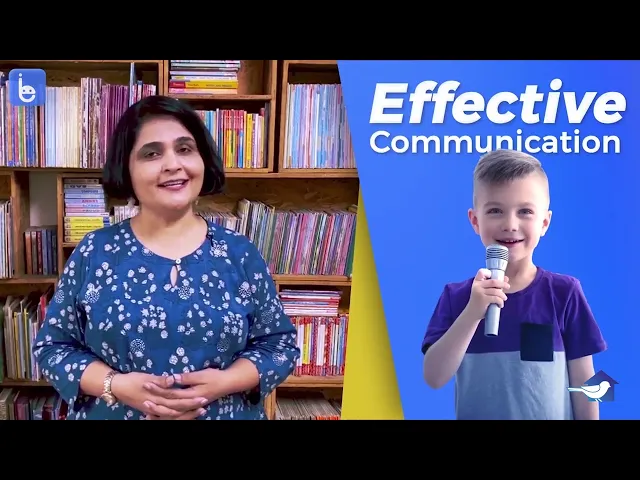
See how HSF helped Bambinos create an engaging, learning-focused video that strengthens parent trust and showcases real student development. Watch the video:
Types of Videos Schools Should Use to Improve Parent Communication
Video strengthens transparency by giving parents a clearer picture of school life. Each video type serves a unique purpose and builds stronger communication when used consistently.
Principal’s Message Videos
Weekly or monthly principal messages keep parents aligned with the school’s vision, updates, and priorities. When leadership communicates directly on video, it feels more personal and reassuring. These videos are ideal for sharing safety updates, new policies, school goals, and community messages in a warm and consistent tone.
Classroom Activity Videos
Short clips of classroom work, group activities, and hands-on learning help parents see real academic progress. They also showcase teaching approaches and learning environments, strengthening trust and creating a deeper connection between parents and teachers. These videos offer transparency that traditional communication cannot achieve.
Event Highlights and Annual Day Recaps
Capturing events on video strengthens community belonging by showcasing celebrations, achievements, and school culture. Parents feel emotionally connected even when they cannot attend in person. These videos also serve as long-term promotional assets that highlight the vibrancy of school life.
Admission Guidance Videos
Clear, step-by-step admission guidance makes the onboarding process easier for new parents. Videos explaining required documents, timelines, and school tours help reduce confusion. A visual walkthrough builds confidence and ensures a smooth transition for families joining the school.
Parent Orientation and Policy Explanation Videos
Orientation videos simplify complicated details like attendance rules, safety policies or fee structure breakdowns. Video ensures every parent receives the same information, reducing repetitive queries and improving clarity around expectations and protocols.
Transport & Safety Videos
Videos explaining bus procedures, ID card usage, and campus safety measures help avoid misunderstandings. Visual instructions ensure parents clearly understand safety protocols and can reinforce them at home, improving overall student security.
Video Type vs Purpose
Effective school communication works best when each video type is matched to a specific goal. Aligning the right video with the right message strengthens transparency, clarity, and overall parent engagement.
Video Type | Best For | Key Benefit |
Principal Messages | Regular updates and announcements | Builds trust through direct leadership communication |
Classroom Videos | Showing real learning progress and activities | Enhances transparency by giving parents a true view of daily learning |
Event Highlights | Celebrating school culture and community moments | Strengthens emotional bonding and parent loyalty |
Admission Videos | Guiding new parents through onboarding | Simplifies processes and reduces confusion for incoming families |
Safety Videos | Communicating rules and campus protocols | Prevents misunderstandings and supports a safe school environment |
Read more: Virtual Field Trip Videos for Schools and Universities
How Schools Can Use Videos in Daily and Weekly Communication
Video strengthens communication and enhances branding by giving parents consistent, warm, and visually clear updates. Using video regularly makes school messaging feel more personal, trustworthy, and easier for families to follow.
Weekly Video Newsletters
Weekly video newsletters provide short summaries of classroom learning, school events, and upcoming updates. They feel more engaging than text-based newsletters and help parents stay aligned with school activities. By using familiar faces like teachers or coordinators, these videos create a sense of consistency and community while improving overall communication flow.
Video Messages for Important Announcements
Video is ideal for delivering holiday updates, sudden schedule changes, emergency notifications, or new rule announcements. Seeing the tone, urgency, and clarity of the communicator helps parents understand the message quickly. This format reduces misinterpretation and ensures families receive information in a fast, reliable, and easily accessible way.
Parent–Teacher Meeting Support Videos
Support videos sent before PTMs help parents understand what to expect, how the meeting will run, and what progress indicators to focus on. They offer clarity on learning goals and enhance collaboration between parents and teachers. This preparation encourages more meaningful conversations during the meeting and reduces unnecessary confusion.
Homework & Learning Support Videos
Short homework support videos guide parents through home assignments by demonstrating tasks step by step. Teachers can explain concepts, show examples, and highlight common mistakes. These videos make it easier for parents to assist their children confidently, improving learning continuity at home and reducing frustration in the homework process.
Read more: How to Use Video to Promote School Admissions
Where Schools Should Publish and Share Communication Videos
Schools should prioritise sharing communication videos through the official school app or parent portal. These platforms provide controlled access, stronger privacy, and a secure environment for sharing student-related content. Push notifications ensure parents never miss an update and can revisit videos whenever needed. This centralised approach builds trust and keeps communication organised.
WhatsApp broadcasts and groups help schools reach parents quickly, making it ideal for reminders, short announcements, and urgent updates. Since WhatsApp has high open rates, video messages sent here are more likely to be viewed immediately. Schools can also use the platform for short clips summarising important details.
YouTube, shared as unlisted or private, offers high-quality streaming and easy embedding across school platforms. Email remains useful for formal communication, allowing schools to embed short clips in newsletters or circular-style messages that parents can reference later.
Tips for Creating Effective School Communication Videos
Creating strong school communication videos requires clarity, warmth, and consistent presentation so parents can easily understand and trust every update.
Keep Videos Short and Clear: Aim for videos between 30 seconds and 2 minutes to maintain attention. Use simple, direct language that parents of all backgrounds can follow without confusion. Short, clear videos improve understanding and reduce the chances of parents missing important details in long explanations.
Maintain a Friendly, Warm Tone: Parents respond better when communication feels natural and personal. Use familiar faces like teachers, coordinators, or the principal to deliver messages. A warm tone builds comfort, reinforces trust, and makes routine communication feel more human and approachable rather than formal or distant.
Use Visual Demonstrations: Visuals make complex instructions much easier to understand. Demonstrating safety steps, admission procedures or classroom routines helps parents absorb information quickly. Showing processes rather than describing them reduces confusion and increases overall clarity for families.
Add Subtitles for Accessibility: Subtitles help multilingual parents and those who watch videos with the sound off. Adding text ensures every parent understands the message regardless of language familiarity or viewing environment, increasing accessibility and inclusivity.
Consistent Branding and Style: Use uniform fonts, school colors, and simple logo animations to maintain a cohesive identity across videos. Consistent branding builds recognition and strengthens the school’s communication style, helping parents immediately identify official updates.
Read more: How Schools Can Showcase Student Achievements Through Video
Common Mistakes Schools Should Avoid When Using Video
Schools often adopt video communication with good intentions, but face issues when execution is inconsistent. Avoiding common mistakes ensures your videos stay effective, trustworthy, and parent-friendly.
Making Videos Too Long or Overwhelming: Parents have limited time, so long videos reduce engagement. Overly detailed explanations can confuse rather than inform. Keeping videos short and focused helps parents absorb essential information without feeling overloaded.
Using Poor Quality Video or Audio: Shaky footage, unclear voices, or distracting backgrounds harm credibility. Poor quality makes important messages difficult to understand. Clear visuals and clean audio show professionalism and help parents trust school communication.
Ignoring Student and Parent Privacy Rules: Filming without proper consent risks safety and legal concerns. Schools must follow privacy guidelines and avoid showing personal details. Ensuring permissions and safe filming protects both families and the institution.
Sending Videos Without Context or Explanation: Videos must include a brief description or purpose, so parents know what to expect. Without context, important messages may be misunderstood or ignored. Clear framing improves comprehension and response.
Not Maintaining a Proper Video Archive or Library: Scattered videos across platforms make it difficult for parents to revisit information. A well-organised archive on the parent portal helps families access past updates easily and strengthens long-term communication.
How House Sparrow Films Helps Schools Create Impactful Communication Videos
House Sparrow Films helps schools transform their communication through professionally crafted videos that simplify updates and strengthen parent trust. Their team supports schools with clear script and story planning to ensure every message is easy to understand and parent-friendly. Cinematic yet practical filming captures real school environments while maintaining a polished look. HSF also produces interview-style videos featuring parents, teachers, or school leaders to build authenticity. Schools receive multiple video formats, including short clips for WhatsApp and longer versions for portals or YouTube. All work follows secure, school-safe production processes to protect privacy and ensure smooth coordination on campus.
Conclusion
Video has become one of the most effective ways for schools to communicate clearly and consistently with parents. It strengthens transparency, improves understanding, and creates a deeper emotional connection by showing real school experiences. Schools using school communication videos build stronger relationships, reduce confusion, and make families feel more included in daily learning. With the right planning and professional support, video becomes a powerful long-term tool for trust and parent engagement. Ready to modernise your school’s communication? Partner with House Sparrow Films to create impactful, parent-friendly educational videos.
FAQs
1. Why should schools use video instead of traditional circulars or emails?
Video offers clearer explanations, stronger engagement, and higher retention. Parents understand instructions faster, see real classroom activities, and receive updates in a more transparent way.
2. What types of school communication videos do parents find most helpful?
Parents respond best to principal messages, classroom activity recaps, safety guideline videos, event highlights, and admission-process guidance videos because these formats answer real questions and reduce confusion.
3. How long should school communication videos ideally be?
Most communication videos work best between 30 seconds and 2 minutes for quick announcements, and 2 to 5 minutes for orientations or detailed policy explanations. Short, clear videos keep engagement high.
4. Can schools share communication videos on public platforms?
Yes, but with caution. Videos with identifiable student details should stay private on parent portals or unlisted links. Public sharing works for non-sensitive content like events, celebrations, or school promotional films.
5. How often should schools send video updates to parents?
Weekly updates create consistency, while major announcements and safety updates can be shared whenever necessary. The frequency should match the importance of the message.
6. Do teachers need special training to appear on camera?
Not usually. A warm tone, clear delivery, and basic framing are enough. A brief on-camera orientation and support during filming helps teachers feel confident and natural.
7. What equipment do schools need to start creating effective communication videos?
Schools can begin with smartphones, simple lights, and lapel microphones. For more polished videos, such as admissions, orientations, or annual highlights, partnering with a professional production team ensures better storytelling and quality.
Key takeaways
Video builds stronger parent trust by showing real classrooms, teachers, and school environments.
Short, clear video updates improve understanding and reduce confusion for busy parents.
Different video types serve unique communication needs from admissions to safety guidelines.
Sharing videos across portals, WhatsApp, and email ensures every parent receives updates easily.
Professional school communication videos enhance branding, engagement, and long-term parent relationships.
Parents expect clearer updates, more transparency, and consistent communication from schools as academic expectations and safety concerns continue to rise. Traditional circulars, long emails, and notice boards often fall short because they are easy to miss, difficult to interpret, and lack emotional connection. Video communication solves these challenges by delivering information in a format that feels personal, simple, and easy to follow. A 2021 global survey of more than 4,600 parents across 19 countries found that families engage more with their children’s learning when schools use structured technological tools, including video and other digital formats. Schools using school communication videos build stronger parent engagement, improve transparency, and create a more connected school community through clear, visually guided updates.
Why Video Is the Most Effective Medium for Parent-School Communication
Video strengthens parent engagement by delivering information in a clearer, more personal, and more memorable format than traditional text-based communication.
Video Builds Trust Through Transparency: Showing real classrooms, teachers, and school spaces helps parents understand the environment their children learn in every day. This transparency reduces anxiety, especially for new parents unfamiliar with school routines.
Video Saves Time for Busy Parents: Short, digestible video updates are easier to absorb than long PDFs or email circulars. Parents can watch them quickly during daily routines, making communication more convenient and effective.
Visual + Audio Learning Increases Clarity: Demonstrations, walk-throughs, and visual instructions eliminate confusion. This is especially useful when explaining school policies, safety rules, or important announcements that require step-by-step clarity.
Emotional Engagement Creates Stronger Parent Loyalty: Event highlights, celebrations, and student achievements create emotional bonding. A recent education media study showed that parents respond more positively to emotionally engaging school content
See how HSF helped Bambinos create an engaging, learning-focused video that strengthens parent trust and showcases real student development. Watch the video:
Types of Videos Schools Should Use to Improve Parent Communication
Video strengthens transparency by giving parents a clearer picture of school life. Each video type serves a unique purpose and builds stronger communication when used consistently.
Principal’s Message Videos
Weekly or monthly principal messages keep parents aligned with the school’s vision, updates, and priorities. When leadership communicates directly on video, it feels more personal and reassuring. These videos are ideal for sharing safety updates, new policies, school goals, and community messages in a warm and consistent tone.
Classroom Activity Videos
Short clips of classroom work, group activities, and hands-on learning help parents see real academic progress. They also showcase teaching approaches and learning environments, strengthening trust and creating a deeper connection between parents and teachers. These videos offer transparency that traditional communication cannot achieve.
Event Highlights and Annual Day Recaps
Capturing events on video strengthens community belonging by showcasing celebrations, achievements, and school culture. Parents feel emotionally connected even when they cannot attend in person. These videos also serve as long-term promotional assets that highlight the vibrancy of school life.
Admission Guidance Videos
Clear, step-by-step admission guidance makes the onboarding process easier for new parents. Videos explaining required documents, timelines, and school tours help reduce confusion. A visual walkthrough builds confidence and ensures a smooth transition for families joining the school.
Parent Orientation and Policy Explanation Videos
Orientation videos simplify complicated details like attendance rules, safety policies or fee structure breakdowns. Video ensures every parent receives the same information, reducing repetitive queries and improving clarity around expectations and protocols.
Transport & Safety Videos
Videos explaining bus procedures, ID card usage, and campus safety measures help avoid misunderstandings. Visual instructions ensure parents clearly understand safety protocols and can reinforce them at home, improving overall student security.
Video Type vs Purpose
Effective school communication works best when each video type is matched to a specific goal. Aligning the right video with the right message strengthens transparency, clarity, and overall parent engagement.
Video Type | Best For | Key Benefit |
Principal Messages | Regular updates and announcements | Builds trust through direct leadership communication |
Classroom Videos | Showing real learning progress and activities | Enhances transparency by giving parents a true view of daily learning |
Event Highlights | Celebrating school culture and community moments | Strengthens emotional bonding and parent loyalty |
Admission Videos | Guiding new parents through onboarding | Simplifies processes and reduces confusion for incoming families |
Safety Videos | Communicating rules and campus protocols | Prevents misunderstandings and supports a safe school environment |
Read more: Virtual Field Trip Videos for Schools and Universities
How Schools Can Use Videos in Daily and Weekly Communication
Video strengthens communication and enhances branding by giving parents consistent, warm, and visually clear updates. Using video regularly makes school messaging feel more personal, trustworthy, and easier for families to follow.
Weekly Video Newsletters
Weekly video newsletters provide short summaries of classroom learning, school events, and upcoming updates. They feel more engaging than text-based newsletters and help parents stay aligned with school activities. By using familiar faces like teachers or coordinators, these videos create a sense of consistency and community while improving overall communication flow.
Video Messages for Important Announcements
Video is ideal for delivering holiday updates, sudden schedule changes, emergency notifications, or new rule announcements. Seeing the tone, urgency, and clarity of the communicator helps parents understand the message quickly. This format reduces misinterpretation and ensures families receive information in a fast, reliable, and easily accessible way.
Parent–Teacher Meeting Support Videos
Support videos sent before PTMs help parents understand what to expect, how the meeting will run, and what progress indicators to focus on. They offer clarity on learning goals and enhance collaboration between parents and teachers. This preparation encourages more meaningful conversations during the meeting and reduces unnecessary confusion.
Homework & Learning Support Videos
Short homework support videos guide parents through home assignments by demonstrating tasks step by step. Teachers can explain concepts, show examples, and highlight common mistakes. These videos make it easier for parents to assist their children confidently, improving learning continuity at home and reducing frustration in the homework process.
Read more: How to Use Video to Promote School Admissions
Where Schools Should Publish and Share Communication Videos
Schools should prioritise sharing communication videos through the official school app or parent portal. These platforms provide controlled access, stronger privacy, and a secure environment for sharing student-related content. Push notifications ensure parents never miss an update and can revisit videos whenever needed. This centralised approach builds trust and keeps communication organised.
WhatsApp broadcasts and groups help schools reach parents quickly, making it ideal for reminders, short announcements, and urgent updates. Since WhatsApp has high open rates, video messages sent here are more likely to be viewed immediately. Schools can also use the platform for short clips summarising important details.
YouTube, shared as unlisted or private, offers high-quality streaming and easy embedding across school platforms. Email remains useful for formal communication, allowing schools to embed short clips in newsletters or circular-style messages that parents can reference later.
Tips for Creating Effective School Communication Videos
Creating strong school communication videos requires clarity, warmth, and consistent presentation so parents can easily understand and trust every update.
Keep Videos Short and Clear: Aim for videos between 30 seconds and 2 minutes to maintain attention. Use simple, direct language that parents of all backgrounds can follow without confusion. Short, clear videos improve understanding and reduce the chances of parents missing important details in long explanations.
Maintain a Friendly, Warm Tone: Parents respond better when communication feels natural and personal. Use familiar faces like teachers, coordinators, or the principal to deliver messages. A warm tone builds comfort, reinforces trust, and makes routine communication feel more human and approachable rather than formal or distant.
Use Visual Demonstrations: Visuals make complex instructions much easier to understand. Demonstrating safety steps, admission procedures or classroom routines helps parents absorb information quickly. Showing processes rather than describing them reduces confusion and increases overall clarity for families.
Add Subtitles for Accessibility: Subtitles help multilingual parents and those who watch videos with the sound off. Adding text ensures every parent understands the message regardless of language familiarity or viewing environment, increasing accessibility and inclusivity.
Consistent Branding and Style: Use uniform fonts, school colors, and simple logo animations to maintain a cohesive identity across videos. Consistent branding builds recognition and strengthens the school’s communication style, helping parents immediately identify official updates.
Read more: How Schools Can Showcase Student Achievements Through Video
Common Mistakes Schools Should Avoid When Using Video
Schools often adopt video communication with good intentions, but face issues when execution is inconsistent. Avoiding common mistakes ensures your videos stay effective, trustworthy, and parent-friendly.
Making Videos Too Long or Overwhelming: Parents have limited time, so long videos reduce engagement. Overly detailed explanations can confuse rather than inform. Keeping videos short and focused helps parents absorb essential information without feeling overloaded.
Using Poor Quality Video or Audio: Shaky footage, unclear voices, or distracting backgrounds harm credibility. Poor quality makes important messages difficult to understand. Clear visuals and clean audio show professionalism and help parents trust school communication.
Ignoring Student and Parent Privacy Rules: Filming without proper consent risks safety and legal concerns. Schools must follow privacy guidelines and avoid showing personal details. Ensuring permissions and safe filming protects both families and the institution.
Sending Videos Without Context or Explanation: Videos must include a brief description or purpose, so parents know what to expect. Without context, important messages may be misunderstood or ignored. Clear framing improves comprehension and response.
Not Maintaining a Proper Video Archive or Library: Scattered videos across platforms make it difficult for parents to revisit information. A well-organised archive on the parent portal helps families access past updates easily and strengthens long-term communication.
How House Sparrow Films Helps Schools Create Impactful Communication Videos
House Sparrow Films helps schools transform their communication through professionally crafted videos that simplify updates and strengthen parent trust. Their team supports schools with clear script and story planning to ensure every message is easy to understand and parent-friendly. Cinematic yet practical filming captures real school environments while maintaining a polished look. HSF also produces interview-style videos featuring parents, teachers, or school leaders to build authenticity. Schools receive multiple video formats, including short clips for WhatsApp and longer versions for portals or YouTube. All work follows secure, school-safe production processes to protect privacy and ensure smooth coordination on campus.
Conclusion
Video has become one of the most effective ways for schools to communicate clearly and consistently with parents. It strengthens transparency, improves understanding, and creates a deeper emotional connection by showing real school experiences. Schools using school communication videos build stronger relationships, reduce confusion, and make families feel more included in daily learning. With the right planning and professional support, video becomes a powerful long-term tool for trust and parent engagement. Ready to modernise your school’s communication? Partner with House Sparrow Films to create impactful, parent-friendly educational videos.
FAQs
1. Why should schools use video instead of traditional circulars or emails?
Video offers clearer explanations, stronger engagement, and higher retention. Parents understand instructions faster, see real classroom activities, and receive updates in a more transparent way.
2. What types of school communication videos do parents find most helpful?
Parents respond best to principal messages, classroom activity recaps, safety guideline videos, event highlights, and admission-process guidance videos because these formats answer real questions and reduce confusion.
3. How long should school communication videos ideally be?
Most communication videos work best between 30 seconds and 2 minutes for quick announcements, and 2 to 5 minutes for orientations or detailed policy explanations. Short, clear videos keep engagement high.
4. Can schools share communication videos on public platforms?
Yes, but with caution. Videos with identifiable student details should stay private on parent portals or unlisted links. Public sharing works for non-sensitive content like events, celebrations, or school promotional films.
5. How often should schools send video updates to parents?
Weekly updates create consistency, while major announcements and safety updates can be shared whenever necessary. The frequency should match the importance of the message.
6. Do teachers need special training to appear on camera?
Not usually. A warm tone, clear delivery, and basic framing are enough. A brief on-camera orientation and support during filming helps teachers feel confident and natural.
7. What equipment do schools need to start creating effective communication videos?
Schools can begin with smartphones, simple lights, and lapel microphones. For more polished videos, such as admissions, orientations, or annual highlights, partnering with a professional production team ensures better storytelling and quality.