Key takeaways
Instructional videos help businesses deliver consistent training across teams and locations.
Video learning improves knowledge retention and engagement compared to text-based training.
Businesses use instructional videos for onboarding, product tutorials, compliance training, and internal processes.
Professional video production improves clarity, structure, and long-term usability of training content.
Instructional videos enable scalable learning as companies grow and expand globally.
Instructional video production has become an essential tool for businesses that need to train employees, explain processes, or educate customers efficiently. As companies expand across locations and adopt digital workflows, written manuals and static guides are no longer sufficient for clear communication. Instructional videos allow organizations to present step-by-step information visually, making training easier to understand and more consistent across teams.
Research shows that viewers retain 95% of a message when watching it in a video compared to only 10% when reading text, highlighting why video-based training is increasingly preferred in workplaces. This growing demand has made instructional video production in the USA a strategic investment for businesses that want scalable training, better knowledge retention, and improved employee performance.
Why Businesses Are Turning to Instructional Videos
Businesses are increasingly adopting instructional videos because they provide a clearer and more scalable way to deliver training. Compared to traditional training materials, videos combine visual demonstrations, narration, and step-by-step explanations that make complex processes easier to understand. This format helps employees learn faster while ensuring consistency across teams and locations.
Instructional videos also support modern workplace needs such as remote training, digital learning platforms, and on-demand knowledge access. Instead of repeating live training sessions, organizations can create structured video modules that employees can revisit whenever needed, improving both efficiency and knowledge retention.
Training Method | Average Retention | Scalability | Engagement |
Written manuals | Low | Moderate | Low |
Classroom training | Moderate | Low | Moderate |
Instructional video training | Very High | High | High |
Why Instructional Video Production Is Essential for Modern Businesses
Instructional videos help businesses deliver clear, repeatable, and scalable training across teams and locations. As companies adopt digital learning methods, video has become one of the most effective formats for workplace training. According to Wyzowl’s Video Marketing Statistics, 91% of businesses use video as a marketing and training tool, reflecting its growing role in corporate communication and learning.
Because of these advantages, organizations across industries are investing in professional training video services to improve learning outcomes and maintain consistency across teams.
Higher Knowledge Retention
Instructional videos improve learning retention because they engage multiple senses at once. Employees can see demonstrations, hear explanations, and follow visual cues simultaneously, which strengthens understanding.
Key benefits include:
Visual demonstrations make complex tasks easier to understand
Step-by-step instructions reduce confusion during training
Employees can replay videos to reinforce learning
Information becomes easier to remember compared to text manuals
This makes video training especially valuable in industries where accuracy and clear procedures are critical.
Consistent Training Across Teams
One of the biggest challenges businesses face is maintaining consistent training across departments and locations. Different trainers may explain processes differently, which can lead to inconsistent practices.
Instructional videos standardize training by delivering the same message to every employee.
Advantages include:
Uniform communication of company policies and procedures
Reduced risk of misinterpretation during training
Easier onboarding for employees across multiple locations
Consistent learning experiences for remote and in-office teams
By using structured video modules, companies ensure that every employee receives the same guidance.
Scalable Learning for Growing Companies
Instructional videos allow organizations to train growing teams efficiently without repeating live sessions. Once created, these videos can be shared across departments, offices, and even global teams. Employees can access the content anytime, making learning flexible and consistent. This approach helps companies onboard new hires faster, support remote teams, and maintain standardized training processes while scaling operations without increasing training workload for managers or trainers.
Reduced Training Costs
Instructional videos reduce recurring training expenses while maintaining consistent learning quality across departments.
Lower trainer dependency: Companies reduce reliance on trainers by providing reusable instructional videos for regular training programs.
Minimal travel expenses: Video-based learning eliminates travel and logistical costs associated with in-person training sessions.
Reusable training assets: Instructional videos remain valuable resources for years, reducing the need for repeated training creation.
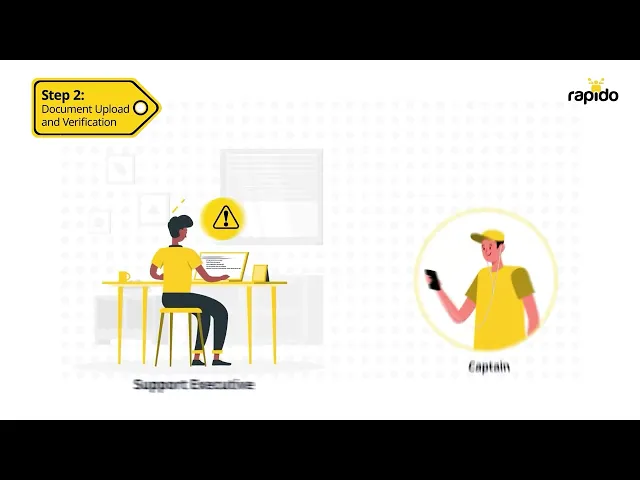
See how HSF helped Rapido create engaging L&D training videos that simplified employee learning and improved onboarding efficiency:
When Businesses Actually Need Instructional Video Production
Businesses typically invest in instructional video production when training becomes complex, repetitive, or critical to operations. As organizations scale and adopt new systems, explaining processes through documents alone often leads to confusion. Professionally produced corporate tutorial videos help communicate clear, step-by-step instructions that employees and customers can easily follow.
These videos make training more consistent, scalable, and easier to access across departments or locations. From onboarding new employees to explaining products and documenting workflows, instructional videos help businesses deliver information in a structured and repeatable format.
Employee Onboarding and Training
Onboarding is one of the most common uses of corporate tutorial videos. New hires need guidance on company systems, policies, and workflows, and video makes this process easier to understand.
Businesses use onboarding videos to:
Standardize onboarding across teams
Reduce training time for HR departments
Help new employees gain confidence faster
Product Demonstrations and Tutorials
Businesses that offer technology products, software platforms, or complex equipment often create instructional videos to clearly explain how their products work. Demonstration videos visually guide users through features, setup processes, and workflows, making it easier for customers to understand functionality. These videos commonly include software tutorials, hardware setup instructions, and feature walkthroughs. By simplifying product usage, companies improve user adoption while reducing customer support queries and the need for extensive product training.
Compliance and Safety Training
Industries such as healthcare, finance, and manufacturing require employees to follow strict compliance and safety procedures. Instructional videos help explain these guidelines clearly.
Businesses use training videos to communicate:
Safety procedures
Legal regulations
Workplace policies
This ensures every employee receives consistent compliance training.
Customer Education and Support
Many companies create instructional videos to help customers understand products and solve common issues independently.
Examples include:
Software setup tutorials
Troubleshooting guides
Product usage instructions
These videos improve customer experience while reducing support workload.
Internal Process Documentation
Businesses often produce instructional videos to document internal workflows and operational procedures.
Common examples include:
Software workflows
Operational procedures
Quality assurance processes
This documentation becomes especially valuable when companies scale or onboard new teams.
If your business needs professional corporate tutorial videos for training or product education, expert production can ensure clarity and engagement. Schedule a consultation with HSF to discuss your instructional video production requirements.
Industries in the USA That Frequently Use Instructional Videos
“Video-based training helps organizations deliver clearer instructions while improving knowledge retention across teams,” says Michael Allen, eLearning expert and author. Instructional video production is widely used in industries where training accuracy and efficiency are critical.
Major Industries Using Instructional Videos:
Industry | Video Use Cases |
Technology & SaaS | Software tutorials, product walkthroughs |
Healthcare | Compliance training, medical procedures |
Manufacturing | Equipment operation, safety training |
Retail | POS system training, customer service training |
Finance | Compliance and regulatory training |
Education | Online learning and digital courses |
These industries rely heavily on video training because errors in procedures or processes can lead to productivity losses, safety risks, or compliance violations. Clear instructional videos help organizations ensure employees understand tasks accurately while maintaining consistent training standards across departments.
Read more: How Small Businesses Can Compete with Big Brands Using Promo Videos
Types of Instructional Videos Businesses Use
Businesses use different instructional video formats depending on training objectives, audience, and content complexity. From tutorials to demonstrations, selecting the right format ensures clarity, engagement, and effective how-to video production for learning.
Screen Recording Tutorials: Ideal for software training, digital tools, and SaaS platforms by visually guiding users through interfaces.
Animated Training Videos: Simplify complex concepts and processes while engaging global audiences with clear visuals and storytelling.
Live-Action Demonstration Videos: Show real environments, machinery operations, and workplace procedures to explain tasks clearly.
Microlearning Videos: Short, focused training modules designed for quick learning, easy mobile access, and busy teams.
Why Businesses Choose Professional Video Production Companies
While some organizations attempt DIY training videos, professional production often delivers more effective results. High-quality instructional videos require structured planning, clear storytelling, and strong visual presentation to ensure viewers understand each step easily. Businesses, therefore, work with experienced teams that understand training objectives and can translate complex processes into engaging visual content.
A professional L&D training video production agency helps organizations design training videos that are clear, consistent, and scalable. From scripting and storyboarding to filming and editing, experts ensure the content aligns with learning goals while maintaining strong visual quality. This approach improves knowledge transfer, supports employee development, and creates reusable training resources that remain valuable as businesses grow.
Best Practices for Effective Instructional Video Production
Businesses should follow clear principles to make instructional videos engaging and effective for training.
Best practices:
Keep videos concise and focused
Use visual demonstrations instead of heavy text
Break complex topics into microlearning modules
Include clear step-by-step instructions
Use professional voiceovers and visuals
Instructional videos work best when they combine visual clarity, structured narration, and practical demonstrations that help viewers understand and apply information effectively.
How Instructional Videos Support Scalable Learning in Growing Companies
As organizations expand, managing training through traditional methods becomes increasingly difficult. Growing teams, multiple locations, and frequent onboarding needs require learning solutions that are consistent and easy to access. Instructional videos address this challenge by allowing businesses to deliver training content that employees can watch anytime, ensuring that learning remains flexible and accessible.
With video-based learning, companies can maintain consistent training across departments while onboarding new employees efficiently. Many organizations also rely on explainer video services to simplify complex processes and concepts within training modules. Over time, these videos become valuable knowledge assets that support repeatable learning, improve operational efficiency, and help businesses scale their training programs effectively.
Read more: How to Create Safety and Hygiene Instructional Videos for Schools
Why Global Companies Partner with Professional Video Production Agencies
Companies in the USA often collaborate with specialized production agencies to create high-quality instructional videos that align with their brand identity and training goals. Professional production teams bring expertise in storytelling, visual communication, and learning design, ensuring that complex information is delivered clearly and effectively.
A professional agency provides structured support throughout the production process, including strategic planning, scripting, filming, and post-production. This helps businesses create training content that is engaging, consistent, and suitable for global audiences.
Professional video production agencies typically offer:
Strategic training video planning
Professional scripting and storyboarding
High-quality filming and animation
Clear instructional design
Global-ready content suitable for distributed teams
Read more: The Role of Storytelling in Learning and Development Videos
How House Sparrow Films Supports Businesses with Instructional Videos
When businesses identify that instructional video production is needed for training, onboarding, or product education, House Sparrow Films helps turn complex processes into clear, structured video content. The team works closely with organizations to understand workflows, training goals, and audience needs before developing professional instructional videos. From planning and scripting to filming and editing, House Sparrow Films creates training videos that are clear, consistent, and long-term usable, helping companies deliver scalable learning experiences across teams and locations.
Conclusion
Instructional video production has become an essential tool for businesses in the USA that need clear, scalable, and consistent training solutions. From employee onboarding and compliance training to product tutorials and internal process documentation, instructional videos help organizations simplify complex information and improve knowledge retention. As companies grow and adopt digital learning strategies, professionally produced instructional videos ensure teams and customers receive accurate guidance that is easy to understand and accessible anytime.
If your business is planning to create impactful training or tutorial videos, House Sparrow Films can help. Our team specializes in producing high-quality instructional videos tailored to business needs. Contact us today to discuss your project and create training videos that deliver real results.
FAQs
1. What is instructional video production?
Instructional video production involves creating videos that teach viewers how to perform tasks, use products, or understand processes through clear visual demonstrations.
2. When should a business create instructional videos?
Businesses should create instructional videos when training becomes repetitive, complex, or needs to be delivered consistently across teams and locations.
3. How long should instructional training videos be?
Most effective instructional videos are typically between 2 to 10 minutes, depending on the complexity of the topic.
4. What types of businesses use instructional videos?
Industries such as technology, healthcare, manufacturing, finance, retail, and education commonly use instructional videos for training and knowledge transfer.
5. Why hire a professional video production company for training videos?
Professional production ensures clear visuals, structured content, and engaging storytelling that improve understanding and long-term training effectiveness.
Key takeaways
Instructional videos help businesses deliver consistent training across teams and locations.
Video learning improves knowledge retention and engagement compared to text-based training.
Businesses use instructional videos for onboarding, product tutorials, compliance training, and internal processes.
Professional video production improves clarity, structure, and long-term usability of training content.
Instructional videos enable scalable learning as companies grow and expand globally.
Instructional video production has become an essential tool for businesses that need to train employees, explain processes, or educate customers efficiently. As companies expand across locations and adopt digital workflows, written manuals and static guides are no longer sufficient for clear communication. Instructional videos allow organizations to present step-by-step information visually, making training easier to understand and more consistent across teams.
Research shows that viewers retain 95% of a message when watching it in a video compared to only 10% when reading text, highlighting why video-based training is increasingly preferred in workplaces. This growing demand has made instructional video production in the USA a strategic investment for businesses that want scalable training, better knowledge retention, and improved employee performance.
Why Businesses Are Turning to Instructional Videos
Businesses are increasingly adopting instructional videos because they provide a clearer and more scalable way to deliver training. Compared to traditional training materials, videos combine visual demonstrations, narration, and step-by-step explanations that make complex processes easier to understand. This format helps employees learn faster while ensuring consistency across teams and locations.
Instructional videos also support modern workplace needs such as remote training, digital learning platforms, and on-demand knowledge access. Instead of repeating live training sessions, organizations can create structured video modules that employees can revisit whenever needed, improving both efficiency and knowledge retention.
Training Method | Average Retention | Scalability | Engagement |
Written manuals | Low | Moderate | Low |
Classroom training | Moderate | Low | Moderate |
Instructional video training | Very High | High | High |
Why Instructional Video Production Is Essential for Modern Businesses
Instructional videos help businesses deliver clear, repeatable, and scalable training across teams and locations. As companies adopt digital learning methods, video has become one of the most effective formats for workplace training. According to Wyzowl’s Video Marketing Statistics, 91% of businesses use video as a marketing and training tool, reflecting its growing role in corporate communication and learning.
Because of these advantages, organizations across industries are investing in professional training video services to improve learning outcomes and maintain consistency across teams.
Higher Knowledge Retention
Instructional videos improve learning retention because they engage multiple senses at once. Employees can see demonstrations, hear explanations, and follow visual cues simultaneously, which strengthens understanding.
Key benefits include:
Visual demonstrations make complex tasks easier to understand
Step-by-step instructions reduce confusion during training
Employees can replay videos to reinforce learning
Information becomes easier to remember compared to text manuals
This makes video training especially valuable in industries where accuracy and clear procedures are critical.
Consistent Training Across Teams
One of the biggest challenges businesses face is maintaining consistent training across departments and locations. Different trainers may explain processes differently, which can lead to inconsistent practices.
Instructional videos standardize training by delivering the same message to every employee.
Advantages include:
Uniform communication of company policies and procedures
Reduced risk of misinterpretation during training
Easier onboarding for employees across multiple locations
Consistent learning experiences for remote and in-office teams
By using structured video modules, companies ensure that every employee receives the same guidance.
Scalable Learning for Growing Companies
Instructional videos allow organizations to train growing teams efficiently without repeating live sessions. Once created, these videos can be shared across departments, offices, and even global teams. Employees can access the content anytime, making learning flexible and consistent. This approach helps companies onboard new hires faster, support remote teams, and maintain standardized training processes while scaling operations without increasing training workload for managers or trainers.
Reduced Training Costs
Instructional videos reduce recurring training expenses while maintaining consistent learning quality across departments.
Lower trainer dependency: Companies reduce reliance on trainers by providing reusable instructional videos for regular training programs.
Minimal travel expenses: Video-based learning eliminates travel and logistical costs associated with in-person training sessions.
Reusable training assets: Instructional videos remain valuable resources for years, reducing the need for repeated training creation.
See how HSF helped Rapido create engaging L&D training videos that simplified employee learning and improved onboarding efficiency:
When Businesses Actually Need Instructional Video Production
Businesses typically invest in instructional video production when training becomes complex, repetitive, or critical to operations. As organizations scale and adopt new systems, explaining processes through documents alone often leads to confusion. Professionally produced corporate tutorial videos help communicate clear, step-by-step instructions that employees and customers can easily follow.
These videos make training more consistent, scalable, and easier to access across departments or locations. From onboarding new employees to explaining products and documenting workflows, instructional videos help businesses deliver information in a structured and repeatable format.
Employee Onboarding and Training
Onboarding is one of the most common uses of corporate tutorial videos. New hires need guidance on company systems, policies, and workflows, and video makes this process easier to understand.
Businesses use onboarding videos to:
Standardize onboarding across teams
Reduce training time for HR departments
Help new employees gain confidence faster
Product Demonstrations and Tutorials
Businesses that offer technology products, software platforms, or complex equipment often create instructional videos to clearly explain how their products work. Demonstration videos visually guide users through features, setup processes, and workflows, making it easier for customers to understand functionality. These videos commonly include software tutorials, hardware setup instructions, and feature walkthroughs. By simplifying product usage, companies improve user adoption while reducing customer support queries and the need for extensive product training.
Compliance and Safety Training
Industries such as healthcare, finance, and manufacturing require employees to follow strict compliance and safety procedures. Instructional videos help explain these guidelines clearly.
Businesses use training videos to communicate:
Safety procedures
Legal regulations
Workplace policies
This ensures every employee receives consistent compliance training.
Customer Education and Support
Many companies create instructional videos to help customers understand products and solve common issues independently.
Examples include:
Software setup tutorials
Troubleshooting guides
Product usage instructions
These videos improve customer experience while reducing support workload.
Internal Process Documentation
Businesses often produce instructional videos to document internal workflows and operational procedures.
Common examples include:
Software workflows
Operational procedures
Quality assurance processes
This documentation becomes especially valuable when companies scale or onboard new teams.
If your business needs professional corporate tutorial videos for training or product education, expert production can ensure clarity and engagement. Schedule a consultation with HSF to discuss your instructional video production requirements.
Industries in the USA That Frequently Use Instructional Videos
“Video-based training helps organizations deliver clearer instructions while improving knowledge retention across teams,” says Michael Allen, eLearning expert and author. Instructional video production is widely used in industries where training accuracy and efficiency are critical.
Major Industries Using Instructional Videos:
Industry | Video Use Cases |
Technology & SaaS | Software tutorials, product walkthroughs |
Healthcare | Compliance training, medical procedures |
Manufacturing | Equipment operation, safety training |
Retail | POS system training, customer service training |
Finance | Compliance and regulatory training |
Education | Online learning and digital courses |
These industries rely heavily on video training because errors in procedures or processes can lead to productivity losses, safety risks, or compliance violations. Clear instructional videos help organizations ensure employees understand tasks accurately while maintaining consistent training standards across departments.
Read more: How Small Businesses Can Compete with Big Brands Using Promo Videos
Types of Instructional Videos Businesses Use
Businesses use different instructional video formats depending on training objectives, audience, and content complexity. From tutorials to demonstrations, selecting the right format ensures clarity, engagement, and effective how-to video production for learning.
Screen Recording Tutorials: Ideal for software training, digital tools, and SaaS platforms by visually guiding users through interfaces.
Animated Training Videos: Simplify complex concepts and processes while engaging global audiences with clear visuals and storytelling.
Live-Action Demonstration Videos: Show real environments, machinery operations, and workplace procedures to explain tasks clearly.
Microlearning Videos: Short, focused training modules designed for quick learning, easy mobile access, and busy teams.
Why Businesses Choose Professional Video Production Companies
While some organizations attempt DIY training videos, professional production often delivers more effective results. High-quality instructional videos require structured planning, clear storytelling, and strong visual presentation to ensure viewers understand each step easily. Businesses, therefore, work with experienced teams that understand training objectives and can translate complex processes into engaging visual content.
A professional L&D training video production agency helps organizations design training videos that are clear, consistent, and scalable. From scripting and storyboarding to filming and editing, experts ensure the content aligns with learning goals while maintaining strong visual quality. This approach improves knowledge transfer, supports employee development, and creates reusable training resources that remain valuable as businesses grow.
Best Practices for Effective Instructional Video Production
Businesses should follow clear principles to make instructional videos engaging and effective for training.
Best practices:
Keep videos concise and focused
Use visual demonstrations instead of heavy text
Break complex topics into microlearning modules
Include clear step-by-step instructions
Use professional voiceovers and visuals
Instructional videos work best when they combine visual clarity, structured narration, and practical demonstrations that help viewers understand and apply information effectively.
How Instructional Videos Support Scalable Learning in Growing Companies
As organizations expand, managing training through traditional methods becomes increasingly difficult. Growing teams, multiple locations, and frequent onboarding needs require learning solutions that are consistent and easy to access. Instructional videos address this challenge by allowing businesses to deliver training content that employees can watch anytime, ensuring that learning remains flexible and accessible.
With video-based learning, companies can maintain consistent training across departments while onboarding new employees efficiently. Many organizations also rely on explainer video services to simplify complex processes and concepts within training modules. Over time, these videos become valuable knowledge assets that support repeatable learning, improve operational efficiency, and help businesses scale their training programs effectively.
Read more: How to Create Safety and Hygiene Instructional Videos for Schools
Why Global Companies Partner with Professional Video Production Agencies
Companies in the USA often collaborate with specialized production agencies to create high-quality instructional videos that align with their brand identity and training goals. Professional production teams bring expertise in storytelling, visual communication, and learning design, ensuring that complex information is delivered clearly and effectively.
A professional agency provides structured support throughout the production process, including strategic planning, scripting, filming, and post-production. This helps businesses create training content that is engaging, consistent, and suitable for global audiences.
Professional video production agencies typically offer:
Strategic training video planning
Professional scripting and storyboarding
High-quality filming and animation
Clear instructional design
Global-ready content suitable for distributed teams
Read more: The Role of Storytelling in Learning and Development Videos
How House Sparrow Films Supports Businesses with Instructional Videos
When businesses identify that instructional video production is needed for training, onboarding, or product education, House Sparrow Films helps turn complex processes into clear, structured video content. The team works closely with organizations to understand workflows, training goals, and audience needs before developing professional instructional videos. From planning and scripting to filming and editing, House Sparrow Films creates training videos that are clear, consistent, and long-term usable, helping companies deliver scalable learning experiences across teams and locations.
Conclusion
Instructional video production has become an essential tool for businesses in the USA that need clear, scalable, and consistent training solutions. From employee onboarding and compliance training to product tutorials and internal process documentation, instructional videos help organizations simplify complex information and improve knowledge retention. As companies grow and adopt digital learning strategies, professionally produced instructional videos ensure teams and customers receive accurate guidance that is easy to understand and accessible anytime.
If your business is planning to create impactful training or tutorial videos, House Sparrow Films can help. Our team specializes in producing high-quality instructional videos tailored to business needs. Contact us today to discuss your project and create training videos that deliver real results.
FAQs
1. What is instructional video production?
Instructional video production involves creating videos that teach viewers how to perform tasks, use products, or understand processes through clear visual demonstrations.
2. When should a business create instructional videos?
Businesses should create instructional videos when training becomes repetitive, complex, or needs to be delivered consistently across teams and locations.
3. How long should instructional training videos be?
Most effective instructional videos are typically between 2 to 10 minutes, depending on the complexity of the topic.
4. What types of businesses use instructional videos?
Industries such as technology, healthcare, manufacturing, finance, retail, and education commonly use instructional videos for training and knowledge transfer.
5. Why hire a professional video production company for training videos?
Professional production ensures clear visuals, structured content, and engaging storytelling that improve understanding and long-term training effectiveness.