Key takeaways
Learning in the U.S. is shifting toward interactive, video-first training formats.
Businesses prioritize measurable outcomes and analytics-driven training performance improvements.
Interactive formats increase engagement, retention, and practical knowledge application.
Structured multimedia content gains stronger visibility across search and discovery platforms.
Professionally produced learning videos ensure scalability, consistency, and long-term cost efficiency.
Dynamic learning videos are rapidly becoming a cornerstone of modern education and corporate training, especially in the United States. With the U.S. e-learning market projected to reach USD 145.52 billion in 2025 and continue strong growth toward USD 302.18 billion by 2034, there is clear demand for digital learning experiences that are engaging, scalable, and effective.
Unlike traditional passive formats, dynamic learning videos combine interactive elements, adaptive pathways, and real-time assessments, which drive higher engagement and measurable learning outcomes. As learners increasingly prefer structured, visually rich instruction over text-only content, organizations are shifting budgets toward immersive video formats designed to boost retention and performance. This trend reflects broader shifts in how Americans learn, work, and engage with digital content, making dynamic learning videos a strategic priority for edu-tech, corporate, and training leaders nationwide.
The Shift in Learning Behavior Across the United States
Learning habits across the United States have changed significantly in recent years. Organizations are replacing traditional classroom sessions with digital formats that are scalable and performance-driven. This shift is a key reason interactive training video production is expanding rapidly, as companies prioritize flexible, measurable, and engaging learning systems.
U.S. Workforce and Education Are Moving Toward Video-First Learning
Remote and hybrid work models have accelerated video-based instruction. With distributed teams, companies rely more on LMS platforms and structured digital onboarding. Businesses now prefer scalable training formats that ensure consistent delivery and measurable outcomes across locations.
Learners Expect Engagement, Not Passive Content
Long, static training sessions no longer hold attention effectively. Learners favor short, interactive, scenario-based modules that encourage active participation. Mobile-first viewing habits also drive demand for responsive, visually engaging learning content.
Businesses Demand Measurable Learning Outcomes
Training budgets are tied closely to ROI and performance metrics. Organizations require analytics to track engagement, completion rates, and skill development. Compliance-focused industries also depend on reliable certification tracking and reporting systems.
What Makes a Learning Video “Dynamic” in 2026?
In 2026, learning videos are no longer just recorded lectures or animated explainers. A dynamic learning video is designed to actively involve the learner, track performance, and adapt to user responses. This approach blends instructional design with technology, which is why organizations increasingly seek the best L&D video production agency to build measurable, interactive training systems rather than basic video content.
Key Components of Dynamic Learning Videos
Dynamic formats go beyond playback. They include:
Interactive decision paths that allow learners to choose outcomes
Embedded quizzes and knowledge checks within the video flow
Branching scenarios based on user responses
Real-time feedback loops that guide improvement
Adaptive learning modules tailored to performance levels
These features turn training into an active experience instead of passive viewing.
Difference Between Static and Dynamic Learning Content
Traditional videos focus on delivering information. Dynamic learning videos are structured to measure understanding and reinforce knowledge through interaction.
Feature | Static Video | Dynamic Learning Video |
Interactivity | None | Built-in |
Data tracking | Limited | Advanced analytics |
Learner engagement | Passive | Active |
Retention potential | Moderate | High |
Why This Format Aligns With Modern Search and Discovery Trends
Search and discovery platforms now prioritize helpful, experience-driven content. According to Wyzowl’s Video Marketing Statistics Report, 91% of businesses use video as a marketing tool, highlighting how multimedia formats dominate digital engagement.
Google increasingly favors structured, modular content that can be summarized by AI systems. Interactive learning modules with clear headings, transcripts, and engagement layers are more adaptable to AI-generated summaries. Additionally, multimedia-rich pages receive greater visibility through video carousels and enhanced SERP features, making dynamic learning content both educationally effective and digitally discoverable.
Read more: How to Measure the Effectiveness of L&D Videos
Key Reasons Behind the Popularity of Dynamic Learning Videos in America
The demand for measurable, engaging, and scalable training solutions is accelerating across industries. Organizations are shifting toward immersive eLearning content because it combines engagement with performance tracking and adaptability. As workforce expectations evolve and accountability increases, dynamic learning formats are becoming a strategic priority rather than an optional upgrade.
Corporate Upskilling and Workforce Development Growth
Rapid innovation across sectors has shortened the lifecycle of professional skills. Companies must continuously update employee knowledge to remain competitive.
Key Drivers:
Rapid Skill Evolution: Technology, healthcare, and finance roles require frequent knowledge updates.
Shorter Learning Cycles: Microlearning modules replace lengthy annual workshops.
Continuous Development: Ongoing certification and refresher training are now standard practice.
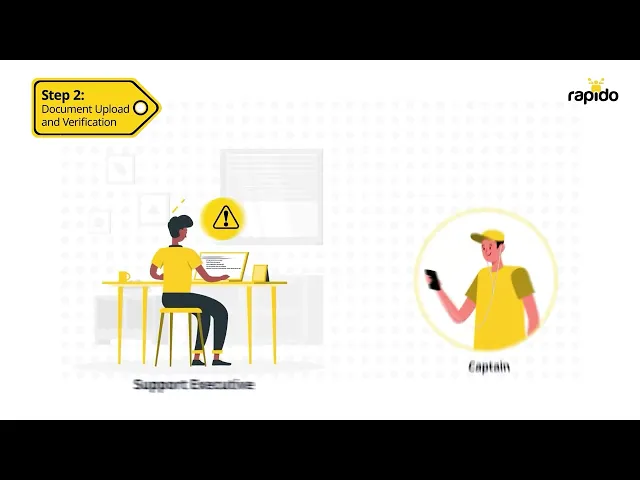
See how HSF helped Rapido elevate employee development through structured, performance-focused L&D video solutions built for scalable workforce training:
Explosion of EdTech and Online Course Platforms
Self-paced certification programs and online professional courses are expanding rapidly. Learners prefer flexible systems that allow them to progress at their own speed while still tracking performance.
The rise of micro-credentials has increased demand for interactive learning modules that validate knowledge. Compared to lecture-style recordings, immersive formats encourage active participation and stronger knowledge retention.
Compliance and Risk Management Requirements
Regulated industries across the United States face increasing pressure to document, standardize, and verify employee training. From healthcare protocols to financial regulations, organizations must demonstrate not only completion but also comprehension. Static training formats often lack reliable tracking and assessment mechanisms. Immersive eLearning content addresses these challenges by embedding measurable checkpoints and automated reporting systems. These are the key compliance-driven factors accelerating adoption:
Documented Completion Records: Digital systems automatically log participation, timestamps, assessment scores, and certification status for audit-ready compliance documentation.
Built-In Knowledge Validation: Embedded quizzes and scenario-based assessments verify understanding, reducing the risk of non-compliance and knowledge gaps.
Automated Reporting Dashboards: Real-time analytics streamline HR oversight and generate standardized reports required for regulatory reviews.
Standardized Content Delivery: Uniform modules ensure every employee receives consistent information, minimizing legal exposure caused by training discrepancies.
Data-Driven Training Decisions
Organizations across the United States are no longer investing in training without measurable proof of impact. Learning strategies are increasingly tied to performance metrics, operational efficiency, and workforce productivity. Immersive digital training systems allow leadership teams to track engagement, measure retention, and refine content based on real-time analytics. This data-focused approach is a major reason dynamic learning formats continue gaining momentum.
Real-time dashboards monitor learner progress
Completion rates linked to team performance metrics
Pre- and post-assessment score comparisons
Skill gap identification through analytics
Training outcomes aligned with business KPIs
Ready to build measurable, performance-driven learning content? Schedule a consultation with HSF today.
Industries in the USA Driving the Demand
Across the United States, multiple sectors are accelerating the adoption of engaging corporate training videos to improve scalability, compliance, and measurable workforce development outcomes.
Technology and SaaS Companies
Technology and SaaS companies operate in fast-changing environments where continuous product innovation is the norm. Product onboarding modules help new users understand features quickly and reduce support dependency. Customer education videos improve adoption rates and enhance platform usage. Internal technical certification modules ensure engineering and support teams remain aligned with evolving systems and industry standards.
Healthcare and Pharmaceuticals
Healthcare organizations require precision, compliance, and consistent protocol training.
Compliance training aligned with federal and state regulations
Safety procedure simulations for clinical and laboratory environments
Patient-care scenario learning for real-world decision-making practice
Finance and Insurance
Financial institutions must maintain regulatory accuracy and risk awareness.
Regulatory update training for advisors and compliance officers
Risk management simulations based on real-world case scenarios
Advisor training modules focused on product knowledge and client communication
Higher Education and Online Universities
Colleges and online universities across the United States are integrating digital-first learning systems to improve flexibility, accessibility, and measurable academic outcomes.
Hybrid Classroom Models: Combine in-person instruction with structured digital video modules to support flexible attendance and consistent curriculum delivery.
Flipped Classroom Video Modules: Students review pre-recorded lessons before live sessions, allowing classroom time for discussion, problem-solving, and application.
Credit-Based Interactive Courses: Structured video modules with embedded assessments track participation, performance, and academic credit eligibility.
SEO and Visibility Factors Fueling the Trend
The growth of modern education video production is strongly influenced by evolving search algorithms and AI-driven discovery systems. Structured, multimedia-rich learning content is now more visible across search platforms, increasing both reach and engagement for educational organizations.
Video Content Dominating SERP Features
Video now occupies prime positions in search results. Educational queries frequently trigger video carousels, embedded previews, and rich results. This expanded visibility increases click-through rates and positions well-optimized learning videos ahead of text-only resources in competitive search environments.
EEAT Signals and Multimedia Authority
Search engines prioritize experience, expertise, authoritativeness, and trustworthiness. Professionally produced learning videos supported by credible authors, structured transcripts, and optimized metadata strengthen authority signals. These elements improve long-term ranking stability and reinforce brand credibility in competitive educational markets.
Structured Learning Content Performs Better in AI Overviews
AI-generated summaries favor logically organized, modular content. Learning videos built with clear objectives, structured headings, and timestamped sections are easier for AI systems to interpret. This improves extractability, summary accuracy, and overall visibility in AI-enhanced search results.
Read more: Trends Shaping the Future of MOOCs Video Production in 2025
How to Implement Dynamic Learning Videos Successfully
“Effective learning design is not about delivering information, but about shaping experiences that drive measurable change,” says Josh Bersin, Global Industry Analyst and Founder of The Josh Bersin Company. Implementing dynamic learning videos requires a strategic blend of instructional design, technology integration, and performance alignment. Organizations must focus on structured engagement, measurable outcomes, and continuous optimization to ensure training content delivers tangible business impact rather than simply increasing content volume.
Implementation Steps:
Define clear learning objectives aligned with business goals
Identify target audience needs and skill gaps
Develop structured storyboards with interactive checkpoints
Integrate quizzes, branching scenarios, and feedback loops
Ensure LMS compatibility with SCORM or xAPI tracking
Optimize accessibility with captions and mobile responsiveness
Launch pilot modules and gather learner feedback
Monitor analytics and refine content regularly
Read more: How L&D Videos Enable Just-in-Time Learning in the Workplace
Why USA Companies Partner With Professional Production Agencies
The USA companies partner with professional production agencies to ensure their learning content is strategically designed, technically robust, and results-driven. Beyond visuals, agencies bring instructional design expertise, interactive development capabilities, and LMS integration knowledge. They help transform complex training objectives into structured, engaging digital experiences that improve retention and measurable performance outcomes. Professional teams also ensure compliance readiness, accessibility standards, and scalable delivery, allowing organizations to maintain consistency while maximizing long-term return on training investments.
The Future of Dynamic Learning Videos in the United States
As digital learning ecosystems mature, dynamic learning videos are evolving into adaptive, intelligent systems that support long-term workforce development rather than one-time training events. Future growth will be shaped by personalization technologies, immersive engagement models, and integrated knowledge platforms that align learning directly with performance outcomes.
AI-Assisted Personalization: Adaptive learning paths adjust content difficulty based on performance, while behavior-based triggers recommend targeted modules automatically.
Immersive Formats: Gamified learning increases motivation through rewards and progression systems, while simulation-based training enables realistic, risk-free decision practice.
Continuous Learning Ecosystems: Subscription-based models provide ongoing access to updated training, and integrated knowledge platforms connect video, analytics, and certification tracking into unified systems.
How House Sparrow Films Supports Dynamic Learning Video Creation
House Sparrow Films specializes in developing dynamic learning videos tailored for the evolving USA workforce demands. Our team combines instructional design strategy with high-quality production to create interactive modules that include branching scenarios, embedded assessments, and LMS-ready outputs. We focus on measurable learning outcomes, ensuring every project aligns with performance metrics, compliance standards, and long-term training objectives.
From concept development to SCORM and xAPI integration, HSF delivers structured, data-driven learning experiences built for scalability. Whether for corporate upskilling, compliance training, or higher education programs, we design engaging, analytics-enabled content that supports retention, engagement, and measurable business impact.
Conclusion
Dynamic learning videos are trending in the United States because they align with modern learner expectations, digital discoverability trends, and measurable business outcomes. Organizations now prioritize interactive formats that improve retention, support compliance, and deliver clear ROI through analytics-driven insights. At the same time, search engines favor structured, multimedia-rich educational content, increasing visibility for well-produced learning assets.
Ready to transform your training strategy with dynamic learning videos that deliver measurable results? Partner with House Sparrow Films to create interactive, data-driven learning experiences tailored for the USA market.
FAQs
1. What are dynamic learning videos?
Dynamic learning videos are interactive training modules that include branching scenarios, embedded quizzes, adaptive pathways, and performance tracking to improve engagement and measurable outcomes.
2. How are dynamic learning videos different from traditional training videos?
Traditional videos are passive and informational, while dynamic formats actively involve learners and capture real-time performance data through assessments and decision-based interactions.
3. Why are U.S. companies investing in interactive learning formats?
Organizations seek scalable, measurable, and compliance-ready training systems that improve retention, support remote teams, and align learning outcomes with business KPIs.
4. Can dynamic learning videos integrate with LMS platforms?
Yes, they can be built using SCORM or xAPI standards, enabling seamless integration with LMS systems for tracking completion, assessments, and certification records.
5. Are dynamic learning videos suitable for regulated industries?
Yes, they support compliance training by embedding assessments, generating audit-ready reports, and maintaining consistent content delivery across distributed teams.
Key takeaways
Learning in the U.S. is shifting toward interactive, video-first training formats.
Businesses prioritize measurable outcomes and analytics-driven training performance improvements.
Interactive formats increase engagement, retention, and practical knowledge application.
Structured multimedia content gains stronger visibility across search and discovery platforms.
Professionally produced learning videos ensure scalability, consistency, and long-term cost efficiency.
Dynamic learning videos are rapidly becoming a cornerstone of modern education and corporate training, especially in the United States. With the U.S. e-learning market projected to reach USD 145.52 billion in 2025 and continue strong growth toward USD 302.18 billion by 2034, there is clear demand for digital learning experiences that are engaging, scalable, and effective.
Unlike traditional passive formats, dynamic learning videos combine interactive elements, adaptive pathways, and real-time assessments, which drive higher engagement and measurable learning outcomes. As learners increasingly prefer structured, visually rich instruction over text-only content, organizations are shifting budgets toward immersive video formats designed to boost retention and performance. This trend reflects broader shifts in how Americans learn, work, and engage with digital content, making dynamic learning videos a strategic priority for edu-tech, corporate, and training leaders nationwide.
The Shift in Learning Behavior Across the United States
Learning habits across the United States have changed significantly in recent years. Organizations are replacing traditional classroom sessions with digital formats that are scalable and performance-driven. This shift is a key reason interactive training video production is expanding rapidly, as companies prioritize flexible, measurable, and engaging learning systems.
U.S. Workforce and Education Are Moving Toward Video-First Learning
Remote and hybrid work models have accelerated video-based instruction. With distributed teams, companies rely more on LMS platforms and structured digital onboarding. Businesses now prefer scalable training formats that ensure consistent delivery and measurable outcomes across locations.
Learners Expect Engagement, Not Passive Content
Long, static training sessions no longer hold attention effectively. Learners favor short, interactive, scenario-based modules that encourage active participation. Mobile-first viewing habits also drive demand for responsive, visually engaging learning content.
Businesses Demand Measurable Learning Outcomes
Training budgets are tied closely to ROI and performance metrics. Organizations require analytics to track engagement, completion rates, and skill development. Compliance-focused industries also depend on reliable certification tracking and reporting systems.
What Makes a Learning Video “Dynamic” in 2026?
In 2026, learning videos are no longer just recorded lectures or animated explainers. A dynamic learning video is designed to actively involve the learner, track performance, and adapt to user responses. This approach blends instructional design with technology, which is why organizations increasingly seek the best L&D video production agency to build measurable, interactive training systems rather than basic video content.
Key Components of Dynamic Learning Videos
Dynamic formats go beyond playback. They include:
Interactive decision paths that allow learners to choose outcomes
Embedded quizzes and knowledge checks within the video flow
Branching scenarios based on user responses
Real-time feedback loops that guide improvement
Adaptive learning modules tailored to performance levels
These features turn training into an active experience instead of passive viewing.
Difference Between Static and Dynamic Learning Content
Traditional videos focus on delivering information. Dynamic learning videos are structured to measure understanding and reinforce knowledge through interaction.
Feature | Static Video | Dynamic Learning Video |
Interactivity | None | Built-in |
Data tracking | Limited | Advanced analytics |
Learner engagement | Passive | Active |
Retention potential | Moderate | High |
Why This Format Aligns With Modern Search and Discovery Trends
Search and discovery platforms now prioritize helpful, experience-driven content. According to Wyzowl’s Video Marketing Statistics Report, 91% of businesses use video as a marketing tool, highlighting how multimedia formats dominate digital engagement.
Google increasingly favors structured, modular content that can be summarized by AI systems. Interactive learning modules with clear headings, transcripts, and engagement layers are more adaptable to AI-generated summaries. Additionally, multimedia-rich pages receive greater visibility through video carousels and enhanced SERP features, making dynamic learning content both educationally effective and digitally discoverable.
Read more: How to Measure the Effectiveness of L&D Videos
Key Reasons Behind the Popularity of Dynamic Learning Videos in America
The demand for measurable, engaging, and scalable training solutions is accelerating across industries. Organizations are shifting toward immersive eLearning content because it combines engagement with performance tracking and adaptability. As workforce expectations evolve and accountability increases, dynamic learning formats are becoming a strategic priority rather than an optional upgrade.
Corporate Upskilling and Workforce Development Growth
Rapid innovation across sectors has shortened the lifecycle of professional skills. Companies must continuously update employee knowledge to remain competitive.
Key Drivers:
Rapid Skill Evolution: Technology, healthcare, and finance roles require frequent knowledge updates.
Shorter Learning Cycles: Microlearning modules replace lengthy annual workshops.
Continuous Development: Ongoing certification and refresher training are now standard practice.
See how HSF helped Rapido elevate employee development through structured, performance-focused L&D video solutions built for scalable workforce training:
Explosion of EdTech and Online Course Platforms
Self-paced certification programs and online professional courses are expanding rapidly. Learners prefer flexible systems that allow them to progress at their own speed while still tracking performance.
The rise of micro-credentials has increased demand for interactive learning modules that validate knowledge. Compared to lecture-style recordings, immersive formats encourage active participation and stronger knowledge retention.
Compliance and Risk Management Requirements
Regulated industries across the United States face increasing pressure to document, standardize, and verify employee training. From healthcare protocols to financial regulations, organizations must demonstrate not only completion but also comprehension. Static training formats often lack reliable tracking and assessment mechanisms. Immersive eLearning content addresses these challenges by embedding measurable checkpoints and automated reporting systems. These are the key compliance-driven factors accelerating adoption:
Documented Completion Records: Digital systems automatically log participation, timestamps, assessment scores, and certification status for audit-ready compliance documentation.
Built-In Knowledge Validation: Embedded quizzes and scenario-based assessments verify understanding, reducing the risk of non-compliance and knowledge gaps.
Automated Reporting Dashboards: Real-time analytics streamline HR oversight and generate standardized reports required for regulatory reviews.
Standardized Content Delivery: Uniform modules ensure every employee receives consistent information, minimizing legal exposure caused by training discrepancies.
Data-Driven Training Decisions
Organizations across the United States are no longer investing in training without measurable proof of impact. Learning strategies are increasingly tied to performance metrics, operational efficiency, and workforce productivity. Immersive digital training systems allow leadership teams to track engagement, measure retention, and refine content based on real-time analytics. This data-focused approach is a major reason dynamic learning formats continue gaining momentum.
Real-time dashboards monitor learner progress
Completion rates linked to team performance metrics
Pre- and post-assessment score comparisons
Skill gap identification through analytics
Training outcomes aligned with business KPIs
Ready to build measurable, performance-driven learning content? Schedule a consultation with HSF today.
Industries in the USA Driving the Demand
Across the United States, multiple sectors are accelerating the adoption of engaging corporate training videos to improve scalability, compliance, and measurable workforce development outcomes.
Technology and SaaS Companies
Technology and SaaS companies operate in fast-changing environments where continuous product innovation is the norm. Product onboarding modules help new users understand features quickly and reduce support dependency. Customer education videos improve adoption rates and enhance platform usage. Internal technical certification modules ensure engineering and support teams remain aligned with evolving systems and industry standards.
Healthcare and Pharmaceuticals
Healthcare organizations require precision, compliance, and consistent protocol training.
Compliance training aligned with federal and state regulations
Safety procedure simulations for clinical and laboratory environments
Patient-care scenario learning for real-world decision-making practice
Finance and Insurance
Financial institutions must maintain regulatory accuracy and risk awareness.
Regulatory update training for advisors and compliance officers
Risk management simulations based on real-world case scenarios
Advisor training modules focused on product knowledge and client communication
Higher Education and Online Universities
Colleges and online universities across the United States are integrating digital-first learning systems to improve flexibility, accessibility, and measurable academic outcomes.
Hybrid Classroom Models: Combine in-person instruction with structured digital video modules to support flexible attendance and consistent curriculum delivery.
Flipped Classroom Video Modules: Students review pre-recorded lessons before live sessions, allowing classroom time for discussion, problem-solving, and application.
Credit-Based Interactive Courses: Structured video modules with embedded assessments track participation, performance, and academic credit eligibility.
SEO and Visibility Factors Fueling the Trend
The growth of modern education video production is strongly influenced by evolving search algorithms and AI-driven discovery systems. Structured, multimedia-rich learning content is now more visible across search platforms, increasing both reach and engagement for educational organizations.
Video Content Dominating SERP Features
Video now occupies prime positions in search results. Educational queries frequently trigger video carousels, embedded previews, and rich results. This expanded visibility increases click-through rates and positions well-optimized learning videos ahead of text-only resources in competitive search environments.
EEAT Signals and Multimedia Authority
Search engines prioritize experience, expertise, authoritativeness, and trustworthiness. Professionally produced learning videos supported by credible authors, structured transcripts, and optimized metadata strengthen authority signals. These elements improve long-term ranking stability and reinforce brand credibility in competitive educational markets.
Structured Learning Content Performs Better in AI Overviews
AI-generated summaries favor logically organized, modular content. Learning videos built with clear objectives, structured headings, and timestamped sections are easier for AI systems to interpret. This improves extractability, summary accuracy, and overall visibility in AI-enhanced search results.
Read more: Trends Shaping the Future of MOOCs Video Production in 2025
How to Implement Dynamic Learning Videos Successfully
“Effective learning design is not about delivering information, but about shaping experiences that drive measurable change,” says Josh Bersin, Global Industry Analyst and Founder of The Josh Bersin Company. Implementing dynamic learning videos requires a strategic blend of instructional design, technology integration, and performance alignment. Organizations must focus on structured engagement, measurable outcomes, and continuous optimization to ensure training content delivers tangible business impact rather than simply increasing content volume.
Implementation Steps:
Define clear learning objectives aligned with business goals
Identify target audience needs and skill gaps
Develop structured storyboards with interactive checkpoints
Integrate quizzes, branching scenarios, and feedback loops
Ensure LMS compatibility with SCORM or xAPI tracking
Optimize accessibility with captions and mobile responsiveness
Launch pilot modules and gather learner feedback
Monitor analytics and refine content regularly
Read more: How L&D Videos Enable Just-in-Time Learning in the Workplace
Why USA Companies Partner With Professional Production Agencies
The USA companies partner with professional production agencies to ensure their learning content is strategically designed, technically robust, and results-driven. Beyond visuals, agencies bring instructional design expertise, interactive development capabilities, and LMS integration knowledge. They help transform complex training objectives into structured, engaging digital experiences that improve retention and measurable performance outcomes. Professional teams also ensure compliance readiness, accessibility standards, and scalable delivery, allowing organizations to maintain consistency while maximizing long-term return on training investments.
The Future of Dynamic Learning Videos in the United States
As digital learning ecosystems mature, dynamic learning videos are evolving into adaptive, intelligent systems that support long-term workforce development rather than one-time training events. Future growth will be shaped by personalization technologies, immersive engagement models, and integrated knowledge platforms that align learning directly with performance outcomes.
AI-Assisted Personalization: Adaptive learning paths adjust content difficulty based on performance, while behavior-based triggers recommend targeted modules automatically.
Immersive Formats: Gamified learning increases motivation through rewards and progression systems, while simulation-based training enables realistic, risk-free decision practice.
Continuous Learning Ecosystems: Subscription-based models provide ongoing access to updated training, and integrated knowledge platforms connect video, analytics, and certification tracking into unified systems.
How House Sparrow Films Supports Dynamic Learning Video Creation
House Sparrow Films specializes in developing dynamic learning videos tailored for the evolving USA workforce demands. Our team combines instructional design strategy with high-quality production to create interactive modules that include branching scenarios, embedded assessments, and LMS-ready outputs. We focus on measurable learning outcomes, ensuring every project aligns with performance metrics, compliance standards, and long-term training objectives.
From concept development to SCORM and xAPI integration, HSF delivers structured, data-driven learning experiences built for scalability. Whether for corporate upskilling, compliance training, or higher education programs, we design engaging, analytics-enabled content that supports retention, engagement, and measurable business impact.
Conclusion
Dynamic learning videos are trending in the United States because they align with modern learner expectations, digital discoverability trends, and measurable business outcomes. Organizations now prioritize interactive formats that improve retention, support compliance, and deliver clear ROI through analytics-driven insights. At the same time, search engines favor structured, multimedia-rich educational content, increasing visibility for well-produced learning assets.
Ready to transform your training strategy with dynamic learning videos that deliver measurable results? Partner with House Sparrow Films to create interactive, data-driven learning experiences tailored for the USA market.
FAQs
1. What are dynamic learning videos?
Dynamic learning videos are interactive training modules that include branching scenarios, embedded quizzes, adaptive pathways, and performance tracking to improve engagement and measurable outcomes.
2. How are dynamic learning videos different from traditional training videos?
Traditional videos are passive and informational, while dynamic formats actively involve learners and capture real-time performance data through assessments and decision-based interactions.
3. Why are U.S. companies investing in interactive learning formats?
Organizations seek scalable, measurable, and compliance-ready training systems that improve retention, support remote teams, and align learning outcomes with business KPIs.
4. Can dynamic learning videos integrate with LMS platforms?
Yes, they can be built using SCORM or xAPI standards, enabling seamless integration with LMS systems for tracking completion, assessments, and certification records.
5. Are dynamic learning videos suitable for regulated industries?
Yes, they support compliance training by embedding assessments, generating audit-ready reports, and maintaining consistent content delivery across distributed teams.