Key takeaways
High-quality video editing directly improves student engagement and keeps learners watching longer, reducing drop-offs.
Professionally edited course videos significantly boost knowledge retention and learning outcomes.
Educators are investing in editing to stand out in a highly competitive, content-saturated eLearning market.
Enhanced videos allow educators to position their courses as premium offerings, increasing revenue potential.
Combining storytelling, visuals, and structured editing transforms basic lectures into impactful learning experiences.
The shift from basic recorded lectures to polished, high-quality visuals is redefining digital learning. Today, educators are no longer relying on raw recordings but investing in EdTech video editing to create engaging, structured, and visually compelling course content. As video becomes the dominant format for knowledge delivery, editing plays a crucial role in transforming passive lectures into immersive learning experiences.
This change is fueled by the rapid growth of eLearning, with the United States leading global adoption and revenue generation. According to eLearning Statistics, the USA online education market is projected to reach nearly $100 billion, making it the largest globally. As competition intensifies, educators are increasingly turning to advanced video editing to enhance quality, improve retention, and meet evolving learner expectations.
Read more: Why Hiring an Educational Video Editor & Motion Designer Matters in the USA
Why Video Editing Enhancement is No Longer Optional in Modern Education
Modern learners expect more than just recorded lectures; they look for visually engaging, well-structured content that holds their attention from start to finish. This shift has made educational video postproduction a critical part of course creation rather than an optional upgrade. With shorter attention spans and constant exposure to high-quality digital content, unedited videos often struggle to keep learners engaged or communicate ideas effectively.
The eLearning space has become highly competitive, with educators needing to match the production standards set by leading platforms and content creators. Strong visuals, smooth pacing, and clear storytelling make lessons easier to follow and more engaging. These enhancements play a direct role in boosting retention, improving learning outcomes, and delivering a more impactful educational experience.
Key Reasons Educators in the USA Are Investing in Video Editing Enhancement
Educators across the United States are increasingly prioritising digital learning content editing to meet evolving learner expectations and platform standards. Video is no longer just a delivery format; it is a performance driver that influences how well students engage, learn, and complete courses. With growing competition across eLearning platforms, investing in high-quality editing has become a strategic decision rather than a creative choice.
1. Higher Student Engagement and Completion Rates
One of the biggest challenges in online learning is keeping learners engaged until the end. Unedited videos often feel slow, repetitive, or visually dull, leading to higher drop-off rates.
Well-edited videos improve engagement through:
Dynamic pacing that keeps content moving
Visual elements like animations and overlays to maintain interest
On-screen text and captions for clarity and accessibility
Smooth transitions that create a seamless viewing experience
These enhancements help learners stay focused, resulting in higher completion rates and better course performance.
2. Improved Learning Outcomes and Knowledge Retention
Effective learning depends on how well information is structured and delivered. Raw recordings often overload learners with information, making it harder to absorb key concepts.
Editing improves learning outcomes by:
Breaking content into smaller, digestible sections
Highlighting key points using visuals and text cues
Applying storytelling techniques to simplify complex topics
Reducing cognitive overload through clean, structured presentation
This approach aligns with cognitive learning principles, making it easier for learners to understand and retain information over time.
3. Stronger Personal Branding for Educators
Educators are increasingly evolving into personal brands, whether they are professors, coaches, or independent course creators. In a crowded digital learning space, how content looks and feels plays a major role in how audiences perceive expertise. High-quality editing helps educators present themselves more professionally, reinforcing authority and making their content appear credible and trustworthy. According to Wyzowl, 89% of consumers say video quality affects their trust in a brand, underscoring how production quality directly shapes perception.
By enhancing visuals, refining delivery, and maintaining consistency, editing allows educators to build a strong, recognisable identity. This not only builds learner trust but also positions them as industry experts in an increasingly competitive EdTech landscape.
4. Better ROI from Online Courses
The quality of video content directly influences course performance, pricing, and overall revenue generation.
Higher completion rates: Engaging videos encourage learners to finish courses, increasing satisfaction and positive feedback
Premium pricing: Well-edited content justifies higher pricing by delivering a superior learning experience
Increased conversions: High-quality videos attract more learners and improve enrolment rates for paid courses
Stronger referrals: Satisfied learners are more likely to recommend courses, driving organic growth and revenue
5. Compatibility with LMS and EdTech Platforms
Modern eLearning environments require content that integrates smoothly with LMS platforms, analytics tools, and AI-driven systems. Unstructured videos can create technical limitations and reduce usability.
Optimised editing ensures:
Proper formatting for different platforms and devices
Segmented modules for easy navigation and tracking
Integration with quizzes, captions, and interactive elements
Compatibility with analytics for performance insights
This makes course content more scalable, accessible, and aligned with modern EdTech ecosystems.
Looking to upgrade your course videos for better engagement and results? Get a quote from House Sparrow Films and transform your content into high-impact learning experiences.
What “Course Video Editing Enhancement” Actually Includes
Course video editing enhancement goes far beyond basic trimming or cutting footage. A professional course video editor focuses on refining every element of the video to improve clarity, engagement, and learning effectiveness. From visual storytelling to technical optimisation, these enhancements ensure that educational content is structured, polished, and aligned with modern learner expectations.
Core Editing Features
These foundational elements form the backbone of high-quality educational videos and are essential for delivering a smooth learning experience:
Multi-camera editing: Combines different camera angles to create dynamic visuals and maintain viewer interest
Motion graphics & animations: Adds visual explanations that simplify complex topics and improve understanding
Text overlays & subtitles: Reinforces key points and ensures accessibility for diverse audiences
Audio enhancement: Cleans background noise and balances sound levels for clear, professional-quality audio
Color grading: Improves visual consistency and enhances the overall look and feel of the video
Advanced Enhancements Used in USA EdTech
Beyond the basics, advanced editing techniques are increasingly used to create more personalised and interactive learning experiences:
AI-generated captions & voiceovers: Speeds up production while improving accessibility and content scalability
Interactive video elements: Integrates quizzes, clickable sections, and prompts to boost learner engagement
Personalized learning paths: Adapts content delivery based on learner behaviour and progress for better outcomes
These advanced features help educators deliver content that is not only visually appealing but also smarter, more adaptive, and aligned with modern EdTech trends.
Read more: How to Hire a Freelance Video Editor for Educational Projects in the USA
Before vs After: Impact of Professional Video Editing
The difference between raw recordings and refined content is clearly visible in both learner experience and course performance. In school & edtech video production, editing plays a crucial role in transforming basic lectures into engaging, structured, and high-impact learning materials. From improving visual appeal to enhancing clarity and pacing, professional editing directly influences how learners interact with and complete a course.
Element | Unedited Video | Professionally Edited Video |
Engagement | Low | High |
Retention | Moderate | High |
Branding | Weak | Strong |
Completion Rate | Low | High |
Monetization | Limited | Premium pricing |
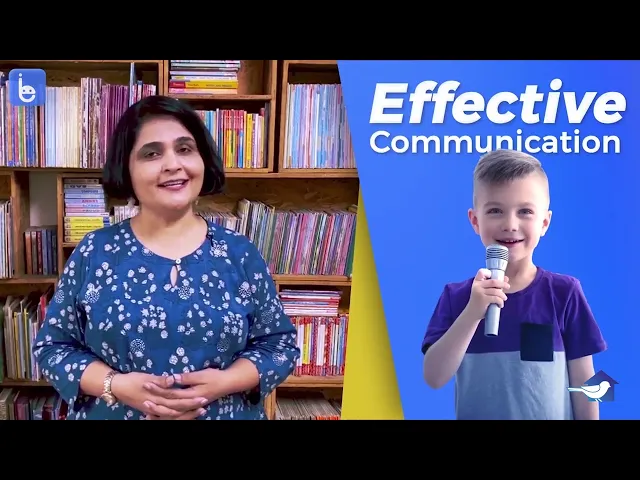
See how HSF helped Bambinos create engaging, structured learning videos that improve communication skills and student confidence. Watch the video:
Trends Driving Investment in Course Video Editing in the USA in 2026
The rapid evolution of digital education is pushing educators to rethink how their content is created and delivered. With increasing competition and changing learner behaviour, training video editing services are becoming essential for producing content that is engaging, scalable, and aligned with modern consumption patterns. Several key trends are driving this investment across the United States.
1. Rise of Creator-Educators
A new wave of creator-educators is reshaping the learning landscape. Coaches, YouTubers, and industry experts are launching their own courses, often competing directly with traditional institutions. These creators understand the importance of high-quality visuals and storytelling, making professional editing a key part of their content strategy to attract and retain audiences.
2. Growth of Microlearning & Short-Form Video
Learning is increasingly shifting towards bite-sized modules that are easy to consume and revisit. Short-form, reels-style educational content is gaining traction as it aligns with modern attention spans and platform trends. According to HubSpot, short-form video delivered the highest ROI among all content formats in 2025. This has encouraged educators to invest in editing styles that support quick, impactful learning experiences.
3. Demand for Mobile-Optimized Learning
With a large portion of learners accessing content on smartphones, mobile-first design has become essential. Vertical video formats, captions, and fast-paced edits ensure that content is easy to consume on smaller screens. Optimised editing helps maintain clarity and engagement, regardless of device or viewing environment.
4. AI + Human Editing Hybrid Workflows
AI-powered tools are streamlining tasks like captioning, voiceovers, and basic edits, making production faster and more efficient. However, human creativity remains critical for storytelling, pacing, and emotional connection. This hybrid approach allows educators to scale content production while maintaining high-quality, engaging learning experiences.
Read more: How to Script, Shoot, and Edit YouTube Educational Content Like a Pro
How House Sparrow Films Helps Educators Create High-Impact Course Videos
House Sparrow Films works closely with educators, institutions, and EdTech companies to create high-impact course videos that enhance learning and engagement. From refining scripts and structuring content to delivering polished edits with motion graphics and clear audio, every stage is handled with precision. The team focuses on storytelling, visual quality, and platform optimisation to ensure videos perform effectively. With global experience, House Sparrow Films helps educators boost retention, strengthen their brand presence, and scale their courses with professional, results-driven video production.
Conclusion
Course quality is no longer defined by content alone, but by how effectively it is delivered. Course video editing enhancement plays a crucial role in transforming basic lectures into engaging, structured, and impactful learning experiences. From improving retention to strengthening branding and increasing course value, professional editing has become a key investment for educators aiming to succeed in a competitive digital landscape.
If you are looking to elevate your course content and deliver better learning outcomes, now is the time to act. Partner with House Sparrow Films to create high-quality, engaging videos that drive results. Contact us today to transform your educational content into powerful, learner-focused experiences.
FAQs
1. Why is video editing important for online courses?
Video editing improves clarity, engagement, and structure, making it easier for learners to understand and retain information while reducing drop-off rates.
2. How does video editing impact student engagement?
Well-edited videos use visuals, pacing, and storytelling to keep learners interested, leading to higher completion rates and better learning experiences.
3. What features are included in course video editing?
Course video editing typically includes motion graphics, subtitles, audio enhancement, color correction, transitions, and structured content segmentation.
4. Can professional video editing increase course revenue?
Yes, high-quality videos enhance perceived value, allowing educators to price courses higher and attract more learners, improving overall ROI.
5. Is video editing necessary for all types of educational content?
While not mandatory, professional editing significantly improves content quality, making it more effective, engaging, and competitive in the eLearning market.
Key takeaways
High-quality video editing directly improves student engagement and keeps learners watching longer, reducing drop-offs.
Professionally edited course videos significantly boost knowledge retention and learning outcomes.
Educators are investing in editing to stand out in a highly competitive, content-saturated eLearning market.
Enhanced videos allow educators to position their courses as premium offerings, increasing revenue potential.
Combining storytelling, visuals, and structured editing transforms basic lectures into impactful learning experiences.
The shift from basic recorded lectures to polished, high-quality visuals is redefining digital learning. Today, educators are no longer relying on raw recordings but investing in EdTech video editing to create engaging, structured, and visually compelling course content. As video becomes the dominant format for knowledge delivery, editing plays a crucial role in transforming passive lectures into immersive learning experiences.
This change is fueled by the rapid growth of eLearning, with the United States leading global adoption and revenue generation. According to eLearning Statistics, the USA online education market is projected to reach nearly $100 billion, making it the largest globally. As competition intensifies, educators are increasingly turning to advanced video editing to enhance quality, improve retention, and meet evolving learner expectations.
Read more: Why Hiring an Educational Video Editor & Motion Designer Matters in the USA
Why Video Editing Enhancement is No Longer Optional in Modern Education
Modern learners expect more than just recorded lectures; they look for visually engaging, well-structured content that holds their attention from start to finish. This shift has made educational video postproduction a critical part of course creation rather than an optional upgrade. With shorter attention spans and constant exposure to high-quality digital content, unedited videos often struggle to keep learners engaged or communicate ideas effectively.
The eLearning space has become highly competitive, with educators needing to match the production standards set by leading platforms and content creators. Strong visuals, smooth pacing, and clear storytelling make lessons easier to follow and more engaging. These enhancements play a direct role in boosting retention, improving learning outcomes, and delivering a more impactful educational experience.
Key Reasons Educators in the USA Are Investing in Video Editing Enhancement
Educators across the United States are increasingly prioritising digital learning content editing to meet evolving learner expectations and platform standards. Video is no longer just a delivery format; it is a performance driver that influences how well students engage, learn, and complete courses. With growing competition across eLearning platforms, investing in high-quality editing has become a strategic decision rather than a creative choice.
1. Higher Student Engagement and Completion Rates
One of the biggest challenges in online learning is keeping learners engaged until the end. Unedited videos often feel slow, repetitive, or visually dull, leading to higher drop-off rates.
Well-edited videos improve engagement through:
Dynamic pacing that keeps content moving
Visual elements like animations and overlays to maintain interest
On-screen text and captions for clarity and accessibility
Smooth transitions that create a seamless viewing experience
These enhancements help learners stay focused, resulting in higher completion rates and better course performance.
2. Improved Learning Outcomes and Knowledge Retention
Effective learning depends on how well information is structured and delivered. Raw recordings often overload learners with information, making it harder to absorb key concepts.
Editing improves learning outcomes by:
Breaking content into smaller, digestible sections
Highlighting key points using visuals and text cues
Applying storytelling techniques to simplify complex topics
Reducing cognitive overload through clean, structured presentation
This approach aligns with cognitive learning principles, making it easier for learners to understand and retain information over time.
3. Stronger Personal Branding for Educators
Educators are increasingly evolving into personal brands, whether they are professors, coaches, or independent course creators. In a crowded digital learning space, how content looks and feels plays a major role in how audiences perceive expertise. High-quality editing helps educators present themselves more professionally, reinforcing authority and making their content appear credible and trustworthy. According to Wyzowl, 89% of consumers say video quality affects their trust in a brand, underscoring how production quality directly shapes perception.
By enhancing visuals, refining delivery, and maintaining consistency, editing allows educators to build a strong, recognisable identity. This not only builds learner trust but also positions them as industry experts in an increasingly competitive EdTech landscape.
4. Better ROI from Online Courses
The quality of video content directly influences course performance, pricing, and overall revenue generation.
Higher completion rates: Engaging videos encourage learners to finish courses, increasing satisfaction and positive feedback
Premium pricing: Well-edited content justifies higher pricing by delivering a superior learning experience
Increased conversions: High-quality videos attract more learners and improve enrolment rates for paid courses
Stronger referrals: Satisfied learners are more likely to recommend courses, driving organic growth and revenue
5. Compatibility with LMS and EdTech Platforms
Modern eLearning environments require content that integrates smoothly with LMS platforms, analytics tools, and AI-driven systems. Unstructured videos can create technical limitations and reduce usability.
Optimised editing ensures:
Proper formatting for different platforms and devices
Segmented modules for easy navigation and tracking
Integration with quizzes, captions, and interactive elements
Compatibility with analytics for performance insights
This makes course content more scalable, accessible, and aligned with modern EdTech ecosystems.
Looking to upgrade your course videos for better engagement and results? Get a quote from House Sparrow Films and transform your content into high-impact learning experiences.
What “Course Video Editing Enhancement” Actually Includes
Course video editing enhancement goes far beyond basic trimming or cutting footage. A professional course video editor focuses on refining every element of the video to improve clarity, engagement, and learning effectiveness. From visual storytelling to technical optimisation, these enhancements ensure that educational content is structured, polished, and aligned with modern learner expectations.
Core Editing Features
These foundational elements form the backbone of high-quality educational videos and are essential for delivering a smooth learning experience:
Multi-camera editing: Combines different camera angles to create dynamic visuals and maintain viewer interest
Motion graphics & animations: Adds visual explanations that simplify complex topics and improve understanding
Text overlays & subtitles: Reinforces key points and ensures accessibility for diverse audiences
Audio enhancement: Cleans background noise and balances sound levels for clear, professional-quality audio
Color grading: Improves visual consistency and enhances the overall look and feel of the video
Advanced Enhancements Used in USA EdTech
Beyond the basics, advanced editing techniques are increasingly used to create more personalised and interactive learning experiences:
AI-generated captions & voiceovers: Speeds up production while improving accessibility and content scalability
Interactive video elements: Integrates quizzes, clickable sections, and prompts to boost learner engagement
Personalized learning paths: Adapts content delivery based on learner behaviour and progress for better outcomes
These advanced features help educators deliver content that is not only visually appealing but also smarter, more adaptive, and aligned with modern EdTech trends.
Read more: How to Hire a Freelance Video Editor for Educational Projects in the USA
Before vs After: Impact of Professional Video Editing
The difference between raw recordings and refined content is clearly visible in both learner experience and course performance. In school & edtech video production, editing plays a crucial role in transforming basic lectures into engaging, structured, and high-impact learning materials. From improving visual appeal to enhancing clarity and pacing, professional editing directly influences how learners interact with and complete a course.
Element | Unedited Video | Professionally Edited Video |
Engagement | Low | High |
Retention | Moderate | High |
Branding | Weak | Strong |
Completion Rate | Low | High |
Monetization | Limited | Premium pricing |
See how HSF helped Bambinos create engaging, structured learning videos that improve communication skills and student confidence. Watch the video:
Trends Driving Investment in Course Video Editing in the USA in 2026
The rapid evolution of digital education is pushing educators to rethink how their content is created and delivered. With increasing competition and changing learner behaviour, training video editing services are becoming essential for producing content that is engaging, scalable, and aligned with modern consumption patterns. Several key trends are driving this investment across the United States.
1. Rise of Creator-Educators
A new wave of creator-educators is reshaping the learning landscape. Coaches, YouTubers, and industry experts are launching their own courses, often competing directly with traditional institutions. These creators understand the importance of high-quality visuals and storytelling, making professional editing a key part of their content strategy to attract and retain audiences.
2. Growth of Microlearning & Short-Form Video
Learning is increasingly shifting towards bite-sized modules that are easy to consume and revisit. Short-form, reels-style educational content is gaining traction as it aligns with modern attention spans and platform trends. According to HubSpot, short-form video delivered the highest ROI among all content formats in 2025. This has encouraged educators to invest in editing styles that support quick, impactful learning experiences.
3. Demand for Mobile-Optimized Learning
With a large portion of learners accessing content on smartphones, mobile-first design has become essential. Vertical video formats, captions, and fast-paced edits ensure that content is easy to consume on smaller screens. Optimised editing helps maintain clarity and engagement, regardless of device or viewing environment.
4. AI + Human Editing Hybrid Workflows
AI-powered tools are streamlining tasks like captioning, voiceovers, and basic edits, making production faster and more efficient. However, human creativity remains critical for storytelling, pacing, and emotional connection. This hybrid approach allows educators to scale content production while maintaining high-quality, engaging learning experiences.
Read more: How to Script, Shoot, and Edit YouTube Educational Content Like a Pro
How House Sparrow Films Helps Educators Create High-Impact Course Videos
House Sparrow Films works closely with educators, institutions, and EdTech companies to create high-impact course videos that enhance learning and engagement. From refining scripts and structuring content to delivering polished edits with motion graphics and clear audio, every stage is handled with precision. The team focuses on storytelling, visual quality, and platform optimisation to ensure videos perform effectively. With global experience, House Sparrow Films helps educators boost retention, strengthen their brand presence, and scale their courses with professional, results-driven video production.
Conclusion
Course quality is no longer defined by content alone, but by how effectively it is delivered. Course video editing enhancement plays a crucial role in transforming basic lectures into engaging, structured, and impactful learning experiences. From improving retention to strengthening branding and increasing course value, professional editing has become a key investment for educators aiming to succeed in a competitive digital landscape.
If you are looking to elevate your course content and deliver better learning outcomes, now is the time to act. Partner with House Sparrow Films to create high-quality, engaging videos that drive results. Contact us today to transform your educational content into powerful, learner-focused experiences.
FAQs
1. Why is video editing important for online courses?
Video editing improves clarity, engagement, and structure, making it easier for learners to understand and retain information while reducing drop-off rates.
2. How does video editing impact student engagement?
Well-edited videos use visuals, pacing, and storytelling to keep learners interested, leading to higher completion rates and better learning experiences.
3. What features are included in course video editing?
Course video editing typically includes motion graphics, subtitles, audio enhancement, color correction, transitions, and structured content segmentation.
4. Can professional video editing increase course revenue?
Yes, high-quality videos enhance perceived value, allowing educators to price courses higher and attract more learners, improving overall ROI.
5. Is video editing necessary for all types of educational content?
While not mandatory, professional editing significantly improves content quality, making it more effective, engaging, and competitive in the eLearning market.