Key Takeaways
Video content has become essential for schools, universities, and EdTech platforms aiming to improve digital learning experiences and student engagement.
Professional editing enhances clarity, credibility, accessibility compliance, and overall instructional quality in educational videos.
Freelance video editors offer cost efficiency, faster turnaround times, and scalable support compared to in-house teams or agencies.
Strategic editing techniques like structured pacing, captions, motion graphics, and visual cues significantly improve learner retention.
Choosing the right freelance editor requires reviewing experience, portfolio quality, accessibility knowledge, and reliability for academic projects.
Educational institutions across the USA are rapidly adopting video as a primary learning medium, from K–12 classrooms to universities and online certification platforms. High-quality visual lessons improve clarity, boost retention, and make complex subjects easier to understand. According to a Wyzowl report, 91% of businesses used video as a marketing tool in 2023, reflecting a broader surge in video adoption across industries, including education. As digital learning continues to expand, the need for professionally edited academic content is stronger than ever.
Hiring a freelance education video editor ensures your lectures, tutorials, and eLearning modules are polished, engaging, and accessible. From clean transitions and captions to structured pacing and graphics, expert editing enhances credibility and learner experience while helping institutions scale content efficiently.
Read more: How to Hire a Freelance Video Editor for Educational Projects in the USA
The Rise of Educational Video Content in the USA
Educational institutions across the United States are increasingly prioritizing digital learning models, making online course video editing USA services more relevant than ever. From universities and charter schools to EdTech startups and corporate training providers, video has become a central tool for delivering structured, scalable, and measurable learning experiences.
Classroom to Online Learning Shift
Traditional classroom instruction has expanded into hybrid and fully online environments. Learning management systems, recorded lectures, and interactive modules now support students beyond physical campuses. Institutions are investing in professionally edited course videos to ensure clarity, structure, and academic credibility across digital platforms. This shift has created strong demand for specialized editing tailored to online curriculum standards, accessibility compliance, and structured lesson delivery.
Student Engagement is Driven by Video
Research consistently shows that students engage more deeply with visual learning formats compared to text-only materials. A study by the Learning Pyramid model indicates learners retain approximately 65% of information through visual and audiovisual methods compared to around 10% through reading alone.
Learners engage more with video because:
Visual storytelling simplifies complex concepts
Motion graphics reinforce key ideas
Audio explanations improve understanding
Structured pacing reduces cognitive overload
Captions and visuals support different learning styles
Impact of Video on Learning Performance
Video significantly improves retention, engagement, and course completion rates across learners.
Metric | Text | Video |
Retention | 10% | 65% |
Engagement | Low | High |
Completion Rate | Moderate | Very High |
Why the USA Educational Sector Needs Professional Video Editing
As digital learning expands across schools, universities, and EdTech platforms, production quality directly influences credibility. Institutions aiming to position themselves alongside the best school & edtech video production agency standards must ensure their content reflects professionalism, clarity, and academic authority.
Quality Matters for Credibility
Students, parents, and stakeholders often judge the quality of an institution by the quality of its content. Poor audio, inconsistent visuals, awkward transitions, or distracting backgrounds can reduce trust instantly. Professionally edited videos create a structured flow, eliminate errors, enhance sound clarity, and add supportive graphics that improve comprehension. Polished edits signal expertise and institutional reliability, making learners more confident in the curriculum being delivered.
Educational Standards & Accessibility Requirements
Educational institutions in the USA must ensure their video content meets accessibility guidelines, supports diverse learners, and aligns with digital learning standards. Proper editing helps create inclusive experiences that accommodate different abilities, learning speeds, and content consumption preferences. Structured visuals, clear audio, and compliant formatting are not optional but essential for modern eLearning delivery. These are the key accessibility elements every educational video must include:
Accurate Captions: Provide synchronized closed captions that accurately reflect spoken dialogue, ensuring accessibility for hearing-impaired learners and multilingual audiences.
Structured Visual Hierarchy: Use clear headings, readable fonts, proper contrast, and organized layouts to help students follow content logically without confusion.
Balanced Pacing: Maintain steady pacing with intentional pauses, segment breaks, and visual cues to prevent cognitive overload and improve comprehension.
Branding and Consistency Across Courses
Consistent editing styles across lessons strengthen institutional identity. Uniform intros, lower-thirds, typography, and transitions create a cohesive brand experience. When every module follows the same visual and structural standards, it enhances professionalism, improves recognition, and reinforces the institution’s reputation in a competitive education market.
Read more: Why Hiring an Educational Video Editor & Motion Designer Matters in the USA
Benefits of Hiring a Freelance Video Editor for Educational Content
Hiring a freelance video editor is a strategic decision for schools, universities, and EdTech brands that want professional results without agency-level overheads. Educational content requires precision, clarity, and structured storytelling. A freelance editor brings specialized expertise while offering flexibility, cost control, and faster execution. For institutions scaling digital programs, this approach ensures quality without locking into long-term production contracts.
Cost Efficiency Compared to Studios
Freelance editors offer budget-friendly solutions without compromising on quality:
No Fixed Overhead: You avoid infrastructure, equipment, and full-time salary expenses associated with in-house teams or studios.
Pay Only for Work Done: Projects are billed per hour, per video, or per milestone, ensuring cost transparency.
Scalable Based on Workload: Increase or reduce editing support depending on semester demand or course launches.
Faster Turnaround Times
Freelancers typically manage lean workflows, which allows quicker edits and revisions compared to larger production houses. Educational institutions often work within strict academic calendars, and timely delivery is crucial.
Rapid delivery advantages include:
Faster first-cut submissions
Streamlined feedback cycles
Quick implementation of revisions
Deadline-focused project management
Niche Expertise in Educational Editing
Many freelance editors specialize specifically in educational formats such as lecture recordings, LMS modules, webinar content, and explainer lessons. They understand pacing for comprehension, visual reinforcement techniques, subtitle integration, and curriculum-aligned structuring. This focused expertise ensures that academic material remains engaging while maintaining instructional integrity.
Flexibility Across Formats
Freelance editors adapt easily to different educational video formats, including:
Lectures
Tutorials
Animated explainers
Promo clips
Looking to elevate your educational videos with expert freelance editing support? Book a call with House Sparrow Films today and scale your content with confidence.
Freelance Video Editor vs In-House Editor vs Production Agency
Educational institutions planning to hire a video editor remotely in the USA should compare long-term cost structures, scalability, and expertise before deciding.
Feature | Freelance Editor | In-House Editor | Production Agency |
Cost (Approx.) | $40–$100 per hour or $300–$1,200 per video | $50,000–$75,000 per year + benefits | $3,000–$15,000 per project |
Speed | High | Medium | Medium |
Flexibility | Very High | Low | Medium |
Access to Specialized Skills | Yes | Limited | Yes |
Accessibility Editing | Yes | Depends | Yes |
Freelance editors offer predictable project-based pricing and scalability without long-term payroll commitments. In-house editors involve fixed annual costs regardless of workload, while agencies typically charge premium project fees due to larger teams and infrastructure. For many educational content creators, freelance editing provides the strongest balance between cost efficiency and professional output.
Key Skills a Freelance Video Editor Adds to Your Educational Content
Professional editing plays a key role in maximizing how learners absorb and retain information. For example, studies show that learners retain up to 83% more information when video is used compared to traditional methods, underlining the power of visuals in education.
A freelance education video editor brings visual storytelling expertise to structure concepts into engaging narratives that make lessons clear and memorable. They ensure audio clarity and sync, removing distractions and making spoken content easier to follow. Through motion graphics for concepts, abstract ideas become visually digestible. Editors also integrate captions and accessibility features to support diverse learners and compliance standards. Most importantly, they maintain optimized pacing for learner retention, balancing information flow so students stay focused and comprehend material effectively.
Read more: Educational Content Video Production for USA Creators
How to Choose the Right Freelance Video Editor for USA Educators
Selecting the right freelance editor requires more than comparing pricing. Educational content demands instructional clarity, technical precision, and familiarity with academic standards. Evaluating expertise, portfolio quality, and client credibility will help ensure you partner with someone who understands the expectations of U.S. educators and learners.
Ask for Industry Experience
Look for editors who have prior experience working with schools, universities, LMS platforms, or EdTech brands. Educational editing differs from marketing or entertainment projects because it requires structured pacing, accessibility awareness, and curriculum alignment. Industry familiarity reduces onboarding time and improves output quality.
Review Editing Portfolio
When reviewing a portfolio, focus on:
Clear audio quality and balanced sound design
Logical content flow and structured transitions
Effective use of on-screen text and graphics
Caption accuracy and accessibility integration
Engagement elements such as motion graphics or callouts
Consistency in branding across multiple videos
Check Reviews and Testimonials
Client testimonials provide insight into reliability, communication style, and turnaround speed. Look for feedback from educational institutions or training providers that mention clarity, professionalism, and deadline management. Positive long-term partnerships are a strong indicator of consistent performance.
If you’re evaluating options, consider scheduling a consultation to discuss your course goals and workflow expectations before making a final decision.
The Workflow When You Hire a Freelance Video Editor
When partnering with professionals who offer instructional video editing services, having a structured workflow ensures clarity, efficiency, and consistent academic quality. A defined process helps educational institutions stay aligned with curriculum goals while maintaining production timelines.
Pre-Production Collaboration
Successful projects begin with detailed planning. This stage includes sharing course objectives, lesson outlines, brand guidelines, and accessibility requirements. Editors often review raw footage, presentation slides, and scripts before outlining the editing structure. Creating a clear brief and, when required, a shot list ensures that transitions, graphics, and key learning points are strategically placed. Early alignment reduces revisions and improves overall delivery quality.
Editing & Feedback Loop
A streamlined review system keeps the project moving smoothly:
First Cut: Initial edited version with structured flow and basic graphics.
Review: Client evaluates content for clarity, pacing, and accuracy.
Revisions: Adjustments based on feedback, including captions or visual updates.
Final Delivery: Polished version approved for publishing or distribution.
Delivery Formats for Educational Platforms
Final videos are typically delivered in formats optimized for digital platforms. Common outputs include high-quality MP4 files for LMS uploads, web-optimized versions for streaming, compressed files for mobile access, and caption-enabled formats that meet accessibility standards. Proper exporting ensures compatibility across learning management systems, university portals, and online course platforms.
How Video Editing Improves Learning Outcomes
Effective academic video production goes beyond recording lectures. Strategic editing transforms raw footage into structured learning experiences that improve comprehension and long-term retention. By organizing content clearly and reinforcing key concepts visually, professional editing helps students process information more efficiently and stay engaged throughout the lesson.
Video editing improves learning outcomes by:
Chunking information visually: Breaking lessons into short, structured segments that make complex topics easier to absorb and revisit.
Adding annotations & visual cues: Using highlights, arrows, callouts, and on-screen text to emphasize important points and guide learner focus.
Reducing cognitive load: Removing distractions, tightening pauses, and maintaining clean transitions to keep attention centered on core material.
Subtitles for retention: Supporting auditory and visual learners with accurate captions that reinforce key terminology and improve recall.
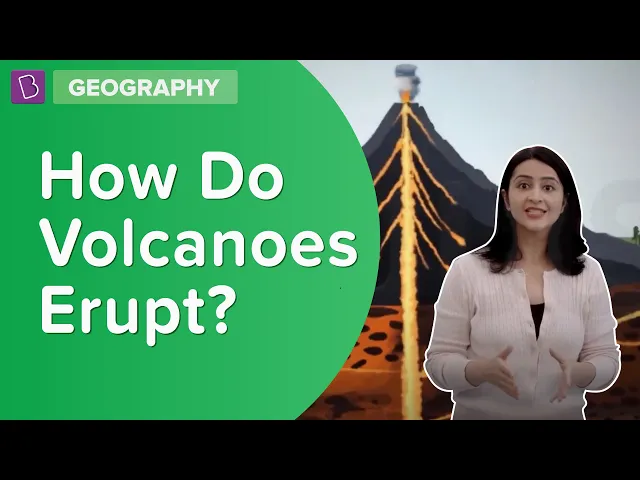
See how HSF helped Byjus transform complex scientific concepts into engaging, easy-to-understand visual lessons that improve student retention and clarity. Watch the video:
Cost Factors for Freelance Video Editing in the USA
Understanding pricing structures helps educational institutions budget effectively when hiring freelance editors. Costs vary based on scope, expertise, turnaround expectations, and technical complexity. Unlike agencies with fixed packages, freelancers often provide flexible pricing models suited to academic content production.
What Freelancers Typically Charge
Freelance video editing rates in the USA generally follow three pricing models:
Per Minute: $50 to $300 per finished minute depending on editing complexity and graphics requirements.
Per Project: $300 to $2,000 per video based on duration, revisions, and additional features.
Hourly: $40 to $100 per hour depending on experience and specialization.
Factors That Affect Price
Several variables influence the final cost of freelance video editing. More advanced projects require additional time, skill, and resources, which increases pricing.
Experience Level: Senior editors with educational specialization typically charge higher rates.
Complexity of Edits: Multi-camera setups, animations, and advanced graphics increase workload.
Turnaround Time: Rush projects or tight academic deadlines may involve premium pricing.
Additional Services like Motion Graphics: Custom animations, branded templates, and interactive elements raise overall costs.
Why Choose House Sparrow Films for Educational Video Editing
House Sparrow Films supports USA schools, universities, and EdTech brands with specialized freelance editing tailored to academic standards. Our team understands instructional structure, learner psychology, and accessibility compliance required for online education. From lecture clean-ups and LMS-ready modules to motion-enhanced explainers, we deliver content that improves clarity and engagement. Every project follows a structured workflow designed for educational institutions, ensuring consistent branding, clean audio, caption accuracy, and optimized pacing.
If you’re looking to hire a freelance education video editor with global delivery capability and USA-focused quality standards, House Sparrow Films offers scalable support without long-term commitments. We help institutions produce polished, professional educational content that strengthens credibility and learner outcomes.
Conclusion
Hiring a freelance education video editor is a smart investment for schools, universities, and EdTech brands aiming to scale high-quality digital learning. Professional editing improves clarity, strengthens engagement, and ensures academic credibility while keeping production flexible and budget-friendly. Compared to in-house teams or large agencies, freelancers offer faster delivery, streamlined revisions, and scalable support aligned with academic calendars. Most importantly, expert editing enhances learner retention and overall course effectiveness. If you’re ready to elevate your educational videos with professional precision and measurable impact, get in touch with House Sparrow Films to discuss your project and start building content that truly connects.
FAQs
1. Why should I hire a freelance education video editor instead of editing in-house?
A freelance editor offers specialized academic expertise, professional tools, scalable support, and faster turnaround without long-term payroll costs or infrastructure expenses for institutions.
2. How much does a freelance education video editor cost in the USA?
Freelance editing typically costs $40 to $100 hourly, $50 to $300 per minute, or $300 to $2,000 per project depending complexity.
3. Can freelance editors handle LMS-ready and accessibility-compliant videos?
Yes, experienced freelance editors deliver LMS-ready formats, accurate captions, structured modules, optimized exports, and accessibility compliance aligned with U.S. educational standards requirements.
4. How long does it take to edit an online course video?
Turnaround depends on length and complexity, but standard lecture edits usually take two to five business days including revisions and quality checks.
5. What types of educational content can a freelance editor work on?
Freelance editors work on lectures, tutorials, webinars, animated explainers, microlearning modules, certification courses, corporate training videos, and educational promotional content projects.
Key Takeaways
Video content has become essential for schools, universities, and EdTech platforms aiming to improve digital learning experiences and student engagement.
Professional editing enhances clarity, credibility, accessibility compliance, and overall instructional quality in educational videos.
Freelance video editors offer cost efficiency, faster turnaround times, and scalable support compared to in-house teams or agencies.
Strategic editing techniques like structured pacing, captions, motion graphics, and visual cues significantly improve learner retention.
Choosing the right freelance editor requires reviewing experience, portfolio quality, accessibility knowledge, and reliability for academic projects.
Educational institutions across the USA are rapidly adopting video as a primary learning medium, from K–12 classrooms to universities and online certification platforms. High-quality visual lessons improve clarity, boost retention, and make complex subjects easier to understand. According to a Wyzowl report, 91% of businesses used video as a marketing tool in 2023, reflecting a broader surge in video adoption across industries, including education. As digital learning continues to expand, the need for professionally edited academic content is stronger than ever.
Hiring a freelance education video editor ensures your lectures, tutorials, and eLearning modules are polished, engaging, and accessible. From clean transitions and captions to structured pacing and graphics, expert editing enhances credibility and learner experience while helping institutions scale content efficiently.
Read more: How to Hire a Freelance Video Editor for Educational Projects in the USA
The Rise of Educational Video Content in the USA
Educational institutions across the United States are increasingly prioritizing digital learning models, making online course video editing USA services more relevant than ever. From universities and charter schools to EdTech startups and corporate training providers, video has become a central tool for delivering structured, scalable, and measurable learning experiences.
Classroom to Online Learning Shift
Traditional classroom instruction has expanded into hybrid and fully online environments. Learning management systems, recorded lectures, and interactive modules now support students beyond physical campuses. Institutions are investing in professionally edited course videos to ensure clarity, structure, and academic credibility across digital platforms. This shift has created strong demand for specialized editing tailored to online curriculum standards, accessibility compliance, and structured lesson delivery.
Student Engagement is Driven by Video
Research consistently shows that students engage more deeply with visual learning formats compared to text-only materials. A study by the Learning Pyramid model indicates learners retain approximately 65% of information through visual and audiovisual methods compared to around 10% through reading alone.
Learners engage more with video because:
Visual storytelling simplifies complex concepts
Motion graphics reinforce key ideas
Audio explanations improve understanding
Structured pacing reduces cognitive overload
Captions and visuals support different learning styles
Impact of Video on Learning Performance
Video significantly improves retention, engagement, and course completion rates across learners.
Metric | Text | Video |
Retention | 10% | 65% |
Engagement | Low | High |
Completion Rate | Moderate | Very High |
Why the USA Educational Sector Needs Professional Video Editing
As digital learning expands across schools, universities, and EdTech platforms, production quality directly influences credibility. Institutions aiming to position themselves alongside the best school & edtech video production agency standards must ensure their content reflects professionalism, clarity, and academic authority.
Quality Matters for Credibility
Students, parents, and stakeholders often judge the quality of an institution by the quality of its content. Poor audio, inconsistent visuals, awkward transitions, or distracting backgrounds can reduce trust instantly. Professionally edited videos create a structured flow, eliminate errors, enhance sound clarity, and add supportive graphics that improve comprehension. Polished edits signal expertise and institutional reliability, making learners more confident in the curriculum being delivered.
Educational Standards & Accessibility Requirements
Educational institutions in the USA must ensure their video content meets accessibility guidelines, supports diverse learners, and aligns with digital learning standards. Proper editing helps create inclusive experiences that accommodate different abilities, learning speeds, and content consumption preferences. Structured visuals, clear audio, and compliant formatting are not optional but essential for modern eLearning delivery. These are the key accessibility elements every educational video must include:
Accurate Captions: Provide synchronized closed captions that accurately reflect spoken dialogue, ensuring accessibility for hearing-impaired learners and multilingual audiences.
Structured Visual Hierarchy: Use clear headings, readable fonts, proper contrast, and organized layouts to help students follow content logically without confusion.
Balanced Pacing: Maintain steady pacing with intentional pauses, segment breaks, and visual cues to prevent cognitive overload and improve comprehension.
Branding and Consistency Across Courses
Consistent editing styles across lessons strengthen institutional identity. Uniform intros, lower-thirds, typography, and transitions create a cohesive brand experience. When every module follows the same visual and structural standards, it enhances professionalism, improves recognition, and reinforces the institution’s reputation in a competitive education market.
Read more: Why Hiring an Educational Video Editor & Motion Designer Matters in the USA
Benefits of Hiring a Freelance Video Editor for Educational Content
Hiring a freelance video editor is a strategic decision for schools, universities, and EdTech brands that want professional results without agency-level overheads. Educational content requires precision, clarity, and structured storytelling. A freelance editor brings specialized expertise while offering flexibility, cost control, and faster execution. For institutions scaling digital programs, this approach ensures quality without locking into long-term production contracts.
Cost Efficiency Compared to Studios
Freelance editors offer budget-friendly solutions without compromising on quality:
No Fixed Overhead: You avoid infrastructure, equipment, and full-time salary expenses associated with in-house teams or studios.
Pay Only for Work Done: Projects are billed per hour, per video, or per milestone, ensuring cost transparency.
Scalable Based on Workload: Increase or reduce editing support depending on semester demand or course launches.
Faster Turnaround Times
Freelancers typically manage lean workflows, which allows quicker edits and revisions compared to larger production houses. Educational institutions often work within strict academic calendars, and timely delivery is crucial.
Rapid delivery advantages include:
Faster first-cut submissions
Streamlined feedback cycles
Quick implementation of revisions
Deadline-focused project management
Niche Expertise in Educational Editing
Many freelance editors specialize specifically in educational formats such as lecture recordings, LMS modules, webinar content, and explainer lessons. They understand pacing for comprehension, visual reinforcement techniques, subtitle integration, and curriculum-aligned structuring. This focused expertise ensures that academic material remains engaging while maintaining instructional integrity.
Flexibility Across Formats
Freelance editors adapt easily to different educational video formats, including:
Lectures
Tutorials
Animated explainers
Promo clips
Looking to elevate your educational videos with expert freelance editing support? Book a call with House Sparrow Films today and scale your content with confidence.
Freelance Video Editor vs In-House Editor vs Production Agency
Educational institutions planning to hire a video editor remotely in the USA should compare long-term cost structures, scalability, and expertise before deciding.
Feature | Freelance Editor | In-House Editor | Production Agency |
Cost (Approx.) | $40–$100 per hour or $300–$1,200 per video | $50,000–$75,000 per year + benefits | $3,000–$15,000 per project |
Speed | High | Medium | Medium |
Flexibility | Very High | Low | Medium |
Access to Specialized Skills | Yes | Limited | Yes |
Accessibility Editing | Yes | Depends | Yes |
Freelance editors offer predictable project-based pricing and scalability without long-term payroll commitments. In-house editors involve fixed annual costs regardless of workload, while agencies typically charge premium project fees due to larger teams and infrastructure. For many educational content creators, freelance editing provides the strongest balance between cost efficiency and professional output.
Key Skills a Freelance Video Editor Adds to Your Educational Content
Professional editing plays a key role in maximizing how learners absorb and retain information. For example, studies show that learners retain up to 83% more information when video is used compared to traditional methods, underlining the power of visuals in education.
A freelance education video editor brings visual storytelling expertise to structure concepts into engaging narratives that make lessons clear and memorable. They ensure audio clarity and sync, removing distractions and making spoken content easier to follow. Through motion graphics for concepts, abstract ideas become visually digestible. Editors also integrate captions and accessibility features to support diverse learners and compliance standards. Most importantly, they maintain optimized pacing for learner retention, balancing information flow so students stay focused and comprehend material effectively.
Read more: Educational Content Video Production for USA Creators
How to Choose the Right Freelance Video Editor for USA Educators
Selecting the right freelance editor requires more than comparing pricing. Educational content demands instructional clarity, technical precision, and familiarity with academic standards. Evaluating expertise, portfolio quality, and client credibility will help ensure you partner with someone who understands the expectations of U.S. educators and learners.
Ask for Industry Experience
Look for editors who have prior experience working with schools, universities, LMS platforms, or EdTech brands. Educational editing differs from marketing or entertainment projects because it requires structured pacing, accessibility awareness, and curriculum alignment. Industry familiarity reduces onboarding time and improves output quality.
Review Editing Portfolio
When reviewing a portfolio, focus on:
Clear audio quality and balanced sound design
Logical content flow and structured transitions
Effective use of on-screen text and graphics
Caption accuracy and accessibility integration
Engagement elements such as motion graphics or callouts
Consistency in branding across multiple videos
Check Reviews and Testimonials
Client testimonials provide insight into reliability, communication style, and turnaround speed. Look for feedback from educational institutions or training providers that mention clarity, professionalism, and deadline management. Positive long-term partnerships are a strong indicator of consistent performance.
If you’re evaluating options, consider scheduling a consultation to discuss your course goals and workflow expectations before making a final decision.
The Workflow When You Hire a Freelance Video Editor
When partnering with professionals who offer instructional video editing services, having a structured workflow ensures clarity, efficiency, and consistent academic quality. A defined process helps educational institutions stay aligned with curriculum goals while maintaining production timelines.
Pre-Production Collaboration
Successful projects begin with detailed planning. This stage includes sharing course objectives, lesson outlines, brand guidelines, and accessibility requirements. Editors often review raw footage, presentation slides, and scripts before outlining the editing structure. Creating a clear brief and, when required, a shot list ensures that transitions, graphics, and key learning points are strategically placed. Early alignment reduces revisions and improves overall delivery quality.
Editing & Feedback Loop
A streamlined review system keeps the project moving smoothly:
First Cut: Initial edited version with structured flow and basic graphics.
Review: Client evaluates content for clarity, pacing, and accuracy.
Revisions: Adjustments based on feedback, including captions or visual updates.
Final Delivery: Polished version approved for publishing or distribution.
Delivery Formats for Educational Platforms
Final videos are typically delivered in formats optimized for digital platforms. Common outputs include high-quality MP4 files for LMS uploads, web-optimized versions for streaming, compressed files for mobile access, and caption-enabled formats that meet accessibility standards. Proper exporting ensures compatibility across learning management systems, university portals, and online course platforms.
How Video Editing Improves Learning Outcomes
Effective academic video production goes beyond recording lectures. Strategic editing transforms raw footage into structured learning experiences that improve comprehension and long-term retention. By organizing content clearly and reinforcing key concepts visually, professional editing helps students process information more efficiently and stay engaged throughout the lesson.
Video editing improves learning outcomes by:
Chunking information visually: Breaking lessons into short, structured segments that make complex topics easier to absorb and revisit.
Adding annotations & visual cues: Using highlights, arrows, callouts, and on-screen text to emphasize important points and guide learner focus.
Reducing cognitive load: Removing distractions, tightening pauses, and maintaining clean transitions to keep attention centered on core material.
Subtitles for retention: Supporting auditory and visual learners with accurate captions that reinforce key terminology and improve recall.
See how HSF helped Byjus transform complex scientific concepts into engaging, easy-to-understand visual lessons that improve student retention and clarity. Watch the video:
Cost Factors for Freelance Video Editing in the USA
Understanding pricing structures helps educational institutions budget effectively when hiring freelance editors. Costs vary based on scope, expertise, turnaround expectations, and technical complexity. Unlike agencies with fixed packages, freelancers often provide flexible pricing models suited to academic content production.
What Freelancers Typically Charge
Freelance video editing rates in the USA generally follow three pricing models:
Per Minute: $50 to $300 per finished minute depending on editing complexity and graphics requirements.
Per Project: $300 to $2,000 per video based on duration, revisions, and additional features.
Hourly: $40 to $100 per hour depending on experience and specialization.
Factors That Affect Price
Several variables influence the final cost of freelance video editing. More advanced projects require additional time, skill, and resources, which increases pricing.
Experience Level: Senior editors with educational specialization typically charge higher rates.
Complexity of Edits: Multi-camera setups, animations, and advanced graphics increase workload.
Turnaround Time: Rush projects or tight academic deadlines may involve premium pricing.
Additional Services like Motion Graphics: Custom animations, branded templates, and interactive elements raise overall costs.
Why Choose House Sparrow Films for Educational Video Editing
House Sparrow Films supports USA schools, universities, and EdTech brands with specialized freelance editing tailored to academic standards. Our team understands instructional structure, learner psychology, and accessibility compliance required for online education. From lecture clean-ups and LMS-ready modules to motion-enhanced explainers, we deliver content that improves clarity and engagement. Every project follows a structured workflow designed for educational institutions, ensuring consistent branding, clean audio, caption accuracy, and optimized pacing.
If you’re looking to hire a freelance education video editor with global delivery capability and USA-focused quality standards, House Sparrow Films offers scalable support without long-term commitments. We help institutions produce polished, professional educational content that strengthens credibility and learner outcomes.
Conclusion
Hiring a freelance education video editor is a smart investment for schools, universities, and EdTech brands aiming to scale high-quality digital learning. Professional editing improves clarity, strengthens engagement, and ensures academic credibility while keeping production flexible and budget-friendly. Compared to in-house teams or large agencies, freelancers offer faster delivery, streamlined revisions, and scalable support aligned with academic calendars. Most importantly, expert editing enhances learner retention and overall course effectiveness. If you’re ready to elevate your educational videos with professional precision and measurable impact, get in touch with House Sparrow Films to discuss your project and start building content that truly connects.
FAQs
1. Why should I hire a freelance education video editor instead of editing in-house?
A freelance editor offers specialized academic expertise, professional tools, scalable support, and faster turnaround without long-term payroll costs or infrastructure expenses for institutions.
2. How much does a freelance education video editor cost in the USA?
Freelance editing typically costs $40 to $100 hourly, $50 to $300 per minute, or $300 to $2,000 per project depending complexity.
3. Can freelance editors handle LMS-ready and accessibility-compliant videos?
Yes, experienced freelance editors deliver LMS-ready formats, accurate captions, structured modules, optimized exports, and accessibility compliance aligned with U.S. educational standards requirements.
4. How long does it take to edit an online course video?
Turnaround depends on length and complexity, but standard lecture edits usually take two to five business days including revisions and quality checks.
5. What types of educational content can a freelance editor work on?
Freelance editors work on lectures, tutorials, webinars, animated explainers, microlearning modules, certification courses, corporate training videos, and educational promotional content projects.