Key Takeaways
Video induction ensures consistent onboarding information for employees across teams, locations, and remote work environments.
Post-video tests help HR teams confirm employees understand company policies and workplace expectations clearly.
Video onboarding reduces repeated orientation sessions, saving time for HR teams and managers.
Interactive video training improves employee engagement and helps new hires retain important onboarding information.
Scalable video onboarding allows companies to train large workforces efficiently across multiple locations.
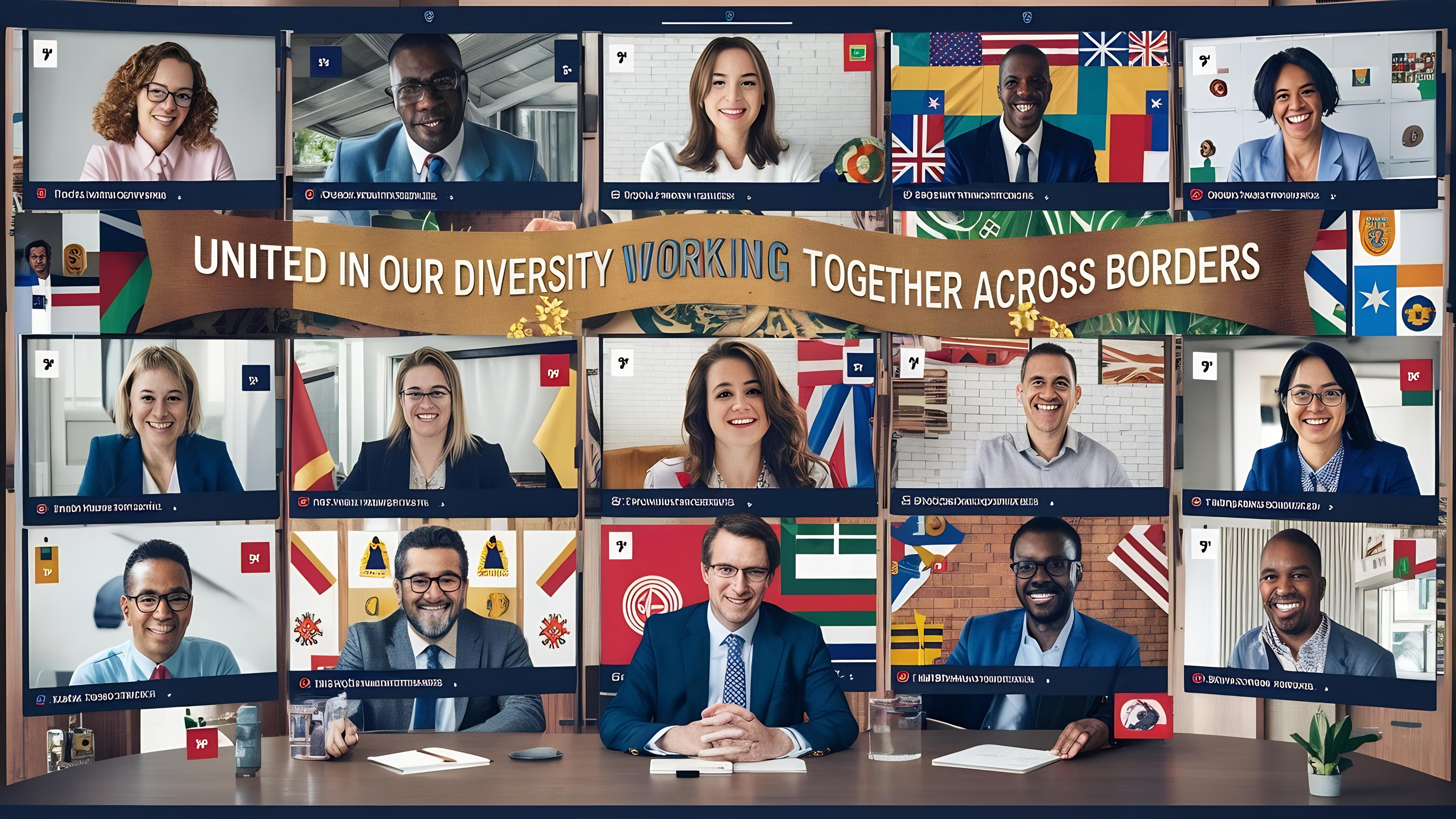
HR teams in the United States are increasingly shifting toward video-based onboarding to train employees more efficiently, especially as remote and hybrid work models become common. Traditional orientation sessions often require repeated presentations, inconsistent explanations, and significant time from HR managers. As companies grow and hire across locations, many organisations now rely on compliance training videos and structured induction content to deliver consistent information to every new hire.
Video-based induction programs also include short quizzes or tests that verify understanding and track training completion. This approach helps standardise onboarding while improving knowledge retention. Research shows that organisations with a strong onboarding process improve new-hire retention by 82% and productivity by over 70%, highlighting the importance of structured training programs.
Why HR Teams in the USA Are Shifting to Video-Based Induction Programs
As onboarding becomes more digital, many organizations collaborate with an L&D video production company to create structured training content. These programs improve consistency, engagement, and learning outcomes across distributed teams. Here are the key reasons:
Remote Workforce Expansion: Distributed teams require scalable onboarding methods that deliver consistent training regardless of employee location.
Training Consistency: Video-based induction ensures every employee receives identical information without variation across different onboarding sessions.
Time Efficiency for HR: Pre-recorded induction videos reduce repetitive presentations and allow HR teams to focus on strategic initiatives.
Higher Employee Engagement: Visual storytelling and real workplace examples make onboarding content easier for new employees to understand.
Measurable Learning Outcomes: Integrated quizzes and LMS tracking help HR verify understanding and confirm onboarding completion.
What Is a Company Induction Video with Test?
A company induction video with a test is a structured onboarding video that introduces new employees to company culture, policies, workplace safety, compliance guidelines, and operational processes. After watching the training content, employees complete a short quiz to confirm understanding. Studies show that video-based training can increase knowledge retention by 25% to 60% compared to traditional methods, making it an effective onboarding format.
Structure of a Modern Induction Video Program
Modern induction programs combine structured video content with interactive training modules to deliver consistent onboarding experiences while helping HR teams track learning progress effectively.
Component | Purpose |
Welcome video | Introduces company culture |
Policy training video | Explains rules and compliance |
Department overview | Clarifies roles and responsibilities |
Interactive quiz | Tests knowledge and understanding |
Completion tracking | HR verifies onboarding progress |
Read more: How to Measure the Effectiveness of L&D Videos
7 Reasons HR Teams Prefer Company Induction Videos with Tests
Many organizations now use new hire training videos to deliver structured onboarding content that ensures consistency, efficiency, and measurable learning outcomes. These are the key reasons HR teams increasingly adopt this approach.
1. Standardized Training Across All Employees
One of the biggest challenges in traditional onboarding is maintaining consistency. When HR managers conduct live orientation sessions repeatedly, the information delivered can vary depending on the presenter, time available, or audience size.
Company induction videos solve this problem by delivering the same message to every employee. Once the training video is produced, it becomes a standardized learning resource that can be used across departments and office locations.
This approach ensures that every employee receives clear guidance about:
company values and culture
workplace expectations
internal processes
employee responsibilities
Standardized onboarding is especially important for organizations with multiple branches or global teams. Video ensures the message remains consistent regardless of where employees are located.
2. Better Knowledge Retention
Videos make complex onboarding topics easier to understand by combining visuals, narration, and real workplace scenarios. Instead of reading long policy documents, employees can watch demonstrations, examples, and explanations that simplify important procedures. Visual storytelling helps learners process information faster and connect concepts with real workplace situations, which improves comprehension during onboarding.
Adding a short test after the video strengthens memory through active recall. When employees answer questions based on the training content, they reinforce what they have learned and identify gaps in understanding. Organizations looking to build effective training content can get a quote from House Sparrow Films to produce engaging onboarding videos that support better learning outcomes.
3. Faster Employee Onboarding
Video-based onboarding helps organizations train new employees faster while reducing the workload on HR teams. Instead of conducting repeated orientation sessions, HR departments can share training videos that employees can watch at their convenience. This approach allows new hires to learn at their own pace while still receiving the same structured information about company policies, processes, and expectations. As a result, onboarding cycles become shorter and more efficient, especially for companies hiring multiple employees simultaneously. Video training programs also help reduce operational costs and administrative effort associated with traditional in-person training sessions, making them a practical solution for scaling onboarding programs.
4. Improved Employee Engagement
Long presentations or dense policy documents can make onboarding feel overwhelming for new hires. Video training helps make the learning experience more engaging and easier to follow.
Induction videos often use storytelling and real workplace examples to introduce employees to the organization. Instead of reading lengthy manuals, new hires can visually see how the company operates.
Common elements used in engaging induction videos include:
welcome messages from company leadership
introductions to key teams and departments
workplace walkthroughs
demonstrations of internal tools and processes
These visual experiences help employees feel more connected to the organization and create a more positive first impression during onboarding.
5. Compliance and Legal Training
Compliance training is an essential part of employee onboarding in the United States. Companies must ensure employees understand workplace regulations and company policies.
During induction training, employees typically learn about:
workplace safety requirements
anti-harassment and equal opportunity policies
data protection and privacy rules
industry-specific regulations
When compliance training is delivered through videos with tests, HR teams can maintain clear records of training completion. The test results provide evidence that employees have reviewed and understood the information.
This documentation is particularly important during audits or regulatory reviews, making video-based compliance training a reliable solution for HR departments.
6. Better Employee Retention
Effective onboarding plays an important role in helping employees feel prepared and supported in their new roles. When companies provide structured training through induction videos and assessments, employees gain a clearer understanding of their responsibilities, workplace processes, and company expectations. This clarity helps reduce early confusion and allows new hires to settle into their roles faster. As a result, employees develop stronger confidence in their work, perform tasks more efficiently, and build a stronger connection with the organization. These factors collectively contribute to improved job satisfaction and higher employee retention.
More Confident: Clear onboarding training helps employees understand responsibilities, workplace expectations, and internal processes from the beginning.
More Productive: Well-structured induction training helps employees start contributing sooner by understanding workflows, tools, and responsibilities clearly.
More Likely to Stay Longer: Employees who receive strong onboarding support feel valued, increasing satisfaction and long-term commitment to organizations.
7. Scalable for Large Organizations
For organizations with large workforces or frequent hiring cycles, scalability is a major consideration in onboarding programs.
Video induction programs enable training large numbers of employees without increasing HR workload. Once the training content is produced, the same video can be used for every onboarding cycle.
For example, a company hiring 500 employees across different offices can deliver identical onboarding training through the same induction video.
Key scalability advantages include:
eliminating repeated HR-led orientation sessions
updating training content easily when policies change
integrating videos with Learning Management Systems (LMS) for tracking
This scalable approach allows companies to maintain efficient onboarding processes while continuing to grow their workforce.
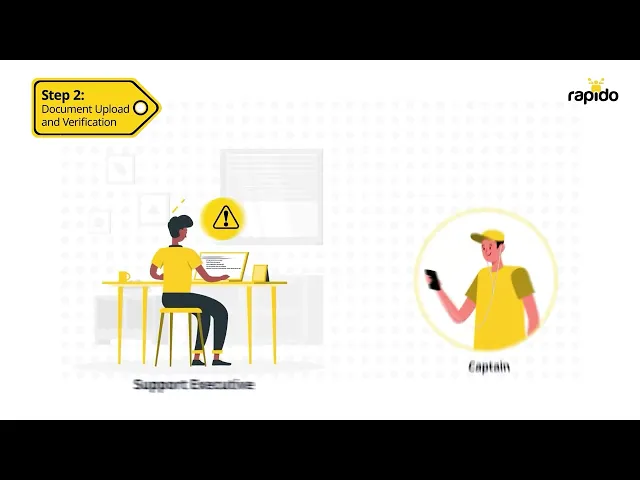
See how HSF helped Rapido create an engaging L&D training video to simplify employee learning and onboarding. Watch the video:
Key Elements of an Effective Induction Video with Test
Effective induction programs combine clear communication with structured learning. Many organizations now use onboarding quiz videos that present key information and include assessments to verify employee understanding and training completion.
Clear Storytelling
Induction videos should communicate the company’s mission, values, and workplace culture clearly. Featuring leadership messages and team introductions helps employees understand the organization and feel connected from the beginning.
Short and Modular Video Format
Short video segments work better than long training sessions. Modules lasting three to five minutes allow employees to focus on specific topics and make updates easier for HR teams.
Interactive Assessments
Interactive tests help confirm learning outcomes after employees watch induction videos. These assessments may include multiple-choice questions, scenario-based questions, and compliance checks related to company policies.
How USA Companies Implement Induction Video Programs
Many USA organizations now use structured video-based onboarding systems supported by learning platforms. These programs combine training videos, assessments, and tracking tools to ensure employees complete onboarding efficiently while meeting compliance and documentation requirements.
“Video-based onboarding allows organizations to deliver consistent training while tracking employee understanding through integrated assessments,” says Josh Bersin, Global HR Industry Analyst and Founder of The Josh Bersin Company.
Typical HR Workflow
HR teams usually begin by recording a company introduction video that explains the organization’s culture, mission, and workplace expectations. The compliance or training team then develops additional policy training modules covering safety guidelines, workplace conduct, and regulatory requirements.
These videos are uploaded to the company’s Learning Management System (LMS), where employees can access the onboarding modules. New hires watch the videos as part of their training process and complete knowledge tests after each module. HR teams then track completion records and certification results through the LMS to ensure all employees finish the required induction training.
Read more: How to Use Data to Improve Your L&D Video Strategy
When Companies Should Upgrade to Video-Based Induction
As organizations expand and adopt digital learning systems, many are replacing traditional orientation sessions with structured video onboarding. Creating workforce training content through induction videos allows companies to deliver consistent information, simplify training delivery, and track employee learning more effectively. This approach becomes especially valuable when businesses face complex onboarding needs or operate across multiple locations.
Remote Workforce: Video induction ensures remote employees receive consistent onboarding training without requiring in-person HR orientation sessions.
Global Hiring: Companies hiring internationally can deliver standardized training content regardless of employee location or time zone.
Large Employee Onboarding Volume: Organizations hiring many employees simultaneously can scale onboarding without increasing HR workload significantly.
Compliance Training Requirements: Video training helps companies deliver mandatory policies while documenting employee understanding through quizzes.
Multiple Office Locations: Induction videos ensure employees across branches receive the same onboarding information and workplace guidelines.
Read more: Why Animated Videos are Effective for Learning and Development
Why Companies Partner with Professional Video Production Studios
Many organizations partner with professional video production studios to create clear and engaging induction content. Professional teams help transform complex policies and workplace processes into simple visual stories that employees can easily understand.
They also improve storytelling, messaging clarity, and overall production quality. Well-produced training videos maintain brand consistency and keep employees more engaged, making onboarding content easier to follow and more effective.
Why House Sparrow Films Is Trusted for Corporate Induction Videos
At House Sparrow Films, we create impactful company induction videos with test solutions that help organizations streamline employee onboarding. With strong experience producing HR training videos for global clients, we focus on clear corporate storytelling that makes workplace policies and processes easy to understand. We develop customized employee training videos that reflect each company’s culture and learning goals. Our scalable video production solutions include training videos, corporate films, animated explainer videos, and internal communication videos, helping organizations deliver consistent onboarding experiences across teams and locations.
Conclusion
Modern HR teams require scalable onboarding solutions that can train employees efficiently across locations and departments. Induction videos with tests provide a structured approach that ensures consistent messaging, engaging learning experiences, and measurable training outcomes. By combining visual learning with short assessments, companies can improve knowledge retention, support compliance training requirements, and help employees understand workplace expectations more clearly.
As organizations increasingly adopt digital HR training strategies, video-based induction programs are becoming a standard onboarding method in the USA. These programs allow companies to deliver training at scale while maintaining quality and consistency. If you are planning to upgrade your onboarding process with professional induction videos, contact us at House Sparrow Films to create effective training content for your workforce.
FAQs
1. What is a company induction video with a test?
A company induction video with a test is an onboarding training video that introduces new employees to company policies, culture, and procedures, followed by a short quiz to verify understanding.
2. How do induction videos improve employee onboarding?
Induction videos provide consistent training content for every employee, reduce repetitive HR sessions, and make onboarding easier through clear visual explanations and structured learning.
3. Why do companies include tests in induction videos?
Tests help HR teams confirm that employees understand important information such as workplace policies, compliance rules, and operational procedures.
4. Can induction videos be used for remote employees?
Yes, induction videos are highly effective for remote and hybrid teams because employees can access the training anytime and complete onboarding from any location.
5. How often should companies update induction training videos?
Companies should update induction videos whenever policies, compliance requirements, or internal processes change to ensure employees receive accurate and current training information.
Key Takeaways
Video induction ensures consistent onboarding information for employees across teams, locations, and remote work environments.
Post-video tests help HR teams confirm employees understand company policies and workplace expectations clearly.
Video onboarding reduces repeated orientation sessions, saving time for HR teams and managers.
Interactive video training improves employee engagement and helps new hires retain important onboarding information.
Scalable video onboarding allows companies to train large workforces efficiently across multiple locations.
HR teams in the United States are increasingly shifting toward video-based onboarding to train employees more efficiently, especially as remote and hybrid work models become common. Traditional orientation sessions often require repeated presentations, inconsistent explanations, and significant time from HR managers. As companies grow and hire across locations, many organisations now rely on compliance training videos and structured induction content to deliver consistent information to every new hire.
Video-based induction programs also include short quizzes or tests that verify understanding and track training completion. This approach helps standardise onboarding while improving knowledge retention. Research shows that organisations with a strong onboarding process improve new-hire retention by 82% and productivity by over 70%, highlighting the importance of structured training programs.
Why HR Teams in the USA Are Shifting to Video-Based Induction Programs
As onboarding becomes more digital, many organizations collaborate with an L&D video production company to create structured training content. These programs improve consistency, engagement, and learning outcomes across distributed teams. Here are the key reasons:
Remote Workforce Expansion: Distributed teams require scalable onboarding methods that deliver consistent training regardless of employee location.
Training Consistency: Video-based induction ensures every employee receives identical information without variation across different onboarding sessions.
Time Efficiency for HR: Pre-recorded induction videos reduce repetitive presentations and allow HR teams to focus on strategic initiatives.
Higher Employee Engagement: Visual storytelling and real workplace examples make onboarding content easier for new employees to understand.
Measurable Learning Outcomes: Integrated quizzes and LMS tracking help HR verify understanding and confirm onboarding completion.
What Is a Company Induction Video with Test?
A company induction video with a test is a structured onboarding video that introduces new employees to company culture, policies, workplace safety, compliance guidelines, and operational processes. After watching the training content, employees complete a short quiz to confirm understanding. Studies show that video-based training can increase knowledge retention by 25% to 60% compared to traditional methods, making it an effective onboarding format.
Structure of a Modern Induction Video Program
Modern induction programs combine structured video content with interactive training modules to deliver consistent onboarding experiences while helping HR teams track learning progress effectively.
Component | Purpose |
Welcome video | Introduces company culture |
Policy training video | Explains rules and compliance |
Department overview | Clarifies roles and responsibilities |
Interactive quiz | Tests knowledge and understanding |
Completion tracking | HR verifies onboarding progress |
Read more: How to Measure the Effectiveness of L&D Videos
7 Reasons HR Teams Prefer Company Induction Videos with Tests
Many organizations now use new hire training videos to deliver structured onboarding content that ensures consistency, efficiency, and measurable learning outcomes. These are the key reasons HR teams increasingly adopt this approach.
1. Standardized Training Across All Employees
One of the biggest challenges in traditional onboarding is maintaining consistency. When HR managers conduct live orientation sessions repeatedly, the information delivered can vary depending on the presenter, time available, or audience size.
Company induction videos solve this problem by delivering the same message to every employee. Once the training video is produced, it becomes a standardized learning resource that can be used across departments and office locations.
This approach ensures that every employee receives clear guidance about:
company values and culture
workplace expectations
internal processes
employee responsibilities
Standardized onboarding is especially important for organizations with multiple branches or global teams. Video ensures the message remains consistent regardless of where employees are located.
2. Better Knowledge Retention
Videos make complex onboarding topics easier to understand by combining visuals, narration, and real workplace scenarios. Instead of reading long policy documents, employees can watch demonstrations, examples, and explanations that simplify important procedures. Visual storytelling helps learners process information faster and connect concepts with real workplace situations, which improves comprehension during onboarding.
Adding a short test after the video strengthens memory through active recall. When employees answer questions based on the training content, they reinforce what they have learned and identify gaps in understanding. Organizations looking to build effective training content can get a quote from House Sparrow Films to produce engaging onboarding videos that support better learning outcomes.
3. Faster Employee Onboarding
Video-based onboarding helps organizations train new employees faster while reducing the workload on HR teams. Instead of conducting repeated orientation sessions, HR departments can share training videos that employees can watch at their convenience. This approach allows new hires to learn at their own pace while still receiving the same structured information about company policies, processes, and expectations. As a result, onboarding cycles become shorter and more efficient, especially for companies hiring multiple employees simultaneously. Video training programs also help reduce operational costs and administrative effort associated with traditional in-person training sessions, making them a practical solution for scaling onboarding programs.
4. Improved Employee Engagement
Long presentations or dense policy documents can make onboarding feel overwhelming for new hires. Video training helps make the learning experience more engaging and easier to follow.
Induction videos often use storytelling and real workplace examples to introduce employees to the organization. Instead of reading lengthy manuals, new hires can visually see how the company operates.
Common elements used in engaging induction videos include:
welcome messages from company leadership
introductions to key teams and departments
workplace walkthroughs
demonstrations of internal tools and processes
These visual experiences help employees feel more connected to the organization and create a more positive first impression during onboarding.
5. Compliance and Legal Training
Compliance training is an essential part of employee onboarding in the United States. Companies must ensure employees understand workplace regulations and company policies.
During induction training, employees typically learn about:
workplace safety requirements
anti-harassment and equal opportunity policies
data protection and privacy rules
industry-specific regulations
When compliance training is delivered through videos with tests, HR teams can maintain clear records of training completion. The test results provide evidence that employees have reviewed and understood the information.
This documentation is particularly important during audits or regulatory reviews, making video-based compliance training a reliable solution for HR departments.
6. Better Employee Retention
Effective onboarding plays an important role in helping employees feel prepared and supported in their new roles. When companies provide structured training through induction videos and assessments, employees gain a clearer understanding of their responsibilities, workplace processes, and company expectations. This clarity helps reduce early confusion and allows new hires to settle into their roles faster. As a result, employees develop stronger confidence in their work, perform tasks more efficiently, and build a stronger connection with the organization. These factors collectively contribute to improved job satisfaction and higher employee retention.
More Confident: Clear onboarding training helps employees understand responsibilities, workplace expectations, and internal processes from the beginning.
More Productive: Well-structured induction training helps employees start contributing sooner by understanding workflows, tools, and responsibilities clearly.
More Likely to Stay Longer: Employees who receive strong onboarding support feel valued, increasing satisfaction and long-term commitment to organizations.
7. Scalable for Large Organizations
For organizations with large workforces or frequent hiring cycles, scalability is a major consideration in onboarding programs.
Video induction programs enable training large numbers of employees without increasing HR workload. Once the training content is produced, the same video can be used for every onboarding cycle.
For example, a company hiring 500 employees across different offices can deliver identical onboarding training through the same induction video.
Key scalability advantages include:
eliminating repeated HR-led orientation sessions
updating training content easily when policies change
integrating videos with Learning Management Systems (LMS) for tracking
This scalable approach allows companies to maintain efficient onboarding processes while continuing to grow their workforce.
See how HSF helped Rapido create an engaging L&D training video to simplify employee learning and onboarding. Watch the video:
Key Elements of an Effective Induction Video with Test
Effective induction programs combine clear communication with structured learning. Many organizations now use onboarding quiz videos that present key information and include assessments to verify employee understanding and training completion.
Clear Storytelling
Induction videos should communicate the company’s mission, values, and workplace culture clearly. Featuring leadership messages and team introductions helps employees understand the organization and feel connected from the beginning.
Short and Modular Video Format
Short video segments work better than long training sessions. Modules lasting three to five minutes allow employees to focus on specific topics and make updates easier for HR teams.
Interactive Assessments
Interactive tests help confirm learning outcomes after employees watch induction videos. These assessments may include multiple-choice questions, scenario-based questions, and compliance checks related to company policies.
How USA Companies Implement Induction Video Programs
Many USA organizations now use structured video-based onboarding systems supported by learning platforms. These programs combine training videos, assessments, and tracking tools to ensure employees complete onboarding efficiently while meeting compliance and documentation requirements.
“Video-based onboarding allows organizations to deliver consistent training while tracking employee understanding through integrated assessments,” says Josh Bersin, Global HR Industry Analyst and Founder of The Josh Bersin Company.
Typical HR Workflow
HR teams usually begin by recording a company introduction video that explains the organization’s culture, mission, and workplace expectations. The compliance or training team then develops additional policy training modules covering safety guidelines, workplace conduct, and regulatory requirements.
These videos are uploaded to the company’s Learning Management System (LMS), where employees can access the onboarding modules. New hires watch the videos as part of their training process and complete knowledge tests after each module. HR teams then track completion records and certification results through the LMS to ensure all employees finish the required induction training.
Read more: How to Use Data to Improve Your L&D Video Strategy
When Companies Should Upgrade to Video-Based Induction
As organizations expand and adopt digital learning systems, many are replacing traditional orientation sessions with structured video onboarding. Creating workforce training content through induction videos allows companies to deliver consistent information, simplify training delivery, and track employee learning more effectively. This approach becomes especially valuable when businesses face complex onboarding needs or operate across multiple locations.
Remote Workforce: Video induction ensures remote employees receive consistent onboarding training without requiring in-person HR orientation sessions.
Global Hiring: Companies hiring internationally can deliver standardized training content regardless of employee location or time zone.
Large Employee Onboarding Volume: Organizations hiring many employees simultaneously can scale onboarding without increasing HR workload significantly.
Compliance Training Requirements: Video training helps companies deliver mandatory policies while documenting employee understanding through quizzes.
Multiple Office Locations: Induction videos ensure employees across branches receive the same onboarding information and workplace guidelines.
Read more: Why Animated Videos are Effective for Learning and Development
Why Companies Partner with Professional Video Production Studios
Many organizations partner with professional video production studios to create clear and engaging induction content. Professional teams help transform complex policies and workplace processes into simple visual stories that employees can easily understand.
They also improve storytelling, messaging clarity, and overall production quality. Well-produced training videos maintain brand consistency and keep employees more engaged, making onboarding content easier to follow and more effective.
Why House Sparrow Films Is Trusted for Corporate Induction Videos
At House Sparrow Films, we create impactful company induction videos with test solutions that help organizations streamline employee onboarding. With strong experience producing HR training videos for global clients, we focus on clear corporate storytelling that makes workplace policies and processes easy to understand. We develop customized employee training videos that reflect each company’s culture and learning goals. Our scalable video production solutions include training videos, corporate films, animated explainer videos, and internal communication videos, helping organizations deliver consistent onboarding experiences across teams and locations.
Conclusion
Modern HR teams require scalable onboarding solutions that can train employees efficiently across locations and departments. Induction videos with tests provide a structured approach that ensures consistent messaging, engaging learning experiences, and measurable training outcomes. By combining visual learning with short assessments, companies can improve knowledge retention, support compliance training requirements, and help employees understand workplace expectations more clearly.
As organizations increasingly adopt digital HR training strategies, video-based induction programs are becoming a standard onboarding method in the USA. These programs allow companies to deliver training at scale while maintaining quality and consistency. If you are planning to upgrade your onboarding process with professional induction videos, contact us at House Sparrow Films to create effective training content for your workforce.
FAQs
1. What is a company induction video with a test?
A company induction video with a test is an onboarding training video that introduces new employees to company policies, culture, and procedures, followed by a short quiz to verify understanding.
2. How do induction videos improve employee onboarding?
Induction videos provide consistent training content for every employee, reduce repetitive HR sessions, and make onboarding easier through clear visual explanations and structured learning.
3. Why do companies include tests in induction videos?
Tests help HR teams confirm that employees understand important information such as workplace policies, compliance rules, and operational procedures.
4. Can induction videos be used for remote employees?
Yes, induction videos are highly effective for remote and hybrid teams because employees can access the training anytime and complete onboarding from any location.
5. How often should companies update induction training videos?
Companies should update induction videos whenever policies, compliance requirements, or internal processes change to ensure employees receive accurate and current training information.