Key takeaways
The HVAC industry in the USA is facing a significant workforce shortage, driven by rising demand, retirements, and limited access to training.
Traditional training methods are no longer sufficient to scale learning or ensure consistent skill development across teams.
Video-based technical content makes training more accessible, repeatable, and effective for complex, hands-on HVAC skills.
Structured training content helps reduce onboarding time, improve field performance, and maintain safety and compliance standards.
Investing in scalable training solutions today is essential for building a future-ready workforce and staying competitive.
The demand for skilled technicians is rising sharply across the United States, driven by rapid construction, climate needs, and advanced HVAC systems. According to the U.S. Bureau of Labor Statistics HVAC outlook, the industry is expected to grow by 8% from 2024 to 2034, with around 40,100 job openings each year. Yet, despite this growth, the sector faces a major workforce gap, leaving thousands of roles unfilled and creating an urgent need for scalable training solutions.
This is where HVAC training videos in the USA are becoming essential. Traditional classroom training cannot meet the pace or scale required today, especially for a distributed workforce. Video-based technical content bridges this gap by delivering consistent, visual, and repeatable learning experiences. It enables faster onboarding, improves skill retention, and helps organizations build a job-ready workforce at scale.
Read more: How to Make Corporate Training Videos Accessible for Diverse Workforces
Why Workforce Development in HVAC Is a Critical Issue in the USA
The HVAC industry in the United States is at a turning point, where demand for skilled technicians is growing faster than the available workforce. Rapid urban development, increasing reliance on climate control systems, and the shift toward energy-efficient technologies are all contributing to this surge. However, the industry is struggling to keep up due to an aging workforce, limited awareness of trade careers, and gaps in training accessibility. This imbalance is not just slowing business operations but also affecting service quality and customer satisfaction across the sector.
As workforce challenges intensify, the need for structured and scalable training becomes more urgent than ever. “The skilled trades gap is one of the most pressing workforce challenges in the U.S. today, especially in industries like HVAC where demand continues to outpace supply,” says Mike Rowe. Addressing this issue requires modern solutions that go beyond traditional methods, making workforce development a critical priority for long-term industry growth.
The Role of HVAC Training Programs in Workforce Development
HVAC training programs play a central role in building a skilled, job-ready workforce capable of meeting growing industry demand. As systems become more advanced and service expectations rise, structured learning is no longer optional but essential. Modern programs are evolving to include technician training videos, which help standardize learning, simplify complex concepts, and deliver consistent instruction across locations. These video-driven approaches make it easier for organizations to train faster, reduce dependency on in-person sessions, and ensure technicians are prepared for real-world challenges.
Types of HVAC Training in the USA
HVAC training in the United States is delivered through multiple formats, each designed to meet different learning needs and career stages:
Technical schools and vocational institutes: Provide foundational knowledge, hands-on lab experience, and certification pathways for entry-level technicians.
Apprenticeship programs: Combine on-the-job training with classroom instruction, allowing learners to earn while gaining practical skills.
Corporate training modules: Designed by companies to upskill employees on specific equipment, processes, and safety standards.
Online and hybrid learning systems: Flexible learning formats that integrate digital content, including video modules, with practical assessments.
Skills Covered in Modern HVAC Training:
Installation, repair, and system diagnostics
Smart HVAC systems and IoT integration
Energy efficiency standards and compliance
Safety protocols and EPA certifications
Why Traditional Training Methods Are Not Enough
Traditional HVAC training methods often struggle to keep pace with the industry’s growing and evolving demands. In-person sessions are difficult to scale, especially for organizations operating across multiple locations, making consistent training a challenge. High costs associated with instructors, equipment, and travel further limit accessibility. Additionally, learning outcomes can vary significantly depending on the trainer and environment, leading to gaps in skill development. These limitations highlight the need for more flexible, standardized, and scalable approaches to workforce training.
Read more: How to Build a Scalable Corporate Video Training Program
How Technical Content Creation Is Transforming HVAC Training
Technical content creation is reshaping how technicians learn, practice, and apply skills in real-world environments. Modern HVAC technical courses are increasingly built around structured digital content that combines visual demonstrations, guided instruction, and real equipment scenarios. This shift moves training beyond static manuals and classroom lectures, making learning more practical, scalable, and aligned with industry needs. As HVAC systems become more advanced, content-driven training ensures technicians can keep up with evolving technologies while maintaining consistency in learning outcomes.
What Is Technical Content Creation in HVAC Training
Technical content creation in HVAC refers to the development of structured learning materials designed to simplify complex systems and processes. This includes instructional videos, step-by-step demonstrations, animations, and digital modules that explain equipment, diagnostics, and maintenance procedures. Unlike traditional manuals, this content is designed to be visual and easy to follow, making it more effective for hands-on industries where practical understanding is critical.
How Video-Based Learning Enhances Skill Development
Video-based learning allows technicians to see exactly how tasks are performed, reducing ambiguity and improving accuracy. Instead of relying on theoretical explanations, learners can observe real technicians working on actual systems.
Benefits include:
Visual clarity: Demonstrates complex procedures clearly, helping technicians understand each step without confusion or misinterpretation.
On-demand access: Enables learners to revisit training anytime, reinforcing knowledge and improving long-term retention rates.
Faster learning: Reduces time required to grasp concepts compared to traditional text-based or classroom learning methods.
Confidence building: Prepares technicians for real-world tasks by exposing them to practical scenarios before fieldwork.
Scalability and Standardization Across Teams
As HVAC companies expand across regions, maintaining consistent training becomes a challenge. Technical content solves this by providing uniform learning materials that can be distributed across teams without variation.
How it helps:
Ensures every technician receives the same quality of training
Reduces dependency on individual instructors
Enables faster onboarding for new hires
Supports training across multiple locations simultaneously
Standardized content leads to more predictable performance and fewer operational errors in the field.
Integration with Modern Learning Platforms
Technical content is now seamlessly integrated with digital learning platforms, making training more interactive and measurable. Learning Management Systems (LMS) allow organizations to track progress, evaluate performance, and continuously improve training programs.
Key advantages:
Progress tracking: Monitors learner performance and completion rates, helping organisations identify gaps and improve training outcomes.
Interactive assessments: Uses quizzes and tests to reinforce learning and ensure technicians fully understand key concepts.
Content updates: Allows easy updates to training materials, keeping courses aligned with latest HVAC technologies and standards.
Personalized learning: Adapts training paths based on individual progress, ensuring better engagement and improved skill development.
This structured approach ensures HVAC technical courses remain effective, scalable, and aligned with industry advancements, enabling organizations to build a stronger and more future-ready workforce.
Read more: Best Online Platforms for Hosting Training Videos
Why Video Production Is Essential for Workforce Development
Video production has become a core element of workforce development, especially in technical industries like HVAC where practical understanding is critical. It enables organizations to deliver clear, visual, and standardized training that can be accessed anytime, making learning more flexible and scalable. The use of trade school training videos strengthens this approach by bringing structured, curriculum-based learning into a format that supports both new learners and experienced technicians.
The impact of video-based learning is backed by strong data. Studies show how earners can retain up to 95% of information through video compared to just 10% from text-based learning. By visually demonstrating installations, diagnostics, and repairs, video simplifies complex HVAC processes and reduces errors. It also allows technicians to revisit lessons, improving confidence and readiness before handling real equipment.
From a business standpoint, video production ensures both consistency and cost efficiency. Every technician receives the same training experience, eliminating variations caused by different trainers or environments. At the same time, organizations can scale training across multiple teams without increasing costs, as content can be reused and updated easily, helping build a skilled and future-ready workforce.
Types of HVAC Training Videos That Drive Workforce Growth
Leading organizations partner with a top corporate training video production company to create structured HVAC training videos that improve learning efficiency, standardize instruction, and accelerate workforce readiness.
Video Type | Purpose | Impact on Workforce |
Installation Tutorials | Step-by-step guidance | Faster onboarding |
Troubleshooting Videos | Problem-solving | Reduced field errors |
Safety Training Videos | Compliance | Lower risk |
Product Demo Videos | Equipment usage | Better efficiency |
Microlearning Modules | Short lessons | Higher retention |
Key Features of Effective HVAC Training Content
Creating impactful HVAC training content requires a balance of technical accuracy, visual clarity, and learner-focused structure. High-quality content not only improves understanding but also ensures technicians can confidently apply skills in real-world scenarios. For businesses aiming to scale training effectively, working with experts can make a significant difference. If you are looking to build high-impact training solutions, schedule a consultation with House Sparrow Films to get started. These are the key features that define effective HVAC training content:
Industry-accurate scripting: Content developed with subject matter experts ensures technical accuracy and aligns with real-world HVAC practices.
High-quality visuals: Clear, detailed visuals demonstrate complex HVAC processes, making learning easier and reducing chances of misinterpretation.
Step-by-step structure: Well-organized content breaks down procedures into manageable steps, helping technicians follow and execute tasks confidently.
Microlearning format: Short, focused modules improve retention, allowing learners to grasp concepts quickly without feeling overwhelmed.
Real-world scenarios: Practical examples prepare technicians for actual field challenges, improving problem-solving skills and decision-making abilities.
LMS compatibility: Content designed for integration with learning platforms enables tracking, assessment, and continuous improvement of training programs.
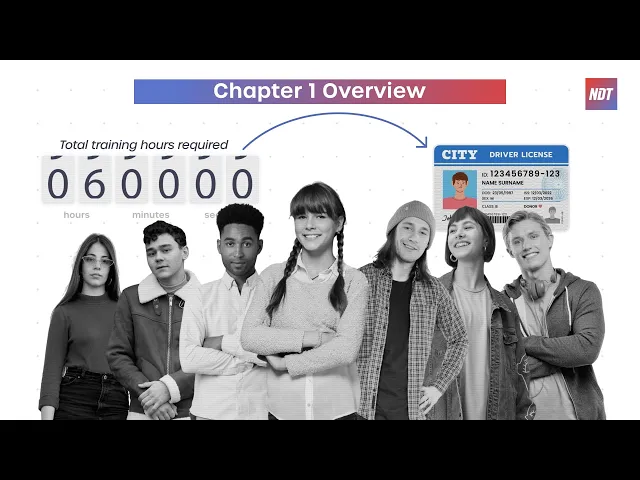
See how HSF helped NDT create structured training summary videos that simplify complex technical concepts and improve workforce learning outcomes:
Measuring the Impact of HVAC Training Content
Measuring the effectiveness of training content is essential to ensure workforce readiness and long-term performance improvements. Businesses using HVAC certification training programs can track key metrics such as completion rates, time to competency, error reduction, and on-field performance. These insights help identify skill gaps and optimize training strategies for better outcomes. Additionally, improved employee retention and faster onboarding indicate successful training implementation, allowing organizations to scale operations efficiently while maintaining high service quality and compliance standards.
Future of HVAC Workforce Development in the USA
Workforce development in the HVAC industry will increasingly rely on technology-driven training, continuous upskilling, and scalable learning solutions to meet rising demand and evolving system complexities across the United States.
Smart systems skill demand
Continuous upskilling required
Video-first learning adoption
Remote training expansion
Sustainability-focused training
Why Businesses Must Invest in HVAC Training Content Now
Investing in HVAC training content is no longer optional for businesses aiming to stay competitive in a rapidly evolving industry. With increasing demand and a shrinking skilled workforce, companies must adopt scalable and efficient training solutions to keep operations running smoothly. Structured training content helps standardize learning, reduce errors, and prepare technicians faster for real-world challenges, ultimately improving overall business performance.
Competitive advantage: Enables businesses to stay ahead by building a highly skilled and job-ready workforce quickly.
Faster workforce deployment: Reduces training time, allowing technicians to become productive and field-ready much sooner.
Better service quality: Ensures consistent performance across teams, leading to fewer errors and improved operational efficiency.
Improved customer satisfaction: Delivers reliable service experiences, building trust and long-term customer relationships.
How House Sparrow Films Supports HVAC Workforce Development
House Sparrow Films helps organizations build scalable HVAC training solutions through high-quality, visually engaging technical content. From scripting and production to post-production and delivery, the team creates training videos that simplify complex processes and ensure consistent learning across teams. With experience in industrial and corporate video production, House Sparrow Films develops content tailored for real-world applications, enabling faster onboarding, improved skill retention, and better workforce performance for businesses operating across multiple locations.
Conclusion
The growing demand for skilled technicians in the United States highlights the urgent need for scalable and effective training solutions. HVAC Training Technical Content Creation plays a key role in bridging workforce gaps by delivering consistent, visual, and practical learning experiences. It not only improves skill development but also ensures technicians are prepared to handle modern systems with confidence and efficiency.
Businesses that invest in structured training content today are better positioned for long-term success. By adopting video-driven learning, organizations can accelerate onboarding, enhance performance, and maintain high service standards. To build impactful training solutions tailored to your needs, get in touch with House Sparrow Films and create a future-ready HVAC workforce.
FAQs
1. What challenges does the HVAC industry face in workforce development?
The industry struggles with technician shortages, an aging workforce, and limited access to scalable training programs.
2. How can companies improve HVAC training outcomes?
By using structured learning content, clear visual demonstrations, and standardized training methods across all teams.
3. What makes video-based training effective for HVAC skills?
It shows real-world processes, helping technicians understand tasks clearly and apply them accurately in field conditions.
4. Can HVAC training be delivered remotely?
Yes, digital platforms and video content enable remote learning, making training accessible across multiple locations.
5. How does structured training impact business performance?
It improves efficiency, reduces errors, speeds up onboarding, and ensures consistent service quality across operations.
Key takeaways
The HVAC industry in the USA is facing a significant workforce shortage, driven by rising demand, retirements, and limited access to training.
Traditional training methods are no longer sufficient to scale learning or ensure consistent skill development across teams.
Video-based technical content makes training more accessible, repeatable, and effective for complex, hands-on HVAC skills.
Structured training content helps reduce onboarding time, improve field performance, and maintain safety and compliance standards.
Investing in scalable training solutions today is essential for building a future-ready workforce and staying competitive.
The demand for skilled technicians is rising sharply across the United States, driven by rapid construction, climate needs, and advanced HVAC systems. According to the U.S. Bureau of Labor Statistics HVAC outlook, the industry is expected to grow by 8% from 2024 to 2034, with around 40,100 job openings each year. Yet, despite this growth, the sector faces a major workforce gap, leaving thousands of roles unfilled and creating an urgent need for scalable training solutions.
This is where HVAC training videos in the USA are becoming essential. Traditional classroom training cannot meet the pace or scale required today, especially for a distributed workforce. Video-based technical content bridges this gap by delivering consistent, visual, and repeatable learning experiences. It enables faster onboarding, improves skill retention, and helps organizations build a job-ready workforce at scale.
Read more: How to Make Corporate Training Videos Accessible for Diverse Workforces
Why Workforce Development in HVAC Is a Critical Issue in the USA
The HVAC industry in the United States is at a turning point, where demand for skilled technicians is growing faster than the available workforce. Rapid urban development, increasing reliance on climate control systems, and the shift toward energy-efficient technologies are all contributing to this surge. However, the industry is struggling to keep up due to an aging workforce, limited awareness of trade careers, and gaps in training accessibility. This imbalance is not just slowing business operations but also affecting service quality and customer satisfaction across the sector.
As workforce challenges intensify, the need for structured and scalable training becomes more urgent than ever. “The skilled trades gap is one of the most pressing workforce challenges in the U.S. today, especially in industries like HVAC where demand continues to outpace supply,” says Mike Rowe. Addressing this issue requires modern solutions that go beyond traditional methods, making workforce development a critical priority for long-term industry growth.
The Role of HVAC Training Programs in Workforce Development
HVAC training programs play a central role in building a skilled, job-ready workforce capable of meeting growing industry demand. As systems become more advanced and service expectations rise, structured learning is no longer optional but essential. Modern programs are evolving to include technician training videos, which help standardize learning, simplify complex concepts, and deliver consistent instruction across locations. These video-driven approaches make it easier for organizations to train faster, reduce dependency on in-person sessions, and ensure technicians are prepared for real-world challenges.
Types of HVAC Training in the USA
HVAC training in the United States is delivered through multiple formats, each designed to meet different learning needs and career stages:
Technical schools and vocational institutes: Provide foundational knowledge, hands-on lab experience, and certification pathways for entry-level technicians.
Apprenticeship programs: Combine on-the-job training with classroom instruction, allowing learners to earn while gaining practical skills.
Corporate training modules: Designed by companies to upskill employees on specific equipment, processes, and safety standards.
Online and hybrid learning systems: Flexible learning formats that integrate digital content, including video modules, with practical assessments.
Skills Covered in Modern HVAC Training:
Installation, repair, and system diagnostics
Smart HVAC systems and IoT integration
Energy efficiency standards and compliance
Safety protocols and EPA certifications
Why Traditional Training Methods Are Not Enough
Traditional HVAC training methods often struggle to keep pace with the industry’s growing and evolving demands. In-person sessions are difficult to scale, especially for organizations operating across multiple locations, making consistent training a challenge. High costs associated with instructors, equipment, and travel further limit accessibility. Additionally, learning outcomes can vary significantly depending on the trainer and environment, leading to gaps in skill development. These limitations highlight the need for more flexible, standardized, and scalable approaches to workforce training.
Read more: How to Build a Scalable Corporate Video Training Program
How Technical Content Creation Is Transforming HVAC Training
Technical content creation is reshaping how technicians learn, practice, and apply skills in real-world environments. Modern HVAC technical courses are increasingly built around structured digital content that combines visual demonstrations, guided instruction, and real equipment scenarios. This shift moves training beyond static manuals and classroom lectures, making learning more practical, scalable, and aligned with industry needs. As HVAC systems become more advanced, content-driven training ensures technicians can keep up with evolving technologies while maintaining consistency in learning outcomes.
What Is Technical Content Creation in HVAC Training
Technical content creation in HVAC refers to the development of structured learning materials designed to simplify complex systems and processes. This includes instructional videos, step-by-step demonstrations, animations, and digital modules that explain equipment, diagnostics, and maintenance procedures. Unlike traditional manuals, this content is designed to be visual and easy to follow, making it more effective for hands-on industries where practical understanding is critical.
How Video-Based Learning Enhances Skill Development
Video-based learning allows technicians to see exactly how tasks are performed, reducing ambiguity and improving accuracy. Instead of relying on theoretical explanations, learners can observe real technicians working on actual systems.
Benefits include:
Visual clarity: Demonstrates complex procedures clearly, helping technicians understand each step without confusion or misinterpretation.
On-demand access: Enables learners to revisit training anytime, reinforcing knowledge and improving long-term retention rates.
Faster learning: Reduces time required to grasp concepts compared to traditional text-based or classroom learning methods.
Confidence building: Prepares technicians for real-world tasks by exposing them to practical scenarios before fieldwork.
Scalability and Standardization Across Teams
As HVAC companies expand across regions, maintaining consistent training becomes a challenge. Technical content solves this by providing uniform learning materials that can be distributed across teams without variation.
How it helps:
Ensures every technician receives the same quality of training
Reduces dependency on individual instructors
Enables faster onboarding for new hires
Supports training across multiple locations simultaneously
Standardized content leads to more predictable performance and fewer operational errors in the field.
Integration with Modern Learning Platforms
Technical content is now seamlessly integrated with digital learning platforms, making training more interactive and measurable. Learning Management Systems (LMS) allow organizations to track progress, evaluate performance, and continuously improve training programs.
Key advantages:
Progress tracking: Monitors learner performance and completion rates, helping organisations identify gaps and improve training outcomes.
Interactive assessments: Uses quizzes and tests to reinforce learning and ensure technicians fully understand key concepts.
Content updates: Allows easy updates to training materials, keeping courses aligned with latest HVAC technologies and standards.
Personalized learning: Adapts training paths based on individual progress, ensuring better engagement and improved skill development.
This structured approach ensures HVAC technical courses remain effective, scalable, and aligned with industry advancements, enabling organizations to build a stronger and more future-ready workforce.
Read more: Best Online Platforms for Hosting Training Videos
Why Video Production Is Essential for Workforce Development
Video production has become a core element of workforce development, especially in technical industries like HVAC where practical understanding is critical. It enables organizations to deliver clear, visual, and standardized training that can be accessed anytime, making learning more flexible and scalable. The use of trade school training videos strengthens this approach by bringing structured, curriculum-based learning into a format that supports both new learners and experienced technicians.
The impact of video-based learning is backed by strong data. Studies show how earners can retain up to 95% of information through video compared to just 10% from text-based learning. By visually demonstrating installations, diagnostics, and repairs, video simplifies complex HVAC processes and reduces errors. It also allows technicians to revisit lessons, improving confidence and readiness before handling real equipment.
From a business standpoint, video production ensures both consistency and cost efficiency. Every technician receives the same training experience, eliminating variations caused by different trainers or environments. At the same time, organizations can scale training across multiple teams without increasing costs, as content can be reused and updated easily, helping build a skilled and future-ready workforce.
Types of HVAC Training Videos That Drive Workforce Growth
Leading organizations partner with a top corporate training video production company to create structured HVAC training videos that improve learning efficiency, standardize instruction, and accelerate workforce readiness.
Video Type | Purpose | Impact on Workforce |
Installation Tutorials | Step-by-step guidance | Faster onboarding |
Troubleshooting Videos | Problem-solving | Reduced field errors |
Safety Training Videos | Compliance | Lower risk |
Product Demo Videos | Equipment usage | Better efficiency |
Microlearning Modules | Short lessons | Higher retention |
Key Features of Effective HVAC Training Content
Creating impactful HVAC training content requires a balance of technical accuracy, visual clarity, and learner-focused structure. High-quality content not only improves understanding but also ensures technicians can confidently apply skills in real-world scenarios. For businesses aiming to scale training effectively, working with experts can make a significant difference. If you are looking to build high-impact training solutions, schedule a consultation with House Sparrow Films to get started. These are the key features that define effective HVAC training content:
Industry-accurate scripting: Content developed with subject matter experts ensures technical accuracy and aligns with real-world HVAC practices.
High-quality visuals: Clear, detailed visuals demonstrate complex HVAC processes, making learning easier and reducing chances of misinterpretation.
Step-by-step structure: Well-organized content breaks down procedures into manageable steps, helping technicians follow and execute tasks confidently.
Microlearning format: Short, focused modules improve retention, allowing learners to grasp concepts quickly without feeling overwhelmed.
Real-world scenarios: Practical examples prepare technicians for actual field challenges, improving problem-solving skills and decision-making abilities.
LMS compatibility: Content designed for integration with learning platforms enables tracking, assessment, and continuous improvement of training programs.
See how HSF helped NDT create structured training summary videos that simplify complex technical concepts and improve workforce learning outcomes:
Measuring the Impact of HVAC Training Content
Measuring the effectiveness of training content is essential to ensure workforce readiness and long-term performance improvements. Businesses using HVAC certification training programs can track key metrics such as completion rates, time to competency, error reduction, and on-field performance. These insights help identify skill gaps and optimize training strategies for better outcomes. Additionally, improved employee retention and faster onboarding indicate successful training implementation, allowing organizations to scale operations efficiently while maintaining high service quality and compliance standards.
Future of HVAC Workforce Development in the USA
Workforce development in the HVAC industry will increasingly rely on technology-driven training, continuous upskilling, and scalable learning solutions to meet rising demand and evolving system complexities across the United States.
Smart systems skill demand
Continuous upskilling required
Video-first learning adoption
Remote training expansion
Sustainability-focused training
Why Businesses Must Invest in HVAC Training Content Now
Investing in HVAC training content is no longer optional for businesses aiming to stay competitive in a rapidly evolving industry. With increasing demand and a shrinking skilled workforce, companies must adopt scalable and efficient training solutions to keep operations running smoothly. Structured training content helps standardize learning, reduce errors, and prepare technicians faster for real-world challenges, ultimately improving overall business performance.
Competitive advantage: Enables businesses to stay ahead by building a highly skilled and job-ready workforce quickly.
Faster workforce deployment: Reduces training time, allowing technicians to become productive and field-ready much sooner.
Better service quality: Ensures consistent performance across teams, leading to fewer errors and improved operational efficiency.
Improved customer satisfaction: Delivers reliable service experiences, building trust and long-term customer relationships.
How House Sparrow Films Supports HVAC Workforce Development
House Sparrow Films helps organizations build scalable HVAC training solutions through high-quality, visually engaging technical content. From scripting and production to post-production and delivery, the team creates training videos that simplify complex processes and ensure consistent learning across teams. With experience in industrial and corporate video production, House Sparrow Films develops content tailored for real-world applications, enabling faster onboarding, improved skill retention, and better workforce performance for businesses operating across multiple locations.
Conclusion
The growing demand for skilled technicians in the United States highlights the urgent need for scalable and effective training solutions. HVAC Training Technical Content Creation plays a key role in bridging workforce gaps by delivering consistent, visual, and practical learning experiences. It not only improves skill development but also ensures technicians are prepared to handle modern systems with confidence and efficiency.
Businesses that invest in structured training content today are better positioned for long-term success. By adopting video-driven learning, organizations can accelerate onboarding, enhance performance, and maintain high service standards. To build impactful training solutions tailored to your needs, get in touch with House Sparrow Films and create a future-ready HVAC workforce.
FAQs
1. What challenges does the HVAC industry face in workforce development?
The industry struggles with technician shortages, an aging workforce, and limited access to scalable training programs.
2. How can companies improve HVAC training outcomes?
By using structured learning content, clear visual demonstrations, and standardized training methods across all teams.
3. What makes video-based training effective for HVAC skills?
It shows real-world processes, helping technicians understand tasks clearly and apply them accurately in field conditions.
4. Can HVAC training be delivered remotely?
Yes, digital platforms and video content enable remote learning, making training accessible across multiple locations.
5. How does structured training impact business performance?
It improves efficiency, reduces errors, speeds up onboarding, and ensures consistent service quality across operations.