Key takeaways
Clear internal communication improves employee alignment, productivity, and engagement across large organizations.
Modern companies rely on multiple specialized content roles instead of a single communications manager.
Collaboration between strategists, writers, and video teams creates consistent and effective messaging.
Video content helps employees understand leadership updates, training, and company initiatives faster.
Structured internal communication systems help organizations manage hybrid workforces and complex information flow.
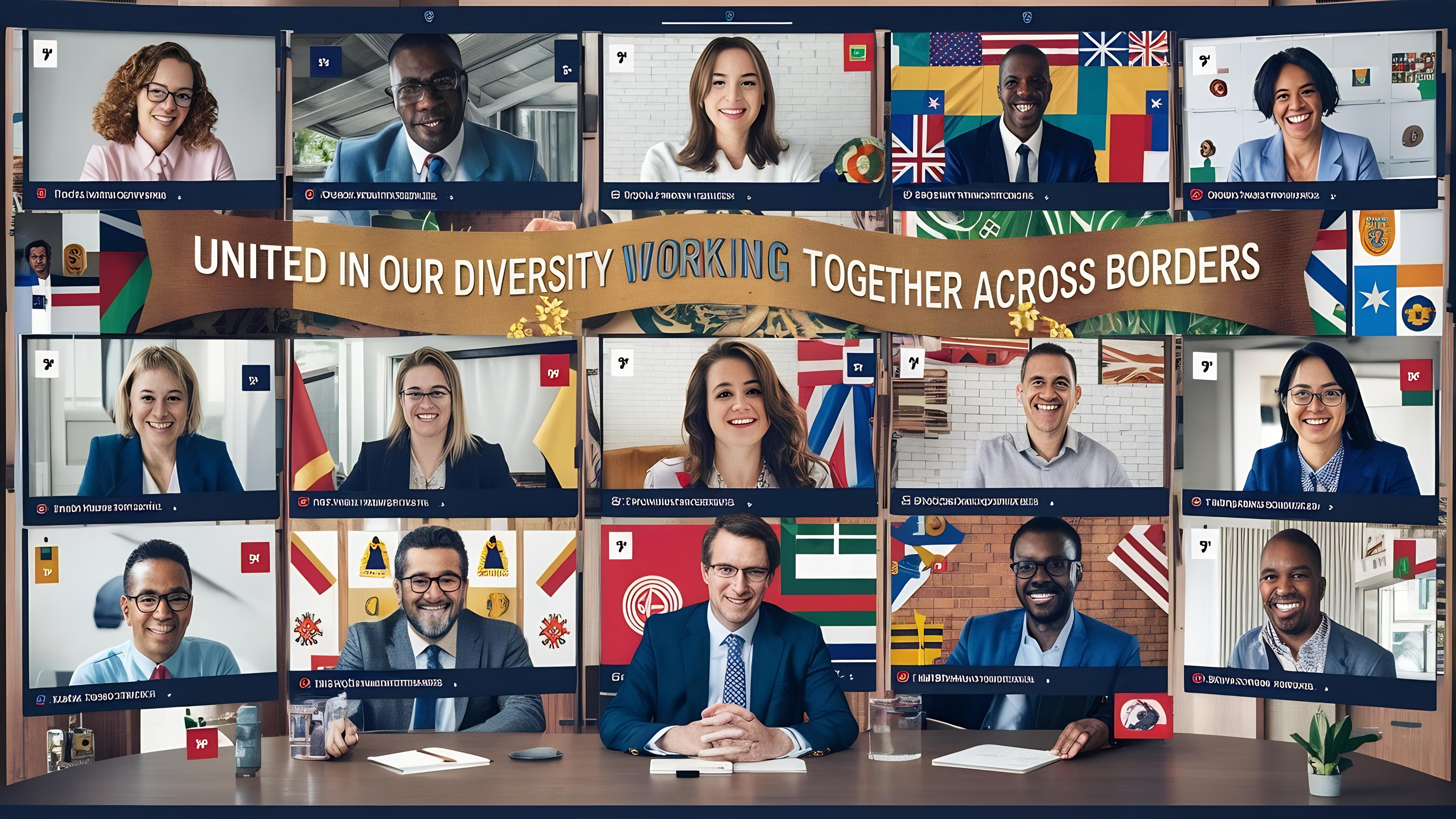
Corporate communication has evolved beyond HR emails and company newsletters. In modern organizations, it plays a central role in aligning employees with business goals, leadership updates, and workplace culture. As teams grow across locations and time zones, companies increasingly use internal communication videos to deliver messages clearly and consistently. Video helps simplify complex information and ensures employees understand key updates faster than traditional written communication.
The shift toward hybrid and distributed workforces has made structured communication systems essential. Organizations now rely on multiple internal content roles, including strategists, writers, and video teams, to maintain clear messaging across departments. According to a report by Sociabble, 86% of employees and executives cite a lack of effective communication as a major cause of workplace failures.
Why Strong Internal Communication Matters for USA Companies
Strong internal communication plays a critical role in helping USA companies align employees with organizational goals and maintain consistent messaging across departments. A well-defined corporate content strategy ensures that leadership updates, policy changes, and company initiatives are communicated clearly and efficiently. When employees understand business priorities and expectations, productivity and engagement improve. Structured communication systems also help organizations manage hybrid work environments, reduce misunderstandings, and support collaboration across teams, making internal communication an essential part of modern corporate operations.
Read more: Why Corporate Training Videos Are Essential for Every Industry?
The Rise of Multi-Role Internal Content Teams
Corporate communication has shifted significantly from relying on a single communications manager to building teams with specialized roles. As organizations expand and communication channels multiply, companies require dedicated professionals who can manage strategy, messaging, and content creation across departments. Modern teams often include communication strategists, content writers, video producers, and employee engagement specialists working together. As internal communication expert David Grossman explains, “Employees want to hear from leaders directly and clearly, and organizations need structured communication systems to deliver consistent messages.” This shift helps companies maintain stronger internal alignment and clearer brand messaging.
Why One Communication Role Is No Longer Enough
Several factors have increased the complexity of internal communication in modern organizations:
Hybrid and remote workforces
Multiple communication channels
Employee-generated content
Video-first corporate communication
Data-driven messaging
These evolving communication needs require role specialization within internal content teams. By distributing responsibilities across strategists, writers, editors, and video production specialists, organizations can manage messaging more effectively and ensure employees receive clear, consistent information across different platforms.
Read more: The Role of Corporate Training Videos in Change Management
Core Internal Content Roles That Drive Corporate Communication Success
Modern organizations rely on specialized roles within their internal communication teams to ensure consistent messaging and stronger employee engagement. Instead of a single communications manager handling all tasks, companies now build structured teams where strategists, writers, leadership communication experts, and video creators collaborate. This coordinated approach helps organizations deliver clear messaging across departments and communication channels. As internal communication increasingly incorporates visual storytelling, many companies also integrate enterprise video production into their strategy to deliver impactful internal messages.
Internal Communication Strategist
The internal communication strategist is responsible for planning how information moves across the organization. This role focuses on developing a clear communication framework that supports business goals and ensures employees receive consistent updates. Strategists often collaborate with HR, leadership teams, and department heads to maintain message clarity across internal channels.
Key responsibilities include:
Defining messaging priorities for different teams and initiatives
Aligning communication with the overall company strategy
Overseeing internal content planning and editorial calendars
Coordinating communication across departments and leadership teams
By establishing a clear structure, the strategist ensures that employees receive timely and relevant information without confusion or duplication.
Leadership Messaging Specialist
Leadership messaging specialists help translate executive insights into communication that employees can easily understand. Senior leaders frequently share company direction, strategic updates, and organizational announcements, but these messages require careful structuring to reach employees effectively.
Focus areas typically include:
CEO announcements and leadership updates
Town hall communication and leadership presentations
Executive messaging for major company initiatives
The main purpose of this role is to ensure leadership communication remains clear, transparent, and aligned with organizational goals. By shaping leadership narratives carefully, specialists help employees understand company direction and feel more connected to leadership decisions.
Internal Content Writer or Editor
Internal writers and editors create the written content that keeps employees informed about company activities, updates, and policies. Their work ensures communication remains professional, clear, and consistent across internal platforms.
Common content formats they produce include:
Employee newsletters
Internal blog posts and company updates
Organization-wide announcements
HR policy explainers and training documentation
In addition to writing, editors review and refine internal content to ensure messaging remains accurate and easy to understand. Their work plays an important role in maintaining clarity and consistency in corporate communication.
Corporate Video Production Team
Video production teams play an increasingly important role in modern internal communication. Visual storytelling helps employees understand key messages quickly and improves engagement compared to long text-based updates.
Corporate video teams typically create:
Internal announcements and leadership messages
Training videos for employee development programs
Employee onboarding and orientation content
Culture and storytelling videos that highlight company values
Organizations partner with a corporate training video production company to create internal communication videos for leadership updates, employee training, and workplace culture.
How Video Strengthens Corporate Communication Across Teams
Video has become one of the most effective tools for internal communication because it helps employees understand messages faster and connect more personally with leadership updates. Unlike long written announcements, videos combine visuals, voice, and storytelling to make information clearer and easier to remember. This format is particularly useful in organizations where employees work across different locations or departments.
Research also highlights the impact of video communication in the workplace. According to Wyzowl’s Video Marketing Statistics, 91% of businesses use video as a marketing and communication tool, reflecting how widely organizations rely on video for both external and internal messaging.
Key advantages of using video in corporate communication include:
Visual storytelling improves message clarity
Video reduces the need for long written communication
Employees engage better with human-led messages
Video can support several internal communication needs across organizations.
Internal Video Type | Purpose |
CEO message videos | Strategic updates |
Training videos | Knowledge transfer |
Culture videos | Employer branding |
Internal campaign videos | Organizational alignment |
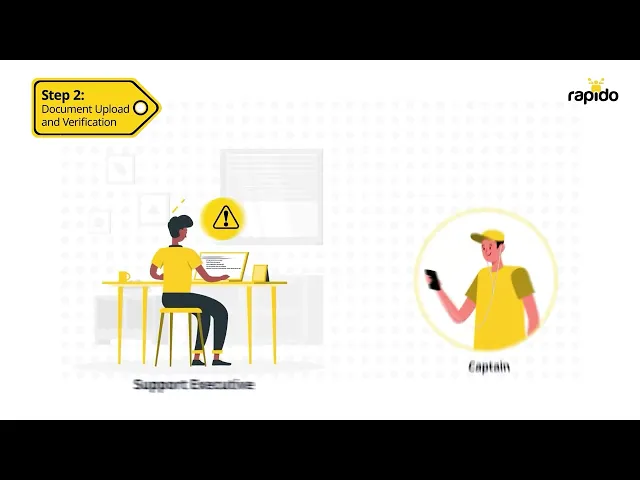
See how HSF helped Rapido streamline employee learning with an engaging L&D training video that simplifies complex internal communication. Watch the video:
How Multi-Role Content Teams Improve Communication Efficiency
Multi-role content teams improve internal communication by combining strategic planning, clear writing, and visual storytelling. Tools like HR communication videos help deliver consistent messages across departments.
When communication responsibilities are distributed across specialized roles, organizations can maintain clarity, consistency, and engagement in their internal messaging. Strategists plan the messaging structure, writers create clear and informative content, video teams produce engaging visual communication, and HR leadership ensures policy updates are communicated accurately. This collaborative workflow allows companies to deliver the right message through the most effective format while keeping employees informed and aligned.
Role | Responsibility | Outcome |
Strategist | Messaging plan | Clarity |
Writer/editor | Content creation | Consistency |
Video team | Visual storytelling | Engagement |
HR leadership | Policy messaging | Compliance |
Building a Scalable Internal Content Workflow
A scalable internal content workflow helps organizations deliver consistent communication across departments. Structured processes ensure that messaging remains clear, timely, and aligned with business goals.
Step 1: Define communication objectives: Organizations first identify goals such as culture building, policy updates, and leadership announcements to guide internal messaging priorities.
Step 2: Assign clear content ownership: Teams define responsibilities for leadership messaging, HR updates, and training communication to maintain accountability and consistent information delivery.
Step 3: Choose communication formats: Companies select formats like video, internal blogs, intranet posts, and newsletters to deliver messages effectively across different employee groups.
Step 4: Track engagement and feedback: Teams monitor metrics including open rates, watch rates, employee feedback, and participation to measure communication effectiveness and improve future messaging.
Common Internal Communication Challenges in USA Organizations
Even with dedicated communication teams, many organizations face difficulties in maintaining clear and effective messaging. As companies grow and adopt hybrid work models, communication gaps, message overload, and engagement issues can reduce the effectiveness of internal communication efforts.
Information Overload
Employees often receive a large volume of emails, announcements, and internal updates throughout the day. When too many messages are shared across different channels, important updates can get lost, making it difficult for employees to focus on the most relevant information.
Inconsistent Messaging
Different departments may share updates independently without a unified communication strategy. This can result in conflicting information, unclear priorities, and confusion among employees about company initiatives or policy changes.
Low Employee Engagement
Internal messages sometimes fail to capture employee attention when they are overly formal, lengthy, or not directly relevant to daily work. As a result, employees may disengage from company communications and overlook important updates.
Remote Workforce Communication Gaps
Hybrid and remote work environments make it harder for organizations to maintain consistent communication across locations. Without structured systems and clear messaging formats, remote employees may feel disconnected from leadership and company initiatives.
If your organization wants to strengthen internal communication with engaging video content, schedule a consultation with HSF to explore tailored corporate video solutions.
Best Practices for Managing Multiple Internal Content Roles
Managing multiple internal content roles requires a structured approach to ensure messaging stays consistent and effective across departments. Organizations that use formats like employee engagement videos can improve clarity and participation across teams.
Create a centralized communication strategy: Align messaging priorities and ensure consistent internal communication across departments and leadership teams.
Use video for high-impact messages: Leadership updates and training become clearer and engaging through visual storytelling.
Encourage employee-generated content: Employee stories strengthen workplace culture, build trust, and increase participation in communication.
Personalize communication: Tailor messages by department, location, or role to improve relevance and clarity.
Use multiple communication channels: Combine intranet platforms, emails, and employee engagement videos for broader communication reach.
How Video Production Partners Support Corporate Communication Teams
Many organizations collaborate with external video production partners to strengthen internal communication. Professional production teams help transform complex corporate messages into clear visual content that employees can easily understand. By working with experienced video professionals, companies can create engaging communication content for leadership updates, employee training, and workplace culture initiatives.
Key advantages include:
Scalable video production
Consistent storytelling approach
Professional visual quality
Faster content delivery
Support for global campaigns
Read more: How to Use Corporate Training Videos to Build Cross-Functional Skills
How House Sparrow Films Supports Corporate Communication Teams
House Sparrow Films helps organizations strengthen internal communication through professionally produced video content designed for distributed and hybrid workforces. As corporate communication teams manage multiple internal content roles, HSF supports them with high-quality internal videos that simplify complex messages. These include leadership announcements, training modules, onboarding videos, and employee engagement content that help employees clearly understand company updates and initiatives.
By working closely with communication strategists, HR teams, and leadership departments, HSF develops structured video content that fits seamlessly into internal communication workflows. The team focuses on clarity, storytelling, and production quality so organizations can deliver consistent messaging across departments while keeping employees informed, aligned, and engaged.
Conclusion
Corporate communication success today depends on structured collaboration across multiple internal content roles. When strategists, writers, video teams, and leadership communicators work together, organizations can deliver clearer messaging, improve employee engagement, and maintain stronger alignment with company goals. Integrating professional video content further strengthens internal communication by turning complex updates into clear, engaging visual stories that employees can easily understand. If your organization is looking to improve internal communication with strategic video content, connect with us at House Sparrow Films to explore customized corporate video solutions.
FAQs
1. Why is internal corporate communication important for organizations?
Internal corporate communication ensures employees understand company goals, policies, and updates clearly, helping improve collaboration, productivity, and alignment across departments.
2. What roles are involved in modern internal communication teams?
Modern teams often include communication strategists, leadership messaging specialists, internal content writers, HR communication managers, and corporate video production teams.
3. How do internal communication videos improve employee engagement?
Videos make complex messages easier to understand, help employees connect with leadership updates, and increase attention compared to long written communication.
4. What types of videos are commonly used for internal corporate communication?
Organizations commonly use leadership announcements, employee training videos, onboarding content, culture videos, and internal campaign videos.
5. When should companies consider professional video production for internal communication?
Companies should consider professional video production when delivering leadership updates, employee training programs, large organizational announcements, or culture-building initiatives.
Key takeaways
Clear internal communication improves employee alignment, productivity, and engagement across large organizations.
Modern companies rely on multiple specialized content roles instead of a single communications manager.
Collaboration between strategists, writers, and video teams creates consistent and effective messaging.
Video content helps employees understand leadership updates, training, and company initiatives faster.
Structured internal communication systems help organizations manage hybrid workforces and complex information flow.
Corporate communication has evolved beyond HR emails and company newsletters. In modern organizations, it plays a central role in aligning employees with business goals, leadership updates, and workplace culture. As teams grow across locations and time zones, companies increasingly use internal communication videos to deliver messages clearly and consistently. Video helps simplify complex information and ensures employees understand key updates faster than traditional written communication.
The shift toward hybrid and distributed workforces has made structured communication systems essential. Organizations now rely on multiple internal content roles, including strategists, writers, and video teams, to maintain clear messaging across departments. According to a report by Sociabble, 86% of employees and executives cite a lack of effective communication as a major cause of workplace failures.
Why Strong Internal Communication Matters for USA Companies
Strong internal communication plays a critical role in helping USA companies align employees with organizational goals and maintain consistent messaging across departments. A well-defined corporate content strategy ensures that leadership updates, policy changes, and company initiatives are communicated clearly and efficiently. When employees understand business priorities and expectations, productivity and engagement improve. Structured communication systems also help organizations manage hybrid work environments, reduce misunderstandings, and support collaboration across teams, making internal communication an essential part of modern corporate operations.
Read more: Why Corporate Training Videos Are Essential for Every Industry?
The Rise of Multi-Role Internal Content Teams
Corporate communication has shifted significantly from relying on a single communications manager to building teams with specialized roles. As organizations expand and communication channels multiply, companies require dedicated professionals who can manage strategy, messaging, and content creation across departments. Modern teams often include communication strategists, content writers, video producers, and employee engagement specialists working together. As internal communication expert David Grossman explains, “Employees want to hear from leaders directly and clearly, and organizations need structured communication systems to deliver consistent messages.” This shift helps companies maintain stronger internal alignment and clearer brand messaging.
Why One Communication Role Is No Longer Enough
Several factors have increased the complexity of internal communication in modern organizations:
Hybrid and remote workforces
Multiple communication channels
Employee-generated content
Video-first corporate communication
Data-driven messaging
These evolving communication needs require role specialization within internal content teams. By distributing responsibilities across strategists, writers, editors, and video production specialists, organizations can manage messaging more effectively and ensure employees receive clear, consistent information across different platforms.
Read more: The Role of Corporate Training Videos in Change Management
Core Internal Content Roles That Drive Corporate Communication Success
Modern organizations rely on specialized roles within their internal communication teams to ensure consistent messaging and stronger employee engagement. Instead of a single communications manager handling all tasks, companies now build structured teams where strategists, writers, leadership communication experts, and video creators collaborate. This coordinated approach helps organizations deliver clear messaging across departments and communication channels. As internal communication increasingly incorporates visual storytelling, many companies also integrate enterprise video production into their strategy to deliver impactful internal messages.
Internal Communication Strategist
The internal communication strategist is responsible for planning how information moves across the organization. This role focuses on developing a clear communication framework that supports business goals and ensures employees receive consistent updates. Strategists often collaborate with HR, leadership teams, and department heads to maintain message clarity across internal channels.
Key responsibilities include:
Defining messaging priorities for different teams and initiatives
Aligning communication with the overall company strategy
Overseeing internal content planning and editorial calendars
Coordinating communication across departments and leadership teams
By establishing a clear structure, the strategist ensures that employees receive timely and relevant information without confusion or duplication.
Leadership Messaging Specialist
Leadership messaging specialists help translate executive insights into communication that employees can easily understand. Senior leaders frequently share company direction, strategic updates, and organizational announcements, but these messages require careful structuring to reach employees effectively.
Focus areas typically include:
CEO announcements and leadership updates
Town hall communication and leadership presentations
Executive messaging for major company initiatives
The main purpose of this role is to ensure leadership communication remains clear, transparent, and aligned with organizational goals. By shaping leadership narratives carefully, specialists help employees understand company direction and feel more connected to leadership decisions.
Internal Content Writer or Editor
Internal writers and editors create the written content that keeps employees informed about company activities, updates, and policies. Their work ensures communication remains professional, clear, and consistent across internal platforms.
Common content formats they produce include:
Employee newsletters
Internal blog posts and company updates
Organization-wide announcements
HR policy explainers and training documentation
In addition to writing, editors review and refine internal content to ensure messaging remains accurate and easy to understand. Their work plays an important role in maintaining clarity and consistency in corporate communication.
Corporate Video Production Team
Video production teams play an increasingly important role in modern internal communication. Visual storytelling helps employees understand key messages quickly and improves engagement compared to long text-based updates.
Corporate video teams typically create:
Internal announcements and leadership messages
Training videos for employee development programs
Employee onboarding and orientation content
Culture and storytelling videos that highlight company values
Organizations partner with a corporate training video production company to create internal communication videos for leadership updates, employee training, and workplace culture.
How Video Strengthens Corporate Communication Across Teams
Video has become one of the most effective tools for internal communication because it helps employees understand messages faster and connect more personally with leadership updates. Unlike long written announcements, videos combine visuals, voice, and storytelling to make information clearer and easier to remember. This format is particularly useful in organizations where employees work across different locations or departments.
Research also highlights the impact of video communication in the workplace. According to Wyzowl’s Video Marketing Statistics, 91% of businesses use video as a marketing and communication tool, reflecting how widely organizations rely on video for both external and internal messaging.
Key advantages of using video in corporate communication include:
Visual storytelling improves message clarity
Video reduces the need for long written communication
Employees engage better with human-led messages
Video can support several internal communication needs across organizations.
Internal Video Type | Purpose |
CEO message videos | Strategic updates |
Training videos | Knowledge transfer |
Culture videos | Employer branding |
Internal campaign videos | Organizational alignment |
See how HSF helped Rapido streamline employee learning with an engaging L&D training video that simplifies complex internal communication. Watch the video:
How Multi-Role Content Teams Improve Communication Efficiency
Multi-role content teams improve internal communication by combining strategic planning, clear writing, and visual storytelling. Tools like HR communication videos help deliver consistent messages across departments.
When communication responsibilities are distributed across specialized roles, organizations can maintain clarity, consistency, and engagement in their internal messaging. Strategists plan the messaging structure, writers create clear and informative content, video teams produce engaging visual communication, and HR leadership ensures policy updates are communicated accurately. This collaborative workflow allows companies to deliver the right message through the most effective format while keeping employees informed and aligned.
Role | Responsibility | Outcome |
Strategist | Messaging plan | Clarity |
Writer/editor | Content creation | Consistency |
Video team | Visual storytelling | Engagement |
HR leadership | Policy messaging | Compliance |
Building a Scalable Internal Content Workflow
A scalable internal content workflow helps organizations deliver consistent communication across departments. Structured processes ensure that messaging remains clear, timely, and aligned with business goals.
Step 1: Define communication objectives: Organizations first identify goals such as culture building, policy updates, and leadership announcements to guide internal messaging priorities.
Step 2: Assign clear content ownership: Teams define responsibilities for leadership messaging, HR updates, and training communication to maintain accountability and consistent information delivery.
Step 3: Choose communication formats: Companies select formats like video, internal blogs, intranet posts, and newsletters to deliver messages effectively across different employee groups.
Step 4: Track engagement and feedback: Teams monitor metrics including open rates, watch rates, employee feedback, and participation to measure communication effectiveness and improve future messaging.
Common Internal Communication Challenges in USA Organizations
Even with dedicated communication teams, many organizations face difficulties in maintaining clear and effective messaging. As companies grow and adopt hybrid work models, communication gaps, message overload, and engagement issues can reduce the effectiveness of internal communication efforts.
Information Overload
Employees often receive a large volume of emails, announcements, and internal updates throughout the day. When too many messages are shared across different channels, important updates can get lost, making it difficult for employees to focus on the most relevant information.
Inconsistent Messaging
Different departments may share updates independently without a unified communication strategy. This can result in conflicting information, unclear priorities, and confusion among employees about company initiatives or policy changes.
Low Employee Engagement
Internal messages sometimes fail to capture employee attention when they are overly formal, lengthy, or not directly relevant to daily work. As a result, employees may disengage from company communications and overlook important updates.
Remote Workforce Communication Gaps
Hybrid and remote work environments make it harder for organizations to maintain consistent communication across locations. Without structured systems and clear messaging formats, remote employees may feel disconnected from leadership and company initiatives.
If your organization wants to strengthen internal communication with engaging video content, schedule a consultation with HSF to explore tailored corporate video solutions.
Best Practices for Managing Multiple Internal Content Roles
Managing multiple internal content roles requires a structured approach to ensure messaging stays consistent and effective across departments. Organizations that use formats like employee engagement videos can improve clarity and participation across teams.
Create a centralized communication strategy: Align messaging priorities and ensure consistent internal communication across departments and leadership teams.
Use video for high-impact messages: Leadership updates and training become clearer and engaging through visual storytelling.
Encourage employee-generated content: Employee stories strengthen workplace culture, build trust, and increase participation in communication.
Personalize communication: Tailor messages by department, location, or role to improve relevance and clarity.
Use multiple communication channels: Combine intranet platforms, emails, and employee engagement videos for broader communication reach.
How Video Production Partners Support Corporate Communication Teams
Many organizations collaborate with external video production partners to strengthen internal communication. Professional production teams help transform complex corporate messages into clear visual content that employees can easily understand. By working with experienced video professionals, companies can create engaging communication content for leadership updates, employee training, and workplace culture initiatives.
Key advantages include:
Scalable video production
Consistent storytelling approach
Professional visual quality
Faster content delivery
Support for global campaigns
Read more: How to Use Corporate Training Videos to Build Cross-Functional Skills
How House Sparrow Films Supports Corporate Communication Teams
House Sparrow Films helps organizations strengthen internal communication through professionally produced video content designed for distributed and hybrid workforces. As corporate communication teams manage multiple internal content roles, HSF supports them with high-quality internal videos that simplify complex messages. These include leadership announcements, training modules, onboarding videos, and employee engagement content that help employees clearly understand company updates and initiatives.
By working closely with communication strategists, HR teams, and leadership departments, HSF develops structured video content that fits seamlessly into internal communication workflows. The team focuses on clarity, storytelling, and production quality so organizations can deliver consistent messaging across departments while keeping employees informed, aligned, and engaged.
Conclusion
Corporate communication success today depends on structured collaboration across multiple internal content roles. When strategists, writers, video teams, and leadership communicators work together, organizations can deliver clearer messaging, improve employee engagement, and maintain stronger alignment with company goals. Integrating professional video content further strengthens internal communication by turning complex updates into clear, engaging visual stories that employees can easily understand. If your organization is looking to improve internal communication with strategic video content, connect with us at House Sparrow Films to explore customized corporate video solutions.
FAQs
1. Why is internal corporate communication important for organizations?
Internal corporate communication ensures employees understand company goals, policies, and updates clearly, helping improve collaboration, productivity, and alignment across departments.
2. What roles are involved in modern internal communication teams?
Modern teams often include communication strategists, leadership messaging specialists, internal content writers, HR communication managers, and corporate video production teams.
3. How do internal communication videos improve employee engagement?
Videos make complex messages easier to understand, help employees connect with leadership updates, and increase attention compared to long written communication.
4. What types of videos are commonly used for internal corporate communication?
Organizations commonly use leadership announcements, employee training videos, onboarding content, culture videos, and internal campaign videos.
5. When should companies consider professional video production for internal communication?
Companies should consider professional video production when delivering leadership updates, employee training programs, large organizational announcements, or culture-building initiatives.