Key Takeaways
Cross-functional skills are essential in today’s collaborative workplace.
Training videos provide scalable, consistent learning across departments.
Employees learn how other functions operate and where responsibilities intersect.
Different video formats can teach collaboration, workflows, and shared goals.
Strong cross-functional capability improves agility, innovation, and team performance.
Organizations today face serious skill gaps; the OECD reports that on average 36 % of firms identify at least some skill gaps among their workforce. Modern employees no longer work solely within one department; they need to understand workflows, tools, and viewpoints beyond their core function. This shift requires a new approach to training that supports broader understanding and collaboration. That’s where cross-functional training videos come into play. These video-based learning tools offer scalable, consistent instruction that helps teams break down silos, develop shared language, and improve how they work together across functions. With the right video strategy, companies can accelerate employee development, support better collaborative learning, and build stronger, more connected teams.
Why Cross-Functional Skills Matter in Today’s Workplace
Cross-functional skills help employees collaborate across teams with greater clarity and confidence. When people understand how different departments work, communication becomes smoother, handoffs improve, and problems are solved faster. This shared awareness builds agility because teams no longer operate in isolation. They can adjust quickly, align their approach, and respond to challenges without delays caused by misunderstandings or unclear responsibilities.
These skills also strengthen an employee’s adaptability in modern workflows. Most projects today require contributions from multiple functions, and employees must understand shared goals, dependencies, and priorities. When teams grasp the bigger picture, they work with more purpose and make decisions that support company-wide results rather than siloed objectives.
How Training Videos Support Cross-Functional Skill Development
Training videos strengthen employee development by giving teams a clear way to understand how different functions work together. This creates smoother collaboration, better clarity, and stronger alignment across departments.
Provide a Consistent Understanding of Each Function’s Role: Videos explain what each team does, why it matters, and how it supports organizational goals. Everyone receives the same explanation, reducing confusion and helping employees work together with clearer expectations and shared context.
Offer Clear Visual Walkthroughs of Processes Across Departments: Visual demonstrations show how tasks move between teams, making it easier for employees to understand dependencies. Seeing real workflows helps them perform their part more accurately and coordinate better with other functions.
Break Down Silos by Showing How Teams Interact: Training videos highlight real cross-team moments, exposing employees to the challenges, workload patterns, and communication styles of other departments. This transparency builds respect, trust, and stronger working relationships across the organization.
Make Complex Interdependencies Easy to Understand: Motion graphics, diagrams, and step-by-step visuals simplify complicated interactions between teams. Employees can clearly see how one action affects the next stage, improving overall workflow accuracy and reducing friction.
Improve Soft Skills Like Communication, Feedback, and Coordination: Scenario-based videos teach employees how to communicate effectively, give constructive feedback, and coordinate tasks smoothly. These skills strengthen everyday collaboration and help teams navigate cross-functional work with more confidence and professionalism.
Read more: How Corporate Training Videos Improve Compliance Across Global Offices
Types of Cross-Functional Skills Corporate Training Videos Can Build
Training videos help employees understand how different teams operate, improving collaboration, clarity, and shared responsibility across the organization. These skills strengthen teamwork, reduce friction, and support smoother, more connected workflows.
Interdepartmental Communication Skills: Videos teach employees how to communicate clearly with other teams, use shared terminology, and avoid misunderstandings. This supports smoother collaboration and faster decision-making across departments.
Collaboration and Project Workflow Understanding: Employees learn how projects move from one team to another, what each function contributes, and how timelines connect. This improves coordination and reduces delays in shared workflows.
Customer Experience Awareness Across Teams: Videos show how every department impacts the customer journey. This helps employees understand customer expectations, build empathy, and make decisions that support stronger customer satisfaction.
Conflict Management and Issue Resolution Skills: Scenario videos demonstrate how to resolve disagreements professionally, escalate issues properly, and maintain positive relationships. This builds healthier interactions across functions.
Leadership and Team Alignment Skills: Training videos guide leaders on aligning cross-team priorities, communicating expectations, and managing collaborative projects. This supports unified direction and stronger outcomes.
Multi-tool or Multi-platform Literacy for Shared Systems: Employees learn shared tools like CRMs, ERPs, or project management platforms. This builds confidence, reduces reliance on support teams, and ensures consistent usage across functions.
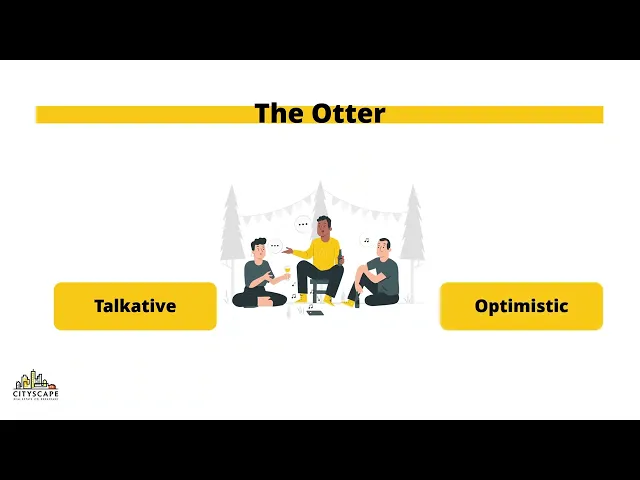
See how HSF helped City Scapere improve cross-team communication through a real personality-adaptation training scenario. Watch the video:
Video Formats That Strengthen Cross-Functional Skills
Different video formats help employees understand workflows, team roles, and shared responsibilities more clearly, making cross-functional learning easier, more practical, and more engaging across departments.
Scenario-Based Training Videos
Scenario videos recreate real workplace interactions between teams, helping employees see how communication, decisions, and handoffs happen in everyday situations. These realistic examples make it easier to understand challenges, identify friction points, and learn how to collaborate smoothly across functions.
Process and Workflow Explainer Videos
Workflow explainers visually break down end-to-end processes like order-to-cash, hire-to-retire, or ticket lifecycle management. Clear steps, diagrams, and transitions show how tasks move across departments, helping employees grasp dependencies and contribute more effectively to shared workflows.
Role-Swap or Perspective Videos
Role-swap videos show the workplace through another team’s eyes. Employees learn what other departments handle daily, which challenges they face, and what pressures affect their performance. This builds empathy, respect, and better teamwork across organizational boundaries.
Customer Journey Insight Videos
These videos map out the full customer journey and show how each department influences satisfaction. Employees see how their actions contribute to customer outcomes, which encourages customer-first decision-making and stronger alignment across teams.
Tool Walkthroughs and System Training
Walkthrough videos teach employees how to use shared tools like CRMs, ERPs, or project management systems. By seeing real steps, buttons, and workflows, teams understand how their work connects inside these platforms and avoid tool-related bottlenecks.
Soft Skills Microlearning Videos
Short microlearning clips focus on communication, collaboration, negotiation, and feedback. These essential soft skills support healthy cross-functional teamwork and help employees interact more effectively, especially in fast-paced, interdependent work environments.
Cross-Functional Skills and Best Video Formats
Cross-functional capability grows stronger when teams use video formats that simplify processes, clarify responsibilities, and support collaborative learning. This table shows which video types work best for building specific cross-functional skills.
Cross-Functional Skill | Training Need | Recommended Video Format | Learning Outcome | Ideal Team |
Communication | Improve clarity across departments | Scenario-based communication videos | Fewer misunderstandings and smoother message flow | All teams |
Collaboration | Understand shared workflows and responsibilities | Workflow or process explainer videos | Stronger teamwork and better-aligned timelines | Operations, product, service |
Customer experience | Build awareness of customer touchpoints | Customer journey insight videos | More customer-first decisions and stronger service alignment | Sales, marketing, support |
System literacy | Learn shared tools and platforms | Tool walkthrough and system training videos | Faster adoption and fewer errors across teams | Digital, tech, operations |
Conflict resolution | Handle disagreements constructively | Conflict scenario and soft skills videos | Stronger problem-solving and reduced internal friction | HR, team leads, managers |
Leadership alignment | Align strategy and priorities | Leadership microlearning and perspective videos | Better alignment and unified team direction | Managers, cross-functional leaders |
Read more: Benefits of Using Animated Videos for Corporate Training Videos
How Corporate Videos Improve Cross-Department Understanding
Corporate videos help teams visualize the tasks, pain points, and responsibilities of each department in a clear and relatable way. When employees see how other functions operate, they gain a deeper understanding of workload, challenges, and daily priorities. This clarity reduces assumptions and builds stronger alignment in collaborative projects.
Shared training videos also minimize miscommunication by giving everyone the same explanations, terminology, and process breakdowns. This creates a unified reference point and encourages empathy and respect among colleagues who may not interact daily. When employees understand how their work affects others, collaboration becomes smoother and more intentional.
Clear animation and workflow visuals make complex cross-team processes easier to understand. Videos help employees see how steps connect, where delays occur, and why shared ownership matters. This strengthens accountability and reinforces a culture where teams work toward common outcomes.
Practical Topics Companies Should Convert Into Cross-Functional Training Videos
Many everyday workflows involve multiple teams, and converting these topics into training videos helps employees understand shared responsibilities, reduce friction, and collaborate with more clarity and confidence across departments.
Project kickoff and handoff procedures: Videos show how projects begin, what information each team needs, and how tasks should be handed off to avoid delays or confusion.
Customer lifecycle and support escalation flow: Clear visual guides help teams understand how customer issues move across departments, improving response time and overall service quality.
Product development and QA collaboration: Training videos demonstrate how product teams and QA work together, helping employees understand checkpoints, testing expectations, and review cycles.
Sales-marketing alignment processes: Videos explain how leads move through marketing and sales stages, ensuring both teams stay aligned on goals, definitions, and follow-up responsibilities.
Operational workflows involving multiple teams: End-to-end workflow videos help employees see how different functions contribute to operational efficiency and how their work affects downstream teams.
Cross-functional decision-making frameworks: Videos can explain models like RACI, DACI, or OKRs, helping teams understand how decisions are made and who is responsible for each stage.
Read more: The Role of Video in Reskilling and Upskilling Employees in 2025
Best Practices for Creating Cross-Functional Training Videos
Strong cross-functional videos work best when they reflect real situations, explain processes clearly, and give employees content they can easily revisit whenever they need support or clarity.
Use real workplace scenarios employees can relate to: Real examples help employees see familiar challenges and interactions. When scenarios feel authentic, teams understand cross-functional dynamics faster and connect the learning to their daily responsibilities more effectively.
Keep the narrative simple, even for complex workflows: Workflows with many steps can overwhelm learners. A simple, clear narrative helps employees follow each stage without confusion, making it easier to understand how different teams contribute to shared outcomes.
Add diagrams, motion graphics, and process maps: Visual elements turn complicated interactions into understandable steps. Graphics highlight dependencies, show transitions between teams, and make cross-functional workflows easier to absorb and remember.
Make content short, modular, and easy to rewatch: Short modules support better learning and retention. Teams can rewatch specific sections anytime, helping them refresh procedures quickly without having to review long sessions.
Involve SMEs from multiple departments in scripting: Subject experts ensure accuracy by clearly representing each team’s responsibilities. Their input helps create content that reflects real workflows and aligns with how teams actually collaborate.
How House Sparrow Films Helps Companies Build Cross-Functional Training Libraries
House Sparrow Films creates powerful learning content that helps organizations build stronger collaboration across teams. Their scenario-based corporate films capture real team interactions, making cross-functional learning practical and relatable. Workflow and process explainer videos break down complex journeys with clarity, supported by high-quality motion graphics that simplify detailed steps. They also build microlearning libraries tailored for multiple roles and teams, ensuring employees learn in short, actionable segments. For global companies, multilingual and accessible versions ensure every employee benefits from consistent training. With this approach, cross-functional training videos become a scalable, effective tool for building aligned, collaborative teams.
Conclusion
Cross-functional training strengthens agility, improves communication, and elevates overall organizational performance by helping teams understand how their work connects. Video-based learning makes this training scalable, consistent, and easy to deliver across departments and locations. When employees learn through clear visuals, real scenarios, and structured modules, collaboration becomes smoother and decisions become faster. By integrating cross-functional training videos into their learning strategy, companies create a culture where teams support each other, share ownership, and work with stronger alignment. To build effective, high-quality cross-functional video libraries, reach out to House Sparrow Films and empower your teams to collaborate with greater clarity and confidence.
FAQs
1. Why are cross-functional skills important in modern organizations?
Cross-functional skills help employees work smoothly across departments, solve problems faster, and understand shared goals. These abilities improve collaboration, reduce workflow friction, and support organizational agility in fast-changing environments.
2. What type of videos work best for cross-functional training?
Scenario-based videos, workflow explainers, customer journey breakdowns, role-swap videos, soft skills microlearning, and tool walkthroughs work best because they show real interactions, clarify interdependencies, and make complex workflows easier to understand.
3. How do videos help break down departmental silos?
Videos show how teams interact, highlight dependencies, and provide a shared learning experience for everyone. This transparency reduces misunderstandings, builds respect, and encourages employees to collaborate more effectively across functions.
4. Can training videos replace live cross-functional workshops?
Videos cover foundational explanations and shared processes, while live workshops remain useful for deeper discussions, strategy alignment, and hands-on collaboration. Using both together creates a balanced, effective training system.
5. How can companies measure improvement in cross-functional skills?
Companies can track faster handoffs, fewer workflow errors, improved communication feedback, smoother project execution, and higher satisfaction scores from cross-team interactions. Surveys and performance metrics offer additional clarity on progress.
6. Should training videos be customized for each department?
Yes. Customization helps ensure content reflects real workflows and responsibilities. While core concepts remain shared, department-specific examples make the training more accurate, practical, and relevant for everyday work.
7. Can global teams benefit from localized cross-functional training videos?
Absolutely. Localized videos with subtitles or regional adaptations help global teams understand processes clearly, learn without language barriers, and follow consistent standards across locations, improving overall collaboration and alignment.
Key Takeaways
Cross-functional skills are essential in today’s collaborative workplace.
Training videos provide scalable, consistent learning across departments.
Employees learn how other functions operate and where responsibilities intersect.
Different video formats can teach collaboration, workflows, and shared goals.
Strong cross-functional capability improves agility, innovation, and team performance.
Organizations today face serious skill gaps; the OECD reports that on average 36 % of firms identify at least some skill gaps among their workforce. Modern employees no longer work solely within one department; they need to understand workflows, tools, and viewpoints beyond their core function. This shift requires a new approach to training that supports broader understanding and collaboration. That’s where cross-functional training videos come into play. These video-based learning tools offer scalable, consistent instruction that helps teams break down silos, develop shared language, and improve how they work together across functions. With the right video strategy, companies can accelerate employee development, support better collaborative learning, and build stronger, more connected teams.
Why Cross-Functional Skills Matter in Today’s Workplace
Cross-functional skills help employees collaborate across teams with greater clarity and confidence. When people understand how different departments work, communication becomes smoother, handoffs improve, and problems are solved faster. This shared awareness builds agility because teams no longer operate in isolation. They can adjust quickly, align their approach, and respond to challenges without delays caused by misunderstandings or unclear responsibilities.
These skills also strengthen an employee’s adaptability in modern workflows. Most projects today require contributions from multiple functions, and employees must understand shared goals, dependencies, and priorities. When teams grasp the bigger picture, they work with more purpose and make decisions that support company-wide results rather than siloed objectives.
How Training Videos Support Cross-Functional Skill Development
Training videos strengthen employee development by giving teams a clear way to understand how different functions work together. This creates smoother collaboration, better clarity, and stronger alignment across departments.
Provide a Consistent Understanding of Each Function’s Role: Videos explain what each team does, why it matters, and how it supports organizational goals. Everyone receives the same explanation, reducing confusion and helping employees work together with clearer expectations and shared context.
Offer Clear Visual Walkthroughs of Processes Across Departments: Visual demonstrations show how tasks move between teams, making it easier for employees to understand dependencies. Seeing real workflows helps them perform their part more accurately and coordinate better with other functions.
Break Down Silos by Showing How Teams Interact: Training videos highlight real cross-team moments, exposing employees to the challenges, workload patterns, and communication styles of other departments. This transparency builds respect, trust, and stronger working relationships across the organization.
Make Complex Interdependencies Easy to Understand: Motion graphics, diagrams, and step-by-step visuals simplify complicated interactions between teams. Employees can clearly see how one action affects the next stage, improving overall workflow accuracy and reducing friction.
Improve Soft Skills Like Communication, Feedback, and Coordination: Scenario-based videos teach employees how to communicate effectively, give constructive feedback, and coordinate tasks smoothly. These skills strengthen everyday collaboration and help teams navigate cross-functional work with more confidence and professionalism.
Read more: How Corporate Training Videos Improve Compliance Across Global Offices
Types of Cross-Functional Skills Corporate Training Videos Can Build
Training videos help employees understand how different teams operate, improving collaboration, clarity, and shared responsibility across the organization. These skills strengthen teamwork, reduce friction, and support smoother, more connected workflows.
Interdepartmental Communication Skills: Videos teach employees how to communicate clearly with other teams, use shared terminology, and avoid misunderstandings. This supports smoother collaboration and faster decision-making across departments.
Collaboration and Project Workflow Understanding: Employees learn how projects move from one team to another, what each function contributes, and how timelines connect. This improves coordination and reduces delays in shared workflows.
Customer Experience Awareness Across Teams: Videos show how every department impacts the customer journey. This helps employees understand customer expectations, build empathy, and make decisions that support stronger customer satisfaction.
Conflict Management and Issue Resolution Skills: Scenario videos demonstrate how to resolve disagreements professionally, escalate issues properly, and maintain positive relationships. This builds healthier interactions across functions.
Leadership and Team Alignment Skills: Training videos guide leaders on aligning cross-team priorities, communicating expectations, and managing collaborative projects. This supports unified direction and stronger outcomes.
Multi-tool or Multi-platform Literacy for Shared Systems: Employees learn shared tools like CRMs, ERPs, or project management platforms. This builds confidence, reduces reliance on support teams, and ensures consistent usage across functions.
See how HSF helped City Scapere improve cross-team communication through a real personality-adaptation training scenario. Watch the video:
Video Formats That Strengthen Cross-Functional Skills
Different video formats help employees understand workflows, team roles, and shared responsibilities more clearly, making cross-functional learning easier, more practical, and more engaging across departments.
Scenario-Based Training Videos
Scenario videos recreate real workplace interactions between teams, helping employees see how communication, decisions, and handoffs happen in everyday situations. These realistic examples make it easier to understand challenges, identify friction points, and learn how to collaborate smoothly across functions.
Process and Workflow Explainer Videos
Workflow explainers visually break down end-to-end processes like order-to-cash, hire-to-retire, or ticket lifecycle management. Clear steps, diagrams, and transitions show how tasks move across departments, helping employees grasp dependencies and contribute more effectively to shared workflows.
Role-Swap or Perspective Videos
Role-swap videos show the workplace through another team’s eyes. Employees learn what other departments handle daily, which challenges they face, and what pressures affect their performance. This builds empathy, respect, and better teamwork across organizational boundaries.
Customer Journey Insight Videos
These videos map out the full customer journey and show how each department influences satisfaction. Employees see how their actions contribute to customer outcomes, which encourages customer-first decision-making and stronger alignment across teams.
Tool Walkthroughs and System Training
Walkthrough videos teach employees how to use shared tools like CRMs, ERPs, or project management systems. By seeing real steps, buttons, and workflows, teams understand how their work connects inside these platforms and avoid tool-related bottlenecks.
Soft Skills Microlearning Videos
Short microlearning clips focus on communication, collaboration, negotiation, and feedback. These essential soft skills support healthy cross-functional teamwork and help employees interact more effectively, especially in fast-paced, interdependent work environments.
Cross-Functional Skills and Best Video Formats
Cross-functional capability grows stronger when teams use video formats that simplify processes, clarify responsibilities, and support collaborative learning. This table shows which video types work best for building specific cross-functional skills.
Cross-Functional Skill | Training Need | Recommended Video Format | Learning Outcome | Ideal Team |
Communication | Improve clarity across departments | Scenario-based communication videos | Fewer misunderstandings and smoother message flow | All teams |
Collaboration | Understand shared workflows and responsibilities | Workflow or process explainer videos | Stronger teamwork and better-aligned timelines | Operations, product, service |
Customer experience | Build awareness of customer touchpoints | Customer journey insight videos | More customer-first decisions and stronger service alignment | Sales, marketing, support |
System literacy | Learn shared tools and platforms | Tool walkthrough and system training videos | Faster adoption and fewer errors across teams | Digital, tech, operations |
Conflict resolution | Handle disagreements constructively | Conflict scenario and soft skills videos | Stronger problem-solving and reduced internal friction | HR, team leads, managers |
Leadership alignment | Align strategy and priorities | Leadership microlearning and perspective videos | Better alignment and unified team direction | Managers, cross-functional leaders |
Read more: Benefits of Using Animated Videos for Corporate Training Videos
How Corporate Videos Improve Cross-Department Understanding
Corporate videos help teams visualize the tasks, pain points, and responsibilities of each department in a clear and relatable way. When employees see how other functions operate, they gain a deeper understanding of workload, challenges, and daily priorities. This clarity reduces assumptions and builds stronger alignment in collaborative projects.
Shared training videos also minimize miscommunication by giving everyone the same explanations, terminology, and process breakdowns. This creates a unified reference point and encourages empathy and respect among colleagues who may not interact daily. When employees understand how their work affects others, collaboration becomes smoother and more intentional.
Clear animation and workflow visuals make complex cross-team processes easier to understand. Videos help employees see how steps connect, where delays occur, and why shared ownership matters. This strengthens accountability and reinforces a culture where teams work toward common outcomes.
Practical Topics Companies Should Convert Into Cross-Functional Training Videos
Many everyday workflows involve multiple teams, and converting these topics into training videos helps employees understand shared responsibilities, reduce friction, and collaborate with more clarity and confidence across departments.
Project kickoff and handoff procedures: Videos show how projects begin, what information each team needs, and how tasks should be handed off to avoid delays or confusion.
Customer lifecycle and support escalation flow: Clear visual guides help teams understand how customer issues move across departments, improving response time and overall service quality.
Product development and QA collaboration: Training videos demonstrate how product teams and QA work together, helping employees understand checkpoints, testing expectations, and review cycles.
Sales-marketing alignment processes: Videos explain how leads move through marketing and sales stages, ensuring both teams stay aligned on goals, definitions, and follow-up responsibilities.
Operational workflows involving multiple teams: End-to-end workflow videos help employees see how different functions contribute to operational efficiency and how their work affects downstream teams.
Cross-functional decision-making frameworks: Videos can explain models like RACI, DACI, or OKRs, helping teams understand how decisions are made and who is responsible for each stage.
Read more: The Role of Video in Reskilling and Upskilling Employees in 2025
Best Practices for Creating Cross-Functional Training Videos
Strong cross-functional videos work best when they reflect real situations, explain processes clearly, and give employees content they can easily revisit whenever they need support or clarity.
Use real workplace scenarios employees can relate to: Real examples help employees see familiar challenges and interactions. When scenarios feel authentic, teams understand cross-functional dynamics faster and connect the learning to their daily responsibilities more effectively.
Keep the narrative simple, even for complex workflows: Workflows with many steps can overwhelm learners. A simple, clear narrative helps employees follow each stage without confusion, making it easier to understand how different teams contribute to shared outcomes.
Add diagrams, motion graphics, and process maps: Visual elements turn complicated interactions into understandable steps. Graphics highlight dependencies, show transitions between teams, and make cross-functional workflows easier to absorb and remember.
Make content short, modular, and easy to rewatch: Short modules support better learning and retention. Teams can rewatch specific sections anytime, helping them refresh procedures quickly without having to review long sessions.
Involve SMEs from multiple departments in scripting: Subject experts ensure accuracy by clearly representing each team’s responsibilities. Their input helps create content that reflects real workflows and aligns with how teams actually collaborate.
How House Sparrow Films Helps Companies Build Cross-Functional Training Libraries
House Sparrow Films creates powerful learning content that helps organizations build stronger collaboration across teams. Their scenario-based corporate films capture real team interactions, making cross-functional learning practical and relatable. Workflow and process explainer videos break down complex journeys with clarity, supported by high-quality motion graphics that simplify detailed steps. They also build microlearning libraries tailored for multiple roles and teams, ensuring employees learn in short, actionable segments. For global companies, multilingual and accessible versions ensure every employee benefits from consistent training. With this approach, cross-functional training videos become a scalable, effective tool for building aligned, collaborative teams.
Conclusion
Cross-functional training strengthens agility, improves communication, and elevates overall organizational performance by helping teams understand how their work connects. Video-based learning makes this training scalable, consistent, and easy to deliver across departments and locations. When employees learn through clear visuals, real scenarios, and structured modules, collaboration becomes smoother and decisions become faster. By integrating cross-functional training videos into their learning strategy, companies create a culture where teams support each other, share ownership, and work with stronger alignment. To build effective, high-quality cross-functional video libraries, reach out to House Sparrow Films and empower your teams to collaborate with greater clarity and confidence.
FAQs
1. Why are cross-functional skills important in modern organizations?
Cross-functional skills help employees work smoothly across departments, solve problems faster, and understand shared goals. These abilities improve collaboration, reduce workflow friction, and support organizational agility in fast-changing environments.
2. What type of videos work best for cross-functional training?
Scenario-based videos, workflow explainers, customer journey breakdowns, role-swap videos, soft skills microlearning, and tool walkthroughs work best because they show real interactions, clarify interdependencies, and make complex workflows easier to understand.
3. How do videos help break down departmental silos?
Videos show how teams interact, highlight dependencies, and provide a shared learning experience for everyone. This transparency reduces misunderstandings, builds respect, and encourages employees to collaborate more effectively across functions.
4. Can training videos replace live cross-functional workshops?
Videos cover foundational explanations and shared processes, while live workshops remain useful for deeper discussions, strategy alignment, and hands-on collaboration. Using both together creates a balanced, effective training system.
5. How can companies measure improvement in cross-functional skills?
Companies can track faster handoffs, fewer workflow errors, improved communication feedback, smoother project execution, and higher satisfaction scores from cross-team interactions. Surveys and performance metrics offer additional clarity on progress.
6. Should training videos be customized for each department?
Yes. Customization helps ensure content reflects real workflows and responsibilities. While core concepts remain shared, department-specific examples make the training more accurate, practical, and relevant for everyday work.
7. Can global teams benefit from localized cross-functional training videos?
Absolutely. Localized videos with subtitles or regional adaptations help global teams understand processes clearly, learn without language barriers, and follow consistent standards across locations, improving overall collaboration and alignment.