Key takeaways
Digital tools enable scalable, flexible employee training programs accessible across distributed and remote workforces.
Learning platforms help organizations deliver structured training, track progress, and manage workforce skill development.
Video-based training improves engagement, simplifies complex topics, and increases employee knowledge retention significantly.
Training analytics allow companies to measure learning outcomes, identify gaps, and improve program effectiveness.
Combining digital platforms with engaging content helps organizations build effective, future-ready employee training programs.
Corporate training in the USA is shifting from traditional classrooms to digital learning ecosystems as organizations adopt scalable and measurable training solutions. Companies today need programs that can reach distributed teams, track progress, and maintain employee engagement. According to a report by Continu, 83% of organizations now use a Learning Management System to deliver and manage training programs, highlighting the growing role of digital learning platforms.
To support these systems, many businesses use LMS integration services to connect training platforms with HR tools and content systems. Combined with interactive video training, AI learning tools, and immersive technologies, these digital solutions help organizations deliver more engaging and effective employee training experiences.
Read more: Interactive Learning Videos: Tools and Techniques
Why Digital Tools Are Essential for Modern Employee Training Programs
Modern organizations require training solutions that can scale across distributed teams while maintaining engagement and measurable outcomes. Digital tools enable companies to deliver training through platforms such as learning management systems, interactive videos, and AI-powered learning technologies. These solutions allow employees to access training anytime and help organizations track progress through data and analytics dashboards.
The growing adoption of digital learning reflects this shift in corporate training strategies. Research shows that 89% of businesses in the United States use enterprise Learning Management Systems (LMS) for digital learning, demonstrating the central role of technology in workforce development. Businesses increasingly rely on digital tools to improve training efficiency, reduce costs, and support continuous employee skill development.
Types of Digital Tools Used for Employee Training Program Development
Organizations use a range of digital technologies to build scalable learning ecosystems and improve training content creation across departments. These tools help companies deliver engaging training, monitor employee progress, and support continuous skill development in modern workplaces.
Learning Management Systems (LMS)
Learning Management Systems serve as the foundation of digital corporate training programs. They centralize course delivery, employee learning records, and training analytics within one platform.
Key capabilities of LMS platforms:
Course hosting: Central platform where organizations upload training modules, organize courses, and manage structured employee learning programs.
Progress tracking: Tracks employee participation, monitors course completion, and provides analytics to measure training effectiveness.
Content flexibility: Supports multiple formats, including videos, slides, quizzes, and simulations for diverse training experiences.
Learning analytics: Provides performance insights that help managers identify skill gaps and improve workforce training strategies.
Examples of LMS platforms:
Docebo
Disprz
TalentLMS
Video-Based Training Platforms
Video-based training platforms are among the most effective digital learning tools because they combine visual storytelling with instructional content. Videos help simplify complex topics and improve knowledge retention compared to text-heavy learning materials.
Companies frequently use video learning to train employees across multiple departments and locations.
Benefits of video-based training
Visual storytelling: Uses demonstrations and real-world scenarios to simplify complex workplace processes and improve employee understanding.
Higher retention: Visual learning improves knowledge retention compared to text-based training materials in corporate training programs.
Microlearning friendly: Short video modules allow employees to learn concepts quickly without interrupting daily work responsibilities.
Scalable delivery: Training videos allow organizations to deliver consistent learning experiences across distributed teams and global offices.
Common types of training videos
Explainer videos
Scenario-based training
Animated instructional videos
Leadership training modules
Microlearning and Mobile Learning Tools
Microlearning and mobile learning tools deliver training through short, focused learning modules that employees can complete quickly. Instead of long training sessions, these tools break content into small lessons that focus on essential information employees need for their roles. This approach helps professionals learn without interrupting their daily work schedules.
One of the main benefits of microlearning is that it provides short training bursts, making learning easier to absorb and apply. These short modules also lead to higher course completion rates because employees are more likely to finish quick lessons than lengthy programs. Microlearning is particularly suitable for busy professionals who need flexible learning options that fit into limited time slots.
Examples:
Mobile learning apps
Short video modules
Interactive quizzes
AI-Powered Training Platforms
Artificial intelligence is reshaping corporate learning by enabling training programs that are more personalized, adaptive, and data-driven. AI-powered platforms analyze employee learning behavior, performance data, and skill levels to recommend training content that matches individual development needs. This approach allows organizations to move beyond standardized courses and deliver more targeted learning experiences.
Many modern systems combine AI capabilities with video-based learning to deliver targeted training modules that improve engagement and understanding. These platforms support personalized learning paths, performance tracking, skill gap analysis, and adaptive learning content. By continuously analyzing employee progress, AI training tools can recommend customized courses and learning materials, helping organizations deliver more efficient and effective workforce training programs.
Immersive Training Tools (AR, VR, Simulations)
Immersive technologies such as augmented reality (AR), virtual reality (VR), and training simulations are increasingly used in industries that require hands-on learning experiences. These tools allow employees to practice tasks in realistic virtual environments without the risks associated with real-world training scenarios.
Virtual simulations are particularly valuable in industries such as manufacturing, healthcare, and engineering, where employees must learn complex operational procedures. Immersive training environments allow learners to interact with equipment, practice decision-making, and respond to workplace scenarios.
Common use cases for immersive training technologies include:
Safety training simulations for hazardous environments
Equipment operation training for industrial roles
Healthcare procedure training for medical professionals
Leadership simulations for management development
Examples of immersive learning tools:
VR safety simulations
Scenario-based leadership training programs
Virtual onboarding environments for new employees
Read more: Digital Transformation via SOP Video Editing & Playbook Creation in the USA
Key Features to Look for in Digital Employee Training Tools
Choosing the right digital training tools helps organizations build effective learning programs. To create engaging training experiences, businesses should evaluate key platform capabilities. Schedule a consultation with HSF to develop impactful training content.
Essential features organizations should prioritize:
Content authoring capabilities: Enable teams to create, edit, and manage structured training modules within learning platforms.
Interactive multimedia support: Supports videos, animations, quizzes, and simulations that improve engagement and learning retention.
Learning analytics and reporting: Provides detailed insights into employee progress, training completion, and learning performance trends.
Mobile compatibility: Allows employees to access training materials anytime through smartphones, tablets, or remote work devices.
Integration with HR systems: Connects training platforms with HR tools to manage employee learning and performance data.
AI-based skill tracking: Identifies workforce skill gaps and recommends relevant training programs for continuous development.
Gamification and engagement tools: Use badges, leaderboards, and rewards to increase motivation and participation in training programs.
How Digital Tools Improve Employee Training Outcomes
Digital learning technologies help organizations deliver more measurable and effective training programs. As learning strategist Josh Bersin notes, “Companies that invest in modern digital learning environments see significantly higher employee engagement and performance.” Digital tools enable businesses to track training progress, analyze learning data, and improve workforce development outcomes.
Training Outcome | How Digital Tools Improve It |
Employee engagement | Interactive learning formats such as simulations and video modules increase participation and learner interest. |
Knowledge retention | Visual and scenario-based learning improves memory and helps employees understand complex concepts faster. |
Training scalability | Digital platforms allow organizations to train large teams across locations simultaneously. |
Performance tracking | Analytics dashboards measure employee progress, completion rates, and skill improvement over time. |
Cost efficiency | Online training reduces travel, instructor, and infrastructure costs associated with traditional training. |
Learning flexibility | Employees can access training anytime, enabling continuous learning alongside daily work responsibilities. |
Read more: Benefits of Pro Tools Course Animation Video for Music Institutes in the USA
Best Practices for Developing Digital Employee Training Programs
Developing effective digital training programs requires a structured strategy that combines technology, engaging content, and expert instructional design services. Organizations that follow a clear development framework can create training programs that improve learning outcomes and workforce performance.
Step-by-step framework:
Identify training goals and skill gaps: Assess workforce capabilities and determine the knowledge or skills employees need to develop.
Choose the right digital learning platform: Select tools that support scalable learning, analytics tracking, and flexible content delivery.
Develop engaging multimedia training content: Use videos, animations, presentations, and interactive elements to improve understanding and engagement.
Incorporate microlearning and interactive modules: Break content into short learning segments and include quizzes or scenario-based exercises.
Use analytics to evaluate program effectiveness: Monitor learner progress, completion rates, and performance improvements through learning data.
Continuously update training materials: Regularly revise content to reflect evolving workplace processes, technologies, and organizational goals.
Role of Video Production in Digital Training Programs
Video has become a powerful medium in modern corporate learning because it simplifies complex information and makes training more engaging. A professional L&D training video production company helps organizations convert technical processes, policies, and workplace procedures into clear visual learning experiences. Training videos allow companies to deliver consistent learning content across departments and locations while using storytelling to improve employee engagement and understanding.
Organizations also use training videos to support global teams by providing multilingual content that can be easily distributed through digital learning platforms. Companies commonly develop onboarding videos, leadership development videos, safety training films, product training videos, and compliance training modules. With well-produced visual learning content, businesses can ensure employees receive standardized training while improving knowledge retention and learning effectiveness.
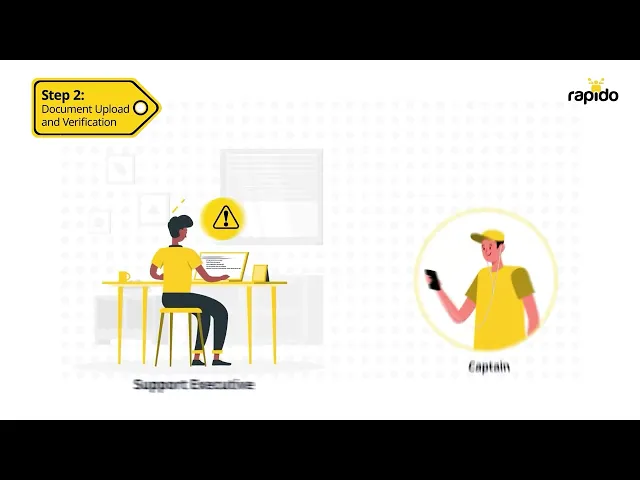
See how HSF helped Rapido develop engaging L&D training content for employee learning programs. Watch the video:
Future Trends in Digital Employee Training Programs in the USA
Digital learning technologies are evolving rapidly as organizations adopt advanced platforms and blended learning solutions to create flexible, data-driven employee training programs.
AI-driven learning personalization improves training relevance
Immersive VR and AR simulations for realistic skill practice
Gamified corporate learning increases motivation and participation
Skill-based workforce training aligned with evolving job roles
Data-driven learning analytics for continuous program improvement
How House Sparrow Films Supports Employee Training Program Development
House Sparrow Films supports organizations in employee training program development by creating high-quality visual learning content designed for modern digital training platforms. The team works with businesses to transform complex workplace processes, systems, and policies into engaging training videos that integrate seamlessly with learning management systems and digital learning tools.
By combining instructional design with professional video production, House Sparrow Films helps companies develop scalable training resources for onboarding, compliance, leadership development, and product training. These visual training assets enable organizations to deliver consistent learning experiences, improve employee engagement, and support effective training delivery across distributed teams and global workforces.
Conclusion
Digital tools are transforming employee training programs across the USA by enabling organizations to deliver scalable, engaging, and measurable learning experiences. Companies are increasingly adopting LMS platforms, AI-powered learning tools, and immersive technologies to improve workforce development and training efficiency. At the same time, video content plays a critical role in simplifying complex topics and increasing employee engagement within digital learning platforms. Organizations that combine modern learning technologies with high-quality visual content can build more effective training programs. Connect with us at House Sparrow Films to develop impactful video solutions for your employee training initiatives.
FAQs
1. What are digital tools in employee training programs?
Digital tools include LMS platforms, AI learning systems, video training platforms, and mobile applications used to deliver and manage employee training.
2. Why are digital tools important for employee training programs?
They make training scalable, interactive, and measurable, enabling organizations to train distributed teams while tracking employee progress and performance.
3. How does video-based learning improve employee training?
Video-based learning simplifies complex topics through visuals and demonstrations, increasing engagement, improving knowledge retention, and delivering consistent training experiences.
4. What role does AI play in employee training programs?
AI analyzes employee performance, identifies skill gaps, and recommends personalized training courses that improve learning efficiency and workforce skill development.
5. How can organizations choose the right digital training tools?
Organizations should evaluate scalability, analytics features, multimedia support, mobile compatibility, and integration capabilities when selecting digital employee training tools.
Key takeaways
Digital tools enable scalable, flexible employee training programs accessible across distributed and remote workforces.
Learning platforms help organizations deliver structured training, track progress, and manage workforce skill development.
Video-based training improves engagement, simplifies complex topics, and increases employee knowledge retention significantly.
Training analytics allow companies to measure learning outcomes, identify gaps, and improve program effectiveness.
Combining digital platforms with engaging content helps organizations build effective, future-ready employee training programs.
Corporate training in the USA is shifting from traditional classrooms to digital learning ecosystems as organizations adopt scalable and measurable training solutions. Companies today need programs that can reach distributed teams, track progress, and maintain employee engagement. According to a report by Continu, 83% of organizations now use a Learning Management System to deliver and manage training programs, highlighting the growing role of digital learning platforms.
To support these systems, many businesses use LMS integration services to connect training platforms with HR tools and content systems. Combined with interactive video training, AI learning tools, and immersive technologies, these digital solutions help organizations deliver more engaging and effective employee training experiences.
Read more: Interactive Learning Videos: Tools and Techniques
Why Digital Tools Are Essential for Modern Employee Training Programs
Modern organizations require training solutions that can scale across distributed teams while maintaining engagement and measurable outcomes. Digital tools enable companies to deliver training through platforms such as learning management systems, interactive videos, and AI-powered learning technologies. These solutions allow employees to access training anytime and help organizations track progress through data and analytics dashboards.
The growing adoption of digital learning reflects this shift in corporate training strategies. Research shows that 89% of businesses in the United States use enterprise Learning Management Systems (LMS) for digital learning, demonstrating the central role of technology in workforce development. Businesses increasingly rely on digital tools to improve training efficiency, reduce costs, and support continuous employee skill development.
Types of Digital Tools Used for Employee Training Program Development
Organizations use a range of digital technologies to build scalable learning ecosystems and improve training content creation across departments. These tools help companies deliver engaging training, monitor employee progress, and support continuous skill development in modern workplaces.
Learning Management Systems (LMS)
Learning Management Systems serve as the foundation of digital corporate training programs. They centralize course delivery, employee learning records, and training analytics within one platform.
Key capabilities of LMS platforms:
Course hosting: Central platform where organizations upload training modules, organize courses, and manage structured employee learning programs.
Progress tracking: Tracks employee participation, monitors course completion, and provides analytics to measure training effectiveness.
Content flexibility: Supports multiple formats, including videos, slides, quizzes, and simulations for diverse training experiences.
Learning analytics: Provides performance insights that help managers identify skill gaps and improve workforce training strategies.
Examples of LMS platforms:
Docebo
Disprz
TalentLMS
Video-Based Training Platforms
Video-based training platforms are among the most effective digital learning tools because they combine visual storytelling with instructional content. Videos help simplify complex topics and improve knowledge retention compared to text-heavy learning materials.
Companies frequently use video learning to train employees across multiple departments and locations.
Benefits of video-based training
Visual storytelling: Uses demonstrations and real-world scenarios to simplify complex workplace processes and improve employee understanding.
Higher retention: Visual learning improves knowledge retention compared to text-based training materials in corporate training programs.
Microlearning friendly: Short video modules allow employees to learn concepts quickly without interrupting daily work responsibilities.
Scalable delivery: Training videos allow organizations to deliver consistent learning experiences across distributed teams and global offices.
Common types of training videos
Explainer videos
Scenario-based training
Animated instructional videos
Leadership training modules
Microlearning and Mobile Learning Tools
Microlearning and mobile learning tools deliver training through short, focused learning modules that employees can complete quickly. Instead of long training sessions, these tools break content into small lessons that focus on essential information employees need for their roles. This approach helps professionals learn without interrupting their daily work schedules.
One of the main benefits of microlearning is that it provides short training bursts, making learning easier to absorb and apply. These short modules also lead to higher course completion rates because employees are more likely to finish quick lessons than lengthy programs. Microlearning is particularly suitable for busy professionals who need flexible learning options that fit into limited time slots.
Examples:
Mobile learning apps
Short video modules
Interactive quizzes
AI-Powered Training Platforms
Artificial intelligence is reshaping corporate learning by enabling training programs that are more personalized, adaptive, and data-driven. AI-powered platforms analyze employee learning behavior, performance data, and skill levels to recommend training content that matches individual development needs. This approach allows organizations to move beyond standardized courses and deliver more targeted learning experiences.
Many modern systems combine AI capabilities with video-based learning to deliver targeted training modules that improve engagement and understanding. These platforms support personalized learning paths, performance tracking, skill gap analysis, and adaptive learning content. By continuously analyzing employee progress, AI training tools can recommend customized courses and learning materials, helping organizations deliver more efficient and effective workforce training programs.
Immersive Training Tools (AR, VR, Simulations)
Immersive technologies such as augmented reality (AR), virtual reality (VR), and training simulations are increasingly used in industries that require hands-on learning experiences. These tools allow employees to practice tasks in realistic virtual environments without the risks associated with real-world training scenarios.
Virtual simulations are particularly valuable in industries such as manufacturing, healthcare, and engineering, where employees must learn complex operational procedures. Immersive training environments allow learners to interact with equipment, practice decision-making, and respond to workplace scenarios.
Common use cases for immersive training technologies include:
Safety training simulations for hazardous environments
Equipment operation training for industrial roles
Healthcare procedure training for medical professionals
Leadership simulations for management development
Examples of immersive learning tools:
VR safety simulations
Scenario-based leadership training programs
Virtual onboarding environments for new employees
Read more: Digital Transformation via SOP Video Editing & Playbook Creation in the USA
Key Features to Look for in Digital Employee Training Tools
Choosing the right digital training tools helps organizations build effective learning programs. To create engaging training experiences, businesses should evaluate key platform capabilities. Schedule a consultation with HSF to develop impactful training content.
Essential features organizations should prioritize:
Content authoring capabilities: Enable teams to create, edit, and manage structured training modules within learning platforms.
Interactive multimedia support: Supports videos, animations, quizzes, and simulations that improve engagement and learning retention.
Learning analytics and reporting: Provides detailed insights into employee progress, training completion, and learning performance trends.
Mobile compatibility: Allows employees to access training materials anytime through smartphones, tablets, or remote work devices.
Integration with HR systems: Connects training platforms with HR tools to manage employee learning and performance data.
AI-based skill tracking: Identifies workforce skill gaps and recommends relevant training programs for continuous development.
Gamification and engagement tools: Use badges, leaderboards, and rewards to increase motivation and participation in training programs.
How Digital Tools Improve Employee Training Outcomes
Digital learning technologies help organizations deliver more measurable and effective training programs. As learning strategist Josh Bersin notes, “Companies that invest in modern digital learning environments see significantly higher employee engagement and performance.” Digital tools enable businesses to track training progress, analyze learning data, and improve workforce development outcomes.
Training Outcome | How Digital Tools Improve It |
Employee engagement | Interactive learning formats such as simulations and video modules increase participation and learner interest. |
Knowledge retention | Visual and scenario-based learning improves memory and helps employees understand complex concepts faster. |
Training scalability | Digital platforms allow organizations to train large teams across locations simultaneously. |
Performance tracking | Analytics dashboards measure employee progress, completion rates, and skill improvement over time. |
Cost efficiency | Online training reduces travel, instructor, and infrastructure costs associated with traditional training. |
Learning flexibility | Employees can access training anytime, enabling continuous learning alongside daily work responsibilities. |
Read more: Benefits of Pro Tools Course Animation Video for Music Institutes in the USA
Best Practices for Developing Digital Employee Training Programs
Developing effective digital training programs requires a structured strategy that combines technology, engaging content, and expert instructional design services. Organizations that follow a clear development framework can create training programs that improve learning outcomes and workforce performance.
Step-by-step framework:
Identify training goals and skill gaps: Assess workforce capabilities and determine the knowledge or skills employees need to develop.
Choose the right digital learning platform: Select tools that support scalable learning, analytics tracking, and flexible content delivery.
Develop engaging multimedia training content: Use videos, animations, presentations, and interactive elements to improve understanding and engagement.
Incorporate microlearning and interactive modules: Break content into short learning segments and include quizzes or scenario-based exercises.
Use analytics to evaluate program effectiveness: Monitor learner progress, completion rates, and performance improvements through learning data.
Continuously update training materials: Regularly revise content to reflect evolving workplace processes, technologies, and organizational goals.
Role of Video Production in Digital Training Programs
Video has become a powerful medium in modern corporate learning because it simplifies complex information and makes training more engaging. A professional L&D training video production company helps organizations convert technical processes, policies, and workplace procedures into clear visual learning experiences. Training videos allow companies to deliver consistent learning content across departments and locations while using storytelling to improve employee engagement and understanding.
Organizations also use training videos to support global teams by providing multilingual content that can be easily distributed through digital learning platforms. Companies commonly develop onboarding videos, leadership development videos, safety training films, product training videos, and compliance training modules. With well-produced visual learning content, businesses can ensure employees receive standardized training while improving knowledge retention and learning effectiveness.
See how HSF helped Rapido develop engaging L&D training content for employee learning programs. Watch the video:
Future Trends in Digital Employee Training Programs in the USA
Digital learning technologies are evolving rapidly as organizations adopt advanced platforms and blended learning solutions to create flexible, data-driven employee training programs.
AI-driven learning personalization improves training relevance
Immersive VR and AR simulations for realistic skill practice
Gamified corporate learning increases motivation and participation
Skill-based workforce training aligned with evolving job roles
Data-driven learning analytics for continuous program improvement
How House Sparrow Films Supports Employee Training Program Development
House Sparrow Films supports organizations in employee training program development by creating high-quality visual learning content designed for modern digital training platforms. The team works with businesses to transform complex workplace processes, systems, and policies into engaging training videos that integrate seamlessly with learning management systems and digital learning tools.
By combining instructional design with professional video production, House Sparrow Films helps companies develop scalable training resources for onboarding, compliance, leadership development, and product training. These visual training assets enable organizations to deliver consistent learning experiences, improve employee engagement, and support effective training delivery across distributed teams and global workforces.
Conclusion
Digital tools are transforming employee training programs across the USA by enabling organizations to deliver scalable, engaging, and measurable learning experiences. Companies are increasingly adopting LMS platforms, AI-powered learning tools, and immersive technologies to improve workforce development and training efficiency. At the same time, video content plays a critical role in simplifying complex topics and increasing employee engagement within digital learning platforms. Organizations that combine modern learning technologies with high-quality visual content can build more effective training programs. Connect with us at House Sparrow Films to develop impactful video solutions for your employee training initiatives.
FAQs
1. What are digital tools in employee training programs?
Digital tools include LMS platforms, AI learning systems, video training platforms, and mobile applications used to deliver and manage employee training.
2. Why are digital tools important for employee training programs?
They make training scalable, interactive, and measurable, enabling organizations to train distributed teams while tracking employee progress and performance.
3. How does video-based learning improve employee training?
Video-based learning simplifies complex topics through visuals and demonstrations, increasing engagement, improving knowledge retention, and delivering consistent training experiences.
4. What role does AI play in employee training programs?
AI analyzes employee performance, identifies skill gaps, and recommends personalized training courses that improve learning efficiency and workforce skill development.
5. How can organizations choose the right digital training tools?
Organizations should evaluate scalability, analytics features, multimedia support, mobile compatibility, and integration capabilities when selecting digital employee training tools.