Key Takeaways
Training videos reduce redundant live sessions by offering on-demand learning.
Videos ensure consistent, standardized training across teams and locations.
Organizations save time, cost, and trainer bandwidth by shifting repeat topics to video.
Employees learn at their own pace, increasing retention and performance.
Corporate L&D teams can scale training quickly without scheduling constraints.
Corporate training can consume significant time and resources when the same topics are delivered repeatedly. Research shows the global e learning market is expected to reach $462.6 billion by 2027, proving how quickly companies are shifting toward digital formats. Repetitive live sessions create scheduling pressure, inconsistent delivery, and heavy workloads for trainers who must explain identical concepts to every new batch of employees. These sessions often slow operations because teams must pause their work to attend. This is where corporate training videos offer a more practical and scalable solution. Videos help standardize content, reduce trainer fatigue, and give employees the flexibility to learn at their own pace while still receiving clear and accurate instruction.
Why Repetitive Live Training Is Inefficient for Modern Organizations
Repetitive live training drains productivity and limits cost efficiency because trainers must deliver the same information to different groups over and over, leading to fatigue and inconsistent delivery. Each session requires coordinating calendars, managing scheduling conflicts, and gathering employees who may be spread across locations or time zones. This results in significant time lost across teams that must pause their work to attend sessions. Since live training depends heavily on individual trainer performance, the quality can vary widely between batches. When content repeats too often, employee engagement naturally drops, and the approach becomes difficult to scale for growing or distributed teams.
Why Training Videos Solve the Repetition Problem
Training videos ensure consistent delivery because every employee receives the same clear explanation, tone, and sequence of information. This removes variations that happen when different trainers handle multiple batches. Since the content is recorded once, organizations no longer need to explain the same concepts repeatedly, saving hours of instructional time each month.
Videos also allow employees to learn anytime, which reduces scheduling pressure for both teams and trainers. Instead of coordinating calendars or pausing work for fixed sessions, learners can access training on demand. This flexibility supports remote teams, shift-based teams, and distributed workplaces without disrupting workflow.
Another advantage is stronger retention. Employees can replay modules, pause complex sections, and learn at a comfortable pace. This self-paced structure boosts understanding and reduces dependency on trainer availability, ensuring training continues smoothly even during leave, travel, or workload spikes.
Read more: Repurposing Training Videos Across Departments
Types of Corporate Training That Work Best Through Video
Many recurring training topics are ideal for video because they require consistent delivery, visual clarity, and repeat access for teams across different roles and locations.
Compliance and Policy Training
Compliance topics like workplace safety, code of conduct, anti-harassment, and ethics require accuracy and consistency. Video ensures every employee receives the same message, reducing misunderstandings and compliance risks. Visual examples and clear explanations help employees grasp sensitive or complex rules more effectively, while allowing organizations to update modules quickly when policies change.
Software and Tool Training
Software training benefits greatly from screen recordings, demonstrations, and guided walkthroughs. Videos make it easier for employees to follow platform navigation, CRM tasks, ERP workflows, and SOP steps. Learners can pause, rewind, and repeat tricky sections without waiting for support, which speeds up onboarding and reduces the burden on trainers or IT teams.
Onboarding and Orientation Training
Orientation videos help new hires understand the company overview, culture, benefits, and work structure in a clear, engaging format. Standardized videos ensure every new employee receives the same introduction, regardless of location or trainer availability. This reduces onboarding time, builds early confidence, and helps new team members settle smoothly.
Process and SOP Walkthroughs
Processes like manufacturing steps, documentation flows, and approval paths require precise explanation. Video helps visual learners see each step clearly, improving accuracy and reducing operational mistakes. SOP walkthrough videos act as long-term reference materials that employees can revisit anytime, strengthening process consistency across teams.
Customer Service and Communication Training
Customer service training often includes role-plays, scripts, and communication examples that are easiest to demonstrate visually. Videos bring interactions to life, helping employees understand tone, body language, and response patterns. This improves service quality and ensures teams handle customer situations consistently across shifts and locations.
Leadership and Soft Skills Microlearning
Soft skills like feedback, collaboration, and time management are easier to understand when illustrated through scenarios. Short microlearning videos make these skills digestible, engaging, and practical. Leaders and employees can quickly revisit concepts whenever needed, encouraging continuous improvement without lengthy workshops.
Live Sessions vs Training Videos in Corporate Learning
Organizations seeking scalable training need methods that deliver consistent learning without overloading trainers or limiting employee availability. Comparing training formats helps teams choose approaches that save time, increase reach, and support long-term efficiency.
Training Method | Strengths | Limitations | Scalability | Best Use Case |
Pre-recorded training videos | Consistent delivery, reusable content, on-demand access | Requires upfront production effort | High | Compliance, onboarding, software tutorials |
Live instructor-led training | Real-time interaction, immediate Q&A | Scheduling conflicts, variable delivery, trainer fatigue | Low | Workshops, coaching, complex discussions |
Blended learning (video + live) | Balanced structure, efficient use of trainer time | Needs coordination between formats | Medium | Introductions followed by interactive sessions |
Self-paced eLearning modules | Flexible, structured progression | Can feel less engaging without video | Medium-High | Certifications, detailed procedural learning |
Microlearning snippets | Quick, focused, easy to consume | Not suitable for deep or lengthy topics | Very High | Soft skills, refreshers, just-in-time learning |
Read more: The Role of Video in Reskilling and Upskilling Employees in 2025
How Training Videos Save Time for Teams and Trainers
Training videos streamline routine learning by reducing repetitive tasks, simplifying coordination, and helping employees access essential information without delays.
Eliminate Repeated Explanations of the Same Topic: Once recorded, foundational training no longer requires live repetition. Trainers save hours each week otherwise spent delivering identical sessions.
Free Trainers to Focus on Advanced or Interactive Sessions: With basics handled by video, trainers can devote their time to higher-value workshops, coaching, and hands-on problem solving.
Reduce Time Lost in Coordinating Multiple Sessions: Video removes the need to align calendars, book rooms, or wait for availability. Teams learn when it fits their schedule.
Shorten Onboarding Cycles for New Employees: New hires can access orientation videos immediately, reducing downtime and allowing them to become productive faster.
Speed Up Company-Wide Announcements and Policy Rollouts: Updates or new policies can be communicated instantly through short videos, reaching all teams without scheduling dozens of live sessions.
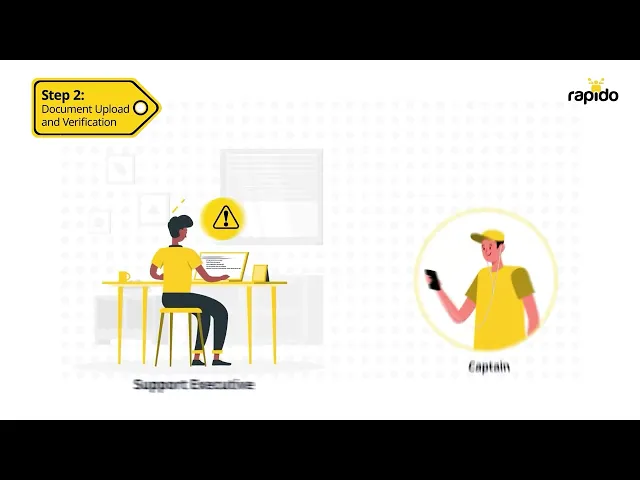
See how HSF helped Rapido streamline employee training and improve consistency with a clear, structured learning video. Watch the video:
How Videos Improve Employee Learning Outcomes
Videos strengthen digital learning by combining visual and audio elements, which helps employees retain information more effectively than text-only formats. Learners can revisit complex explanations anytime, pause sections they find challenging, and move at a pace that feels comfortable. This self-paced structure reduces learning anxiety, especially for employees who may feel hesitant to ask questions during live sessions. The ability to replay content builds confidence and leads to a deeper understanding of important topics.
Training videos also support multilingual subtitles, making learning more inclusive for global teams. Every employee receives the same clear, consistent instructions regardless of location, trainer style, or time zone. This uniformity ensures that training quality never varies from batch to batch. It also reduces misunderstandings and aligns all employees around shared standards, improving overall performance across departments.
Read more: How Corporate Training Videos Reduce Onboarding Costs for Large Enterprises
How Corporate Videos Support Large Distributed Teams
Video-based training helps distributed teams learn smoothly by removing location barriers, time zone conflicts, and the need for constant live coordination.
Deliver Training Across Time Zones Without Live Calls: Employees across different regions can access training whenever it suits their schedule, eliminating the need for inconvenient live calls and keeping learning smooth, flexible, and uninterrupted.
Allow Consistent Global Rollouts During Updates: When new policies, tools, or processes are introduced, videos help deliver identical instructions instantly to all locations, ensuring global consistency, faster alignment, and stronger compliance across distributed teams.
Reduce Travel and Trainer Deployment Costs: Companies avoid flying trainers to multiple offices or plants. Video modules replace most on-site sessions, lowering travel expenses, saving time, and allowing trainers to focus on high-value activities.
Provide Easy Access via LMS or Mobile Apps: Training videos can be accessed on laptops, tablets, or phones through LMS platforms or mobile apps, enabling convenient learning during shifts, remote work, or downtime without scheduling delays.
Concepts Companies Should Convert Into Training Videos
Many recurring training topics can be delivered more effectively through corporate training videos, especially when consistency, clarity, and long-term scalability matter across teams and locations.
Repetitive, Foundational Concepts That Rarely Change
Company history, culture introductions, basic policies, and universal procedures stay consistent over time, making them ideal for video. Once recorded, these modules provide standardized training for all employees without requiring repeated live explanations from trainers.
Complex Workflows That Need Visual Explanation
Workflows involving multiple steps, handoffs, or tools are easier to understand when demonstrated visually. Videos help employees see each stage clearly, reducing errors and improving operational accuracy far better than text-only instructions or repeated live sessions.
Policy Modules Required Annually
Topics like compliance, safety, anti-harassment, cybersecurity, and ethics must be revisited every year. Converting them into video ensures consistent delivery, reduces training fatigue, and allows quick updates whenever policies change, maintaining organizational alignment.
How-to Guides for Tools or Tech Processes
Software tutorials, CRM actions, ERP navigation, and platform walkthroughs are highly effective in video. Employees can follow step-by-step visuals, pause when needed, and troubleshoot independently without constantly relying on trainers or support teams.
Scenarios That Benefit From Dramatization or Examples
Topics such as customer service, communication, conflict resolution, and leadership skills come alive with real-life dramatizations. Videos make these scenarios relatable and easier to internalize, strengthening behavioral learning across diverse teams.
Best Practices for Creating Effective Corporate Training Videos
Strong training videos require clarity, structure, and thoughtful presentation so employees can learn quickly, stay engaged, and retain information across different roles, locations, and experience levels.
Keep videos structured with clear learning objectives: Every video should begin with simple, focused objectives that tell employees what they will learn. Clear goals guide attention, reduce confusion, and help learners understand how the content supports their daily responsibilities.
Use real scenarios, screen recordings, or role-plays: Practical demonstrations make training relevant and easier to follow. Real examples, tool walkthroughs, and role-plays show employees exactly how tasks are done, increasing confidence and reducing errors in real work situations.
Maintain professional quality in audio and visuals: Clear sound, stable visuals, and clean editing help employees focus on the message. Poor production distracts learners and can weaken trust, so professional quality significantly improves comprehension and engagement.
Add captions, annotations, and downloadable summaries: Captions support multilingual teams, annotations highlight key actions, and downloadable summaries help employees review important points later. These additions extend learning beyond the video and support stronger recall.
Break long sessions into microlearning modules: Shorter modules between three and ten minutes keep attention high and prevent overload. Microlearning fits busy schedules, improves retention, and allows employees to access only the sections they need.
How House Sparrow Films Helps Companies Build Scalable Training Video Libraries
House Sparrow Films helps organizations turn their training needs into clear, structured, and engaging content by developing scripts based on established L&D frameworks. Their process ensures every module follows strong learning objectives and reflects real workplace needs. With high-quality filming and clean animations, they make complex concepts easier to understand. Their scenario-based videos bring soft skills training to life, helping employees practice communication, leadership, and problem-solving in realistic situations. This level of detail ensures corporate training videos feel relevant, practical, and easy to apply on the job.
They also specialize in tool walkthroughs and SOP tutorials that guide employees through processes step by step. Multi-language and accessibility-friendly versions support global teams by offering subtitles, adaptations, and region-appropriate formats. This makes content easy to scale across departments and locations. By building video libraries that can be reused and updated over time, House Sparrow Films helps companies strengthen consistency, reduce training load, and support long-term learning success.
Conclusion
Training videos reduce repetitive work, save valuable trainer hours, and make learning more efficient across every department. They deliver consistent content, improve retention, and support scalable training for distributed teams. The long-term benefits include stronger time savings, reliable standardization, faster onboarding, and better learning outcomes. As organizations grow and adopt modern digital learning practices, corporate training videos become essential for future-ready L&D. House Sparrow Films can help companies build high-quality training video libraries that streamline learning, reduce workload, and support long-term growth. Reach out to their team to create impactful training content that scales effortlessly.
FAQs
1. Can training videos fully replace live sessions?
Not entirely. Videos work best for repetitive or foundational topics, while live sessions remain valuable for workshops, Q&A, coaching, and discussions that require interaction and real-time problem-solving.
2. What topics are best delivered through corporate videos?
Compliance modules, onboarding, process walkthroughs, software tutorials, soft skills demonstrations, and recurring training topics are ideal for video because they require consistency, clarity, and easy access across different employee groups.
3. How do videos improve consistency in L&D?
Videos deliver identical content to every learner, eliminating variations caused by trainer style, pacing, or interpretation. This ensures standardized communication, accurate information, and uniform training quality across all teams.
4. Are training videos effective for global teams?
Yes. Videos support multilingual subtitles, cross-time-zone access, remote learning, and cultural alignment. This makes them highly effective for distributed teams working from different regions, schedules, and device types.
5. How often should companies update their training videos?
Companies should review videos yearly, updating whenever policies, software, workflows, or compliance standards change. Microlearning clips may need refreshes every few months to stay current and accurate.
6. What formats work best for corporate training videos?
Microlearning clips, screen recordings, role-play scenarios, process walkthroughs, and animated explainers work best because they simplify complex topics, engage learners effectively, and support on-demand, self-paced learning.
7. Do videos reduce overall L&D costs?
Yes. Videos reduce trainer hours, travel, repeated sessions, venue bookings, and coordination time. Once produced, they offer long-term cost efficiency by being reusable across multiple teams and training cycles.
Key Takeaways
Training videos reduce redundant live sessions by offering on-demand learning.
Videos ensure consistent, standardized training across teams and locations.
Organizations save time, cost, and trainer bandwidth by shifting repeat topics to video.
Employees learn at their own pace, increasing retention and performance.
Corporate L&D teams can scale training quickly without scheduling constraints.
Corporate training can consume significant time and resources when the same topics are delivered repeatedly. Research shows the global e learning market is expected to reach $462.6 billion by 2027, proving how quickly companies are shifting toward digital formats. Repetitive live sessions create scheduling pressure, inconsistent delivery, and heavy workloads for trainers who must explain identical concepts to every new batch of employees. These sessions often slow operations because teams must pause their work to attend. This is where corporate training videos offer a more practical and scalable solution. Videos help standardize content, reduce trainer fatigue, and give employees the flexibility to learn at their own pace while still receiving clear and accurate instruction.
Why Repetitive Live Training Is Inefficient for Modern Organizations
Repetitive live training drains productivity and limits cost efficiency because trainers must deliver the same information to different groups over and over, leading to fatigue and inconsistent delivery. Each session requires coordinating calendars, managing scheduling conflicts, and gathering employees who may be spread across locations or time zones. This results in significant time lost across teams that must pause their work to attend sessions. Since live training depends heavily on individual trainer performance, the quality can vary widely between batches. When content repeats too often, employee engagement naturally drops, and the approach becomes difficult to scale for growing or distributed teams.
Why Training Videos Solve the Repetition Problem
Training videos ensure consistent delivery because every employee receives the same clear explanation, tone, and sequence of information. This removes variations that happen when different trainers handle multiple batches. Since the content is recorded once, organizations no longer need to explain the same concepts repeatedly, saving hours of instructional time each month.
Videos also allow employees to learn anytime, which reduces scheduling pressure for both teams and trainers. Instead of coordinating calendars or pausing work for fixed sessions, learners can access training on demand. This flexibility supports remote teams, shift-based teams, and distributed workplaces without disrupting workflow.
Another advantage is stronger retention. Employees can replay modules, pause complex sections, and learn at a comfortable pace. This self-paced structure boosts understanding and reduces dependency on trainer availability, ensuring training continues smoothly even during leave, travel, or workload spikes.
Read more: Repurposing Training Videos Across Departments
Types of Corporate Training That Work Best Through Video
Many recurring training topics are ideal for video because they require consistent delivery, visual clarity, and repeat access for teams across different roles and locations.
Compliance and Policy Training
Compliance topics like workplace safety, code of conduct, anti-harassment, and ethics require accuracy and consistency. Video ensures every employee receives the same message, reducing misunderstandings and compliance risks. Visual examples and clear explanations help employees grasp sensitive or complex rules more effectively, while allowing organizations to update modules quickly when policies change.
Software and Tool Training
Software training benefits greatly from screen recordings, demonstrations, and guided walkthroughs. Videos make it easier for employees to follow platform navigation, CRM tasks, ERP workflows, and SOP steps. Learners can pause, rewind, and repeat tricky sections without waiting for support, which speeds up onboarding and reduces the burden on trainers or IT teams.
Onboarding and Orientation Training
Orientation videos help new hires understand the company overview, culture, benefits, and work structure in a clear, engaging format. Standardized videos ensure every new employee receives the same introduction, regardless of location or trainer availability. This reduces onboarding time, builds early confidence, and helps new team members settle smoothly.
Process and SOP Walkthroughs
Processes like manufacturing steps, documentation flows, and approval paths require precise explanation. Video helps visual learners see each step clearly, improving accuracy and reducing operational mistakes. SOP walkthrough videos act as long-term reference materials that employees can revisit anytime, strengthening process consistency across teams.
Customer Service and Communication Training
Customer service training often includes role-plays, scripts, and communication examples that are easiest to demonstrate visually. Videos bring interactions to life, helping employees understand tone, body language, and response patterns. This improves service quality and ensures teams handle customer situations consistently across shifts and locations.
Leadership and Soft Skills Microlearning
Soft skills like feedback, collaboration, and time management are easier to understand when illustrated through scenarios. Short microlearning videos make these skills digestible, engaging, and practical. Leaders and employees can quickly revisit concepts whenever needed, encouraging continuous improvement without lengthy workshops.
Live Sessions vs Training Videos in Corporate Learning
Organizations seeking scalable training need methods that deliver consistent learning without overloading trainers or limiting employee availability. Comparing training formats helps teams choose approaches that save time, increase reach, and support long-term efficiency.
Training Method | Strengths | Limitations | Scalability | Best Use Case |
Pre-recorded training videos | Consistent delivery, reusable content, on-demand access | Requires upfront production effort | High | Compliance, onboarding, software tutorials |
Live instructor-led training | Real-time interaction, immediate Q&A | Scheduling conflicts, variable delivery, trainer fatigue | Low | Workshops, coaching, complex discussions |
Blended learning (video + live) | Balanced structure, efficient use of trainer time | Needs coordination between formats | Medium | Introductions followed by interactive sessions |
Self-paced eLearning modules | Flexible, structured progression | Can feel less engaging without video | Medium-High | Certifications, detailed procedural learning |
Microlearning snippets | Quick, focused, easy to consume | Not suitable for deep or lengthy topics | Very High | Soft skills, refreshers, just-in-time learning |
Read more: The Role of Video in Reskilling and Upskilling Employees in 2025
How Training Videos Save Time for Teams and Trainers
Training videos streamline routine learning by reducing repetitive tasks, simplifying coordination, and helping employees access essential information without delays.
Eliminate Repeated Explanations of the Same Topic: Once recorded, foundational training no longer requires live repetition. Trainers save hours each week otherwise spent delivering identical sessions.
Free Trainers to Focus on Advanced or Interactive Sessions: With basics handled by video, trainers can devote their time to higher-value workshops, coaching, and hands-on problem solving.
Reduce Time Lost in Coordinating Multiple Sessions: Video removes the need to align calendars, book rooms, or wait for availability. Teams learn when it fits their schedule.
Shorten Onboarding Cycles for New Employees: New hires can access orientation videos immediately, reducing downtime and allowing them to become productive faster.
Speed Up Company-Wide Announcements and Policy Rollouts: Updates or new policies can be communicated instantly through short videos, reaching all teams without scheduling dozens of live sessions.
See how HSF helped Rapido streamline employee training and improve consistency with a clear, structured learning video. Watch the video:
How Videos Improve Employee Learning Outcomes
Videos strengthen digital learning by combining visual and audio elements, which helps employees retain information more effectively than text-only formats. Learners can revisit complex explanations anytime, pause sections they find challenging, and move at a pace that feels comfortable. This self-paced structure reduces learning anxiety, especially for employees who may feel hesitant to ask questions during live sessions. The ability to replay content builds confidence and leads to a deeper understanding of important topics.
Training videos also support multilingual subtitles, making learning more inclusive for global teams. Every employee receives the same clear, consistent instructions regardless of location, trainer style, or time zone. This uniformity ensures that training quality never varies from batch to batch. It also reduces misunderstandings and aligns all employees around shared standards, improving overall performance across departments.
Read more: How Corporate Training Videos Reduce Onboarding Costs for Large Enterprises
How Corporate Videos Support Large Distributed Teams
Video-based training helps distributed teams learn smoothly by removing location barriers, time zone conflicts, and the need for constant live coordination.
Deliver Training Across Time Zones Without Live Calls: Employees across different regions can access training whenever it suits their schedule, eliminating the need for inconvenient live calls and keeping learning smooth, flexible, and uninterrupted.
Allow Consistent Global Rollouts During Updates: When new policies, tools, or processes are introduced, videos help deliver identical instructions instantly to all locations, ensuring global consistency, faster alignment, and stronger compliance across distributed teams.
Reduce Travel and Trainer Deployment Costs: Companies avoid flying trainers to multiple offices or plants. Video modules replace most on-site sessions, lowering travel expenses, saving time, and allowing trainers to focus on high-value activities.
Provide Easy Access via LMS or Mobile Apps: Training videos can be accessed on laptops, tablets, or phones through LMS platforms or mobile apps, enabling convenient learning during shifts, remote work, or downtime without scheduling delays.
Concepts Companies Should Convert Into Training Videos
Many recurring training topics can be delivered more effectively through corporate training videos, especially when consistency, clarity, and long-term scalability matter across teams and locations.
Repetitive, Foundational Concepts That Rarely Change
Company history, culture introductions, basic policies, and universal procedures stay consistent over time, making them ideal for video. Once recorded, these modules provide standardized training for all employees without requiring repeated live explanations from trainers.
Complex Workflows That Need Visual Explanation
Workflows involving multiple steps, handoffs, or tools are easier to understand when demonstrated visually. Videos help employees see each stage clearly, reducing errors and improving operational accuracy far better than text-only instructions or repeated live sessions.
Policy Modules Required Annually
Topics like compliance, safety, anti-harassment, cybersecurity, and ethics must be revisited every year. Converting them into video ensures consistent delivery, reduces training fatigue, and allows quick updates whenever policies change, maintaining organizational alignment.
How-to Guides for Tools or Tech Processes
Software tutorials, CRM actions, ERP navigation, and platform walkthroughs are highly effective in video. Employees can follow step-by-step visuals, pause when needed, and troubleshoot independently without constantly relying on trainers or support teams.
Scenarios That Benefit From Dramatization or Examples
Topics such as customer service, communication, conflict resolution, and leadership skills come alive with real-life dramatizations. Videos make these scenarios relatable and easier to internalize, strengthening behavioral learning across diverse teams.
Best Practices for Creating Effective Corporate Training Videos
Strong training videos require clarity, structure, and thoughtful presentation so employees can learn quickly, stay engaged, and retain information across different roles, locations, and experience levels.
Keep videos structured with clear learning objectives: Every video should begin with simple, focused objectives that tell employees what they will learn. Clear goals guide attention, reduce confusion, and help learners understand how the content supports their daily responsibilities.
Use real scenarios, screen recordings, or role-plays: Practical demonstrations make training relevant and easier to follow. Real examples, tool walkthroughs, and role-plays show employees exactly how tasks are done, increasing confidence and reducing errors in real work situations.
Maintain professional quality in audio and visuals: Clear sound, stable visuals, and clean editing help employees focus on the message. Poor production distracts learners and can weaken trust, so professional quality significantly improves comprehension and engagement.
Add captions, annotations, and downloadable summaries: Captions support multilingual teams, annotations highlight key actions, and downloadable summaries help employees review important points later. These additions extend learning beyond the video and support stronger recall.
Break long sessions into microlearning modules: Shorter modules between three and ten minutes keep attention high and prevent overload. Microlearning fits busy schedules, improves retention, and allows employees to access only the sections they need.
How House Sparrow Films Helps Companies Build Scalable Training Video Libraries
House Sparrow Films helps organizations turn their training needs into clear, structured, and engaging content by developing scripts based on established L&D frameworks. Their process ensures every module follows strong learning objectives and reflects real workplace needs. With high-quality filming and clean animations, they make complex concepts easier to understand. Their scenario-based videos bring soft skills training to life, helping employees practice communication, leadership, and problem-solving in realistic situations. This level of detail ensures corporate training videos feel relevant, practical, and easy to apply on the job.
They also specialize in tool walkthroughs and SOP tutorials that guide employees through processes step by step. Multi-language and accessibility-friendly versions support global teams by offering subtitles, adaptations, and region-appropriate formats. This makes content easy to scale across departments and locations. By building video libraries that can be reused and updated over time, House Sparrow Films helps companies strengthen consistency, reduce training load, and support long-term learning success.
Conclusion
Training videos reduce repetitive work, save valuable trainer hours, and make learning more efficient across every department. They deliver consistent content, improve retention, and support scalable training for distributed teams. The long-term benefits include stronger time savings, reliable standardization, faster onboarding, and better learning outcomes. As organizations grow and adopt modern digital learning practices, corporate training videos become essential for future-ready L&D. House Sparrow Films can help companies build high-quality training video libraries that streamline learning, reduce workload, and support long-term growth. Reach out to their team to create impactful training content that scales effortlessly.
FAQs
1. Can training videos fully replace live sessions?
Not entirely. Videos work best for repetitive or foundational topics, while live sessions remain valuable for workshops, Q&A, coaching, and discussions that require interaction and real-time problem-solving.
2. What topics are best delivered through corporate videos?
Compliance modules, onboarding, process walkthroughs, software tutorials, soft skills demonstrations, and recurring training topics are ideal for video because they require consistency, clarity, and easy access across different employee groups.
3. How do videos improve consistency in L&D?
Videos deliver identical content to every learner, eliminating variations caused by trainer style, pacing, or interpretation. This ensures standardized communication, accurate information, and uniform training quality across all teams.
4. Are training videos effective for global teams?
Yes. Videos support multilingual subtitles, cross-time-zone access, remote learning, and cultural alignment. This makes them highly effective for distributed teams working from different regions, schedules, and device types.
5. How often should companies update their training videos?
Companies should review videos yearly, updating whenever policies, software, workflows, or compliance standards change. Microlearning clips may need refreshes every few months to stay current and accurate.
6. What formats work best for corporate training videos?
Microlearning clips, screen recordings, role-play scenarios, process walkthroughs, and animated explainers work best because they simplify complex topics, engage learners effectively, and support on-demand, self-paced learning.
7. Do videos reduce overall L&D costs?
Yes. Videos reduce trainer hours, travel, repeated sessions, venue bookings, and coordination time. Once produced, they offer long-term cost efficiency by being reusable across multiple teams and training cycles.