Key Takeaways
Franchises and partner networks depend on standardized training to maintain brand consistency across all locations.
Video-based learning removes variations in instruction and solves major franchise training gaps.
Visual SOPs, demos, and scenario videos help teams reduce errors and improve operational quality.
Videos support onboarding at scale with faster learning, fewer supervision needs, and repeatable modules.
Corporate training videos integrate easily into LMS systems and allow tracking through analytics.
A structured video library strengthens compliance, customer experience, and franchise performance.
Franchise and partner networks rely on consistent training to deliver the same customer experience across every location. As expansion continues, the pressure to maintain quality rises. According to the International Franchise Association, the franchise sector reached more than 860 billion USD in economic output in 2024, showing how large and distributed these networks have become. When teams across regions follow different training methods, performance gaps appear quickly. Video learning solves this by giving every franchise access to the same explanations, demonstrations, and brand standards. High-quality content also makes training easier for new outlets joining the network. Companies now use partner training videos to improve accuracy, reduce onboarding time, and streamline knowledge transfer across large teams.
Why Training Is Critical for Franchise and Partner Networks
Franchises operate in multiple locations with teams that vary in skill, experience, and background. Some employees join with industry experience, and others may be completely new. This creates natural gaps in understanding systems, service quality, and brand rules. When training is not unified, locations end up operating at different standards, and that affects customer experience.
Training ensures brand consistency so that every outlet communicates the same values, follows the same workflow, and provides the same level of service. Franchise owners also rely on operational accuracy to meet compliance requirements from the parent company. Consistent training solves this by simplifying complex processes, clarifying SOPs, and reducing the impact of staff turnover.
Since expansion requires fast onboarding, companies need training that does not depend on direct supervision. Video fills the gap and ensures teams learn the right way from day one.
Challenges Companies Face When Training Franchisees and Partners
Many franchise networks struggle to maintain consistent learning quality because teams operate in different locations, follow different processes, and receive uneven levels of guidance.
Inconsistent Training Across Locations: Training varies from manager to manager, which creates uneven understanding of processes, customer handling, and daily standards. This inconsistency affects service quality and overall franchise performance.
High Staff Turnover and Continuous Onboarding: Teams change frequently, and managers often lack the time for repeated training. New hires learn differently, which increases errors and slows operational performance.
Limited Time for In-person Training: Busy outlets cannot pause operations for long sessions. Coordinating in-person training across multiple locations becomes expensive, difficult, and inconsistent.
Misaligned Brand Messaging or Customer Experience: Without structured training, franchises interpret brand tone differently. This creates confusion for customers and weakens brand identity across locations.
Difficulty Maintaining Standard Operating Procedures (SOPs): SOP updates are often communicated verbally, leading to misinterpretation. Teams follow outdated steps, creating operational gaps and reducing quality control.
How Corporate Training Videos Solve Franchise and Partner Training Issues
Corporate training videos give every franchise location a unified learning system that removes confusion and delivers the same clear instructions to all teams. Since the content is recorded once and shared everywhere, it provides the same learning experience for every franchisee. Videos scale easily across regions and countries, helping growing networks stay aligned without extra training costs. New employees onboard faster because they can learn step by step at their own pace. Clear visual instructions reduce errors that usually occur with text-based or verbal training. Videos also replace repeated live sessions, making training far more cost-efficient for expanding businesses.
Read more: How Corporate Training Videos Strengthen Employer Branding
Training Topics Best Delivered Through Video
Videos help franchises deliver complex information clearly and support onboarding at scale, especially when multiple locations need the same instructions without relying on in-person guidance.
Brand Guidelines and Customer Experience Standards
Videos communicate tone, language, visual identity, and service expectations in a consistent way. Franchise teams understand how to greet customers, handle concerns, present products, and maintain brand alignment. Clear examples ensure every outlet follows the same experience standards and protects the overall brand reputation.
Product or Service Walkthroughs
Franchise employees understand products better when they can see demonstrations rather than read instructions. Videos explain features, benefits, usage, and handling methods in a structured manner. This helps staff confidently communicate value to customers and reduces confusion during sales or service delivery.
Operational Processes and Daily SOPs
Videos simplify daily steps such as opening routines, closing procedures, equipment setup, cleaning tasks, and safety processes. Showing the correct flow reduces errors caused by interpretation. Teams understand exactly how tasks should be completed and maintain consistency even when managers change or staff turnover is high.
Sales Scripts and Customer Interaction Examples
Scenario-based videos demonstrate how to approach customers, handle objections, upsell, explain offers, and resolve concerns. Teams learn by watching real interactions instead of memorizing text. This boosts confidence, improves communication skills, and creates more predictable sales outcomes across different franchise locations.
Compliance, Safety, and Quality Control
Compliance topics require accuracy and clarity, and video is the strongest format to communicate these standards. Safety steps, audit expectations, hygiene rules, and mandatory procedures become easier to follow when shown visually. This reduces operational risks and helps franchises meet regulatory and brand requirements.
Technology and POS System Tutorials
Screen recordings and guided tutorials help employees learn POS systems, dashboards, CRM tools, and billing processes quickly. Visual navigation reduces mistakes that commonly occur during software training. Staff can rewatch modules anytime, ensuring smoother operations and fewer support requests from the parent company.
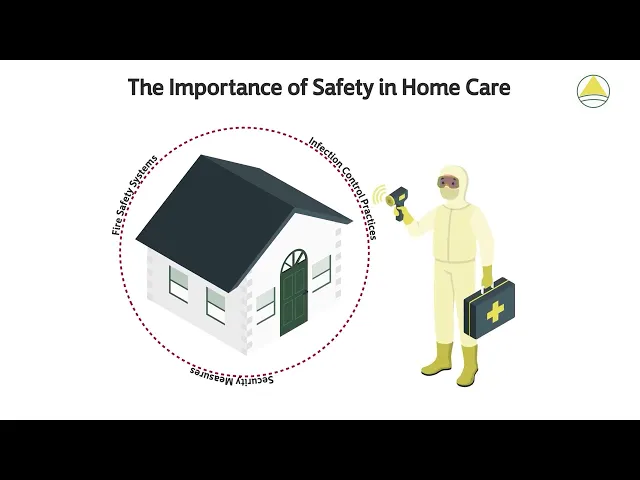
See how HSF helped Chesterfield Health train distributed teams with clear safety procedures and step-by-step operational guidance. Watch the video:
Training Area vs Best Video Format
Clear training formats help franchises match each learning need with the most effective video style. This improves understanding, supports scalability, and strengthens consistency across every location.
Training Area | Best Video Format | Why This Format Works |
Brand rules, tone, customer experience | Brand explainer videos | Helps teams understand brand voice, service style, visual identity, and customer expectations through clear examples and guided narratives. |
Daily operations and SOP steps | Process walkthrough videos | Breaks down tasks such as opening, closing, equipment handling, and cleaning into step-by-step visuals that reduce errors and improve daily accuracy. |
Product or service demos | Demo or explainer videos | Shows features, benefits, correct usage, troubleshooting, and handling, helping employees confidently present and deliver the offering. |
Sales, upselling, and customer handling | Scenario or role-play videos | Demonstrates real interactions, objection handling, upselling, and service recovery so staff learn through practical situations and examples. |
Compliance and safety | Instructional and policy videos | Communicates mandatory rules, hygiene protocols, audit steps, and safety procedures clearly, ensuring teams follow legal and brand requirements. |
Tech and POS systems | Screen recordings and tutorials | Shows exact system navigation, billing steps, menu actions, and reporting screens, helping employees learn software without confusion. |
Read more: Why Corporate Training Videos Increase Employee Retention Rates
Benefits for Franchise Owners and Partner Teams
Structured video training helps franchise teams work efficiently, stay aligned with brand expectations, and operate confidently without needing constant supervision or repeated guidance from managers.
Faster Ramp-Up Time for New Staff: Video modules help new employees learn processes quickly and follow tasks accurately from the first week. This reduces training delays and helps outlets maintain smooth operations during staffing changes.
Clear Understanding of Brand Standards: Visual guidance makes it easier for teams to understand brand values, service tone, and presentation expectations. This ensures every location communicates the brand consistently and delivers a unified customer experience.
Increased Confidence in Operations and Customer Service: Employees feel more prepared when they can see demonstrations instead of relying on text instructions. This boosts both technical performance and customer-facing communication.
Reduced Support Queries to the Parent Company: Standardized video instructions answer common questions for managers and staff. This reduces repeated calls for clarification and frees up the corporate team for higher-level support.
Improved Outcomes During Audits and Quality Checks: Video-trained teams follow procedures more accurately, maintain better safety and hygiene standards, and demonstrate stronger compliance during inspections and audits.
How to Integrate Training Videos Into Franchise and Partner Learning
Integrating training videos into a franchise learning system works best when everything flows through a single, organized structure. A centralized LMS or training portal ensures every location accesses the same content without confusion. Multi-language versions help global partners understand instructions clearly. Short microlearning modules make updates easier, especially when processes or offers change frequently.
Videos become more effective when paired with interactive elements. Quizzes confirm understanding and checklists guide daily execution. Version-controlled learning paths help managers track what content is current, which modules employees must complete, and how to schedule updates without overlap. This structure keeps learning consistent, clear, and aligned across all franchise locations.
Read more: How Corporate Training Videos Improve Compliance Across Global Offices
Using Analytics to Track Franchise and Partner Learning Performance
Analytics help companies understand how well franchise teams absorb training and identify where additional guidance is needed to maintain strong performance across all locations.
Module Completion and Assessment Scores: Completion rates and quiz results show whether employees are engaging with training and understanding key concepts. This helps managers confirm readiness before teams move to operational tasks.
Identifying High-Need Locations for Extra Support: Low scores or incomplete modules highlight locations that require additional coaching, updated instructions, or targeted follow-ups to prevent performance issues.
Tracking Errors or Operational Gaps Before They Escalate: Comparing training data with operational reports helps companies detect recurring mistakes early and address them before they affect customer experience or compliance.
Using Data to Refine Future Training Videos: Insights from analytics guide content improvements. Companies can simplify unclear steps, add demonstrations, update outdated sections, and create new modules where teams consistently struggle.
How House Sparrow Films Supports Franchise and Partner Training Videos
House Sparrow Films helps franchises build strong and scalable video libraries that support expansion and consistent training. Scripts are created to match brand standards, operational workflows, and real franchise scenarios. The team uses scenario-based storytelling to show both correct and incorrect practices so employees learn through examples. High-quality visuals provide step-by-step clarity for SOPs, customer interactions, and equipment handling. Multi-language versions make training accessible for global partners. Videos are delivered in LMS-ready formats with thumbnails, metadata, and tagging for easy upload. The approach focuses on scalable training libraries that cover onboarding, SOPs, sales training, product walkthroughs, and compliance. Long-term support is available for updates, new modules, or refreshing older content.
Conclusion
Corporate training videos give franchise and partner networks a reliable way to deliver consistent, accurate, and repeatable learning across every location. They help teams perform better, maintain quality, and protect the brand as the business expands. With the right strategy, companies can reduce operational errors, improve service quality, and speed up learning across all outlets. For franchises looking to scale smoothly, partner training videos are one of the most effective investments. House Sparrow Films is ready to support your training needs with high-quality video content that helps every franchise operate at the same standard.
FAQs
What types of franchise training work best through video?
Video works best for SOP steps, service standards, equipment handling, customer interactions, compliance rules, safety processes, sales scripts, product demos, and technology tutorials because visual demonstrations reduce confusion and create predictable learning outcomes for all franchise locations.How often should franchise training videos be updated?
Companies typically update videos yearly or when major processes, products, or compliance rules change. Smaller micro-updates help keep instructions accurate. Regular reviews ensure every franchise location uses the most current training version without confusion or delays.Can video-based training replace in-person franchise onboarding?
Video training can replace most repetitive sessions covering SOPs, customer handling, safety, equipment use, and software tutorials. Many companies still use a blended approach where managers provide hands-on guidance after employees complete structured video-based learning modules.How do companies ensure consistent training across locations?
Companies use a centralized LMS, standard video modules, structured learning paths, quizzes, and version-controlled updates. This ensures every franchise receives the same content, follows the same workflow, and completes required modules in a uniform and predictable way.Can training videos help reduce operational mistakes in new franchise locations?
Yes. Clear visual demonstrations help employees understand the correct steps without guessing. Videos show how tasks should be done, highlight common mistakes, and create stronger accuracy during early setup, which is essential for new franchise locations establishing stable operations.Do partners and franchise teams prefer video over text-based manuals?
Most teams prefer video because it is easier to understand, faster to absorb, and more practical for daily reference. Visual guidance reduces confusion, supports different learning styles, and helps employees learn complex tasks without relying on long written manuals.Are training videos effective for multilingual or multicultural franchise networks?
Yes. Training videos can be translated, subtitled, and adapted for different regions. Visual explanations make concepts easier to understand, even when language levels vary. This helps global franchise teams learn consistently and follow the same operational standards.
Key Takeaways
Franchises and partner networks depend on standardized training to maintain brand consistency across all locations.
Video-based learning removes variations in instruction and solves major franchise training gaps.
Visual SOPs, demos, and scenario videos help teams reduce errors and improve operational quality.
Videos support onboarding at scale with faster learning, fewer supervision needs, and repeatable modules.
Corporate training videos integrate easily into LMS systems and allow tracking through analytics.
A structured video library strengthens compliance, customer experience, and franchise performance.
Franchise and partner networks rely on consistent training to deliver the same customer experience across every location. As expansion continues, the pressure to maintain quality rises. According to the International Franchise Association, the franchise sector reached more than 860 billion USD in economic output in 2024, showing how large and distributed these networks have become. When teams across regions follow different training methods, performance gaps appear quickly. Video learning solves this by giving every franchise access to the same explanations, demonstrations, and brand standards. High-quality content also makes training easier for new outlets joining the network. Companies now use partner training videos to improve accuracy, reduce onboarding time, and streamline knowledge transfer across large teams.
Why Training Is Critical for Franchise and Partner Networks
Franchises operate in multiple locations with teams that vary in skill, experience, and background. Some employees join with industry experience, and others may be completely new. This creates natural gaps in understanding systems, service quality, and brand rules. When training is not unified, locations end up operating at different standards, and that affects customer experience.
Training ensures brand consistency so that every outlet communicates the same values, follows the same workflow, and provides the same level of service. Franchise owners also rely on operational accuracy to meet compliance requirements from the parent company. Consistent training solves this by simplifying complex processes, clarifying SOPs, and reducing the impact of staff turnover.
Since expansion requires fast onboarding, companies need training that does not depend on direct supervision. Video fills the gap and ensures teams learn the right way from day one.
Challenges Companies Face When Training Franchisees and Partners
Many franchise networks struggle to maintain consistent learning quality because teams operate in different locations, follow different processes, and receive uneven levels of guidance.
Inconsistent Training Across Locations: Training varies from manager to manager, which creates uneven understanding of processes, customer handling, and daily standards. This inconsistency affects service quality and overall franchise performance.
High Staff Turnover and Continuous Onboarding: Teams change frequently, and managers often lack the time for repeated training. New hires learn differently, which increases errors and slows operational performance.
Limited Time for In-person Training: Busy outlets cannot pause operations for long sessions. Coordinating in-person training across multiple locations becomes expensive, difficult, and inconsistent.
Misaligned Brand Messaging or Customer Experience: Without structured training, franchises interpret brand tone differently. This creates confusion for customers and weakens brand identity across locations.
Difficulty Maintaining Standard Operating Procedures (SOPs): SOP updates are often communicated verbally, leading to misinterpretation. Teams follow outdated steps, creating operational gaps and reducing quality control.
How Corporate Training Videos Solve Franchise and Partner Training Issues
Corporate training videos give every franchise location a unified learning system that removes confusion and delivers the same clear instructions to all teams. Since the content is recorded once and shared everywhere, it provides the same learning experience for every franchisee. Videos scale easily across regions and countries, helping growing networks stay aligned without extra training costs. New employees onboard faster because they can learn step by step at their own pace. Clear visual instructions reduce errors that usually occur with text-based or verbal training. Videos also replace repeated live sessions, making training far more cost-efficient for expanding businesses.
Read more: How Corporate Training Videos Strengthen Employer Branding
Training Topics Best Delivered Through Video
Videos help franchises deliver complex information clearly and support onboarding at scale, especially when multiple locations need the same instructions without relying on in-person guidance.
Brand Guidelines and Customer Experience Standards
Videos communicate tone, language, visual identity, and service expectations in a consistent way. Franchise teams understand how to greet customers, handle concerns, present products, and maintain brand alignment. Clear examples ensure every outlet follows the same experience standards and protects the overall brand reputation.
Product or Service Walkthroughs
Franchise employees understand products better when they can see demonstrations rather than read instructions. Videos explain features, benefits, usage, and handling methods in a structured manner. This helps staff confidently communicate value to customers and reduces confusion during sales or service delivery.
Operational Processes and Daily SOPs
Videos simplify daily steps such as opening routines, closing procedures, equipment setup, cleaning tasks, and safety processes. Showing the correct flow reduces errors caused by interpretation. Teams understand exactly how tasks should be completed and maintain consistency even when managers change or staff turnover is high.
Sales Scripts and Customer Interaction Examples
Scenario-based videos demonstrate how to approach customers, handle objections, upsell, explain offers, and resolve concerns. Teams learn by watching real interactions instead of memorizing text. This boosts confidence, improves communication skills, and creates more predictable sales outcomes across different franchise locations.
Compliance, Safety, and Quality Control
Compliance topics require accuracy and clarity, and video is the strongest format to communicate these standards. Safety steps, audit expectations, hygiene rules, and mandatory procedures become easier to follow when shown visually. This reduces operational risks and helps franchises meet regulatory and brand requirements.
Technology and POS System Tutorials
Screen recordings and guided tutorials help employees learn POS systems, dashboards, CRM tools, and billing processes quickly. Visual navigation reduces mistakes that commonly occur during software training. Staff can rewatch modules anytime, ensuring smoother operations and fewer support requests from the parent company.
See how HSF helped Chesterfield Health train distributed teams with clear safety procedures and step-by-step operational guidance. Watch the video:
Training Area vs Best Video Format
Clear training formats help franchises match each learning need with the most effective video style. This improves understanding, supports scalability, and strengthens consistency across every location.
Training Area | Best Video Format | Why This Format Works |
Brand rules, tone, customer experience | Brand explainer videos | Helps teams understand brand voice, service style, visual identity, and customer expectations through clear examples and guided narratives. |
Daily operations and SOP steps | Process walkthrough videos | Breaks down tasks such as opening, closing, equipment handling, and cleaning into step-by-step visuals that reduce errors and improve daily accuracy. |
Product or service demos | Demo or explainer videos | Shows features, benefits, correct usage, troubleshooting, and handling, helping employees confidently present and deliver the offering. |
Sales, upselling, and customer handling | Scenario or role-play videos | Demonstrates real interactions, objection handling, upselling, and service recovery so staff learn through practical situations and examples. |
Compliance and safety | Instructional and policy videos | Communicates mandatory rules, hygiene protocols, audit steps, and safety procedures clearly, ensuring teams follow legal and brand requirements. |
Tech and POS systems | Screen recordings and tutorials | Shows exact system navigation, billing steps, menu actions, and reporting screens, helping employees learn software without confusion. |
Read more: Why Corporate Training Videos Increase Employee Retention Rates
Benefits for Franchise Owners and Partner Teams
Structured video training helps franchise teams work efficiently, stay aligned with brand expectations, and operate confidently without needing constant supervision or repeated guidance from managers.
Faster Ramp-Up Time for New Staff: Video modules help new employees learn processes quickly and follow tasks accurately from the first week. This reduces training delays and helps outlets maintain smooth operations during staffing changes.
Clear Understanding of Brand Standards: Visual guidance makes it easier for teams to understand brand values, service tone, and presentation expectations. This ensures every location communicates the brand consistently and delivers a unified customer experience.
Increased Confidence in Operations and Customer Service: Employees feel more prepared when they can see demonstrations instead of relying on text instructions. This boosts both technical performance and customer-facing communication.
Reduced Support Queries to the Parent Company: Standardized video instructions answer common questions for managers and staff. This reduces repeated calls for clarification and frees up the corporate team for higher-level support.
Improved Outcomes During Audits and Quality Checks: Video-trained teams follow procedures more accurately, maintain better safety and hygiene standards, and demonstrate stronger compliance during inspections and audits.
How to Integrate Training Videos Into Franchise and Partner Learning
Integrating training videos into a franchise learning system works best when everything flows through a single, organized structure. A centralized LMS or training portal ensures every location accesses the same content without confusion. Multi-language versions help global partners understand instructions clearly. Short microlearning modules make updates easier, especially when processes or offers change frequently.
Videos become more effective when paired with interactive elements. Quizzes confirm understanding and checklists guide daily execution. Version-controlled learning paths help managers track what content is current, which modules employees must complete, and how to schedule updates without overlap. This structure keeps learning consistent, clear, and aligned across all franchise locations.
Read more: How Corporate Training Videos Improve Compliance Across Global Offices
Using Analytics to Track Franchise and Partner Learning Performance
Analytics help companies understand how well franchise teams absorb training and identify where additional guidance is needed to maintain strong performance across all locations.
Module Completion and Assessment Scores: Completion rates and quiz results show whether employees are engaging with training and understanding key concepts. This helps managers confirm readiness before teams move to operational tasks.
Identifying High-Need Locations for Extra Support: Low scores or incomplete modules highlight locations that require additional coaching, updated instructions, or targeted follow-ups to prevent performance issues.
Tracking Errors or Operational Gaps Before They Escalate: Comparing training data with operational reports helps companies detect recurring mistakes early and address them before they affect customer experience or compliance.
Using Data to Refine Future Training Videos: Insights from analytics guide content improvements. Companies can simplify unclear steps, add demonstrations, update outdated sections, and create new modules where teams consistently struggle.
How House Sparrow Films Supports Franchise and Partner Training Videos
House Sparrow Films helps franchises build strong and scalable video libraries that support expansion and consistent training. Scripts are created to match brand standards, operational workflows, and real franchise scenarios. The team uses scenario-based storytelling to show both correct and incorrect practices so employees learn through examples. High-quality visuals provide step-by-step clarity for SOPs, customer interactions, and equipment handling. Multi-language versions make training accessible for global partners. Videos are delivered in LMS-ready formats with thumbnails, metadata, and tagging for easy upload. The approach focuses on scalable training libraries that cover onboarding, SOPs, sales training, product walkthroughs, and compliance. Long-term support is available for updates, new modules, or refreshing older content.
Conclusion
Corporate training videos give franchise and partner networks a reliable way to deliver consistent, accurate, and repeatable learning across every location. They help teams perform better, maintain quality, and protect the brand as the business expands. With the right strategy, companies can reduce operational errors, improve service quality, and speed up learning across all outlets. For franchises looking to scale smoothly, partner training videos are one of the most effective investments. House Sparrow Films is ready to support your training needs with high-quality video content that helps every franchise operate at the same standard.
FAQs
What types of franchise training work best through video?
Video works best for SOP steps, service standards, equipment handling, customer interactions, compliance rules, safety processes, sales scripts, product demos, and technology tutorials because visual demonstrations reduce confusion and create predictable learning outcomes for all franchise locations.How often should franchise training videos be updated?
Companies typically update videos yearly or when major processes, products, or compliance rules change. Smaller micro-updates help keep instructions accurate. Regular reviews ensure every franchise location uses the most current training version without confusion or delays.Can video-based training replace in-person franchise onboarding?
Video training can replace most repetitive sessions covering SOPs, customer handling, safety, equipment use, and software tutorials. Many companies still use a blended approach where managers provide hands-on guidance after employees complete structured video-based learning modules.How do companies ensure consistent training across locations?
Companies use a centralized LMS, standard video modules, structured learning paths, quizzes, and version-controlled updates. This ensures every franchise receives the same content, follows the same workflow, and completes required modules in a uniform and predictable way.Can training videos help reduce operational mistakes in new franchise locations?
Yes. Clear visual demonstrations help employees understand the correct steps without guessing. Videos show how tasks should be done, highlight common mistakes, and create stronger accuracy during early setup, which is essential for new franchise locations establishing stable operations.Do partners and franchise teams prefer video over text-based manuals?
Most teams prefer video because it is easier to understand, faster to absorb, and more practical for daily reference. Visual guidance reduces confusion, supports different learning styles, and helps employees learn complex tasks without relying on long written manuals.Are training videos effective for multilingual or multicultural franchise networks?
Yes. Training videos can be translated, subtitled, and adapted for different regions. Visual explanations make concepts easier to understand, even when language levels vary. This helps global franchise teams learn consistently and follow the same operational standards.