Key takeaways
Costs vary widely based on video type, complexity, and instructional design depth.
Simple AI or lecture videos suit budgets, but premium learning needs investment.
Pre-production planning significantly impacts outcomes, costs, and long-term educational effectiveness for institutions.
Interactive and animated content costs more, yet improves engagement and learner retention.
Global production partners offer quality, scalability, and cost efficiency for USA institutions.
Video content is no longer optional in today’s classrooms. It has become essential. According to ScreenPal, 88% of educators report that video technology is critical for teaching and learning, and more than half plan to increase video usage as digital classrooms continue to expand. From flipped classrooms and blended learning to on-demand concept reinforcement, schools, districts, and EdTech platforms now rely heavily on video to improve engagement and learning outcomes.
If you are wondering “how much do school & EdTech videos cost in the USA?”, the answer is not straightforward. Pricing varies widely based on video format, production depth, and instructional goals, ranging from basic lecture recordings to interactive animated content. This complexity often creates confusion during budgeting. This 2026 guide breaks down realistic cost ranges and decision factors to help education leaders plan video investments with confidence.
Understanding the USA School & EdTech Video Market in 2026
In 2026, buyers in the USA education sector evaluate video projects very differently from typical marketing teams. For schools and EdTech companies, the main consideration is how content supports instructional clarity, learner engagement, compliance, and long-term usability, rather than just audience reach or brand appeal. Videos must be clear, accessible, compliant with federal and state regulations, and designed to integrate with learning management systems to serve diverse student needs.
Education buyers also focus heavily on scalability, reuse, and measurement of learning outcomes. Demand remains strong for digital content across remote and hybrid learning, admissions storytelling, and LMS-integrated course modules, reflecting broader digital transformation in education. According to Exbo Group, EdTech market investment and digital education content spending continue to grow, with platforms investing more in scalable and data-driven video content to meet learner needs. These trends make video an increasingly strategic asset for schools and EdTech platforms.
Read more: How EdTech Platforms Can Use Video to Improve Course Completion Rates
What Influences School & EdTech Video Costs in the USA
There is no fixed answer to the question “how much do school & EdTech videos cost in the USA?” because pricing is shaped by multiple strategic and technical factors. Unlike general marketing videos, education-focused content must meet learning objectives, accessibility standards, and long-term usability requirements. Each decision made during planning and production directly impacts the final cost, which is why similar-looking videos can have very different budgets.
Core Cost Factors
Production quality expectations, such as lighting, animation detail, sound design, and visual polish
Audience type, including K-12 students, higher education learners, or enterprise training audiences
Distribution platforms such as LMS platforms, school websites, YouTube, or internal learning portals
Accessibility requirements, including captions, transcripts, screen reader support, and ADA compliance
These cost drivers are closely tied to outcomes. Higher investment typically leads to clearer instruction, better learner engagement, and scalable content that can be reused across courses, campuses, or platforms. For schools and EdTech companies, the right budget is not just about production value but about achieving measurable educational impact.
Cost Breakdown by Video Type Per Finished Minute
Most USA agencies price education content using a per finished minute model. This approach reflects the total effort required to plan, produce, and deliver one minute of usable video, including scripting, design, production, and post-production. While it may seem simple, this pricing structure accounts for vastly different workloads behind the scenes. When evaluating video production services, schools and EdTech companies should remember that a single minute of video can involve hours of instructional design, animation, filming, and revisions, depending on the format.
Video Type | Typical Cost Range | Best Use Case |
AI Synthetic Videos | $40–$125 | Scripted explainers, internal training |
Talking Head or Lecture | $60–$1,000+ | Faculty lessons, webinars |
Infographic Videos | $700–$2,100 | Data-driven learning content |
Animated Educational Videos | $1,400–$5,000 | Course modules, concepts |
Interactive E Learning | $1,500–$2,700+ | Assessments, branching logic |
Complex or 3D Animation | $10,000–$20,000+ | Flagship programs, simulations |
Lower-cost formats like AI-generated or simple lecture videos work well for information-heavy, repeatable content where speed and scale matter more than engagement. However, these formats often fall short when teaching abstract concepts, onboarding learners, or driving long-term retention. Higher investment formats such as animation and interactive learning deliver stronger engagement and comprehension, making them better suited for core curriculum, admissions storytelling, and premium EdTech offerings.
Production Cost Tiers for USA Education Video Projects
Most agencies price education videos using a project-based model rather than hourly billing. This approach provides schools and EdTech brands with clear scope, timelines, and deliverables upfront. A professional school & EdTech video production company evaluates factors such as content length, format, production complexity, and instructional goals to define the total project cost. Project-based pricing also helps institutions avoid budget overruns while ensuring consistency across multiple videos or course modules.
Basic Tier Projects
Budget range: $1,000 to $8,000
This tier is best suited for short tutorials, internal training videos, and simple classroom content. Production typically involves a minimal crew, straightforward filming setups, and basic motion graphics, making it ideal for quick turnaround and foundational learning needs.
Mid-Range Tier Projects
Budget range: $8,000 to $25,000
Mid-range projects are commonly used for school admissions videos, EdTech product demos, and course introductions. These projects include professional lighting, custom animation, and structured instructional design to improve clarity and learner engagement.
Premium Tier Projects
Budget range: $25,000 to $50,000+
Premium projects are designed for universities, district-wide initiatives, and well-funded EdTech brands. They often involve multi-location shoots, cinematic equipment, professional talent, and high end post production to support large-scale visibility and long term use.
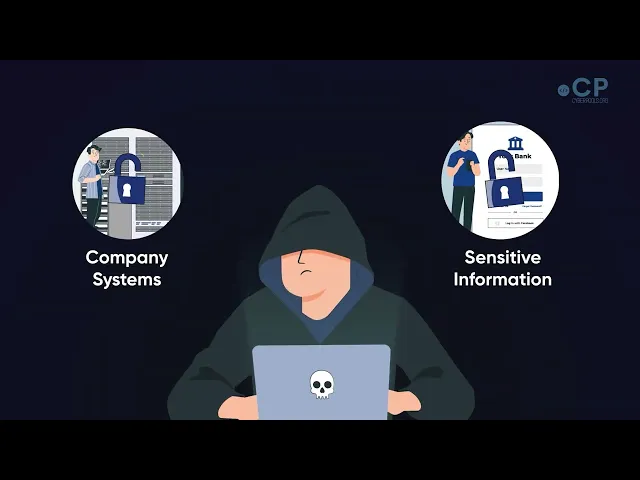
See how HSF helped Cyberpools create a clear, engaging cybersecurity explainer for learners. Watch the video:
Hourly Rates vs Project Pricing in the USA
Education video budgets in the USA are typically structured around project-based pricing, but hourly billing still applies in specific scenarios. Hourly rates are most commonly used for ongoing edits, content updates, or modular learning assets where the scope may change over time. An experienced animated video company or production partner will usually recommend hourly pricing when flexibility and speed are more important than fixed deliverables.
Agency Hourly Rates
Typical range: $100 to $149 per hour in 2026
This model works best for revisions, LMS content updates, localization changes, or extending existing videos without restarting full production.
In-House Video Team Costs
Approximate cost: $90,000 annually, including equipment
Hiring an internal videographer offers faster turnaround and full creative control but comes with fixed salary costs, equipment investment, and limited scalability compared to outsourcing specialized projects.
Editing Only Costs
Typical range: $30 to $200+ per hour
Editing-only services are ideal when schools or EdTech teams already have footage. Rates vary based on editor experience, complexity of graphics, and turnaround requirements.
Hidden Costs Schools and EdTech Companies Often Miss
Many schools and EdTech teams focus only on production quotes, but important costs often surface later in the process. Planning ahead helps avoid budget surprises and protects learning outcomes. To clarify the full picture and get expert guidance, book a call with HSF before finalizing your video budget. These are the hidden costs education buyers should plan for early.
Scriptwriting and instructional design: Often accounting for 25–30 percent of the total budget, this phase ensures content accuracy, learner clarity, and alignment with curriculum standards and measurable outcomes.
Localization and multilingual delivery: Adding subtitles or voiceovers for multiple languages can increase overall costs by 30–70 percent, especially when cultural adaptation and quality assurance are required.
Revision limits and scope creep: Most professional contracts cap revisions, and additional feedback cycles or late changes can quickly raise costs beyond the original project scope.
Platform formatting and LMS integration: Preparing videos for different platforms, resolutions, and LMS requirements adds technical effort that is frequently underestimated during initial budgeting.
Read more: How Schools Can Showcase Student Achievements Through Video
Cost Comparison: USA Production vs Offshore Teams
Many USA schools and EdTech brands choose to outsource video production to offshore teams to balance quality, speed, and budget. Rising agency rates in the United States have pushed education buyers to look for global partners who can deliver the same instructional standards at a lower cost. Offshore production is especially attractive for animation, e learning modules, and large content libraries where scale and consistency matter.
When managed well, global teams offer strong quality control through defined workflows, dedicated project managers, and clear review processes. Time zone overlap allows overnight progress, helping accelerate timelines, while structured communication ensures feedback cycles remain smooth and predictable.
Quick Comparison
USA-based agencies: Higher hourly costs, in-person collaboration, and premium pricing for senior talent
Global studios: Greater cost efficiency, access to experienced specialists, scalable teams, and consistent output for long-term education programs
How to Choose the Right Video Budget for Your Use Case
For admissions and enrollment videos, budgets should focus on storytelling quality, emotional connection, and production polish. These videos shape first impressions and directly influence decision-making, making business video services with strong creative direction a worthwhile investment for schools and universities.
Course content and LMS videos require a different approach. Here, clarity, consistency, and scalability matter more than cinematic visuals. Investing in reusable formats and instructional design delivers long-term ROI by supporting multiple cohorts and reducing future content updates.
EdTech product onboarding and grant-funded or district-wide rollouts demand ROI driven budgeting. Higher upfront investment ensures platform adoption, user retention, and compliance at scale. When budgets align with learning outcomes and distribution lifespan, video becomes a strategic asset rather than a one-time expense.
Read more: How to Use Video to Promote School Admissions
Realistic Budget Examples for 2026
Understanding pricing becomes easier when costs are viewed through real-world education scenarios. Video budgets should always reflect content purpose, production complexity, and expected lifespan. When aligned correctly, investment supports learning outcomes and long-term value. These are the realistic budget examples schools and EdTech teams can expect in 2026.
One-minute animated course intro: Typically costs $1,400 to $5,000, depending on visual style, scripting depth, custom illustrations, and animation complexity used to explain abstract concepts clearly.
Five lecture videos for LMS: Usually range from $1,500 to $6,000 total, based on filming setup, editing requirements, captioning needs, and consistency across multiple modules.
Admissions campaign with mixed formats: Commonly costs $15,000 to $35,000, combining live action filming, motion graphics, testimonials, and post-production optimized for web and social platforms.
Why Schools and EdTech Brands Choose House Sparrow Films
House Sparrow Films is a trusted global partner for USA schools, districts, and EdTech companies seeking reliable, scalable education video solutions. With deep experience in learning focused storytelling, HSF delivers content that meets instructional goals, accessibility standards, and long term usability. From animated explainers and LMS videos to admissions campaigns, every project is guided by clear outcomes and structured production workflows.
If you are evaluating “how much do school & EdTech videos cost in the USA,” HSF helps simplify the process with transparent pricing, strategic guidance, and flexible production models. By combining senior talent, global delivery, and education expertise, House Sparrow Films enables institutions to achieve strong ROI while maintaining quality, compliance, and consistency across growing video libraries.
Conclusion
Understanding education video pricing requires looking beyond surface-level costs and focusing on long-term value. There is no single answer to “how much do school & EdTech videos cost in the USA?” because budgets depend on format, purpose, scalability, and learning impact. Schools and EdTech companies that plan strategically are better positioned to control costs, maintain quality, and deliver consistent learning experiences across platforms and audiences.
Choosing the lowest-priced option often leads to limited engagement, rework, or content that cannot scale. Prioritizing learning outcomes, accessibility, and reuse ensures stronger ROI over time. With expert planning and the right production partner, video becomes a cost-efficient asset rather than an expense. If you are planning your next education video project, connect with us at House Sparrow Films to explore smart, outcome-driven production strategies.
FAQs
1. How long does it take to produce a school or EdTech video in the USA?
Timelines typically range from one to eight weeks, depending on video length, format, approvals, and the number of revision cycles involved.
2. Are animated educational videos more expensive than live-action videos?
Animation often costs more upfront, but it offers better scalability, reuse, and flexibility, making it cost-effective for long-term learning programs.
3. Can schools use AI-generated videos for learning content?
AI videos work well for simple, script-driven topics, but they may lack engagement for complex concepts or student-facing curriculum.
4. Do education videos need to meet accessibility requirements?
Yes, most school and EdTech videos must include captions, transcripts, and ADA-compliant features to ensure equal access for all learners.
5. How can schools reduce video production costs without losing quality?
Strategic planning, clear scripting, reusable formats, and working with experienced education-focused production partners help control costs while maintaining quality.
Key takeaways
Costs vary widely based on video type, complexity, and instructional design depth.
Simple AI or lecture videos suit budgets, but premium learning needs investment.
Pre-production planning significantly impacts outcomes, costs, and long-term educational effectiveness for institutions.
Interactive and animated content costs more, yet improves engagement and learner retention.
Global production partners offer quality, scalability, and cost efficiency for USA institutions.
Video content is no longer optional in today’s classrooms. It has become essential. According to ScreenPal, 88% of educators report that video technology is critical for teaching and learning, and more than half plan to increase video usage as digital classrooms continue to expand. From flipped classrooms and blended learning to on-demand concept reinforcement, schools, districts, and EdTech platforms now rely heavily on video to improve engagement and learning outcomes.
If you are wondering “how much do school & EdTech videos cost in the USA?”, the answer is not straightforward. Pricing varies widely based on video format, production depth, and instructional goals, ranging from basic lecture recordings to interactive animated content. This complexity often creates confusion during budgeting. This 2026 guide breaks down realistic cost ranges and decision factors to help education leaders plan video investments with confidence.
Understanding the USA School & EdTech Video Market in 2026
In 2026, buyers in the USA education sector evaluate video projects very differently from typical marketing teams. For schools and EdTech companies, the main consideration is how content supports instructional clarity, learner engagement, compliance, and long-term usability, rather than just audience reach or brand appeal. Videos must be clear, accessible, compliant with federal and state regulations, and designed to integrate with learning management systems to serve diverse student needs.
Education buyers also focus heavily on scalability, reuse, and measurement of learning outcomes. Demand remains strong for digital content across remote and hybrid learning, admissions storytelling, and LMS-integrated course modules, reflecting broader digital transformation in education. According to Exbo Group, EdTech market investment and digital education content spending continue to grow, with platforms investing more in scalable and data-driven video content to meet learner needs. These trends make video an increasingly strategic asset for schools and EdTech platforms.
Read more: How EdTech Platforms Can Use Video to Improve Course Completion Rates
What Influences School & EdTech Video Costs in the USA
There is no fixed answer to the question “how much do school & EdTech videos cost in the USA?” because pricing is shaped by multiple strategic and technical factors. Unlike general marketing videos, education-focused content must meet learning objectives, accessibility standards, and long-term usability requirements. Each decision made during planning and production directly impacts the final cost, which is why similar-looking videos can have very different budgets.
Core Cost Factors
Production quality expectations, such as lighting, animation detail, sound design, and visual polish
Audience type, including K-12 students, higher education learners, or enterprise training audiences
Distribution platforms such as LMS platforms, school websites, YouTube, or internal learning portals
Accessibility requirements, including captions, transcripts, screen reader support, and ADA compliance
These cost drivers are closely tied to outcomes. Higher investment typically leads to clearer instruction, better learner engagement, and scalable content that can be reused across courses, campuses, or platforms. For schools and EdTech companies, the right budget is not just about production value but about achieving measurable educational impact.
Cost Breakdown by Video Type Per Finished Minute
Most USA agencies price education content using a per finished minute model. This approach reflects the total effort required to plan, produce, and deliver one minute of usable video, including scripting, design, production, and post-production. While it may seem simple, this pricing structure accounts for vastly different workloads behind the scenes. When evaluating video production services, schools and EdTech companies should remember that a single minute of video can involve hours of instructional design, animation, filming, and revisions, depending on the format.
Video Type | Typical Cost Range | Best Use Case |
AI Synthetic Videos | $40–$125 | Scripted explainers, internal training |
Talking Head or Lecture | $60–$1,000+ | Faculty lessons, webinars |
Infographic Videos | $700–$2,100 | Data-driven learning content |
Animated Educational Videos | $1,400–$5,000 | Course modules, concepts |
Interactive E Learning | $1,500–$2,700+ | Assessments, branching logic |
Complex or 3D Animation | $10,000–$20,000+ | Flagship programs, simulations |
Lower-cost formats like AI-generated or simple lecture videos work well for information-heavy, repeatable content where speed and scale matter more than engagement. However, these formats often fall short when teaching abstract concepts, onboarding learners, or driving long-term retention. Higher investment formats such as animation and interactive learning deliver stronger engagement and comprehension, making them better suited for core curriculum, admissions storytelling, and premium EdTech offerings.
Production Cost Tiers for USA Education Video Projects
Most agencies price education videos using a project-based model rather than hourly billing. This approach provides schools and EdTech brands with clear scope, timelines, and deliverables upfront. A professional school & EdTech video production company evaluates factors such as content length, format, production complexity, and instructional goals to define the total project cost. Project-based pricing also helps institutions avoid budget overruns while ensuring consistency across multiple videos or course modules.
Basic Tier Projects
Budget range: $1,000 to $8,000
This tier is best suited for short tutorials, internal training videos, and simple classroom content. Production typically involves a minimal crew, straightforward filming setups, and basic motion graphics, making it ideal for quick turnaround and foundational learning needs.
Mid-Range Tier Projects
Budget range: $8,000 to $25,000
Mid-range projects are commonly used for school admissions videos, EdTech product demos, and course introductions. These projects include professional lighting, custom animation, and structured instructional design to improve clarity and learner engagement.
Premium Tier Projects
Budget range: $25,000 to $50,000+
Premium projects are designed for universities, district-wide initiatives, and well-funded EdTech brands. They often involve multi-location shoots, cinematic equipment, professional talent, and high end post production to support large-scale visibility and long term use.
See how HSF helped Cyberpools create a clear, engaging cybersecurity explainer for learners. Watch the video:
Hourly Rates vs Project Pricing in the USA
Education video budgets in the USA are typically structured around project-based pricing, but hourly billing still applies in specific scenarios. Hourly rates are most commonly used for ongoing edits, content updates, or modular learning assets where the scope may change over time. An experienced animated video company or production partner will usually recommend hourly pricing when flexibility and speed are more important than fixed deliverables.
Agency Hourly Rates
Typical range: $100 to $149 per hour in 2026
This model works best for revisions, LMS content updates, localization changes, or extending existing videos without restarting full production.
In-House Video Team Costs
Approximate cost: $90,000 annually, including equipment
Hiring an internal videographer offers faster turnaround and full creative control but comes with fixed salary costs, equipment investment, and limited scalability compared to outsourcing specialized projects.
Editing Only Costs
Typical range: $30 to $200+ per hour
Editing-only services are ideal when schools or EdTech teams already have footage. Rates vary based on editor experience, complexity of graphics, and turnaround requirements.
Hidden Costs Schools and EdTech Companies Often Miss
Many schools and EdTech teams focus only on production quotes, but important costs often surface later in the process. Planning ahead helps avoid budget surprises and protects learning outcomes. To clarify the full picture and get expert guidance, book a call with HSF before finalizing your video budget. These are the hidden costs education buyers should plan for early.
Scriptwriting and instructional design: Often accounting for 25–30 percent of the total budget, this phase ensures content accuracy, learner clarity, and alignment with curriculum standards and measurable outcomes.
Localization and multilingual delivery: Adding subtitles or voiceovers for multiple languages can increase overall costs by 30–70 percent, especially when cultural adaptation and quality assurance are required.
Revision limits and scope creep: Most professional contracts cap revisions, and additional feedback cycles or late changes can quickly raise costs beyond the original project scope.
Platform formatting and LMS integration: Preparing videos for different platforms, resolutions, and LMS requirements adds technical effort that is frequently underestimated during initial budgeting.
Read more: How Schools Can Showcase Student Achievements Through Video
Cost Comparison: USA Production vs Offshore Teams
Many USA schools and EdTech brands choose to outsource video production to offshore teams to balance quality, speed, and budget. Rising agency rates in the United States have pushed education buyers to look for global partners who can deliver the same instructional standards at a lower cost. Offshore production is especially attractive for animation, e learning modules, and large content libraries where scale and consistency matter.
When managed well, global teams offer strong quality control through defined workflows, dedicated project managers, and clear review processes. Time zone overlap allows overnight progress, helping accelerate timelines, while structured communication ensures feedback cycles remain smooth and predictable.
Quick Comparison
USA-based agencies: Higher hourly costs, in-person collaboration, and premium pricing for senior talent
Global studios: Greater cost efficiency, access to experienced specialists, scalable teams, and consistent output for long-term education programs
How to Choose the Right Video Budget for Your Use Case
For admissions and enrollment videos, budgets should focus on storytelling quality, emotional connection, and production polish. These videos shape first impressions and directly influence decision-making, making business video services with strong creative direction a worthwhile investment for schools and universities.
Course content and LMS videos require a different approach. Here, clarity, consistency, and scalability matter more than cinematic visuals. Investing in reusable formats and instructional design delivers long-term ROI by supporting multiple cohorts and reducing future content updates.
EdTech product onboarding and grant-funded or district-wide rollouts demand ROI driven budgeting. Higher upfront investment ensures platform adoption, user retention, and compliance at scale. When budgets align with learning outcomes and distribution lifespan, video becomes a strategic asset rather than a one-time expense.
Read more: How to Use Video to Promote School Admissions
Realistic Budget Examples for 2026
Understanding pricing becomes easier when costs are viewed through real-world education scenarios. Video budgets should always reflect content purpose, production complexity, and expected lifespan. When aligned correctly, investment supports learning outcomes and long-term value. These are the realistic budget examples schools and EdTech teams can expect in 2026.
One-minute animated course intro: Typically costs $1,400 to $5,000, depending on visual style, scripting depth, custom illustrations, and animation complexity used to explain abstract concepts clearly.
Five lecture videos for LMS: Usually range from $1,500 to $6,000 total, based on filming setup, editing requirements, captioning needs, and consistency across multiple modules.
Admissions campaign with mixed formats: Commonly costs $15,000 to $35,000, combining live action filming, motion graphics, testimonials, and post-production optimized for web and social platforms.
Why Schools and EdTech Brands Choose House Sparrow Films
House Sparrow Films is a trusted global partner for USA schools, districts, and EdTech companies seeking reliable, scalable education video solutions. With deep experience in learning focused storytelling, HSF delivers content that meets instructional goals, accessibility standards, and long term usability. From animated explainers and LMS videos to admissions campaigns, every project is guided by clear outcomes and structured production workflows.
If you are evaluating “how much do school & EdTech videos cost in the USA,” HSF helps simplify the process with transparent pricing, strategic guidance, and flexible production models. By combining senior talent, global delivery, and education expertise, House Sparrow Films enables institutions to achieve strong ROI while maintaining quality, compliance, and consistency across growing video libraries.
Conclusion
Understanding education video pricing requires looking beyond surface-level costs and focusing on long-term value. There is no single answer to “how much do school & EdTech videos cost in the USA?” because budgets depend on format, purpose, scalability, and learning impact. Schools and EdTech companies that plan strategically are better positioned to control costs, maintain quality, and deliver consistent learning experiences across platforms and audiences.
Choosing the lowest-priced option often leads to limited engagement, rework, or content that cannot scale. Prioritizing learning outcomes, accessibility, and reuse ensures stronger ROI over time. With expert planning and the right production partner, video becomes a cost-efficient asset rather than an expense. If you are planning your next education video project, connect with us at House Sparrow Films to explore smart, outcome-driven production strategies.
FAQs
1. How long does it take to produce a school or EdTech video in the USA?
Timelines typically range from one to eight weeks, depending on video length, format, approvals, and the number of revision cycles involved.
2. Are animated educational videos more expensive than live-action videos?
Animation often costs more upfront, but it offers better scalability, reuse, and flexibility, making it cost-effective for long-term learning programs.
3. Can schools use AI-generated videos for learning content?
AI videos work well for simple, script-driven topics, but they may lack engagement for complex concepts or student-facing curriculum.
4. Do education videos need to meet accessibility requirements?
Yes, most school and EdTech videos must include captions, transcripts, and ADA-compliant features to ensure equal access for all learners.
5. How can schools reduce video production costs without losing quality?
Strategic planning, clear scripting, reusable formats, and working with experienced education-focused production partners help control costs while maintaining quality.