Key takeaways
Large training video projects succeed when there is clear planning, defined milestones, and structured content mapping before editing begins.
Consistent editing across all videos ensures unified branding, smooth pacing, and professional presentation throughout the series.
Organized workflows, templates, and collaborative tools significantly reduce revision cycles and production delays.
Transparent communication between editors, stakeholders, and subject experts keeps timelines realistic and expectations aligned.
Ongoing quality checks and performance tracking help maintain production standards while improving learning impact and overall results.
High-quality training videos have become essential for large organizations in the USA, driving employee engagement, retention, and measurable learning outcomes. Research shows that video learning significantly improves retention and completion rates compared to traditional methods, with multimedia formats leading to better recall and participation overall
Managing a large-scale project involving 20 training videos demands more than just creativity; it requires meticulous planning, consistency, and technical expertise to ensure every video meets strategic learning objectives. From scripting to post-production, teams benefit from specialised resources like bulk video editing services that streamline workflows and maintain quality across the entire series. This level of coordination ensures consistent delivery, clear messaging, and a unified learner experience.
Why Large Training Video Projects Require Specialized Management
Managing a large set of training videos, such as a 20-video series for different departments or learning modules, introduces layers of complexity that go far beyond a single production. According to the Wyzowl Corporate Video Statistics 2026 report, 91% of businesses use video as a marketing and communication tool, and a growing number rely on it for internal training and education.
When multiple deliverables are produced simultaneously, timelines overlap, feedback cycles multiply, and maintaining consistent quality becomes challenging. Each video may involve different subject matter experts, scripts, formats, and review processes. Without structured management and a centralized editing approach, inconsistencies in tone, branding, and technical output can quickly emerge.
A dedicated training video editor plays a critical role in maintaining uniform standards across 20 or more videos. From color grading and audio balancing to motion graphics and formatting for distribution platforms, the editor ensures every video aligns with brand guidelines and learning objectives.
Key Challenges in Large Training Projects:
Maintaining brand and content consistency across all videos
Coordinating with multiple stakeholders and departments
Managing tight production schedules and revision cycles
Ensuring technical standards for LMS platforms, YouTube, and internal portals
Specialized management ensures that large-scale training initiatives remain structured, consistent, and impactful.
Read more: How to Build a Scalable Corporate Video Training Program
Planning Your Training Video Project
Effective planning is the foundation of any large training video initiative. When managing 20 videos, pre-production becomes the most important stage. Clearly defined objectives, approved scripts, and structured review processes help prevent delays and costly revisions later. Organizations that invest in structured corporate video production packages often benefit from predefined workflows that support scalability, consistency, and efficiency from the start.
Content Mapping
Each video should support a defined learning outcome and target audience. A structured roadmap keeps production aligned with business goals.
Video No. | Topic Area | Learning Objective | Duration | Status |
1–5 | Onboarding Basics | Introduce policies and company culture | 5–7 min | Script Phase |
6–10 | Compliance Training | Explain regulations and safety standards | 6–8 min | Pre-Prod |
11–15 | Product Knowledge | Improve sales and support expertise | 7–10 min | Filming |
16–20 | Leadership Skills | Strengthen management capabilities | 8–12 min | Editing |
Timeline Management
Structured scheduling reduces overlap and bottlenecks.
Phase | Week 1 | Week 2 | Week 3 | Week 4 | Week 5 | Week 6 |
Script Approval | Yes | |||||
Filming | Yes | Yes | ||||
Editing | Yes | Yes | Yes | |||
Final Review | Yes | Yes |
Resource Allocation
Efficient delegation improves productivity and quality.
Dedicated editor to maintain consistency across all videos
Voice-over artist aligned with brand tone
Motion graphics specialist for branded templates
Project manager to coordinate approvals and timelines
Strong pre-production planning ensures smooth execution, controlled budgets, and consistent results across all 20 training videos.
Role of a Training Video Editor in Large Projects
In a large training initiative involving 20 or more videos, the training video editor serves as the quality controller and workflow anchor. While production teams capture footage, the editor ensures that every module aligns with learning objectives, brand standards, and platform requirements. Managing multiple videos simultaneously demands structured organization, consistent templates, and precise version control to avoid confusion during revisions.
Video remains one of the most engaging learning formats. According to HubSpot’s Video Marketing Statistics 2026, businesses report higher engagement and improved understanding when using video content for communication and training.
When overseeing a 20-video series, the editor’s responsibilities extend beyond basic cutting and trimming. Key tasks include:
Footage Review and Quality Check: Evaluating raw clips for clarity, framing, lighting, and audio consistency before beginning the editing process.
Editing and Synchronization: Cutting, trimming, sequencing visuals, and synchronizing audio tracks to ensure smooth and professional storytelling.
Branding and Visual Enhancement: Adding captions, lower thirds, animations, and branded graphics that reinforce identity and learning clarity.
Style Consistency Across Videos: Maintaining uniform pacing, transitions, fonts, and color grading across all 20 modules.
Stakeholder Coordination: Collaborating with project managers and subject matter experts to implement structured feedback efficiently.
A skilled editor protects both timelines and quality standards while ensuring a cohesive learner experience.
Looking for a professional training video editor for your large-scale project? Schedule a consultation with House Sparrow Films today for expert guidance.
Streamlining Workflow for Multiple Video Projects
When managing a multi-video training initiative, having a clear and repeatable workflow becomes essential. In large scale training video production, inefficiencies quickly multiply across 20 or more deliverables. A structured system ensures that editing, feedback, and approvals move forward smoothly without compromising quality. The sections below explain the key workflow strategies that support scalable execution:
Batch Editing and Templating:
Batch editing allows teams to apply standardized elements such as branded intros, outros, lower thirds, and transitions across multiple videos at once. By creating reusable templates for graphics and animations, editors reduce repetitive work and maintain consistent visual identity across the entire training series.
Cloud-Based Collaboration for Feedback:
Cloud-based review platforms enable stakeholders to provide timestamped feedback directly on video drafts. This minimizes long email threads and reduces confusion during revisions. Real-time collaboration keeps editors, project managers, and subject matter experts aligned throughout production.
Version Control and File Management:
Large projects generate extensive assets, including raw footage, audio tracks, graphics, and multiple edit versions. Organized folder structures and clear file naming conventions prevent errors and ensure that only the most recent approved version advances to final delivery.
Review and Approval Cycles with Clients:
Defining structured checkpoints for rough cuts, revised edits, and final approval helps maintain accountability. Clear timelines and documented feedback prevent scope creep, protect deadlines, and ensure the full 20-video training project progresses efficiently.
Maintaining Quality and Consistency Across Videos
In large training initiatives, consistency directly impacts credibility and learner engagement. When delivering 20 videos as part of a structured program, every module must feel connected in tone, design, and technical quality. This is especially critical in enterprise video editing USA, where organizations expect high production standards aligned with corporate branding and compliance requirements.
A detailed style guide serves as the foundation for consistency. It defines approved fonts, color palettes, logo placements, transition styles, and motion graphic standards. Brand templates further streamline editing by ensuring each video begins and ends with uniform visual elements. Beyond visual identity, structured quality checks at every milestone prevent errors from multiplying across the full series.
Practical Tips for Maintaining Consistency
Use consistent intros and outros across all training modules
Standardize colors, fonts, and motion graphics to reflect brand guidelines
Maintain audio consistency in volume levels, background music, and voice clarity
Regularly review progress against defined KPIs such as completion rates and engagement metrics
Quality Checklist Framework
A structured quality framework ensures every video contributes to a cohesive, professional training experience while meeting enterprise standards.
Category | Key Checks |
Video | Resolution consistency, color grading uniformity, smooth transitions |
Audio | Balanced sound levels, noise reduction, clear voice-over quality |
Branding | Logo placement accuracy, font consistency, correct color usage |
Accessibility | Accurate captions, readable text size, proper contrast levels |
Engagement | Clear pacing, relevant visuals, alignment with learning objectives |
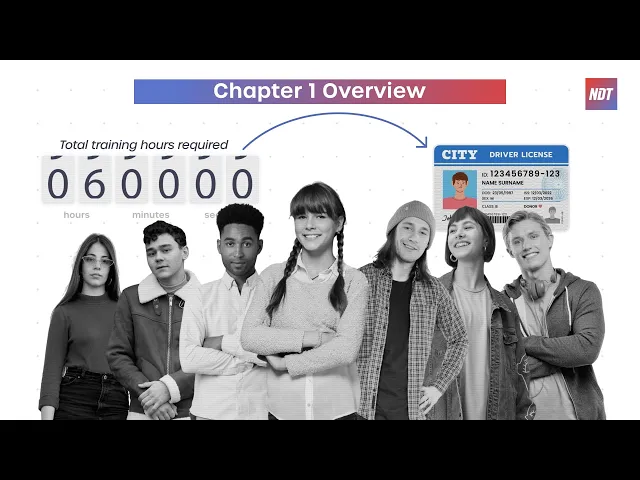
See how HSF helped NDT create a structured training summary format that ensured consistent delivery, clear learning flow, and scalable editing across multiple modules:
Managing Deadlines and Client Expectations
Meeting deadlines in a 20-video training project requires proactive communication and structured approvals. A top corporate training video production company understands that clarity prevents delays and protects client relationships. Weekly progress updates keep stakeholders informed about timelines, challenges, and next steps. Clearly defined milestone approvals for scripts, rough cuts, and final edits ensure alignment before moving forward. Transparent discussions about revisions, scope changes, and feedback timelines reduce misunderstandings and maintain trust, helping the entire project stay organized, efficient, and delivery-focused from start to finish.
Read more: The Role of Corporate Training Videos in Change Management
Tools and Technologies for Large-Scale Video Editing
Managing 20 training videos simultaneously requires a strong technical ecosystem that supports speed, precision, and collaboration. The right combination of editing software, review platforms, and storage systems ensures consistent output while reducing delays. For complex training programs, technology must support high-resolution footage, multiple timelines, and structured feedback cycles without disrupting workflow efficiency.
Professional editing platforms remain central to execution:
Adobe Premiere Pro: Advanced multi-sequence editing, detailed color correction, audio balancing, and seamless integration with motion graphics tools.
Final Cut Pro: Optimized media management, high-performance rendering, and efficient organization of large project libraries.
Collaboration and review tools streamline stakeholder communication:
Frame.io: Time-coded feedback system that centralizes comments and accelerates structured approval workflows.
Vimeo: Secure sharing platform for draft reviews, internal presentations, and client approvals.
Secure storage solutions protect project assets:
Cloud Storage Systems: Organized file management, secure access control, and reliable backup for large video files.
Automation and Batch Editing Features
Automation tools significantly improve productivity in multi-video projects. Features such as preset templates, automated captions, batch color grading, and simultaneous exporting reduce repetitive work. By applying standardized branding elements and effects across multiple videos at once, editors maintain consistency while accelerating turnaround times for large-scale training programs.
Measuring Success and ROI for Training Videos
Measuring performance is essential to justify investment in multi-video course production and ensure training objectives are achieved. Organizations should track engagement metrics such as video views and completion rates to evaluate how effectively employees consume the content. High completion percentages typically indicate structured pacing and relevant material, while drop-off points reveal areas that require refinement.
Beyond engagement, knowledge retention and operational impact must be assessed. Learner assessment scores help measure understanding after each module, while feedback surveys provide qualitative insights into clarity and usefulness. Tracking time saved in training processes, reduced onboarding duration, or improved compliance rates helps quantify return on investment and demonstrate the long-term value of structured video training programs.
Read more: The ROI of Corporate Training Videos: What the Data Says
Why Choose House Sparrow Films for Large Training Video Projects
House Sparrow Films brings structured expertise to managing complex, multi-video training initiatives for organizations in the USA and globally. With a dedicated post-production team, standardized editing workflows, and scalable project management systems, HSF ensures consistency across 20 or more training modules. From aligning scripts with learning objectives to maintaining branding uniformity and platform compliance, the team handles every stage with precision. Their experience in coordinating with corporate stakeholders, subject matter experts, and distributed teams allows for streamlined approvals, faster turnaround times, and measurable training impact without compromising quality or deadlines.
Conclusion
Managing a 20-video training initiative requires structured planning, organized workflows, and professional oversight to ensure timely delivery and consistent quality. Without clear coordination, large-scale projects can quickly face delays, miscommunication, and inconsistent branding. Leveraging expert support and reliable bulk video editing services helps streamline processes, maintain technical standards, and protect overall learning objectives.
A trained video editor plays a vital role in preserving visual consistency, audio clarity, and brand alignment across every module. Professional management ensures each video contributes to a cohesive training experience. Start your 20-video training project today with House Sparrow Films. Get in touch for a tailored plan and expert support.
FAQs
1. How long does it take to complete a 20-video training project?
Timelines depend on script readiness, complexity, and revision cycles, but most structured 20-video training projects take 6 to 12 weeks from pre-production to final delivery.
2. Why is a dedicated video editor important for large training projects?
A dedicated editor ensures consistency in branding, pacing, audio quality, and formatting across all videos, preventing inconsistencies that often occur in multi-video productions.
3. What platforms should training videos be optimized for?
Training videos are commonly optimized for LMS platforms, internal portals, corporate intranets, and sometimes YouTube for broader accessibility or onboarding purposes.
4. How can organizations maintain consistency across multiple videos?
Using style guides, branded templates, structured review processes, and centralized editing workflows ensures uniformity across all modules in tone, visuals, and technical quality.
5. How is ROI measured for large training video programs?
ROI is measured through completion rates, learner assessment scores, employee feedback, engagement metrics, and measurable improvements in training efficiency or compliance performance.
Key takeaways
Large training video projects succeed when there is clear planning, defined milestones, and structured content mapping before editing begins.
Consistent editing across all videos ensures unified branding, smooth pacing, and professional presentation throughout the series.
Organized workflows, templates, and collaborative tools significantly reduce revision cycles and production delays.
Transparent communication between editors, stakeholders, and subject experts keeps timelines realistic and expectations aligned.
Ongoing quality checks and performance tracking help maintain production standards while improving learning impact and overall results.
High-quality training videos have become essential for large organizations in the USA, driving employee engagement, retention, and measurable learning outcomes. Research shows that video learning significantly improves retention and completion rates compared to traditional methods, with multimedia formats leading to better recall and participation overall
Managing a large-scale project involving 20 training videos demands more than just creativity; it requires meticulous planning, consistency, and technical expertise to ensure every video meets strategic learning objectives. From scripting to post-production, teams benefit from specialised resources like bulk video editing services that streamline workflows and maintain quality across the entire series. This level of coordination ensures consistent delivery, clear messaging, and a unified learner experience.
Why Large Training Video Projects Require Specialized Management
Managing a large set of training videos, such as a 20-video series for different departments or learning modules, introduces layers of complexity that go far beyond a single production. According to the Wyzowl Corporate Video Statistics 2026 report, 91% of businesses use video as a marketing and communication tool, and a growing number rely on it for internal training and education.
When multiple deliverables are produced simultaneously, timelines overlap, feedback cycles multiply, and maintaining consistent quality becomes challenging. Each video may involve different subject matter experts, scripts, formats, and review processes. Without structured management and a centralized editing approach, inconsistencies in tone, branding, and technical output can quickly emerge.
A dedicated training video editor plays a critical role in maintaining uniform standards across 20 or more videos. From color grading and audio balancing to motion graphics and formatting for distribution platforms, the editor ensures every video aligns with brand guidelines and learning objectives.
Key Challenges in Large Training Projects:
Maintaining brand and content consistency across all videos
Coordinating with multiple stakeholders and departments
Managing tight production schedules and revision cycles
Ensuring technical standards for LMS platforms, YouTube, and internal portals
Specialized management ensures that large-scale training initiatives remain structured, consistent, and impactful.
Read more: How to Build a Scalable Corporate Video Training Program
Planning Your Training Video Project
Effective planning is the foundation of any large training video initiative. When managing 20 videos, pre-production becomes the most important stage. Clearly defined objectives, approved scripts, and structured review processes help prevent delays and costly revisions later. Organizations that invest in structured corporate video production packages often benefit from predefined workflows that support scalability, consistency, and efficiency from the start.
Content Mapping
Each video should support a defined learning outcome and target audience. A structured roadmap keeps production aligned with business goals.
Video No. | Topic Area | Learning Objective | Duration | Status |
1–5 | Onboarding Basics | Introduce policies and company culture | 5–7 min | Script Phase |
6–10 | Compliance Training | Explain regulations and safety standards | 6–8 min | Pre-Prod |
11–15 | Product Knowledge | Improve sales and support expertise | 7–10 min | Filming |
16–20 | Leadership Skills | Strengthen management capabilities | 8–12 min | Editing |
Timeline Management
Structured scheduling reduces overlap and bottlenecks.
Phase | Week 1 | Week 2 | Week 3 | Week 4 | Week 5 | Week 6 |
Script Approval | Yes | |||||
Filming | Yes | Yes | ||||
Editing | Yes | Yes | Yes | |||
Final Review | Yes | Yes |
Resource Allocation
Efficient delegation improves productivity and quality.
Dedicated editor to maintain consistency across all videos
Voice-over artist aligned with brand tone
Motion graphics specialist for branded templates
Project manager to coordinate approvals and timelines
Strong pre-production planning ensures smooth execution, controlled budgets, and consistent results across all 20 training videos.
Role of a Training Video Editor in Large Projects
In a large training initiative involving 20 or more videos, the training video editor serves as the quality controller and workflow anchor. While production teams capture footage, the editor ensures that every module aligns with learning objectives, brand standards, and platform requirements. Managing multiple videos simultaneously demands structured organization, consistent templates, and precise version control to avoid confusion during revisions.
Video remains one of the most engaging learning formats. According to HubSpot’s Video Marketing Statistics 2026, businesses report higher engagement and improved understanding when using video content for communication and training.
When overseeing a 20-video series, the editor’s responsibilities extend beyond basic cutting and trimming. Key tasks include:
Footage Review and Quality Check: Evaluating raw clips for clarity, framing, lighting, and audio consistency before beginning the editing process.
Editing and Synchronization: Cutting, trimming, sequencing visuals, and synchronizing audio tracks to ensure smooth and professional storytelling.
Branding and Visual Enhancement: Adding captions, lower thirds, animations, and branded graphics that reinforce identity and learning clarity.
Style Consistency Across Videos: Maintaining uniform pacing, transitions, fonts, and color grading across all 20 modules.
Stakeholder Coordination: Collaborating with project managers and subject matter experts to implement structured feedback efficiently.
A skilled editor protects both timelines and quality standards while ensuring a cohesive learner experience.
Looking for a professional training video editor for your large-scale project? Schedule a consultation with House Sparrow Films today for expert guidance.
Streamlining Workflow for Multiple Video Projects
When managing a multi-video training initiative, having a clear and repeatable workflow becomes essential. In large scale training video production, inefficiencies quickly multiply across 20 or more deliverables. A structured system ensures that editing, feedback, and approvals move forward smoothly without compromising quality. The sections below explain the key workflow strategies that support scalable execution:
Batch Editing and Templating:
Batch editing allows teams to apply standardized elements such as branded intros, outros, lower thirds, and transitions across multiple videos at once. By creating reusable templates for graphics and animations, editors reduce repetitive work and maintain consistent visual identity across the entire training series.
Cloud-Based Collaboration for Feedback:
Cloud-based review platforms enable stakeholders to provide timestamped feedback directly on video drafts. This minimizes long email threads and reduces confusion during revisions. Real-time collaboration keeps editors, project managers, and subject matter experts aligned throughout production.
Version Control and File Management:
Large projects generate extensive assets, including raw footage, audio tracks, graphics, and multiple edit versions. Organized folder structures and clear file naming conventions prevent errors and ensure that only the most recent approved version advances to final delivery.
Review and Approval Cycles with Clients:
Defining structured checkpoints for rough cuts, revised edits, and final approval helps maintain accountability. Clear timelines and documented feedback prevent scope creep, protect deadlines, and ensure the full 20-video training project progresses efficiently.
Maintaining Quality and Consistency Across Videos
In large training initiatives, consistency directly impacts credibility and learner engagement. When delivering 20 videos as part of a structured program, every module must feel connected in tone, design, and technical quality. This is especially critical in enterprise video editing USA, where organizations expect high production standards aligned with corporate branding and compliance requirements.
A detailed style guide serves as the foundation for consistency. It defines approved fonts, color palettes, logo placements, transition styles, and motion graphic standards. Brand templates further streamline editing by ensuring each video begins and ends with uniform visual elements. Beyond visual identity, structured quality checks at every milestone prevent errors from multiplying across the full series.
Practical Tips for Maintaining Consistency
Use consistent intros and outros across all training modules
Standardize colors, fonts, and motion graphics to reflect brand guidelines
Maintain audio consistency in volume levels, background music, and voice clarity
Regularly review progress against defined KPIs such as completion rates and engagement metrics
Quality Checklist Framework
A structured quality framework ensures every video contributes to a cohesive, professional training experience while meeting enterprise standards.
Category | Key Checks |
Video | Resolution consistency, color grading uniformity, smooth transitions |
Audio | Balanced sound levels, noise reduction, clear voice-over quality |
Branding | Logo placement accuracy, font consistency, correct color usage |
Accessibility | Accurate captions, readable text size, proper contrast levels |
Engagement | Clear pacing, relevant visuals, alignment with learning objectives |
See how HSF helped NDT create a structured training summary format that ensured consistent delivery, clear learning flow, and scalable editing across multiple modules:
Managing Deadlines and Client Expectations
Meeting deadlines in a 20-video training project requires proactive communication and structured approvals. A top corporate training video production company understands that clarity prevents delays and protects client relationships. Weekly progress updates keep stakeholders informed about timelines, challenges, and next steps. Clearly defined milestone approvals for scripts, rough cuts, and final edits ensure alignment before moving forward. Transparent discussions about revisions, scope changes, and feedback timelines reduce misunderstandings and maintain trust, helping the entire project stay organized, efficient, and delivery-focused from start to finish.
Read more: The Role of Corporate Training Videos in Change Management
Tools and Technologies for Large-Scale Video Editing
Managing 20 training videos simultaneously requires a strong technical ecosystem that supports speed, precision, and collaboration. The right combination of editing software, review platforms, and storage systems ensures consistent output while reducing delays. For complex training programs, technology must support high-resolution footage, multiple timelines, and structured feedback cycles without disrupting workflow efficiency.
Professional editing platforms remain central to execution:
Adobe Premiere Pro: Advanced multi-sequence editing, detailed color correction, audio balancing, and seamless integration with motion graphics tools.
Final Cut Pro: Optimized media management, high-performance rendering, and efficient organization of large project libraries.
Collaboration and review tools streamline stakeholder communication:
Frame.io: Time-coded feedback system that centralizes comments and accelerates structured approval workflows.
Vimeo: Secure sharing platform for draft reviews, internal presentations, and client approvals.
Secure storage solutions protect project assets:
Cloud Storage Systems: Organized file management, secure access control, and reliable backup for large video files.
Automation and Batch Editing Features
Automation tools significantly improve productivity in multi-video projects. Features such as preset templates, automated captions, batch color grading, and simultaneous exporting reduce repetitive work. By applying standardized branding elements and effects across multiple videos at once, editors maintain consistency while accelerating turnaround times for large-scale training programs.
Measuring Success and ROI for Training Videos
Measuring performance is essential to justify investment in multi-video course production and ensure training objectives are achieved. Organizations should track engagement metrics such as video views and completion rates to evaluate how effectively employees consume the content. High completion percentages typically indicate structured pacing and relevant material, while drop-off points reveal areas that require refinement.
Beyond engagement, knowledge retention and operational impact must be assessed. Learner assessment scores help measure understanding after each module, while feedback surveys provide qualitative insights into clarity and usefulness. Tracking time saved in training processes, reduced onboarding duration, or improved compliance rates helps quantify return on investment and demonstrate the long-term value of structured video training programs.
Read more: The ROI of Corporate Training Videos: What the Data Says
Why Choose House Sparrow Films for Large Training Video Projects
House Sparrow Films brings structured expertise to managing complex, multi-video training initiatives for organizations in the USA and globally. With a dedicated post-production team, standardized editing workflows, and scalable project management systems, HSF ensures consistency across 20 or more training modules. From aligning scripts with learning objectives to maintaining branding uniformity and platform compliance, the team handles every stage with precision. Their experience in coordinating with corporate stakeholders, subject matter experts, and distributed teams allows for streamlined approvals, faster turnaround times, and measurable training impact without compromising quality or deadlines.
Conclusion
Managing a 20-video training initiative requires structured planning, organized workflows, and professional oversight to ensure timely delivery and consistent quality. Without clear coordination, large-scale projects can quickly face delays, miscommunication, and inconsistent branding. Leveraging expert support and reliable bulk video editing services helps streamline processes, maintain technical standards, and protect overall learning objectives.
A trained video editor plays a vital role in preserving visual consistency, audio clarity, and brand alignment across every module. Professional management ensures each video contributes to a cohesive training experience. Start your 20-video training project today with House Sparrow Films. Get in touch for a tailored plan and expert support.
FAQs
1. How long does it take to complete a 20-video training project?
Timelines depend on script readiness, complexity, and revision cycles, but most structured 20-video training projects take 6 to 12 weeks from pre-production to final delivery.
2. Why is a dedicated video editor important for large training projects?
A dedicated editor ensures consistency in branding, pacing, audio quality, and formatting across all videos, preventing inconsistencies that often occur in multi-video productions.
3. What platforms should training videos be optimized for?
Training videos are commonly optimized for LMS platforms, internal portals, corporate intranets, and sometimes YouTube for broader accessibility or onboarding purposes.
4. How can organizations maintain consistency across multiple videos?
Using style guides, branded templates, structured review processes, and centralized editing workflows ensures uniformity across all modules in tone, visuals, and technical quality.
5. How is ROI measured for large training video programs?
ROI is measured through completion rates, learner assessment scores, employee feedback, engagement metrics, and measurable improvements in training efficiency or compliance performance.