Key takeaways
Blended learning combines flexible self-paced videos with structured live instructor-led training.
Video-based learning improves engagement, consistency, and knowledge retention across distributed teams.
LMS platforms enable scalable delivery, tracking, and management of blended training programs.
Interactive video features increase participation, measure performance, and support continuous learning.
Professionally produced videos enhance credibility, reduce training effort, and support long-term growth.
In 2026, US companies are balancing self-paced learning with instructor-led sessions so training fits hybrid schedules and busy teams across roles. Many programs now pair short video modules with live virtual classrooms, then reinforce skills on the job. Robert Half data shows that only 19 percent of professionals prefer fully in-office roles, while 50 percent prefer hybrid and 25 percent prefer fully remote work. This shift is forcing training teams to redesign how learning is delivered and supported across locations.
Blended learning video solutions for US companies make this model easier to manage and scale. Video keeps messaging consistent across teams, while VILT adds coaching, discussion, and accountability. When professionally produced content connects with an LMS, organizations gain better engagement, clear progress tracking, and faster updates without rebuilding entire training programs.
What Is Blended Learning in Corporate Training?
Blended learning in corporate training combines digital learning with live instruction to support how modern teams actually work. US enterprises use this approach to give employees flexibility while keeping human interaction and accountability in place. When supported by professional video production services, blended learning becomes easier to scale and more consistent across departments and locations.
Defining Blended Learning for US Enterprises
Blended learning brings multiple training formats into one structured program.
It typically includes:
Self-paced video modules that employees can complete on their own schedule
Virtual Instructor-Led Training sessions that allow live discussion and coaching
Live workshops and assessments that reinforce skills and measure understanding
Video acts as the backbone of this model by delivering consistent instruction before, during, and after live sessions.
Why Video Is Central to Blended Learning Models
Video ensures the same message reaches every learner regardless of location. Content can be reused, updated, and scaled without repeating instructor time. Compared to text-only materials, video improves clarity, engagement, and long-term knowledge retention.
Read more: Microlearning vs. Traditional Learning: Which is Better?
Why US Companies Are Investing in Blended Learning Video Solutions
US organizations are adopting blended learning to match how teams work today across offices, homes, and field locations. Training leaders now expect flexible programs that scale without losing quality. Many turn to a top L&D video production agency to ensure content stays consistent, engaging, and measurable. These are the main drivers and benefits behind this shift.
Remote and Hybrid Teams: Distributed workforces need training that fits different schedules and locations. Blended learning allows employees to learn independently while still joining live sessions for alignment, collaboration, and support.
Distributed Leadership and Frontline Staff: Managers and frontline teams often work across regions. Video-based training delivers the same message everywhere, while live sessions help leaders coach teams without travel delays.
Continuous Upskilling Requirements: Roles change faster than before. Blended programs make it easier to update skills regularly using short videos and targeted live training instead of full retraining cycles.
Reduced Training Costs Over Time: Reusable video content lowers repeat instructor hours, travel expenses, and scheduling effort while still supporting live interaction when it adds real value.
Faster Onboarding Cycles: New hires can start learning immediately through video modules, then join live sessions to ask questions, apply knowledge, and reach productivity sooner.
Measurable Learning Outcomes: Video analytics show completion engagement and knowledge gaps, helping HR and L&D teams improve programs using real data instead of assumptions.
Core Components of Blended Learning Video Solutions
Blended learning works best when every part supports both flexibility and structure. Teams that want reliable outcomes often start by aligning content delivery tools with clear learning goals. Book a call with HSF to plan video-led training that fits your LMS setup and workforce needs.
Self-Paced Video Learning Modules
These modules allow employees to learn independently while maintaining structure and consistency across the organization.
Pre-recorded explainers that introduce concepts, policies, and tools clearly
Scenario-based learning videos that show real workplace situations and decision-making
Animated process walkthroughs that simplify complex workflows and systems
Microlearning videos designed for quick skill refreshers and just-in-time learning
Compliance and policy videos that ensure consistent understanding across teams
Video Instructor-Led Training (VILT)
Video Instructor-Led Training combines live virtual sessions with professionally produced video content to create structured interactive learning. Pre-session videos set context, while live instruction focuses on discussion, coaching, and application. Breakout rooms, polls, and real-time Q&A keep learners engaged and accountable. This format helps teams align quickly while preserving the flexibility required for hybrid and remote work environments.
Centralized Learning Management Systems (LMS)
Learning management systems act as the delivery backbone for blended learning video programs. They organize content, schedule live sessions, and track learner progress in one place.
By connecting video assessments and VILT sessions inside an LMS, companies maintain consistency, measure results, and scale training without increasing complexity.
Read more: Creating L&D Videos for Remote and Hybrid Teams
Top LMS Platforms Used by US Companies for Video-Centric Blended Learning
US companies rely on LMS platforms that support high-quality video delivery alongside live training and assessments. When working with an animated video company, it is important that the LMS supports reliable hosting, analytics, and virtual classroom integrations. Below are widely used platforms that power video-driven blended learning programs.
LMS Platform | Key Video Capabilities | Best Use Case |
Docebo | VILT integrations, advanced analytics | Large enterprises |
TalentLMS | Built-in video hosting and playback | SMBs and mid-market teams |
Absorb LMS | Personalized video learning paths | Compliance and role-based training |
360Learning | Peer-created and collaborative video content | Team-led learning programs |
iSpring Learn | PowerPoint to video conversion | Rapid course deployment |
Specialized Blended Learning Content & Strategy Providers in the US
Below are leading US providers that support blended learning through strategy consulting, instructional design, and scalable content development for enterprise and mid-market training programs.
1. ELM Learning
ELM Learning designs enterprise blended programs focused on performance outcomes, combining strategy, instructional design, and digital content to support long term workforce capability building.
Focus Areas
Enterprise blended learning design
Performance-driven learning strategies
Industry-specific training programs
Scalable learning architecture
Strengths
Consulting-led engagement model
Experience with large technology organizations
Strong alignment to business outcomes
Custom curriculum development
Typical Use Cases
Leadership development initiatives
Technical skills training programs
Organization-wide change efforts
Long-term learning roadmaps
2. Allen Interactions
Allen Interactions specializes in performance-based learning experiences that emphasize behavior change, practical application, and measurable improvement through blended instructional approaches.
Focus Areas
Performance-based instructional design
Interactive learning experiences
Scenario-driven skill development
Applied learning models
Strengths
Deep instructional design expertise
Proven performance improvement frameworks
Strong assessment integration
Learner-centered methodologies
Typical Use Cases
Sales and customer service training
Manager effectiveness programs
Compliance requiring behavior change
Skill reinforcement initiatives
3. EI Design
EI Design builds high-impact blended learning journeys that balance video microlearning, virtual instruction, and informal learning to support continuous workforce development.
Focus Areas
End-to-end blended learning journeys
Video-based microlearning content
Digital learning transformation
Informal and social learning
Strengths
Flexible delivery models
Focus on learner engagement
Analytics-driven optimization
Global delivery experience
Typical Use Cases
Workforce upskilling programs
Role-based learning paths
Product and process training
Continuous learning ecosystems
4. SweetRush
SweetRush delivers creative blended learning solutions that combine strong visual storytelling with instructional strategy to improve engagement, motivation, and learning retention.
Focus Areas
Creative blended learning design
Digital and instructor-led integration
Brand-aligned learning experiences
Learner experience design
Strengths
High-quality visual storytelling
Strong creative and design teams
Focus on learner motivation
Strategic learning partnerships
Typical Use Cases
Culture and values training
Leadership and soft skills programs
Change management initiatives
Employer brand-aligned learning
5. Tortal Training
Tortal Training supports blended learning programs with LMS-integrated design, video-centric content, and data driven strategy for scalable enterprise training delivery.
Focus Areas
LMS-integrated blended learning
Video-centric course design
Data-driven learning strategy
Scalable enterprise programs
Strengths
Strong LMS platform experience
Emphasis on analytics and reporting
Modular content structures
Long-term program support
Typical Use Cases
Enterprise-wide training rollouts
Ongoing professional development
Compliance-driven learning programs
Distributed workforce training
Core Video Features That Make Blended Learning Effective
Effective blended learning relies on video capabilities that support interaction, measurement, and flexibility. When supported by reliable business video services, these features help organizations deliver consistent training experiences while adapting to different roles, work environments, and schedules.
Virtual Classrooms
Virtual classrooms bring live instruction into blended programs through real-time engagement. Learners interact using shared whiteboards, collaborate in breakout rooms, and respond to polls that help instructors guide sessions and clarify understanding instantly.
Interactive Video Elements
Interactive video transforms passive viewing into active learning. Embedded quizzes, clickable hotspots, and scenario-based branching keep learners involved while reinforcing decision-making and real-world application throughout the video experience.
Video Analytics & Learner Insights
Analytics provide visibility into how training content performs. Completion tracking, engagement heatmaps, and drop-off analysis help L&D teams understand learner behavior, identify gaps, and continuously improve content effectiveness.
Mobile-First Accessibility
Mobile-first design ensures training fits modern workflows. Learners access content on phones and tablets, while offline viewing supports field teams and remote staff without consistent connectivity.
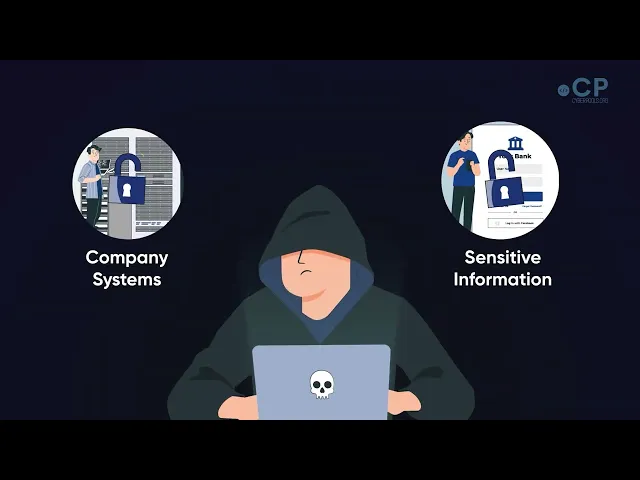
See how HSF helped Cyberpools simplify a complex security topic using a clear instructional video that improves awareness and learner retention. Watch the video:
Types of Videos Used in Corporate Blended Learning Programs
Corporate blended learning programs use different video formats to support instruction, engagement, reinforcement, and assessment across roles, teams, and training goals. These are the most commonly used video types.
Instructor-led session recordings: Recorded live training sessions that allow learners to revisit explanations, reinforce concepts, and catch up on missed instruction.
Microlearning videos: Short, focused videos designed to teach one concept or skill quickly, supporting just-in-time learning and better knowledge retention.
Animated policy explainers: Visual videos that simplify complex policies, procedures, or guidelines, making them easier to understand and remember.
Leadership and soft skills training videos: Scenario-driven videos that develop communication decision making empathy, and people management skills.
Compliance and safety walkthroughs: Step-by-step videos that demonstrate correct procedures, reduce risk, and support consistent compliance across teams.
How US Companies Measure ROI from Blended Learning Video Solutions
US companies track blended learning success using performance and business impact metrics to justify training spend and guide future investments. Learning performance is often measured by completion rates and knowledge retention scores, which show how well employees absorb and apply training. A Training Magazine Industry Report found that organizations using video-based learning saw 42 percent improvement in learner retention compared to text-only methods.
Completion rates indicate learner engagement with required modules, while retention scores help L&D teams refine content quality and sequence. These metrics give leaders confidence that training is working and worth the investment.
Business impact is measured through reduced onboarding time, faster role readiness, and lower retraining costs. When new hires climb the productivity curve sooner, teams perform better, and training budgets go further. Decision makers use these ROI insights to secure ongoing support for blended learning programs.
Why Professional Video Production Matters in Blended Learning
Professional video production shapes how learners engage with blended learning programs and how seriously they take the training. High-quality content supports clarity, consistency, and trust across digital and live learning environments.
Production Quality and Credibility
Strong production quality ensures learners stay focused and confident in the training experience.
Clear audio supports understanding without distraction
Professional visuals keep attention and reinforce key messages
Structured storytelling improves flow and concept clarity
Consistent branding increases credibility and trust
Instructional Design Meets Visual Design
When learning design and visuals work together, training becomes easier to follow and apply.
Alignment with learning objectives keeps the content goal focused
Reduced cognitive overload improves information processing
Visual hierarchy guides learners through complex topics
Balanced pacing supports retention and real-world application
Read more: Why L&D Videos Are the Backbone of Continuous Learning Culture
Why US Companies Partner with House Sparrow Films for Blended Learning Videos
House Sparrow Films supports US companies by creating blended learning videos that align with real workplace needs and modern training structures. Experience with global corporate clients helps shape content that works across roles, locations, and learning formats. Each project focuses on clarity, consistency, and practical application within blended learning programs.
The team understands US corporate training standards and how learning content fits into compliance-driven and performance-focused environments. Scalable video production workflows allow programs to grow without quality loss. Close collaboration with LMS teams and L&D leaders ensures smooth integration, reliable delivery, and long-term usability across evolving training ecosystems.
Conclusion
Blended learning video solutions for US companies now sit at the center of modern training strategies. By combining self-paced video modules with live instruction, organizations support flexible schedules while maintaining structure and accountability. Video ensures consistent delivery across locations, improves learner engagement, and allows programs to scale without repeating instructor effort. Integrated analytics also help L&D teams measure impact and continuously improve training outcomes.
Choosing the right video production partner is essential for long-term success. House Sparrow Films supports organizations with scalable, high-quality learning videos aligned to real training goals. Contact us to discuss corporate learning video requirements or request a consultation to build blended learning programs that deliver measurable results.
FAQs
What is blended learning in corporate training?
Blended learning combines self-paced video modules with live instructor sessions, giving employees flexibility while maintaining interaction, accountability, and consistent training delivery across distributed teams.Why is video essential in blended learning programs?
Video improves engagement consistency and retention, supports scalable delivery through LMS platforms, and allows organizations to update content quickly without repeating instructor effort time costs.How do companies measure ROI from blended learning videos?
ROI is measured using completion rates, knowledge retention, onboarding speed, role readiness, and reduced retraining costs linked to business performance improvements over long term periods.Why does professional video production matter for training?
Professional production ensures clear audiovisuals and structure, reducing cognitive overload, building trust, and delivering consistent learning experiences across self-paced and live training sessions.How should companies choose a blended learning video partner?
Choose a partner with L&D expertise, LMS collaboration, scalable workflows, and experience delivering measurable outcomes for hybrid US workforces across diverse industries, roles, teams, and environments.
Key takeaways
Blended learning combines flexible self-paced videos with structured live instructor-led training.
Video-based learning improves engagement, consistency, and knowledge retention across distributed teams.
LMS platforms enable scalable delivery, tracking, and management of blended training programs.
Interactive video features increase participation, measure performance, and support continuous learning.
Professionally produced videos enhance credibility, reduce training effort, and support long-term growth.
In 2026, US companies are balancing self-paced learning with instructor-led sessions so training fits hybrid schedules and busy teams across roles. Many programs now pair short video modules with live virtual classrooms, then reinforce skills on the job. Robert Half data shows that only 19 percent of professionals prefer fully in-office roles, while 50 percent prefer hybrid and 25 percent prefer fully remote work. This shift is forcing training teams to redesign how learning is delivered and supported across locations.
Blended learning video solutions for US companies make this model easier to manage and scale. Video keeps messaging consistent across teams, while VILT adds coaching, discussion, and accountability. When professionally produced content connects with an LMS, organizations gain better engagement, clear progress tracking, and faster updates without rebuilding entire training programs.
What Is Blended Learning in Corporate Training?
Blended learning in corporate training combines digital learning with live instruction to support how modern teams actually work. US enterprises use this approach to give employees flexibility while keeping human interaction and accountability in place. When supported by professional video production services, blended learning becomes easier to scale and more consistent across departments and locations.
Defining Blended Learning for US Enterprises
Blended learning brings multiple training formats into one structured program.
It typically includes:
Self-paced video modules that employees can complete on their own schedule
Virtual Instructor-Led Training sessions that allow live discussion and coaching
Live workshops and assessments that reinforce skills and measure understanding
Video acts as the backbone of this model by delivering consistent instruction before, during, and after live sessions.
Why Video Is Central to Blended Learning Models
Video ensures the same message reaches every learner regardless of location. Content can be reused, updated, and scaled without repeating instructor time. Compared to text-only materials, video improves clarity, engagement, and long-term knowledge retention.
Read more: Microlearning vs. Traditional Learning: Which is Better?
Why US Companies Are Investing in Blended Learning Video Solutions
US organizations are adopting blended learning to match how teams work today across offices, homes, and field locations. Training leaders now expect flexible programs that scale without losing quality. Many turn to a top L&D video production agency to ensure content stays consistent, engaging, and measurable. These are the main drivers and benefits behind this shift.
Remote and Hybrid Teams: Distributed workforces need training that fits different schedules and locations. Blended learning allows employees to learn independently while still joining live sessions for alignment, collaboration, and support.
Distributed Leadership and Frontline Staff: Managers and frontline teams often work across regions. Video-based training delivers the same message everywhere, while live sessions help leaders coach teams without travel delays.
Continuous Upskilling Requirements: Roles change faster than before. Blended programs make it easier to update skills regularly using short videos and targeted live training instead of full retraining cycles.
Reduced Training Costs Over Time: Reusable video content lowers repeat instructor hours, travel expenses, and scheduling effort while still supporting live interaction when it adds real value.
Faster Onboarding Cycles: New hires can start learning immediately through video modules, then join live sessions to ask questions, apply knowledge, and reach productivity sooner.
Measurable Learning Outcomes: Video analytics show completion engagement and knowledge gaps, helping HR and L&D teams improve programs using real data instead of assumptions.
Core Components of Blended Learning Video Solutions
Blended learning works best when every part supports both flexibility and structure. Teams that want reliable outcomes often start by aligning content delivery tools with clear learning goals. Book a call with HSF to plan video-led training that fits your LMS setup and workforce needs.
Self-Paced Video Learning Modules
These modules allow employees to learn independently while maintaining structure and consistency across the organization.
Pre-recorded explainers that introduce concepts, policies, and tools clearly
Scenario-based learning videos that show real workplace situations and decision-making
Animated process walkthroughs that simplify complex workflows and systems
Microlearning videos designed for quick skill refreshers and just-in-time learning
Compliance and policy videos that ensure consistent understanding across teams
Video Instructor-Led Training (VILT)
Video Instructor-Led Training combines live virtual sessions with professionally produced video content to create structured interactive learning. Pre-session videos set context, while live instruction focuses on discussion, coaching, and application. Breakout rooms, polls, and real-time Q&A keep learners engaged and accountable. This format helps teams align quickly while preserving the flexibility required for hybrid and remote work environments.
Centralized Learning Management Systems (LMS)
Learning management systems act as the delivery backbone for blended learning video programs. They organize content, schedule live sessions, and track learner progress in one place.
By connecting video assessments and VILT sessions inside an LMS, companies maintain consistency, measure results, and scale training without increasing complexity.
Read more: Creating L&D Videos for Remote and Hybrid Teams
Top LMS Platforms Used by US Companies for Video-Centric Blended Learning
US companies rely on LMS platforms that support high-quality video delivery alongside live training and assessments. When working with an animated video company, it is important that the LMS supports reliable hosting, analytics, and virtual classroom integrations. Below are widely used platforms that power video-driven blended learning programs.
LMS Platform | Key Video Capabilities | Best Use Case |
Docebo | VILT integrations, advanced analytics | Large enterprises |
TalentLMS | Built-in video hosting and playback | SMBs and mid-market teams |
Absorb LMS | Personalized video learning paths | Compliance and role-based training |
360Learning | Peer-created and collaborative video content | Team-led learning programs |
iSpring Learn | PowerPoint to video conversion | Rapid course deployment |
Specialized Blended Learning Content & Strategy Providers in the US
Below are leading US providers that support blended learning through strategy consulting, instructional design, and scalable content development for enterprise and mid-market training programs.
1. ELM Learning
ELM Learning designs enterprise blended programs focused on performance outcomes, combining strategy, instructional design, and digital content to support long term workforce capability building.
Focus Areas
Enterprise blended learning design
Performance-driven learning strategies
Industry-specific training programs
Scalable learning architecture
Strengths
Consulting-led engagement model
Experience with large technology organizations
Strong alignment to business outcomes
Custom curriculum development
Typical Use Cases
Leadership development initiatives
Technical skills training programs
Organization-wide change efforts
Long-term learning roadmaps
2. Allen Interactions
Allen Interactions specializes in performance-based learning experiences that emphasize behavior change, practical application, and measurable improvement through blended instructional approaches.
Focus Areas
Performance-based instructional design
Interactive learning experiences
Scenario-driven skill development
Applied learning models
Strengths
Deep instructional design expertise
Proven performance improvement frameworks
Strong assessment integration
Learner-centered methodologies
Typical Use Cases
Sales and customer service training
Manager effectiveness programs
Compliance requiring behavior change
Skill reinforcement initiatives
3. EI Design
EI Design builds high-impact blended learning journeys that balance video microlearning, virtual instruction, and informal learning to support continuous workforce development.
Focus Areas
End-to-end blended learning journeys
Video-based microlearning content
Digital learning transformation
Informal and social learning
Strengths
Flexible delivery models
Focus on learner engagement
Analytics-driven optimization
Global delivery experience
Typical Use Cases
Workforce upskilling programs
Role-based learning paths
Product and process training
Continuous learning ecosystems
4. SweetRush
SweetRush delivers creative blended learning solutions that combine strong visual storytelling with instructional strategy to improve engagement, motivation, and learning retention.
Focus Areas
Creative blended learning design
Digital and instructor-led integration
Brand-aligned learning experiences
Learner experience design
Strengths
High-quality visual storytelling
Strong creative and design teams
Focus on learner motivation
Strategic learning partnerships
Typical Use Cases
Culture and values training
Leadership and soft skills programs
Change management initiatives
Employer brand-aligned learning
5. Tortal Training
Tortal Training supports blended learning programs with LMS-integrated design, video-centric content, and data driven strategy for scalable enterprise training delivery.
Focus Areas
LMS-integrated blended learning
Video-centric course design
Data-driven learning strategy
Scalable enterprise programs
Strengths
Strong LMS platform experience
Emphasis on analytics and reporting
Modular content structures
Long-term program support
Typical Use Cases
Enterprise-wide training rollouts
Ongoing professional development
Compliance-driven learning programs
Distributed workforce training
Core Video Features That Make Blended Learning Effective
Effective blended learning relies on video capabilities that support interaction, measurement, and flexibility. When supported by reliable business video services, these features help organizations deliver consistent training experiences while adapting to different roles, work environments, and schedules.
Virtual Classrooms
Virtual classrooms bring live instruction into blended programs through real-time engagement. Learners interact using shared whiteboards, collaborate in breakout rooms, and respond to polls that help instructors guide sessions and clarify understanding instantly.
Interactive Video Elements
Interactive video transforms passive viewing into active learning. Embedded quizzes, clickable hotspots, and scenario-based branching keep learners involved while reinforcing decision-making and real-world application throughout the video experience.
Video Analytics & Learner Insights
Analytics provide visibility into how training content performs. Completion tracking, engagement heatmaps, and drop-off analysis help L&D teams understand learner behavior, identify gaps, and continuously improve content effectiveness.
Mobile-First Accessibility
Mobile-first design ensures training fits modern workflows. Learners access content on phones and tablets, while offline viewing supports field teams and remote staff without consistent connectivity.
See how HSF helped Cyberpools simplify a complex security topic using a clear instructional video that improves awareness and learner retention. Watch the video:
Types of Videos Used in Corporate Blended Learning Programs
Corporate blended learning programs use different video formats to support instruction, engagement, reinforcement, and assessment across roles, teams, and training goals. These are the most commonly used video types.
Instructor-led session recordings: Recorded live training sessions that allow learners to revisit explanations, reinforce concepts, and catch up on missed instruction.
Microlearning videos: Short, focused videos designed to teach one concept or skill quickly, supporting just-in-time learning and better knowledge retention.
Animated policy explainers: Visual videos that simplify complex policies, procedures, or guidelines, making them easier to understand and remember.
Leadership and soft skills training videos: Scenario-driven videos that develop communication decision making empathy, and people management skills.
Compliance and safety walkthroughs: Step-by-step videos that demonstrate correct procedures, reduce risk, and support consistent compliance across teams.
How US Companies Measure ROI from Blended Learning Video Solutions
US companies track blended learning success using performance and business impact metrics to justify training spend and guide future investments. Learning performance is often measured by completion rates and knowledge retention scores, which show how well employees absorb and apply training. A Training Magazine Industry Report found that organizations using video-based learning saw 42 percent improvement in learner retention compared to text-only methods.
Completion rates indicate learner engagement with required modules, while retention scores help L&D teams refine content quality and sequence. These metrics give leaders confidence that training is working and worth the investment.
Business impact is measured through reduced onboarding time, faster role readiness, and lower retraining costs. When new hires climb the productivity curve sooner, teams perform better, and training budgets go further. Decision makers use these ROI insights to secure ongoing support for blended learning programs.
Why Professional Video Production Matters in Blended Learning
Professional video production shapes how learners engage with blended learning programs and how seriously they take the training. High-quality content supports clarity, consistency, and trust across digital and live learning environments.
Production Quality and Credibility
Strong production quality ensures learners stay focused and confident in the training experience.
Clear audio supports understanding without distraction
Professional visuals keep attention and reinforce key messages
Structured storytelling improves flow and concept clarity
Consistent branding increases credibility and trust
Instructional Design Meets Visual Design
When learning design and visuals work together, training becomes easier to follow and apply.
Alignment with learning objectives keeps the content goal focused
Reduced cognitive overload improves information processing
Visual hierarchy guides learners through complex topics
Balanced pacing supports retention and real-world application
Read more: Why L&D Videos Are the Backbone of Continuous Learning Culture
Why US Companies Partner with House Sparrow Films for Blended Learning Videos
House Sparrow Films supports US companies by creating blended learning videos that align with real workplace needs and modern training structures. Experience with global corporate clients helps shape content that works across roles, locations, and learning formats. Each project focuses on clarity, consistency, and practical application within blended learning programs.
The team understands US corporate training standards and how learning content fits into compliance-driven and performance-focused environments. Scalable video production workflows allow programs to grow without quality loss. Close collaboration with LMS teams and L&D leaders ensures smooth integration, reliable delivery, and long-term usability across evolving training ecosystems.
Conclusion
Blended learning video solutions for US companies now sit at the center of modern training strategies. By combining self-paced video modules with live instruction, organizations support flexible schedules while maintaining structure and accountability. Video ensures consistent delivery across locations, improves learner engagement, and allows programs to scale without repeating instructor effort. Integrated analytics also help L&D teams measure impact and continuously improve training outcomes.
Choosing the right video production partner is essential for long-term success. House Sparrow Films supports organizations with scalable, high-quality learning videos aligned to real training goals. Contact us to discuss corporate learning video requirements or request a consultation to build blended learning programs that deliver measurable results.
FAQs
What is blended learning in corporate training?
Blended learning combines self-paced video modules with live instructor sessions, giving employees flexibility while maintaining interaction, accountability, and consistent training delivery across distributed teams.Why is video essential in blended learning programs?
Video improves engagement consistency and retention, supports scalable delivery through LMS platforms, and allows organizations to update content quickly without repeating instructor effort time costs.How do companies measure ROI from blended learning videos?
ROI is measured using completion rates, knowledge retention, onboarding speed, role readiness, and reduced retraining costs linked to business performance improvements over long term periods.Why does professional video production matter for training?
Professional production ensures clear audiovisuals and structure, reducing cognitive overload, building trust, and delivering consistent learning experiences across self-paced and live training sessions.How should companies choose a blended learning video partner?
Choose a partner with L&D expertise, LMS collaboration, scalable workflows, and experience delivering measurable outcomes for hybrid US workforces across diverse industries, roles, teams, and environments.