Key takeaways
Digital learning videos enable consistent, scalable training for distributed corporate teams.
Short, focused videos improve knowledge retention and reduce employee training fatigue.
Interactive learning videos increase engagement and make training outcomes measurable.
LMS integration centralizes training, compliance tracking, and employee performance insights.
High-quality learning videos lower long-term training costs and support growth.
Training approaches are evolving as hybrid and remote work environments become standard across industries. Organisations need learning formats that are engaging, accessible on-demand, and consistent across locations to support onboarding, compliance, and upskilling efforts. A survey found that 74 percent of companies now use video for employee training delivery, up significantly from previous years, highlighting video’s growing role in corporate learning.
Looking toward 2026, digital learning videos for US corporations are the most scalable and measurable training format available. They allow teams to track completion and engagement, update content quickly without repeated live sessions, and deliver consistent messages across distributed workforces. With flexible access and data-driven insights, video has become central to effective corporate training strategies.
Why Digital Learning Videos Are a Priority for US Corporations in 2026
Digital learning videos are a priority for US corporations in 2026 as training continues to shift from traditional classrooms to on-demand learning models. Hybrid and remote workforces require training that is consistent across locations and accessible at any time. Professional video production services help organisations deliver standardized learning content that maintains quality and clarity for every employee, regardless of where they are based.
At the same time, the rising cost of live trainers, workshops, and repeated in-person sessions has made video a more practical option. Digital learning videos reduce long-term training expenses while offering measurable ROI through completion tracking, engagement metrics, and performance data. These insights allow companies to refine training programs, ensure compliance, and scale learning initiatives with greater efficiency and confidence.
How Digital Learning Videos Support Remote and Hybrid Workforces
Digital learning videos play a critical role in supporting remote and hybrid workforces by providing flexible, on-demand access to training. They help organisations maintain consistency, reduce dependency on live sessions, and ensure employees receive the same information regardless of location or schedule.
Consistent Training Across Time Zones
For distributed teams working across multiple regions, digital learning videos remove time-based barriers to training delivery. Employees can access the same content without coordinating live schedules, ensuring fairness and clarity.
Eliminates scheduling conflicts between regions and shifts
Delivers identical training content to every employee
Maintains consistent messaging across departments and locations
Reduces reliance on repeated live training sessions
Self-Paced Learning for Better Retention
Self-paced video learning allows employees to engage with training in a way that suits their workload and learning style. This flexibility leads to better understanding and long-term knowledge retention.
Employees revisit modules when needed for clarity
Supports learning at individual speed and comfort
Reduces training fatigue caused by long sessions
Improves retention through shorter, focused lessons
Encourages continuous learning without disruption
Key Video Formats Used by US Corporations in 2026
US corporations select video formats based on specific learning goals, workforce size, and training complexity. Some formats work best for quick knowledge updates, while others support deeper engagement or large-scale global delivery. Choosing the right mix improves retention, reduces training time, and supports measurable outcomes. If you are evaluating which formats fit your training strategy, you can schedule a consultation with HSF to plan video learning solutions aligned with your business goals.
1. Microlearning Videos
Microlearning videos deliver short, focused lessons that fit easily into daily workflows. They help employees learn faster while keeping training clear and manageable.
Core focus:
2 to 5-minute focused lessons
One learning objective per video
Clear visual and audio cues
Easy to update content
Effective actions:
Use for compliance updates
Apply to product feature training
Refresh standard operating procedures
Reinforce key policy changes
2. Interactive Learning Videos
Interactive learning videos engage employees by requiring participation instead of passive viewing. They are designed to simulate real workplace decisions.
Core focus:
Scenario-based learning
User-driven progress
Active decision making
Engagement-focused design
Effective actions:
Add embedded quizzes
Create branching story paths
Provide instant feedback
Validate knowledge in real time
3. Explainer and Narrative Training Videos
Explainer and narrative videos simplify complex topics using storytelling and structured visuals. They help align employees with company direction.
Core focus:
Clear storytelling flow
Visual-driven explanations
Consistent tone and messaging
Simplified information delivery
Effective actions:
Communicate policy changes
Share leadership messages
Support culture building
Explain internal processes
4. AI-Generated Avatar Videos
AI-generated avatar videos support scalable and repeatable training delivery across regions. They reduce production timelines and allow rapid content updates.
Core focus:
Digital presenters
Script-based delivery
Consistent visual style
Fast production cycles
Effective actions:
Enable multi-language delivery
Update content without reshoots
Scale training globally
Standardize learning experiences
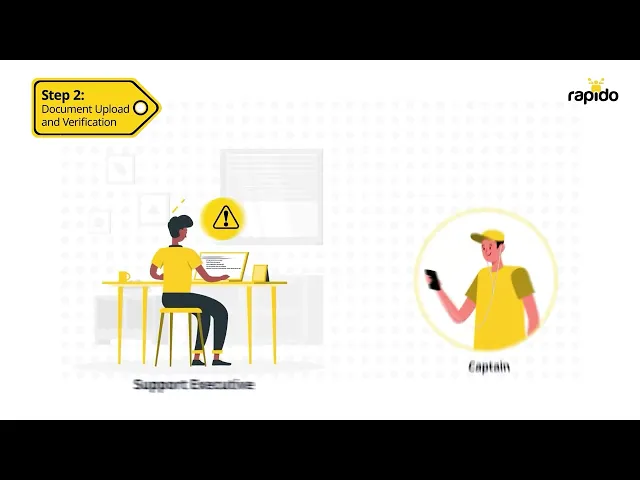
See how HSF helped Rapido deliver a scalable L&D training video that supports consistent learning across teams and simplifies employee onboarding:
Popular Learning Platforms Used by US Corporations
US corporations increasingly rely on third-party learning platforms to support scalable workforce training. These platforms provide structured learning paths, consistent content delivery, and measurable progress tracking. When paired with L&D video production, organisations can combine platform-based courses with custom video training that reflects internal processes, tools, and compliance requirements. This blended approach helps teams maintain relevance while scaling learning across locations.
1. House Sparrow Films
A custom training video partner focused on creating learning content that integrates seamlessly with corporate LMS platforms and internal training strategies.
Custom L&D video production for corporate teams
Training content aligned with business workflows
LMS-compatible video formats
Scalable and easy to update learning assets
2. LinkedIn Learning
A widely adopted learning platform offering professional development resources for corporate employees across roles and industries.
Large professional skills library
Leadership and management-focused courses
Self-paced learning paths
Easy integration with corporate LMS systems
3. Coursera for Business
An enterprise learning platform designed to support structured upskilling initiatives and role-based learning programs.
Enterprise-grade learning paths
Content from Google, Salesforce, and top universities
Skill-focused certification programs
Analytics for learning progress tracking
4. Grow with Google
A skills-based learning initiative focused on practical certifications and job-ready digital capabilities.
Certificate-based learning programs
AI and digital skills for 2026
Short, practical course formats
Career-relevant skill development
5. edX for Business
A professional development platform offering academic-level learning designed for corporate environments.
University-level professional development
Programs backed by Harvard and MIT
Advanced subject matter depth
Structured learning pathways
Software Used for Creating Custom Corporate Learning Videos
Custom video creation gives US corporations a clear competitive advantage by allowing training content to align directly with internal workflows, tools, and compliance needs. Instead of relying only on generic courses, companies can design learning experiences that reflect real workplace scenarios. When supported by an experienced animated video company, these tools help transform complex topics into engaging, repeatable training assets that scale across teams. The right software also makes it easier to update content, track engagement, and integrate videos into existing LMS environments.
Tool | Best Use Case | Key Strength |
Connecteam | Internal training videos | Built-in quizzes and tracking |
D-ID | AI avatar training | Rapid content updates |
LearnWorlds | Interactive learning | Advanced engagement tools |
Panopto | Webinar capture | Searchable video libraries |
Strategic Role of LMS in Digital Learning Video Programs
A Learning Management System acts as the central command center for corporate video-based training programs. It connects learning content with employee data, performance goals, and compliance requirements in one structured environment. By integrating digital learning videos into an LMS, organisations gain visibility, control, and consistency across training initiatives. These are the key roles an LMS plays in supporting effective digital learning video programs.
Video completion tracking: Captures who watched each training video, completion status, progress timing, and repeat views to help teams measure engagement and identify learning gaps accurately.
Compliance monitoring: Maintains verified records of mandatory training completion, certification status, and renewal timelines to support audits, regulatory requirements, and internal governance processes.
Performance alignment: Connects training video completion data with employee performance reviews, skill assessments, and development plans to support informed talent management decisions.
Centralized content management: Stores all learning videos, updates, and versions in one system, ensuring employees always access current and approved training materials.
Learning analytics and reporting: Provides dashboards and reports that show engagement trends, training effectiveness, and knowledge gaps to support continuous improvement strategies.
LMS and Video Integration Benefits
LMS and video integration centralize learning records, simplify compliance audits, and provide clear visibility into training performance. By combining engagement data with completion metrics, organizations can identify skill gaps, improve content quality, and continuously optimize learning programs based on real employee behavior and outcomes.
Read more: The Role of Video-Based Learning in Employee Skill Development
Measuring ROI of Digital Learning Videos
Digital learning videos help organizations connect training efforts directly to measurable business outcomes. Leaders now evaluate ROI based on performance impact rather than participation alone. As the Association for Talent Development (ATD) emphasizes, “Training delivers value only when learning translates into improved performance.” This perspective has reshaped how corporations assess the effectiveness of digital training initiatives.
Key metrics corporations track include completion rates, knowledge retention, reduced onboarding time, and compliance pass rates. Long-term cost efficiency is also critical. One-time production enables videos to be reused across departments and locations, lowering recurring training costs while maintaining consistent learning quality and measurable impact.
Read more: Why CFOs Should Care About ROI from Training Videos
How to Choose the Right Video Production Partner
Selecting the right partner is critical for building effective corporate learning programs that scale. Beyond visuals, companies must evaluate strategic capability, training expertise, and long-term support. Reliable business video services should align with learning goals, compliance standards, and enterprise operations. These are the key factors organisations should evaluate before selecting a production partner.
Corporate learning experience: Demonstrated experience producing corporate training videos, understanding employee learning behavior, compliance-driven content, and the ability to translate complex business processes into clear learning narratives.
Instructional design capability: Ability to structure content around defined learning objectives, ensure knowledge retention, and align video storytelling with measurable outcomes that support employee performance and development goals.
Scalability and localization: Proven capability to deploy training videos across regions, adapt content for different cultures, and support multilingual delivery without compromising consistency or instructional quality.
Future of Digital Learning Videos for US Corporations
Corporate learning strategies are evolving rapidly as organizations prepare for more complex, distributed, and skills-driven workforces. Digital learning videos will continue to move beyond static content toward adaptive learning experiences that respond to individual employee needs. AI-driven personalization will tailor video content based on roles, performance data, and learning history, making training more relevant and effective.
In the coming years, role-based learning paths and deeper LMS analytics will help organizations connect training directly to business outcomes. Increased use of interactive simulations will allow employees to practice real scenarios in a safe environment, improving decision-making, retention, and long-term workforce readiness across US corporations.
Read more: How to Measure the Effectiveness of L&D Videos
Why US Corporations Partner with House Sparrow Films
House Sparrow Films works closely with US corporations to design digital learning videos that align with real business goals, not generic training templates. The team understands how corporate learning connects with compliance, leadership development, onboarding, and performance improvement. Every project begins with clear learning objectives, audience analysis, and a structured content approach that supports long-term scalability.
With experience delivering projects for global teams, House Sparrow Films combines strong instructional storytelling with reliable production workflows. From concept development to final delivery, the focus stays on clarity, engagement, and consistency across platforms. This approach helps corporations deploy learning videos confidently across hybrid workforces while maintaining quality, accuracy, and measurable training outcomes.
Conclusion
Digital learning videos for US corporations have become essential for delivering consistent, scalable, and measurable training across modern workforces. As organizations manage hybrid teams, evolving compliance needs, and ongoing upskilling demands, video-based learning offers flexibility, clarity, and long term value. When structured with clear learning objectives, video content helps teams stay aligned with business goals while improving engagement and retention.
To achieve strong results, companies should approach video learning as a strategic investment rather than a one-time effort. Professionally produced content supports scalability, consistency, and measurable outcomes across departments and locations. If you are planning to strengthen your training strategy, reach out to House Sparrow Films to discuss how custom learning videos can support your corporate learning goals.
FAQs
What are digital learning videos used for in corporate training?
They are used for onboarding, compliance training, leadership development, product education, and continuous upskilling across distributed and hybrid corporate teams.How do digital learning videos support remote employees?
They provide on-demand access to consistent training content, allowing employees to learn independently without time zone conflicts or repeated live sessions.Can digital learning videos integrate with existing LMS platforms?
Yes, most professionally produced learning videos are designed to integrate seamlessly with LMS platforms for tracking completion, engagement, and compliance records.How do companies measure the effectiveness of learning videos?
Effectiveness is measured using completion rates, engagement data, knowledge assessments, onboarding speed, and compliance pass rates across departments.Are digital learning videos cost-effective for large organizations?Yes, one-time production allows reuse across teams and locations, reducing recurring training costs while maintaining consistent quality and measurable learning outcomes.
Key takeaways
Digital learning videos enable consistent, scalable training for distributed corporate teams.
Short, focused videos improve knowledge retention and reduce employee training fatigue.
Interactive learning videos increase engagement and make training outcomes measurable.
LMS integration centralizes training, compliance tracking, and employee performance insights.
High-quality learning videos lower long-term training costs and support growth.
Training approaches are evolving as hybrid and remote work environments become standard across industries. Organisations need learning formats that are engaging, accessible on-demand, and consistent across locations to support onboarding, compliance, and upskilling efforts. A survey found that 74 percent of companies now use video for employee training delivery, up significantly from previous years, highlighting video’s growing role in corporate learning.
Looking toward 2026, digital learning videos for US corporations are the most scalable and measurable training format available. They allow teams to track completion and engagement, update content quickly without repeated live sessions, and deliver consistent messages across distributed workforces. With flexible access and data-driven insights, video has become central to effective corporate training strategies.
Why Digital Learning Videos Are a Priority for US Corporations in 2026
Digital learning videos are a priority for US corporations in 2026 as training continues to shift from traditional classrooms to on-demand learning models. Hybrid and remote workforces require training that is consistent across locations and accessible at any time. Professional video production services help organisations deliver standardized learning content that maintains quality and clarity for every employee, regardless of where they are based.
At the same time, the rising cost of live trainers, workshops, and repeated in-person sessions has made video a more practical option. Digital learning videos reduce long-term training expenses while offering measurable ROI through completion tracking, engagement metrics, and performance data. These insights allow companies to refine training programs, ensure compliance, and scale learning initiatives with greater efficiency and confidence.
How Digital Learning Videos Support Remote and Hybrid Workforces
Digital learning videos play a critical role in supporting remote and hybrid workforces by providing flexible, on-demand access to training. They help organisations maintain consistency, reduce dependency on live sessions, and ensure employees receive the same information regardless of location or schedule.
Consistent Training Across Time Zones
For distributed teams working across multiple regions, digital learning videos remove time-based barriers to training delivery. Employees can access the same content without coordinating live schedules, ensuring fairness and clarity.
Eliminates scheduling conflicts between regions and shifts
Delivers identical training content to every employee
Maintains consistent messaging across departments and locations
Reduces reliance on repeated live training sessions
Self-Paced Learning for Better Retention
Self-paced video learning allows employees to engage with training in a way that suits their workload and learning style. This flexibility leads to better understanding and long-term knowledge retention.
Employees revisit modules when needed for clarity
Supports learning at individual speed and comfort
Reduces training fatigue caused by long sessions
Improves retention through shorter, focused lessons
Encourages continuous learning without disruption
Key Video Formats Used by US Corporations in 2026
US corporations select video formats based on specific learning goals, workforce size, and training complexity. Some formats work best for quick knowledge updates, while others support deeper engagement or large-scale global delivery. Choosing the right mix improves retention, reduces training time, and supports measurable outcomes. If you are evaluating which formats fit your training strategy, you can schedule a consultation with HSF to plan video learning solutions aligned with your business goals.
1. Microlearning Videos
Microlearning videos deliver short, focused lessons that fit easily into daily workflows. They help employees learn faster while keeping training clear and manageable.
Core focus:
2 to 5-minute focused lessons
One learning objective per video
Clear visual and audio cues
Easy to update content
Effective actions:
Use for compliance updates
Apply to product feature training
Refresh standard operating procedures
Reinforce key policy changes
2. Interactive Learning Videos
Interactive learning videos engage employees by requiring participation instead of passive viewing. They are designed to simulate real workplace decisions.
Core focus:
Scenario-based learning
User-driven progress
Active decision making
Engagement-focused design
Effective actions:
Add embedded quizzes
Create branching story paths
Provide instant feedback
Validate knowledge in real time
3. Explainer and Narrative Training Videos
Explainer and narrative videos simplify complex topics using storytelling and structured visuals. They help align employees with company direction.
Core focus:
Clear storytelling flow
Visual-driven explanations
Consistent tone and messaging
Simplified information delivery
Effective actions:
Communicate policy changes
Share leadership messages
Support culture building
Explain internal processes
4. AI-Generated Avatar Videos
AI-generated avatar videos support scalable and repeatable training delivery across regions. They reduce production timelines and allow rapid content updates.
Core focus:
Digital presenters
Script-based delivery
Consistent visual style
Fast production cycles
Effective actions:
Enable multi-language delivery
Update content without reshoots
Scale training globally
Standardize learning experiences
See how HSF helped Rapido deliver a scalable L&D training video that supports consistent learning across teams and simplifies employee onboarding:
Popular Learning Platforms Used by US Corporations
US corporations increasingly rely on third-party learning platforms to support scalable workforce training. These platforms provide structured learning paths, consistent content delivery, and measurable progress tracking. When paired with L&D video production, organisations can combine platform-based courses with custom video training that reflects internal processes, tools, and compliance requirements. This blended approach helps teams maintain relevance while scaling learning across locations.
1. House Sparrow Films
A custom training video partner focused on creating learning content that integrates seamlessly with corporate LMS platforms and internal training strategies.
Custom L&D video production for corporate teams
Training content aligned with business workflows
LMS-compatible video formats
Scalable and easy to update learning assets
2. LinkedIn Learning
A widely adopted learning platform offering professional development resources for corporate employees across roles and industries.
Large professional skills library
Leadership and management-focused courses
Self-paced learning paths
Easy integration with corporate LMS systems
3. Coursera for Business
An enterprise learning platform designed to support structured upskilling initiatives and role-based learning programs.
Enterprise-grade learning paths
Content from Google, Salesforce, and top universities
Skill-focused certification programs
Analytics for learning progress tracking
4. Grow with Google
A skills-based learning initiative focused on practical certifications and job-ready digital capabilities.
Certificate-based learning programs
AI and digital skills for 2026
Short, practical course formats
Career-relevant skill development
5. edX for Business
A professional development platform offering academic-level learning designed for corporate environments.
University-level professional development
Programs backed by Harvard and MIT
Advanced subject matter depth
Structured learning pathways
Software Used for Creating Custom Corporate Learning Videos
Custom video creation gives US corporations a clear competitive advantage by allowing training content to align directly with internal workflows, tools, and compliance needs. Instead of relying only on generic courses, companies can design learning experiences that reflect real workplace scenarios. When supported by an experienced animated video company, these tools help transform complex topics into engaging, repeatable training assets that scale across teams. The right software also makes it easier to update content, track engagement, and integrate videos into existing LMS environments.
Tool | Best Use Case | Key Strength |
Connecteam | Internal training videos | Built-in quizzes and tracking |
D-ID | AI avatar training | Rapid content updates |
LearnWorlds | Interactive learning | Advanced engagement tools |
Panopto | Webinar capture | Searchable video libraries |
Strategic Role of LMS in Digital Learning Video Programs
A Learning Management System acts as the central command center for corporate video-based training programs. It connects learning content with employee data, performance goals, and compliance requirements in one structured environment. By integrating digital learning videos into an LMS, organisations gain visibility, control, and consistency across training initiatives. These are the key roles an LMS plays in supporting effective digital learning video programs.
Video completion tracking: Captures who watched each training video, completion status, progress timing, and repeat views to help teams measure engagement and identify learning gaps accurately.
Compliance monitoring: Maintains verified records of mandatory training completion, certification status, and renewal timelines to support audits, regulatory requirements, and internal governance processes.
Performance alignment: Connects training video completion data with employee performance reviews, skill assessments, and development plans to support informed talent management decisions.
Centralized content management: Stores all learning videos, updates, and versions in one system, ensuring employees always access current and approved training materials.
Learning analytics and reporting: Provides dashboards and reports that show engagement trends, training effectiveness, and knowledge gaps to support continuous improvement strategies.
LMS and Video Integration Benefits
LMS and video integration centralize learning records, simplify compliance audits, and provide clear visibility into training performance. By combining engagement data with completion metrics, organizations can identify skill gaps, improve content quality, and continuously optimize learning programs based on real employee behavior and outcomes.
Read more: The Role of Video-Based Learning in Employee Skill Development
Measuring ROI of Digital Learning Videos
Digital learning videos help organizations connect training efforts directly to measurable business outcomes. Leaders now evaluate ROI based on performance impact rather than participation alone. As the Association for Talent Development (ATD) emphasizes, “Training delivers value only when learning translates into improved performance.” This perspective has reshaped how corporations assess the effectiveness of digital training initiatives.
Key metrics corporations track include completion rates, knowledge retention, reduced onboarding time, and compliance pass rates. Long-term cost efficiency is also critical. One-time production enables videos to be reused across departments and locations, lowering recurring training costs while maintaining consistent learning quality and measurable impact.
Read more: Why CFOs Should Care About ROI from Training Videos
How to Choose the Right Video Production Partner
Selecting the right partner is critical for building effective corporate learning programs that scale. Beyond visuals, companies must evaluate strategic capability, training expertise, and long-term support. Reliable business video services should align with learning goals, compliance standards, and enterprise operations. These are the key factors organisations should evaluate before selecting a production partner.
Corporate learning experience: Demonstrated experience producing corporate training videos, understanding employee learning behavior, compliance-driven content, and the ability to translate complex business processes into clear learning narratives.
Instructional design capability: Ability to structure content around defined learning objectives, ensure knowledge retention, and align video storytelling with measurable outcomes that support employee performance and development goals.
Scalability and localization: Proven capability to deploy training videos across regions, adapt content for different cultures, and support multilingual delivery without compromising consistency or instructional quality.
Future of Digital Learning Videos for US Corporations
Corporate learning strategies are evolving rapidly as organizations prepare for more complex, distributed, and skills-driven workforces. Digital learning videos will continue to move beyond static content toward adaptive learning experiences that respond to individual employee needs. AI-driven personalization will tailor video content based on roles, performance data, and learning history, making training more relevant and effective.
In the coming years, role-based learning paths and deeper LMS analytics will help organizations connect training directly to business outcomes. Increased use of interactive simulations will allow employees to practice real scenarios in a safe environment, improving decision-making, retention, and long-term workforce readiness across US corporations.
Read more: How to Measure the Effectiveness of L&D Videos
Why US Corporations Partner with House Sparrow Films
House Sparrow Films works closely with US corporations to design digital learning videos that align with real business goals, not generic training templates. The team understands how corporate learning connects with compliance, leadership development, onboarding, and performance improvement. Every project begins with clear learning objectives, audience analysis, and a structured content approach that supports long-term scalability.
With experience delivering projects for global teams, House Sparrow Films combines strong instructional storytelling with reliable production workflows. From concept development to final delivery, the focus stays on clarity, engagement, and consistency across platforms. This approach helps corporations deploy learning videos confidently across hybrid workforces while maintaining quality, accuracy, and measurable training outcomes.
Conclusion
Digital learning videos for US corporations have become essential for delivering consistent, scalable, and measurable training across modern workforces. As organizations manage hybrid teams, evolving compliance needs, and ongoing upskilling demands, video-based learning offers flexibility, clarity, and long term value. When structured with clear learning objectives, video content helps teams stay aligned with business goals while improving engagement and retention.
To achieve strong results, companies should approach video learning as a strategic investment rather than a one-time effort. Professionally produced content supports scalability, consistency, and measurable outcomes across departments and locations. If you are planning to strengthen your training strategy, reach out to House Sparrow Films to discuss how custom learning videos can support your corporate learning goals.
FAQs
What are digital learning videos used for in corporate training?
They are used for onboarding, compliance training, leadership development, product education, and continuous upskilling across distributed and hybrid corporate teams.How do digital learning videos support remote employees?
They provide on-demand access to consistent training content, allowing employees to learn independently without time zone conflicts or repeated live sessions.Can digital learning videos integrate with existing LMS platforms?
Yes, most professionally produced learning videos are designed to integrate seamlessly with LMS platforms for tracking completion, engagement, and compliance records.How do companies measure the effectiveness of learning videos?
Effectiveness is measured using completion rates, engagement data, knowledge assessments, onboarding speed, and compliance pass rates across departments.Are digital learning videos cost-effective for large organizations?Yes, one-time production allows reuse across teams and locations, reducing recurring training costs while maintaining consistent quality and measurable learning outcomes.