Key Takeaways
L&D videos accelerate digital adoption by simplifying complex tools and workflows for all teams.
They help employees understand and embrace digital-first processes with greater confidence.
Video-based learning reduces training time and improves accuracy during transformation.
Videos scale knowledge across global, hybrid, and fast-growing teams effortlessly.
Analytics from video engagement make adoption measurable and easy to improve.
Digital transformation reshapes how organizations operate, but real progress depends on how quickly people learn new tools and adapt to digital-first workflows. Many employees feel uncertain when systems change, processes move online, or automation becomes part of daily work. McKinsey’s Global Survey reports that most transformation efforts struggle because employees do not adopt new digital behaviours fast enough. Clear, structured learning support is essential for reskilling and change enablement. L&D videos help by simplifying complex tools, reducing confusion, and giving employees confidence to practice new skills independently. This is why many organizations now rely on digital transformation training videos to speed up adoption, lower resistance, and guide teams through continuous digital change.
Why Digital Transformation Depends on Effective Employee Learning
The biggest barrier to transformation is the adoption gap. Many employees struggle to understand new digital workflows, which slows down progress across teams. Studies often report failure rates above 60 percent for digital transformation initiatives because people cannot adapt fast enough. This makes strong learning support and continuous reskilling essential.
Traditional training methods add more friction. Long sessions, inconsistent trainers, and outdated materials cannot keep up with modern workplaces. Distributed teams need fast, flexible learning as new tools launch every quarter. Without accessible learning systems, skill gaps widen and transformation loses momentum.
How L&D Videos Accelerate Digital Transformation
Digital transformation moves faster when employees understand systems clearly and feel supported through change enablement. L&D videos provide quick, repeatable guidance that helps teams adopt new tools, reduce uncertainty, and build confidence across all work environments.
They Simplify Complex Digital Concepts with Visual Learning
New digital systems can feel abstract or overwhelming, especially when processes shift quickly. Motion graphics, layered visuals, and screen recordings break complexity into simple steps that employees can follow without confusion. Visual explanations help teams understand cloud tools, AI features, and automation workflows more easily, making digital concepts feel practical instead of intimidating.
They Speed Up Tool and Workflow Adoption
Employees often struggle with CRMs, ERPs, AI automations, and cloud platforms when training is unclear. L&D videos reduce onboarding time by offering step-by-step guidance that employees can replay as needed. This builds accuracy, reduces early mistakes, and helps teams become productive faster. Clear visual learning shortens adoption cycles significantly.
They Standardize Training Across Teams and Geographies
When teams spread across cities or countries receive different explanations, confusion spreads quickly. Videos remove this risk by delivering the same instructions and the same clarity to everyone. This eliminates trainer variability, ensures consistency, and creates a shared understanding across departments. Standardization strengthens digital workflows and accelerates transformation.
They Reduce Resistance to Change
Employees resist new systems when they do not understand the purpose behind them. Story-driven explainers help people see the benefits and the reasoning behind major changes. This builds trust, reduces frustration, and encourages employees to support new workflows. Clear communication helps teams feel included in the transformation instead of disrupted by it.
They Enable just-in-time Learning During Workflow Execution
Employees often need help in the moment, not during scheduled training. Micro videos give them instant support while completing tasks, reducing delays and preventing mistakes. This lowers IT tickets, decreases reliance on supervisors, and allows employees to work independently. Just-in-time learning keeps digital adoption smooth and consistent.
They Scale Training for Large, Remote, or Hybrid Teams
Scaling training for thousands of employees is difficult with live sessions. Videos make it effortless. Organizations can roll out transformation content instantly to remote, hybrid, and global teams. Everyone learns at their own pace while still receiving the same aligned guidance. This makes large-scale digital implementation faster and more stable.
Read more: Elevating Workplace Training: The Transformative Power of Learning and Development Videos
Practical Use Cases of L&D Videos in Digital Transformation
L&D videos support transformation by guiding employees through new tools, digital processes, and cultural shifts. Clear, visual learning helps teams adopt systems quickly, understand expectations, and reduce mistakes during large-scale digital changes.
Software and Tool Onboarding: Micro tutorials and feature walkthroughs accelerate proficiency in CRMs, ERPs, AI tools, and BI dashboards, giving employees repeatable guidance that shortens learning curves and reduces errors during early digital adoption phases.
Digital Process Modernization: Explainer videos help employees transition from manual steps to digital approvals, automated workflows, and e-signature processes by demonstrating real examples and showing how new digital methods improve speed, accuracy, and workflow consistency.
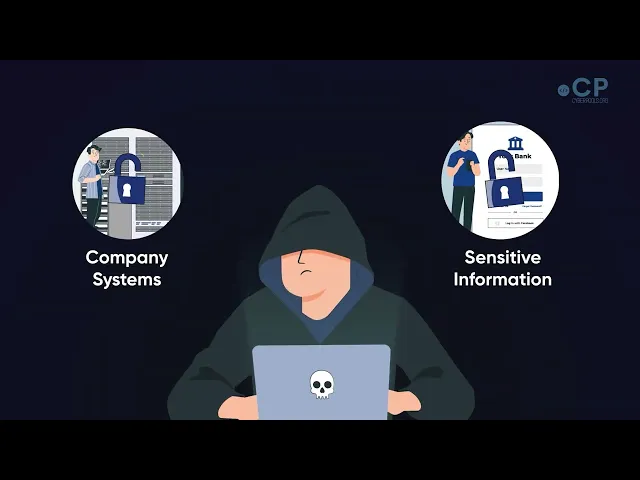
Cybersecurity and Digital Hygiene Training: Scenario videos strengthen digital safety habits, helping employees recognise phishing, social engineering, and risky behaviors. External reports such as the Verizon Data Breach Investigations Report highlight human error as a major security risk.
Leadership Vision and Change Communication: Leadership videos communicate transformation goals, clarify expectations, and reinforce why changes matter. Consistent top-down communication aligns teams, reduces uncertainty, and builds trust across hybrid and distributed work environments.
See how HSF helped Cyberpools strengthen digital safety behaviour with a clear, scenario-driven cybersecurity training video. Watch the video:
Designing High-Impact L&D Videos for Digital Transformation
High-impact transformation training begins with instructional design that simplifies complex tech topics. Chunking information, keeping text minimal, and using clear screen captures help employees understand new systems quickly. Visual metaphors make abstract concepts easier to follow and support smoother reskilling across roles.
Short microlearning videos improve retention and reduce training fatigue, especially when employees must learn multiple tools in a short period. These quick modules fit easily into daily workflows and help teams absorb digital skills at a manageable pace without overwhelming them.
Effective digital transformation training must also address accessibility and behavior change. Captions, multilingual versions, and mobile-friendly formats ensure every employee can learn comfortably. Scenario-based storytelling that compares old and new workflows helps employees understand why changes matter. Department-specific examples make training more relevant and easier to apply in real work situations.
Read more: How Data-Driven Strategies Transform L&D Videos
Video Types Used in Digital Transformation
Digital transformation requires different video formats for different learning needs. Each format supports tool adoption, behaviour change, troubleshooting, and cultural alignment, helping employees navigate new systems quickly and confidently across all departments.
Transformation Area | Video Type | Length | Purpose | Benefit to Organization |
New tool rollout | Screen recording walkthrough | 5–10 mins | Explain features, steps, and workflows in a clear sequence | Faster adoption, fewer errors, more confident system usage |
Process digitization | Animated explainer | 3–5 mins | Show new workflow logic and how digital steps replace manual processes | Reduces confusion, lowers resistance, improves process consistency |
Cybersecurity training | Scenario or simulation video | 2–3 mins | Demonstrate real-world risks, phishing attempts, and unsafe behaviors | Better compliance, safer digital habits, reduced security incidents |
Culture and mindset shift | Leadership message + story videos | 2–4 mins | Communicate vision, reasoning, and expectations behind transformation | Stronger alignment, better trust, smoother change enablement |
Troubleshooting | Micro how to videos | 30–60 sec | Solve specific issues instantly at the moment of need | Fewer IT tickets, faster workflow recovery, higher productivity |
A Simple Framework for Implementing L&D Videos in Digital Transformation
A clear implementation framework helps organizations guide employees through tool adoption, behaviour change, and ongoing improvement. Structured learning paths and measurable outcomes make digital transformation smoother, faster, and easier for teams across all functions.
Step 1 - Identify Digital Skills and Behaviours Needed: Map the technical skills employees must use and the cultural behaviours required for transformation. Identify gaps across roles so training supports everyday tasks and prepares teams for long-term digital expectations.
Step 2 - Build a Structured Learning Path Using Video: Organize learning into stages that follow the transformation flow. Combine tool onboarding, process training, and behavioural reinforcement to help employees learn progressively while keeping training organized, relevant, and easy to follow.
Step 3 - Integrate Videos into Day-to-Day Workflow: Place videos where employees work. Use LMS systems, intranet pages, Slack or Teams channels, and tool pop-ups so guidance appears exactly when needed, supporting confident, independent digital execution.
Step 4 - Track Adoption Metrics and Iterate: Monitor completion rates, rewatch data, workflow usage patterns, and process accuracy. These insights help refine training, improve clarity, remove friction, and support stronger adoption during ongoing transformation phases.
Read more: How to Personalize L&D Videos for Different Learning Styles
Measuring the ROI of L&D Videos in Digital Transformation
L&D videos create measurable savings by reducing training time and support costs. New employees onboard faster, teams spend less time troubleshooting, and IT departments handle fewer repetitive questions. This shortens the overall learning cycle and improves daily workflow efficiency.
Time to competence improves across roles when employees receive clear visual guidance. Correct workflow usage leads to stronger data entry accuracy, fewer operational errors, and smoother process execution. These improvements directly translate into higher productivity during major transformation phases.
Engagement also rises when employees feel confident using new tools. Surveys and feedback loops show better morale and stronger trust in the learning system. Video analytics, including rewatch rates and drop-off points, provide data that helps organizations optimize future training. This makes the entire transformation roadmap smarter, faster, and more aligned with workforce needs.
How House Sparrow Films Enables Digital Transformation Through Video
House Sparrow Films supports organizations at every stage of digital transformation by designing learning systems that simplify new tools and workflows. Our strategic learning consulting helps identify training gaps and define transformation needs clearly. We produce end-to-end content, including explainers, walkthroughs, scenarios, and leadership messaging, giving teams the clarity they need to adopt change confidently. Localization and accessibility ensure global reach through captions, multilingual versions, and adaptive formats. As tools evolve, we provide long-term support by refreshing content and updating digital transformation training videos whenever systems change or new features launch.
Conclusion
Digital transformation succeeds when people understand how to use new tools with confidence. Technology alone cannot create change unless employees are ready to embrace new systems. L&D videos help teams learn quickly, reduce confusion, and practice digital steps with clarity. Microlearning supports reskilling, and motion graphics make complex processes easier to understand. Scenario-based content strengthens change enablement and creates lasting digital habits. When organizations integrate these practices, they shorten learning curves and increase accuracy across teams. Modern transformation needs guidance that is scalable, accessible, and simple to follow, which is why digital transformation training videos have become essential tools for future-ready organizations. Consult House Sparrow Films to build transformation-ready learning systems that accelerate your digital roadmap.
FAQs
How do L&D videos directly support digital transformation efforts?
L&D videos make complex digital tools and workflows easier to understand through visual explanations, demonstrations, and scenarios. They speed up employee learning, reduce resistance to change, and ensure consistent training across teams, which leads to faster digital adoption.What types of L&D videos are most effective for digital transformation?
Tool walkthroughs, animated explainers, scenario-based training videos, leadership communication videos, and microlearning tutorials are the most effective. Each format supports a different part of the transformation process, from onboarding to behavioural change.How long should digital transformation training videos be?
Short videos work best. Microlearning clips between 30 seconds and 3 minutes are ideal for task-level guidance, while tool walkthroughs usually perform well at 5 to 10 minutes. Keeping content concise improves retention and reduces overwhelm.Can L&D videos replace traditional classroom training during digital rollout?
Yes, for most tool, process, and behavioural training needs. Videos offer on-demand access, standardization, and scalability that classroom sessions cannot provide. Live training can still be included for Q&A or advanced demonstrations.How can companies measure the success of video-based digital transformation training?
Organizations can track metrics such as tool usage frequency, reduction in IT support tickets, video completion rates, rewatch patterns, workflow accuracy, and employee confidence scores. These indicators show how effectively teams are adopting new digital systems.Are L&D videos suitable for a large, hybrid, or globally distributed workforce?
Yes, they are ideal. Videos can be accessed anytime, on any device, and across time zones, ensuring that employees receive the same quality of training no matter where they work.How often should L&D videos be updated during digital transformation?
Videos should be updated whenever tools change, workflows evolve, or new features are introduced. Many companies refresh training content quarterly or biannually to keep up with rapid digital changes.
Key Takeaways
L&D videos accelerate digital adoption by simplifying complex tools and workflows for all teams.
They help employees understand and embrace digital-first processes with greater confidence.
Video-based learning reduces training time and improves accuracy during transformation.
Videos scale knowledge across global, hybrid, and fast-growing teams effortlessly.
Analytics from video engagement make adoption measurable and easy to improve.
Digital transformation reshapes how organizations operate, but real progress depends on how quickly people learn new tools and adapt to digital-first workflows. Many employees feel uncertain when systems change, processes move online, or automation becomes part of daily work. McKinsey’s Global Survey reports that most transformation efforts struggle because employees do not adopt new digital behaviours fast enough. Clear, structured learning support is essential for reskilling and change enablement. L&D videos help by simplifying complex tools, reducing confusion, and giving employees confidence to practice new skills independently. This is why many organizations now rely on digital transformation training videos to speed up adoption, lower resistance, and guide teams through continuous digital change.
Why Digital Transformation Depends on Effective Employee Learning
The biggest barrier to transformation is the adoption gap. Many employees struggle to understand new digital workflows, which slows down progress across teams. Studies often report failure rates above 60 percent for digital transformation initiatives because people cannot adapt fast enough. This makes strong learning support and continuous reskilling essential.
Traditional training methods add more friction. Long sessions, inconsistent trainers, and outdated materials cannot keep up with modern workplaces. Distributed teams need fast, flexible learning as new tools launch every quarter. Without accessible learning systems, skill gaps widen and transformation loses momentum.
How L&D Videos Accelerate Digital Transformation
Digital transformation moves faster when employees understand systems clearly and feel supported through change enablement. L&D videos provide quick, repeatable guidance that helps teams adopt new tools, reduce uncertainty, and build confidence across all work environments.
They Simplify Complex Digital Concepts with Visual Learning
New digital systems can feel abstract or overwhelming, especially when processes shift quickly. Motion graphics, layered visuals, and screen recordings break complexity into simple steps that employees can follow without confusion. Visual explanations help teams understand cloud tools, AI features, and automation workflows more easily, making digital concepts feel practical instead of intimidating.
They Speed Up Tool and Workflow Adoption
Employees often struggle with CRMs, ERPs, AI automations, and cloud platforms when training is unclear. L&D videos reduce onboarding time by offering step-by-step guidance that employees can replay as needed. This builds accuracy, reduces early mistakes, and helps teams become productive faster. Clear visual learning shortens adoption cycles significantly.
They Standardize Training Across Teams and Geographies
When teams spread across cities or countries receive different explanations, confusion spreads quickly. Videos remove this risk by delivering the same instructions and the same clarity to everyone. This eliminates trainer variability, ensures consistency, and creates a shared understanding across departments. Standardization strengthens digital workflows and accelerates transformation.
They Reduce Resistance to Change
Employees resist new systems when they do not understand the purpose behind them. Story-driven explainers help people see the benefits and the reasoning behind major changes. This builds trust, reduces frustration, and encourages employees to support new workflows. Clear communication helps teams feel included in the transformation instead of disrupted by it.
They Enable just-in-time Learning During Workflow Execution
Employees often need help in the moment, not during scheduled training. Micro videos give them instant support while completing tasks, reducing delays and preventing mistakes. This lowers IT tickets, decreases reliance on supervisors, and allows employees to work independently. Just-in-time learning keeps digital adoption smooth and consistent.
They Scale Training for Large, Remote, or Hybrid Teams
Scaling training for thousands of employees is difficult with live sessions. Videos make it effortless. Organizations can roll out transformation content instantly to remote, hybrid, and global teams. Everyone learns at their own pace while still receiving the same aligned guidance. This makes large-scale digital implementation faster and more stable.
Read more: Elevating Workplace Training: The Transformative Power of Learning and Development Videos
Practical Use Cases of L&D Videos in Digital Transformation
L&D videos support transformation by guiding employees through new tools, digital processes, and cultural shifts. Clear, visual learning helps teams adopt systems quickly, understand expectations, and reduce mistakes during large-scale digital changes.
Software and Tool Onboarding: Micro tutorials and feature walkthroughs accelerate proficiency in CRMs, ERPs, AI tools, and BI dashboards, giving employees repeatable guidance that shortens learning curves and reduces errors during early digital adoption phases.
Digital Process Modernization: Explainer videos help employees transition from manual steps to digital approvals, automated workflows, and e-signature processes by demonstrating real examples and showing how new digital methods improve speed, accuracy, and workflow consistency.
Cybersecurity and Digital Hygiene Training: Scenario videos strengthen digital safety habits, helping employees recognise phishing, social engineering, and risky behaviors. External reports such as the Verizon Data Breach Investigations Report highlight human error as a major security risk.
Leadership Vision and Change Communication: Leadership videos communicate transformation goals, clarify expectations, and reinforce why changes matter. Consistent top-down communication aligns teams, reduces uncertainty, and builds trust across hybrid and distributed work environments.
See how HSF helped Cyberpools strengthen digital safety behaviour with a clear, scenario-driven cybersecurity training video. Watch the video:
Designing High-Impact L&D Videos for Digital Transformation
High-impact transformation training begins with instructional design that simplifies complex tech topics. Chunking information, keeping text minimal, and using clear screen captures help employees understand new systems quickly. Visual metaphors make abstract concepts easier to follow and support smoother reskilling across roles.
Short microlearning videos improve retention and reduce training fatigue, especially when employees must learn multiple tools in a short period. These quick modules fit easily into daily workflows and help teams absorb digital skills at a manageable pace without overwhelming them.
Effective digital transformation training must also address accessibility and behavior change. Captions, multilingual versions, and mobile-friendly formats ensure every employee can learn comfortably. Scenario-based storytelling that compares old and new workflows helps employees understand why changes matter. Department-specific examples make training more relevant and easier to apply in real work situations.
Read more: How Data-Driven Strategies Transform L&D Videos
Video Types Used in Digital Transformation
Digital transformation requires different video formats for different learning needs. Each format supports tool adoption, behaviour change, troubleshooting, and cultural alignment, helping employees navigate new systems quickly and confidently across all departments.
Transformation Area | Video Type | Length | Purpose | Benefit to Organization |
New tool rollout | Screen recording walkthrough | 5–10 mins | Explain features, steps, and workflows in a clear sequence | Faster adoption, fewer errors, more confident system usage |
Process digitization | Animated explainer | 3–5 mins | Show new workflow logic and how digital steps replace manual processes | Reduces confusion, lowers resistance, improves process consistency |
Cybersecurity training | Scenario or simulation video | 2–3 mins | Demonstrate real-world risks, phishing attempts, and unsafe behaviors | Better compliance, safer digital habits, reduced security incidents |
Culture and mindset shift | Leadership message + story videos | 2–4 mins | Communicate vision, reasoning, and expectations behind transformation | Stronger alignment, better trust, smoother change enablement |
Troubleshooting | Micro how to videos | 30–60 sec | Solve specific issues instantly at the moment of need | Fewer IT tickets, faster workflow recovery, higher productivity |
A Simple Framework for Implementing L&D Videos in Digital Transformation
A clear implementation framework helps organizations guide employees through tool adoption, behaviour change, and ongoing improvement. Structured learning paths and measurable outcomes make digital transformation smoother, faster, and easier for teams across all functions.
Step 1 - Identify Digital Skills and Behaviours Needed: Map the technical skills employees must use and the cultural behaviours required for transformation. Identify gaps across roles so training supports everyday tasks and prepares teams for long-term digital expectations.
Step 2 - Build a Structured Learning Path Using Video: Organize learning into stages that follow the transformation flow. Combine tool onboarding, process training, and behavioural reinforcement to help employees learn progressively while keeping training organized, relevant, and easy to follow.
Step 3 - Integrate Videos into Day-to-Day Workflow: Place videos where employees work. Use LMS systems, intranet pages, Slack or Teams channels, and tool pop-ups so guidance appears exactly when needed, supporting confident, independent digital execution.
Step 4 - Track Adoption Metrics and Iterate: Monitor completion rates, rewatch data, workflow usage patterns, and process accuracy. These insights help refine training, improve clarity, remove friction, and support stronger adoption during ongoing transformation phases.
Read more: How to Personalize L&D Videos for Different Learning Styles
Measuring the ROI of L&D Videos in Digital Transformation
L&D videos create measurable savings by reducing training time and support costs. New employees onboard faster, teams spend less time troubleshooting, and IT departments handle fewer repetitive questions. This shortens the overall learning cycle and improves daily workflow efficiency.
Time to competence improves across roles when employees receive clear visual guidance. Correct workflow usage leads to stronger data entry accuracy, fewer operational errors, and smoother process execution. These improvements directly translate into higher productivity during major transformation phases.
Engagement also rises when employees feel confident using new tools. Surveys and feedback loops show better morale and stronger trust in the learning system. Video analytics, including rewatch rates and drop-off points, provide data that helps organizations optimize future training. This makes the entire transformation roadmap smarter, faster, and more aligned with workforce needs.
How House Sparrow Films Enables Digital Transformation Through Video
House Sparrow Films supports organizations at every stage of digital transformation by designing learning systems that simplify new tools and workflows. Our strategic learning consulting helps identify training gaps and define transformation needs clearly. We produce end-to-end content, including explainers, walkthroughs, scenarios, and leadership messaging, giving teams the clarity they need to adopt change confidently. Localization and accessibility ensure global reach through captions, multilingual versions, and adaptive formats. As tools evolve, we provide long-term support by refreshing content and updating digital transformation training videos whenever systems change or new features launch.
Conclusion
Digital transformation succeeds when people understand how to use new tools with confidence. Technology alone cannot create change unless employees are ready to embrace new systems. L&D videos help teams learn quickly, reduce confusion, and practice digital steps with clarity. Microlearning supports reskilling, and motion graphics make complex processes easier to understand. Scenario-based content strengthens change enablement and creates lasting digital habits. When organizations integrate these practices, they shorten learning curves and increase accuracy across teams. Modern transformation needs guidance that is scalable, accessible, and simple to follow, which is why digital transformation training videos have become essential tools for future-ready organizations. Consult House Sparrow Films to build transformation-ready learning systems that accelerate your digital roadmap.
FAQs
How do L&D videos directly support digital transformation efforts?
L&D videos make complex digital tools and workflows easier to understand through visual explanations, demonstrations, and scenarios. They speed up employee learning, reduce resistance to change, and ensure consistent training across teams, which leads to faster digital adoption.What types of L&D videos are most effective for digital transformation?
Tool walkthroughs, animated explainers, scenario-based training videos, leadership communication videos, and microlearning tutorials are the most effective. Each format supports a different part of the transformation process, from onboarding to behavioural change.How long should digital transformation training videos be?
Short videos work best. Microlearning clips between 30 seconds and 3 minutes are ideal for task-level guidance, while tool walkthroughs usually perform well at 5 to 10 minutes. Keeping content concise improves retention and reduces overwhelm.Can L&D videos replace traditional classroom training during digital rollout?
Yes, for most tool, process, and behavioural training needs. Videos offer on-demand access, standardization, and scalability that classroom sessions cannot provide. Live training can still be included for Q&A or advanced demonstrations.How can companies measure the success of video-based digital transformation training?
Organizations can track metrics such as tool usage frequency, reduction in IT support tickets, video completion rates, rewatch patterns, workflow accuracy, and employee confidence scores. These indicators show how effectively teams are adopting new digital systems.Are L&D videos suitable for a large, hybrid, or globally distributed workforce?
Yes, they are ideal. Videos can be accessed anytime, on any device, and across time zones, ensuring that employees receive the same quality of training no matter where they work.How often should L&D videos be updated during digital transformation?
Videos should be updated whenever tools change, workflows evolve, or new features are introduced. Many companies refresh training content quarterly or biannually to keep up with rapid digital changes.