Key Takeaways
L&D videos make complex compliance policies easier to understand through clear visuals and simple explanations.
Consistent video training removes confusion and supports global teams with unified policy learning.
Short modules and refreshers help employees retain rules and maintain long-term regulatory readiness.
LMS tracking ensures strong audit evidence and reliable employee certification records.
Scalable video formats help organisations update content quickly as regulations evolve.
Regulatory expectations continue to rise across banking, healthcare, IT, and manufacturing, and companies now manage hybrid teams working across multiple regions. This increases compliance risk when employees do not clearly understand policies, documentation rules, or behaviour expectations. The Thomson Reuters Cost of Compliance Report notes that more than half of global firms expect regulatory burdens to increase further. Strong, consistent, and audit-ready learning has become essential for reducing penalties, avoiding process errors, and building a responsible workplace culture. Organisations are now adopting structured digital learning formats to simplify rules, make training easier to follow, and support smooth employee certification. This is why many companies are turning to compliance L&D videos that explain complex policies visually and deliver repeatable, measurable training across all teams and regions.
Why Compliance Training Needs a Modern Approach in 2025
Compliance expectations are expanding across industries, and teams now work across multiple regions. Clear policy learning is essential so employees understand rules without confusion and avoid costly mistakes that impact operations and culture.
Rising Industry-Wide Regulatory Pressure
Regulatory demands are rising across BFSI, Healthcare, IT, Manufacturing, Retail, and SaaS. Many companies now operate in several countries at once, which means rules differ by location. Teams must understand region-specific policies while following global company standards. Outdated training methods cannot keep up with this level of complexity. Modern video-based learning ensures employees receive clear explanations of laws, workplace expectations, and behavioural guidelines that must be followed every day.
Hidden Costs of Ineffective Compliance Training
Poor compliance training creates financial, cultural, and operational risk. Legal penalties can slow operations. Misunderstood policies can lead to employee misconduct or safety breakdowns. A recent PwC risk survey found that more than half of global companies experienced compliance-related disruptions in the past year. Improper training also damages organisational trust. Employees feel unsure about expectations when instructions are inconsistent or unclear. Video-based learning reduces these hidden costs by offering structure, consistency, and visual clarity.
Why L&D Videos Are Highly Effective for Compliance Programs
L&D videos make compliance training clearer, faster, and easier to remember. Visual explanations help employees understand rules without relying on long documents, while consistent narration removes confusion across branches and regions. Videos can be scaled globally with translations and subtitles, which keeps messaging aligned for all teams. Short modules also support regular refreshers without disrupting work. Every video can be tracked through an LMS, giving audit teams reliable completion data and smoother employee certification cycles. This combination of clarity, consistency, and measurability is why video-based compliance training delivers stronger results than traditional methods.
Compliance Topics That Benefit Most from Video-Based Training
Training becomes easier to understand when policies are shown visually. Video helps employees connect rules with real situations, reducing confusion and improving consistent behaviour across teams, departments, and different levels of organisational experience.
Universal Compliance Modules
Some regulations apply to all workplaces, regardless of industry. These topics become easier to understand when delivered through visual examples and clear narration.
Anti harassment: Videos teach respectful behaviour, identify harmful actions, show reporting steps, and help employees recognise unacceptable conduct through simple workplace examples.
Workplace conduct: Videos explain ethical behaviour, communication expectations, boundaries, and professional standards using relatable scenarios that strengthen positive culture across teams daily.
Cybersecurity: Videos show phishing risks, unsafe browsing habits, weak passwords, and teach employees simple protective actions that strengthen overall system security.
Data privacy: Videos demonstrate correct data handling, storage, sharing, and consent rules, helping employees prevent breaches and protect sensitive information consistently daily.
Safety guidelines: Videos teach equipment use, hazard awareness, emergency steps, and safe behaviour, helping employees reduce workplace injuries through clear demonstration methods.
Industry Specific Regulatory Video Needs
Regulated sectors often require deeper training with examples relevant to the environment.
Healthcare: Videos explain hygiene rules, patient rights, medication safety, and confidentiality to help medical teams follow protocols accurately across clinical environments.
BFSI: Videos simplify KYC, AML, fraud risks, and data rules, helping financial teams maintain compliance during customer interactions and internal processes.
Retail: Videos cover customer privacy, POS accuracy, store safety, and incident handling, helping staff follow rules reliably during busy retail operations.
Manufacturing: Videos show machine operation, PPE usage, hazard control, and emergency steps, helping workers reduce risk and follow safety procedures accurately.
IT and SaaS: Videos explain secure coding, access control, data hygiene, and incident reporting, helping technical teams understand risks and follow compliance practices.
Types of L&D Videos Used for Compliance and Regulation
Different video formats support different compliance goals. Choosing the right format helps employees understand policies clearly, remember key rules, and apply correct behaviour across various roles and regions.
Scenario-Based Videos: These videos show real workplace situations, correct and incorrect behaviours, and practical consequences, helping employees understand how policies apply to everyday decisions and tasks.
Animated Explainers: Animation breaks down complex policies, procedures, and regulatory concepts using simple visuals and clear narration, making difficult information easier to understand and remember.
Microlearning Modules: Short, focused videos deliver one rule or concept at a time, reducing cognitive load and helping employees revisit important topics whenever needed.
Expert-led instruction Videos: Compliance officers or subject experts explain policies in straightforward language, increasing clarity, accuracy, and employee confidence in understanding important rules.
Refresher and Update Shorts: Quick update videos help employees stay current with regulatory changes, reinforce important rules, and maintain consistent compliance awareness throughout the year.
Practical Ways L&D Videos Strengthen Compliance and Regulatory Training
Strong compliance training depends on clarity, consistency, and regular reinforcement. Video makes policies easier to understand by showing instructions visually, removing ambiguity, and helping employees connect rules with real behaviour expected across different roles and regions.
Turning Policies into Clear Visual Learning
Policies often feel overwhelming when presented as text. Videos turn them into clear, visual explanations using diagrams, animations, and real examples. This helps employees understand expectations faster, apply rules correctly, and remember details that are often overlooked in written guidelines or long documents.
Using Scenarios to Show Correct vs Incorrect Behaviour
Scenarios demonstrate how rules apply in real situations. Employees see what good behaviour looks like, what mistakes commonly occur, and how to respond correctly. This visual comparison helps them understand consequences, recognise risk, and follow compliance expectations with greater confidence during daily tasks.
Delivering Microlearning for Regular Refreshers
Microlearning videos break large compliance topics into short, easy segments. These refreshers help employees recall important rules without attending long sessions. Frequent bite-sized updates keep teams aligned with new regulations and ensure knowledge stays fresh throughout the year.
Supporting Multilingual Training Across Global Teams
Global teams need training in formats they understand clearly. Videos support translations, captions, and region-specific adaptations. This ensures employees in different countries follow the same rules without misinterpretation, reducing risk and helping managers maintain consistent compliance across locations.
Embedding Knowledge Checks for Verification
Simple quizzes, polls, or reflection prompts integrated within videos verify whether employees understood the policy. These checks create proof of comprehension, highlight gaps that need more support, and help organisations measure training effectiveness across departments and job roles.
Creating Audit Ready Training Evidence
Videos can be tracked through LMS platforms, generating reliable data for audits. Completion records, view logs, and assessment scores become clear evidence of compliance. This removes manual work and strengthens the organisation’s ability to demonstrate regulatory readiness.
Reinforcing Ethical Behaviour Through Storytelling
Story-based training helps employees understand the deeper purpose behind compliance. When ethical scenarios are shown through characters or real workplace situations, teams connect emotionally with the message, making responsible behaviour easier to remember and adopt naturally during challenging tasks.
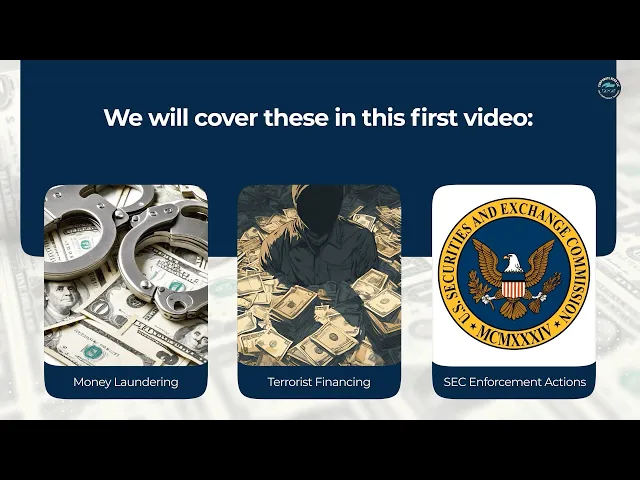
See how HSF helped CorpNerd simplify financial crime regulations and strengthen employee compliance understanding. Watch the video:
Implementation Roadmap for Seamless Compliance Training Through Video
A smooth compliance training program begins with identifying the regulations that apply to your industry and defining the behaviour outcomes employees must demonstrate. Once priorities are clear, match each topic to the right video format, such as scenarios, animation, or microlearning. After production, localize content with subtitles and language versions for global teams. Deliver all modules through your LMS or internal platforms for easy tracking and certification. Reinforce learning with regular refreshers that address updates, new rules, or recurring challenges, ensuring employees stay aligned with evolving compliance requirements throughout the year.
Read more: How to Personalize L&D Videos for Different Learning Styles
Measuring Impact and Improving Compliance Training Continuously
Compliance training must evolve as regulations, technologies, and workflows change. Measuring impact helps organisations refine content, correct gaps early, and ensure employees maintain a strong understanding of critical policies across all departments and roles.
Key Metrics to Track
Measuring the right metrics helps organisations understand how well employees are absorbing compliance content, where knowledge gaps exist, and which areas of training need refinement for stronger long-term retention and performance.
Completion rates: Shows how many employees finished the training and highlights departments that need reminders or additional guidance to meet compliance requirements.
Assessment scores: Reveals whether employees understood key policies. Helps identify topics that require deeper explanation, extra scenarios, or clearer visual support.
Watch time: Indicates how engaging the videos are and whether employees are dropping off early, signalling sections that need shorter pacing or clearer narration.
Retention and re-certifications: Measures long-term understanding by tracking how much information employees remember and how often re-certification cycles are successfully completed.
Using LMS Data for Audit Readiness
LMS platforms store timestamps, completion logs, quiz results, and version histories. This data becomes reliable evidence during audits, showing that employees completed required training. It removes manual tracking, reduces administrative workload, and ensures every update, refresher, or policy change is fully documented for regulatory review.
Updating Modules as Regulations Evolve
Regulations change frequently, and training must adjust quickly. Updating video modules keeps instructions accurate, prevents outdated practices from spreading, and supports risk reduction. Short update videos or microlearning refreshers help employees stay aligned with new expectations while maintaining a strong, consistent understanding of core compliance responsibilities.
Read more: How to Measure the Success of Your L&D Training Videos
Before vs After Switching to Video-Based Compliance Training
Video-based training transforms how employees understand, remember, and apply compliance rules. It removes inconsistencies, simplifies complex policies, and gives organisations reliable tracking that strengthens regulatory readiness across global teams.
Aspect | Before (Traditional) | After (Video Driven) |
Engagement | Learners often skim documents or sit through long sessions with low interest. | Short, visual, story-based videos maintain attention and increase completion rates. |
Consistency | Content quality changes with each trainer or location. | Every employee receives the same clear, standardized message worldwide. |
Retention | Information is easily forgotten due to text-heavy formats. | Visual demonstrations and scenarios improve memory and real-world recall. |
Audit Proof | Tracking is manual, scattered, and difficult to validate. | LMS integration provides automatic records, timestamps, and quiz scores for audits. |
Update Speed | Policy changes require reprinting materials or rescheduling sessions. | Quick updates through modular video edits or short refresher clips. |
Scalability | Hard to train large or multi-location teams effectively. | Videos can be deployed instantly to global teams with no capacity limits. |
Read more: The Role of L&D Videos in Succession Planning and Leadership Growth
How House Sparrow Films Supports Compliance Training Globally
House Sparrow Films builds compliance videos that make policies easy to understand and apply. Our team develops clear scenario-based scripts that show real workplace behaviour and consequences. We also simplify complex regulations using animation so employees can follow instructions without confusion. Every project is created with multilingual options and accessibility support to ensure teams across regions learn with equal clarity.
We deliver videos in LMS optimised formats so organisations can track completion, assessments, and re-certifications smoothly. With experience across regulated sectors, we create training that is accurate, scalable, and aligned with industry-specific compliance needs.
Conclusion
Effective compliance training depends on clarity, consistency, and reinforcement. Video-driven learning helps employees understand rules faster, remember key actions, and apply correct behaviour across different roles and regions. It removes the confusion of text-heavy documents and keeps information aligned with current regulations. By using compliance L&D videos, organisations simplify policy delivery, standardize expectations, and strengthen overall regulatory readiness. As rules evolve, video makes training easier to update and track. To build accurate, scalable compliance training, contact House Sparrow Films. Our team can help you create clear, audit-ready content that supports every employee.
FAQs
1. Are L&D videos enough for compliance and regulatory training?
L&D videos are highly effective for explaining rules, demonstrating correct behavior, and increasing retention. However, they should be paired with assessments, policy documents, and LMS tracking to fully meet regulatory expectations and audit standards.
2. How often should compliance training videos be updated?
Most organizations refresh compliance videos every 12 to 18 months. Updates should also be made whenever new laws are introduced, internal policies change, or fresh industry risks emerge. Modular video formats make these edits quick and cost-effective.
3. What is the ideal length for a compliance training video?
Short videos between 3 and 7 minutes work best. They deliver single concepts clearly and prevent viewer fatigue. Complex subjects can be broken into small chapters so employees learn one regulation or scenario at a time.
4. Can compliance videos be tracked for audit purposes?
Yes. When uploaded to an LMS, compliance videos automatically record completion, quiz scores, timestamps, and viewing data. These logs provide reliable, audit-ready proof that employees have completed mandatory training.
5. How do scenario-based videos improve compliance understanding?
Scenario videos show real workplace situations and consequences, making rules easier to understand. Employees see what correct and incorrect actions look like, helping them apply regulations confidently in daily work.
6. Can L&D videos support multilingual and global teams?
Yes. Compliance videos can include subtitles, multiple language voiceovers, and culturally neutral examples. This ensures consistent and accurate training across regions without the risk of misinterpretation.
7. What types of compliance topics are best suited for video training?
Video formats work well for ethics, anti harassment, cybersecurity, data privacy, safety procedures, workplace conduct, and reporting protocols. Any topic that requires behavior demonstration or visual explanation benefits from video-based learning.
Key Takeaways
L&D videos make complex compliance policies easier to understand through clear visuals and simple explanations.
Consistent video training removes confusion and supports global teams with unified policy learning.
Short modules and refreshers help employees retain rules and maintain long-term regulatory readiness.
LMS tracking ensures strong audit evidence and reliable employee certification records.
Scalable video formats help organisations update content quickly as regulations evolve.
Regulatory expectations continue to rise across banking, healthcare, IT, and manufacturing, and companies now manage hybrid teams working across multiple regions. This increases compliance risk when employees do not clearly understand policies, documentation rules, or behaviour expectations. The Thomson Reuters Cost of Compliance Report notes that more than half of global firms expect regulatory burdens to increase further. Strong, consistent, and audit-ready learning has become essential for reducing penalties, avoiding process errors, and building a responsible workplace culture. Organisations are now adopting structured digital learning formats to simplify rules, make training easier to follow, and support smooth employee certification. This is why many companies are turning to compliance L&D videos that explain complex policies visually and deliver repeatable, measurable training across all teams and regions.
Why Compliance Training Needs a Modern Approach in 2025
Compliance expectations are expanding across industries, and teams now work across multiple regions. Clear policy learning is essential so employees understand rules without confusion and avoid costly mistakes that impact operations and culture.
Rising Industry-Wide Regulatory Pressure
Regulatory demands are rising across BFSI, Healthcare, IT, Manufacturing, Retail, and SaaS. Many companies now operate in several countries at once, which means rules differ by location. Teams must understand region-specific policies while following global company standards. Outdated training methods cannot keep up with this level of complexity. Modern video-based learning ensures employees receive clear explanations of laws, workplace expectations, and behavioural guidelines that must be followed every day.
Hidden Costs of Ineffective Compliance Training
Poor compliance training creates financial, cultural, and operational risk. Legal penalties can slow operations. Misunderstood policies can lead to employee misconduct or safety breakdowns. A recent PwC risk survey found that more than half of global companies experienced compliance-related disruptions in the past year. Improper training also damages organisational trust. Employees feel unsure about expectations when instructions are inconsistent or unclear. Video-based learning reduces these hidden costs by offering structure, consistency, and visual clarity.
Why L&D Videos Are Highly Effective for Compliance Programs
L&D videos make compliance training clearer, faster, and easier to remember. Visual explanations help employees understand rules without relying on long documents, while consistent narration removes confusion across branches and regions. Videos can be scaled globally with translations and subtitles, which keeps messaging aligned for all teams. Short modules also support regular refreshers without disrupting work. Every video can be tracked through an LMS, giving audit teams reliable completion data and smoother employee certification cycles. This combination of clarity, consistency, and measurability is why video-based compliance training delivers stronger results than traditional methods.
Compliance Topics That Benefit Most from Video-Based Training
Training becomes easier to understand when policies are shown visually. Video helps employees connect rules with real situations, reducing confusion and improving consistent behaviour across teams, departments, and different levels of organisational experience.
Universal Compliance Modules
Some regulations apply to all workplaces, regardless of industry. These topics become easier to understand when delivered through visual examples and clear narration.
Anti harassment: Videos teach respectful behaviour, identify harmful actions, show reporting steps, and help employees recognise unacceptable conduct through simple workplace examples.
Workplace conduct: Videos explain ethical behaviour, communication expectations, boundaries, and professional standards using relatable scenarios that strengthen positive culture across teams daily.
Cybersecurity: Videos show phishing risks, unsafe browsing habits, weak passwords, and teach employees simple protective actions that strengthen overall system security.
Data privacy: Videos demonstrate correct data handling, storage, sharing, and consent rules, helping employees prevent breaches and protect sensitive information consistently daily.
Safety guidelines: Videos teach equipment use, hazard awareness, emergency steps, and safe behaviour, helping employees reduce workplace injuries through clear demonstration methods.
Industry Specific Regulatory Video Needs
Regulated sectors often require deeper training with examples relevant to the environment.
Healthcare: Videos explain hygiene rules, patient rights, medication safety, and confidentiality to help medical teams follow protocols accurately across clinical environments.
BFSI: Videos simplify KYC, AML, fraud risks, and data rules, helping financial teams maintain compliance during customer interactions and internal processes.
Retail: Videos cover customer privacy, POS accuracy, store safety, and incident handling, helping staff follow rules reliably during busy retail operations.
Manufacturing: Videos show machine operation, PPE usage, hazard control, and emergency steps, helping workers reduce risk and follow safety procedures accurately.
IT and SaaS: Videos explain secure coding, access control, data hygiene, and incident reporting, helping technical teams understand risks and follow compliance practices.
Types of L&D Videos Used for Compliance and Regulation
Different video formats support different compliance goals. Choosing the right format helps employees understand policies clearly, remember key rules, and apply correct behaviour across various roles and regions.
Scenario-Based Videos: These videos show real workplace situations, correct and incorrect behaviours, and practical consequences, helping employees understand how policies apply to everyday decisions and tasks.
Animated Explainers: Animation breaks down complex policies, procedures, and regulatory concepts using simple visuals and clear narration, making difficult information easier to understand and remember.
Microlearning Modules: Short, focused videos deliver one rule or concept at a time, reducing cognitive load and helping employees revisit important topics whenever needed.
Expert-led instruction Videos: Compliance officers or subject experts explain policies in straightforward language, increasing clarity, accuracy, and employee confidence in understanding important rules.
Refresher and Update Shorts: Quick update videos help employees stay current with regulatory changes, reinforce important rules, and maintain consistent compliance awareness throughout the year.
Practical Ways L&D Videos Strengthen Compliance and Regulatory Training
Strong compliance training depends on clarity, consistency, and regular reinforcement. Video makes policies easier to understand by showing instructions visually, removing ambiguity, and helping employees connect rules with real behaviour expected across different roles and regions.
Turning Policies into Clear Visual Learning
Policies often feel overwhelming when presented as text. Videos turn them into clear, visual explanations using diagrams, animations, and real examples. This helps employees understand expectations faster, apply rules correctly, and remember details that are often overlooked in written guidelines or long documents.
Using Scenarios to Show Correct vs Incorrect Behaviour
Scenarios demonstrate how rules apply in real situations. Employees see what good behaviour looks like, what mistakes commonly occur, and how to respond correctly. This visual comparison helps them understand consequences, recognise risk, and follow compliance expectations with greater confidence during daily tasks.
Delivering Microlearning for Regular Refreshers
Microlearning videos break large compliance topics into short, easy segments. These refreshers help employees recall important rules without attending long sessions. Frequent bite-sized updates keep teams aligned with new regulations and ensure knowledge stays fresh throughout the year.
Supporting Multilingual Training Across Global Teams
Global teams need training in formats they understand clearly. Videos support translations, captions, and region-specific adaptations. This ensures employees in different countries follow the same rules without misinterpretation, reducing risk and helping managers maintain consistent compliance across locations.
Embedding Knowledge Checks for Verification
Simple quizzes, polls, or reflection prompts integrated within videos verify whether employees understood the policy. These checks create proof of comprehension, highlight gaps that need more support, and help organisations measure training effectiveness across departments and job roles.
Creating Audit Ready Training Evidence
Videos can be tracked through LMS platforms, generating reliable data for audits. Completion records, view logs, and assessment scores become clear evidence of compliance. This removes manual work and strengthens the organisation’s ability to demonstrate regulatory readiness.
Reinforcing Ethical Behaviour Through Storytelling
Story-based training helps employees understand the deeper purpose behind compliance. When ethical scenarios are shown through characters or real workplace situations, teams connect emotionally with the message, making responsible behaviour easier to remember and adopt naturally during challenging tasks.
See how HSF helped CorpNerd simplify financial crime regulations and strengthen employee compliance understanding. Watch the video:
Implementation Roadmap for Seamless Compliance Training Through Video
A smooth compliance training program begins with identifying the regulations that apply to your industry and defining the behaviour outcomes employees must demonstrate. Once priorities are clear, match each topic to the right video format, such as scenarios, animation, or microlearning. After production, localize content with subtitles and language versions for global teams. Deliver all modules through your LMS or internal platforms for easy tracking and certification. Reinforce learning with regular refreshers that address updates, new rules, or recurring challenges, ensuring employees stay aligned with evolving compliance requirements throughout the year.
Read more: How to Personalize L&D Videos for Different Learning Styles
Measuring Impact and Improving Compliance Training Continuously
Compliance training must evolve as regulations, technologies, and workflows change. Measuring impact helps organisations refine content, correct gaps early, and ensure employees maintain a strong understanding of critical policies across all departments and roles.
Key Metrics to Track
Measuring the right metrics helps organisations understand how well employees are absorbing compliance content, where knowledge gaps exist, and which areas of training need refinement for stronger long-term retention and performance.
Completion rates: Shows how many employees finished the training and highlights departments that need reminders or additional guidance to meet compliance requirements.
Assessment scores: Reveals whether employees understood key policies. Helps identify topics that require deeper explanation, extra scenarios, or clearer visual support.
Watch time: Indicates how engaging the videos are and whether employees are dropping off early, signalling sections that need shorter pacing or clearer narration.
Retention and re-certifications: Measures long-term understanding by tracking how much information employees remember and how often re-certification cycles are successfully completed.
Using LMS Data for Audit Readiness
LMS platforms store timestamps, completion logs, quiz results, and version histories. This data becomes reliable evidence during audits, showing that employees completed required training. It removes manual tracking, reduces administrative workload, and ensures every update, refresher, or policy change is fully documented for regulatory review.
Updating Modules as Regulations Evolve
Regulations change frequently, and training must adjust quickly. Updating video modules keeps instructions accurate, prevents outdated practices from spreading, and supports risk reduction. Short update videos or microlearning refreshers help employees stay aligned with new expectations while maintaining a strong, consistent understanding of core compliance responsibilities.
Read more: How to Measure the Success of Your L&D Training Videos
Before vs After Switching to Video-Based Compliance Training
Video-based training transforms how employees understand, remember, and apply compliance rules. It removes inconsistencies, simplifies complex policies, and gives organisations reliable tracking that strengthens regulatory readiness across global teams.
Aspect | Before (Traditional) | After (Video Driven) |
Engagement | Learners often skim documents or sit through long sessions with low interest. | Short, visual, story-based videos maintain attention and increase completion rates. |
Consistency | Content quality changes with each trainer or location. | Every employee receives the same clear, standardized message worldwide. |
Retention | Information is easily forgotten due to text-heavy formats. | Visual demonstrations and scenarios improve memory and real-world recall. |
Audit Proof | Tracking is manual, scattered, and difficult to validate. | LMS integration provides automatic records, timestamps, and quiz scores for audits. |
Update Speed | Policy changes require reprinting materials or rescheduling sessions. | Quick updates through modular video edits or short refresher clips. |
Scalability | Hard to train large or multi-location teams effectively. | Videos can be deployed instantly to global teams with no capacity limits. |
Read more: The Role of L&D Videos in Succession Planning and Leadership Growth
How House Sparrow Films Supports Compliance Training Globally
House Sparrow Films builds compliance videos that make policies easy to understand and apply. Our team develops clear scenario-based scripts that show real workplace behaviour and consequences. We also simplify complex regulations using animation so employees can follow instructions without confusion. Every project is created with multilingual options and accessibility support to ensure teams across regions learn with equal clarity.
We deliver videos in LMS optimised formats so organisations can track completion, assessments, and re-certifications smoothly. With experience across regulated sectors, we create training that is accurate, scalable, and aligned with industry-specific compliance needs.
Conclusion
Effective compliance training depends on clarity, consistency, and reinforcement. Video-driven learning helps employees understand rules faster, remember key actions, and apply correct behaviour across different roles and regions. It removes the confusion of text-heavy documents and keeps information aligned with current regulations. By using compliance L&D videos, organisations simplify policy delivery, standardize expectations, and strengthen overall regulatory readiness. As rules evolve, video makes training easier to update and track. To build accurate, scalable compliance training, contact House Sparrow Films. Our team can help you create clear, audit-ready content that supports every employee.
FAQs
1. Are L&D videos enough for compliance and regulatory training?
L&D videos are highly effective for explaining rules, demonstrating correct behavior, and increasing retention. However, they should be paired with assessments, policy documents, and LMS tracking to fully meet regulatory expectations and audit standards.
2. How often should compliance training videos be updated?
Most organizations refresh compliance videos every 12 to 18 months. Updates should also be made whenever new laws are introduced, internal policies change, or fresh industry risks emerge. Modular video formats make these edits quick and cost-effective.
3. What is the ideal length for a compliance training video?
Short videos between 3 and 7 minutes work best. They deliver single concepts clearly and prevent viewer fatigue. Complex subjects can be broken into small chapters so employees learn one regulation or scenario at a time.
4. Can compliance videos be tracked for audit purposes?
Yes. When uploaded to an LMS, compliance videos automatically record completion, quiz scores, timestamps, and viewing data. These logs provide reliable, audit-ready proof that employees have completed mandatory training.
5. How do scenario-based videos improve compliance understanding?
Scenario videos show real workplace situations and consequences, making rules easier to understand. Employees see what correct and incorrect actions look like, helping them apply regulations confidently in daily work.
6. Can L&D videos support multilingual and global teams?
Yes. Compliance videos can include subtitles, multiple language voiceovers, and culturally neutral examples. This ensures consistent and accurate training across regions without the risk of misinterpretation.
7. What types of compliance topics are best suited for video training?
Video formats work well for ethics, anti harassment, cybersecurity, data privacy, safety procedures, workplace conduct, and reporting protocols. Any topic that requires behavior demonstration or visual explanation benefits from video-based learning.