Key Takeaways
L&D videos give every generation the same clear, consistent learning experience and reduce trainer variability.
Video-based training improves retention, engagement, and adoption across all age groups.
Microlearning, scenarios, and storytelling help bridge generational differences and make learning more relatable.
Flexible pacing through chapters, replay, and speed controls supports both fast learners and those who need more time.
A video-driven approach strengthens a long-term learning culture by making training accessible, repeatable, and enjoyable.
Four to five generations now share the same workplace, each bringing different learning speeds, technology familiarity, and expectations from training. Hybrid roles and distributed teams highlight these gaps even more, especially when younger employees prefer quick visual learning while older professionals depend on context and clear pacing. Organisations aiming for a unified learning culture are leaning toward formats that support every age group without creating separate tracks. A LinkedIn Workplace Learning Report notes that employees of all generations engage more deeply with video-based learning and retain information longer compared to text-heavy training. This growing preference explains why intergenerational L&D videos are becoming the most reliable way to help every generation learn together with confidence and clarity.
The 2025 Reality of Cross-Generational Learning at Work
Workplaces now blend the Gen Z workforce with Millennials, Gen X, and Boomers, creating varied learning expectations that organisations must address with fair and flexible training approaches.
Who Makes Up the Modern Multigenerational Workforce
Gen Z brings digital speed and a strong preference for visual learning. Millennials look for practical, self-directed content. Gen X values structure and clear workflows. Boomers rely on context, pacing, and step-by-step guidance. Together, these groups create a diverse learning environment that requires formats adaptable to all ages and learning habits.
Why Traditional Training Fails Mixed-Age Learners
Younger employees learn best through fast, flexible digital content, while older employees depend on clarity, pacing, and contextual explanations. Traditional training also varies from one trainer to another, causing mixed experiences across teams. Global workplaces add time zone challenges that limit fairness, consistency, and accessibility for employees in different regions.
Read more: How L&D Videos Can Drive Organizational Culture Change
Why Video Is the Common Learning Language Across Generations
Video supports multigenerational learning by bringing every age group into one consistent, visual framework that improves clarity, reduces confusion, and makes workplace training easier for hybrid and in-office teams.
Video Engagement Statistics
The Wistia 2025 State of Video Report shows that employees across all age groups watch more workplace learning videos than ever, with higher completion rates for clear, concise, and replayable content. The report notes that 84 percent of viewers retain information better through video compared to text-based training, making video a dependable format for bridging learning differences across generations.
Generations vs Learning Traits vs Preferred Video Formats
Video fits well with the natural learning preferences of each generation, making it easier for organisations to train mixed-age teams without running separate programs.
Generation | Learning Traits | Preferred Video Formats | Design Recommendations |
Gen Z | Fast learners, visual first, confident with technology, prefer autonomy | Microlearning clips, animated explainers, short scenarios, gamified lessons | Keep videos under 5 minutes, use bold visuals, add chapter points, and include light quizzes |
Millennials | Self-directed, practical thinkers value real-world relevance, strong digital habits | Step-by-step tutorials, process walkthroughs, screen recordings, blended scenarios | Use real work examples, clear UI demos, structured layouts, and optional deep dive segments |
Gen X | Structure-oriented, clarity-focused, value-guided learning and context | Scenario videos, instructor-led explainers, policy guides, and extended demos | Maintain steady pacing, highlight key steps, add labelled graphics, and downloadable notes |
Boomers | Detail-oriented, prefer practical demonstrations, need slower pacing and repetition | Voice-led explainers, interview-style knowledge captures, long-form walkthroughs | Use high contrast visuals, reduce screen clutter, add captions, and provide clear instructions |
How L&D Videos Strengthen Learning Across Generations
Video closes generational learning gaps by offering training that stays consistent, flexible, and inclusive for every age group. It removes delivery differences, adapts to both fast and slow learners, and creates shared learning experiences across teams.
They Create Consistent Learning for All Age Groups
Video delivers the same instructions, examples, and tone to every learner, which removes variations that normally occur in live training sessions. This consistency reduces trainer bias and prevents differences in delivery across locations or time zones. The result is fair and predictable training for every batch, whether it includes new Gen Z hires or experienced senior managers. Organisations benefit from a standard learning experience that supports performance at scale.
They Support Flexible, Self-Paced Learning
Younger employees prefer short microlearning videos that fit into quick work cycles, while older employees appreciate replay options, slower pacing, and the ability to revisit key steps. Video supports both needs without requiring separate learning tracks. Every learner can adjust their speed, use chapter markers, pause when needed, and return later without losing continuity. This flexibility keeps learning stress-free and accessible.
They Bridge Differences Through Storytelling and Scenarios
Story-driven training helps different generations understand each other better. Scenarios showing mixed-age teams solving workplace challenges build empathy and improve collaboration. Gamified videos or narrative-based modules make soft skills easier to absorb and more relatable for both younger and older learners. These stories help employees understand perspectives beyond their own and encourage better teamwork.
They Preserve Institutional Knowledge
Video is one of the most reliable ways to capture the experience, judgment, and problem-solving skills of senior employees. These recordings become long-term learning assets that stay available even when experienced employees retire or move to new roles. This prevents knowledge loss and helps Gen Z and Millennials learn decision-making patterns they might otherwise never see firsthand. Video ensures that valuable expertise remains accessible to future teams.
They Enable Reverse Mentoring
Younger employees often create tutorials on tools, automation workflows, or digital platforms, while older employees contribute deep domain knowledge and customer insight. L&D videos allow both groups to teach and learn from each other in a structured, repeatable format. This strengthens two-way learning, reduces generational barriers, and builds a culture where knowledge moves freely across age groups.
They Reduce Training Friction and Promote Continuous Learning
Video simplifies learning by making content easy to access, enjoyable to watch, and quick to absorb. Short form modules, clean visuals, and chapter-based navigation reduce resistance and encourage learners to participate more often. Over time, this steady engagement builds a continuous learning habit across all generations, supporting long-term growth and cultural alignment.
Designing L&D Videos for Cross-Generational Learning
Effective cross-generational learning starts with instructional design that reduces cognitive load and keeps concepts easy to follow. Chunked content, steady pacing, and chapter markers help learners navigate lessons without overwhelm. Research from Vidyard’s Video in Business Report shows that training videos between 6 and 12 minutes deliver the highest completion rates across age groups.
Inclusivity must be built into every module. Clear captions, downloadable transcripts, playback speed controls, high contrast visuals, and clean layouts allow learners of different ages and accessibility needs to engage comfortably. These features remove friction and support a wider range of learning preferences.
Stories strengthen understanding across generations. Using scenarios with multi-generational characters helps employees relate to real workplace situations. This can be integrated through your internal storytelling framework or existing services for narrative-driven training.
Read more: How Data-Driven Strategies Transform L&D Videos
Practical Use Cases Where L&D Videos Enable Cross-Generational Learning
Video training helps mixed-age teams learn smoothly by creating clear, reliable, and engaging learning touchpoints that support shared understanding and reduce gaps between younger and older employees.
Onboarding Mixed Age Cohorts: Welcome videos introduce culture, policy microlearning standardises essential rules, and short orientation clips help every generation understand expectations, teamwork norms, and organisational values without overwhelming learners during their first week.
Screen Capture Tool Training: Step-by-step screen recordings demonstrate tools clearly, troubleshooting videos address common workflow issues, and micro refreshers reinforce essential actions so younger and older employees stay confident using digital platforms independently and consistently.
Reverse Mentoring Knowledge Sharing: Expert interviews capture senior insights, while peer-to-peer playlists allow younger employees to share tech know-how, creating a two-way learning loop that strengthens trust and builds collaborative intergenerational relationships.
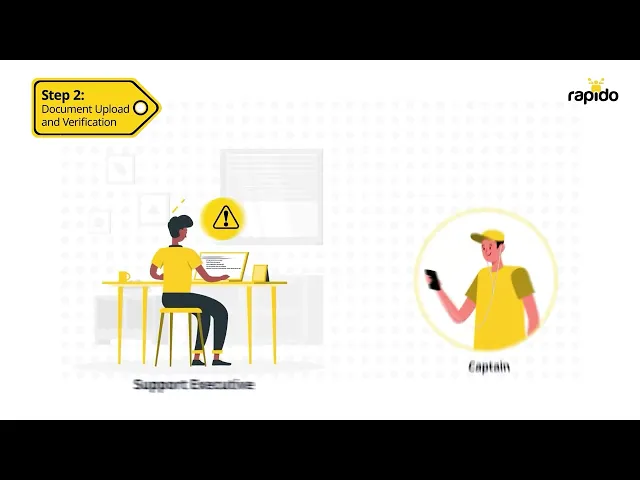
See how HSF helped Rapido simplify training and improve learner clarity across mixed-age teams. Watch the video:
A Framework to Build Cross-Generational Learning Cultures With Video
Organisations benefit when learning flows consistently across all age groups. A structured video framework helps teams understand expectations, personalise learning experiences, and stay aligned with evolving skills, roles, and workplace demands.
Step 1: Define Generational Learner Personas: Identify barriers, learning preferences, digital comfort levels, and skill gaps across age groups so training aligns with real learner needs instead of assuming one universal approach.
Step 2: Choose a Balanced Mix of Video Formats: Use explainers, microlearning clips, scenarios, tutorials, and live recordings to support different learning speeds and styles without creating separate training tracks for each generation.
Step 3: Blend Video with Other Learning Touchpoints: Strengthen understanding by pairing videos with job aids, coaching sessions, discussion forums, and assessments, helping employees apply concepts confidently through multiple reinforcement channels.
Step 4: Use Analytics to Improve Continuously: Track completion rates, drop-offs, replays, and search patterns to refine pacing, shorten content, improve clarity, and keep video modules relevant for every generation.
Read more: How to Personalize L&D Videos for Different Learning Styles
Measuring Impact and ROI Across Generations
Understanding the impact of intergenerational L&D videos helps organisations track how well different age groups learn, apply skills, and participate in training. Clear measurement ensures learning remains effective, inclusive, and aligned with long-term growth goals.
Metrics That Show Culture Level Impact
Culture level metrics reveal how video-driven learning shapes everyday performance. Faster time to competence shows successful early learning, while fewer support tickets confirm improved tool understanding. Higher internal mobility reflects growing confidence across generations. Increased voluntary learning participation shows that employees value the training and are choosing to learn beyond mandatory modules, which strengthens the overall learning culture.
Turning Insights into Better L&D Videos
Analytics guide continuous improvement. Shortening modules keeps attention steady, while chaptering helps learners navigate topics easily. Enhanced graphics improve clarity for younger and older learners. Adjusting complexity by generation ensures everyone follows comfortably without overwhelm. These refinements improve understanding, increase engagement, and help videos stay relevant as teams, tools, and skill needs evolve across different age groups.
How House Sparrow Films Supports Cross-Generational Learning
House Sparrow Films helps organisations build strong learning cultures with high-quality L&D and training videos designed for diverse age groups. Our team in Bangalore works with global clients across industries to create learning systems that are clear, engaging, and easy to scale. We produce complete L&D video series, corporate training films, MOOC content, and motion graphics that simplify complex concepts for every generation. Our accessibility adaptations, including captions, transcripts, and contrast adjustments, make training comfortable for older and younger learners alike, ensuring learning feels inclusive, consistent, and effective across the organisation.
Conclusion
When different generations learn together, organisations grow stronger. L&D videos create this unity by offering consistent instructions, flexible pacing, and relatable storytelling. They help teams learn faster, reduce training friction, and support long-term cultural alignment. With thoughtful design and clear instructional flows, video becomes a powerful foundation for building a learning environment that supports every generation. Companies that invest in video-first learning systems experience better engagement, stronger collaboration, and a healthier workplace culture. As teams continue to evolve, intergenerational L&D videos will remain the most reliable way to connect people, skills, and performance. Book a strategy session with House Sparrow Films to build your next learning series.
FAQs
How do L&D videos help different generations learn together?
They offer consistent instructions, flexible pacing, and clear visuals, allowing younger and older employees to learn comfortably at their own speed while reducing confusion and creating a shared, inclusive learning experience.
What video formats work best for multi-generational teams?
Microlearning, explainers, scenarios, and screen recording tutorials support different learning habits, helping fast learners move quickly while giving structured learners clarity, context, and repeatable guidance for complex processes and workplace tasks.
How long should training videos be for higher engagement?
Shorter videos work best. Microlearning under six minutes improves focus, while slightly longer explainers with clear chaptering help older learners follow comfortably without losing context or becoming overwhelmed by lengthy content.
Can video replace classroom training for all age groups?
Video strengthens learning but works best when paired with coaching, discussions, assessments, and job aids. It reduces training gaps across generations while still supporting practical guidance where live interaction is helpful.
How do I start building a cross-generational learning culture using video?
Begin by identifying learner needs, selecting balanced video formats, adding storytelling and scenarios, and using analytics to refine content, ensuring every generation learns confidently with consistent and accessible video-based training.
Key Takeaways
L&D videos give every generation the same clear, consistent learning experience and reduce trainer variability.
Video-based training improves retention, engagement, and adoption across all age groups.
Microlearning, scenarios, and storytelling help bridge generational differences and make learning more relatable.
Flexible pacing through chapters, replay, and speed controls supports both fast learners and those who need more time.
A video-driven approach strengthens a long-term learning culture by making training accessible, repeatable, and enjoyable.
Four to five generations now share the same workplace, each bringing different learning speeds, technology familiarity, and expectations from training. Hybrid roles and distributed teams highlight these gaps even more, especially when younger employees prefer quick visual learning while older professionals depend on context and clear pacing. Organisations aiming for a unified learning culture are leaning toward formats that support every age group without creating separate tracks. A LinkedIn Workplace Learning Report notes that employees of all generations engage more deeply with video-based learning and retain information longer compared to text-heavy training. This growing preference explains why intergenerational L&D videos are becoming the most reliable way to help every generation learn together with confidence and clarity.
The 2025 Reality of Cross-Generational Learning at Work
Workplaces now blend the Gen Z workforce with Millennials, Gen X, and Boomers, creating varied learning expectations that organisations must address with fair and flexible training approaches.
Who Makes Up the Modern Multigenerational Workforce
Gen Z brings digital speed and a strong preference for visual learning. Millennials look for practical, self-directed content. Gen X values structure and clear workflows. Boomers rely on context, pacing, and step-by-step guidance. Together, these groups create a diverse learning environment that requires formats adaptable to all ages and learning habits.
Why Traditional Training Fails Mixed-Age Learners
Younger employees learn best through fast, flexible digital content, while older employees depend on clarity, pacing, and contextual explanations. Traditional training also varies from one trainer to another, causing mixed experiences across teams. Global workplaces add time zone challenges that limit fairness, consistency, and accessibility for employees in different regions.
Read more: How L&D Videos Can Drive Organizational Culture Change
Why Video Is the Common Learning Language Across Generations
Video supports multigenerational learning by bringing every age group into one consistent, visual framework that improves clarity, reduces confusion, and makes workplace training easier for hybrid and in-office teams.
Video Engagement Statistics
The Wistia 2025 State of Video Report shows that employees across all age groups watch more workplace learning videos than ever, with higher completion rates for clear, concise, and replayable content. The report notes that 84 percent of viewers retain information better through video compared to text-based training, making video a dependable format for bridging learning differences across generations.
Generations vs Learning Traits vs Preferred Video Formats
Video fits well with the natural learning preferences of each generation, making it easier for organisations to train mixed-age teams without running separate programs.
Generation | Learning Traits | Preferred Video Formats | Design Recommendations |
Gen Z | Fast learners, visual first, confident with technology, prefer autonomy | Microlearning clips, animated explainers, short scenarios, gamified lessons | Keep videos under 5 minutes, use bold visuals, add chapter points, and include light quizzes |
Millennials | Self-directed, practical thinkers value real-world relevance, strong digital habits | Step-by-step tutorials, process walkthroughs, screen recordings, blended scenarios | Use real work examples, clear UI demos, structured layouts, and optional deep dive segments |
Gen X | Structure-oriented, clarity-focused, value-guided learning and context | Scenario videos, instructor-led explainers, policy guides, and extended demos | Maintain steady pacing, highlight key steps, add labelled graphics, and downloadable notes |
Boomers | Detail-oriented, prefer practical demonstrations, need slower pacing and repetition | Voice-led explainers, interview-style knowledge captures, long-form walkthroughs | Use high contrast visuals, reduce screen clutter, add captions, and provide clear instructions |
How L&D Videos Strengthen Learning Across Generations
Video closes generational learning gaps by offering training that stays consistent, flexible, and inclusive for every age group. It removes delivery differences, adapts to both fast and slow learners, and creates shared learning experiences across teams.
They Create Consistent Learning for All Age Groups
Video delivers the same instructions, examples, and tone to every learner, which removes variations that normally occur in live training sessions. This consistency reduces trainer bias and prevents differences in delivery across locations or time zones. The result is fair and predictable training for every batch, whether it includes new Gen Z hires or experienced senior managers. Organisations benefit from a standard learning experience that supports performance at scale.
They Support Flexible, Self-Paced Learning
Younger employees prefer short microlearning videos that fit into quick work cycles, while older employees appreciate replay options, slower pacing, and the ability to revisit key steps. Video supports both needs without requiring separate learning tracks. Every learner can adjust their speed, use chapter markers, pause when needed, and return later without losing continuity. This flexibility keeps learning stress-free and accessible.
They Bridge Differences Through Storytelling and Scenarios
Story-driven training helps different generations understand each other better. Scenarios showing mixed-age teams solving workplace challenges build empathy and improve collaboration. Gamified videos or narrative-based modules make soft skills easier to absorb and more relatable for both younger and older learners. These stories help employees understand perspectives beyond their own and encourage better teamwork.
They Preserve Institutional Knowledge
Video is one of the most reliable ways to capture the experience, judgment, and problem-solving skills of senior employees. These recordings become long-term learning assets that stay available even when experienced employees retire or move to new roles. This prevents knowledge loss and helps Gen Z and Millennials learn decision-making patterns they might otherwise never see firsthand. Video ensures that valuable expertise remains accessible to future teams.
They Enable Reverse Mentoring
Younger employees often create tutorials on tools, automation workflows, or digital platforms, while older employees contribute deep domain knowledge and customer insight. L&D videos allow both groups to teach and learn from each other in a structured, repeatable format. This strengthens two-way learning, reduces generational barriers, and builds a culture where knowledge moves freely across age groups.
They Reduce Training Friction and Promote Continuous Learning
Video simplifies learning by making content easy to access, enjoyable to watch, and quick to absorb. Short form modules, clean visuals, and chapter-based navigation reduce resistance and encourage learners to participate more often. Over time, this steady engagement builds a continuous learning habit across all generations, supporting long-term growth and cultural alignment.
Designing L&D Videos for Cross-Generational Learning
Effective cross-generational learning starts with instructional design that reduces cognitive load and keeps concepts easy to follow. Chunked content, steady pacing, and chapter markers help learners navigate lessons without overwhelm. Research from Vidyard’s Video in Business Report shows that training videos between 6 and 12 minutes deliver the highest completion rates across age groups.
Inclusivity must be built into every module. Clear captions, downloadable transcripts, playback speed controls, high contrast visuals, and clean layouts allow learners of different ages and accessibility needs to engage comfortably. These features remove friction and support a wider range of learning preferences.
Stories strengthen understanding across generations. Using scenarios with multi-generational characters helps employees relate to real workplace situations. This can be integrated through your internal storytelling framework or existing services for narrative-driven training.
Read more: How Data-Driven Strategies Transform L&D Videos
Practical Use Cases Where L&D Videos Enable Cross-Generational Learning
Video training helps mixed-age teams learn smoothly by creating clear, reliable, and engaging learning touchpoints that support shared understanding and reduce gaps between younger and older employees.
Onboarding Mixed Age Cohorts: Welcome videos introduce culture, policy microlearning standardises essential rules, and short orientation clips help every generation understand expectations, teamwork norms, and organisational values without overwhelming learners during their first week.
Screen Capture Tool Training: Step-by-step screen recordings demonstrate tools clearly, troubleshooting videos address common workflow issues, and micro refreshers reinforce essential actions so younger and older employees stay confident using digital platforms independently and consistently.
Reverse Mentoring Knowledge Sharing: Expert interviews capture senior insights, while peer-to-peer playlists allow younger employees to share tech know-how, creating a two-way learning loop that strengthens trust and builds collaborative intergenerational relationships.
See how HSF helped Rapido simplify training and improve learner clarity across mixed-age teams. Watch the video:
A Framework to Build Cross-Generational Learning Cultures With Video
Organisations benefit when learning flows consistently across all age groups. A structured video framework helps teams understand expectations, personalise learning experiences, and stay aligned with evolving skills, roles, and workplace demands.
Step 1: Define Generational Learner Personas: Identify barriers, learning preferences, digital comfort levels, and skill gaps across age groups so training aligns with real learner needs instead of assuming one universal approach.
Step 2: Choose a Balanced Mix of Video Formats: Use explainers, microlearning clips, scenarios, tutorials, and live recordings to support different learning speeds and styles without creating separate training tracks for each generation.
Step 3: Blend Video with Other Learning Touchpoints: Strengthen understanding by pairing videos with job aids, coaching sessions, discussion forums, and assessments, helping employees apply concepts confidently through multiple reinforcement channels.
Step 4: Use Analytics to Improve Continuously: Track completion rates, drop-offs, replays, and search patterns to refine pacing, shorten content, improve clarity, and keep video modules relevant for every generation.
Read more: How to Personalize L&D Videos for Different Learning Styles
Measuring Impact and ROI Across Generations
Understanding the impact of intergenerational L&D videos helps organisations track how well different age groups learn, apply skills, and participate in training. Clear measurement ensures learning remains effective, inclusive, and aligned with long-term growth goals.
Metrics That Show Culture Level Impact
Culture level metrics reveal how video-driven learning shapes everyday performance. Faster time to competence shows successful early learning, while fewer support tickets confirm improved tool understanding. Higher internal mobility reflects growing confidence across generations. Increased voluntary learning participation shows that employees value the training and are choosing to learn beyond mandatory modules, which strengthens the overall learning culture.
Turning Insights into Better L&D Videos
Analytics guide continuous improvement. Shortening modules keeps attention steady, while chaptering helps learners navigate topics easily. Enhanced graphics improve clarity for younger and older learners. Adjusting complexity by generation ensures everyone follows comfortably without overwhelm. These refinements improve understanding, increase engagement, and help videos stay relevant as teams, tools, and skill needs evolve across different age groups.
How House Sparrow Films Supports Cross-Generational Learning
House Sparrow Films helps organisations build strong learning cultures with high-quality L&D and training videos designed for diverse age groups. Our team in Bangalore works with global clients across industries to create learning systems that are clear, engaging, and easy to scale. We produce complete L&D video series, corporate training films, MOOC content, and motion graphics that simplify complex concepts for every generation. Our accessibility adaptations, including captions, transcripts, and contrast adjustments, make training comfortable for older and younger learners alike, ensuring learning feels inclusive, consistent, and effective across the organisation.
Conclusion
When different generations learn together, organisations grow stronger. L&D videos create this unity by offering consistent instructions, flexible pacing, and relatable storytelling. They help teams learn faster, reduce training friction, and support long-term cultural alignment. With thoughtful design and clear instructional flows, video becomes a powerful foundation for building a learning environment that supports every generation. Companies that invest in video-first learning systems experience better engagement, stronger collaboration, and a healthier workplace culture. As teams continue to evolve, intergenerational L&D videos will remain the most reliable way to connect people, skills, and performance. Book a strategy session with House Sparrow Films to build your next learning series.
FAQs
How do L&D videos help different generations learn together?
They offer consistent instructions, flexible pacing, and clear visuals, allowing younger and older employees to learn comfortably at their own speed while reducing confusion and creating a shared, inclusive learning experience.
What video formats work best for multi-generational teams?
Microlearning, explainers, scenarios, and screen recording tutorials support different learning habits, helping fast learners move quickly while giving structured learners clarity, context, and repeatable guidance for complex processes and workplace tasks.
How long should training videos be for higher engagement?
Shorter videos work best. Microlearning under six minutes improves focus, while slightly longer explainers with clear chaptering help older learners follow comfortably without losing context or becoming overwhelmed by lengthy content.
Can video replace classroom training for all age groups?
Video strengthens learning but works best when paired with coaching, discussions, assessments, and job aids. It reduces training gaps across generations while still supporting practical guidance where live interaction is helpful.
How do I start building a cross-generational learning culture using video?
Begin by identifying learner needs, selecting balanced video formats, adding storytelling and scenarios, and using analytics to refine content, ensuring every generation learns confidently with consistent and accessible video-based training.