Key takeaways
Digital learning tools are becoming essential for modern classrooms across schools and universities.
Video lectures, interactive modules, and simulations improve student engagement and knowledge retention.
Online and hybrid learning models allow institutions to scale education beyond physical classrooms.
Professionally produced educational content improves learning quality, clarity, and consistency.
Technology-driven education is shaping the future of accessible, flexible, and personalized learning.
Digital learning resources in the USA are reshaping how students access knowledge, collaborate with educators, and engage with modern curricula. From recorded lectures and interactive simulations to microlearning videos and multimedia lessons, digital content has become a core component of contemporary education delivery. As institutions increasingly integrate technology into classrooms and learning platforms, digital learning resources are enabling more flexible, visual, and scalable educational experiences.
The adoption of digital learning across the United States continues to accelerate. Reports show that around 63% of USA high school students use digital learning platforms regularly, while millions of college students now take at least one online course during their academic journey. These trends highlight how schools and universities are rapidly expanding their use of video lectures, interactive modules, and simulation-based learning tools to enhance accessibility, engagement, and knowledge retention in modern education systems.
Why Digital Learning Resources Are Transforming USA Education
The rapid expansion of digital education is driving demand for high-quality eLearning content production. Schools, universities, and edtech platforms increasingly rely on digital learning resources to deliver flexible, engaging, and scalable education.
Rapid Growth of Online and Hybrid Learning
Online education adoption has expanded significantly across the United States.
Over 30% of U.S. students take at least one online course.
Around 5 million U.S. college students study fully online.
Hybrid learning models combining classroom and digital instruction are becoming standard in many institutions.
These trends show how digital learning resources are now central to modern education delivery.
Accessibility and Inclusive Education
Digital learning platforms allow students from different regions, backgrounds, and learning environments to access high-quality educational materials. Recorded lessons, interactive modules, and on-demand resources ensure learning remains accessible regardless of location or schedule.
Data-Driven Personalized Learning
Modern learning platforms use analytics and performance tracking to understand how students interact with educational content. This data enables educators to adjust teaching strategies, personalize lessons, and improve learning outcomes across diverse student groups.
What Are Digital Learning Resources in Modern Education?
Digital learning resources are multimedia educational materials designed to support teaching and learning on digital platforms. These resources include videos, simulations, interactive modules, and structured online lessons that help students understand concepts more effectively. They are widely used in schools, universities, and training programs to make learning more visual, flexible, and accessible. As education technology expert Tony Bates notes, “Digital learning resources allow education to move beyond the classroom and make high-quality knowledge accessible to anyone, anywhere.” This shift has made digital content a core part of modern education systems.
Common Types of Digital Learning Resources
Digital learning resources include a range of multimedia formats that support modern education. These resources help improve engagement, accessibility, and understanding across different learning environments.
Resource Type | Example | Use Case |
Educational videos | Lecture recordings, tutorials | University courses |
Interactive modules | Simulations, virtual labs | STEM education |
Microlearning videos | Short topic lessons | Skill development |
Animated explainer videos | Concept visualization | K-12 learning |
LMS integrated content | SCORM modules | Corporate training |
Read more: Why L&D Videos Are the Backbone of Continuous Learning Culture
Why Professional Digital Learning Resource Production Matters
As digital education expands, institutions need professionally produced online education materials that are structured, engaging, and easy to scale. High-quality production ensures learning content is visually clear, pedagogically effective, and accessible across different devices and learning environments.
Improves Student Engagement
Professionally produced learning resources significantly enhance student attention and comprehension.
Visual storytelling improves knowledge retention
Motion graphics simplify complex subjects and abstract concepts
Interactive elements encourage active learning and participation
Studies show that viewers retain about 95% of a message when watching a video compared to only 10% when reading text, highlighting the effectiveness of visual learning.
Enables Scalable Education
Digital learning resources allow educational institutions to expand their teaching capabilities beyond traditional classroom limitations.
Global Reach: Online lessons allow universities to teach students from different regions and international locations.
Reusable Content: Recorded lectures and learning modules reduce repetitive teaching and support consistent curriculum delivery.
Standardized Learning: Professionally produced content maintains uniform teaching quality across departments, campuses, and online programs.
Supports Hybrid and Remote Classrooms
Modern education increasingly combines in-person teaching with digital resources, creating hybrid learning environments. High-quality digital learning content allows students to access lessons anytime while still benefiting from classroom discussions and instructor guidance.
Flipped classroom model
On-demand learning
Remote accessibility
By supporting both physical and virtual classrooms, professionally produced digital resources help institutions build more resilient and flexible education systems.
Looking to produce high-quality educational videos and e-learning resources? House Sparrow Films helps institutions create engaging digital learning content. Get a quote from House Sparrow Films.
Key Components of High-Quality Digital Learning Resource Production
Effective digital learning content requires a structured production process that combines instructional design, media production, and technology integration. Strong edTech content development ensures that learning materials are engaging, pedagogically sound, and compatible with modern digital learning platforms.
Instructional Design Strategy
Instructional design forms the foundation of effective digital learning resources. It ensures that educational content aligns with curriculum goals and learning outcomes.
Key steps include:
Curriculum Mapping: Organizing course topics and lessons to align with academic standards, learning pathways, and overall curriculum structure.
Learning Objective Definition: Clearly defining measurable goals so students understand expected knowledge, skills, and competencies after completing each lesson.
Storyboarding: Planning visuals, narration, and instructional flow before production to ensure lessons remain clear, engaging, and well-structured.
Professional Video Production
Professional production quality improves clarity, credibility, and learner engagement across digital education platforms.
Key production elements include:
Studio recording for clear and consistent visual quality
Multi-camera setups for dynamic presentation styles
Teleprompter delivery for smooth instructor communication
Professional sound design for clear audio
Proper lighting to ensure visual clarity and professionalism
Motion Graphics and Animation
Motion graphics and animation play a crucial role in improving the clarity and engagement of digital learning content. Animated visuals help break down complex topics into simple, easy-to-understand explanations, especially for subjects like science, mathematics, and technology. By combining diagrams, visual storytelling, and dynamic graphics, educators can illustrate processes and concepts that are difficult to demonstrate through traditional teaching methods. This approach significantly improves comprehension, retention, and overall learner engagement across digital education platforms.
LMS Integration and Optimization
Digital learning resources must function seamlessly within modern learning management systems.
SCORM Compatibility: Ensures learning modules integrate smoothly with learning management systems used by universities and training institutions.
Mobile-Friendly Formats: Optimizing videos and modules for smartphones and tablets supports flexible learning across multiple devices.
Learning Analytics Integration: Data tracking tools help educators analyze student engagement, progress, and performance across digital learning platforms.
Read more: Digital Transformation via SOP Video Editing & Playbook Creation in the USA
Use Cases of Digital Learning Resource Production in the USA Education
Digital learning resources support multiple segments of the USA education ecosystem. Institutions often collaborate with the best L&D video production company to develop scalable, engaging learning experiences across different educational environments.
K-12 Digital Curriculum
Digital learning resources enhance K-12 education through interactive lessons, virtual laboratories, and educational storytelling. These tools help teachers explain complex topics visually while improving student engagement and understanding.
University Online Courses
Universities use digital learning resources for MOOCs, hybrid programs, and professional certification courses. Recorded lectures and structured modules allow institutions to reach larger student audiences beyond traditional classroom settings.
EdTech Platforms and Startups
EdTech platforms rely on digital learning content for subscription courses, microlearning apps, and AI-powered education systems. These technologies personalize learning experiences and deliver flexible education to global users.
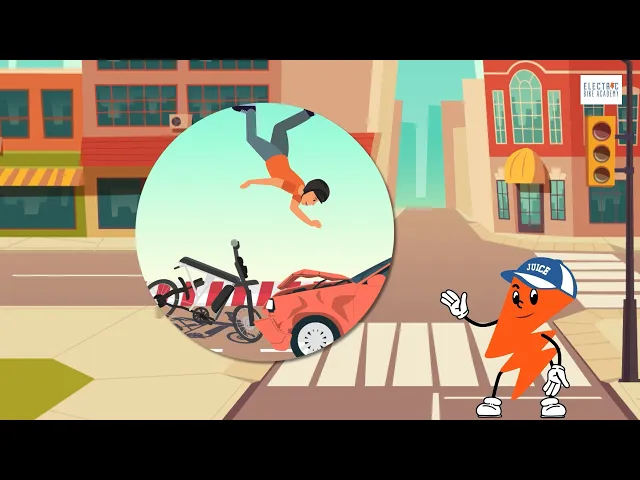
See how HSF helped Electric Bike Academy create structured course-style training videos for online learners and skill development programs. Watch the video:
Technologies Powering Modern Digital Learning Content
Modern digital learning content is supported by advanced technologies that improve engagement, accessibility, and personalization in education. Artificial intelligence helps analyze student performance and create adaptive learning paths tailored to individual progress. Interactive video platforms allow educators to integrate quizzes, clickable elements, and branching lessons directly within learning modules. Cloud-based learning management systems enable institutions to deliver content seamlessly across devices and locations. Additionally, immersive technologies such as augmented reality and virtual reality are transforming how complex subjects are taught by allowing students to explore simulations, virtual labs, and interactive environments that enhance understanding and retention.
Benefits of Digital Learning Resource Production for the USA Institutions
Digital learning resources provide significant advantages for educational institutions by improving accessibility, scalability, and teaching efficiency. Professionally produced learning materials support consistent knowledge delivery while helping institutions adapt to modern digital education models.
For Universities
Scalable course delivery: Digital learning content allows universities to deliver courses to large numbers of students simultaneously.
Global student reach: Online learning resources enable institutions to attract and educate students from different countries.
Reduced infrastructure costs: Digital courses reduce dependency on physical classroom space and campus resources.
For Students
Flexible learning: Students can access lessons anytime and learn at their own pace.
Personalized education: Digital platforms allow customized learning paths based on individual progress.
Access to global knowledge: Students can learn from experts, universities, and educational institutions worldwide.
For Educators
Reusable teaching assets: Recorded lectures and digital modules can be used across multiple semesters.
Improved teaching efficiency: Educators can focus more on discussions and mentoring rather than repeating lectures.
Analytics-based improvements: Learning analytics help instructors track student performance and refine teaching strategies.
Best Practices for Creating Effective Digital Learning Content
Creating effective digital classroom resources requires strong instructional design, engaging visuals, and optimized delivery for modern digital learning environments.
Use short, modular videos to improve comprehension and retention.
Apply visual storytelling and animation for complex topics.
Add quizzes and checkpoints to reinforce learning.
Optimize content for mobile and multi-device access.
Ensure clear visuals and professional audio quality.
Use analytics to track engagement and learning progress.
Read more: Why Dynamic Learning Videos Creation Is Trending in the USA
How House Sparrow Films Supports Digital Learning Resource Production
At House Sparrow Films, we help educational institutions, universities, and edtech companies create high-quality digital learning resources designed for modern education platforms. We produce structured educational videos, lecture recordings, animated explainers, and interactive modules that support effective digital teaching. By combining instructional planning with professional video production, we create engaging learning content that simplifies complex topics and improves student understanding.
As a global production partner, we support the creation of scalable digital learning materials used in online courses, hybrid classrooms, and training platforms. Our expertise in educational storytelling, motion graphics, and studio production helps institutions deliver clear, engaging, and professionally produced learning experiences for students worldwide.
Conclusion
Digital learning resource production is becoming essential for modern education across the United States. High-quality digital resources help institutions deliver engaging, scalable learning experiences through video, animation, and interactive content. As online and hybrid learning continue to expand, professionally produced educational materials play a critical role in improving accessibility, engagement, and knowledge retention. Universities, schools, and edtech platforms increasingly partner with specialized production teams to create effective learning content. Get in touch with House Sparrow Films to produce impactful digital learning resources for your educational programs.
FAQs
1. What types of digital learning resources are most effective for the USA classrooms?
Educational videos, animated explainers, interactive simulations, and microlearning modules are widely used because they simplify complex topics and keep students engaged.
2. How do digital learning resources support hybrid learning models?
They allow students to access lectures, demonstrations, and course materials online while classroom time focuses on discussion, problem-solving, and practical activities.
3. What role does video production play in creating effective learning resources?
Professional video production improves visual clarity, audio quality, and structured presentation, helping students understand lessons more effectively.
4. How do universities use digital learning content to expand their programs?
Universities use recorded lectures, interactive modules, and digital course materials to offer online degrees, certification programs, and hybrid learning options.
5. What factors should institutions consider when producing digital learning content?
Key factors include instructional design, video quality, mobile compatibility, LMS integration, and the use of visuals or animation to enhance learning comprehension.
Key takeaways
Digital learning tools are becoming essential for modern classrooms across schools and universities.
Video lectures, interactive modules, and simulations improve student engagement and knowledge retention.
Online and hybrid learning models allow institutions to scale education beyond physical classrooms.
Professionally produced educational content improves learning quality, clarity, and consistency.
Technology-driven education is shaping the future of accessible, flexible, and personalized learning.
Digital learning resources in the USA are reshaping how students access knowledge, collaborate with educators, and engage with modern curricula. From recorded lectures and interactive simulations to microlearning videos and multimedia lessons, digital content has become a core component of contemporary education delivery. As institutions increasingly integrate technology into classrooms and learning platforms, digital learning resources are enabling more flexible, visual, and scalable educational experiences.
The adoption of digital learning across the United States continues to accelerate. Reports show that around 63% of USA high school students use digital learning platforms regularly, while millions of college students now take at least one online course during their academic journey. These trends highlight how schools and universities are rapidly expanding their use of video lectures, interactive modules, and simulation-based learning tools to enhance accessibility, engagement, and knowledge retention in modern education systems.
Why Digital Learning Resources Are Transforming USA Education
The rapid expansion of digital education is driving demand for high-quality eLearning content production. Schools, universities, and edtech platforms increasingly rely on digital learning resources to deliver flexible, engaging, and scalable education.
Rapid Growth of Online and Hybrid Learning
Online education adoption has expanded significantly across the United States.
Over 30% of U.S. students take at least one online course.
Around 5 million U.S. college students study fully online.
Hybrid learning models combining classroom and digital instruction are becoming standard in many institutions.
These trends show how digital learning resources are now central to modern education delivery.
Accessibility and Inclusive Education
Digital learning platforms allow students from different regions, backgrounds, and learning environments to access high-quality educational materials. Recorded lessons, interactive modules, and on-demand resources ensure learning remains accessible regardless of location or schedule.
Data-Driven Personalized Learning
Modern learning platforms use analytics and performance tracking to understand how students interact with educational content. This data enables educators to adjust teaching strategies, personalize lessons, and improve learning outcomes across diverse student groups.
What Are Digital Learning Resources in Modern Education?
Digital learning resources are multimedia educational materials designed to support teaching and learning on digital platforms. These resources include videos, simulations, interactive modules, and structured online lessons that help students understand concepts more effectively. They are widely used in schools, universities, and training programs to make learning more visual, flexible, and accessible. As education technology expert Tony Bates notes, “Digital learning resources allow education to move beyond the classroom and make high-quality knowledge accessible to anyone, anywhere.” This shift has made digital content a core part of modern education systems.
Common Types of Digital Learning Resources
Digital learning resources include a range of multimedia formats that support modern education. These resources help improve engagement, accessibility, and understanding across different learning environments.
Resource Type | Example | Use Case |
Educational videos | Lecture recordings, tutorials | University courses |
Interactive modules | Simulations, virtual labs | STEM education |
Microlearning videos | Short topic lessons | Skill development |
Animated explainer videos | Concept visualization | K-12 learning |
LMS integrated content | SCORM modules | Corporate training |
Read more: Why L&D Videos Are the Backbone of Continuous Learning Culture
Why Professional Digital Learning Resource Production Matters
As digital education expands, institutions need professionally produced online education materials that are structured, engaging, and easy to scale. High-quality production ensures learning content is visually clear, pedagogically effective, and accessible across different devices and learning environments.
Improves Student Engagement
Professionally produced learning resources significantly enhance student attention and comprehension.
Visual storytelling improves knowledge retention
Motion graphics simplify complex subjects and abstract concepts
Interactive elements encourage active learning and participation
Studies show that viewers retain about 95% of a message when watching a video compared to only 10% when reading text, highlighting the effectiveness of visual learning.
Enables Scalable Education
Digital learning resources allow educational institutions to expand their teaching capabilities beyond traditional classroom limitations.
Global Reach: Online lessons allow universities to teach students from different regions and international locations.
Reusable Content: Recorded lectures and learning modules reduce repetitive teaching and support consistent curriculum delivery.
Standardized Learning: Professionally produced content maintains uniform teaching quality across departments, campuses, and online programs.
Supports Hybrid and Remote Classrooms
Modern education increasingly combines in-person teaching with digital resources, creating hybrid learning environments. High-quality digital learning content allows students to access lessons anytime while still benefiting from classroom discussions and instructor guidance.
Flipped classroom model
On-demand learning
Remote accessibility
By supporting both physical and virtual classrooms, professionally produced digital resources help institutions build more resilient and flexible education systems.
Looking to produce high-quality educational videos and e-learning resources? House Sparrow Films helps institutions create engaging digital learning content. Get a quote from House Sparrow Films.
Key Components of High-Quality Digital Learning Resource Production
Effective digital learning content requires a structured production process that combines instructional design, media production, and technology integration. Strong edTech content development ensures that learning materials are engaging, pedagogically sound, and compatible with modern digital learning platforms.
Instructional Design Strategy
Instructional design forms the foundation of effective digital learning resources. It ensures that educational content aligns with curriculum goals and learning outcomes.
Key steps include:
Curriculum Mapping: Organizing course topics and lessons to align with academic standards, learning pathways, and overall curriculum structure.
Learning Objective Definition: Clearly defining measurable goals so students understand expected knowledge, skills, and competencies after completing each lesson.
Storyboarding: Planning visuals, narration, and instructional flow before production to ensure lessons remain clear, engaging, and well-structured.
Professional Video Production
Professional production quality improves clarity, credibility, and learner engagement across digital education platforms.
Key production elements include:
Studio recording for clear and consistent visual quality
Multi-camera setups for dynamic presentation styles
Teleprompter delivery for smooth instructor communication
Professional sound design for clear audio
Proper lighting to ensure visual clarity and professionalism
Motion Graphics and Animation
Motion graphics and animation play a crucial role in improving the clarity and engagement of digital learning content. Animated visuals help break down complex topics into simple, easy-to-understand explanations, especially for subjects like science, mathematics, and technology. By combining diagrams, visual storytelling, and dynamic graphics, educators can illustrate processes and concepts that are difficult to demonstrate through traditional teaching methods. This approach significantly improves comprehension, retention, and overall learner engagement across digital education platforms.
LMS Integration and Optimization
Digital learning resources must function seamlessly within modern learning management systems.
SCORM Compatibility: Ensures learning modules integrate smoothly with learning management systems used by universities and training institutions.
Mobile-Friendly Formats: Optimizing videos and modules for smartphones and tablets supports flexible learning across multiple devices.
Learning Analytics Integration: Data tracking tools help educators analyze student engagement, progress, and performance across digital learning platforms.
Read more: Digital Transformation via SOP Video Editing & Playbook Creation in the USA
Use Cases of Digital Learning Resource Production in the USA Education
Digital learning resources support multiple segments of the USA education ecosystem. Institutions often collaborate with the best L&D video production company to develop scalable, engaging learning experiences across different educational environments.
K-12 Digital Curriculum
Digital learning resources enhance K-12 education through interactive lessons, virtual laboratories, and educational storytelling. These tools help teachers explain complex topics visually while improving student engagement and understanding.
University Online Courses
Universities use digital learning resources for MOOCs, hybrid programs, and professional certification courses. Recorded lectures and structured modules allow institutions to reach larger student audiences beyond traditional classroom settings.
EdTech Platforms and Startups
EdTech platforms rely on digital learning content for subscription courses, microlearning apps, and AI-powered education systems. These technologies personalize learning experiences and deliver flexible education to global users.
See how HSF helped Electric Bike Academy create structured course-style training videos for online learners and skill development programs. Watch the video:
Technologies Powering Modern Digital Learning Content
Modern digital learning content is supported by advanced technologies that improve engagement, accessibility, and personalization in education. Artificial intelligence helps analyze student performance and create adaptive learning paths tailored to individual progress. Interactive video platforms allow educators to integrate quizzes, clickable elements, and branching lessons directly within learning modules. Cloud-based learning management systems enable institutions to deliver content seamlessly across devices and locations. Additionally, immersive technologies such as augmented reality and virtual reality are transforming how complex subjects are taught by allowing students to explore simulations, virtual labs, and interactive environments that enhance understanding and retention.
Benefits of Digital Learning Resource Production for the USA Institutions
Digital learning resources provide significant advantages for educational institutions by improving accessibility, scalability, and teaching efficiency. Professionally produced learning materials support consistent knowledge delivery while helping institutions adapt to modern digital education models.
For Universities
Scalable course delivery: Digital learning content allows universities to deliver courses to large numbers of students simultaneously.
Global student reach: Online learning resources enable institutions to attract and educate students from different countries.
Reduced infrastructure costs: Digital courses reduce dependency on physical classroom space and campus resources.
For Students
Flexible learning: Students can access lessons anytime and learn at their own pace.
Personalized education: Digital platforms allow customized learning paths based on individual progress.
Access to global knowledge: Students can learn from experts, universities, and educational institutions worldwide.
For Educators
Reusable teaching assets: Recorded lectures and digital modules can be used across multiple semesters.
Improved teaching efficiency: Educators can focus more on discussions and mentoring rather than repeating lectures.
Analytics-based improvements: Learning analytics help instructors track student performance and refine teaching strategies.
Best Practices for Creating Effective Digital Learning Content
Creating effective digital classroom resources requires strong instructional design, engaging visuals, and optimized delivery for modern digital learning environments.
Use short, modular videos to improve comprehension and retention.
Apply visual storytelling and animation for complex topics.
Add quizzes and checkpoints to reinforce learning.
Optimize content for mobile and multi-device access.
Ensure clear visuals and professional audio quality.
Use analytics to track engagement and learning progress.
Read more: Why Dynamic Learning Videos Creation Is Trending in the USA
How House Sparrow Films Supports Digital Learning Resource Production
At House Sparrow Films, we help educational institutions, universities, and edtech companies create high-quality digital learning resources designed for modern education platforms. We produce structured educational videos, lecture recordings, animated explainers, and interactive modules that support effective digital teaching. By combining instructional planning with professional video production, we create engaging learning content that simplifies complex topics and improves student understanding.
As a global production partner, we support the creation of scalable digital learning materials used in online courses, hybrid classrooms, and training platforms. Our expertise in educational storytelling, motion graphics, and studio production helps institutions deliver clear, engaging, and professionally produced learning experiences for students worldwide.
Conclusion
Digital learning resource production is becoming essential for modern education across the United States. High-quality digital resources help institutions deliver engaging, scalable learning experiences through video, animation, and interactive content. As online and hybrid learning continue to expand, professionally produced educational materials play a critical role in improving accessibility, engagement, and knowledge retention. Universities, schools, and edtech platforms increasingly partner with specialized production teams to create effective learning content. Get in touch with House Sparrow Films to produce impactful digital learning resources for your educational programs.
FAQs
1. What types of digital learning resources are most effective for the USA classrooms?
Educational videos, animated explainers, interactive simulations, and microlearning modules are widely used because they simplify complex topics and keep students engaged.
2. How do digital learning resources support hybrid learning models?
They allow students to access lectures, demonstrations, and course materials online while classroom time focuses on discussion, problem-solving, and practical activities.
3. What role does video production play in creating effective learning resources?
Professional video production improves visual clarity, audio quality, and structured presentation, helping students understand lessons more effectively.
4. How do universities use digital learning content to expand their programs?
Universities use recorded lectures, interactive modules, and digital course materials to offer online degrees, certification programs, and hybrid learning options.
5. What factors should institutions consider when producing digital learning content?
Key factors include instructional design, video quality, mobile compatibility, LMS integration, and the use of visuals or animation to enhance learning comprehension.