Key takeaways
Microlearning videos deliver focused training that fits modern attention spans and busy corporate schedules.
Short, targeted videos improve knowledge retention and support faster skill development across teams.
Interactive and AI-driven formats increase learner engagement in remote and hybrid work environments.
Microlearning helps L&D teams address compliance, leadership, and digital skills efficiently.
Well-produced videos scale easily and integrate smoothly with existing corporate learning systems.
Workplace learning in the U.S. is being reshaped by shorter attention spans, hybrid schedules, and rapid skill changes. Employees no longer have the time or focus for long training sessions that pull them away from daily responsibilities. Learning now needs to be quick, targeted, and accessible across devices. According to recent industry data, 93 percent of companies now see microlearning as essential to training success, showing a strong shift toward short-form learning approaches for better workforce engagement and retention.
Microlearning videos for corporate L&D teams in the USA have moved from optional support tools to core training infrastructure in 2026. These short, focused videos help organizations deliver skills faster, improve retention, and keep pace with constant change. For hybrid and remote teams, microlearning creates consistent learning experiences without slowing productivity or overwhelming learners.
Why Microlearning Videos Matter for U.S. Corporate L&D in 2026
Enterprise training environments across the U.S. are facing shrinking attention spans. Employees struggle to stay focused during long sessions while balancing meetings, deadlines, and constant digital interruptions. Microlearning videos deliver focused lessons that fit naturally into busy workdays and improve knowledge recall.
Remote and hybrid work models have also reshaped how learning is delivered. Distributed teams need consistent training that works across time zones and devices. Short, role-specific videos allow employees to learn exactly what they need, when they need it, without disrupting productivity.
Skill requirements are changing faster due to AI and automation. Traditional training cycles cannot keep up. On-demand microlearning helps L&D teams update content quickly and address emerging skill gaps. As Josh Bersin noted, “Learning now happens in the flow of work, not in long scheduled programs.”
Read more: The Microlearning Revolution: How Data-Driven Strategies Are Transforming L&D Videos
What Are Microlearning Videos in Corporate Training?
Microlearning videos in corporate training are short, focused learning assets designed to support real workplace performance. Created using video production services aligned with business needs, these videos deliver specific knowledge employees can apply immediately. Instead of broad lessons, each video addresses one task, concept, or decision, making learning faster and more practical.
Key characteristics of microlearning videos include:
Duration typically ranges from 30 seconds to five minutes
One clear learning objective per video
Designed for recall and repeated reference, not just completion
Compared to traditional long-form training, microlearning reduces cognitive overload and fits easily into daily workflows. Employees can access information when needed, reinforce skills over time, and stay productive without lengthy training interruptions.
Read more: Microlearning vs. Traditional Learning: Which is Better?
Popular Microlearning Video Formats Used by U.S. L&D Teams
U.S. L&D teams use a range of microlearning video formats to deliver training that is clear, engaging, and easy to apply. Working with an animated video company helps organizations turn complex information into short, visually guided lessons that employees can absorb quickly. These formats support consistent learning across departments while fitting into fast-paced work environments.
Explainer Videos for Policies, Concepts, and Strategy
Explainer videos help simplify complex internal information so employees can quickly understand key messages without reviewing lengthy documents. They are especially effective for standardizing knowledge across teams.
Core focus:
Compliance requirements
Company policies
Employee benefits
Strategic initiatives like AI adoption
Effective actions:
Use simple visual storytelling
Keep messaging focused on one concept
Limit duration to under three minutes
Reinforce key takeaways visually
Tutorials and Software Walkthroughs
Tutorial videos guide employees through internal tools and workflows step by step. They reduce errors, support onboarding, and serve as quick references during daily tasks.
Core focus:
Process navigation
Task execution
Workflow understanding
System familiarity
Effective actions:
Show real screen interactions
Highlight key actions clearly
Use voiceovers for clarity
Break workflows into short segments
Interactive Microlearning Videos
Interactive microlearning videos engage employees by involving them directly in the learning process. These videos encourage decision-making rather than passive viewing.
Core focus:
Knowledge application
Scenario-based learning
Decision making
Engagement improvement
Effective actions:
Add quizzes or checkpoints
Use branching scenarios
Simulate real workplace choices
Provide instant feedback
AI-Generated Microlearning Lessons
AI-generated lessons support rapid training creation at scale. Avatar-based videos help maintain consistency while reducing production time for large organizations.
Core focus:
Speed of content creation
Training scalability
Consistent delivery
Frequent updates
Effective actions:
Use standardized avatars
Automate script-to-video workflows
Refresh content regularly
Maintain brand-aligned visuals
Microlearning Video Formats Mapped to Business Use Cases
Choosing the right microlearning format depends on the training goal, audience, and delivery speed. Partnering with an animated video company allows L&D teams to align visual style and structure with specific business outcomes, whether the focus is compliance, productivity, or leadership development. Different formats support different learning moments, from quick policy updates to hands-on decision training. Below are the most common microlearning video formats and how U.S. organizations apply them in real training scenarios.
Below are the key microlearning video formats and their ideal use cases.
Video Format | Best Use Case | Typical Length | Ideal Teams |
Explainer videos | Policies, concepts | 1–3 mins | HR, Compliance |
Tutorials | Tools, workflows | 2–5 mins | Ops, IT |
Interactive videos | Decision training | 2–4 mins | Leadership |
AI-generated videos | Rapid rollouts | 1–2 mins | Large enterprises |
Top Microlearning Platforms and Tools Used by U.S. L&D Teams
U.S. L&D teams rely on a combination of creation tools and delivery platforms to build effective microlearning ecosystems. Partnering with a top L&D video production company helps organizations align video quality with learning goals while ensuring content works smoothly across modern platforms. These tools support faster production, easier updates, and measurable learning outcomes.
Creation and Authoring Tools
These tools help teams create short, engaging microlearning videos without long production cycles.
iSpring Suite – Rapid authoring with video, quizzes, and assessments
Vyond – Animated videos for explainers and scenario-based learning
Camtasia – Screen recording and editing for tutorials and walkthroughs
Adobe Express – Quick video creation using professional templates
Animaker – Simple animation tools for training visuals
Delivery and Management Platforms
These platforms host content, support access across devices, and track learning impact.
House Sparrow Films Learning Platform – Custom-branded delivery with performance tracking
Docebo – Enterprise LMS with analytics and microlearning support
5Mins – Bite-sized lesson library for continuous learning
OttoLearn – Gamified microlearning with spaced repetition
TalentLMS – A lightweight platform for hosting short video modules
Trending Microlearning Topics for Corporate L&D Teams in the USA
Corporate L&D teams in the USA are using microlearning to address fast-changing skill needs without overwhelming employees. Short, focused video lessons allow organizations to respond quickly to new technologies, leadership demands, and regulatory expectations while keeping learning accessible and relevant. These are the most in-demand microlearning topics shaping corporate training strategies today:
AI and Digital Literacy Training: Short video modules help employees understand AI usage, data literacy, and responsible automation, enabling teams to adopt new technologies confidently while reducing confusion, misuse, and skills gaps.
Leadership and Soft Skills Development: Bite-sized lessons focus on emotional intelligence, communication, decision-making, and crisis leadership, allowing managers to build people skills through practical scenarios without lengthy classroom sessions.
Compliance, Cybersecurity, and Risk Awareness: Ongoing learning nudges reinforce policies, cybersecurity practices, and regulatory updates, keeping employees alert and compliant without relying on once-a-year training programs.
Get a quote with House Sparrow Films to create microlearning videos tailored to your corporate L&D goals.
How Microlearning Videos Improve Knowledge Retention and Performance
Microlearning videos improve retention by reducing cognitive load. Short lessons focus on one idea at a time, making information easier to understand and process. When training is delivered through clear, well-structured content created using business video services, employees avoid mental overload and stay focused on what matters most.
Retention improves further through repetition and easy access. Employees can revisit short videos whenever needed, reinforcing key concepts without sitting through long sessions again. This repeated exposure strengthens memory and helps learners recall information faster during real work situations.
Over time, microlearning supports better performance on the job. Reinforcement happens naturally as employees apply what they learn in small steps. Instead of memorizing content for completion, learners build practical skills they can use immediately, leading to improved confidence, accuracy, and overall productivity.
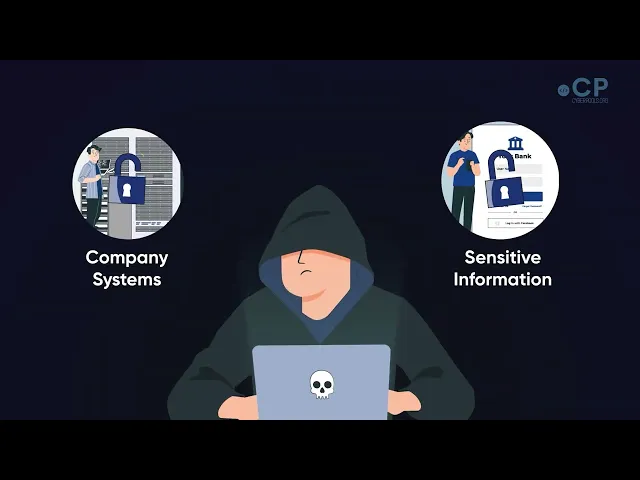
See how HSF helped Cyberpools simplify cybersecurity awareness through short, focused training that improves recall and risk awareness. Watch the video:
How U.S. Companies Integrate Microlearning Videos Into Their LMS
The integration process starts with clear planning and structured execution. U.S. organizations focus on aligning microlearning videos with real job needs, ensuring training fits seamlessly into existing LMS environments and daily workflows.
Integration steps:
Identify role-specific skill gaps
Break training into focused micro-objectives
Align videos with defined LMS learning pathways
Track completion rates and performance outcomes
Refresh content quarterly to stay relevant
Best practices:
Keep videos short and task-focused
Map each video to a measurable outcome
Use consistent naming and tagging inside the LMS
Review analytics to guide future content updates
This step-based approach helps companies deliver learning that is practical, measurable, and easy for employees to access when needed.
How to Measure the Impact of Microlearning Videos
U.S. enterprises measure the impact of microlearning videos by focusing on performance-focused metrics rather than completion alone. Completion rates show whether content fits naturally into workflows, while knowledge checks confirm understanding and short-term retention. Organizations also track on-the-job behavior change to see if employees apply learning in real situations. Time-to-competency is especially valuable, as it measures how quickly learners reach expected performance after training.
Qualitative feedback from managers adds important insight beyond data. Manager observations, coaching discussions, and team feedback help L&D teams understand how microlearning affects daily performance. This input highlights practical improvements, identifies gaps, and supports continuous refinement of training content.
Read more: How Micro-Interactive L&D Videos Improve Knowledge Retention
Why Professional Video Production Matters for Microlearning at Scale
Scaling microlearning across large organizations requires more than short videos. Quality, clarity, and consistency directly affect how well employees understand, remember, and apply what they learn. Professional production ensures every video supports learning goals while maintaining visual and instructional standards. When microlearning is built using business video services, organizations can deliver reliable, repeatable learning experiences at scale. These are the key reasons professional production makes a measurable difference:
Consistent Learning Experience: Professionally produced videos maintain consistent visuals, pacing, and tone, helping learners focus on content rather than adjusting to different formats or presentation styles.
Clear Message Delivery: Structured scripting and visual planning reduce confusion, ensuring each video communicates one objective clearly and improves knowledge retention.
Scalability Without Quality Loss: Standardized production workflows allow organizations to create large volumes of microlearning content without sacrificing clarity or instructional value.
Faster Content Updates: Professional production frameworks make it easier to refresh or replace videos quickly as processes, tools, or policies change.
Stronger Learning Outcomes: High-quality visuals and sound improve engagement, recall, and real-world application, leading to better performance and measurable training results.
How House Sparrow Films Supports Global Microlearning for U.S. L&D Teams
House Sparrow Films works with U.S. L&D teams to deliver microlearning videos that scale across regions, time zones, and workforce models. Global delivery capabilities ensure consistent training experiences for remote, hybrid, and in-office teams without disrupting local operations or learning schedules.
The team aligns instructional design with business objectives, combining animation and live-action formats based on learning needs. Enterprise-ready production workflows support consistency, quality control, and faster updates, helping organizations maintain reliable microlearning programs as skills, tools, and policies continue to evolve.
Conclusion
Microlearning videos for corporate L&D teams in the USA have become a practical response to changing skills, hybrid work, and faster technology cycles. Short, focused video training supports better retention, quicker application, and continuous learning without disrupting daily work. As organizations face ongoing change, microlearning helps L&D teams stay flexible while meeting performance goals and workforce expectations.
Looking ahead to 2026, microlearning will remain a core training strategy as roles evolve and upskilling becomes constant. Companies that invest in structured, high-quality video learning will be better prepared to adapt, scale training, and support long-term growth. Contact us at House Sparrow Films to discuss how microlearning videos can support your L&D goals.
FAQs
What is the ideal length for microlearning videos?
The ideal length for microlearning videos is 30 seconds to five minutes, allowing focused learning, easy recall, reinforcement, and minimal disruption to daily work schedules.Are microlearning videos effective for remote and hybrid teams?
Microlearning videos support remote and hybrid teams by delivering consistent, on-demand training that fits flexible schedules, reinforces skills, and keeps employees aligned without long sessions.Can microlearning be used for compliance training?
Yes, microlearning works for compliance training by using short refreshers and ongoing nudges that improve retention, reduce fatigue, and help employees follow regulations consistently better.How do companies measure microlearning effectiveness?
Impact is measured through completion rates, knowledge checks, behavior changes, and time-to-competency, giving L&D teams clear insight into training effectiveness and performance outcomes across organizations.Should companies outsource microlearning video production?
Outsourcing helps organizations scale microlearning faster, maintain quality, align instructional design, and update content efficiently while internal teams focus on strategy and learner needs globally.
Key takeaways
Microlearning videos deliver focused training that fits modern attention spans and busy corporate schedules.
Short, targeted videos improve knowledge retention and support faster skill development across teams.
Interactive and AI-driven formats increase learner engagement in remote and hybrid work environments.
Microlearning helps L&D teams address compliance, leadership, and digital skills efficiently.
Well-produced videos scale easily and integrate smoothly with existing corporate learning systems.
Workplace learning in the U.S. is being reshaped by shorter attention spans, hybrid schedules, and rapid skill changes. Employees no longer have the time or focus for long training sessions that pull them away from daily responsibilities. Learning now needs to be quick, targeted, and accessible across devices. According to recent industry data, 93 percent of companies now see microlearning as essential to training success, showing a strong shift toward short-form learning approaches for better workforce engagement and retention.
Microlearning videos for corporate L&D teams in the USA have moved from optional support tools to core training infrastructure in 2026. These short, focused videos help organizations deliver skills faster, improve retention, and keep pace with constant change. For hybrid and remote teams, microlearning creates consistent learning experiences without slowing productivity or overwhelming learners.
Why Microlearning Videos Matter for U.S. Corporate L&D in 2026
Enterprise training environments across the U.S. are facing shrinking attention spans. Employees struggle to stay focused during long sessions while balancing meetings, deadlines, and constant digital interruptions. Microlearning videos deliver focused lessons that fit naturally into busy workdays and improve knowledge recall.
Remote and hybrid work models have also reshaped how learning is delivered. Distributed teams need consistent training that works across time zones and devices. Short, role-specific videos allow employees to learn exactly what they need, when they need it, without disrupting productivity.
Skill requirements are changing faster due to AI and automation. Traditional training cycles cannot keep up. On-demand microlearning helps L&D teams update content quickly and address emerging skill gaps. As Josh Bersin noted, “Learning now happens in the flow of work, not in long scheduled programs.”
Read more: The Microlearning Revolution: How Data-Driven Strategies Are Transforming L&D Videos
What Are Microlearning Videos in Corporate Training?
Microlearning videos in corporate training are short, focused learning assets designed to support real workplace performance. Created using video production services aligned with business needs, these videos deliver specific knowledge employees can apply immediately. Instead of broad lessons, each video addresses one task, concept, or decision, making learning faster and more practical.
Key characteristics of microlearning videos include:
Duration typically ranges from 30 seconds to five minutes
One clear learning objective per video
Designed for recall and repeated reference, not just completion
Compared to traditional long-form training, microlearning reduces cognitive overload and fits easily into daily workflows. Employees can access information when needed, reinforce skills over time, and stay productive without lengthy training interruptions.
Read more: Microlearning vs. Traditional Learning: Which is Better?
Popular Microlearning Video Formats Used by U.S. L&D Teams
U.S. L&D teams use a range of microlearning video formats to deliver training that is clear, engaging, and easy to apply. Working with an animated video company helps organizations turn complex information into short, visually guided lessons that employees can absorb quickly. These formats support consistent learning across departments while fitting into fast-paced work environments.
Explainer Videos for Policies, Concepts, and Strategy
Explainer videos help simplify complex internal information so employees can quickly understand key messages without reviewing lengthy documents. They are especially effective for standardizing knowledge across teams.
Core focus:
Compliance requirements
Company policies
Employee benefits
Strategic initiatives like AI adoption
Effective actions:
Use simple visual storytelling
Keep messaging focused on one concept
Limit duration to under three minutes
Reinforce key takeaways visually
Tutorials and Software Walkthroughs
Tutorial videos guide employees through internal tools and workflows step by step. They reduce errors, support onboarding, and serve as quick references during daily tasks.
Core focus:
Process navigation
Task execution
Workflow understanding
System familiarity
Effective actions:
Show real screen interactions
Highlight key actions clearly
Use voiceovers for clarity
Break workflows into short segments
Interactive Microlearning Videos
Interactive microlearning videos engage employees by involving them directly in the learning process. These videos encourage decision-making rather than passive viewing.
Core focus:
Knowledge application
Scenario-based learning
Decision making
Engagement improvement
Effective actions:
Add quizzes or checkpoints
Use branching scenarios
Simulate real workplace choices
Provide instant feedback
AI-Generated Microlearning Lessons
AI-generated lessons support rapid training creation at scale. Avatar-based videos help maintain consistency while reducing production time for large organizations.
Core focus:
Speed of content creation
Training scalability
Consistent delivery
Frequent updates
Effective actions:
Use standardized avatars
Automate script-to-video workflows
Refresh content regularly
Maintain brand-aligned visuals
Microlearning Video Formats Mapped to Business Use Cases
Choosing the right microlearning format depends on the training goal, audience, and delivery speed. Partnering with an animated video company allows L&D teams to align visual style and structure with specific business outcomes, whether the focus is compliance, productivity, or leadership development. Different formats support different learning moments, from quick policy updates to hands-on decision training. Below are the most common microlearning video formats and how U.S. organizations apply them in real training scenarios.
Below are the key microlearning video formats and their ideal use cases.
Video Format | Best Use Case | Typical Length | Ideal Teams |
Explainer videos | Policies, concepts | 1–3 mins | HR, Compliance |
Tutorials | Tools, workflows | 2–5 mins | Ops, IT |
Interactive videos | Decision training | 2–4 mins | Leadership |
AI-generated videos | Rapid rollouts | 1–2 mins | Large enterprises |
Top Microlearning Platforms and Tools Used by U.S. L&D Teams
U.S. L&D teams rely on a combination of creation tools and delivery platforms to build effective microlearning ecosystems. Partnering with a top L&D video production company helps organizations align video quality with learning goals while ensuring content works smoothly across modern platforms. These tools support faster production, easier updates, and measurable learning outcomes.
Creation and Authoring Tools
These tools help teams create short, engaging microlearning videos without long production cycles.
iSpring Suite – Rapid authoring with video, quizzes, and assessments
Vyond – Animated videos for explainers and scenario-based learning
Camtasia – Screen recording and editing for tutorials and walkthroughs
Adobe Express – Quick video creation using professional templates
Animaker – Simple animation tools for training visuals
Delivery and Management Platforms
These platforms host content, support access across devices, and track learning impact.
House Sparrow Films Learning Platform – Custom-branded delivery with performance tracking
Docebo – Enterprise LMS with analytics and microlearning support
5Mins – Bite-sized lesson library for continuous learning
OttoLearn – Gamified microlearning with spaced repetition
TalentLMS – A lightweight platform for hosting short video modules
Trending Microlearning Topics for Corporate L&D Teams in the USA
Corporate L&D teams in the USA are using microlearning to address fast-changing skill needs without overwhelming employees. Short, focused video lessons allow organizations to respond quickly to new technologies, leadership demands, and regulatory expectations while keeping learning accessible and relevant. These are the most in-demand microlearning topics shaping corporate training strategies today:
AI and Digital Literacy Training: Short video modules help employees understand AI usage, data literacy, and responsible automation, enabling teams to adopt new technologies confidently while reducing confusion, misuse, and skills gaps.
Leadership and Soft Skills Development: Bite-sized lessons focus on emotional intelligence, communication, decision-making, and crisis leadership, allowing managers to build people skills through practical scenarios without lengthy classroom sessions.
Compliance, Cybersecurity, and Risk Awareness: Ongoing learning nudges reinforce policies, cybersecurity practices, and regulatory updates, keeping employees alert and compliant without relying on once-a-year training programs.
Get a quote with House Sparrow Films to create microlearning videos tailored to your corporate L&D goals.
How Microlearning Videos Improve Knowledge Retention and Performance
Microlearning videos improve retention by reducing cognitive load. Short lessons focus on one idea at a time, making information easier to understand and process. When training is delivered through clear, well-structured content created using business video services, employees avoid mental overload and stay focused on what matters most.
Retention improves further through repetition and easy access. Employees can revisit short videos whenever needed, reinforcing key concepts without sitting through long sessions again. This repeated exposure strengthens memory and helps learners recall information faster during real work situations.
Over time, microlearning supports better performance on the job. Reinforcement happens naturally as employees apply what they learn in small steps. Instead of memorizing content for completion, learners build practical skills they can use immediately, leading to improved confidence, accuracy, and overall productivity.
See how HSF helped Cyberpools simplify cybersecurity awareness through short, focused training that improves recall and risk awareness. Watch the video:
How U.S. Companies Integrate Microlearning Videos Into Their LMS
The integration process starts with clear planning and structured execution. U.S. organizations focus on aligning microlearning videos with real job needs, ensuring training fits seamlessly into existing LMS environments and daily workflows.
Integration steps:
Identify role-specific skill gaps
Break training into focused micro-objectives
Align videos with defined LMS learning pathways
Track completion rates and performance outcomes
Refresh content quarterly to stay relevant
Best practices:
Keep videos short and task-focused
Map each video to a measurable outcome
Use consistent naming and tagging inside the LMS
Review analytics to guide future content updates
This step-based approach helps companies deliver learning that is practical, measurable, and easy for employees to access when needed.
How to Measure the Impact of Microlearning Videos
U.S. enterprises measure the impact of microlearning videos by focusing on performance-focused metrics rather than completion alone. Completion rates show whether content fits naturally into workflows, while knowledge checks confirm understanding and short-term retention. Organizations also track on-the-job behavior change to see if employees apply learning in real situations. Time-to-competency is especially valuable, as it measures how quickly learners reach expected performance after training.
Qualitative feedback from managers adds important insight beyond data. Manager observations, coaching discussions, and team feedback help L&D teams understand how microlearning affects daily performance. This input highlights practical improvements, identifies gaps, and supports continuous refinement of training content.
Read more: How Micro-Interactive L&D Videos Improve Knowledge Retention
Why Professional Video Production Matters for Microlearning at Scale
Scaling microlearning across large organizations requires more than short videos. Quality, clarity, and consistency directly affect how well employees understand, remember, and apply what they learn. Professional production ensures every video supports learning goals while maintaining visual and instructional standards. When microlearning is built using business video services, organizations can deliver reliable, repeatable learning experiences at scale. These are the key reasons professional production makes a measurable difference:
Consistent Learning Experience: Professionally produced videos maintain consistent visuals, pacing, and tone, helping learners focus on content rather than adjusting to different formats or presentation styles.
Clear Message Delivery: Structured scripting and visual planning reduce confusion, ensuring each video communicates one objective clearly and improves knowledge retention.
Scalability Without Quality Loss: Standardized production workflows allow organizations to create large volumes of microlearning content without sacrificing clarity or instructional value.
Faster Content Updates: Professional production frameworks make it easier to refresh or replace videos quickly as processes, tools, or policies change.
Stronger Learning Outcomes: High-quality visuals and sound improve engagement, recall, and real-world application, leading to better performance and measurable training results.
How House Sparrow Films Supports Global Microlearning for U.S. L&D Teams
House Sparrow Films works with U.S. L&D teams to deliver microlearning videos that scale across regions, time zones, and workforce models. Global delivery capabilities ensure consistent training experiences for remote, hybrid, and in-office teams without disrupting local operations or learning schedules.
The team aligns instructional design with business objectives, combining animation and live-action formats based on learning needs. Enterprise-ready production workflows support consistency, quality control, and faster updates, helping organizations maintain reliable microlearning programs as skills, tools, and policies continue to evolve.
Conclusion
Microlearning videos for corporate L&D teams in the USA have become a practical response to changing skills, hybrid work, and faster technology cycles. Short, focused video training supports better retention, quicker application, and continuous learning without disrupting daily work. As organizations face ongoing change, microlearning helps L&D teams stay flexible while meeting performance goals and workforce expectations.
Looking ahead to 2026, microlearning will remain a core training strategy as roles evolve and upskilling becomes constant. Companies that invest in structured, high-quality video learning will be better prepared to adapt, scale training, and support long-term growth. Contact us at House Sparrow Films to discuss how microlearning videos can support your L&D goals.
FAQs
What is the ideal length for microlearning videos?
The ideal length for microlearning videos is 30 seconds to five minutes, allowing focused learning, easy recall, reinforcement, and minimal disruption to daily work schedules.Are microlearning videos effective for remote and hybrid teams?
Microlearning videos support remote and hybrid teams by delivering consistent, on-demand training that fits flexible schedules, reinforces skills, and keeps employees aligned without long sessions.Can microlearning be used for compliance training?
Yes, microlearning works for compliance training by using short refreshers and ongoing nudges that improve retention, reduce fatigue, and help employees follow regulations consistently better.How do companies measure microlearning effectiveness?
Impact is measured through completion rates, knowledge checks, behavior changes, and time-to-competency, giving L&D teams clear insight into training effectiveness and performance outcomes across organizations.Should companies outsource microlearning video production?
Outsourcing helps organizations scale microlearning faster, maintain quality, align instructional design, and update content efficiently while internal teams focus on strategy and learner needs globally.