Key takeaways
Video-based learning improves student engagement, retention, accessibility, and consistency across classrooms.
Professional production ensures curriculum alignment, visual clarity, scalability, and long-term instructional value.
Animated and interactive formats simplify concepts while maintaining attention across grade levels.
Virtual classroom videos support teachers, reduce workload, and enable consistent instruction delivery.
Strategic video planning future-proofs schools for hybrid, remote, and evolving learning models.
Virtual learning has become a central part of K–12 education in the United States, no longer just an emergency response but a long-term instructional strategy. Recent data shows that over 3.5 million K–12 students in the U.S. are now enrolled in full-time online schools, with virtual education options expanding across every state and continued growth in demand for digital learning resources.
In this evolving landscape, virtual classroom videos for K–12 schools in the USA have emerged as essential tools for delivering high-quality, engaging instruction. Video-based lessons help break down complex concepts, support diverse learning styles, and extend access beyond traditional classrooms. As schools balance hybrid and remote learning models, investing in professional virtual content isn’t just beneficial, it’s strategic, transforming how teachers teach and students learn.
Why Virtual Classroom Videos Matter for K–12 Education in the USA
As schools move beyond static PDF worksheets and text-heavy slide decks, visual-first learning has taken center stage. Virtual classroom videos transform instruction from passive reading to active viewing, making concepts easier to grasp and more engaging. Studies consistently show that students retain information better when learning combines visual and auditory elements rather than relying on text alone. As education innovator Sal Khan states, “Video empowers students to pause, rewind, and learn at their own pace, turning time into an advantage rather than a barrier.”
Beyond engagement, videos significantly improve attention, retention, and accessibility for diverse learners. When aligned with state standards and district guidelines, video-based instruction helps schools meet curriculum compliance requirements while delivering consistent, high-quality learning experiences across classrooms.
How Video Supports Different Learning Styles
Virtual classroom videos address multiple learning needs within a single format. Visual learners benefit from animations and diagrams that clarify abstract concepts, while auditory learners absorb information through clear narration and explanations. Self-paced learners can pause or replay lessons as needed, reinforcing comprehension. For students with learning differences, videos provide structured, repeatable instruction supported by captions, transcripts, and accessibility features, creating a more inclusive learning environment.
Types of Virtual Classroom Videos Used by K–12 Schools
Virtual classroom videos used across K–12 schools generally fall into three clear categories, each serving a distinct instructional purpose. From lesson reinforcement to full-time digital instruction and educator training, these video types support both students and teachers at different stages of the learning journey. When developed with professional video production services, these formats ensure consistency, curriculum alignment, and scalable delivery across districts and grade levels.
Supplemental Curriculum Videos
Supplemental curriculum videos are short, focused learning assets designed to support classroom instruction by reinforcing key concepts visually and improving comprehension without replacing teacher-led lessons.
Key characteristics:
Short, topic-specific lesson formats
Designed to complement classroom teaching
Strong use of animation and visual storytelling
Common use cases:
Pre-class topic introductions
Revision and concept reinforcement
Flipped classroom learning models
Well-known examples:
PBS LearningMedia
Khan Academy
TED-Ed
BrainPOP and BrainPOP Jr.
Crash Course and Crash Course Kids
Full-Time Virtual School Classroom Videos
Full-time virtual classroom videos deliver structured, teacher-led instruction through live and recorded sessions that closely mirror traditional classroom environments in fully remote or hybrid learning models.
Key characteristics:
Live and recorded teaching sessions
Strong instructor presence and pacing
Emphasis on real-time student engagement
Common use cases:
Daily live classroom instruction
Student orientation and onboarding
Family and learner experience walkthroughs
Well-known examples:
K12 Stride
Sage Oak Virtual Learning Academy
Proximity Learning
Professional Development and Teacher Training Videos
Professional development videos focus on upskilling educators by delivering consistent, scalable training that supports effective virtual teaching, curriculum delivery, and classroom management across digital learning environments.
Key characteristics:
Internal training content for educators
Supports digital and hybrid teaching readiness
Consistent, scalable knowledge delivery
Common use cases:
New teacher onboarding programs
Ongoing professional development
Instructional quality standardization
Well-known examples:
District-led teacher training libraries
LMS-based professional learning modules
Virtual classroom management simulations
Read more: How to Use Video to Promote School Admissions
Virtual Classroom Video Formats That Perform Best
Choosing the right video format directly impacts engagement, comprehension, and participation in digital learning environments. For virtual classroom videos for k–12 schools in the USA, format-driven content helps educators deliver instruction that is interactive, age-appropriate, and aligned with modern classroom expectations.
Live Instruction Videos
Live instruction videos enable real-time teaching by allowing educators and students to interact dynamically during lessons, closely replicating the structure of traditional classroom experiences.
Key characteristics:
Real-time teacher and student interaction
Live explanations with immediate feedback
Supports synchronous classroom learning
Common use cases:
Daily live virtual classes
Breakout room discussions and recordings
Attendance tracking and participation monitoring
Well-known examples:
Live virtual classrooms via district platforms
Teacher-led Zoom or Teams sessions
Synchronous online K–12 instruction models
Animated Educational Videos
Animated educational videos use visual storytelling to simplify complex concepts, making them especially effective for younger learners and STEM-based subjects across K–12 education.
Key characteristics:
Story-driven animated explanations
High visual clarity and engagement
Simplifies abstract or complex ideas
Common use cases:
Explaining STEM concepts and processes
Supporting elementary and middle school learning
Visual reinforcement for difficult topics
Well-known examples:
Animated STEM explainer videos
Concept-based learning animations
Curriculum-aligned educational animations
Interactive Video Lessons
Interactive video lessons combine video content with built-in engagement tools that encourage active participation, helping educators track understanding and learning progress in real time.
Key characteristics:
Embedded quizzes and prompts
Interactive learning checkpoints
Data-driven engagement insights
Common use cases:
Knowledge checks during lessons
Formative assessment and revision
Progress tracking across student groups
Well-known examples:
Quiz-enabled lesson videos
Interactive learning modules
Assessment-driven video platforms
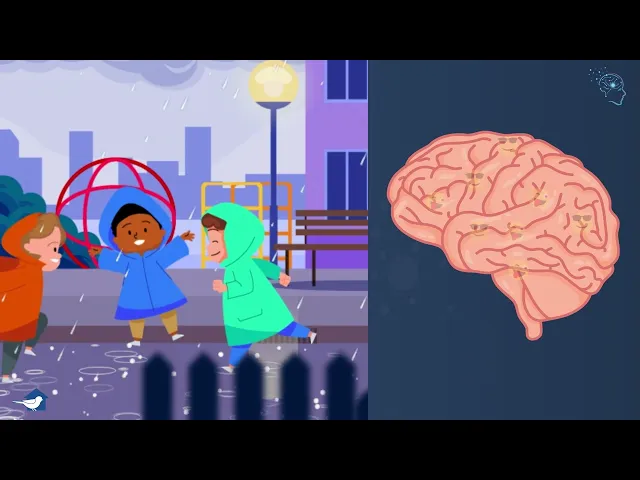
See how HSF helped Astella explain complex brain and emotional concepts through visually engaging animated videos designed for structured classroom learning. Watch the video:
Tools and Platforms That Power Virtual Classroom Videos
Behind effective virtual classroom videos is a well-connected ecosystem of tools that link content creation, delivery, and assessment. When technology and storytelling work together, schools can scale learning efficiently and maintain instructional consistency. If you’re planning custom video solutions, get a quote with House Sparrow Films to build platform-ready classroom videos tailored for K–12 education.
Classroom Management and Delivery Tools
Classroom management and delivery tools enable educators to organize, deliver, and monitor video-based instruction in structured digital environments. Platforms like Class layer education-specific features over video conferencing, while Zoom and Microsoft Teams support live teaching, breakout sessions, attendance tracking, and lesson recordings.
Interactive and Assessment Tools
Interactive and assessment tools turn video lessons into measurable learning experiences by embedding engagement checkpoints directly into content. Solutions such as Edpuzzle allow educators to add quizzes, knowledge checks, and prompts within videos, while analytics dashboards help track student participation, comprehension levels, and overall performance trends.
Student-Created Video Platforms
Student-created video platforms empower learners to actively participate by creating and sharing their own video assignments. Tools like WeVideo support collaborative projects, helping students build communication, creativity, and critical thinking skills while reinforcing subject knowledge through hands-on, student-led video learning experiences.
Read more: How Schools Can Showcase Student Achievements Through Video
Top Educational YouTube Channels Used in K–12 Classrooms
Curated YouTube content has become a trusted learning supplement in many USA K–12 classrooms when used intentionally and aligned with curriculum goals. Educators increasingly rely on verified educational channels to introduce topics, spark curiosity, and reinforce lessons visually. Many of these creators apply storytelling and animation techniques similar to those used by a professional animated video company, helping students understand complex ideas through engaging, age-appropriate visuals rather than passive viewing.
Channel Name | Best For | Grade Range |
SciShow Kids | Science curiosity | K–5 |
Numberphile | Advanced math concepts | 6–12 |
Veritasium | Experimental science | 9–12 |
Simple History | Visual history narratives | 6–12 |
Art for Kids Hub | Art and creativity | K–8 |
Key Features Schools Look for in Virtual Classroom Videos
When evaluating digital learning content, schools prioritize video quality, instructional value, and compliance with educational standards. Effective videos must support teaching goals while remaining inclusive and scalable across classrooms. For virtual classroom videos for k–12 schools in the USA, these are the essential features decision-makers consistently look for:
Curriculum alignment: Videos must closely match state and district curriculum standards, ensuring learning objectives are met while supporting assessments, lesson plans, and long-term academic outcomes.
Age-appropriate tone and pacing: Content should reflect students’ developmental stages, using suitable language, visuals, and pacing to maintain attention without overwhelming or under-engaging learners.
Accessibility compliance: Videos must follow accessibility guidelines to support students with disabilities, enabling equal participation through inclusive design, compliant formats, and assistive-friendly content structures.
Captioning and voice clarity: Clear narration combined with accurate captions ensures comprehension for diverse learners, including those with hearing challenges or language processing differences.
Accessibility and Inclusivity Standards
Accessibility and inclusivity standards ensure virtual classroom videos can be used effectively by all learners, regardless of ability, language, or learning environment. Compliance begins with ADA considerations, including readable visuals and assistive technology compatibility. Schools also prioritize multilingual support to serve diverse student populations, along with subtitles and transcripts that enhance understanding, support accessibility needs, and improve overall learning equity.
How Professional Video Production Elevates K–12 Learning
While DIY classroom videos may work short term, they often fall short in consistency, clarity, and engagement. Poor audio, unstructured explanations, and uneven visuals can distract learners and limit instructional impact. Partnering with the best school & edtech video production company helps schools deliver polished, curriculum-aligned content that maintains quality across grades, subjects, and learning environments.
Benefits of Working with Professional Video Production Services
Professional video teams bring instructional design, storytelling, and technical expertise together to create classroom-ready content that scales efficiently across districts. These are the key benefits schools gain:
Structured storytelling: Lessons follow a clear narrative flow, helping students understand concepts logically while maintaining attention and reinforcing learning objectives throughout the video.
Consistent visual branding: Uniform design, color palettes, and motion styles create familiarity, build trust, and improve recognition across school-owned digital learning content.
Scalable content libraries: Professionally produced videos can be reused, updated, and expanded easily, supporting long-term curriculum planning and multi-year learning programs.
Read more: The Benefits of Using Explainer Videos in School Classrooms
Role of an Animated Video Company in K–12 Education
An animated video company plays a vital role in simplifying instruction by turning abstract or complex topics into visual stories students can easily understand. Animation helps explain processes, timelines, and scientific concepts clearly while increasing engagement across grade levels. By reducing cognitive overload through visual sequencing and pacing, animated learning videos allow students to focus on comprehension rather than information processing, making lessons more effective and memorable.
Best Practices for Creating Effective Virtual Classroom Videos
Creating impactful virtual classroom videos requires more than recording lessons; it involves thoughtful planning, instructional clarity, and learner-focused design. When supported by professional business video services, schools can ensure videos remain engaging, accessible, and aligned with learning goals. These are the best practices educators and schools should follow:
Clear learning objectives: Each video should focus on specific outcomes, helping students understand what they will learn and allowing teachers to measure progress effectively.
Optimal video length: Short, well-paced videos maintain student attention, reduce cognitive overload, and improve retention across elementary, middle, and high school grade levels.
Strong visual reinforcement: Graphics, animations, and on-screen highlights support explanations, making abstract ideas easier to understand and recall during assessments.
Teacher presence on camera: Seeing the instructor builds connection, trust, and engagement, helping replicate classroom familiarity and encouraging active participation in virtual settings.
Accessible design standards: Captions, clear audio, readable visuals, and inclusive formatting ensure content is usable by all learners, including those with diverse learning needs.
Measuring the Impact of Virtual Classroom Videos
Measuring effectiveness helps schools understand whether video-based instruction is truly supporting learning outcomes. For virtual classroom videos for k–12 schools in the USA, impact is commonly evaluated through engagement metrics, completion rates, and improvements in student assessments, ensuring videos contribute meaningfully to academic progress rather than passive consumption.
KPIs Used by USA School Districts
USA school districts rely on data-driven indicators to evaluate how students interact with virtual classroom content. Watch time reveals engagement levels, while quiz performance highlights knowledge retention and concept understanding across grade levels.
In addition, attendance consistency helps schools assess participation trends in live or scheduled video sessions, offering insights into learner commitment, instructional effectiveness, and overall classroom engagement in virtual environments.
Future of Virtual Classroom Videos in K–12 Education
Virtual classroom videos are evolving from static learning tools into intelligent, adaptive learning experiences. As schools continue blending in-person and digital instruction, future-focused video strategies will prioritize flexibility, personalization, and deeper engagement across grade levels.
AI-assisted personalization: Artificial intelligence will tailor video content based on student performance, learning pace, and comprehension levels, allowing lessons to adapt in real time and address individual learning gaps.
Interactive learning paths: Videos will increasingly form guided learning journeys, combining checkpoints, branching content, and assessments that encourage active participation rather than passive viewing.
Hybrid classroom models: High-quality classroom videos will support blended environments where in-person instruction is reinforced through recorded lessons, live-streamed classes, and on-demand learning resources.
Why Schools Choose House Sparrow Films for Virtual Classroom Videos
House Sparrow Films is a trusted global video production partner for K–12 schools and EdTech brands, delivering high-quality virtual classroom videos designed for real learning impact. With deep expertise in education-focused storytelling, the team creates curriculum-aligned videos that balance clarity, engagement, and accessibility for diverse student audiences across grade levels.
As a leading school and EdTech video production company based in Bangalore and serving clients worldwide, House Sparrow Films combines creative direction, instructional design, and scalable production workflows. From animated explainers to live-action classroom content, HSF helps schools transform complex subjects into engaging visual learning experiences that support hybrid, remote, and future-ready education models.
Conclusion
Virtual learning is no longer a temporary solution but a permanent part of modern education. For virtual classroom videos for k–12 schools in the USA, well-produced video content plays a critical role in improving engagement, accessibility, and learning outcomes across grade levels. When videos are thoughtfully structured and aligned with curriculum goals, they help schools deliver consistent, high-quality instruction in both remote and hybrid environments.
Quality and professional execution make the difference between content that is watched and content that truly teaches. From instructional clarity to visual consistency and scalability, professionally produced videos ensure long-term value for schools and districts. To create impactful classroom content that meets USA education standards, reach out to House Sparrow Films and partner with a global video production team trusted by schools and EdTech organizations worldwide.
FAQs
1. What are virtual classroom videos used for in K–12 schools?
They are used to deliver lessons, reinforce concepts, support hybrid learning, and provide consistent instruction across classrooms and grade levels.
2. Are virtual classroom videos suitable for all grade levels?
Yes, when designed appropriately, videos can be tailored to elementary, middle, and high school learners with age-specific tone, pacing, and visuals.
3. How long should an effective virtual classroom video be?
Most effective videos range from 5 to 12 minutes, depending on grade level and topic complexity, to maintain attention and improve retention.
4. Do virtual classroom videos need to follow USA curriculum standards?
Absolutely. Alignment with state and district standards ensures instructional relevance, compliance, and measurable learning outcomes.
5. Can schools customize virtual classroom videos for their curriculum?Yes, professionally produced videos can be fully customized to match specific subjects, learning objectives, branding, and teaching methodologies.
Key takeaways
Video-based learning improves student engagement, retention, accessibility, and consistency across classrooms.
Professional production ensures curriculum alignment, visual clarity, scalability, and long-term instructional value.
Animated and interactive formats simplify concepts while maintaining attention across grade levels.
Virtual classroom videos support teachers, reduce workload, and enable consistent instruction delivery.
Strategic video planning future-proofs schools for hybrid, remote, and evolving learning models.
Virtual learning has become a central part of K–12 education in the United States, no longer just an emergency response but a long-term instructional strategy. Recent data shows that over 3.5 million K–12 students in the U.S. are now enrolled in full-time online schools, with virtual education options expanding across every state and continued growth in demand for digital learning resources.
In this evolving landscape, virtual classroom videos for K–12 schools in the USA have emerged as essential tools for delivering high-quality, engaging instruction. Video-based lessons help break down complex concepts, support diverse learning styles, and extend access beyond traditional classrooms. As schools balance hybrid and remote learning models, investing in professional virtual content isn’t just beneficial, it’s strategic, transforming how teachers teach and students learn.
Why Virtual Classroom Videos Matter for K–12 Education in the USA
As schools move beyond static PDF worksheets and text-heavy slide decks, visual-first learning has taken center stage. Virtual classroom videos transform instruction from passive reading to active viewing, making concepts easier to grasp and more engaging. Studies consistently show that students retain information better when learning combines visual and auditory elements rather than relying on text alone. As education innovator Sal Khan states, “Video empowers students to pause, rewind, and learn at their own pace, turning time into an advantage rather than a barrier.”
Beyond engagement, videos significantly improve attention, retention, and accessibility for diverse learners. When aligned with state standards and district guidelines, video-based instruction helps schools meet curriculum compliance requirements while delivering consistent, high-quality learning experiences across classrooms.
How Video Supports Different Learning Styles
Virtual classroom videos address multiple learning needs within a single format. Visual learners benefit from animations and diagrams that clarify abstract concepts, while auditory learners absorb information through clear narration and explanations. Self-paced learners can pause or replay lessons as needed, reinforcing comprehension. For students with learning differences, videos provide structured, repeatable instruction supported by captions, transcripts, and accessibility features, creating a more inclusive learning environment.
Types of Virtual Classroom Videos Used by K–12 Schools
Virtual classroom videos used across K–12 schools generally fall into three clear categories, each serving a distinct instructional purpose. From lesson reinforcement to full-time digital instruction and educator training, these video types support both students and teachers at different stages of the learning journey. When developed with professional video production services, these formats ensure consistency, curriculum alignment, and scalable delivery across districts and grade levels.
Supplemental Curriculum Videos
Supplemental curriculum videos are short, focused learning assets designed to support classroom instruction by reinforcing key concepts visually and improving comprehension without replacing teacher-led lessons.
Key characteristics:
Short, topic-specific lesson formats
Designed to complement classroom teaching
Strong use of animation and visual storytelling
Common use cases:
Pre-class topic introductions
Revision and concept reinforcement
Flipped classroom learning models
Well-known examples:
PBS LearningMedia
Khan Academy
TED-Ed
BrainPOP and BrainPOP Jr.
Crash Course and Crash Course Kids
Full-Time Virtual School Classroom Videos
Full-time virtual classroom videos deliver structured, teacher-led instruction through live and recorded sessions that closely mirror traditional classroom environments in fully remote or hybrid learning models.
Key characteristics:
Live and recorded teaching sessions
Strong instructor presence and pacing
Emphasis on real-time student engagement
Common use cases:
Daily live classroom instruction
Student orientation and onboarding
Family and learner experience walkthroughs
Well-known examples:
K12 Stride
Sage Oak Virtual Learning Academy
Proximity Learning
Professional Development and Teacher Training Videos
Professional development videos focus on upskilling educators by delivering consistent, scalable training that supports effective virtual teaching, curriculum delivery, and classroom management across digital learning environments.
Key characteristics:
Internal training content for educators
Supports digital and hybrid teaching readiness
Consistent, scalable knowledge delivery
Common use cases:
New teacher onboarding programs
Ongoing professional development
Instructional quality standardization
Well-known examples:
District-led teacher training libraries
LMS-based professional learning modules
Virtual classroom management simulations
Read more: How to Use Video to Promote School Admissions
Virtual Classroom Video Formats That Perform Best
Choosing the right video format directly impacts engagement, comprehension, and participation in digital learning environments. For virtual classroom videos for k–12 schools in the USA, format-driven content helps educators deliver instruction that is interactive, age-appropriate, and aligned with modern classroom expectations.
Live Instruction Videos
Live instruction videos enable real-time teaching by allowing educators and students to interact dynamically during lessons, closely replicating the structure of traditional classroom experiences.
Key characteristics:
Real-time teacher and student interaction
Live explanations with immediate feedback
Supports synchronous classroom learning
Common use cases:
Daily live virtual classes
Breakout room discussions and recordings
Attendance tracking and participation monitoring
Well-known examples:
Live virtual classrooms via district platforms
Teacher-led Zoom or Teams sessions
Synchronous online K–12 instruction models
Animated Educational Videos
Animated educational videos use visual storytelling to simplify complex concepts, making them especially effective for younger learners and STEM-based subjects across K–12 education.
Key characteristics:
Story-driven animated explanations
High visual clarity and engagement
Simplifies abstract or complex ideas
Common use cases:
Explaining STEM concepts and processes
Supporting elementary and middle school learning
Visual reinforcement for difficult topics
Well-known examples:
Animated STEM explainer videos
Concept-based learning animations
Curriculum-aligned educational animations
Interactive Video Lessons
Interactive video lessons combine video content with built-in engagement tools that encourage active participation, helping educators track understanding and learning progress in real time.
Key characteristics:
Embedded quizzes and prompts
Interactive learning checkpoints
Data-driven engagement insights
Common use cases:
Knowledge checks during lessons
Formative assessment and revision
Progress tracking across student groups
Well-known examples:
Quiz-enabled lesson videos
Interactive learning modules
Assessment-driven video platforms
See how HSF helped Astella explain complex brain and emotional concepts through visually engaging animated videos designed for structured classroom learning. Watch the video:
Tools and Platforms That Power Virtual Classroom Videos
Behind effective virtual classroom videos is a well-connected ecosystem of tools that link content creation, delivery, and assessment. When technology and storytelling work together, schools can scale learning efficiently and maintain instructional consistency. If you’re planning custom video solutions, get a quote with House Sparrow Films to build platform-ready classroom videos tailored for K–12 education.
Classroom Management and Delivery Tools
Classroom management and delivery tools enable educators to organize, deliver, and monitor video-based instruction in structured digital environments. Platforms like Class layer education-specific features over video conferencing, while Zoom and Microsoft Teams support live teaching, breakout sessions, attendance tracking, and lesson recordings.
Interactive and Assessment Tools
Interactive and assessment tools turn video lessons into measurable learning experiences by embedding engagement checkpoints directly into content. Solutions such as Edpuzzle allow educators to add quizzes, knowledge checks, and prompts within videos, while analytics dashboards help track student participation, comprehension levels, and overall performance trends.
Student-Created Video Platforms
Student-created video platforms empower learners to actively participate by creating and sharing their own video assignments. Tools like WeVideo support collaborative projects, helping students build communication, creativity, and critical thinking skills while reinforcing subject knowledge through hands-on, student-led video learning experiences.
Read more: How Schools Can Showcase Student Achievements Through Video
Top Educational YouTube Channels Used in K–12 Classrooms
Curated YouTube content has become a trusted learning supplement in many USA K–12 classrooms when used intentionally and aligned with curriculum goals. Educators increasingly rely on verified educational channels to introduce topics, spark curiosity, and reinforce lessons visually. Many of these creators apply storytelling and animation techniques similar to those used by a professional animated video company, helping students understand complex ideas through engaging, age-appropriate visuals rather than passive viewing.
Channel Name | Best For | Grade Range |
SciShow Kids | Science curiosity | K–5 |
Numberphile | Advanced math concepts | 6–12 |
Veritasium | Experimental science | 9–12 |
Simple History | Visual history narratives | 6–12 |
Art for Kids Hub | Art and creativity | K–8 |
Key Features Schools Look for in Virtual Classroom Videos
When evaluating digital learning content, schools prioritize video quality, instructional value, and compliance with educational standards. Effective videos must support teaching goals while remaining inclusive and scalable across classrooms. For virtual classroom videos for k–12 schools in the USA, these are the essential features decision-makers consistently look for:
Curriculum alignment: Videos must closely match state and district curriculum standards, ensuring learning objectives are met while supporting assessments, lesson plans, and long-term academic outcomes.
Age-appropriate tone and pacing: Content should reflect students’ developmental stages, using suitable language, visuals, and pacing to maintain attention without overwhelming or under-engaging learners.
Accessibility compliance: Videos must follow accessibility guidelines to support students with disabilities, enabling equal participation through inclusive design, compliant formats, and assistive-friendly content structures.
Captioning and voice clarity: Clear narration combined with accurate captions ensures comprehension for diverse learners, including those with hearing challenges or language processing differences.
Accessibility and Inclusivity Standards
Accessibility and inclusivity standards ensure virtual classroom videos can be used effectively by all learners, regardless of ability, language, or learning environment. Compliance begins with ADA considerations, including readable visuals and assistive technology compatibility. Schools also prioritize multilingual support to serve diverse student populations, along with subtitles and transcripts that enhance understanding, support accessibility needs, and improve overall learning equity.
How Professional Video Production Elevates K–12 Learning
While DIY classroom videos may work short term, they often fall short in consistency, clarity, and engagement. Poor audio, unstructured explanations, and uneven visuals can distract learners and limit instructional impact. Partnering with the best school & edtech video production company helps schools deliver polished, curriculum-aligned content that maintains quality across grades, subjects, and learning environments.
Benefits of Working with Professional Video Production Services
Professional video teams bring instructional design, storytelling, and technical expertise together to create classroom-ready content that scales efficiently across districts. These are the key benefits schools gain:
Structured storytelling: Lessons follow a clear narrative flow, helping students understand concepts logically while maintaining attention and reinforcing learning objectives throughout the video.
Consistent visual branding: Uniform design, color palettes, and motion styles create familiarity, build trust, and improve recognition across school-owned digital learning content.
Scalable content libraries: Professionally produced videos can be reused, updated, and expanded easily, supporting long-term curriculum planning and multi-year learning programs.
Read more: The Benefits of Using Explainer Videos in School Classrooms
Role of an Animated Video Company in K–12 Education
An animated video company plays a vital role in simplifying instruction by turning abstract or complex topics into visual stories students can easily understand. Animation helps explain processes, timelines, and scientific concepts clearly while increasing engagement across grade levels. By reducing cognitive overload through visual sequencing and pacing, animated learning videos allow students to focus on comprehension rather than information processing, making lessons more effective and memorable.
Best Practices for Creating Effective Virtual Classroom Videos
Creating impactful virtual classroom videos requires more than recording lessons; it involves thoughtful planning, instructional clarity, and learner-focused design. When supported by professional business video services, schools can ensure videos remain engaging, accessible, and aligned with learning goals. These are the best practices educators and schools should follow:
Clear learning objectives: Each video should focus on specific outcomes, helping students understand what they will learn and allowing teachers to measure progress effectively.
Optimal video length: Short, well-paced videos maintain student attention, reduce cognitive overload, and improve retention across elementary, middle, and high school grade levels.
Strong visual reinforcement: Graphics, animations, and on-screen highlights support explanations, making abstract ideas easier to understand and recall during assessments.
Teacher presence on camera: Seeing the instructor builds connection, trust, and engagement, helping replicate classroom familiarity and encouraging active participation in virtual settings.
Accessible design standards: Captions, clear audio, readable visuals, and inclusive formatting ensure content is usable by all learners, including those with diverse learning needs.
Measuring the Impact of Virtual Classroom Videos
Measuring effectiveness helps schools understand whether video-based instruction is truly supporting learning outcomes. For virtual classroom videos for k–12 schools in the USA, impact is commonly evaluated through engagement metrics, completion rates, and improvements in student assessments, ensuring videos contribute meaningfully to academic progress rather than passive consumption.
KPIs Used by USA School Districts
USA school districts rely on data-driven indicators to evaluate how students interact with virtual classroom content. Watch time reveals engagement levels, while quiz performance highlights knowledge retention and concept understanding across grade levels.
In addition, attendance consistency helps schools assess participation trends in live or scheduled video sessions, offering insights into learner commitment, instructional effectiveness, and overall classroom engagement in virtual environments.
Future of Virtual Classroom Videos in K–12 Education
Virtual classroom videos are evolving from static learning tools into intelligent, adaptive learning experiences. As schools continue blending in-person and digital instruction, future-focused video strategies will prioritize flexibility, personalization, and deeper engagement across grade levels.
AI-assisted personalization: Artificial intelligence will tailor video content based on student performance, learning pace, and comprehension levels, allowing lessons to adapt in real time and address individual learning gaps.
Interactive learning paths: Videos will increasingly form guided learning journeys, combining checkpoints, branching content, and assessments that encourage active participation rather than passive viewing.
Hybrid classroom models: High-quality classroom videos will support blended environments where in-person instruction is reinforced through recorded lessons, live-streamed classes, and on-demand learning resources.
Why Schools Choose House Sparrow Films for Virtual Classroom Videos
House Sparrow Films is a trusted global video production partner for K–12 schools and EdTech brands, delivering high-quality virtual classroom videos designed for real learning impact. With deep expertise in education-focused storytelling, the team creates curriculum-aligned videos that balance clarity, engagement, and accessibility for diverse student audiences across grade levels.
As a leading school and EdTech video production company based in Bangalore and serving clients worldwide, House Sparrow Films combines creative direction, instructional design, and scalable production workflows. From animated explainers to live-action classroom content, HSF helps schools transform complex subjects into engaging visual learning experiences that support hybrid, remote, and future-ready education models.
Conclusion
Virtual learning is no longer a temporary solution but a permanent part of modern education. For virtual classroom videos for k–12 schools in the USA, well-produced video content plays a critical role in improving engagement, accessibility, and learning outcomes across grade levels. When videos are thoughtfully structured and aligned with curriculum goals, they help schools deliver consistent, high-quality instruction in both remote and hybrid environments.
Quality and professional execution make the difference between content that is watched and content that truly teaches. From instructional clarity to visual consistency and scalability, professionally produced videos ensure long-term value for schools and districts. To create impactful classroom content that meets USA education standards, reach out to House Sparrow Films and partner with a global video production team trusted by schools and EdTech organizations worldwide.
FAQs
1. What are virtual classroom videos used for in K–12 schools?
They are used to deliver lessons, reinforce concepts, support hybrid learning, and provide consistent instruction across classrooms and grade levels.
2. Are virtual classroom videos suitable for all grade levels?
Yes, when designed appropriately, videos can be tailored to elementary, middle, and high school learners with age-specific tone, pacing, and visuals.
3. How long should an effective virtual classroom video be?
Most effective videos range from 5 to 12 minutes, depending on grade level and topic complexity, to maintain attention and improve retention.
4. Do virtual classroom videos need to follow USA curriculum standards?
Absolutely. Alignment with state and district standards ensures instructional relevance, compliance, and measurable learning outcomes.
5. Can schools customize virtual classroom videos for their curriculum?Yes, professionally produced videos can be fully customized to match specific subjects, learning objectives, branding, and teaching methodologies.