Key takeaways
Corporate training videos are shifting from passive content to interactive, data-driven learning experiences.
AI personalization is helping organizations deliver role-specific training at scale.
Microlearning videos support faster skill adoption within daily work workflows.
Human-centric storytelling remains critical for leadership and soft-skill development.
Measuring behavioral impact matters more than tracking video completion rates.
USA enterprises are rethinking how employee learning happens at scale. Video has moved from a support asset to a primary delivery format for training, onboarding, and change management. According to the LinkedIn Workplace Learning Report, 94% of employees say they would stay longer at a company that invests in learning, reinforcing the business value of structured training programs. Video enables consistent messaging across locations, faster knowledge transfer, and easier updates for hybrid and distributed teams.
The future of corporate l&d videos in the USA will prioritize scalability, performance alignment, and measurable outcomes rather than completion metrics alone. As organizations balance speed, quality, and reach, global partners like House Sparrow Films support enterprise teams with learning-focused video systems designed for long-term impact without disrupting internal workflows or regional training consistency standards.
How Corporate Learning Videos in the USA Are Evolving
Corporate learning videos in the USA are evolving from static, one-way training assets into adaptive learning ecosystems built around real business needs. Traditional slide-based modules and recorded classroom sessions are giving way to flexible video systems that adjust to learner roles, performance data, and organizational priorities. Modern video production services now emphasize modular design and platform integration, helping organizations update training content quickly and respond to workforce changes.
Key shifts shaping the landscape include the move from classroom sessions to distributed video learning for hybrid teams, a shift from simple completion tracking to performance-based measurement, and the transition from one-size content to role-specific learning pathways aligned with job responsibilities.
These changes support enterprise growth and compliance by improving knowledge retention, accelerating onboarding, and ensuring consistent training delivery across regions while meeting regulatory and operational requirements.
Read more: Why L&D Videos Are the Backbone of Continuous Learning Culture
Key Trends Defining the Future of Corporate L&D Videos in the USA
Corporate learning strategies in 2026 are increasingly shaped by AI maturity, workforce expectations, and performance analytics. Training videos are no longer treated as standalone assets but as connected systems that evolve with business needs. Josh Bersin, global industry analyst and CEO of Bersin by Deloitte, notes, “Learning today is about building capabilities in real time, not delivering courses and hoping people remember them.” The future of corporate l&d videos reflects this shift toward adaptive, measurable learning designed for hybrid and distributed teams.
AI-Driven Personalization in L&D Videos
Learning content is becoming adaptive, using data to personalize video pathways that align training with individual roles, performance patterns, and evolving skill requirements across organizations.
Core focus:
Adaptive video pathways based on role, performance, and skill gaps
Automated tagging for faster content discovery and updates
Continuous content lifecycle management
Reduced redundancy across large learning libraries
Effective actions:
Segment learners by role, function, and experience level
Automate tagging and categorization using AI tools
Refresh content based on usage and performance data
Standardize templates to avoid duplicate modules
Interactive and Immersive Learning Experiences
Training videos now prioritize engagement through interaction, allowing learners to participate actively and apply knowledge instead of passively watching linear content.
Core focus:
Embedded quizzes and knowledge checks
Polls and decision-based branching scenarios
AR and VR simulations for safety and operations
Higher engagement compared to static video formats
Effective actions:
Add interaction points at key learning moments
Use branching paths to reflect real-world decisions
Apply immersive formats for high-risk training
Test engagement levels across learner groups
Microlearning and Just-in-Time Video Training
Short-form video training supports quick problem-solving by delivering focused learning at the exact moment employees need guidance within their daily workflows.
Core focus:
Short, task-specific videos for quick application
Learning delivered inside daily workflows
Strong adoption across frontline teams
Reduced time away from core responsibilities
Effective actions:
Break long programs into bite-sized modules
Integrate videos into existing work tools
Design content around common on-the-job tasks
Update modules quickly as processes change
Human-Centric Soft Skills Development Through Video
Video training increasingly supports human skills by modeling real interactions that build empathy, communication, and leadership capabilities across hybrid and remote teams.
Core focus:
Emotional intelligence and empathy development
Leadership communication scenarios
Role-play-based storytelling formats
Relevance for hybrid and remote teams
Effective actions:
Use realistic workplace scenarios
Focus on behavior and decision-making
Avoid policy-heavy narration
Reflect diverse team interactions
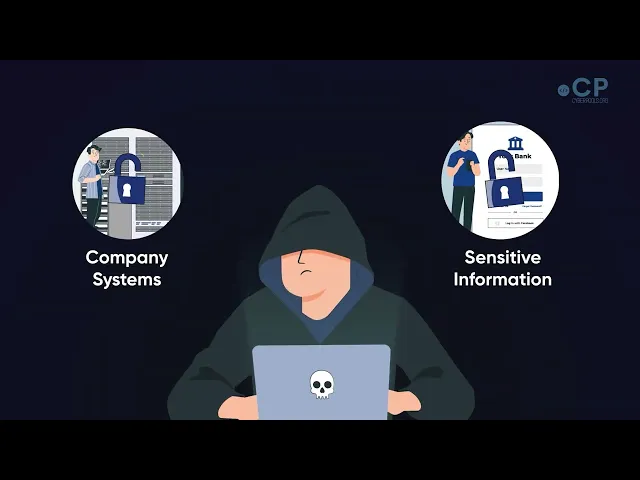
See how HSF helped Cyberpools simplify cybersecurity awareness through a clear, engaging training video that improves employee understanding and reduces risk. Watch the video:
Video Analytics and ROI Measurement
Organizations measure training success through data that connects learning behavior to performance outcomes rather than relying on completion or viewing statistics alone.
Core focus:
Tracking behavioral change over time
Correlating learning data with performance KPIs
Insight into skill progression
Executive-level reporting visibility
Effective actions:
Define success metrics aligned with business goals
Combine video analytics with performance data
Review outcomes regularly with stakeholders
Use insights to refine future training content
Why USA Enterprises Are Investing More in Corporate Video Learning?
Corporate video learning is now approached as a strategic business decision rather than a training expense. USA enterprises rely on video to accelerate onboarding, standardize communication, and support hybrid work environments. Working with an experienced animated video company also allows organizations to simplify complex topics, improve clarity, and ensure consistent understanding across roles and locations.
The business drivers behind this shift include faster onboarding with reduced ramp-up time, consistent messaging across distributed teams, and scalable compliance and policy communication. Video makes it easier to update content without retraining entire teams. Organizations looking to align learning strategy with long-term business growth can schedule a consultation with House Sparrow Films to explore structured corporate video learning systems built for scale and measurable outcomes.
Technology Stack Powering the Next Generation of L&D Videos
Production quality alone no longer defines training success. Platforms now determine how learning videos are distributed, personalized, measured, and scaled across organizations. Modern systems integrate analytics, automation, and workflow access, turning video into a performance-driven learning asset. As the future of corporate l&d videos in the USA evolves, choosing the right technology stack becomes critical for maintaining relevance, consistency, and measurable business outcomes. The table below highlights leading platforms supporting next-generation corporate L&D video delivery in the USA.
Category | Platform | Primary Use Case |
All-in-One Platforms | Connecteam | Frontline and mobile teams |
Interactive Video | LearnWorlds | Quizzes and branching videos |
AI Video Generation | Vimeo, D ID | Automated video creation |
Software Training | Whatfix | In-app guided learning |
Skill Platforms | LinkedIn Learning, Skillsoft | Leadership and technical skills |
Read more: The Power of Scenario-Based L&D Videos for Real-World Application
Corporate L&D Video Formats Gaining Traction in the USA
Corporate learning teams are diversifying video formats to address specific training goals, audience behaviors, and operational needs. Rather than relying on a single approach, organizations now align formats with use cases such as compliance, onboarding, leadership alignment, and software adoption. Partnering with the best L&D video production agency helps enterprises select formats that balance clarity, engagement, and scalability across hybrid and distributed teams.
Common formats used by USA enterprises:
Animated explainers for simplifying concepts, policies, and compliance topics
Scenario-based role-play videos that demonstrate real workplace decisions
Product and software walkthroughs that support faster adoption
Leadership communication videos for consistent messaging during change initiatives
How USA L&D Leaders Evaluate Video Success in 2026
Evaluation frameworks have evolved beyond views and completion rates to focus on real workplace impact. Learning leaders now assess how training influences behavior, productivity, and performance outcomes. Video initiatives supported by business video services are measured against operational goals rather than engagement alone. These are the key metrics USA L&D leaders use to evaluate video effectiveness in 2026:
Skill application on the job: Measures how effectively employees apply learned skills during real tasks, observed through performance reviews, workflow behavior, and manager feedback over sustained periods.
Time-to-competency reduction: Tracks how quickly employees reach required proficiency levels after training, helping organizations shorten onboarding cycles and accelerate role readiness.
Knowledge retention over time: Evaluates how well employees retain and recall training concepts weeks or months later, using follow-up assessments and performance checkpoints.
Performance improvement indicators: Connects training outcomes to measurable business results such as productivity gains, error reduction, customer satisfaction, or revenue-related performance metrics.
Upcoming USA Industry Events Influencing Corporate L&D Video Strategy
Industry conferences play a critical role in shaping how enterprises adopt new learning technologies and video strategies. These events provide direct insight into emerging tools, real-world case studies, and evolving workforce expectations, helping L&D leaders make informed decisions about future investments and formats.
Key events to watch in 2026:
Imaging USA (Jan 11–13, 2026, Grapevine, TX): Focuses on visual storytelling, production techniques, and creative technologies relevant to corporate communication and training.
CLO Exchange Austin (Apr 12–14, 2026, Austin, TX): Brings together senior L&D executives to discuss AI adoption, leadership development, and enterprise learning strategy.
Future Skills for 2026 Training (Jan 2026, Washington D.C. and Austin): Explores workforce transformation, digital skills, and the impact of AI on organizational learning models.
How Global Video Partners Supports USA Corporate L&D Needs?
Global video partners support USA corporate L&D initiatives by acting as strategic enablers rather than execution vendors. As learning programs scale across regions and hybrid teams, organizations need partners who understand enterprise compliance, operational complexity, and performance-driven content design. The future of corporate l&d videos in the USA increasingly depends on global teams that can balance creativity with governance and operational rigor.
USA companies look for partners with strong industry understanding, compliance awareness, and scalable production workflows that support rapid updates. Equally important is data-aligned storytelling that connects learning objectives to measurable outcomes, along with consistent quality across regions to maintain training standards and brand integrity.
Read more: How to Use Data to Improve Your L&D Video Strategy
How House Sparrow Films Supports the Future of Corporate L&D Videos in the USA
As a global video production partner, House Sparrow Films works closely with USA organizations to design L&D videos that align with modern learning behaviors and business goals. The focus stays on clarity, relevance, and scalability, helping teams move beyond static training toward adaptive, outcome-driven learning experiences. Each project starts with understanding learner context, role-specific needs, and measurable performance outcomes.
Execution combines instructional design thinking with strong storytelling and production workflows. From interactive modules to scenario-based learning and analytics-ready formats, the approach supports evolving enterprise needs while integrating seamlessly with existing platforms and learning ecosystems.
Conclusion
Corporate learning has reached a point where video is no longer a supporting resource but a core driver of business performance. The future of corporate l&d videos in the USA is shaped by personalization, advanced analytics, and human-centric storytelling that aligns learning with real workplace outcomes. Organizations now expect training videos to adapt to roles, measure impact, and build skills that directly influence productivity, leadership, and engagement.
As expectations continue to evolve, enterprises must rethink how learning content is designed, measured, and scaled across teams. Video learning strategies that prioritize clarity, data, and relevance deliver long-term value beyond knowledge transfer. Explore how House Sparrow Films helps global and USA enterprises build future-ready L&D video ecosystems. Contact us to start shaping learning experiences that grow with your organization.
FAQs
1. How are corporate L&D videos changing in the US?
Corporate L&D videos are evolving into adaptive, data-driven learning tools that personalize content, support hybrid teams, and focus on measurable performance outcomes rather than simple course completion.
2. Why are enterprises prioritizing video for employee learning?
Video enables faster onboarding, consistent communication, scalable compliance training, and better knowledge retention across distributed teams while reducing long-term training costs and operational friction.
3. What role does AI play in modern L&D video strategies?
AI helps personalize learning paths, automate content updates, analyze learner behavior, and reduce redundancy, allowing organizations to maintain relevant training libraries at enterprise scale.
4. How do companies measure the success of L&D videos today?
Success is measured through skill application, reduced time-to-competency, knowledge retention, and performance improvements rather than views, watch time, or completion percentages alone.
5. Why do USA companies work with global video production partners?
Global partners offer scalable workflows, consistent quality, industry compliance understanding, and data-aligned storytelling that supports enterprise learning needs across regions and growing teams.
Key takeaways
Corporate training videos are shifting from passive content to interactive, data-driven learning experiences.
AI personalization is helping organizations deliver role-specific training at scale.
Microlearning videos support faster skill adoption within daily work workflows.
Human-centric storytelling remains critical for leadership and soft-skill development.
Measuring behavioral impact matters more than tracking video completion rates.
USA enterprises are rethinking how employee learning happens at scale. Video has moved from a support asset to a primary delivery format for training, onboarding, and change management. According to the LinkedIn Workplace Learning Report, 94% of employees say they would stay longer at a company that invests in learning, reinforcing the business value of structured training programs. Video enables consistent messaging across locations, faster knowledge transfer, and easier updates for hybrid and distributed teams.
The future of corporate l&d videos in the USA will prioritize scalability, performance alignment, and measurable outcomes rather than completion metrics alone. As organizations balance speed, quality, and reach, global partners like House Sparrow Films support enterprise teams with learning-focused video systems designed for long-term impact without disrupting internal workflows or regional training consistency standards.
How Corporate Learning Videos in the USA Are Evolving
Corporate learning videos in the USA are evolving from static, one-way training assets into adaptive learning ecosystems built around real business needs. Traditional slide-based modules and recorded classroom sessions are giving way to flexible video systems that adjust to learner roles, performance data, and organizational priorities. Modern video production services now emphasize modular design and platform integration, helping organizations update training content quickly and respond to workforce changes.
Key shifts shaping the landscape include the move from classroom sessions to distributed video learning for hybrid teams, a shift from simple completion tracking to performance-based measurement, and the transition from one-size content to role-specific learning pathways aligned with job responsibilities.
These changes support enterprise growth and compliance by improving knowledge retention, accelerating onboarding, and ensuring consistent training delivery across regions while meeting regulatory and operational requirements.
Read more: Why L&D Videos Are the Backbone of Continuous Learning Culture
Key Trends Defining the Future of Corporate L&D Videos in the USA
Corporate learning strategies in 2026 are increasingly shaped by AI maturity, workforce expectations, and performance analytics. Training videos are no longer treated as standalone assets but as connected systems that evolve with business needs. Josh Bersin, global industry analyst and CEO of Bersin by Deloitte, notes, “Learning today is about building capabilities in real time, not delivering courses and hoping people remember them.” The future of corporate l&d videos reflects this shift toward adaptive, measurable learning designed for hybrid and distributed teams.
AI-Driven Personalization in L&D Videos
Learning content is becoming adaptive, using data to personalize video pathways that align training with individual roles, performance patterns, and evolving skill requirements across organizations.
Core focus:
Adaptive video pathways based on role, performance, and skill gaps
Automated tagging for faster content discovery and updates
Continuous content lifecycle management
Reduced redundancy across large learning libraries
Effective actions:
Segment learners by role, function, and experience level
Automate tagging and categorization using AI tools
Refresh content based on usage and performance data
Standardize templates to avoid duplicate modules
Interactive and Immersive Learning Experiences
Training videos now prioritize engagement through interaction, allowing learners to participate actively and apply knowledge instead of passively watching linear content.
Core focus:
Embedded quizzes and knowledge checks
Polls and decision-based branching scenarios
AR and VR simulations for safety and operations
Higher engagement compared to static video formats
Effective actions:
Add interaction points at key learning moments
Use branching paths to reflect real-world decisions
Apply immersive formats for high-risk training
Test engagement levels across learner groups
Microlearning and Just-in-Time Video Training
Short-form video training supports quick problem-solving by delivering focused learning at the exact moment employees need guidance within their daily workflows.
Core focus:
Short, task-specific videos for quick application
Learning delivered inside daily workflows
Strong adoption across frontline teams
Reduced time away from core responsibilities
Effective actions:
Break long programs into bite-sized modules
Integrate videos into existing work tools
Design content around common on-the-job tasks
Update modules quickly as processes change
Human-Centric Soft Skills Development Through Video
Video training increasingly supports human skills by modeling real interactions that build empathy, communication, and leadership capabilities across hybrid and remote teams.
Core focus:
Emotional intelligence and empathy development
Leadership communication scenarios
Role-play-based storytelling formats
Relevance for hybrid and remote teams
Effective actions:
Use realistic workplace scenarios
Focus on behavior and decision-making
Avoid policy-heavy narration
Reflect diverse team interactions
See how HSF helped Cyberpools simplify cybersecurity awareness through a clear, engaging training video that improves employee understanding and reduces risk. Watch the video:
Video Analytics and ROI Measurement
Organizations measure training success through data that connects learning behavior to performance outcomes rather than relying on completion or viewing statistics alone.
Core focus:
Tracking behavioral change over time
Correlating learning data with performance KPIs
Insight into skill progression
Executive-level reporting visibility
Effective actions:
Define success metrics aligned with business goals
Combine video analytics with performance data
Review outcomes regularly with stakeholders
Use insights to refine future training content
Why USA Enterprises Are Investing More in Corporate Video Learning?
Corporate video learning is now approached as a strategic business decision rather than a training expense. USA enterprises rely on video to accelerate onboarding, standardize communication, and support hybrid work environments. Working with an experienced animated video company also allows organizations to simplify complex topics, improve clarity, and ensure consistent understanding across roles and locations.
The business drivers behind this shift include faster onboarding with reduced ramp-up time, consistent messaging across distributed teams, and scalable compliance and policy communication. Video makes it easier to update content without retraining entire teams. Organizations looking to align learning strategy with long-term business growth can schedule a consultation with House Sparrow Films to explore structured corporate video learning systems built for scale and measurable outcomes.
Technology Stack Powering the Next Generation of L&D Videos
Production quality alone no longer defines training success. Platforms now determine how learning videos are distributed, personalized, measured, and scaled across organizations. Modern systems integrate analytics, automation, and workflow access, turning video into a performance-driven learning asset. As the future of corporate l&d videos in the USA evolves, choosing the right technology stack becomes critical for maintaining relevance, consistency, and measurable business outcomes. The table below highlights leading platforms supporting next-generation corporate L&D video delivery in the USA.
Category | Platform | Primary Use Case |
All-in-One Platforms | Connecteam | Frontline and mobile teams |
Interactive Video | LearnWorlds | Quizzes and branching videos |
AI Video Generation | Vimeo, D ID | Automated video creation |
Software Training | Whatfix | In-app guided learning |
Skill Platforms | LinkedIn Learning, Skillsoft | Leadership and technical skills |
Read more: The Power of Scenario-Based L&D Videos for Real-World Application
Corporate L&D Video Formats Gaining Traction in the USA
Corporate learning teams are diversifying video formats to address specific training goals, audience behaviors, and operational needs. Rather than relying on a single approach, organizations now align formats with use cases such as compliance, onboarding, leadership alignment, and software adoption. Partnering with the best L&D video production agency helps enterprises select formats that balance clarity, engagement, and scalability across hybrid and distributed teams.
Common formats used by USA enterprises:
Animated explainers for simplifying concepts, policies, and compliance topics
Scenario-based role-play videos that demonstrate real workplace decisions
Product and software walkthroughs that support faster adoption
Leadership communication videos for consistent messaging during change initiatives
How USA L&D Leaders Evaluate Video Success in 2026
Evaluation frameworks have evolved beyond views and completion rates to focus on real workplace impact. Learning leaders now assess how training influences behavior, productivity, and performance outcomes. Video initiatives supported by business video services are measured against operational goals rather than engagement alone. These are the key metrics USA L&D leaders use to evaluate video effectiveness in 2026:
Skill application on the job: Measures how effectively employees apply learned skills during real tasks, observed through performance reviews, workflow behavior, and manager feedback over sustained periods.
Time-to-competency reduction: Tracks how quickly employees reach required proficiency levels after training, helping organizations shorten onboarding cycles and accelerate role readiness.
Knowledge retention over time: Evaluates how well employees retain and recall training concepts weeks or months later, using follow-up assessments and performance checkpoints.
Performance improvement indicators: Connects training outcomes to measurable business results such as productivity gains, error reduction, customer satisfaction, or revenue-related performance metrics.
Upcoming USA Industry Events Influencing Corporate L&D Video Strategy
Industry conferences play a critical role in shaping how enterprises adopt new learning technologies and video strategies. These events provide direct insight into emerging tools, real-world case studies, and evolving workforce expectations, helping L&D leaders make informed decisions about future investments and formats.
Key events to watch in 2026:
Imaging USA (Jan 11–13, 2026, Grapevine, TX): Focuses on visual storytelling, production techniques, and creative technologies relevant to corporate communication and training.
CLO Exchange Austin (Apr 12–14, 2026, Austin, TX): Brings together senior L&D executives to discuss AI adoption, leadership development, and enterprise learning strategy.
Future Skills for 2026 Training (Jan 2026, Washington D.C. and Austin): Explores workforce transformation, digital skills, and the impact of AI on organizational learning models.
How Global Video Partners Supports USA Corporate L&D Needs?
Global video partners support USA corporate L&D initiatives by acting as strategic enablers rather than execution vendors. As learning programs scale across regions and hybrid teams, organizations need partners who understand enterprise compliance, operational complexity, and performance-driven content design. The future of corporate l&d videos in the USA increasingly depends on global teams that can balance creativity with governance and operational rigor.
USA companies look for partners with strong industry understanding, compliance awareness, and scalable production workflows that support rapid updates. Equally important is data-aligned storytelling that connects learning objectives to measurable outcomes, along with consistent quality across regions to maintain training standards and brand integrity.
Read more: How to Use Data to Improve Your L&D Video Strategy
How House Sparrow Films Supports the Future of Corporate L&D Videos in the USA
As a global video production partner, House Sparrow Films works closely with USA organizations to design L&D videos that align with modern learning behaviors and business goals. The focus stays on clarity, relevance, and scalability, helping teams move beyond static training toward adaptive, outcome-driven learning experiences. Each project starts with understanding learner context, role-specific needs, and measurable performance outcomes.
Execution combines instructional design thinking with strong storytelling and production workflows. From interactive modules to scenario-based learning and analytics-ready formats, the approach supports evolving enterprise needs while integrating seamlessly with existing platforms and learning ecosystems.
Conclusion
Corporate learning has reached a point where video is no longer a supporting resource but a core driver of business performance. The future of corporate l&d videos in the USA is shaped by personalization, advanced analytics, and human-centric storytelling that aligns learning with real workplace outcomes. Organizations now expect training videos to adapt to roles, measure impact, and build skills that directly influence productivity, leadership, and engagement.
As expectations continue to evolve, enterprises must rethink how learning content is designed, measured, and scaled across teams. Video learning strategies that prioritize clarity, data, and relevance deliver long-term value beyond knowledge transfer. Explore how House Sparrow Films helps global and USA enterprises build future-ready L&D video ecosystems. Contact us to start shaping learning experiences that grow with your organization.
FAQs
1. How are corporate L&D videos changing in the US?
Corporate L&D videos are evolving into adaptive, data-driven learning tools that personalize content, support hybrid teams, and focus on measurable performance outcomes rather than simple course completion.
2. Why are enterprises prioritizing video for employee learning?
Video enables faster onboarding, consistent communication, scalable compliance training, and better knowledge retention across distributed teams while reducing long-term training costs and operational friction.
3. What role does AI play in modern L&D video strategies?
AI helps personalize learning paths, automate content updates, analyze learner behavior, and reduce redundancy, allowing organizations to maintain relevant training libraries at enterprise scale.
4. How do companies measure the success of L&D videos today?
Success is measured through skill application, reduced time-to-competency, knowledge retention, and performance improvements rather than views, watch time, or completion percentages alone.
5. Why do USA companies work with global video production partners?
Global partners offer scalable workflows, consistent quality, industry compliance understanding, and data-aligned storytelling that supports enterprise learning needs across regions and growing teams.