Key Takeaways
Video helps researchers break down complex concepts into simple, easy visuals for reviewers.
Video strengthens reviewer engagement and improves how clearly proposals are understood.
Visual demonstrations, simulations, and real examples make proposals more persuasive.
Videos allow funding bodies to quickly see feasibility, readiness, and expected impact.
Video supports stronger grant outcomes by enhancing clarity without replacing written material.
Success rates for research funding remain low, which increases pressure on applicants to communicate ideas with more clarity and impact. The National Science Foundation reports that only 25 to 28 percent of research proposals receive funding, as shown in their official funding rate data. Reviewers often handle large stacks of proposals in a limited time, which makes dense technical text difficult to process. When explanations are entirely text-based, key points can get lost, methods feel abstract and reviewers may struggle to visualize feasibility. This communication gap affects even strong concepts. To overcome this, researchers are increasingly using research proposal videos, which help reviewers understand complex ideas quickly through visuals, demonstrations, and structured storytelling. This improves comprehension, strengthens engagement and makes proposals more memorable during evaluation.
Why Traditional Research Proposals Fall Short
Traditional proposals rely heavily on text, which often results in jargon-heavy explanations and abstract descriptions that slow down understanding. Reviewers must interpret complex ideas without visual cues, making it harder to grasp methods, workflows or expected outcomes. This creates unnecessary cognitive load during funding applications where clarity is critical.
Limited reviewer attention spans add to the challenge. When proposals present long blocks of text without diagrams, demonstrations or simplified visuals, important details can be missed. Even strong ideas lose impact when reviewers cannot quickly visualize the problem, the process or the feasibility of the research.
Why Video Content Strengthens Research Grant Proposals
Video adds visual clarity to complex proposals, helping reviewers understand ideas faster, retain key information, and confidently assess feasibility, impact and research readiness within a short review window.
Simplifies Complex Scientific or Technical Concepts: Motion graphics and short visual explanations break down complicated ideas into clear, digestible sequences that help reviewers understand scientific or technical concepts without struggling through dense text.
Provides Visual Demonstrations of Tools, Models or Systems: Videos show real workflows, simulations or equipment in action, allowing reviewers to see how tools function and how methods will be executed, which strengthens confidence in feasibility.
Highlights Real-World Impact More Persuasively: Story-driven visuals, beneficiary scenarios or outcome simulations make the societal or practical value of the research more compelling and easier for reviewers to connect with.
Shows Research Teams, Facilities, and Fieldwork Credibility: Featuring researchers, labs, field sites or prototypes reinforces expertise and institutional capability by giving reviewers evidence of readiness rather than relying only on descriptions.
Makes Proposals More Memorable for Review Panels: Strong visuals improve recall during panel discussions, helping your proposal stand out among many submissions by leaving a clear and lasting mental impression.
Read more: Video Strategies for Promoting Scholarship Programs
Types of Videos That Enhance Grant Proposals
Video formats support clear innovation communication by presenting research goals, methods and impact in ways reviewers can understand quickly. Each type serves a specific purpose that strengthens different sections of the proposal.
Research Overview Videos
These videos give reviewers a fast, structured understanding of the project by summarising the problem, significance, objectives and expected outcomes. They act as a visual roadmap that prepares reviewers before they dive into detailed documentation. A clear overview reduces confusion and sets the right context for evaluating feasibility and impact.
Methodology Demonstration Videos
Method demonstration videos break down complex processes into simple, visual steps. They show how experiments, simulations or analytical workflows will be executed, making methods easier to follow. Reviewers can see the sequence, the tools involved and the logic behind each step, which improves clarity and builds confidence in your approach.
Impact Storytelling Videos
These videos highlight the real-world value of your research through short narratives, scenarios or beneficiary examples. Instead of relying on abstract descriptions, storytelling helps reviewers understand who benefits, what changes and why the project matters. It creates a stronger emotional and practical connection to your proposed impact
Team Introduction Videos
Team videos present the expertise, roles and strengths of researchers involved in the project. Seeing team members, labs and collaborative environments helps reviewers trust the competence and structure behind the proposal. It reinforces that the right people, skills and resources are aligned to execute the research successfully.
Prototype and Experiment Walkthroughs
These videos focus on practical demonstrations by showing early prototypes, device tests, experimental setups or pilot results. Reviewers can directly observe functionality, preparation and readiness. This type of content is especially useful for engineering, applied sciences and technology driven projects where feasibility must be visually proven.
Community and Stakeholder Testimonial Videos
Testimonials offer real voices from partners, communities, industry collaborators or policy groups involved in the research. These videos validate relevance, strengthen credibility and demonstrate genuine on-ground need. Reviewers see direct support for the project, which boosts confidence in impact and alignment with broader societal or sector priorities.
Read more: Interactive Learning Videos: Tools and Techniques
Proposal Objective vs Ideal Video Format
Videos strengthen proposal clarity by matching specific objectives with the right format. This alignment helps reviewers understand scope, feasibility and impact more quickly, improving how each section is evaluated.
Proposal Requirement | Reviewer Challenge | Recommended Video Type | Key Message to Highlight | Expected Impact on Evaluation |
Problem statement | Difficulty understanding the scale, urgency or real-world relevance of the problem | Research overview video | Clear explanation of the issue, who it affects and why it needs attention | Stronger clarity of significance and alignment with funding priorities |
Method clarity | Methods feel abstract or overly technical when described only in text | Methodology demonstration video | Step-by-step process showing how experiments, simulations or workflows will be executed | Improved understanding of execution, design and scientific logic |
Technical feasibility | Uncertainty about whether tools, prototypes or models actually work | Prototype and experiment walkthrough | Early evidence, functional demonstrations and validation of core concepts | Greater confidence in feasibility and likelihood of successful outcomes |
Team expertise | CVs and written profiles do not convey real capability or collaborative strength | Team introduction video | Skills, experience, lab environment and the team’s readiness to execute the project | Increased trust in team strength and resource availability |
Societal impact | Hard to visualise who benefits or why the research matters beyond theory | Impact storytelling video | Clear scenarios, beneficiary stories or projected outcomes | Stronger emotional resonance and understanding of community value |
Timeline and execution | Reviewers cannot assess readiness or the practical plan behind milestones | Lab or field workflow footage | Real preparation, equipment access and demonstrated ability to start work on time | Higher confidence in timeline reliability and project management readiness |
How Videos Increase Proposal Credibility
Videos strengthen credibility by showing real research environments, high quality equipment and active lab or field workflows. When reviewers see the tools, facilities and early experiment recordings, they gain clearer proof that the project is feasible and supported by strong infrastructure. This reduces uncertainty and demonstrates readiness that written descriptions alone cannot convey.
Credibility also increases when collaborators, industry partners or advisory board members appear on video. Their presence shows real commitment rather than names on a page. Stakeholder voices help validate need, relevance and community alignment. Combined, these elements reassure reviewers that the institution, team and partnerships have the capacity to execute the project successfully and deliver meaningful results.
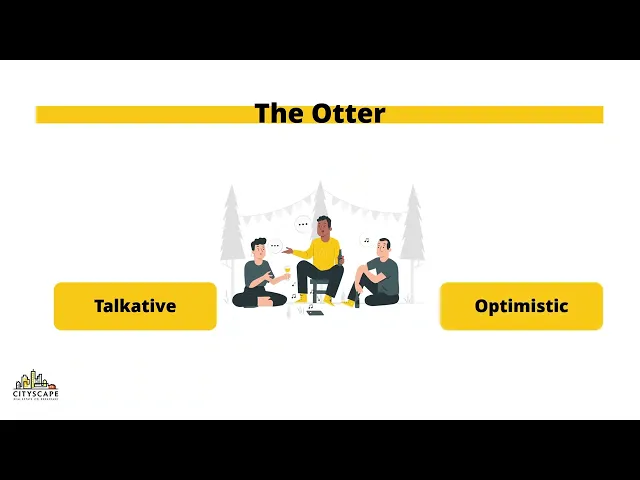
See how HSF helped City Scapere communicate complex ideas more clearly by adapting presentations to different reviewer personalities. Watch the video:
How Videos Support Different Funding Bodies
Different funding bodies evaluate proposals using varied criteria, and videos help match these expectations by offering clarity, evidence and strong communication that supports fair and confident decision making.
Government Research Agencies (NSF, DST, NIH, etc.): Government agencies prioritize feasibility, public value and scientific rigor. Videos give them faster clarity on methods, readiness and societal benefit, helping reviewers understand complex work even under strict evaluation timelines.
International Programs (Horizon Europe, UN Grants): International panels include reviewers from diverse backgrounds. Videos reduce language barriers, align understanding and provide universal visual explanations that help avoid misinterpretation during multinational review processes.
Corporate R&D Funding Committees: Corporate evaluators look for commercial potential and practical applicability. Videos that highlight prototypes, early results or industry aligned use cases help them see value quickly and judge real-world suitability.
Philanthropic and Nonprofit Funders: These funders focus on community benefit and human impact. Testimonial videos, field visuals and outcome driven stories help them understand relevance, lived experiences and long term value more effectively.
Integrating Video Into the Grant Submission Process
Integrating research proposal videos into funding submissions helps reviewers understand key ideas without increasing document length. Many platforms allow supplemental uploads or embedded links, giving researchers a simple way to add visual clarity. Short videos also respect reviewer time, especially when they focus on essential elements such as method flow or prototype readiness.
Using unlisted or password protected links ensures easy and secure access. The video narrative must follow the structure of the proposal so reviewers can connect visual cues with written sections. Keeping videos between sixty and one hundred eighty seconds maintains engagement and makes the submission more professional and reviewer friendly.
Read more: How to Use Video to Highlight Research Projects and Innovations
Common Limitations That Reduce the Impact of Proposal Videos
Even well-intended videos lose effectiveness when they lack focus, clarity or alignment with proposal goals, which can reduce comprehension and weaken the impression reviewers form during evaluation.
Videos Focus Too Much on Theory Instead of Visual Explanation: When videos repeat text instead of showing processes or demonstrations, reviewers gain little value. Visual explanation is essential because it clarifies concepts that written content already describes.
Overly Long or Unstructured Content Reduces Reviewer Engagement: Videos without pacing or clear flow feel tiring to watch. Reviewers may skip sections or lose interest, which reduces the clarity and impact the video is supposed to provide.
Low-Quality Visuals or Audio Reduce Professionalism: Poor lighting, unclear narration or shaky footage can make strong research appear unprepared. Low production quality creates doubt about attention to detail and overall project readiness.
Videos Miss Key Funding Criteria or Evaluation Metrics: When videos overlook required elements such as feasibility, method clarity or impact alignment, they fail to support evaluation. Reviewers need content that reinforces scoring criteria.
No Clear Link Between Video Content and Proposal Objectives: Unrelated visuals or disjointed storytelling confuse reviewers. Every scene must support the proposal’s goals so the video strengthens credibility rather than distracting from the research.
How to Plan and Produce Effective Proposal Videos
Creating strong research proposal videos begins with defining one core message that the visuals must reinforce. This helps maintain focus and ensures every scene supports the proposal. Mapping the video structure to the proposal flow from problem to method to impact keeps the narrative clear and aligned with reviewer expectations.
Motion graphics can simplify complex models or processes, while real footage of labs, prototypes or early experiments provides concrete evidence of feasibility. This combination of clarity and proof strengthens reviewer confidence and reduces the effort required to understand technical sections.
Videos must remain short and easy to watch. Subtitles, clean narration and accessible formatting help reviewers view the content under any conditions. When everything is precise and well structured, the video becomes an effective extension of the written proposal.
How House Sparrow Films Helps Researchers Produce Proposal Videos
House Sparrow Films supports researchers by turning complex scientific ideas into clear, compelling visuals through expert led scriptwriting and high quality motion graphics. The team captures real lab work, field environments and prototype testing to provide authentic evidence of feasibility. Every edit follows grant guidelines to ensure compliance across different funding bodies. When proposals target global programs, localized versions with region specific narration or subtitles help review panels understand the work clearly. This end to end support strengthens communication and enhances the overall impact of the proposal.
Conclusion
Video has become a critical tool for modern research proposals because it delivers visual clarity, stronger credibility and clearer demonstrations than text alone. Reviewers understand ideas faster when they see workflows, impact stories or prototype evidence. This helps proposals stand out in competitive evaluations. By using research proposal videos, researchers present their methods and impact with confidence and precision. Now is the right time to treat video as a strategic asset for funding success. If you want support creating high quality proposal videos, House Sparrow Films is ready to help.
FAQs
Do all funding bodies allow video submissions?
Not all funding bodies accept videos, but many modern platforms allow supplemental links. Researchers should always check specific submission rules before including visual material in their proposal.What is the ideal length for a proposal video?
A proposal video is most effective when kept between sixty and one hundred eighty seconds. This duration respects reviewer time while delivering essential clarity, evidence and structured explanation.Can videos improve funding success rates?
Yes. Videos help reviewers understand complex ideas faster, retain information longer and evaluate feasibility more confidently. This improved clarity and engagement can significantly strengthen overall funding success potential.What type of video works best for scientific explanations?
Method demonstration videos and motion graphic explainers are ideal because they break down complex models or processes visually, helping reviewers understand scientific steps, logic and execution more easily.Should researchers hire professional video teams?
Professional teams improve clarity, accuracy and production quality. They ensure scripts, visuals and edits follow grant standards, making the final video more credible, polished and effective for reviewers.Are videos helpful for international grant reviews?
Yes. Videos reduce language based misunderstanding, present universal visual clarity and help multinational reviewers understand methods, impact and feasibility without relying entirely on text interpretation.How can videos simplify highly technical or theoretical topics?
Videos use motion graphics, illustrations and concise demonstrations to translate dense theory into visual sequences. This helps reviewers grasp complex relationships, workflows and mechanisms in a clearer and faster way.
Key Takeaways
Video helps researchers break down complex concepts into simple, easy visuals for reviewers.
Video strengthens reviewer engagement and improves how clearly proposals are understood.
Visual demonstrations, simulations, and real examples make proposals more persuasive.
Videos allow funding bodies to quickly see feasibility, readiness, and expected impact.
Video supports stronger grant outcomes by enhancing clarity without replacing written material.
Success rates for research funding remain low, which increases pressure on applicants to communicate ideas with more clarity and impact. The National Science Foundation reports that only 25 to 28 percent of research proposals receive funding, as shown in their official funding rate data. Reviewers often handle large stacks of proposals in a limited time, which makes dense technical text difficult to process. When explanations are entirely text-based, key points can get lost, methods feel abstract and reviewers may struggle to visualize feasibility. This communication gap affects even strong concepts. To overcome this, researchers are increasingly using research proposal videos, which help reviewers understand complex ideas quickly through visuals, demonstrations, and structured storytelling. This improves comprehension, strengthens engagement and makes proposals more memorable during evaluation.
Why Traditional Research Proposals Fall Short
Traditional proposals rely heavily on text, which often results in jargon-heavy explanations and abstract descriptions that slow down understanding. Reviewers must interpret complex ideas without visual cues, making it harder to grasp methods, workflows or expected outcomes. This creates unnecessary cognitive load during funding applications where clarity is critical.
Limited reviewer attention spans add to the challenge. When proposals present long blocks of text without diagrams, demonstrations or simplified visuals, important details can be missed. Even strong ideas lose impact when reviewers cannot quickly visualize the problem, the process or the feasibility of the research.
Why Video Content Strengthens Research Grant Proposals
Video adds visual clarity to complex proposals, helping reviewers understand ideas faster, retain key information, and confidently assess feasibility, impact and research readiness within a short review window.
Simplifies Complex Scientific or Technical Concepts: Motion graphics and short visual explanations break down complicated ideas into clear, digestible sequences that help reviewers understand scientific or technical concepts without struggling through dense text.
Provides Visual Demonstrations of Tools, Models or Systems: Videos show real workflows, simulations or equipment in action, allowing reviewers to see how tools function and how methods will be executed, which strengthens confidence in feasibility.
Highlights Real-World Impact More Persuasively: Story-driven visuals, beneficiary scenarios or outcome simulations make the societal or practical value of the research more compelling and easier for reviewers to connect with.
Shows Research Teams, Facilities, and Fieldwork Credibility: Featuring researchers, labs, field sites or prototypes reinforces expertise and institutional capability by giving reviewers evidence of readiness rather than relying only on descriptions.
Makes Proposals More Memorable for Review Panels: Strong visuals improve recall during panel discussions, helping your proposal stand out among many submissions by leaving a clear and lasting mental impression.
Read more: Video Strategies for Promoting Scholarship Programs
Types of Videos That Enhance Grant Proposals
Video formats support clear innovation communication by presenting research goals, methods and impact in ways reviewers can understand quickly. Each type serves a specific purpose that strengthens different sections of the proposal.
Research Overview Videos
These videos give reviewers a fast, structured understanding of the project by summarising the problem, significance, objectives and expected outcomes. They act as a visual roadmap that prepares reviewers before they dive into detailed documentation. A clear overview reduces confusion and sets the right context for evaluating feasibility and impact.
Methodology Demonstration Videos
Method demonstration videos break down complex processes into simple, visual steps. They show how experiments, simulations or analytical workflows will be executed, making methods easier to follow. Reviewers can see the sequence, the tools involved and the logic behind each step, which improves clarity and builds confidence in your approach.
Impact Storytelling Videos
These videos highlight the real-world value of your research through short narratives, scenarios or beneficiary examples. Instead of relying on abstract descriptions, storytelling helps reviewers understand who benefits, what changes and why the project matters. It creates a stronger emotional and practical connection to your proposed impact
Team Introduction Videos
Team videos present the expertise, roles and strengths of researchers involved in the project. Seeing team members, labs and collaborative environments helps reviewers trust the competence and structure behind the proposal. It reinforces that the right people, skills and resources are aligned to execute the research successfully.
Prototype and Experiment Walkthroughs
These videos focus on practical demonstrations by showing early prototypes, device tests, experimental setups or pilot results. Reviewers can directly observe functionality, preparation and readiness. This type of content is especially useful for engineering, applied sciences and technology driven projects where feasibility must be visually proven.
Community and Stakeholder Testimonial Videos
Testimonials offer real voices from partners, communities, industry collaborators or policy groups involved in the research. These videos validate relevance, strengthen credibility and demonstrate genuine on-ground need. Reviewers see direct support for the project, which boosts confidence in impact and alignment with broader societal or sector priorities.
Read more: Interactive Learning Videos: Tools and Techniques
Proposal Objective vs Ideal Video Format
Videos strengthen proposal clarity by matching specific objectives with the right format. This alignment helps reviewers understand scope, feasibility and impact more quickly, improving how each section is evaluated.
Proposal Requirement | Reviewer Challenge | Recommended Video Type | Key Message to Highlight | Expected Impact on Evaluation |
Problem statement | Difficulty understanding the scale, urgency or real-world relevance of the problem | Research overview video | Clear explanation of the issue, who it affects and why it needs attention | Stronger clarity of significance and alignment with funding priorities |
Method clarity | Methods feel abstract or overly technical when described only in text | Methodology demonstration video | Step-by-step process showing how experiments, simulations or workflows will be executed | Improved understanding of execution, design and scientific logic |
Technical feasibility | Uncertainty about whether tools, prototypes or models actually work | Prototype and experiment walkthrough | Early evidence, functional demonstrations and validation of core concepts | Greater confidence in feasibility and likelihood of successful outcomes |
Team expertise | CVs and written profiles do not convey real capability or collaborative strength | Team introduction video | Skills, experience, lab environment and the team’s readiness to execute the project | Increased trust in team strength and resource availability |
Societal impact | Hard to visualise who benefits or why the research matters beyond theory | Impact storytelling video | Clear scenarios, beneficiary stories or projected outcomes | Stronger emotional resonance and understanding of community value |
Timeline and execution | Reviewers cannot assess readiness or the practical plan behind milestones | Lab or field workflow footage | Real preparation, equipment access and demonstrated ability to start work on time | Higher confidence in timeline reliability and project management readiness |
How Videos Increase Proposal Credibility
Videos strengthen credibility by showing real research environments, high quality equipment and active lab or field workflows. When reviewers see the tools, facilities and early experiment recordings, they gain clearer proof that the project is feasible and supported by strong infrastructure. This reduces uncertainty and demonstrates readiness that written descriptions alone cannot convey.
Credibility also increases when collaborators, industry partners or advisory board members appear on video. Their presence shows real commitment rather than names on a page. Stakeholder voices help validate need, relevance and community alignment. Combined, these elements reassure reviewers that the institution, team and partnerships have the capacity to execute the project successfully and deliver meaningful results.
See how HSF helped City Scapere communicate complex ideas more clearly by adapting presentations to different reviewer personalities. Watch the video:
How Videos Support Different Funding Bodies
Different funding bodies evaluate proposals using varied criteria, and videos help match these expectations by offering clarity, evidence and strong communication that supports fair and confident decision making.
Government Research Agencies (NSF, DST, NIH, etc.): Government agencies prioritize feasibility, public value and scientific rigor. Videos give them faster clarity on methods, readiness and societal benefit, helping reviewers understand complex work even under strict evaluation timelines.
International Programs (Horizon Europe, UN Grants): International panels include reviewers from diverse backgrounds. Videos reduce language barriers, align understanding and provide universal visual explanations that help avoid misinterpretation during multinational review processes.
Corporate R&D Funding Committees: Corporate evaluators look for commercial potential and practical applicability. Videos that highlight prototypes, early results or industry aligned use cases help them see value quickly and judge real-world suitability.
Philanthropic and Nonprofit Funders: These funders focus on community benefit and human impact. Testimonial videos, field visuals and outcome driven stories help them understand relevance, lived experiences and long term value more effectively.
Integrating Video Into the Grant Submission Process
Integrating research proposal videos into funding submissions helps reviewers understand key ideas without increasing document length. Many platforms allow supplemental uploads or embedded links, giving researchers a simple way to add visual clarity. Short videos also respect reviewer time, especially when they focus on essential elements such as method flow or prototype readiness.
Using unlisted or password protected links ensures easy and secure access. The video narrative must follow the structure of the proposal so reviewers can connect visual cues with written sections. Keeping videos between sixty and one hundred eighty seconds maintains engagement and makes the submission more professional and reviewer friendly.
Read more: How to Use Video to Highlight Research Projects and Innovations
Common Limitations That Reduce the Impact of Proposal Videos
Even well-intended videos lose effectiveness when they lack focus, clarity or alignment with proposal goals, which can reduce comprehension and weaken the impression reviewers form during evaluation.
Videos Focus Too Much on Theory Instead of Visual Explanation: When videos repeat text instead of showing processes or demonstrations, reviewers gain little value. Visual explanation is essential because it clarifies concepts that written content already describes.
Overly Long or Unstructured Content Reduces Reviewer Engagement: Videos without pacing or clear flow feel tiring to watch. Reviewers may skip sections or lose interest, which reduces the clarity and impact the video is supposed to provide.
Low-Quality Visuals or Audio Reduce Professionalism: Poor lighting, unclear narration or shaky footage can make strong research appear unprepared. Low production quality creates doubt about attention to detail and overall project readiness.
Videos Miss Key Funding Criteria or Evaluation Metrics: When videos overlook required elements such as feasibility, method clarity or impact alignment, they fail to support evaluation. Reviewers need content that reinforces scoring criteria.
No Clear Link Between Video Content and Proposal Objectives: Unrelated visuals or disjointed storytelling confuse reviewers. Every scene must support the proposal’s goals so the video strengthens credibility rather than distracting from the research.
How to Plan and Produce Effective Proposal Videos
Creating strong research proposal videos begins with defining one core message that the visuals must reinforce. This helps maintain focus and ensures every scene supports the proposal. Mapping the video structure to the proposal flow from problem to method to impact keeps the narrative clear and aligned with reviewer expectations.
Motion graphics can simplify complex models or processes, while real footage of labs, prototypes or early experiments provides concrete evidence of feasibility. This combination of clarity and proof strengthens reviewer confidence and reduces the effort required to understand technical sections.
Videos must remain short and easy to watch. Subtitles, clean narration and accessible formatting help reviewers view the content under any conditions. When everything is precise and well structured, the video becomes an effective extension of the written proposal.
How House Sparrow Films Helps Researchers Produce Proposal Videos
House Sparrow Films supports researchers by turning complex scientific ideas into clear, compelling visuals through expert led scriptwriting and high quality motion graphics. The team captures real lab work, field environments and prototype testing to provide authentic evidence of feasibility. Every edit follows grant guidelines to ensure compliance across different funding bodies. When proposals target global programs, localized versions with region specific narration or subtitles help review panels understand the work clearly. This end to end support strengthens communication and enhances the overall impact of the proposal.
Conclusion
Video has become a critical tool for modern research proposals because it delivers visual clarity, stronger credibility and clearer demonstrations than text alone. Reviewers understand ideas faster when they see workflows, impact stories or prototype evidence. This helps proposals stand out in competitive evaluations. By using research proposal videos, researchers present their methods and impact with confidence and precision. Now is the right time to treat video as a strategic asset for funding success. If you want support creating high quality proposal videos, House Sparrow Films is ready to help.
FAQs
Do all funding bodies allow video submissions?
Not all funding bodies accept videos, but many modern platforms allow supplemental links. Researchers should always check specific submission rules before including visual material in their proposal.What is the ideal length for a proposal video?
A proposal video is most effective when kept between sixty and one hundred eighty seconds. This duration respects reviewer time while delivering essential clarity, evidence and structured explanation.Can videos improve funding success rates?
Yes. Videos help reviewers understand complex ideas faster, retain information longer and evaluate feasibility more confidently. This improved clarity and engagement can significantly strengthen overall funding success potential.What type of video works best for scientific explanations?
Method demonstration videos and motion graphic explainers are ideal because they break down complex models or processes visually, helping reviewers understand scientific steps, logic and execution more easily.Should researchers hire professional video teams?
Professional teams improve clarity, accuracy and production quality. They ensure scripts, visuals and edits follow grant standards, making the final video more credible, polished and effective for reviewers.Are videos helpful for international grant reviews?
Yes. Videos reduce language based misunderstanding, present universal visual clarity and help multinational reviewers understand methods, impact and feasibility without relying entirely on text interpretation.How can videos simplify highly technical or theoretical topics?
Videos use motion graphics, illustrations and concise demonstrations to translate dense theory into visual sequences. This helps reviewers grasp complex relationships, workflows and mechanisms in a clearer and faster way.