Key takeaways
Leading universities use animated videos to modernize institutional training and communication.
Animation increases learner engagement across diverse academic and administrative audiences.
Professionally produced videos ensure clarity, consistency, and scalable campus-wide deployment.
Universities reduce repetitive training costs through reusable animated learning modules.
Strategic animation partnerships improve accessibility, retention, and measurable training outcomes.
Universities across the United States are redefining how they deliver student onboarding, faculty development, and compliance training as digital learning environments expand. Hybrid classrooms and remote administrative workflows have accelerated the need for visually engaging content that simplifies complex academic processes. As a result, many institutions are investing in animated training videos in the USA to standardize communication and improve learning efficiency. Research indicates that 65% to 80% of learners prefer visual learning formats, reinforcing the effectiveness of animation in improving comprehension and retention.
This shift reflects more than modernization; it signals measurable outcomes in engagement and scalability. This blog explores current adoption statistics, real university examples, institutional benefits, implementation best practices, and practical steps higher education leaders can follow to successfully integrate animated video into their training ecosystems.
The Trend of Animation in University Training
Animation has become a strategic component of university training video production, enabling higher education institutions to deliver clear, consistent, and engaging learning experiences at scale. In the higher education context, animated training videos are professionally crafted visual modules designed to simplify complex policies, academic processes, and institutional guidelines. Unlike traditional slide-based recordings, animation blends motion graphics, storytelling, and voiceover to improve comprehension and retention across diverse student and staff audiences.
Universities are using animated formats across multiple training categories, including:
Student Onboarding: Campus orientation, digital platforms walkthroughs, and academic policy overviews.
Compliance Training: Safety procedures, data protection guidelines, and regulatory updates.
Student Guidance: Mental health awareness, career services information, and financial aid processes.
Faculty Development: Teaching best practices, technology training, and research compliance modules.
Universities in the USA Using Animated Training Videos
The growing reliance on animation in higher education is not theoretical. Several leading institutions have already integrated professionally produced animated modules into their learning and communication strategies. By collaborating with a top university video production company, these universities are improving clarity, engagement, and training efficiency across departments. Below are five real examples that demonstrate how animation is actively transforming institutional training in the United States.
1. University of Utah
The University of Utah developed 2D animated training videos to support students and parents navigating mental health challenges and remote learning transitions. The purpose was to deliver clear coping strategies and accessible campus resources through engaging visual explainers.
Importance: This initiative highlights how animation strengthens institutional communication while improving training engagement. It also demonstrates scalable support delivery during critical academic transitions.
Target Audience:
Undergraduate and graduate students
Parents and guardians
Student support staff
2. University of California System
The University of California system implemented animated training videos to guide staff through document submissions, compliance workflows, and internal administrative processes. The purpose was to standardize training delivery and reduce repetitive in-person sessions across campuses.
Importance: Animation improved operational efficiency and ensured a consistent messaging system-wide. It also reduced onboarding time for new administrative personnel.
Target Audience:
Administrative staff
Compliance officers
Department coordinators
3. Vanderbilt University
Vanderbilt University commissioned animated video modules to explain essential topics such as Social Security documentation and institutional procedures. The purpose was to simplify complex administrative requirements for students through clear, visually structured storytelling.
Importance: These videos enhanced student awareness and reduced confusion around compliance documentation. They also improved communication transparency across departments.
Target Audience:
Domestic and international students
Enrollment services teams
Campus administrators
4. University of San Francisco
The University of San Francisco produced animated internal communication videos to clarify institutional updates and operational policies. The purpose was to increase staff engagement and ensure a consistent understanding of administrative messages.
Importance: Animation strengthened internal alignment and improved message retention among employees. It also streamlined campus-wide communication efforts.
Target Audience:
Faculty members
Administrative staff
Department heads
5. Arizona State University
Arizona State University incorporated animated video elements into digital learning initiatives and online training resources. The purpose was to enhance scalability, engagement, and clarity across remote academic and institutional support programs.
Importance: This approach demonstrates how large universities leverage animation to modernize training delivery. It supports consistent learning experiences across hybrid and online environments.
Target Audience:
Online learners
Faculty facilitators
Program support teams
Read more: How to Use Video Testimonials to Boost University Admissions
Why Universities Are Choosing Professional Animated Training
Universities increasingly adopt animation because research shows that animated and video-based learning significantly boosts focus, comprehension, and retention compared to traditional text-only methods. Studies indicate that animated content can improve knowledge retention by up to 60%, far exceeding static learning formats and making it a strategic choice for institutional training programs.
Deeper Engagement Than Text or Live Slides
Animated training formats offer a more immersive and structured learning experience compared to static documents or traditional slide presentations. By combining motion, narration, and visual cues, animation simplifies complex information and keeps learners actively engaged throughout the training process.
Clarity: Easier to follow than lengthy text manuals or dense slide decks.
Cognitive Simplicity: Reduces cognitive overload through guided visuals and concise storytelling.
Attention Retention: Maintains focus longer by using motion, pacing, and visual reinforcement.
Better Retention and Learning Performance
Educational research consistently shows that learners retain information more effectively when visual and auditory elements are combined. Video-based instruction activates multiple cognitive pathways, improving comprehension and long-term recall compared to text-only formats. Studies on multimedia learning theory indicate that structured visual storytelling reduces mental strain while reinforcing key concepts. For universities, this translates into better training outcomes, improved policy understanding, and higher completion rates across student and staff learning programs.
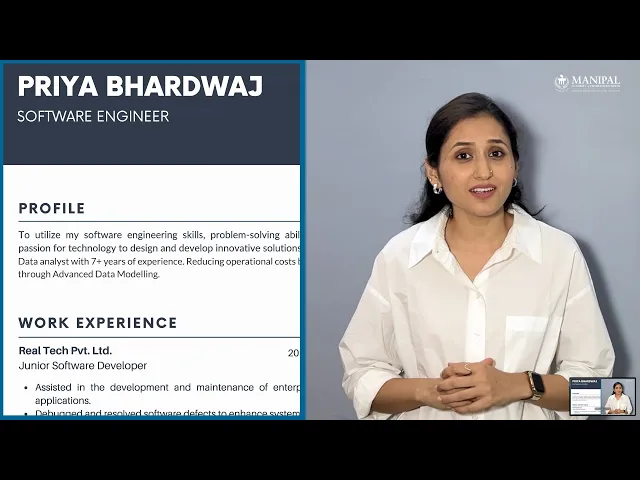
See how HSF helped UNext/Manipal simplify career guidance through an engaging animated Resume Building Guide that improved clarity and learner engagement... Watch the video:
Scalability for Large Campuses
Professional animation enables institutions to scale training efficiently across large academic ecosystems:
Reusable Content: Animated modules can be repurposed across semesters and training cycles.
Cross-Department Utility: Serves academic, administrative, compliance, and support teams.
Multilingual Adaptability: Easily localized with translated voiceovers and subtitles.
Types of Animated Training Videos Universities Use
Universities are leveraging professional animation across multiple training formats to improve clarity, consistency, and learner engagement. From student onboarding to faculty skill enhancement, animated modules help institutions deliver complex information in a structured and visually compelling way.
Orientation and Onboarding Series: Introduce campus policies, digital platforms, academic expectations, and student resources in an engaging format.
Compliance and Safety Modules: Cover regulatory requirements, campus safety protocols, data protection, and research compliance standards.
Student Support & Wellbeing: Explain counseling services, mental health resources, financial aid processes, and career guidance pathways.
Faculty Professional Development: Provide training on teaching methodologies, technology adoption, curriculum updates, and policy adherence.
Process and “How-To” Explainers: Simplify administrative workflows such as enrollment steps, documentation submissions, and internal procedures.
Looking to create impactful animated training content for your institution? Schedule a consultation with HSF and explore how our expert team can design tailored visual learning solutions that elevate engagement and long-term retention.
Institutional Voices: Why University Leaders Back Animated Training
Across leading institutions such as the University of California and Vanderbilt University, administrators report measurable improvements in clarity and engagement after introducing professional animated training modules. From onboarding faculty to guiding students through compliance procedures, animation has helped simplify complex policies into digestible visual narratives. Many departments observed reduced repetitive queries and improved completion rates for mandatory training modules after switching to animated formats.
“Animation allows us to communicate complex institutional processes in a way that feels approachable and consistent across departments,” says Dr. Melissa Grant, Director of Digital Learning Initiatives. “We noticed higher engagement rates and better information retention when compared to traditional slide-based sessions.” Such leadership endorsements reflect a growing confidence among USA universities in professional animated training as a scalable, long-term educational investment.
Read more: Interactive Learning Videos: Tools and Techniques
Best Practices for University Animated Training Videos
Creating effective animated training content requires more than visual appeal. Universities that partner with professional teams offering corporate animation services ensure their videos are strategically designed to meet institutional goals, learning standards, and accessibility requirements.
Align Animation with Learning Outcomes: Every video should support defined academic or training objectives, ensuring content directly contributes to measurable knowledge gains.
Script with Clear Educational Goals: Structured scripting keeps messaging concise, focused, and aligned with institutional policies or curriculum standards.
Use Consistent Visual Language: Maintain cohesive branding, character styles, typography, and tone to reinforce clarity and professionalism across modules.
Include Voiceover and Captions for Accessibility: Provide professional narration and closed captions to support diverse learners and meet accessibility compliance standards.
Track Performance Metrics: Monitor watch time, completion rates, and engagement analytics to refine content and improve training effectiveness over time.
Read more: How Universities Use Video to Build Stronger Alumni Networks
Challenges & Solutions
While animated training videos offer long-term value, universities often encounter practical challenges during implementation. Addressing these early ensures smoother production and measurable results.
Budget Concerns: Institutions may hesitate due to upfront production costs. However, reusable animated modules reduce recurring training expenses over time.
Timeline and Review Cycles: Multiple stakeholders can slow approvals. Structured feedback rounds and defined revision stages help streamline progress.
Quality vs Speed: Rushed production can compromise clarity and branding. Establishing realistic timelines ensures professional standards without delays.
Faculty Collaboration: Aligning academic experts with creative teams may be complex. Clear communication channels and defined responsibilities improve coordination.
Solutions:
Implement phased deliverables to maintain control over scope and budget.
Develop prototypes or style frames before full production begins.
Create detailed briefs outlining objectives, audience, tone, and learning outcomes.
Why Universities Partner with House Sparrow Films for Compliance Training Animation
House Sparrow Films specializes in producing high-impact compliance training animation for universities across the USA and globally. From Title IX awareness modules and campus safety procedures to data privacy guidelines and HR compliance onboarding, HSF creates structured animated learning content that simplifies regulatory information into engaging visual narratives. Each project is developed with detailed scripting, storyboard planning, and accessibility standards to ensure clarity, ADA compliance, and seamless LMS integration.
Universities choose House Sparrow Films for compliance training animation because of its strategic approach to higher education workflows. The team focuses on retention-driven visuals, consistent institutional branding, and scalable training systems that can be updated as regulations evolve. This ensures long-term value while improving training completion rates and reducing repetitive administrative queries.
Conclusion
Universities across the United States are embracing animation to modernize training, improve engagement, and standardize communication across campuses. From onboarding and compliance to faculty development, institutions are leveraging explainer videos for education to simplify complex information and increase retention. Research-backed benefits, real university examples, and scalable implementation models clearly show why animated formats are no longer optional but essential for effective higher education training strategies.
As campuses continue evolving toward hybrid and digital-first ecosystems, professional animation offers long-term value, consistency, and measurable outcomes. Partnering with an experienced production team ensures quality, accessibility, and strategic alignment. Ready to elevate your university training content? Get in touch with House Sparrow Films to explore tailored animated solutions.
FAQs
1. Why are universities using animated training videos instead of traditional presentations?
Animated training videos simplify complex information through visuals and storytelling, making content easier to understand and retain compared to static slides or lengthy manuals.
2. What types of university training benefit most from animation?
Orientation programs, compliance modules, faculty development sessions, safety training, and administrative process explainers benefit significantly from animated formats.
3. How long does it take to produce a university animated training video?
Production timelines typically range from 4 to 8 weeks, depending on script development, animation complexity, feedback cycles, and revisions.
4. Are animated training videos cost-effective for universities?
Yes. Although initial production requires investment, reusable modules reduce repetitive training costs and provide long-term scalability across departments.
5. Can animated training videos be customized for different departments?
Absolutely. Scripts, visuals, and voiceovers can be tailored to specific academic units, audiences, compliance requirements, and institutional branding guidelines.
Key takeaways
Leading universities use animated videos to modernize institutional training and communication.
Animation increases learner engagement across diverse academic and administrative audiences.
Professionally produced videos ensure clarity, consistency, and scalable campus-wide deployment.
Universities reduce repetitive training costs through reusable animated learning modules.
Strategic animation partnerships improve accessibility, retention, and measurable training outcomes.
Universities across the United States are redefining how they deliver student onboarding, faculty development, and compliance training as digital learning environments expand. Hybrid classrooms and remote administrative workflows have accelerated the need for visually engaging content that simplifies complex academic processes. As a result, many institutions are investing in animated training videos in the USA to standardize communication and improve learning efficiency. Research indicates that 65% to 80% of learners prefer visual learning formats, reinforcing the effectiveness of animation in improving comprehension and retention.
This shift reflects more than modernization; it signals measurable outcomes in engagement and scalability. This blog explores current adoption statistics, real university examples, institutional benefits, implementation best practices, and practical steps higher education leaders can follow to successfully integrate animated video into their training ecosystems.
The Trend of Animation in University Training
Animation has become a strategic component of university training video production, enabling higher education institutions to deliver clear, consistent, and engaging learning experiences at scale. In the higher education context, animated training videos are professionally crafted visual modules designed to simplify complex policies, academic processes, and institutional guidelines. Unlike traditional slide-based recordings, animation blends motion graphics, storytelling, and voiceover to improve comprehension and retention across diverse student and staff audiences.
Universities are using animated formats across multiple training categories, including:
Student Onboarding: Campus orientation, digital platforms walkthroughs, and academic policy overviews.
Compliance Training: Safety procedures, data protection guidelines, and regulatory updates.
Student Guidance: Mental health awareness, career services information, and financial aid processes.
Faculty Development: Teaching best practices, technology training, and research compliance modules.
Universities in the USA Using Animated Training Videos
The growing reliance on animation in higher education is not theoretical. Several leading institutions have already integrated professionally produced animated modules into their learning and communication strategies. By collaborating with a top university video production company, these universities are improving clarity, engagement, and training efficiency across departments. Below are five real examples that demonstrate how animation is actively transforming institutional training in the United States.
1. University of Utah
The University of Utah developed 2D animated training videos to support students and parents navigating mental health challenges and remote learning transitions. The purpose was to deliver clear coping strategies and accessible campus resources through engaging visual explainers.
Importance: This initiative highlights how animation strengthens institutional communication while improving training engagement. It also demonstrates scalable support delivery during critical academic transitions.
Target Audience:
Undergraduate and graduate students
Parents and guardians
Student support staff
2. University of California System
The University of California system implemented animated training videos to guide staff through document submissions, compliance workflows, and internal administrative processes. The purpose was to standardize training delivery and reduce repetitive in-person sessions across campuses.
Importance: Animation improved operational efficiency and ensured a consistent messaging system-wide. It also reduced onboarding time for new administrative personnel.
Target Audience:
Administrative staff
Compliance officers
Department coordinators
3. Vanderbilt University
Vanderbilt University commissioned animated video modules to explain essential topics such as Social Security documentation and institutional procedures. The purpose was to simplify complex administrative requirements for students through clear, visually structured storytelling.
Importance: These videos enhanced student awareness and reduced confusion around compliance documentation. They also improved communication transparency across departments.
Target Audience:
Domestic and international students
Enrollment services teams
Campus administrators
4. University of San Francisco
The University of San Francisco produced animated internal communication videos to clarify institutional updates and operational policies. The purpose was to increase staff engagement and ensure a consistent understanding of administrative messages.
Importance: Animation strengthened internal alignment and improved message retention among employees. It also streamlined campus-wide communication efforts.
Target Audience:
Faculty members
Administrative staff
Department heads
5. Arizona State University
Arizona State University incorporated animated video elements into digital learning initiatives and online training resources. The purpose was to enhance scalability, engagement, and clarity across remote academic and institutional support programs.
Importance: This approach demonstrates how large universities leverage animation to modernize training delivery. It supports consistent learning experiences across hybrid and online environments.
Target Audience:
Online learners
Faculty facilitators
Program support teams
Read more: How to Use Video Testimonials to Boost University Admissions
Why Universities Are Choosing Professional Animated Training
Universities increasingly adopt animation because research shows that animated and video-based learning significantly boosts focus, comprehension, and retention compared to traditional text-only methods. Studies indicate that animated content can improve knowledge retention by up to 60%, far exceeding static learning formats and making it a strategic choice for institutional training programs.
Deeper Engagement Than Text or Live Slides
Animated training formats offer a more immersive and structured learning experience compared to static documents or traditional slide presentations. By combining motion, narration, and visual cues, animation simplifies complex information and keeps learners actively engaged throughout the training process.
Clarity: Easier to follow than lengthy text manuals or dense slide decks.
Cognitive Simplicity: Reduces cognitive overload through guided visuals and concise storytelling.
Attention Retention: Maintains focus longer by using motion, pacing, and visual reinforcement.
Better Retention and Learning Performance
Educational research consistently shows that learners retain information more effectively when visual and auditory elements are combined. Video-based instruction activates multiple cognitive pathways, improving comprehension and long-term recall compared to text-only formats. Studies on multimedia learning theory indicate that structured visual storytelling reduces mental strain while reinforcing key concepts. For universities, this translates into better training outcomes, improved policy understanding, and higher completion rates across student and staff learning programs.
See how HSF helped UNext/Manipal simplify career guidance through an engaging animated Resume Building Guide that improved clarity and learner engagement... Watch the video:
Scalability for Large Campuses
Professional animation enables institutions to scale training efficiently across large academic ecosystems:
Reusable Content: Animated modules can be repurposed across semesters and training cycles.
Cross-Department Utility: Serves academic, administrative, compliance, and support teams.
Multilingual Adaptability: Easily localized with translated voiceovers and subtitles.
Types of Animated Training Videos Universities Use
Universities are leveraging professional animation across multiple training formats to improve clarity, consistency, and learner engagement. From student onboarding to faculty skill enhancement, animated modules help institutions deliver complex information in a structured and visually compelling way.
Orientation and Onboarding Series: Introduce campus policies, digital platforms, academic expectations, and student resources in an engaging format.
Compliance and Safety Modules: Cover regulatory requirements, campus safety protocols, data protection, and research compliance standards.
Student Support & Wellbeing: Explain counseling services, mental health resources, financial aid processes, and career guidance pathways.
Faculty Professional Development: Provide training on teaching methodologies, technology adoption, curriculum updates, and policy adherence.
Process and “How-To” Explainers: Simplify administrative workflows such as enrollment steps, documentation submissions, and internal procedures.
Looking to create impactful animated training content for your institution? Schedule a consultation with HSF and explore how our expert team can design tailored visual learning solutions that elevate engagement and long-term retention.
Institutional Voices: Why University Leaders Back Animated Training
Across leading institutions such as the University of California and Vanderbilt University, administrators report measurable improvements in clarity and engagement after introducing professional animated training modules. From onboarding faculty to guiding students through compliance procedures, animation has helped simplify complex policies into digestible visual narratives. Many departments observed reduced repetitive queries and improved completion rates for mandatory training modules after switching to animated formats.
“Animation allows us to communicate complex institutional processes in a way that feels approachable and consistent across departments,” says Dr. Melissa Grant, Director of Digital Learning Initiatives. “We noticed higher engagement rates and better information retention when compared to traditional slide-based sessions.” Such leadership endorsements reflect a growing confidence among USA universities in professional animated training as a scalable, long-term educational investment.
Read more: Interactive Learning Videos: Tools and Techniques
Best Practices for University Animated Training Videos
Creating effective animated training content requires more than visual appeal. Universities that partner with professional teams offering corporate animation services ensure their videos are strategically designed to meet institutional goals, learning standards, and accessibility requirements.
Align Animation with Learning Outcomes: Every video should support defined academic or training objectives, ensuring content directly contributes to measurable knowledge gains.
Script with Clear Educational Goals: Structured scripting keeps messaging concise, focused, and aligned with institutional policies or curriculum standards.
Use Consistent Visual Language: Maintain cohesive branding, character styles, typography, and tone to reinforce clarity and professionalism across modules.
Include Voiceover and Captions for Accessibility: Provide professional narration and closed captions to support diverse learners and meet accessibility compliance standards.
Track Performance Metrics: Monitor watch time, completion rates, and engagement analytics to refine content and improve training effectiveness over time.
Read more: How Universities Use Video to Build Stronger Alumni Networks
Challenges & Solutions
While animated training videos offer long-term value, universities often encounter practical challenges during implementation. Addressing these early ensures smoother production and measurable results.
Budget Concerns: Institutions may hesitate due to upfront production costs. However, reusable animated modules reduce recurring training expenses over time.
Timeline and Review Cycles: Multiple stakeholders can slow approvals. Structured feedback rounds and defined revision stages help streamline progress.
Quality vs Speed: Rushed production can compromise clarity and branding. Establishing realistic timelines ensures professional standards without delays.
Faculty Collaboration: Aligning academic experts with creative teams may be complex. Clear communication channels and defined responsibilities improve coordination.
Solutions:
Implement phased deliverables to maintain control over scope and budget.
Develop prototypes or style frames before full production begins.
Create detailed briefs outlining objectives, audience, tone, and learning outcomes.
Why Universities Partner with House Sparrow Films for Compliance Training Animation
House Sparrow Films specializes in producing high-impact compliance training animation for universities across the USA and globally. From Title IX awareness modules and campus safety procedures to data privacy guidelines and HR compliance onboarding, HSF creates structured animated learning content that simplifies regulatory information into engaging visual narratives. Each project is developed with detailed scripting, storyboard planning, and accessibility standards to ensure clarity, ADA compliance, and seamless LMS integration.
Universities choose House Sparrow Films for compliance training animation because of its strategic approach to higher education workflows. The team focuses on retention-driven visuals, consistent institutional branding, and scalable training systems that can be updated as regulations evolve. This ensures long-term value while improving training completion rates and reducing repetitive administrative queries.
Conclusion
Universities across the United States are embracing animation to modernize training, improve engagement, and standardize communication across campuses. From onboarding and compliance to faculty development, institutions are leveraging explainer videos for education to simplify complex information and increase retention. Research-backed benefits, real university examples, and scalable implementation models clearly show why animated formats are no longer optional but essential for effective higher education training strategies.
As campuses continue evolving toward hybrid and digital-first ecosystems, professional animation offers long-term value, consistency, and measurable outcomes. Partnering with an experienced production team ensures quality, accessibility, and strategic alignment. Ready to elevate your university training content? Get in touch with House Sparrow Films to explore tailored animated solutions.
FAQs
1. Why are universities using animated training videos instead of traditional presentations?
Animated training videos simplify complex information through visuals and storytelling, making content easier to understand and retain compared to static slides or lengthy manuals.
2. What types of university training benefit most from animation?
Orientation programs, compliance modules, faculty development sessions, safety training, and administrative process explainers benefit significantly from animated formats.
3. How long does it take to produce a university animated training video?
Production timelines typically range from 4 to 8 weeks, depending on script development, animation complexity, feedback cycles, and revisions.
4. Are animated training videos cost-effective for universities?
Yes. Although initial production requires investment, reusable modules reduce repetitive training costs and provide long-term scalability across departments.
5. Can animated training videos be customized for different departments?
Absolutely. Scripts, visuals, and voiceovers can be tailored to specific academic units, audiences, compliance requirements, and institutional branding guidelines.