Key takeaways
Authentic student led videos outperform polished campaigns by building trust and engagement consistently.
Short form social video now drives discovery replacing traditional search for universities nationwide.
AI personalization enables scalable recruitment learning and accessibility without sacrificing human connection quality.
Hybrid microlearning and interactive formats keep students engaged flexible and future ready learners.
Strategic video partners help institutions adapt trends measure impact and grow globally sustainably.
Higher education institutions across the United States are operating in a dramatically transformed digital landscape in 2026. Post-2024 shifts in student behavior have accelerated the move away from static websites and long-form lectures toward immersive, video-first communication. Prospective students now expect on-demand, visual experiences when researching universities. According to the Higher Education Marketing Trends report by EducationDynamics, more than 80 percent of prospective students rely on video during their enrollment decision journey, reinforcing video’s growing influence across recruitment and learning strategies.
Video has become central to recruitment, instruction, branding, and student engagement across campuses. Authentic student-led storytelling, AI-powered personalization, and social-first discovery on platforms like TikTok and YouTube are shaping how institutions connect with modern learners. These forces collectively define the most impactful higher education video trends in the USA, helping universities build trust, relevance, and long-term engagement at scale.
Read more: Trends Shaping the Future of MOOCs Video Production in 2025
Why Video Has Become Mission Critical for USA Higher Education
Video has become mission critical for USA higher education as student behavior continues to evolve in 2026. Prospective students increasingly distrust polished brochures and static web pages, favoring real, transparent content that reflects authentic campus experiences. Mobile-first habits and shrinking attention spans mean students expect information to be quick, visual, and easily accessible across platforms. Short-form videos, campus walkthroughs, and student-led storytelling now outperform traditional marketing materials by meeting learners where they already spend their time and attention.
Beyond marketing, video plays a measurable role in enrollment decisions, student retention, and academic engagement throughout the student lifecycle. From recruitment campaigns and virtual campus tours to lecture capture and interactive learning modules, institutions rely on strategic video production services to deliver consistent, engaging experiences. When executed effectively, video strengthens trust, improves comprehension, and creates meaningful connections that support both enrollment growth and long-term student success.
Marketing and Recruitment Video Trends Shaping USA Universities
Marketing and recruitment strategies in higher education are evolving rapidly as institutions adapt to changing student expectations. Higher education video trends in the USA now emphasize discovery, relevance, and trust over traditional promotional storytelling. Prospective students want content that feels real, answers specific questions quickly, and reflects genuine campus life. As a result, universities are shifting toward video formats that prioritize authenticity, personalization, and social-first visibility across platforms students already use daily.
Authentic Student-Led Content Over Polished Brand Films
Student-led videos offer a genuine look into campus life, helping universities connect with prospective learners through real experiences rather than scripted institutional messaging.
Popular formats:
Student vlogs documenting daily campus routines
Dorm room tours and housing walkthroughs
Peer-to-peer Q and A style videos
Club activities and campus event highlights
First week or first semester experience videos
Why it works:
Feels authentic and relatable to Gen Z and Gen Alpha
Builds trust through real student perspectives
Answers common questions without marketing language
Performs better on social and mobile-first platforms
Video as a Search Engine for Campus Discovery
Video platforms have become primary discovery channels as students search visually for campus experiences, academic options, and application guidance instead of relying on traditional search engines.
Popular formats:
Short videos answering admissions and application questions
Campus housing and facilities walkthroughs
Scholarship and financial aid explainers
Program overview and major selection videos
Student experience highlight reels
Why it works:
Matches how Gen Z and Gen Alpha search for information
Delivers quick, visual answers to intent-driven queries
Improves discoverability on TikTok and YouTube
Reduces friction in the research and decision process
AI-Powered Personalized Recruitment Videos
Personalized video messaging allows universities to engage prospective students with content tailored to their interests, location, and academic goals at scale.
Popular formats:
Customized acceptance and offer announcement videos
Major-specific and department-focused introductions
Region-based outreach and international student messages
Personalized application status updates
Interest-driven follow-up communication videos
Why it works:
Increases relevance through targeted messaging
Strengthens emotional connection with prospects
Boosts engagement and completion rates
Improves enrollment yield and conversion
Curiosity-Driven Learning and Process Content
Process-focused videos showcase real academic experiences, helping prospective students understand how learning actually happens beyond polished outcomes.
Popular formats:
Behind-the-scenes classroom and lab moments
Faculty explaining concepts informally
Students documenting project and skill progress
Learning challenges and problem-solving journeys
Course previews and assignment walkthroughs
Why it works:
Satisfies curiosity about real academic life
Humanizes faculty and learning environments
Builds credibility through transparency
Encourages deeper interest and engagement
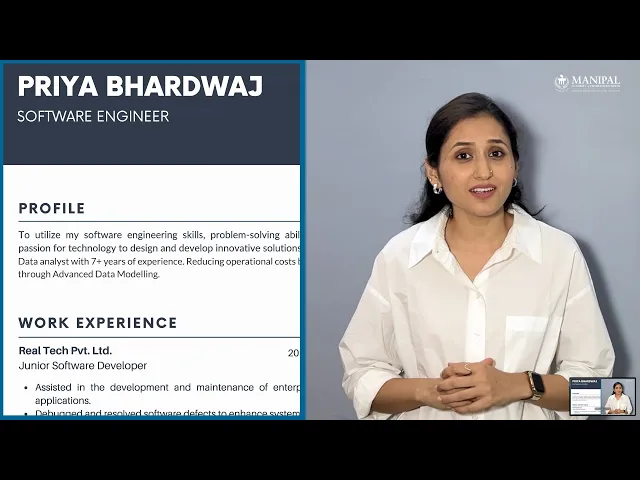
See how HSF helped UNext / Manipal simplify career readiness through engaging educational video content. Watch the video:
Academic and Instructional Video Trends in USA Higher Education
Academic delivery in USA higher education is increasingly shaped by flexible, video-driven learning experiences. Universities are rethinking how instruction is created, distributed, and consumed, often partnering with an animated video company to simplify complex concepts and improve accessibility. From self-paced modules to interactive classrooms, instructional video has become essential for meeting diverse learning needs while maintaining academic quality and engagement.
Asynchronous and Microlearning Video Formats
Asynchronous and microlearning videos are redefining instructional delivery by offering flexible, bite-sized content that supports self-paced learning while accommodating diverse schedules and evolving student attention spans.
Popular formats:
Nano-learning videos under five minutes
On-demand lecture recordings
Skill-based instructional explainers
Concept-specific refresher videos
Why it works:
Supports flexible and self-paced learning
Improves retention for skill-based education
Fits mobile-first consumption habits
Allows repeated viewing for better understanding
Hybrid and HyFlex Learning Models Powered by Video
Hybrid and HyFlex learning models rely heavily on video to deliver consistent educational experiences for both in-person and remote students without compromising accessibility, engagement, or instructional quality.
Popular formats:
Live-streamed and recorded lectures
Classroom capture for remote learners
Replayable session recordings
Video-based faculty summaries
Why it works:
Meets expectations for accessibility and flexibility
Ensures continuity across learning modes
Supports diverse student needs
Requires consistent production quality for clarity
Interactive and Gamified Video Experiences
Interactive and gamified videos are helping universities combat digital fatigue by transforming passive learning into active participation through engagement-driven formats that encourage exploration, decision-making, and knowledge retention.
Popular formats:
Interactive quizzes embedded within videos
Branching narratives and scenario learning
Reward-based educational challenges
Simulation-driven instructional videos
Why it works:
Encourages active learner participation
Reduces disengagement and fatigue
Improves retention through interaction
Makes learning more immersive
AI-Generated Content and AI Teaching Assistants
AI-generated instructional content and virtual teaching assistants are expanding academic support by providing scalable, accessible, and always-available learning resources tailored to individual student needs.
Popular formats:
Automated captions and translated lectures
AI avatar-led instructional videos
Virtual teaching assistants
On-demand academic support videos
Why it works:
Enhances accessibility and inclusivity
Supports compliance requirements
Provides 24/7 academic assistance
Scales instructional delivery efficiently
Read more: How to Use Video Testimonials to Boost University Admissions
Strategic Institutional Shifts Enabled by Video
Universities are using video to drive meaningful institutional change across recruitment, engagement, and campus culture. Schedule a consultation with HSF to align strategic video initiatives with measurable academic and branding outcomes.
Social-First Video Strategy for Universities
Universities are adopting social-first video strategies to align with student discovery behavior on platforms where attention already exists. TikTok has emerged as a primary channel for campus exploration, driving demand for short-form storytelling designed specifically for vertical feeds. Rather than prioritizing cinematic perfection, institutions are focusing on consistency, platform-native formats, and timely content that feels relatable, current, and authentic to student audiences.
Student Mental Health Advocacy Through Video
Video is increasingly used as a trusted medium for student mental health advocacy and campus support awareness. Student-led narratives allow institutions to communicate empathy and openness while normalizing mental health conversations. By highlighting real voices and lived experiences, universities build emotional trust, reduce stigma, and ensure students are aware of available resources and support systems.
Esports, Gaming, and Campus Media Studios
The growth of esports programs has positioned video at the center of competitive gaming, events, and student engagement. Universities are investing in dedicated media studios to support live streams, tournaments, and campus events. Gaming-focused video content fosters community building, strengthens campus culture, and creates new opportunities for learning, collaboration, and visibility beyond traditional academic spaces.
Key Higher Education Video Trends at a Glance
This snapshot highlights the most impactful video trends shaping higher education in 2026, helping institutions evaluate where business video services can drive recruitment, learning innovation, engagement, and long-term strategic value.
Trend | Use Case | Primary Audience | Video Format | Strategic Benefit |
Student-Led Authentic Content | Campus discovery and recruitment | Prospective students | Vlogs, walkthroughs, social clips | Builds trust and improves enrollment interest |
Social-First Video Discovery | Admissions and brand awareness | Gen Z and Gen Alpha | Short-form vertical video | Increases visibility on discovery platforms |
AI-Personalized Recruitment Videos | Admissions outreach | Prospective applicants | Personalized video messages | Improves engagement and enrollment yield |
Microlearning and Asynchronous Video | Instructional delivery | Current students | Short explainer and lecture videos | Enhances flexibility and knowledge retention |
Hybrid and HyFlex Video Learning | Academic continuity | Remote and on-campus students | Recorded and live-streamed lectures | Supports accessibility and learning consistency |
Interactive and Gamified Video | Student engagement | Current learners | Interactive and branching videos | Improves participation and retention |
AI-Generated Academic Support | Accessibility and assistance | Diverse student groups | AI-led instructional content | Scales support and improves inclusivity |
How Universities Can Implement These Video Trends Effectively
To successfully adopt modern video strategies, institutions must move beyond experimentation and focus on alignment, consistency, and scalability. Partnering with a reliable university video production company helps ensure content supports institutional goals while maintaining quality and authenticity across channels. These are the core implementation areas universities should prioritize:
Strategic Goal Alignment: Video initiatives should clearly support admissions, academics, and branding objectives, ensuring every asset contributes to enrollment growth, learning outcomes, and consistent institutional messaging across platforms.
Authenticity With Quality: Universities must balance genuine student voices with professional production standards, creating content that feels real while remaining visually polished, credible, and representative of institutional values.
Planning and Distribution Strategy: Effective video programs require thoughtful planning, light scripting, and platform-specific distribution strategies to maximize reach, relevance, and engagement across social, web, and learning environments.
Live Action Versus Animation: Institutions should use live action for emotional storytelling and campus life, while animation works best for explaining complex concepts, policies, or processes clearly and efficiently.
Choosing the Right Video Production Partner for Higher Education
Selecting the right video production partner is critical for universities aiming to create impactful, scalable, and compliant content. Institutions should prioritize partners with proven experience in education and institutional storytelling, as well as a deep understanding of USA student behavior and platform preferences. A strong partner can translate academic objectives into engaging video formats that resonate across recruitment, learning, and branding initiatives while maintaining consistency across channels.
As video strategist David Pearson notes, “Higher education video works best when strategy, accessibility, and authenticity align with how students actually discover and consume content.” Universities must also evaluate a partner’s ability to scale content across multiple formats while meeting accessibility, captioning, and quality standards essential for long-term success.
Read more: How Video Content Enhances Research Grant Proposals
Future Outlook for Higher Education Video in the USA
The future of higher education video is being shaped by rapid innovation, changing student expectations, and institutional digital maturity. As higher education video trends in the USA continue to advance, video will play an increasingly strategic role across recruitment, academics, and campus engagement.
Greater personalization powered by AI: Universities will use AI-driven video personalization to deliver tailored recruitment, learning, and support content that reflects individual student interests and academic pathways.
Video as a core ecosystem component: Video will become central to both marketing and learning ecosystems, influencing discovery, instruction, assessment, and ongoing student engagement.
Long-term video infrastructure investment: Institutions will prioritize scalable video infrastructure, internal production capabilities, and strategic partnerships to ensure consistency, accessibility, and long-term digital sustainability.
How House Sparrow Films Supports Higher Education Video Success
House Sparrow Films works closely with universities to translate evolving digital strategies into meaningful video experiences that connect with modern learners. With deep expertise in education-focused storytelling, the team helps institutions navigate shifting expectations around authenticity, accessibility, and engagement. By aligning creative vision with measurable outcomes, House Sparrow Films supports recruitment, learning, and branding initiatives shaped by the latest higher education video trends in the USA.
From student-led storytelling and AI-enabled personalization to social-first discovery and instructional content, House Sparrow Films delivers scalable video solutions designed for long-term impact. As a trusted global partner, HSF empowers universities to adapt, innovate, and lead confidently in an increasingly video-driven higher education landscape.
Conclusion
Higher education institutions are entering a new era where video defines how students discover, evaluate, and experience learning. Higher education video trends in the USA are reshaping recruitment, instruction, and engagement by prioritizing authenticity, accessibility, and platform-first storytelling. Universities that adapt to these shifts are better positioned to build trust, improve enrollment outcomes, and deliver flexible learning experiences aligned with modern student expectations.
Success in this evolving landscape requires more than producing videos. It demands a clear strategy, consistent execution, and a deep understanding of student behavior across channels. Professional video support helps institutions scale content, maintain quality, and stay compliant while remaining authentic. Contact us at House Sparrow Films to explore how strategic video can elevate your recruitment, learning, and institutional impact.
FAQs
1. Why is video so important for higher education today?
Video meets modern student expectations by delivering authentic, accessible, and engaging content that supports recruitment, learning flexibility, and stronger institutional connections.
2. Which video platforms work best for university recruitment?
TikTok and YouTube dominate student discovery, while websites and learning platforms support deeper engagement, admissions guidance, and instructional video delivery.
3. How can universities balance authenticity with professional quality?
Using real student voices with light scripting and strong production standards ensures content feels genuine while maintaining credibility and institutional consistency.
4. What role does AI play in higher education video strategy?
AI enables personalized recruitment videos, automated captions, translations, and virtual academic support, improving accessibility, engagement, and scalability.
5. Should universities work with a professional video partner?
Yes, professional partners help align strategy, ensure accessibility compliance, scale content efficiently, and deliver consistent results across recruitment and learning initiatives.
Key takeaways
Authentic student led videos outperform polished campaigns by building trust and engagement consistently.
Short form social video now drives discovery replacing traditional search for universities nationwide.
AI personalization enables scalable recruitment learning and accessibility without sacrificing human connection quality.
Hybrid microlearning and interactive formats keep students engaged flexible and future ready learners.
Strategic video partners help institutions adapt trends measure impact and grow globally sustainably.
Higher education institutions across the United States are operating in a dramatically transformed digital landscape in 2026. Post-2024 shifts in student behavior have accelerated the move away from static websites and long-form lectures toward immersive, video-first communication. Prospective students now expect on-demand, visual experiences when researching universities. According to the Higher Education Marketing Trends report by EducationDynamics, more than 80 percent of prospective students rely on video during their enrollment decision journey, reinforcing video’s growing influence across recruitment and learning strategies.
Video has become central to recruitment, instruction, branding, and student engagement across campuses. Authentic student-led storytelling, AI-powered personalization, and social-first discovery on platforms like TikTok and YouTube are shaping how institutions connect with modern learners. These forces collectively define the most impactful higher education video trends in the USA, helping universities build trust, relevance, and long-term engagement at scale.
Read more: Trends Shaping the Future of MOOCs Video Production in 2025
Why Video Has Become Mission Critical for USA Higher Education
Video has become mission critical for USA higher education as student behavior continues to evolve in 2026. Prospective students increasingly distrust polished brochures and static web pages, favoring real, transparent content that reflects authentic campus experiences. Mobile-first habits and shrinking attention spans mean students expect information to be quick, visual, and easily accessible across platforms. Short-form videos, campus walkthroughs, and student-led storytelling now outperform traditional marketing materials by meeting learners where they already spend their time and attention.
Beyond marketing, video plays a measurable role in enrollment decisions, student retention, and academic engagement throughout the student lifecycle. From recruitment campaigns and virtual campus tours to lecture capture and interactive learning modules, institutions rely on strategic video production services to deliver consistent, engaging experiences. When executed effectively, video strengthens trust, improves comprehension, and creates meaningful connections that support both enrollment growth and long-term student success.
Marketing and Recruitment Video Trends Shaping USA Universities
Marketing and recruitment strategies in higher education are evolving rapidly as institutions adapt to changing student expectations. Higher education video trends in the USA now emphasize discovery, relevance, and trust over traditional promotional storytelling. Prospective students want content that feels real, answers specific questions quickly, and reflects genuine campus life. As a result, universities are shifting toward video formats that prioritize authenticity, personalization, and social-first visibility across platforms students already use daily.
Authentic Student-Led Content Over Polished Brand Films
Student-led videos offer a genuine look into campus life, helping universities connect with prospective learners through real experiences rather than scripted institutional messaging.
Popular formats:
Student vlogs documenting daily campus routines
Dorm room tours and housing walkthroughs
Peer-to-peer Q and A style videos
Club activities and campus event highlights
First week or first semester experience videos
Why it works:
Feels authentic and relatable to Gen Z and Gen Alpha
Builds trust through real student perspectives
Answers common questions without marketing language
Performs better on social and mobile-first platforms
Video as a Search Engine for Campus Discovery
Video platforms have become primary discovery channels as students search visually for campus experiences, academic options, and application guidance instead of relying on traditional search engines.
Popular formats:
Short videos answering admissions and application questions
Campus housing and facilities walkthroughs
Scholarship and financial aid explainers
Program overview and major selection videos
Student experience highlight reels
Why it works:
Matches how Gen Z and Gen Alpha search for information
Delivers quick, visual answers to intent-driven queries
Improves discoverability on TikTok and YouTube
Reduces friction in the research and decision process
AI-Powered Personalized Recruitment Videos
Personalized video messaging allows universities to engage prospective students with content tailored to their interests, location, and academic goals at scale.
Popular formats:
Customized acceptance and offer announcement videos
Major-specific and department-focused introductions
Region-based outreach and international student messages
Personalized application status updates
Interest-driven follow-up communication videos
Why it works:
Increases relevance through targeted messaging
Strengthens emotional connection with prospects
Boosts engagement and completion rates
Improves enrollment yield and conversion
Curiosity-Driven Learning and Process Content
Process-focused videos showcase real academic experiences, helping prospective students understand how learning actually happens beyond polished outcomes.
Popular formats:
Behind-the-scenes classroom and lab moments
Faculty explaining concepts informally
Students documenting project and skill progress
Learning challenges and problem-solving journeys
Course previews and assignment walkthroughs
Why it works:
Satisfies curiosity about real academic life
Humanizes faculty and learning environments
Builds credibility through transparency
Encourages deeper interest and engagement
See how HSF helped UNext / Manipal simplify career readiness through engaging educational video content. Watch the video:
Academic and Instructional Video Trends in USA Higher Education
Academic delivery in USA higher education is increasingly shaped by flexible, video-driven learning experiences. Universities are rethinking how instruction is created, distributed, and consumed, often partnering with an animated video company to simplify complex concepts and improve accessibility. From self-paced modules to interactive classrooms, instructional video has become essential for meeting diverse learning needs while maintaining academic quality and engagement.
Asynchronous and Microlearning Video Formats
Asynchronous and microlearning videos are redefining instructional delivery by offering flexible, bite-sized content that supports self-paced learning while accommodating diverse schedules and evolving student attention spans.
Popular formats:
Nano-learning videos under five minutes
On-demand lecture recordings
Skill-based instructional explainers
Concept-specific refresher videos
Why it works:
Supports flexible and self-paced learning
Improves retention for skill-based education
Fits mobile-first consumption habits
Allows repeated viewing for better understanding
Hybrid and HyFlex Learning Models Powered by Video
Hybrid and HyFlex learning models rely heavily on video to deliver consistent educational experiences for both in-person and remote students without compromising accessibility, engagement, or instructional quality.
Popular formats:
Live-streamed and recorded lectures
Classroom capture for remote learners
Replayable session recordings
Video-based faculty summaries
Why it works:
Meets expectations for accessibility and flexibility
Ensures continuity across learning modes
Supports diverse student needs
Requires consistent production quality for clarity
Interactive and Gamified Video Experiences
Interactive and gamified videos are helping universities combat digital fatigue by transforming passive learning into active participation through engagement-driven formats that encourage exploration, decision-making, and knowledge retention.
Popular formats:
Interactive quizzes embedded within videos
Branching narratives and scenario learning
Reward-based educational challenges
Simulation-driven instructional videos
Why it works:
Encourages active learner participation
Reduces disengagement and fatigue
Improves retention through interaction
Makes learning more immersive
AI-Generated Content and AI Teaching Assistants
AI-generated instructional content and virtual teaching assistants are expanding academic support by providing scalable, accessible, and always-available learning resources tailored to individual student needs.
Popular formats:
Automated captions and translated lectures
AI avatar-led instructional videos
Virtual teaching assistants
On-demand academic support videos
Why it works:
Enhances accessibility and inclusivity
Supports compliance requirements
Provides 24/7 academic assistance
Scales instructional delivery efficiently
Read more: How to Use Video Testimonials to Boost University Admissions
Strategic Institutional Shifts Enabled by Video
Universities are using video to drive meaningful institutional change across recruitment, engagement, and campus culture. Schedule a consultation with HSF to align strategic video initiatives with measurable academic and branding outcomes.
Social-First Video Strategy for Universities
Universities are adopting social-first video strategies to align with student discovery behavior on platforms where attention already exists. TikTok has emerged as a primary channel for campus exploration, driving demand for short-form storytelling designed specifically for vertical feeds. Rather than prioritizing cinematic perfection, institutions are focusing on consistency, platform-native formats, and timely content that feels relatable, current, and authentic to student audiences.
Student Mental Health Advocacy Through Video
Video is increasingly used as a trusted medium for student mental health advocacy and campus support awareness. Student-led narratives allow institutions to communicate empathy and openness while normalizing mental health conversations. By highlighting real voices and lived experiences, universities build emotional trust, reduce stigma, and ensure students are aware of available resources and support systems.
Esports, Gaming, and Campus Media Studios
The growth of esports programs has positioned video at the center of competitive gaming, events, and student engagement. Universities are investing in dedicated media studios to support live streams, tournaments, and campus events. Gaming-focused video content fosters community building, strengthens campus culture, and creates new opportunities for learning, collaboration, and visibility beyond traditional academic spaces.
Key Higher Education Video Trends at a Glance
This snapshot highlights the most impactful video trends shaping higher education in 2026, helping institutions evaluate where business video services can drive recruitment, learning innovation, engagement, and long-term strategic value.
Trend | Use Case | Primary Audience | Video Format | Strategic Benefit |
Student-Led Authentic Content | Campus discovery and recruitment | Prospective students | Vlogs, walkthroughs, social clips | Builds trust and improves enrollment interest |
Social-First Video Discovery | Admissions and brand awareness | Gen Z and Gen Alpha | Short-form vertical video | Increases visibility on discovery platforms |
AI-Personalized Recruitment Videos | Admissions outreach | Prospective applicants | Personalized video messages | Improves engagement and enrollment yield |
Microlearning and Asynchronous Video | Instructional delivery | Current students | Short explainer and lecture videos | Enhances flexibility and knowledge retention |
Hybrid and HyFlex Video Learning | Academic continuity | Remote and on-campus students | Recorded and live-streamed lectures | Supports accessibility and learning consistency |
Interactive and Gamified Video | Student engagement | Current learners | Interactive and branching videos | Improves participation and retention |
AI-Generated Academic Support | Accessibility and assistance | Diverse student groups | AI-led instructional content | Scales support and improves inclusivity |
How Universities Can Implement These Video Trends Effectively
To successfully adopt modern video strategies, institutions must move beyond experimentation and focus on alignment, consistency, and scalability. Partnering with a reliable university video production company helps ensure content supports institutional goals while maintaining quality and authenticity across channels. These are the core implementation areas universities should prioritize:
Strategic Goal Alignment: Video initiatives should clearly support admissions, academics, and branding objectives, ensuring every asset contributes to enrollment growth, learning outcomes, and consistent institutional messaging across platforms.
Authenticity With Quality: Universities must balance genuine student voices with professional production standards, creating content that feels real while remaining visually polished, credible, and representative of institutional values.
Planning and Distribution Strategy: Effective video programs require thoughtful planning, light scripting, and platform-specific distribution strategies to maximize reach, relevance, and engagement across social, web, and learning environments.
Live Action Versus Animation: Institutions should use live action for emotional storytelling and campus life, while animation works best for explaining complex concepts, policies, or processes clearly and efficiently.
Choosing the Right Video Production Partner for Higher Education
Selecting the right video production partner is critical for universities aiming to create impactful, scalable, and compliant content. Institutions should prioritize partners with proven experience in education and institutional storytelling, as well as a deep understanding of USA student behavior and platform preferences. A strong partner can translate academic objectives into engaging video formats that resonate across recruitment, learning, and branding initiatives while maintaining consistency across channels.
As video strategist David Pearson notes, “Higher education video works best when strategy, accessibility, and authenticity align with how students actually discover and consume content.” Universities must also evaluate a partner’s ability to scale content across multiple formats while meeting accessibility, captioning, and quality standards essential for long-term success.
Read more: How Video Content Enhances Research Grant Proposals
Future Outlook for Higher Education Video in the USA
The future of higher education video is being shaped by rapid innovation, changing student expectations, and institutional digital maturity. As higher education video trends in the USA continue to advance, video will play an increasingly strategic role across recruitment, academics, and campus engagement.
Greater personalization powered by AI: Universities will use AI-driven video personalization to deliver tailored recruitment, learning, and support content that reflects individual student interests and academic pathways.
Video as a core ecosystem component: Video will become central to both marketing and learning ecosystems, influencing discovery, instruction, assessment, and ongoing student engagement.
Long-term video infrastructure investment: Institutions will prioritize scalable video infrastructure, internal production capabilities, and strategic partnerships to ensure consistency, accessibility, and long-term digital sustainability.
How House Sparrow Films Supports Higher Education Video Success
House Sparrow Films works closely with universities to translate evolving digital strategies into meaningful video experiences that connect with modern learners. With deep expertise in education-focused storytelling, the team helps institutions navigate shifting expectations around authenticity, accessibility, and engagement. By aligning creative vision with measurable outcomes, House Sparrow Films supports recruitment, learning, and branding initiatives shaped by the latest higher education video trends in the USA.
From student-led storytelling and AI-enabled personalization to social-first discovery and instructional content, House Sparrow Films delivers scalable video solutions designed for long-term impact. As a trusted global partner, HSF empowers universities to adapt, innovate, and lead confidently in an increasingly video-driven higher education landscape.
Conclusion
Higher education institutions are entering a new era where video defines how students discover, evaluate, and experience learning. Higher education video trends in the USA are reshaping recruitment, instruction, and engagement by prioritizing authenticity, accessibility, and platform-first storytelling. Universities that adapt to these shifts are better positioned to build trust, improve enrollment outcomes, and deliver flexible learning experiences aligned with modern student expectations.
Success in this evolving landscape requires more than producing videos. It demands a clear strategy, consistent execution, and a deep understanding of student behavior across channels. Professional video support helps institutions scale content, maintain quality, and stay compliant while remaining authentic. Contact us at House Sparrow Films to explore how strategic video can elevate your recruitment, learning, and institutional impact.
FAQs
1. Why is video so important for higher education today?
Video meets modern student expectations by delivering authentic, accessible, and engaging content that supports recruitment, learning flexibility, and stronger institutional connections.
2. Which video platforms work best for university recruitment?
TikTok and YouTube dominate student discovery, while websites and learning platforms support deeper engagement, admissions guidance, and instructional video delivery.
3. How can universities balance authenticity with professional quality?
Using real student voices with light scripting and strong production standards ensures content feels genuine while maintaining credibility and institutional consistency.
4. What role does AI play in higher education video strategy?
AI enables personalized recruitment videos, automated captions, translations, and virtual academic support, improving accessibility, engagement, and scalability.
5. Should universities work with a professional video partner?
Yes, professional partners help align strategy, ensure accessibility compliance, scale content efficiently, and deliver consistent results across recruitment and learning initiatives.