Key takeaways
Enterprises now prioritize interactive video experiences over passive, one-way training formats.
Microlearning videos support faster skill acquisition and just-in-time employee performance.
Data-driven analytics help organizations refine learning content and measure real impact.
Accessibility and mobile-first design ensure inclusive learning across distributed workforces.
Strategic video learning improves onboarding, software adoption, and long-term workforce engagement.
US enterprises are rapidly adopting video-based learning strategies for US enterprises to meet the evolving demands of a hybrid workforce, distributed teams, and shorter attention spans. Video learning now drives measurable business value, with digital training projected to grow strongly into 2026 and beyond as organisations prioritise scalable, flexible learning formats. According to recent industry data, global corporate eLearning, where video plays a central role, is expected to expand significantly, reflecting widespread investment in multimedia training experiences that reduce training time and boost retention rates.
This shift moves organisations away from passive viewing toward interactive, data-driven learning ecosystems that deliver higher ROI and real performance outcomes. Modern enterprises use video not just for delivery but to engage, assess, and improve learner outcomes. In this blog, you will learn about leading video learning strategies, real enterprise use cases, proven implementation best practices, and how to measure impact and ROI.
Why Video-Based Learning Is a Strategic Priority for US Enterprises in 2026
US enterprises increasingly rely on video production services to support scalable learning across complex, fast-moving work environments. Video enables consistent training delivery, faster updates, and measurable engagement across locations. As work models evolve, enterprises need learning formats that adapt quickly, reach every role, and deliver clear business outcomes without slowing operations.
Workforce Shifts Driving Video Adoption
Hybrid and remote work models have changed how employees access training. Teams are spread across locations and time zones, making live sessions harder to scale. Deskless and frontline workers need quick, visual guidance they can access on the job. On-demand and self-paced video learning meets these needs while reducing scheduling friction and downtime.
Learning Outcomes vs Traditional Training Formats
Video learning consistently delivers higher knowledge retention than text documents or slide decks. Visual storytelling, real-world scenarios, and repetition help employees understand and apply concepts faster. Learners stay engaged longer when training feels practical and relevant to daily work.
Enterprises also benefit from faster onboarding, lower training costs, and consistent messaging across large teams. Video ensures every employee receives the same guidance, regardless of location, while reducing reliance on repeated live instruction.
Read more: The Power of Scenario-Based L&D Videos for Real-World Application
Core Video-Based Learning Strategies Used by US Enterprises
US enterprises increasingly partner with an L&D video production company in the USA to build structured, scalable learning ecosystems. These strategies go beyond simple content delivery and focus on engagement, application, and measurable outcomes. Each approach supports different learning goals while aligning with modern workforce expectations.
Interactive Branching Scenario Videos
Interactive scenario videos allow learners to make decisions and experience outcomes in a controlled environment. This approach supports experiential learning without exposing the organization to real-world risk.
Core applications:
Leadership decision-making
Compliance training scenarios
Ethics and risk management simulations
Judgment-based role training
Effective actions:
Design realistic workplace situations
Map clear decision paths and outcomes
Keep scenarios role-specific
Use feedback loops to reinforce learning
Video-Based Microlearning for Just-in-Time Training
Microlearning focuses on short, targeted videos that address one objective at a time. These videos support immediate problem-solving and reduce cognitive overload.
Core applications:
Product feature updates
Process refreshers
Policy reminders
On-the-job performance support
Effective actions:
Limit videos to two to five minutes
Focus on one learning goal per video
Optimize for mobile viewing
Enable quick search and access
Flipped Classroom Model Using Video
The flipped classroom model shifts knowledge delivery to video and reserves live sessions for interaction. This improves engagement and reduces live training fatigue.
Core applications:
Pre-learning concept videos
Subject matter expert explanations
Foundational knowledge sharing
Skill preparation before live sessions
Effective actions:
Record concise SME-led videos
Structure live sessions for discussion
Use case studies and group exercises
Reduce lecture-heavy live formats
AI-Generated Video Content for Rapid Scaling
AI-generated video enables faster content creation and frequent updates. It supports scalability while maintaining consistency across training programs.
Core applications:
Script generation
Avatar-based presentations
Multilingual training delivery
Rapid product and technical updates
Effective actions:
Establish governance and review workflows
Maintain brand and tone consistency
Validate technical accuracy
Update content regularly
Social and Peer-to-Peer Video Learning
Peer-generated video learning captures internal knowledge and encourages collaboration. It helps organizations scale expertise organically.
Core applications:
Employee-created how-to videos
Knowledge sharing from internal experts
Team-led process demonstrations
Informal skill transfer
Effective actions:
Provide simple recording guidelines
Moderate and curate content quality
Tag videos for easy discovery
Encourage participation through recognition
Read more: How to Measure the Effectiveness of L&D Videos
Strategic Implementation Best Practices for Enterprise Video Learning
Effective enterprise video learning requires more than strong visuals. It depends on thoughtful planning, learner-centric design, and continuous optimization. Working with an experienced partner helps organizations avoid rollout gaps and ensure measurable outcomes across teams. Book a call with HSF to align learning goals, production strategy, and performance measurement.
These are the core implementation best practices enterprises should prioritize.
Embedding In-Video Assessments: Use quizzes, polls, and checkpoints within videos to prevent passive viewing, reinforce learning concepts, and measure comprehension in real time without interrupting the learner experience.
Designing for Cross-Device and Mobile-First Access: Create videos that function seamlessly on smartphones, tablets, and desktops, support offline viewing, and fit learning into short transitions, commutes, and on-the-job moments.
Using Advanced Video Analytics for Continuous Improvement: Go beyond views and completion rates by analyzing heatmaps, drop-off points, and rewatch behavior to identify engagement gaps and improve future training content.
Accessibility and Inclusive Learning Standards: Apply closed captions, transcripts, screen reader compatibility, localization for US-based global teams, and compliance-friendly design to support inclusive and legally sound learning programs.
Common Enterprise Use Cases for Video-Based Learning in the US
US enterprises work with an animated video company to create flexible learning content that supports scale, consistency, and engagement. Video-based learning adapts easily across roles and departments, making it suitable for high-impact use cases that require clarity, speed, and repeatability.
Employee Onboarding at Scale
Video simplifies onboarding by delivering consistent messaging to large and distributed teams. New hires gain clarity faster while reducing dependency on live sessions.
Culture and values videos
Leadership welcome messages
Role-specific onboarding tracks
Software and Digital Tool Training
Video training supports faster adoption of internal systems and tools. Visual walkthroughs reduce confusion and improve task confidence.
Step-by-step screencasts
Feature update videos
Reduced IT support tickets
Soft Skills and Behavioral Training
Video brings human situations to life, making abstract concepts easier to understand and apply. Format choice depends on tone and learning goals.
Communication skills training
Conflict resolution scenarios
Diversity, equity, and inclusion programs
Live-action versus animated formats
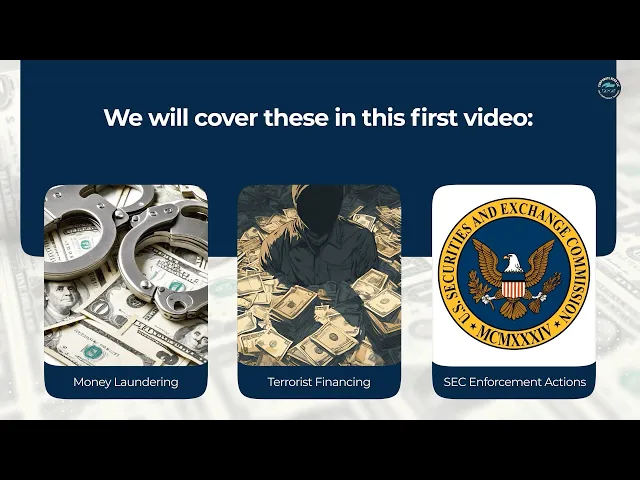
See how HSF helped CorpNerd deliver clear, compliant training content that supports risk awareness and consistent enterprise learning. Watch the video:
Measuring ROI of Video-Based Learning Programs
Measuring ROI starts with understanding how video impacts learning effectiveness. Enterprises track knowledge retention, skill application, and assessment scores to see whether employees are truly absorbing and applying what they learn. Video-based training consistently performs well, with research showing that employees retain significantly more information from video compared to text-based learning. According to a report by Wyzowl, 91 percent of organizations say video has increased user understanding of their products or services, reinforcing its effectiveness as a learning format.
Beyond learning outcomes, enterprises assess direct business impact. Metrics such as faster time-to-productivity, reduced training costs, and performance improvement indicators help connect learning initiatives to operational results. Video enables scalable delivery while lowering repeated instructor-led training expenses.
For L&D leaders, clear stakeholder reporting is essential. Presenting concise learning data to HR and leadership teams helps align training outcomes with broader business goals and supports informed investment decisions.
How to Choose the Right Video Learning Partner for US Enterprises
Selecting the right partner is critical to the long-term success of enterprise learning initiatives. Providers offering business video services should understand complex organizational needs, compliance requirements, and scalable delivery models. The right partner supports both learning outcomes and measurable business impact. These are the key factors US enterprises should evaluate.
Enterprise Experience and Domain Knowledge: Look for partners with proven experience serving large organizations, understanding regulated environments, and creating learning content aligned with enterprise workflows and industry-specific requirements.
Instructional Design Capabilities: Strong instructional design ensures videos are structured for clarity, retention, and behavior change, not just visual appeal or content delivery.
Scalability and Consistency: The partner should support high-volume production while maintaining consistent quality, branding, and messaging across teams, regions, and training programs.
Analytics and Measurement Support: Choose a partner that integrates performance tracking, engagement analytics, and reporting to help quantify learning impact and refine future strategies.
Global Delivery with US Enterprise Standards: Ensure the partner can deliver globally while meeting US enterprise expectations for accessibility, compliance, security, and content governance.
Read more: Why Animated Videos are Effective for Learning and Development
How House Sparrow Films Supports Enterprise Video-Based Learning
House Sparrow Films partners with U.S. enterprises to design video-based learning programs that focus on engagement, clarity, and measurable outcomes. The team blends instructional design with strong storytelling to create training videos that align with business goals, learning objectives, and enterprise compliance standards. Every project is planned with scalability, consistency, and long-term usability in mind.
With experience delivering global learning content, House Sparrow Films supports onboarding, software training, leadership development, and soft skills programs. Their approach covers strategy, scripting, production, animation, and analytics-ready delivery, helping enterprises build reliable video learning ecosystems for hybrid and distributed teams.
Conclusion
US organizations continue to adopt interactive, measurable video-based learning strategies for US enterprises that support real performance outcomes. Passive training is being replaced by data-driven video ecosystems built for hybrid work, distributed teams, and scalable workforce development. When executed strategically, video learning improves engagement, consistency, and long-term skill retention across the enterprise.
The impact comes from strategy, not just video creation. Treating video as a long-term learning infrastructure helps enterprises drive ROI, speed up onboarding, and future-proof training programs. To plan your next enterprise learning initiative, reach the House Sparrow Films team and explore how structured video strategies can support measurable growth and lasting learning impact.
FAQs
Why are enterprises investing in video-based learning programs?
Enterprises invest in video-based learning to support hybrid teams, improve engagement, reduce training costs, deliver consistent learning experiences, and measure workforce performance outcomes.How long should enterprise training videos be for the best results?
Enterprise training videos typically perform best when kept short and focused, allowing employees to retain information, stay engaged, and access learning efficiently during work schedules.Can video-based learning support compliance and risk training?
Video-based learning supports compliance and risk training by enabling consistent messaging, scenario-based practice, audit readiness, and safe decision-making without real-world operational consequences.What metrics matter most when measuring video learning ROI?
Key video learning ROI metrics include knowledge retention, skill application, time-to-productivity, reduced training costs, and performance improvements aligned with business objectives.How do enterprises choose the right video learning partner?
Enterprises choose the right video learning partner by evaluating instructional design expertise, scalability, analytics support, accessibility standards, and experience delivering enterprise-grade training programs.
Key takeaways
Enterprises now prioritize interactive video experiences over passive, one-way training formats.
Microlearning videos support faster skill acquisition and just-in-time employee performance.
Data-driven analytics help organizations refine learning content and measure real impact.
Accessibility and mobile-first design ensure inclusive learning across distributed workforces.
Strategic video learning improves onboarding, software adoption, and long-term workforce engagement.
US enterprises are rapidly adopting video-based learning strategies for US enterprises to meet the evolving demands of a hybrid workforce, distributed teams, and shorter attention spans. Video learning now drives measurable business value, with digital training projected to grow strongly into 2026 and beyond as organisations prioritise scalable, flexible learning formats. According to recent industry data, global corporate eLearning, where video plays a central role, is expected to expand significantly, reflecting widespread investment in multimedia training experiences that reduce training time and boost retention rates.
This shift moves organisations away from passive viewing toward interactive, data-driven learning ecosystems that deliver higher ROI and real performance outcomes. Modern enterprises use video not just for delivery but to engage, assess, and improve learner outcomes. In this blog, you will learn about leading video learning strategies, real enterprise use cases, proven implementation best practices, and how to measure impact and ROI.
Why Video-Based Learning Is a Strategic Priority for US Enterprises in 2026
US enterprises increasingly rely on video production services to support scalable learning across complex, fast-moving work environments. Video enables consistent training delivery, faster updates, and measurable engagement across locations. As work models evolve, enterprises need learning formats that adapt quickly, reach every role, and deliver clear business outcomes without slowing operations.
Workforce Shifts Driving Video Adoption
Hybrid and remote work models have changed how employees access training. Teams are spread across locations and time zones, making live sessions harder to scale. Deskless and frontline workers need quick, visual guidance they can access on the job. On-demand and self-paced video learning meets these needs while reducing scheduling friction and downtime.
Learning Outcomes vs Traditional Training Formats
Video learning consistently delivers higher knowledge retention than text documents or slide decks. Visual storytelling, real-world scenarios, and repetition help employees understand and apply concepts faster. Learners stay engaged longer when training feels practical and relevant to daily work.
Enterprises also benefit from faster onboarding, lower training costs, and consistent messaging across large teams. Video ensures every employee receives the same guidance, regardless of location, while reducing reliance on repeated live instruction.
Read more: The Power of Scenario-Based L&D Videos for Real-World Application
Core Video-Based Learning Strategies Used by US Enterprises
US enterprises increasingly partner with an L&D video production company in the USA to build structured, scalable learning ecosystems. These strategies go beyond simple content delivery and focus on engagement, application, and measurable outcomes. Each approach supports different learning goals while aligning with modern workforce expectations.
Interactive Branching Scenario Videos
Interactive scenario videos allow learners to make decisions and experience outcomes in a controlled environment. This approach supports experiential learning without exposing the organization to real-world risk.
Core applications:
Leadership decision-making
Compliance training scenarios
Ethics and risk management simulations
Judgment-based role training
Effective actions:
Design realistic workplace situations
Map clear decision paths and outcomes
Keep scenarios role-specific
Use feedback loops to reinforce learning
Video-Based Microlearning for Just-in-Time Training
Microlearning focuses on short, targeted videos that address one objective at a time. These videos support immediate problem-solving and reduce cognitive overload.
Core applications:
Product feature updates
Process refreshers
Policy reminders
On-the-job performance support
Effective actions:
Limit videos to two to five minutes
Focus on one learning goal per video
Optimize for mobile viewing
Enable quick search and access
Flipped Classroom Model Using Video
The flipped classroom model shifts knowledge delivery to video and reserves live sessions for interaction. This improves engagement and reduces live training fatigue.
Core applications:
Pre-learning concept videos
Subject matter expert explanations
Foundational knowledge sharing
Skill preparation before live sessions
Effective actions:
Record concise SME-led videos
Structure live sessions for discussion
Use case studies and group exercises
Reduce lecture-heavy live formats
AI-Generated Video Content for Rapid Scaling
AI-generated video enables faster content creation and frequent updates. It supports scalability while maintaining consistency across training programs.
Core applications:
Script generation
Avatar-based presentations
Multilingual training delivery
Rapid product and technical updates
Effective actions:
Establish governance and review workflows
Maintain brand and tone consistency
Validate technical accuracy
Update content regularly
Social and Peer-to-Peer Video Learning
Peer-generated video learning captures internal knowledge and encourages collaboration. It helps organizations scale expertise organically.
Core applications:
Employee-created how-to videos
Knowledge sharing from internal experts
Team-led process demonstrations
Informal skill transfer
Effective actions:
Provide simple recording guidelines
Moderate and curate content quality
Tag videos for easy discovery
Encourage participation through recognition
Read more: How to Measure the Effectiveness of L&D Videos
Strategic Implementation Best Practices for Enterprise Video Learning
Effective enterprise video learning requires more than strong visuals. It depends on thoughtful planning, learner-centric design, and continuous optimization. Working with an experienced partner helps organizations avoid rollout gaps and ensure measurable outcomes across teams. Book a call with HSF to align learning goals, production strategy, and performance measurement.
These are the core implementation best practices enterprises should prioritize.
Embedding In-Video Assessments: Use quizzes, polls, and checkpoints within videos to prevent passive viewing, reinforce learning concepts, and measure comprehension in real time without interrupting the learner experience.
Designing for Cross-Device and Mobile-First Access: Create videos that function seamlessly on smartphones, tablets, and desktops, support offline viewing, and fit learning into short transitions, commutes, and on-the-job moments.
Using Advanced Video Analytics for Continuous Improvement: Go beyond views and completion rates by analyzing heatmaps, drop-off points, and rewatch behavior to identify engagement gaps and improve future training content.
Accessibility and Inclusive Learning Standards: Apply closed captions, transcripts, screen reader compatibility, localization for US-based global teams, and compliance-friendly design to support inclusive and legally sound learning programs.
Common Enterprise Use Cases for Video-Based Learning in the US
US enterprises work with an animated video company to create flexible learning content that supports scale, consistency, and engagement. Video-based learning adapts easily across roles and departments, making it suitable for high-impact use cases that require clarity, speed, and repeatability.
Employee Onboarding at Scale
Video simplifies onboarding by delivering consistent messaging to large and distributed teams. New hires gain clarity faster while reducing dependency on live sessions.
Culture and values videos
Leadership welcome messages
Role-specific onboarding tracks
Software and Digital Tool Training
Video training supports faster adoption of internal systems and tools. Visual walkthroughs reduce confusion and improve task confidence.
Step-by-step screencasts
Feature update videos
Reduced IT support tickets
Soft Skills and Behavioral Training
Video brings human situations to life, making abstract concepts easier to understand and apply. Format choice depends on tone and learning goals.
Communication skills training
Conflict resolution scenarios
Diversity, equity, and inclusion programs
Live-action versus animated formats
See how HSF helped CorpNerd deliver clear, compliant training content that supports risk awareness and consistent enterprise learning. Watch the video:
Measuring ROI of Video-Based Learning Programs
Measuring ROI starts with understanding how video impacts learning effectiveness. Enterprises track knowledge retention, skill application, and assessment scores to see whether employees are truly absorbing and applying what they learn. Video-based training consistently performs well, with research showing that employees retain significantly more information from video compared to text-based learning. According to a report by Wyzowl, 91 percent of organizations say video has increased user understanding of their products or services, reinforcing its effectiveness as a learning format.
Beyond learning outcomes, enterprises assess direct business impact. Metrics such as faster time-to-productivity, reduced training costs, and performance improvement indicators help connect learning initiatives to operational results. Video enables scalable delivery while lowering repeated instructor-led training expenses.
For L&D leaders, clear stakeholder reporting is essential. Presenting concise learning data to HR and leadership teams helps align training outcomes with broader business goals and supports informed investment decisions.
How to Choose the Right Video Learning Partner for US Enterprises
Selecting the right partner is critical to the long-term success of enterprise learning initiatives. Providers offering business video services should understand complex organizational needs, compliance requirements, and scalable delivery models. The right partner supports both learning outcomes and measurable business impact. These are the key factors US enterprises should evaluate.
Enterprise Experience and Domain Knowledge: Look for partners with proven experience serving large organizations, understanding regulated environments, and creating learning content aligned with enterprise workflows and industry-specific requirements.
Instructional Design Capabilities: Strong instructional design ensures videos are structured for clarity, retention, and behavior change, not just visual appeal or content delivery.
Scalability and Consistency: The partner should support high-volume production while maintaining consistent quality, branding, and messaging across teams, regions, and training programs.
Analytics and Measurement Support: Choose a partner that integrates performance tracking, engagement analytics, and reporting to help quantify learning impact and refine future strategies.
Global Delivery with US Enterprise Standards: Ensure the partner can deliver globally while meeting US enterprise expectations for accessibility, compliance, security, and content governance.
Read more: Why Animated Videos are Effective for Learning and Development
How House Sparrow Films Supports Enterprise Video-Based Learning
House Sparrow Films partners with U.S. enterprises to design video-based learning programs that focus on engagement, clarity, and measurable outcomes. The team blends instructional design with strong storytelling to create training videos that align with business goals, learning objectives, and enterprise compliance standards. Every project is planned with scalability, consistency, and long-term usability in mind.
With experience delivering global learning content, House Sparrow Films supports onboarding, software training, leadership development, and soft skills programs. Their approach covers strategy, scripting, production, animation, and analytics-ready delivery, helping enterprises build reliable video learning ecosystems for hybrid and distributed teams.
Conclusion
US organizations continue to adopt interactive, measurable video-based learning strategies for US enterprises that support real performance outcomes. Passive training is being replaced by data-driven video ecosystems built for hybrid work, distributed teams, and scalable workforce development. When executed strategically, video learning improves engagement, consistency, and long-term skill retention across the enterprise.
The impact comes from strategy, not just video creation. Treating video as a long-term learning infrastructure helps enterprises drive ROI, speed up onboarding, and future-proof training programs. To plan your next enterprise learning initiative, reach the House Sparrow Films team and explore how structured video strategies can support measurable growth and lasting learning impact.
FAQs
Why are enterprises investing in video-based learning programs?
Enterprises invest in video-based learning to support hybrid teams, improve engagement, reduce training costs, deliver consistent learning experiences, and measure workforce performance outcomes.How long should enterprise training videos be for the best results?
Enterprise training videos typically perform best when kept short and focused, allowing employees to retain information, stay engaged, and access learning efficiently during work schedules.Can video-based learning support compliance and risk training?
Video-based learning supports compliance and risk training by enabling consistent messaging, scenario-based practice, audit readiness, and safe decision-making without real-world operational consequences.What metrics matter most when measuring video learning ROI?
Key video learning ROI metrics include knowledge retention, skill application, time-to-productivity, reduced training costs, and performance improvements aligned with business objectives.How do enterprises choose the right video learning partner?
Enterprises choose the right video learning partner by evaluating instructional design expertise, scalability, analytics support, accessibility standards, and experience delivering enterprise-grade training programs.