Key Takeaways
Video simplifies onboarding by making information easy to understand and revisit.
Students retain more when orientation content is visual, practical, and accessible.
Video-first orientation improves engagement, reduces admin workload, and scales better.
Videos create consistent messaging across departments and campuses.
Orientation videos support diverse learners, remote students, and international audiences.
Orientation shapes how confident and prepared students feel when they begin their academic journey. Research shows how strongly learners now rely on digital formats, and the EDUCAUSE Student Technology Report confirms that most students prefer technology-enabled learning experiences, especially when navigating complex campus systems. Traditional orientations often compress hours of information into a single day, which leaves students overwhelmed, unsure of next steps, and unable to recall key instructions. Students need clarity, steady pacing, and the freedom to revisit information on their own time. This shift in expectation is why many institutions are adopting student orientation videos to deliver accessible explanations, friendly visuals, and a smoother onboarding experience. Video helps students understand expectations, explore systems, and settle in with confidence.
Why Student Orientation Matters More Than Ever
Student expectations have shifted as campuses manage hybrid learning, increasing diversity and rising administrative complexity. Institutions are also under pressure to deliver strong digital experiences that match how students already learn online. The National Student Clearinghouse Research Center reports ongoing retention concerns, with first-year persistence rates at 76 percent nationwide. A clear, accessible orientation directly supports retention by helping students feel prepared, connected, and confident from the start. Strong orientation programs now play a crucial role in balancing academic expectations, digital systems, cultural belonging, and the overall transition into university life.
Why Video-First Orientation Works Better Than Traditional Formats
Video-first systems strengthen onboarding by presenting essential information in clear, visual formats that students can absorb quickly. This approach supports diverse learners and reduces confusion that often comes with traditional orientation sessions.
Students Prefer Visual Learning and Short-Form Content: Students engage more deeply with short videos because they match familiar learning patterns. Visual explanations feel easier to follow than text-heavy presentations, which improves attention and overall understanding during orientation.
Videos Make Complex Information Easier to Understand: Animated guides, maps, screen recordings, and real examples simplify academic processes, campus systems, and policies. Students grasp instructions faster when they can see steps rather than rely only on verbal or written explanations.
Allows Students to Learn at Their Own Pace: Video modules give students the flexibility to pause, rewind, or revisit content anytime. This self-paced learning helps reduce stress and ensures important details are not forgotten during the first weeks.
Reduces Orientation Day Overload and Confusion: When essential material is covered through video, live orientation sessions become shorter and more focused. Students avoid information fatigue and start their campus journey with a clearer, more organized understanding.
Increases Engagement for Remote, Online, and International Students: Students who cannot attend in person still receive complete guidance. Videos break language barriers, support time zone differences, and create equal access for every new student across locations.
Read more: How to Create Welcome Videos for New Students
What Students Learn Better Through Orientation Videos
Videos strengthen engagement by helping students understand campus spaces through clear walkthroughs of maps, labs, libraries, housing, dining, and safety points. Academic expectations also become easier to follow when course registration steps, credit systems, and timetables are explained visually. This reduces early confusion and helps students feel more prepared for their academic responsibilities.
Students also benefit from video-based guidance on LMS login, dashboards, assignment submissions, and campus apps, along with support programs such as counseling, financial aid, career services, and disability services. Videos make community expectations clearer by showing DEI values, conduct rules, student clubs, and emergency protocols, which helps students adjust confidently during their first weeks.
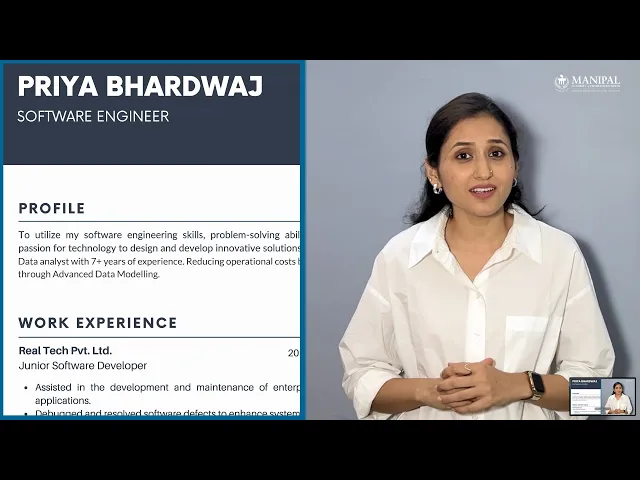
See how HSF helped UNext/Manipal simplify a complex academic process for students through clear visual steps. Watch the video:
Orientation Category vs Ideal Video Type
A video-first structure strengthens the admissions experience by matching each orientation need with the right visual format, helping students understand processes quickly and reducing confusion during their first weeks on campus.
Orientation Area | Student Pain Point | Ideal Video Format | Key Message Focus | Expected Outcome |
Academics | Confusion about credits, course loads, and academic policies | Animated academic explainer | How to register, plan courses, and meet academic expectations | Improved academic readiness and fewer registration errors |
Campus navigation | Feeling lost or unsure where key facilities are located | Campus walkthrough video | Routes to classrooms, labs, housing, dining, and safety points | Confident movement across campus from day one |
Student life | Limited understanding of clubs, community culture, or conduct | Student life and culture video | DEI expectations, clubs, engagement opportunities, and campus values | Higher participation in student life and a stronger sense of belonging |
Tech onboarding | Difficulty using LMS platforms and campus apps | Screen recording tutorial | Login, dashboards, assignments, and app navigation | Faster digital adoption and reduced tech support queries |
Safety and compliance | Forgetting rules or emergency procedures | Scenario-based safety video | Emergency plans, reporting systems, and health protocols | Better safety awareness and responsible on-campus behavior |
Support services | Hesitation to seek counseling, career help, or financial support | Service introduction video | Counseling, financial aid, career guidance, and disability services | More students are accessing support programs early in the semester |
How Video-First Orientation Improves Student Experience
Video-first orientation reduces anxiety by breaking information into clear, friendly modules that students can watch without pressure. This format gives new learners a calmer start and offers a welcoming first impression of the institution through real voices, relatable visuals, and approachable explanations created through student orientation videos.
Students also retain more details because videos can be paused, replayed, and revisited anytime. Important instructions such as registration steps, campus processes, and behavior guidelines stay accessible, which helps students feel more confident during their first weeks. Rewatchable content supports students who need extra time to understand complex topics.
Video-first systems also support accessibility by offering captions, audio descriptions, and simplified visuals for students with disabilities. Every batch receives the same accurate information, ensuring consistent orientation across campuses, departments, and incoming groups.
Read more: Interactive Learning Videos: Tools and Techniques
How Video-First Saves Time and Effort for University Staff
A video-first system streamlines the orientation process by handling repetitive explanations through clear modules, allowing staff to spend their time on meaningful support and direct student interaction.
Reduces Repetitive Questions for Student Affairs Teams: Common questions about registration, tech access, services, and policies decrease because students already understand key steps after watching simple, structured orientation modules.
Cuts Down the Length of Live Orientation Sessions: With foundational topics covered in advance, in-person sessions become shorter and more interactive, reducing fatigue for both students and staff during orientation week.
Standardizes Messaging Across All Orientation Days: Every batch receives the same accurate information, preventing inconsistencies that happen when multiple staff deliver similar sessions independently.
Enables Automated Pre-Arrival Learning Paths: Universities can send scheduled video modules before arrival so students learn essential processes in phases instead of absorbing everything at once.
Allows Staff to Focus on High-Value Interactions: With routine instructions handled through video, staff can prioritize mentoring, personal guidance, and problem-solving that truly support student success.
How Universities Can Structure a Video-First Orientation System
A strong system built around student orientation videos starts with short, focused modules that replace long lectures and make information easier to absorb. A digital orientation portal organizes these modules into searchable categories so students can quickly find guidance when they need it. Mixing animations, real footage, and screen recordings keeps the experience engaging and helps explain academic processes, campus tools, and daily routines more clearly.
Scenarios can be used to demonstrate rules, conduct expectations, and campus etiquette in a way that students easily remember. Introducing faculty and current students through video also builds warmth and connection, helping new learners feel welcomed before classes even begin.
Distribution Channels for a Video-First Orientation
A video-first approach works best when students can access guidance through multiple digital touchpoints. Using diverse distribution channels ensures convenience, continuous access, and a stronger connection throughout the onboarding journey.
LMS Platforms (Canvas, Moodle, Blackboard)
LMS platforms offer a structured space where students can complete mandatory modules, track progress, and rewatch videos anytime. They centralize academic and orientation content so learners have one reliable location for essential instructions, course-related tools, and campus systems, making the transition into university routines more manageable.
Orientation Apps or University Mobile Portals
Mobile apps help students access videos on the go, especially during the first week when they are navigating campus. These portals often integrate maps, checklists, and quick video tips that support immediate decision-making and help students feel more confident as they explore their new environment.
Pre-Arrival Emails and Welcome Campaigns
Universities can send short videos through pre-arrival emails to prepare students before they land on campus. These welcome campaigns introduce important processes early, reduce surprise, and build familiarity with campus expectations, which leads to a smoother transition when the academic term begins.
QR Codes Across Campus for Quick Guidance
QR codes placed near libraries, labs, security desks, and administrative buildings provide instant access to helpful videos. Students simply scan to view instructions or location-specific guidance, which eliminates confusion and offers real-time support exactly when and where it is needed.
WhatsApp or Telegram Groups for Easy Video Access
Messaging groups give students a convenient way to receive short orientation videos and reminders. These platforms work well for quick announcements and community building, helping students feel connected and informed, even if they are not checking emails or official portals frequently.
Accessibility and Inclusivity Benefits of Video Orientation
A video-first orientation supports diverse learners by making information easier to understand, accessible across devices, and adaptable to different language needs, ensuring every student begins their journey with equal clarity and confidence.
Captions, Subtitles, and Multi-Language Voiceovers: These features help international students and those with hearing differences understand orientation content clearly without relying solely on spoken instructions.
Simplified Visual Explanations for English-Language Learners: Visual cues, icons, and step-by-step graphics reduce language barriers and make complex topics easier to follow for students still building English proficiency.
Mobile-Friendly Videos for Students Without Laptops: Orientation modules designed for mobile viewing ensure students without laptops or desktops can still access all necessary guidance easily and on time.
ADA and WCAG Compliant Video Formats: Accessibility compliant videos support screen readers, provide clear contrast, and offer flexible playback options for students with diverse learning needs.
Culturally Neutral and Inclusive Storytelling: Examples, voices, and visuals that represent varied backgrounds help every student feel seen, respected, and supported as they enter the campus community.
Read more: The Power of Multilingual Videos in Global Education
Best Practices for Creating High-Impact Orientation Videos
High-impact orientation videos are most effective when they present information clearly, use approachable language, and stay updated with campus changes. These practices help students stay engaged and retain important details throughout their transition.
Keep Modules Short (1–3 minutes each): Short videos match student attention patterns and prevent fatigue. Focused modules make it easier for learners to understand essential steps without feeling overwhelmed by long explanations.
Use Friendly, Student-Focused Tone and Pacing: Warm narration and simple language help students feel welcomed. A supportive tone encourages new learners to engage with content confidently and revisit videos when they need clarification.
Add Clear Visuals Like Maps, Icons, and Step-by-Step Guides: Visual aids simplify difficult concepts, making processes like course registration, navigation, and LMS usage easier to follow and remember during the first weeks on campus.
Update Videos Every Academic Year: Keeping videos fresh ensures accuracy as policies, facilities, and digital systems evolve. Updated content builds trust and prevents confusion caused by outdated instructions.
Track Engagement Analytics to See What Students Replay Most: Monitoring watch time and replay patterns helps universities identify confusing topics and refine future modules, improving orientation quality for upcoming student cohorts.
How House Sparrow Films Helps Universities Build Video-First Orientation Programs
House Sparrow Films supports universities by creating professional campus walkthroughs and facility showcase videos that help new students understand their environment quickly. The team also produces student-friendly animated explainers that simplify onboarding topics such as course registration, tech setup, and conduct guidelines. Every module is built to feel welcoming, clear, and easy to follow.
Their video systems are designed for real-world campus use, offering LMS-ready and mobile-optimized formats that load quickly across devices. House Sparrow Films also delivers multilingual and accessibility-friendly versions to serve diverse student populations. With scalable video solutions, universities can update content every year without rebuilding their entire orientation system.
Conclusion
Students now expect digital-first onboarding experiences that feel clear, accessible, and easy to follow, which is why student orientation videos have become essential in modern university life. A video-first approach improves clarity, boosts accessibility for diverse learners, and creates stronger engagement from the very beginning. This leads to long-term benefits such as higher satisfaction, smoother transitions, and greater student success throughout the academic journey. If your institution wants to build high-quality orientation content that works across campuses and cohorts, contact House Sparrow Films to create a video-first system that supports every new student effectively.
FAQs
1. Why is video better than traditional orientation sessions?
Video presents information clearly, removes overload, and allows students to revisit content anytime. It improves understanding, supports diverse learning styles, and ensures every student receives consistent guidance before starting university life.
2. How long should orientation videos be?
Short modules of one to three minutes work best. This duration keeps attention high, simplifies complex topics, and lets students move through information comfortably without feeling overwhelmed during their onboarding process.
3. Can video-first orientation reduce staff workload?
Yes. Video-first systems answer repetitive questions, reduce live explanation time, and streamline processes. Staff can then focus on individual support, problem-solving, and higher-value interactions that directly improve student satisfaction.
4. Will students still attend in-person orientation sessions?
Yes. Students continue attending in-person sessions because the video prepares them beforehand. This makes live events more interactive, reduces lecture-style content, and creates stronger engagement throughout the overall orientation experience.
5. Are video orientations useful for online and hybrid programs?
Absolutely. Video helps remote learners understand campus systems, academic expectations, and support services. It removes location barriers, builds connections, and ensures all students receive equal clarity regardless of learning format.
Key Takeaways
Video simplifies onboarding by making information easy to understand and revisit.
Students retain more when orientation content is visual, practical, and accessible.
Video-first orientation improves engagement, reduces admin workload, and scales better.
Videos create consistent messaging across departments and campuses.
Orientation videos support diverse learners, remote students, and international audiences.
Orientation shapes how confident and prepared students feel when they begin their academic journey. Research shows how strongly learners now rely on digital formats, and the EDUCAUSE Student Technology Report confirms that most students prefer technology-enabled learning experiences, especially when navigating complex campus systems. Traditional orientations often compress hours of information into a single day, which leaves students overwhelmed, unsure of next steps, and unable to recall key instructions. Students need clarity, steady pacing, and the freedom to revisit information on their own time. This shift in expectation is why many institutions are adopting student orientation videos to deliver accessible explanations, friendly visuals, and a smoother onboarding experience. Video helps students understand expectations, explore systems, and settle in with confidence.
Why Student Orientation Matters More Than Ever
Student expectations have shifted as campuses manage hybrid learning, increasing diversity and rising administrative complexity. Institutions are also under pressure to deliver strong digital experiences that match how students already learn online. The National Student Clearinghouse Research Center reports ongoing retention concerns, with first-year persistence rates at 76 percent nationwide. A clear, accessible orientation directly supports retention by helping students feel prepared, connected, and confident from the start. Strong orientation programs now play a crucial role in balancing academic expectations, digital systems, cultural belonging, and the overall transition into university life.
Why Video-First Orientation Works Better Than Traditional Formats
Video-first systems strengthen onboarding by presenting essential information in clear, visual formats that students can absorb quickly. This approach supports diverse learners and reduces confusion that often comes with traditional orientation sessions.
Students Prefer Visual Learning and Short-Form Content: Students engage more deeply with short videos because they match familiar learning patterns. Visual explanations feel easier to follow than text-heavy presentations, which improves attention and overall understanding during orientation.
Videos Make Complex Information Easier to Understand: Animated guides, maps, screen recordings, and real examples simplify academic processes, campus systems, and policies. Students grasp instructions faster when they can see steps rather than rely only on verbal or written explanations.
Allows Students to Learn at Their Own Pace: Video modules give students the flexibility to pause, rewind, or revisit content anytime. This self-paced learning helps reduce stress and ensures important details are not forgotten during the first weeks.
Reduces Orientation Day Overload and Confusion: When essential material is covered through video, live orientation sessions become shorter and more focused. Students avoid information fatigue and start their campus journey with a clearer, more organized understanding.
Increases Engagement for Remote, Online, and International Students: Students who cannot attend in person still receive complete guidance. Videos break language barriers, support time zone differences, and create equal access for every new student across locations.
Read more: How to Create Welcome Videos for New Students
What Students Learn Better Through Orientation Videos
Videos strengthen engagement by helping students understand campus spaces through clear walkthroughs of maps, labs, libraries, housing, dining, and safety points. Academic expectations also become easier to follow when course registration steps, credit systems, and timetables are explained visually. This reduces early confusion and helps students feel more prepared for their academic responsibilities.
Students also benefit from video-based guidance on LMS login, dashboards, assignment submissions, and campus apps, along with support programs such as counseling, financial aid, career services, and disability services. Videos make community expectations clearer by showing DEI values, conduct rules, student clubs, and emergency protocols, which helps students adjust confidently during their first weeks.
See how HSF helped UNext/Manipal simplify a complex academic process for students through clear visual steps. Watch the video:
Orientation Category vs Ideal Video Type
A video-first structure strengthens the admissions experience by matching each orientation need with the right visual format, helping students understand processes quickly and reducing confusion during their first weeks on campus.
Orientation Area | Student Pain Point | Ideal Video Format | Key Message Focus | Expected Outcome |
Academics | Confusion about credits, course loads, and academic policies | Animated academic explainer | How to register, plan courses, and meet academic expectations | Improved academic readiness and fewer registration errors |
Campus navigation | Feeling lost or unsure where key facilities are located | Campus walkthrough video | Routes to classrooms, labs, housing, dining, and safety points | Confident movement across campus from day one |
Student life | Limited understanding of clubs, community culture, or conduct | Student life and culture video | DEI expectations, clubs, engagement opportunities, and campus values | Higher participation in student life and a stronger sense of belonging |
Tech onboarding | Difficulty using LMS platforms and campus apps | Screen recording tutorial | Login, dashboards, assignments, and app navigation | Faster digital adoption and reduced tech support queries |
Safety and compliance | Forgetting rules or emergency procedures | Scenario-based safety video | Emergency plans, reporting systems, and health protocols | Better safety awareness and responsible on-campus behavior |
Support services | Hesitation to seek counseling, career help, or financial support | Service introduction video | Counseling, financial aid, career guidance, and disability services | More students are accessing support programs early in the semester |
How Video-First Orientation Improves Student Experience
Video-first orientation reduces anxiety by breaking information into clear, friendly modules that students can watch without pressure. This format gives new learners a calmer start and offers a welcoming first impression of the institution through real voices, relatable visuals, and approachable explanations created through student orientation videos.
Students also retain more details because videos can be paused, replayed, and revisited anytime. Important instructions such as registration steps, campus processes, and behavior guidelines stay accessible, which helps students feel more confident during their first weeks. Rewatchable content supports students who need extra time to understand complex topics.
Video-first systems also support accessibility by offering captions, audio descriptions, and simplified visuals for students with disabilities. Every batch receives the same accurate information, ensuring consistent orientation across campuses, departments, and incoming groups.
Read more: Interactive Learning Videos: Tools and Techniques
How Video-First Saves Time and Effort for University Staff
A video-first system streamlines the orientation process by handling repetitive explanations through clear modules, allowing staff to spend their time on meaningful support and direct student interaction.
Reduces Repetitive Questions for Student Affairs Teams: Common questions about registration, tech access, services, and policies decrease because students already understand key steps after watching simple, structured orientation modules.
Cuts Down the Length of Live Orientation Sessions: With foundational topics covered in advance, in-person sessions become shorter and more interactive, reducing fatigue for both students and staff during orientation week.
Standardizes Messaging Across All Orientation Days: Every batch receives the same accurate information, preventing inconsistencies that happen when multiple staff deliver similar sessions independently.
Enables Automated Pre-Arrival Learning Paths: Universities can send scheduled video modules before arrival so students learn essential processes in phases instead of absorbing everything at once.
Allows Staff to Focus on High-Value Interactions: With routine instructions handled through video, staff can prioritize mentoring, personal guidance, and problem-solving that truly support student success.
How Universities Can Structure a Video-First Orientation System
A strong system built around student orientation videos starts with short, focused modules that replace long lectures and make information easier to absorb. A digital orientation portal organizes these modules into searchable categories so students can quickly find guidance when they need it. Mixing animations, real footage, and screen recordings keeps the experience engaging and helps explain academic processes, campus tools, and daily routines more clearly.
Scenarios can be used to demonstrate rules, conduct expectations, and campus etiquette in a way that students easily remember. Introducing faculty and current students through video also builds warmth and connection, helping new learners feel welcomed before classes even begin.
Distribution Channels for a Video-First Orientation
A video-first approach works best when students can access guidance through multiple digital touchpoints. Using diverse distribution channels ensures convenience, continuous access, and a stronger connection throughout the onboarding journey.
LMS Platforms (Canvas, Moodle, Blackboard)
LMS platforms offer a structured space where students can complete mandatory modules, track progress, and rewatch videos anytime. They centralize academic and orientation content so learners have one reliable location for essential instructions, course-related tools, and campus systems, making the transition into university routines more manageable.
Orientation Apps or University Mobile Portals
Mobile apps help students access videos on the go, especially during the first week when they are navigating campus. These portals often integrate maps, checklists, and quick video tips that support immediate decision-making and help students feel more confident as they explore their new environment.
Pre-Arrival Emails and Welcome Campaigns
Universities can send short videos through pre-arrival emails to prepare students before they land on campus. These welcome campaigns introduce important processes early, reduce surprise, and build familiarity with campus expectations, which leads to a smoother transition when the academic term begins.
QR Codes Across Campus for Quick Guidance
QR codes placed near libraries, labs, security desks, and administrative buildings provide instant access to helpful videos. Students simply scan to view instructions or location-specific guidance, which eliminates confusion and offers real-time support exactly when and where it is needed.
WhatsApp or Telegram Groups for Easy Video Access
Messaging groups give students a convenient way to receive short orientation videos and reminders. These platforms work well for quick announcements and community building, helping students feel connected and informed, even if they are not checking emails or official portals frequently.
Accessibility and Inclusivity Benefits of Video Orientation
A video-first orientation supports diverse learners by making information easier to understand, accessible across devices, and adaptable to different language needs, ensuring every student begins their journey with equal clarity and confidence.
Captions, Subtitles, and Multi-Language Voiceovers: These features help international students and those with hearing differences understand orientation content clearly without relying solely on spoken instructions.
Simplified Visual Explanations for English-Language Learners: Visual cues, icons, and step-by-step graphics reduce language barriers and make complex topics easier to follow for students still building English proficiency.
Mobile-Friendly Videos for Students Without Laptops: Orientation modules designed for mobile viewing ensure students without laptops or desktops can still access all necessary guidance easily and on time.
ADA and WCAG Compliant Video Formats: Accessibility compliant videos support screen readers, provide clear contrast, and offer flexible playback options for students with diverse learning needs.
Culturally Neutral and Inclusive Storytelling: Examples, voices, and visuals that represent varied backgrounds help every student feel seen, respected, and supported as they enter the campus community.
Read more: The Power of Multilingual Videos in Global Education
Best Practices for Creating High-Impact Orientation Videos
High-impact orientation videos are most effective when they present information clearly, use approachable language, and stay updated with campus changes. These practices help students stay engaged and retain important details throughout their transition.
Keep Modules Short (1–3 minutes each): Short videos match student attention patterns and prevent fatigue. Focused modules make it easier for learners to understand essential steps without feeling overwhelmed by long explanations.
Use Friendly, Student-Focused Tone and Pacing: Warm narration and simple language help students feel welcomed. A supportive tone encourages new learners to engage with content confidently and revisit videos when they need clarification.
Add Clear Visuals Like Maps, Icons, and Step-by-Step Guides: Visual aids simplify difficult concepts, making processes like course registration, navigation, and LMS usage easier to follow and remember during the first weeks on campus.
Update Videos Every Academic Year: Keeping videos fresh ensures accuracy as policies, facilities, and digital systems evolve. Updated content builds trust and prevents confusion caused by outdated instructions.
Track Engagement Analytics to See What Students Replay Most: Monitoring watch time and replay patterns helps universities identify confusing topics and refine future modules, improving orientation quality for upcoming student cohorts.
How House Sparrow Films Helps Universities Build Video-First Orientation Programs
House Sparrow Films supports universities by creating professional campus walkthroughs and facility showcase videos that help new students understand their environment quickly. The team also produces student-friendly animated explainers that simplify onboarding topics such as course registration, tech setup, and conduct guidelines. Every module is built to feel welcoming, clear, and easy to follow.
Their video systems are designed for real-world campus use, offering LMS-ready and mobile-optimized formats that load quickly across devices. House Sparrow Films also delivers multilingual and accessibility-friendly versions to serve diverse student populations. With scalable video solutions, universities can update content every year without rebuilding their entire orientation system.
Conclusion
Students now expect digital-first onboarding experiences that feel clear, accessible, and easy to follow, which is why student orientation videos have become essential in modern university life. A video-first approach improves clarity, boosts accessibility for diverse learners, and creates stronger engagement from the very beginning. This leads to long-term benefits such as higher satisfaction, smoother transitions, and greater student success throughout the academic journey. If your institution wants to build high-quality orientation content that works across campuses and cohorts, contact House Sparrow Films to create a video-first system that supports every new student effectively.
FAQs
1. Why is video better than traditional orientation sessions?
Video presents information clearly, removes overload, and allows students to revisit content anytime. It improves understanding, supports diverse learning styles, and ensures every student receives consistent guidance before starting university life.
2. How long should orientation videos be?
Short modules of one to three minutes work best. This duration keeps attention high, simplifies complex topics, and lets students move through information comfortably without feeling overwhelmed during their onboarding process.
3. Can video-first orientation reduce staff workload?
Yes. Video-first systems answer repetitive questions, reduce live explanation time, and streamline processes. Staff can then focus on individual support, problem-solving, and higher-value interactions that directly improve student satisfaction.
4. Will students still attend in-person orientation sessions?
Yes. Students continue attending in-person sessions because the video prepares them beforehand. This makes live events more interactive, reduces lecture-style content, and creates stronger engagement throughout the overall orientation experience.
5. Are video orientations useful for online and hybrid programs?
Absolutely. Video helps remote learners understand campus systems, academic expectations, and support services. It removes location barriers, builds connections, and ensures all students receive equal clarity regardless of learning format.