Key takeaways
Video-led learning builds trust, improves comprehension, and supports flexible study for diverse learners
Accreditation visibility and compliance strengthen credibility for institutions offering remote academic programs globally
Structured formats balance live interaction with self-paced content for stronger student engagement outcomes
High-quality production enhances faculty delivery accessibility standards and overall learner experience across platforms
Strategic video investments influence enrollment growth, retention outcomes, and long-term institutional reputation success
In 2026, online degree program videos for USA universities will be foundational to how students learn, connect, and succeed. According to research, the online learning market is projected to reach over $370 billion by 2026, showing rapid growth and learner demand for digital education experiences like lecture videos, faculty explainers, and flexible study modules. As full online and hybrid degrees become mainstream, video-led content is no longer optional. It shapes first impressions, motivates prospective students, and directly affects enrollment decisions.
High-quality video influences not just enrollment but also retention and trust. Students expect clear visuals, expert instruction, and structured lessons across platforms. Universities now compete on how well they deliver academic content through professionally produced video, and those that invest in engaging formats differentiate their programs in an increasingly crowded online higher-education landscape.
What Are Online Degree Program Videos
Online degree program videos go far beyond simple recorded lectures. They form a complete academic video ecosystem that supports learning, enrollment, and long-term student success. Universities rely on professional video production services to maintain clarity, consistency, and academic credibility across programs. These videos help learners understand expectations, navigate coursework, and stay engaged throughout their degree journey. When structured correctly, they also reflect institutional quality, support accreditation standards, and improve accessibility across devices and learning formats.
Program overview videos explaining degree structure, outcomes, and career pathways
Faculty-led lecture recordings designed for clarity, pacing, and academic depth
Animated concept explainers simplifying complex theories and data-heavy subjects
Assessment walkthroughs guiding students through assignments, grading, and evaluations
Orientation and onboarding videos help learners adapt to platforms, schedules, and resources
Platforms Powering Video-Based Degree Programs in the US
In 2026, online degree program videos for USA universities are distributed through a mix of university-owned platforms and global learning marketplaces. Institutions use these channels to host structured lecture series, interactive assessments, and degree-level coursework designed for flexible, remote access. These platforms allow universities to maintain academic control while expanding reach to domestic and international learners. Video delivery is optimized for scalability, compliance, and consistent learner experience across full online and hybrid degree models.
Coursera and University Partnerships
Coursera partners with leading USA universities to deliver structured, video-led degree programs built for remote learners. These programs combine faculty-recorded lectures with assessments and academic checkpoints, allowing institutions to maintain degree rigor while scaling access globally. Universities such as the University of Pittsburgh, the University of Illinois, and the University of Colorado use this model to offer full online degrees supported by consistent instructional frameworks.
Key elements of these partnerships include:
Structured lecture videos aligned with semester-based curricula
Integrated quizzes, assignments, and graded assessments
Degree-level content reviewed for accreditation compliance
Academic Earth and Open Course Video Libraries
Academic Earth focuses on hosting free academic video lectures from top USA institutions. Universities use this platform to extend academic visibility while supporting learners who seek knowledge without formal enrollment. Many institutions repurpose classroom lecture recordings to showcase teaching quality and subject depth.
Academic Earth supports:
Supplemental learning alongside formal degree programs
Non-degree electives for independent or exploratory study
Increased institutional visibility through open-access lecture content
YouTube as a University Video Channel
YouTube functions as a high-reach distribution channel for USA universities sharing academic and enrollment-focused video content. Institutions use YouTube to communicate directly with prospective students through accessible, on-demand formats. For example, the University of Kentucky publishes program-specific videos explaining online degree options, learning formats, and admission processes.
Universities commonly use YouTube for:
Program explainers outlining curriculum and outcomes
Live webinars with faculty and admissions teams
Recorded information sessions are available year-round
Read more: Using Video to Showcase University Innovation and Research Centers
University-Owned Online Degree Video Ecosystems
Top USA universities continue to invest heavily in proprietary video platforms to maintain academic control, instructional quality, and long-term scalability. These owned ecosystems allow institutions to design content around faculty workflows, accreditation requirements, and learner outcomes without platform limitations. Working closely with a trusted university video production agency, universities ensure consistent visual standards, reliable delivery, and academic integrity across departments. Proprietary platforms also support advanced analytics, accessibility compliance, and seamless integration with learning management systems.
1. Yale University
Yale University operates Open Yale Courses, offering real classroom recordings that preserve authentic academic experiences. These videos promote transparency by allowing learners to engage directly with Yale’s teaching methods and faculty-led instruction.
2. Harvard University
Harvard University delivers video webinars and recorded sessions across nonprofit accounting, leadership, and executive education. These formats support professional learners while maintaining Harvard’s academic rigor and instructional clarity.
3. Stanford University
Stanford University provides faculty-produced video courses across health sciences, engineering, and interdisciplinary studies. Its platform emphasizes applied learning through structured modules and expert-led instruction.
4. Cornell University
Cornell University offers video-based summer and winter sessions featuring faculty-recorded instruction. These programs allow students to earn credits while experiencing consistent academic delivery outside the traditional semester structure.
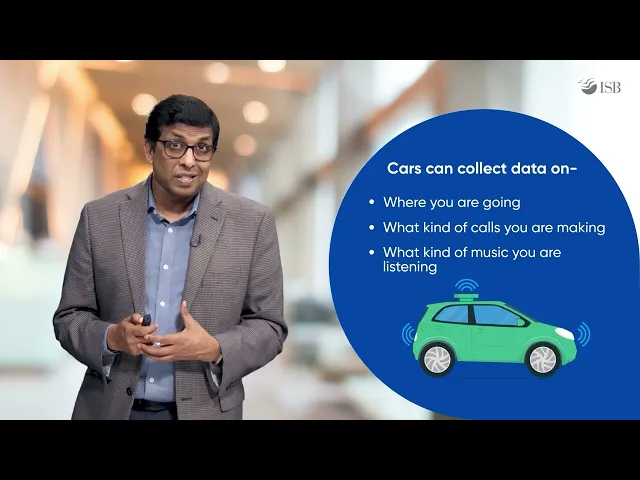
See how HSF helped ISB deliver advanced academic concepts through professionally produced instructional videos designed for clarity, credibility, and structured online learning:
Accredited USA Universities Offering Video-Led Online Degrees in 2026
Accreditation plays a critical role in formal online enrollment, ensuring that video-led degree programs meet recognized academic and regulatory standards. For students, accredited status confirms that credits are transferable, degrees are respected by employers, and learning outcomes meet national benchmarks. In 2026, universities offering video-based online degrees must clearly demonstrate instructional quality, assessment integrity, and compliance across digital formats. Institutions that invest in structured video delivery strengthen trust and long-term program credibility. To evaluate or improve your own academic video ecosystem, you can schedule a consultation with HSF to align production strategy with accreditation and learner expectations.
High-Ranking Institutions for Online Degrees
University | Program Focus | Video Instruction Model | Target Learners |
University of California, Davis | Agriculture, data science, and health sciences | Faculty-recorded lectures with structured assessments | Domestic and international graduate learners |
University of Kansas | Education, business, public administration | Modular video courses with asynchronous delivery | Working professionals and part-time students |
University at Buffalo | Engineering, management, healthcare | Hybrid video instruction with live and recorded formats | Full-time and hybrid degree candidates |
Purdue Global | Business, IT, criminal justice | Fully asynchronous video-led coursework | Adult learners and international students |
Thomas Edison State University | Liberal arts, applied science, certifications | Self-paced video instruction with flexible assessments | Adult learners seeking credit flexibility |
Types of Videos Used in Online Degree Programs
Different video formats serve distinct academic purposes, from instruction to enrollment communication. Universities often work with an animated video company to align formats with learning objectives, accessibility standards, and student expectations.
Core Instructional Video Formats
Instructional video formats support structured teaching, assessment clarity, and concept mastery across disciplines. These are the core instructional formats used today.
Recorded faculty lectures: Multi-camera classroom recordings deliver expert instruction with clear pacing, strong audio quality, captions, and syllabus-aligned assessments.
Modular topic videos: Short, focused segments explain individual concepts, enabling flexible review, mastery checkpoints, and reuse across multiple courses.
Screen-recorded walkthroughs: Guided demonstrations show software usage, calculations, and research methods, improving accuracy, confidence, and assignment completion.
Animated academic explainers: Visual storytelling simplifies abstract theories, models, and data flows, improving comprehension, retention, and accessibility.
Case-study breakdown videos: Real-world scenarios are analyzed step by step, connecting theory with decisions, outcomes, and applied learning skills.
Marketing and Enrollment Support Videos
Enrollment-focused videos communicate value, outcomes, and program fit for prospective students. These are the marketing and enrollment support formats used by universities.
Degree overview videos: Concise narratives outline curriculum, duration, delivery format, and accreditation to help applicants assess relevance quickly.
Career outcome explainers: Data-backed visuals connect skills to roles, salaries, and career pathways, strengthening enrollment confidence.
Student testimonial videos: Authentic student experiences build trust, social proof, and long-term engagement across online programs.
Program comparison videos: Side-by-side breakdowns clarify options, formats, costs, and timelines, supporting informed enrollment decisions.
Read more: How to Use Video Testimonials to Boost University Admissions
Live vs Recorded Video Instruction Models
Online degree programs typically follow two delivery models: synchronous and asynchronous learning. Universities design these formats around learner needs, academic rigor, and scalability, often supported by professional business video services that ensure consistency and instructional clarity across platforms. Each model plays a distinct role in how students engage with content, faculty, and assessments throughout an online degree experience.
Synchronous Video Learning
Synchronous learning relies on live, scheduled sessions that mirror traditional classroom environments. Universities conduct Zoom-style lectures where students attend in real time, interact directly with faculty, and participate in discussions or Q&A sessions. This model supports immediate feedback, structured pacing, and cohort-based learning, but requires students to follow fixed schedules that align with institutional timetables.
Asynchronous Video Learning
Asynchronous learning centers on pre-recorded video content delivered through self-paced modules. Students access lectures, explainers, and assessments on demand, allowing flexibility across time zones and personal schedules. This approach is especially valuable for international learners and working professionals, enabling consistent progress without the constraints of live session attendance.
Key Compliance and Quality Factors Universities Must Meet
Trust and legitimacy sit at the core of successful online education. In 2026, online degree program videos for USA universities must align with EEAT standards by clearly demonstrating academic authority, regulatory compliance, and instructional quality. Universities reinforce credibility by combining explanatory video content with visible compliance indicators that students and regulators can easily verify.
Accreditation and Recognition: Standards That Define Credibility
Accreditation ensures online degree programs meet nationally recognized academic and regulatory benchmarks. Universities must clearly communicate accredited status to build trust, support enrollment decisions, and demonstrate instructional legitimacy.
Accrediting bodies to highlight:
Higher Learning Commission
Program-level accrediting agencies
Institutional governance authorities
Why visibility in program videos matters:
Confirms degree legitimacy for prospective students
Reinforces trust during enrollment evaluation
Supports employer and credit transfer recognition
Aligns academic content with regulatory expectations
State Authorization and NC-SARA
NC-SARA allows accredited institutions to offer online degree programs across state boundaries under a unified regulatory framework. Universities commonly address this authorization in enrollment or orientation videos to clarify cross-state eligibility and reduce enrollment uncertainty.
Accessibility and ADA Compliance
Accessibility requirements must be consistently applied across all academic video content, including:
Closed captions supporting hearing-impaired learners
Downloadable transcripts for flexible review and comprehension
Mobile-friendly playback across devices and learning platforms
WCAG compliance ensures usability for diverse learner needs
This combination of compliance and quality standards strengthens institutional credibility and improves learner confidence throughout the online degree experience.
Read more: Interactive Learning Videos: Tools and Techniques
Why Video Quality Impacts Enrollment and Completion Rates
Video quality directly influences how prospective students perceive credibility, clarity, and institutional commitment. Clear audio, professional lighting, structured pacing, and accessible visuals reduce cognitive load and help learners focus on content rather than technical distractions. Research from online education studies consistently shows that students are more likely to enroll in programs that demonstrate production consistency and instructional polish, and they are more likely to complete courses when videos feel reliable and easy to follow. As Dr. Richard Mayer, Professor of Psychology at the University of California, Santa Barbara, notes, “People learn better from well-designed multimedia messages than from poorly designed ones.” High production standards signal seriousness, increase learner confidence, and create an environment where students are more willing to stay engaged through program completion.
How Professional Video Production Supports Universities
Professional video production functions as an academic infrastructure rather than promotional media. For universities, video systems support teaching delivery, compliance, scalability, and long-term learning outcomes. Well-produced academic videos create consistency across departments, reduce faculty workload over time, and ensure reliable access for diverse learners. When treated as infrastructure, video becomes a stable foundation for online and hybrid degree programs.
Academic Video Production Requirements
Universities require structured production systems that support academic delivery at scale, including:
Faculty-friendly workflows that simplify recording, revisions, and approvals
Multi-camera lecture capture to preserve clarity, engagement, and instructional flow
Visual consistency across courses to reinforce institutional identity and learning continuity
Secure hosting compatibility aligned with LMS platforms and data protection standards
Role of Animation in Online Degrees
Universities use animated video when subjects involve abstract concepts, layered processes, or dense information. Animation helps explain complex theory, visualize data-heavy subjects, and clarify frameworks commonly used in business and management programs. These formats improve comprehension while maintaining academic rigor and accessibility across learner levels.
What USA Universities Look for in a Video Production Partner
USA universities evaluate partners based on their ability to support academic delivery at scale, not promotional output. When selecting a vendor for online degree program videos for USA universities, institutions prioritize experience with higher education, sensitivity to academic tone, and the capacity to deliver consistent results across departments and campuses. A strong partner understands compliance requirements, faculty workflows, and long-term program sustainability rather than one-off production needs.
Universities typically look for partners who offer:
Experience with education clients and accredited institutions
Understanding of academic tone, instructional clarity, and faculty-led content
Ability to scale production across departments, programs, and semesters
Global production support for international learners and distributed faculty teams
How House Sparrow Films Supports USA Universities
House Sparrow Films works closely with universities to design academic video systems that support teaching, compliance, and long-term scalability. Rather than producing isolated videos, HSF helps institutions build structured learning assets aligned with faculty workflows, accreditation standards, and student expectations. Each project focuses on clarity, consistency, and academic integrity across online and hybrid degree programs.
HSF partners with universities to deliver faculty-led lectures, animated explainers, and enrollment support videos that function as a reliable learning infrastructure. By combining instructional expertise with production precision, HSF enables universities to create learner-centric video ecosystems that improve engagement, retention, and institutional credibility in competitive digital education markets.
Conclusion
Video-led learning has become essential for higher education delivery in the US. In 2026, online degree program videos for USA universities directly influence enrollment decisions, learning outcomes, and institutional reputation. Clear structure, credible presentation, and consistent production quality help students trust programs and stay engaged through completion. Universities that treat video as academic infrastructure, not just content, create stronger connections with learners and maintain long-term credibility.
Institutions investing in professionally produced, compliant, and learner-focused video systems are shaping the next phase of digital higher education. These universities build scalable programs that meet accreditation standards while supporting diverse student needs. To explore how expert-led academic video solutions can support your programs, you can contact us at House Sparrow Films for a conversation focused on clarity, quality, and long-term impact.
FAQs
What are online degree program videos used for in USA universities?
They support instruction, enrollment, orientation, and assessment by delivering structured academic content through accessible, video-led learning formats.Are online degree videos part of accredited university programs?
Yes. Accredited universities integrate video instruction into formally approved online and hybrid degree programs aligned with regulatory standards.Do students learn better from professionally produced academic videos?
Clear audio, structured visuals, and consistent pacing improve comprehension, engagement, and course completion across online learning environments.Are live lectures required for online degrees?
Not always. Many programs combine live sessions with recorded content to balance interaction, flexibility, and global learner access.How do universities ensure video accessibility and compliance?
They apply captions, transcripts, mobile optimization, and WCAG guidelines across all instructional and informational video content.
Key takeaways
Video-led learning builds trust, improves comprehension, and supports flexible study for diverse learners
Accreditation visibility and compliance strengthen credibility for institutions offering remote academic programs globally
Structured formats balance live interaction with self-paced content for stronger student engagement outcomes
High-quality production enhances faculty delivery accessibility standards and overall learner experience across platforms
Strategic video investments influence enrollment growth, retention outcomes, and long-term institutional reputation success
In 2026, online degree program videos for USA universities will be foundational to how students learn, connect, and succeed. According to research, the online learning market is projected to reach over $370 billion by 2026, showing rapid growth and learner demand for digital education experiences like lecture videos, faculty explainers, and flexible study modules. As full online and hybrid degrees become mainstream, video-led content is no longer optional. It shapes first impressions, motivates prospective students, and directly affects enrollment decisions.
High-quality video influences not just enrollment but also retention and trust. Students expect clear visuals, expert instruction, and structured lessons across platforms. Universities now compete on how well they deliver academic content through professionally produced video, and those that invest in engaging formats differentiate their programs in an increasingly crowded online higher-education landscape.
What Are Online Degree Program Videos
Online degree program videos go far beyond simple recorded lectures. They form a complete academic video ecosystem that supports learning, enrollment, and long-term student success. Universities rely on professional video production services to maintain clarity, consistency, and academic credibility across programs. These videos help learners understand expectations, navigate coursework, and stay engaged throughout their degree journey. When structured correctly, they also reflect institutional quality, support accreditation standards, and improve accessibility across devices and learning formats.
Program overview videos explaining degree structure, outcomes, and career pathways
Faculty-led lecture recordings designed for clarity, pacing, and academic depth
Animated concept explainers simplifying complex theories and data-heavy subjects
Assessment walkthroughs guiding students through assignments, grading, and evaluations
Orientation and onboarding videos help learners adapt to platforms, schedules, and resources
Platforms Powering Video-Based Degree Programs in the US
In 2026, online degree program videos for USA universities are distributed through a mix of university-owned platforms and global learning marketplaces. Institutions use these channels to host structured lecture series, interactive assessments, and degree-level coursework designed for flexible, remote access. These platforms allow universities to maintain academic control while expanding reach to domestic and international learners. Video delivery is optimized for scalability, compliance, and consistent learner experience across full online and hybrid degree models.
Coursera and University Partnerships
Coursera partners with leading USA universities to deliver structured, video-led degree programs built for remote learners. These programs combine faculty-recorded lectures with assessments and academic checkpoints, allowing institutions to maintain degree rigor while scaling access globally. Universities such as the University of Pittsburgh, the University of Illinois, and the University of Colorado use this model to offer full online degrees supported by consistent instructional frameworks.
Key elements of these partnerships include:
Structured lecture videos aligned with semester-based curricula
Integrated quizzes, assignments, and graded assessments
Degree-level content reviewed for accreditation compliance
Academic Earth and Open Course Video Libraries
Academic Earth focuses on hosting free academic video lectures from top USA institutions. Universities use this platform to extend academic visibility while supporting learners who seek knowledge without formal enrollment. Many institutions repurpose classroom lecture recordings to showcase teaching quality and subject depth.
Academic Earth supports:
Supplemental learning alongside formal degree programs
Non-degree electives for independent or exploratory study
Increased institutional visibility through open-access lecture content
YouTube as a University Video Channel
YouTube functions as a high-reach distribution channel for USA universities sharing academic and enrollment-focused video content. Institutions use YouTube to communicate directly with prospective students through accessible, on-demand formats. For example, the University of Kentucky publishes program-specific videos explaining online degree options, learning formats, and admission processes.
Universities commonly use YouTube for:
Program explainers outlining curriculum and outcomes
Live webinars with faculty and admissions teams
Recorded information sessions are available year-round
Read more: Using Video to Showcase University Innovation and Research Centers
University-Owned Online Degree Video Ecosystems
Top USA universities continue to invest heavily in proprietary video platforms to maintain academic control, instructional quality, and long-term scalability. These owned ecosystems allow institutions to design content around faculty workflows, accreditation requirements, and learner outcomes without platform limitations. Working closely with a trusted university video production agency, universities ensure consistent visual standards, reliable delivery, and academic integrity across departments. Proprietary platforms also support advanced analytics, accessibility compliance, and seamless integration with learning management systems.
1. Yale University
Yale University operates Open Yale Courses, offering real classroom recordings that preserve authentic academic experiences. These videos promote transparency by allowing learners to engage directly with Yale’s teaching methods and faculty-led instruction.
2. Harvard University
Harvard University delivers video webinars and recorded sessions across nonprofit accounting, leadership, and executive education. These formats support professional learners while maintaining Harvard’s academic rigor and instructional clarity.
3. Stanford University
Stanford University provides faculty-produced video courses across health sciences, engineering, and interdisciplinary studies. Its platform emphasizes applied learning through structured modules and expert-led instruction.
4. Cornell University
Cornell University offers video-based summer and winter sessions featuring faculty-recorded instruction. These programs allow students to earn credits while experiencing consistent academic delivery outside the traditional semester structure.
See how HSF helped ISB deliver advanced academic concepts through professionally produced instructional videos designed for clarity, credibility, and structured online learning:
Accredited USA Universities Offering Video-Led Online Degrees in 2026
Accreditation plays a critical role in formal online enrollment, ensuring that video-led degree programs meet recognized academic and regulatory standards. For students, accredited status confirms that credits are transferable, degrees are respected by employers, and learning outcomes meet national benchmarks. In 2026, universities offering video-based online degrees must clearly demonstrate instructional quality, assessment integrity, and compliance across digital formats. Institutions that invest in structured video delivery strengthen trust and long-term program credibility. To evaluate or improve your own academic video ecosystem, you can schedule a consultation with HSF to align production strategy with accreditation and learner expectations.
High-Ranking Institutions for Online Degrees
University | Program Focus | Video Instruction Model | Target Learners |
University of California, Davis | Agriculture, data science, and health sciences | Faculty-recorded lectures with structured assessments | Domestic and international graduate learners |
University of Kansas | Education, business, public administration | Modular video courses with asynchronous delivery | Working professionals and part-time students |
University at Buffalo | Engineering, management, healthcare | Hybrid video instruction with live and recorded formats | Full-time and hybrid degree candidates |
Purdue Global | Business, IT, criminal justice | Fully asynchronous video-led coursework | Adult learners and international students |
Thomas Edison State University | Liberal arts, applied science, certifications | Self-paced video instruction with flexible assessments | Adult learners seeking credit flexibility |
Types of Videos Used in Online Degree Programs
Different video formats serve distinct academic purposes, from instruction to enrollment communication. Universities often work with an animated video company to align formats with learning objectives, accessibility standards, and student expectations.
Core Instructional Video Formats
Instructional video formats support structured teaching, assessment clarity, and concept mastery across disciplines. These are the core instructional formats used today.
Recorded faculty lectures: Multi-camera classroom recordings deliver expert instruction with clear pacing, strong audio quality, captions, and syllabus-aligned assessments.
Modular topic videos: Short, focused segments explain individual concepts, enabling flexible review, mastery checkpoints, and reuse across multiple courses.
Screen-recorded walkthroughs: Guided demonstrations show software usage, calculations, and research methods, improving accuracy, confidence, and assignment completion.
Animated academic explainers: Visual storytelling simplifies abstract theories, models, and data flows, improving comprehension, retention, and accessibility.
Case-study breakdown videos: Real-world scenarios are analyzed step by step, connecting theory with decisions, outcomes, and applied learning skills.
Marketing and Enrollment Support Videos
Enrollment-focused videos communicate value, outcomes, and program fit for prospective students. These are the marketing and enrollment support formats used by universities.
Degree overview videos: Concise narratives outline curriculum, duration, delivery format, and accreditation to help applicants assess relevance quickly.
Career outcome explainers: Data-backed visuals connect skills to roles, salaries, and career pathways, strengthening enrollment confidence.
Student testimonial videos: Authentic student experiences build trust, social proof, and long-term engagement across online programs.
Program comparison videos: Side-by-side breakdowns clarify options, formats, costs, and timelines, supporting informed enrollment decisions.
Read more: How to Use Video Testimonials to Boost University Admissions
Live vs Recorded Video Instruction Models
Online degree programs typically follow two delivery models: synchronous and asynchronous learning. Universities design these formats around learner needs, academic rigor, and scalability, often supported by professional business video services that ensure consistency and instructional clarity across platforms. Each model plays a distinct role in how students engage with content, faculty, and assessments throughout an online degree experience.
Synchronous Video Learning
Synchronous learning relies on live, scheduled sessions that mirror traditional classroom environments. Universities conduct Zoom-style lectures where students attend in real time, interact directly with faculty, and participate in discussions or Q&A sessions. This model supports immediate feedback, structured pacing, and cohort-based learning, but requires students to follow fixed schedules that align with institutional timetables.
Asynchronous Video Learning
Asynchronous learning centers on pre-recorded video content delivered through self-paced modules. Students access lectures, explainers, and assessments on demand, allowing flexibility across time zones and personal schedules. This approach is especially valuable for international learners and working professionals, enabling consistent progress without the constraints of live session attendance.
Key Compliance and Quality Factors Universities Must Meet
Trust and legitimacy sit at the core of successful online education. In 2026, online degree program videos for USA universities must align with EEAT standards by clearly demonstrating academic authority, regulatory compliance, and instructional quality. Universities reinforce credibility by combining explanatory video content with visible compliance indicators that students and regulators can easily verify.
Accreditation and Recognition: Standards That Define Credibility
Accreditation ensures online degree programs meet nationally recognized academic and regulatory benchmarks. Universities must clearly communicate accredited status to build trust, support enrollment decisions, and demonstrate instructional legitimacy.
Accrediting bodies to highlight:
Higher Learning Commission
Program-level accrediting agencies
Institutional governance authorities
Why visibility in program videos matters:
Confirms degree legitimacy for prospective students
Reinforces trust during enrollment evaluation
Supports employer and credit transfer recognition
Aligns academic content with regulatory expectations
State Authorization and NC-SARA
NC-SARA allows accredited institutions to offer online degree programs across state boundaries under a unified regulatory framework. Universities commonly address this authorization in enrollment or orientation videos to clarify cross-state eligibility and reduce enrollment uncertainty.
Accessibility and ADA Compliance
Accessibility requirements must be consistently applied across all academic video content, including:
Closed captions supporting hearing-impaired learners
Downloadable transcripts for flexible review and comprehension
Mobile-friendly playback across devices and learning platforms
WCAG compliance ensures usability for diverse learner needs
This combination of compliance and quality standards strengthens institutional credibility and improves learner confidence throughout the online degree experience.
Read more: Interactive Learning Videos: Tools and Techniques
Why Video Quality Impacts Enrollment and Completion Rates
Video quality directly influences how prospective students perceive credibility, clarity, and institutional commitment. Clear audio, professional lighting, structured pacing, and accessible visuals reduce cognitive load and help learners focus on content rather than technical distractions. Research from online education studies consistently shows that students are more likely to enroll in programs that demonstrate production consistency and instructional polish, and they are more likely to complete courses when videos feel reliable and easy to follow. As Dr. Richard Mayer, Professor of Psychology at the University of California, Santa Barbara, notes, “People learn better from well-designed multimedia messages than from poorly designed ones.” High production standards signal seriousness, increase learner confidence, and create an environment where students are more willing to stay engaged through program completion.
How Professional Video Production Supports Universities
Professional video production functions as an academic infrastructure rather than promotional media. For universities, video systems support teaching delivery, compliance, scalability, and long-term learning outcomes. Well-produced academic videos create consistency across departments, reduce faculty workload over time, and ensure reliable access for diverse learners. When treated as infrastructure, video becomes a stable foundation for online and hybrid degree programs.
Academic Video Production Requirements
Universities require structured production systems that support academic delivery at scale, including:
Faculty-friendly workflows that simplify recording, revisions, and approvals
Multi-camera lecture capture to preserve clarity, engagement, and instructional flow
Visual consistency across courses to reinforce institutional identity and learning continuity
Secure hosting compatibility aligned with LMS platforms and data protection standards
Role of Animation in Online Degrees
Universities use animated video when subjects involve abstract concepts, layered processes, or dense information. Animation helps explain complex theory, visualize data-heavy subjects, and clarify frameworks commonly used in business and management programs. These formats improve comprehension while maintaining academic rigor and accessibility across learner levels.
What USA Universities Look for in a Video Production Partner
USA universities evaluate partners based on their ability to support academic delivery at scale, not promotional output. When selecting a vendor for online degree program videos for USA universities, institutions prioritize experience with higher education, sensitivity to academic tone, and the capacity to deliver consistent results across departments and campuses. A strong partner understands compliance requirements, faculty workflows, and long-term program sustainability rather than one-off production needs.
Universities typically look for partners who offer:
Experience with education clients and accredited institutions
Understanding of academic tone, instructional clarity, and faculty-led content
Ability to scale production across departments, programs, and semesters
Global production support for international learners and distributed faculty teams
How House Sparrow Films Supports USA Universities
House Sparrow Films works closely with universities to design academic video systems that support teaching, compliance, and long-term scalability. Rather than producing isolated videos, HSF helps institutions build structured learning assets aligned with faculty workflows, accreditation standards, and student expectations. Each project focuses on clarity, consistency, and academic integrity across online and hybrid degree programs.
HSF partners with universities to deliver faculty-led lectures, animated explainers, and enrollment support videos that function as a reliable learning infrastructure. By combining instructional expertise with production precision, HSF enables universities to create learner-centric video ecosystems that improve engagement, retention, and institutional credibility in competitive digital education markets.
Conclusion
Video-led learning has become essential for higher education delivery in the US. In 2026, online degree program videos for USA universities directly influence enrollment decisions, learning outcomes, and institutional reputation. Clear structure, credible presentation, and consistent production quality help students trust programs and stay engaged through completion. Universities that treat video as academic infrastructure, not just content, create stronger connections with learners and maintain long-term credibility.
Institutions investing in professionally produced, compliant, and learner-focused video systems are shaping the next phase of digital higher education. These universities build scalable programs that meet accreditation standards while supporting diverse student needs. To explore how expert-led academic video solutions can support your programs, you can contact us at House Sparrow Films for a conversation focused on clarity, quality, and long-term impact.
FAQs
What are online degree program videos used for in USA universities?
They support instruction, enrollment, orientation, and assessment by delivering structured academic content through accessible, video-led learning formats.Are online degree videos part of accredited university programs?
Yes. Accredited universities integrate video instruction into formally approved online and hybrid degree programs aligned with regulatory standards.Do students learn better from professionally produced academic videos?
Clear audio, structured visuals, and consistent pacing improve comprehension, engagement, and course completion across online learning environments.Are live lectures required for online degrees?
Not always. Many programs combine live sessions with recorded content to balance interaction, flexibility, and global learner access.How do universities ensure video accessibility and compliance?
They apply captions, transcripts, mobile optimization, and WCAG guidelines across all instructional and informational video content.